
Myosin Light Chain Kinase (MLCK): The Molecular Trigger of Intestinal Permeability
An in-depth examination of the role of Myosin Light Chain Kinase (MLCK) in the pathogenesis of Leaky Gut Syndrome, exploring how its activation disrupts tight junction integrity and drives systemic inflammation.
# Myosin Light Chain Kinase (MLCK): The Molecular Trigger of Intestinal Permeability
Introduction
The human intestinal barrier is a marvel of biological engineering. Spanning a vast surface area, it serves as the primary interface between the internal environment of the body and the external world. Its task is dual and contradictory: it must remain permeable enough to allow for the absorption of essential nutrients and water, yet sufficiently robust to exclude harmful pathogens, dietary antigens, and microbial toxins. When this delicate balance is disrupted, the result is increased intestinal permeability, colloquially known as 'Leaky Gut Syndrome.' At the heart of this barrier's regulation lies a critical enzyme: Myosin Light Chain Kinase (MLCK). This article explores the molecular mechanics of MLCK and its central role in the pathogenesis of intestinal barrier dysfunction.
The Architecture of the Tight Junction
To understand the role of MLCK, one must first understand the anatomy of the barrier. The epithelial cells lining the gut are bound together by the Apical Junctional Complex (AJC), which includes the adherens junctions and, most importantly, the Tight Junctions (TJs). TJs are the 'gatekeepers' of the paracellular pathway—the space between cells. They are composed of several transmembrane proteins, including occludin, claudins, and junctional adhesion molecules (JAMs), which are anchored to the cell's internal cytoskeleton by peripheral membrane proteins like Zonula Occludens-1 (ZO-1).
The cytoskeleton itself, specifically a structure called the perijunctional actomyosin ring (PAMR), encircles the cell at the level of the TJ. This ring is dynamic; it can contract or relax, physically pulling on the TJ proteins to open or close the 'gates.' MLCK is the enzyme that controls this contraction.
What is Myosin Light Chain Kinase (MLCK)?
MLCK is a calcium/calmodulin-dependent serine/threonine kinase. Its primary function in the intestinal epithelium is to phosphorylate the regulatory light chain of myosin II (MLC). This phosphorylation event is the molecular 'switch' that triggers the contraction of the actomyosin ring.
In the gut, MLCK exists in different isoforms. MLCK1 is the specific isoform that is recruited to the perijunctional actomyosin ring in response to various stimuli. The recruitment and activation of MLCK1 are considered the rate-limiting steps in the physiological and pathological regulation of the intestinal barrier. While transient MLCK activation is a normal part of physiological processes—such as the absorption of sodium and glucose—chronic or excessive activation leads to the sustained opening of the tight junctions, characteristic of Leaky Gut.
The Mechanism: How MLCK Opens the Gates
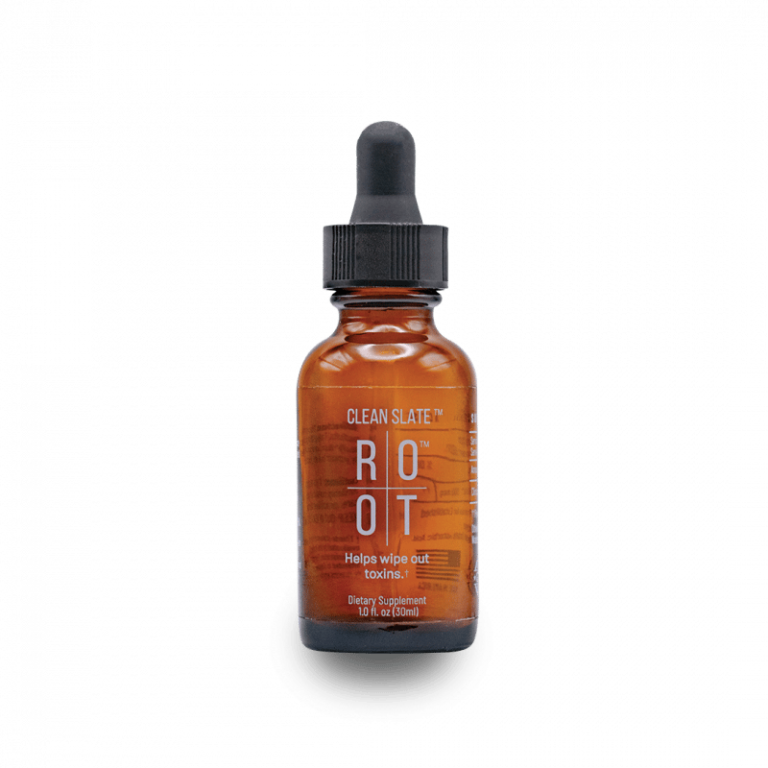
Clean Slate – Detoxes thousands of chemicals,heavy metals, pesticides, allergens, mold spores and fungus
Clean Slate is a cellular-level detoxifier that targets heavy metals, pesticides, and environmental toxins to unblock your body's natural defense pathways. It helps reduce systemic inflammation and restores the nutrient absorption sites often compromised by modern toxicity.
Vetting Notes
Pending
The pathogenesis of Leaky Gut via MLCK involves a sophisticated cascade of molecular events. When MLCK is activated—typically by a rise in intracellular calcium or specific inflammatory signals—it phosphorylates MLC at two specific sites: Serine-19 and Threonine-18.
This phosphorylation increases the ATPase activity of the myosin motor, leading to the sliding of actin filaments against myosin. The resulting contraction of the PAMR generates mechanical tension. This tension is transmitted to the tight junction proteins via their anchors (like ZO-1). The physical pulling force causes the internalisation of occludin and the redistribution of claudin proteins, effectively widening the paracellular space. This process is often referred to as the 'drawstring' mechanism: just as pulling the string on a pouch closes the opening, the contraction of the ring in the gut cell alters the tension on the junctional 'gate,' allowing larger molecules to pass through that would normally be excluded.
Triggers of MLCK Activation: The Root Causes
The activation of MLCK does not occur in a vacuum. It is a downstream response to various biological 'insults.' Understanding these root causes is vital for therapeutic intervention.
1. Pro-inflammatory Cytokines (TNF-alpha)
One of the most potent triggers of MLCK activation is Tumor Necrosis Factor-alpha (TNF-α). In chronic inflammatory states, such as Crohn’s disease or Ulcerative Colitis, high levels of TNF-α bind to receptors on the epithelial cell surface. This triggers a signaling cascade involving NF-κB, which increases the transcription and expression of the MLCK gene. This leads to a chronic increase in MLCK levels, ensuring the gut remains in a state of 'high permeability' as long as inflammation persists.
2. Pathogenic Microbes and Dysbiosis
Certain enteric pathogens, such as enteropathogenic Escherichia coli (EPEC), have evolved to hijack the MLCK pathway. By injecting effector proteins into the host cell, these microbes trigger rapid MLCK activation to dismantle the host's barrier, allowing the bacteria to colonise more effectively. Furthermore, a general state of dysbiosis—an imbalance in the gut microbiome—can lead to an overproduction of lipopolysaccharides (LPS), which further stimulates the inflammatory pathways that activate MLCK.
3. Dietary Antigens and Stress
Emerging research suggests that certain dietary components, such as gluten (specifically gliadin) in sensitive individuals, can trigger the release of zonulin. Zonulin signaling is closely linked to the activation of the actomyosin cytoskeleton and MLCK-mediated permeability. Additionally, chronic physiological stress leads to the release of corticotropin-releasing factor (CRF), which can increase mast cell degranulation in the gut. The proteases released by mast cells, such as tryptase, are known to activate the MLCK pathway, providing a molecular link between psychological stress and gut barrier failure.
From Molecular Signal to Systemic Illness
The activation of MLCK and the subsequent development of Leaky Gut are not localized issues. Once the barrier is breached, 'danger-associated molecular patterns' (DAMPs) and 'pathogen-associated molecular patterns' (PAMPs) enter the systemic circulation. This includes undigested food particles, microbial toxins like LPS, and environmental chemicals.
Once in the bloodstream, these substances trigger a systemic immune response. This 'metabolic endotoxemia' is now recognised as a primary driver of chronic low-grade inflammation, which is a hallmark of numerous modern diseases, including type 2 diabetes, non-alcoholic fatty liver disease (NAFLD), autoimmune conditions, and even neuroinflammatory disorders like depression and Alzheimer's. The MLCK-driven leakiness of the gut is, therefore, the first domino in a long chain of systemic pathological events.
Therapeutic Horizons: Inhibiting MLCK
Given its central role, MLCK has become a target of significant interest for pharmacological research. Inhibitors of MLCK, such as ML-7, have been shown in laboratory settings to restore barrier function and reduce inflammation. However, because MLCK is also involved in muscle contraction and other essential processes, systemic inhibition is complex. Current research is focusing on 'long-chain' MLCK inhibitors that specifically target the isoforms in the gut epithelium without affecting smooth muscle function elsewhere in the body.
Beyond pharmacology, addressing the root causes that activate MLCK remains the most effective strategy for managing Leaky Gut. This includes targeted dietary interventions to reduce TNF-α and NF-κB activity, the use of specific probiotics to restore microbial balance, and stress management techniques to mitigate the CRF-mast cell-MLCK axis.
Conclusion
The role of Myosin Light Chain Kinase in the pathogenesis of Leaky Gut Syndrome highlights the transition of gastroenterology from observational symptoms to molecular precision. MLCK is the mechanical bridge between an inflammatory signal and a physical breach in the gut wall. By understanding that Leaky Gut is a regulated, enzyme-driven process rather than a random occurrence, we can better appreciate the impact of diet, lifestyle, and inflammation on our internal landscape. Protecting the integrity of the gut barrier requires a proactive approach to modulating the signals that keep the MLCK switch in its 'off' position, thereby preserving the health of the entire human organism.
This article is provided for informational and educational purposes only. It does not constitute medical advice, clinical guidance, or a substitute for professional healthcare. Information reflects cited research at time of publication. Always consult a qualified healthcare professional before acting on any health information.
RESEARCH FOUNDATIONS
Biological Credibility Archive
Citations provided for educational reference. Verify via PubMed or institutional databases.
Medical Disclaimer
The information in this article is for educational purposes only and does not constitute medical advice, diagnosis, or treatment. Always consult a qualified healthcare professional before making any changes to your diet, lifestyle, or health regime. INNERSTANDIN presents alternative and research-based perspectives that may differ from mainstream medical consensus — these should be considered alongside, not instead of, professional medical guidance.
Read Full DisclaimerReady to learn more?
Continue your journey through our classified biological research.
DISCUSSION ROOM
Members of THE COLLECTIVE discussing "Myosin Light Chain Kinase (MLCK): The Molecular Trigger of Intestinal Permeability"
SILENT CHANNEL
Be the first to discuss this article. Your insight could help others understand these biological concepts deeper.
THE ARSENAL
Based on Tight Junction Science — products curated by our research team for educational relevance and biological support.
Clean Slate – Detoxes thousands of chemicals,heavy metals, pesticides, allergens, mold spores and fungus

Panaceum – Prebiotic Oligosaccharide Complex

C60 Charcoal – Supports Healthy Digestion and Detoxification.
INNERSTANDING may earn a commission on purchases made through these links. All products are selected based on rigorous educational relevance to our biological research.
RABBIT HOLE
Follow the biological thread deeper