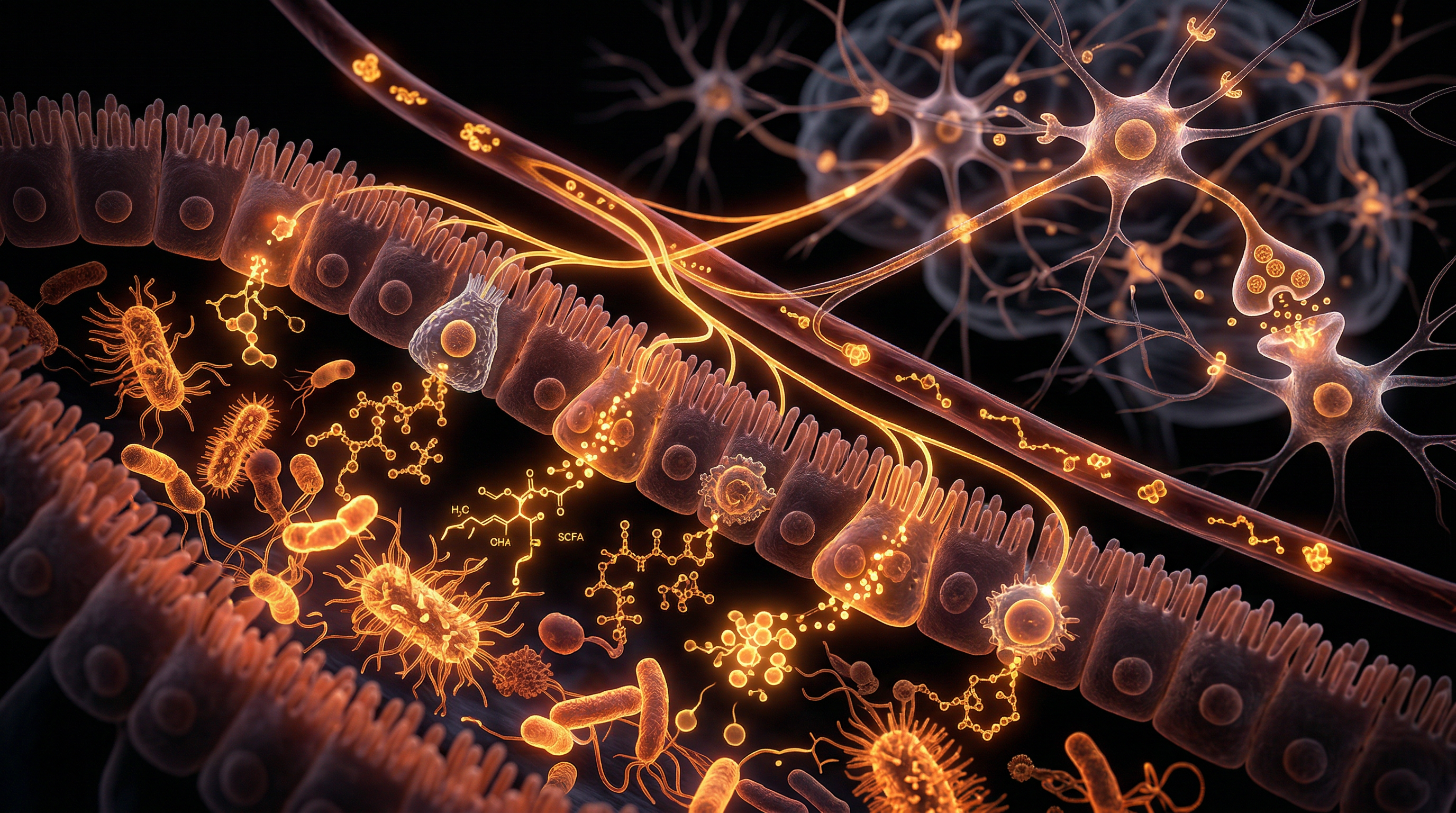
Neotame’s Impact on Intestinal Epithelial Integrity: Mechanisms of Increased Permeability and Pro-inflammatory Cytokine Release
An in-depth examination of how the ultra-potent artificial sweetener Neotame (E961) disrupts the intestinal barrier, triggers epithelial cell death, and promotes systemic inflammation through the release of pro-inflammatory cytokines.

# Neotame’s Impact on Intestinal Epithelial Integrity: Mechanisms of Increased Permeability and Pro-inflammatory Cytokine Release
The Evolution of Sweetness and the Gut Frontier
In the modern landscape of nutritional science, the quest for sugar alternatives has led to the development of high-intensity sweeteners (HIS) that far exceed the sweetness of sucrose. Among these, Neotame (E961)—a derivative of aspartame and 3,3-dimethylbutyraldehyde—stands as one of the most potent, boasting a sweetness profile between 7,000 and 13,000 times that of table sugar. While regulatory bodies have historically deemed Neotame safe based on traditional toxicological parameters, emerging research from a root-cause perspective suggests a more complex interaction within the human bio-system, particularly concerning the intestinal epithelium.
At INNERSTANDING, we focus on the fundamental pillars of health. The intestinal barrier is perhaps the most critical of these pillars, acting as a selective gatekeeper between the external environment (the food we ingest) and our internal systemic circulation. Recent evidence suggests that Neotame may not be the inert additive it was once thought to be, but rather a potent disruptor of this delicate epithelial integrity.
The Anatomy of the Intestinal Barrier
To understand how Neotame compromises health, one must first understand the structure of the gut wall. The intestinal epithelium is a single layer of cells held together by a complex network of proteins known as the Apical Junctional Complex (AJC). This complex includes Tight Junctions (TJs) comprised of proteins such as Claudins, Occludin, and Zonula Occludens-1 (ZO-1).
These proteins function like a 'zip-lock' bag, preventing the translocation of pathogenic bacteria, undigested food particles, and endotoxins (lipopolysaccharides) into the bloodstream. When this barrier is compromised—a state often referred to as 'increased intestinal permeability' or 'leaky gut'—the body is exposed to a constant influx of triggers that drive chronic inflammation.
Mechanism I: The Breakdown of Junctional Integrity
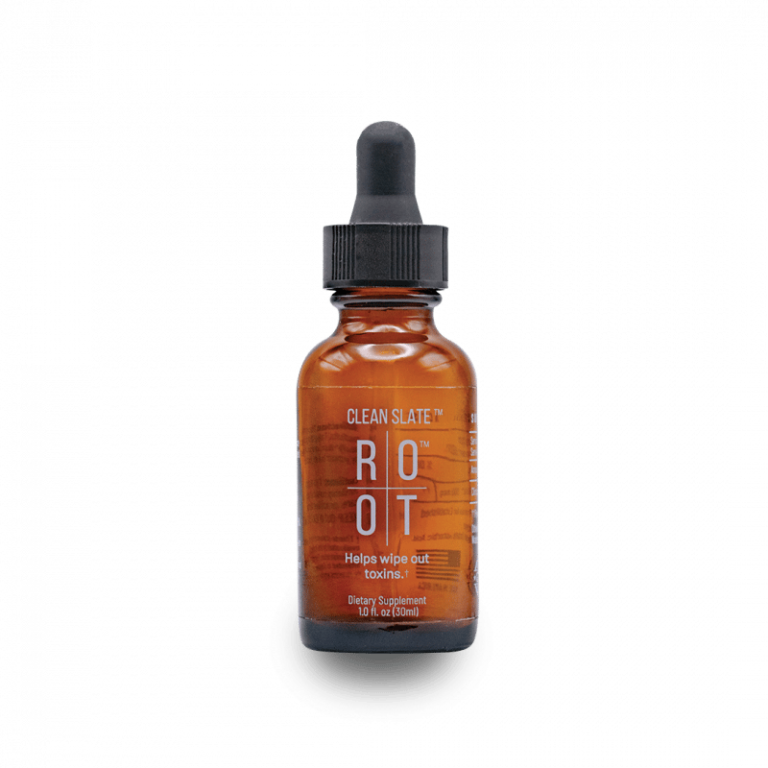
Clean Slate – Detoxes thousands of chemicals,heavy metals, pesticides, allergens, mold spores and fungus
Clean Slate is a cellular-level detoxifier that targets heavy metals, pesticides, and environmental toxins to unblock your body's natural defense pathways. It helps reduce systemic inflammation and restores the nutrient absorption sites often compromised by modern toxicity.
Vetting Notes
Pending
Recent molecular studies have highlighted that Neotame exposure leads to a significant downregulation of key tight junction proteins. Specifically, Neotame has been shown to reduce the expression of ZO-1 and Occludin in Caco-2 cell models, which are standard representations of the human intestinal lining.
Unlike caloric sugars, Neotame interacts with the T1R3 sweet taste receptors located not just on the tongue, but throughout the gastrointestinal tract. This interaction triggers intracellular signalling pathways that, when overstimulated, lead to epithelial cell apoptosis (programmed cell death). As cells die off at an accelerated rate or fail to maintain their 'zip-lock' connections, the structural integrity of the gut wall is lost. This is not merely a localized issue; it is the starting point for systemic metabolic disruption.
Mechanism II: The Pro-inflammatory Cytokine Cascade
Disruption of the physical barrier is only half of the story. Neotame’s impact extends into the realm of immunological signalling. When the intestinal epithelium is stressed by Neotame, it initiates a pro-inflammatory response characterized by the release of specific cytokines.
Cytokines are small signalling proteins that mediate and regulate immunity and inflammation. Studies have demonstrated that Neotame exposure increases the production of:
- —Interleukin-6 (IL-6): A key driver of the acute phase response and chronic systemic inflammation.
- —Interleukin-8 (IL-8): A potent chemoattractant that recruits neutrophils to the gut lining, further exacerbating tissue damage.
- —Tumour Necrosis Factor-alpha (TNF-α): A master regulator of inflammation that can further increase gut permeability by activating the MLCK (Myosin Light Chain Kinase) pathway, creating a vicious cycle of barrier breakdown.
This cytokine release suggests that Neotame is perceived by the gut as a chemical stressor, prompting an immune 'alarm' that contributes to low-grade chronic inflammation—the root cause of most modern metabolic diseases, including Type 2 diabetes and non-alcoholic fatty liver disease (NAFLD).
The Microbiome-Neotame Interaction
One of the most alarming aspects of Neotame research is its effect on the gut microbiota. The intestinal barrier and the microbiome exist in a symbiotic relationship; the bacteria help maintain the barrier, and the barrier keeps the bacteria in their proper place. Neotame disrupts this balance by promoting the growth of pathobionts—opportunistic bacteria that can become pathogenic under certain conditions.
Specifically, Neotame has been shown to increase the 'pathogenic potential' of common gut bacteria like *Escherichia coli* and *Enterococcus faecalis*. Under the influence of Neotame, these bacteria become more adept at adhering to and invading the epithelial cells. This microbial invasion, coupled with the weakened tight junctions, facilitates the translocation of bacteria from the gut lumen into the mesenteric lymph nodes and the general circulation. This process, known as metabolic endotoxemia, is a primary driver of insulin resistance and metabolic syndrome.
Clinical Implications: Connecting the Dots
From a root-cause perspective, the implications of Neotame-induced gut permeability are profound. When we look at the rising rates of autoimmune conditions, food sensitivities, and metabolic dysfunction, we must consider the role of ultra-processed additives that bypass traditional safety testing.
If the gut barrier is compromised by a 'safe' sweetener, the resulting systemic inflammation can manifest in diverse ways:
- —Neurological: Through the gut-brain axis, where systemic cytokines cross the blood-brain barrier.
- —Metabolic: Where inflammation in adipose tissue leads to impaired glucose handling.
- —Dermatological: Where the 'gut-skin axis' results in inflammatory skin conditions like eczema or psoriasis.
Conclusion: Navigating a Sweeter World
At INNERSTANDING, we believe that education is the first step toward health sovereignty. While Neotame provides the 'benefit' of zero calories, the biological cost of its consumption may be far higher than previously estimated. The evidence pointing toward increased intestinal permeability and the stimulation of pro-inflammatory pathways suggests that Neotame is a significant contributor to the very metabolic issues it was designed to prevent.
For those seeking to optimize their health and address the root causes of inflammation, the removal of ultra-potent artificial sweeteners like Neotame is a critical intervention. Prioritizing whole, unprocessed foods and supporting the intestinal barrier through diverse fibre intake and polyphenol-rich foods remains the gold standard for long-term metabolic vitality. The 'sweetness' of an additive is never worth the integrity of our most vital internal frontier.
This article is provided for informational and educational purposes only. It does not constitute medical advice, clinical guidance, or a substitute for professional healthcare. Information reflects cited research at time of publication. Always consult a qualified healthcare professional before acting on any health information.
RESEARCH FOUNDATIONS
Biological Credibility Archive
Citations provided for educational reference. Verify via PubMed or institutional databases.
Medical Disclaimer
The information in this article is for educational purposes only and does not constitute medical advice, diagnosis, or treatment. Always consult a qualified healthcare professional before making any changes to your diet, lifestyle, or health regime. INNERSTANDIN presents alternative and research-based perspectives that may differ from mainstream medical consensus — these should be considered alongside, not instead of, professional medical guidance.
Read Full DisclaimerReady to learn more?
Continue your journey through our classified biological research.
DISCUSSION ROOM
Members of THE COLLECTIVE discussing "Neotame’s Impact on Intestinal Epithelial Integrity: Mechanisms of Increased Permeability and Pro-inflammatory Cytokine Release"
SILENT CHANNEL
Be the first to discuss this article. Your insight could help others understand these biological concepts deeper.
THE ARSENAL
Based on Artificial Sweeteners & Metabolic Disruption — products curated by our research team for educational relevance and biological support.
Clean Slate – Detoxes thousands of chemicals,heavy metals, pesticides, allergens, mold spores and fungus
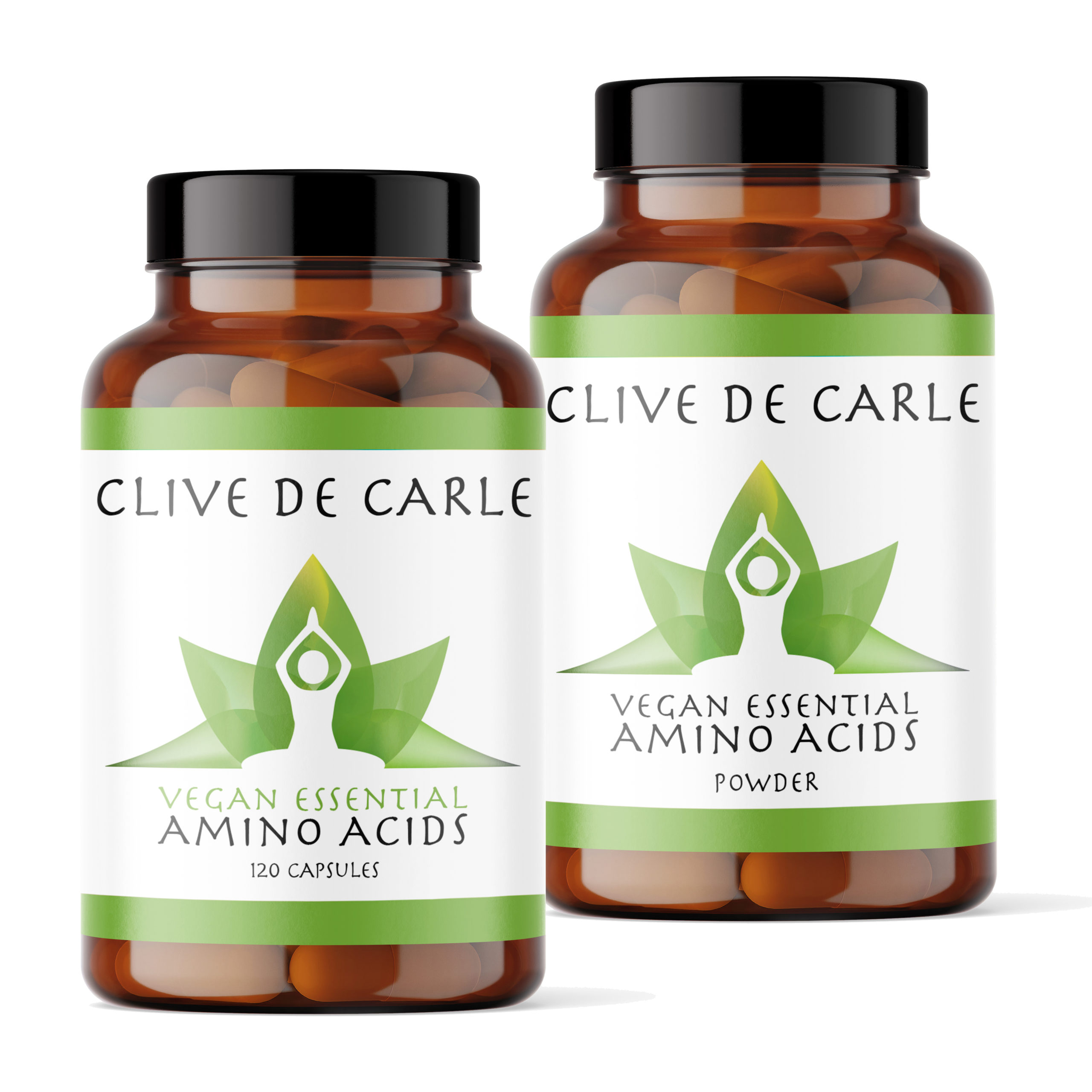
Vegan Essential Amino Acids – Plant-Powered Protein Building
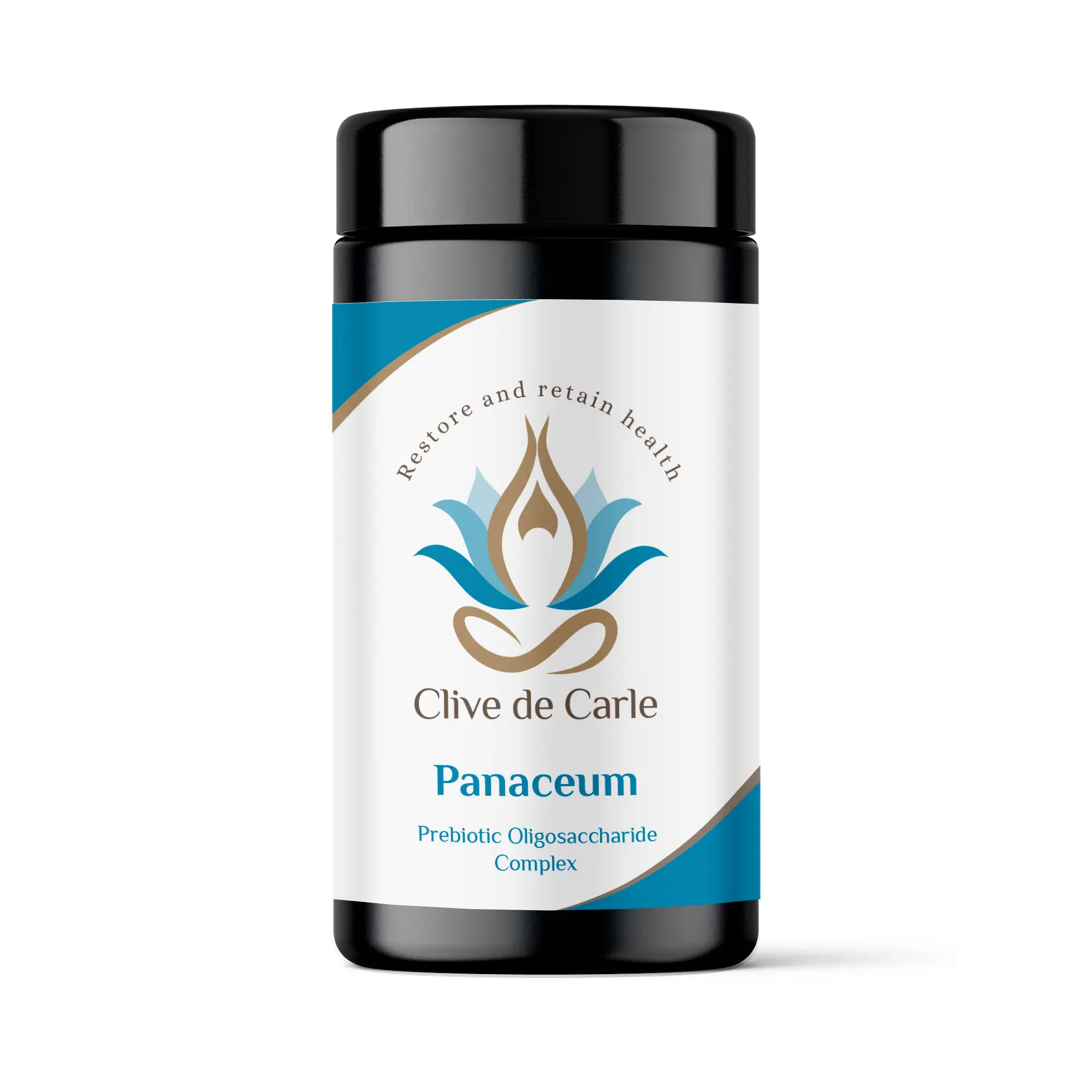
Panaceum – Prebiotic Oligosaccharide Complex
INNERSTANDING may earn a commission on purchases made through these links. All products are selected based on rigorous educational relevance to our biological research.
RABBIT HOLE
Follow the biological thread deeper