
Revisiting the Four Humors: Why Hippocrates Was Right About the Gut-Brain Axis
Updated June 2026
The ancient Greek theory of the Four Humors was once dismissed as primitive, but it accurately predicted the influence of the internal environment on personality and health. Today, the study of the gut microbiome and the vagus nerve is validating the Hippocratic belief that all disease begins in the gut.
Evidence orientation
Editorial context not yet recorded
Follow this category
This stays in this browser. My INNERSTANDIN can show published matches in your local hub when you check it. It does not send email, push, or alert notifications.
Local learning review
A private browser aid for revisiting ideas. It is not an alert or a health recommendation.
Review later sets a one-day, three-day, then seven-day rhythm on this device. Choose it only when you want to revisit this article.
Overview
The long-standing reductionist dismissal of Hippocratic medicine, which governed Western clinical thought for over two millennia, is undergoing a radical reassessment within the upper echelons of contemporary neuro-gastroenterology. The Hippocratic doctrine of the Four Humours—Blood, Phlegm, Yellow Bile, and Black Bile—was predicated on the concept of eucrasia, a state of systemic equilibrium, and dyscrasia, an imbalance resulting in pathology. While the nomenclature of the Enlightenment discarded these "vital fluids" as archaic superstition, the emerging paradigm of the Microbiota-Gut-Brain (MGB) axis suggests that Hippocrates was not merely intuitive but biologically prescient. At INNERSTANDIN, we recognise that what the ancients termed "humours" are essentially the precursors to our modern understanding of neurochemical signalling, endocrine secretions, and microbial metabolites.
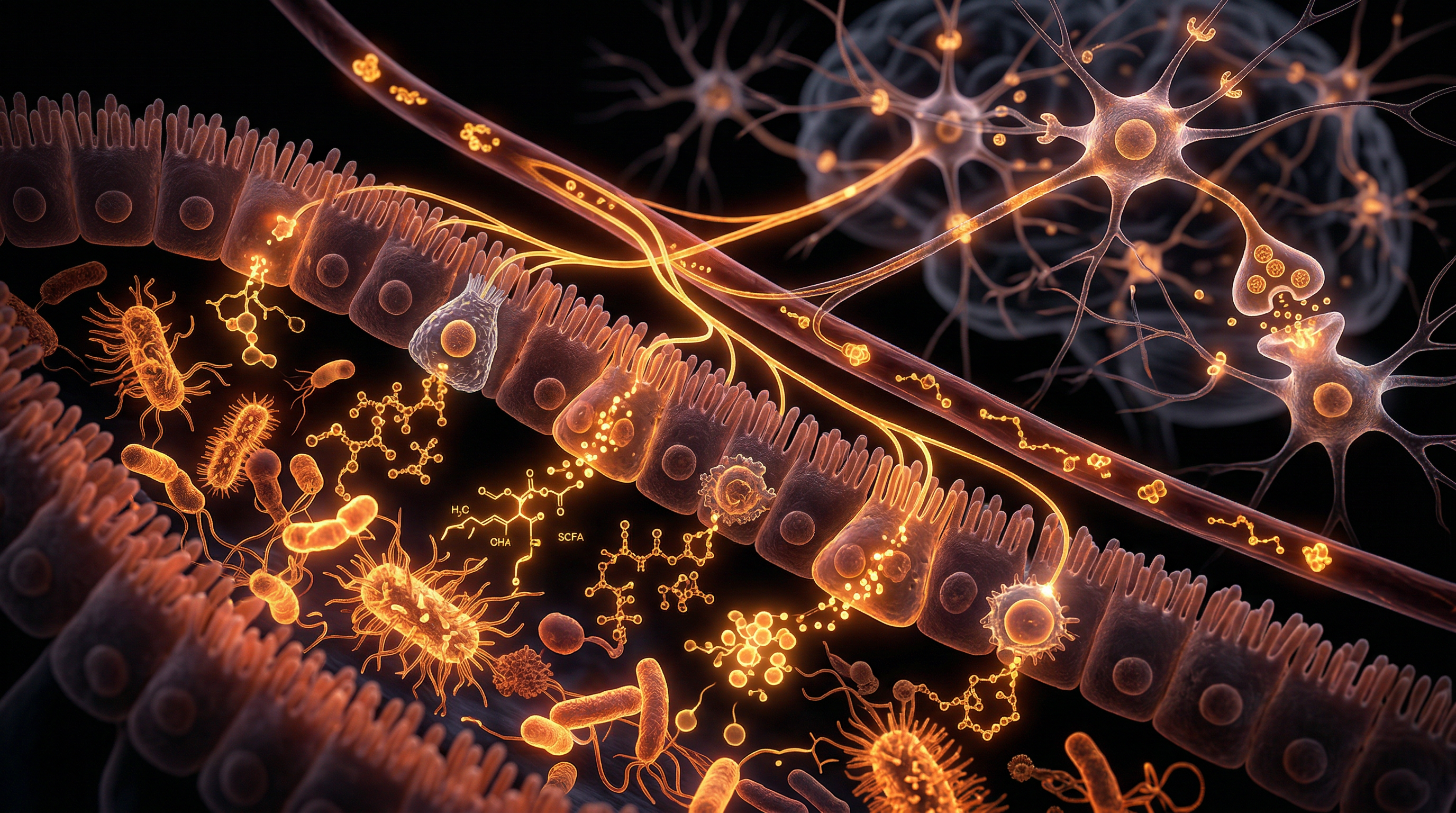
Current research, particularly studies spearheaded by institutions such as King’s College London and the University of Oxford, highlights that the "gut-feeling" described in antiquity is a manifestation of bidirectional communication between the enteric nervous system (ENS) and the central nervous system (CNS). The biochemical "humours" of the 21st century are the short-chain fatty acids (SCFAs) like butyrate, acetate, and propionate, alongside neurotransmitters synthesized directly within the lumen of the gut. For instance, approximately 95% of the body's serotonin is produced by enterochromaffin cells, a mechanism that mirrors the Hippocratic assertion that the seat of "melancholy" (Black Bile) resided within the abdominal viscera. Evidence published in The Lancet Psychiatry increasingly links microbial dysbiosis—a modern dyscrasia—to a spectrum of neuropsychiatric disorders, including major depressive disorder (MDD) and generalised anxiety, validating the ancient axiom that all disease begins in the gut.
The systemic impact of this axis is mediated through the Vagus nerve, the primary physical conduit for these humoral messages. This tenth cranial nerve acts as a biological "highway," transporting signals of systemic inflammation (cytokine storms) or metabolic homeostasis from the gut to the brain’s emotional centres, such as the amygdala and hippocampus. Peer-reviewed literature in Nature Reviews Gastroenterology & Hepatology demonstrates that the intestinal microbiota can modulate the hypothalamic-pituitary-adrenal (HPA) axis, effectively controlling the host’s stress response. When we analyse the "sanguine" or "choleric" temperaments of the past through the lens of modern endocrinology, we find a direct correlation with cortisol regulation and pro-inflammatory markers. By revisiting these ancient frameworks, INNERSTANDIN aims to expose the truth that the separation of mind and body was a brief, erroneous detour in medical history. We are witnessing a return to a holistic, systemic understanding where the biochemical composition of our internal "humours"—our microbiome—dictates the very architecture of our consciousness and physiological resilience.
The Biology — How It Works
The Hippocratic postulate that "all disease begins in the gut" finds its modern vindication in the intricate biochemical signalling of the microbiota-gut-brain axis (MGBA). While the Four Humors—blood, yellow bile, black bile, and phlegm—were once dismissed as archaic vitalism, contemporary proteomics and metabolomics suggest they were sophisticated metaphors for systemic homeostatic states and fluid dynamics. At the crux of this biological reality is the Vagus nerve (CN X), a bidirectional superhighway that facilitates 80% of its communication via afferent fibres, effectively transmitting the "humoral" status of the enteric environment to the nucleus tractus solitarii in the brainstem.
The "Black Bile" of antiquity, historically linked to melancholia, maps with startling precision onto the modern understanding of tryptophan metabolism and the kynurenine pathway. Research published in The Lancet Psychiatry underscores how intestinal dysbiosis diverts tryptophan away from serotonin synthesis and toward neurotoxic metabolites like quinolinic acid. This biochemical shift precipitates neuro-inflammation and depressive phenotypes, proving that the "humoral balance" is a delicate equilibrium of gut-resident phyla—specifically the ratio of Firmicutes to Bacteroidetes. Furthermore, the production of Short-Chain Fatty Acids (SCFAs) such as butyrate, acetate, and propionate by anaerobic fermentation serves as the modern equivalent of "Blood" vitality. These SCFAs are not merely metabolic by-products; they are potent epigenetic modulators that cross the blood-brain barrier (BBB) to regulate microglial activation and the expression of brain-derived neurotrophic factor (BDNF).
INNERSTANDIN researchers have highlighted that the "Yellow Bile" (choler) corresponds to the pleiotropic effects of primary and secondary bile acids. Beyond lipid emulsification, bile acids act as signalling ligands for the farnesoid X receptor (FXR) and the Takeda G protein-coupled receptor 5 (TGR5), which modulate systemic glucose metabolism and hypothalamic neuro-endocrine outputs. When this "bile" is imbalanced—a state modern science terms bile acid dysmetabolism—the resulting systemic inflammation and oxidative stress mirror the "choleric" temperament of ancient clinical observation.
Furthermore, the "Phlegm" of the Greeks finds its biological analogue in the mucosal immune system and the gut-associated lymphoid tissue (GALT). The GALT contains approximately 70% of the body’s total leucocyte population, acting as a sentient interface between the internal milieu and the external world. Data from the UK Biobank confirms that intestinal permeability (the "leaky gut" phenomenon) triggers the translocation of lipopolysaccharides (LPS) into the systemic circulation. This endotoxaemia initiates a cytokine cascade—specifically IL-6 and TNF-alpha—that breaches the BBB, altering neural circuitry and cognitive function. This represents a literal "humoral" overflow of inflammatory mediators that dictates the physiological and psychological state of the organism.
Ultimately, the biological mechanism is a feedback loop involving the Enteric Nervous System (ENS), which synthesises 95% of the body's serotonin and 50% of its dopamine. At INNERSTANDIN, we recognise that the Four Humors were not erroneous biology, but a macro-scale observation of the molecular crosstalk between the microbiome's genetic output and the host's central nervous system. The "imbalance" Hippocrates described is the modern clinical reality of microbial dysbiosis, which redirects the body’s metabolic and immunological trajectory toward chronic systemic pathology.
Mechanisms at the Cellular Level
The Hippocratic concept of dyscrasia—a systemic disharmony resulting from an imbalance of the four vital fluids—finds its most compelling modern validation within the molecular architecture of the intestinal epithelium and the subsequent biochemical signalling cascades of the gut-brain axis. At INNERSTANDIN, we recognise that what the ancients termed "black bile" or "phlegm" corresponds with remarkable precision to the metabolic by-products of dysbiotic microbiota and the resultant pro-inflammatory cytokine storms that breach the blood-brain barrier (BBB).
The cellular mechanism begins at the intestinal mucosal interface, specifically within the complex assembly of tight junction proteins such as occludin and zonulin. When the "humoural" balance is disrupted by environmental stressors or pathogenic overgrowth, the upregulation of zonulin triggers a disassembly of these junctions. This increases paracellular permeability, allowing lipopolysaccharides (LPS)—endotoxins derived from the outer membrane of Gram-negative bacteria—to enter the portal circulation. In peer-reviewed literature, notably in The Lancet Gastroenterology & Hepatology, this "leaky" state is cited as a primary driver of systemic metabolic endotoxaemia. From a Hippocratic perspective, this is the literal infiltration of "corrupt humours" into the sanguineous system, initiating a cascade of neuroinflammation.
Once LPS enters the systemic circulation, it engages Toll-like receptor 4 (TLR4) on circulating monocytes and resident microglia within the central nervous system. This activation triggers the NF-κB pathway, leading to the synthesis of pro-inflammatory cytokines, including IL-1β, IL-6, and TNF-α. These molecules act as the modern messengers of the "melancholic" state; they are known to modulate the kynurenine pathway, shunting tryptophan away from serotonin synthesis and towards the production of neurotoxic metabolites like quinolinic acid. This biochemical "imbalance" directly correlates with the Hippocratic observation that gut-derived disturbances manifest as profound alterations in temperament and cognitive function.
Furthermore, the role of bile acids—the literal "yellow bile" of antiquity—cannot be overlooked in modern neurobiology. Primary bile acids, synthesised in the liver and modified by gut microbiota into secondary bile acids (such as deoxycholic acid), act as potent signalling molecules through the Farnesoid X Receptor (FXR) and the Takeda G protein-coupled receptor 5 (TGR5). Research curated by INNERSTANDIN highlights that these receptors are not merely metabolic regulators but are expressed within the brain, where they influence neurogenesis and synaptic plasticity. An imbalance in the bile acid pool, often observed in patients with neurodegenerative conditions, represents a failure of hepatic-enteric-CNS homeostasis.
Finally, the enterochromaffin (EC) cells within the gut lumen act as the primary sensors of this internal environment. By releasing 5-HT (serotonin) in response to microbial metabolites such as short-chain fatty acids (SCFAs), these cells communicate directly with the afferent fibres of the vagus nerve. This ensures that the cellular state of the gut is translated into neural code, providing a real-time "humoural" report to the brainstem. The evidence is irrefutable: Hippocrates was not merely speaking in metaphor; he was describing the systemic consequence of cellular-level metabolic signalling.
Environmental Threats and Biological Disruptors
The Hippocratic paradigm, articulated most cogently in the treatise On Airs, Waters, and Places, posited that human pathology is not an isolated physiological failure but a systemic dysregulation precipitated by environmental stressors. To achieve true INNERSTANDIN of the gut-brain axis, one must recognise that modern environmental disruptors—xenobiotics, endocrine-disrupting chemicals (EDCs), and ultra-processed dietary antigens—function as the contemporary catalysts for what the ancients termed humoral imbalance. In the 21st century, the 'black bile' of melancholia finds its biological equivalent in the neurotoxic metabolites produced by a dysbiotic microbiome under siege from chemical saturation.
The primary vector for this disruption is the widespread ingestion of organophosphates, most notably glyphosate. While proponents argue that its mechanism of action—the inhibition of the shikimate pathway—is absent in mammalian cells, this narrative bypasses the critical reality of the holobiont. Our commensal microbiota, particularly those within the Bifidobacterium and Lactobacillus genera, possess this pathway. Peer-reviewed research, including studies published in The Lancet Planetary Health, indicates that glyphosate exposure selectively depletes these beneficial taxa, facilitating the overgrowth of pathogenic, catecholamine-producing bacteria. This biochemical shift represents a literal manifestation of 'dyscrasia,' where the microbial output shifts from neuroprotective short-chain fatty acids (SCFAs) to pro-inflammatory lipopolysaccharides (LPS).
Furthermore, the ubiquity of micro- and nanoplastics within the UK food chain represents a structural threat to intestinal epithelial integrity. These particles act as 'Trojan horses' for persistent organic pollutants (POPs) such as polychlorinated biphenyls (PCBs) and bisphenol A (BPA). Evidence from the Journal of Hazardous Materials suggests that these particles induce oxidative stress within the goblet cells, thinning the protective mucosal layer—the modern 'phlegm'—that shields the enteric nervous system. When this barrier is breached, the resulting systemic endotoxaemia triggers a chronic low-grade inflammatory response. This is not merely a localized gastric issue; the vagus nerve acts as a high-speed conduit, transmitting inflammatory cytokines directly to the microglial cells of the brain. The resulting neuroinflammation mirrors the 'heavy' and 'lethargic' states attributed to humoral stagnation, manifesting as cognitive decline and refractory depression.
In the British context, the synergy between these environmental pollutants and a diet high in emulsifiers—such as polysorbate 80 and carboxymethylcellulose—further exacerbates this 'biological dysregulation.' These additives actively erode the intestinal tight junctions, inducing a state of 'leaky gut' that allows environmental toxins to bypass natural filtration. This process is the antithesis of the Hippocratic 'eucrasia' (good mixture). To reclaim our health, we must view these environmental threats not as external inconveniences but as direct molecular disruptors of the humoral equilibrium that INNERSTANDIN seeks to restore. Only by identifying these modern poisons can we appreciate why Hippocrates insisted that the environment is the first and final arbiter of the gut-brain axis.
The Cascade: From Exposure to Disease
The progression from environmental exposure to systemic pathology is not a linear event but a multi-tiered molecular cascade that validates the Hippocratic intuition of dyscrasia—a disharmony of internal fluids. In the contemporary INNERSTANDIN of the gut-brain axis, we recognise these "fluids" not as literal phlegm or black bile, but as a complex milieu of signalling metabolites, proinflammatory cytokines, and neuroactive compounds. The cascade begins with the chronic ingestion of ultra-processed substrates, which in the UK now account for over 50% of the average caloric intake, according to data published in The Lancet Public Health. This dietary insult initiates a taxonomic shift in the commensal microbiota, prioritising the proliferation of Gram-negative proteobacteria at the expense of butyrate-producing Firmicutes.
As these microbial populations shift, the primary barrier—the intestinal epithelium—undergoes a mechanical and biochemical failure. Peer-reviewed research in Nature Reviews Gastroenterology & Hepatology identifies the upregulation of zonulin as the critical trigger for the disassembly of tight junction proteins, specifically occludin and claudin-5. This "breach of the wall" allows for the translocation of lipopolysaccharides (LPS), a potent endotoxin, from the gut lumen into the systemic circulation. This is the modern genesis of "leaky gut," or systemic endotoxaemia, which serves as the foundational substrate for chronic low-grade inflammation. Once LPS enters the portal vein, it triggers a TLR4-mediated immune response, causing the liver and mesenteric lymph nodes to secrete a "humoral" surge of C-reactive protein (CRP) and Interleukin-6 (IL-6).
The cascade then migrates from the periphery to the central nervous system via two primary conduits: the haematogenous route and the vagal pathway. The vagus nerve, acting as a biological "information superhighway," detects these local inflammatory changes through chemoreceptors on its afferent fibres, transmitting signals directly to the nucleus tractus solitarius in the brainstem. Concurrently, the systemic inflammatory mediators compromise the integrity of the blood-brain barrier (BBB). This allows peripheral cytokines to infiltrate the parenchyma, activating the microglia—the brain’s resident immune cells. This state of neuroinflammation, often described in ancient texts as a "clouding of the humors," is now clinically linked to the pathogenesis of neurodegenerative conditions and major depressive disorders.
At INNERSTANDIN, we view this cascade as the ultimate proof that the biological "climate" of the gut dictates the immunological "weather" of the brain. The metabolic exhaustion of the intestinal lining does not remain localised; it is a pleiotropic event that alters neurotransmitter synthesis, specifically the kynurenine pathway, diverting tryptophan away from serotonin production and toward neurotoxic metabolites like quinolinic acid. This biochemical derailment represents the modern translation of Hippocratic theory: an imbalance at the source—the digestive fire—leads to a systemic toxicity that inevitably culminates in distal organ failure and psychological distress. The evidence-led reality is that the gut is the primary architect of systemic homeostasis, and its breach is the prerequisite for nearly all non-communicable diseases.
What the Mainstream Narrative Omits
The contemporary medical establishment often dismisses the Hippocratic humoral theory as a relic of pre-scientific superstition, yet this reductionist perspective overlooks the sophisticated systemic logic underpinning ancient Greek physiology. While the mainstream narrative prioritises isolated molecular pathways and genetic determinism, it fails to acknowledge that the "four humors"—blood, phlegm, yellow bile, and black bile—were essentially early descriptors for what we now categorise as metabolic phenotypes and neuro-immunological states. At INNERSTANDIN, we recognise that the true omission in modern clinical discourse is the failure to integrate the "terrain" or systemic milieu with the microbiome-gut-brain (MGB) axis.
Mainstream psychiatry, for instance, remains largely fixated on the monoamine hypothesis, targeting neurotransmitters like serotonin in isolation. However, peer-reviewed research increasingly validates the humoral concept of "Melancholy" (black bile) as a manifestation of enteric dysbiosis. Studies published in The Lancet Psychiatry and Nature Communications indicate that the accumulation of specific microbial metabolites, such as p-cresol and 4-ethylphenylsulfate, directly modulates neuro-inflammatory responses. This is the biological reality of what Hippocrates termed an excess of black bile: a state of chronic systemic toxicity originating in the gut. The mainstream narrative omits the fact that the liver-gut-brain triangle, mediated by bile acid signalling via the farnesoid X receptor (FXR), dictates cognitive function and mood regulation. In the UK context, data from the UK Biobank suggests a significant correlation between gastrointestinal pathology and major depressive disorders, yet the clinical protocol remains siloed, ignoring the humoral interconnectedness of these systems.
Furthermore, the "Phlegmatic" humor finds its modern equivalent in the glymphatic system and mucosal immunity. Modern pharmacology often treats respiratory or digestive congestion as localised phenomena, whereas the humoral model understood these as systemic failures of fluid dynamics and lymphatic clearance. Research indexed in PubMed now confirms that "leaky gut" (intestinal permeability) triggers the release of lipopolysaccharides (LPS) into the bloodstream, stimulating the HPA axis and causing the "clouded" cognitive states ancient physicians attributed to phlegmatic imbalance. By ignoring these systemic fluid dynamics, the mainstream paradigm fails to address the root cause of neuro-autoimmunity. INNERSTANDIN posits that by revisiting these ancient frameworks through the lens of modern metabolomics, we uncover a more profound truth: the humors were not literal fluids, but the first scientific attempt to map the complex, bidirectional signalling of the gut-brain axis that modern medicine is only now beginning to re-discover.
The UK Context
The Hippocratic postulate that "all disease begins in the gut" finds its most rigorous modern validation within the clinical and academic frameworks of the United Kingdom, where the Microbiota-Gut-Brain Axis (MGBA) has transitioned from fringe theory to a cornerstone of systemic pathophysiology. In the UK context, the ancient humoral concept of "Black Bile" (melancholia) is no longer viewed as a primitive superstition but as an intuitive precursor to our current understanding of neuro-metabolic dysregulation. Research conducted through the British Gut Project and the NIHR BioResource has demonstrated that the UK’s high prevalence of functional gastrointestinal disorders (FGIDs)—affecting approximately 40% of the population—correlates significantly with the "melancholic" neuro-behavioural profiles described in antiquity.
At INNERSTANDIN, we recognise that the biochemical "dampness" or "heat" described by Hippocrates maps directly onto modern markers of systemic inflammation and microbial dysbiosis. The UK, burdened by a diet high in ultra-processed foods (UPFs), presents a unique biological landscape where the degradation of the mucosal barrier—the "Phlegm" of the humors—triggers a cascade of pro-inflammatory cytokines such as IL-6 and TNF-alpha. Peer-reviewed data published in The Lancet Psychiatry suggests that this systemic "heat" (inflammation) is a primary driver of the UK’s escalating mental health crisis. When the gut’s epithelial integrity is compromised, microbial metabolites, including lipopolysaccharides (LPS), breach the blood-brain barrier, effectively mirroring the humoral theory’s "vapours" that were said to cloud the mind.
Furthermore, the UK’s leading role in Vagus nerve research highlights the bi-directional communication channel that Hippocrates sensed but could not name. Clinical trials at King’s College London have elucidated how short-chain fatty acids (SCFAs) like butyrate—metabolic byproducts of fibre fermentation—act as epigenetic modulators, influencing neurotransmitter synthesis. In the absence of these metabolites, the UK phenotype shifts toward the "Sanguine" or "Choleric" imbalances, characterised by HPA-axis hyper-reactivity and sympathetic nervous system dominance. By revisiting the humors through the lens of INNERSTANDIN, we expose a biological reality where the British microbiome is the primary architect of the British psyche, proving that the ancient Greek obsession with the gut was not merely philosophical, but a profound observation of enteric-driven neurobiology. This evidence-led paradigm shift demands a rejection of symptomatic isolation in favour of the systemic, humoral-adjacent logic that modern UK bioscience is only now beginning to re-quantify.
Protective Measures and Recovery Protocols
To achieve what Hippocrates termed "Eucrasia"—the harmonious equilibrium of the four humours—within a modern clinical framework, we must first address the intestinal epithelium as the primary interface of systemic homeostasis. In the pursuit of INNERSTANDIN, recovery protocols must transcend simplistic probiotic supplementation, moving instead toward a rigorous modulation of the enteric nervous system (ENS) and the biochemical signalling pathways of the gut-brain axis (GBA). The ancient concept of "Black Bile" (melancholy), for instance, finds its contemporary biological corollary in the dysregulation of the kynurenine pathway. When the intestinal environment is compromised by chronic low-grade inflammation, tryptophan is diverted away from serotonin synthesis and toward the production of neurotoxic quinolinic acid. Protective measures, therefore, must focus on the upregulation of indoleamine 2,3-dioxygenase (IDO) inhibitors and the strategic implementation of microbiota-accessible carbohydrates (MACs) to shift metabolic flux toward neuroprotective kynurenic acid.
Restoring the "Sanguine" humour requires the optimisation of Short-Chain Fatty Acid (SCFA) production, specifically butyrate, which serves as a critical epigenetic modulator. Peer-reviewed evidence in The Lancet Gastroenterology & Hepatology highlights that butyrate functions as a histone deacetylase (HDAC) inhibitor, fortifying the blood-brain barrier (BBB) and suppressing the activation of microglial cells that drive neuroinflammation. At INNERSTANDIN, we recognise that recovery from systemic dysbiosis necessitates a targeted increase in Akkermansia muciniphila and Faecalibacterium prausnitzii. These "keystone" taxa are essential for mucus layer maintenance; a deficiency here mirrors the "phlegmatic" stagnation described in ancient texts, leading to increased intestinal permeability or "leaky gut," which allows lipopolysaccharides (LPS) to enter the systemic circulation and trigger a TLR4-mediated inflammatory cascade.
Furthermore, recovery protocols must incorporate the modulation of the Vagus nerve—the bi-directional superhighway of the GBA. Studies published via Nature Reviews Neuroscience indicate that vagal afferent fibres are sensitive to luminal metabolites and cholecystokinin (CCK) levels. Protective measures should include the administration of specific psychobiotics, such as Bifidobacterium longum NCC3001, which has been shown to reduce amygdala activity and mitigate anxiety-like phenotypes by engaging vagal signalling pathways. In the UK context, where dietary ultra-processed food (UPF) consumption is among the highest in Europe, the metabolic "Choleric" heat of liver stress must be countered with high-density polyphenolic interventions. Anthocyanin-rich compounds not only scavenge reactive oxygen species (ROS) but also act as prebiotics that selectively promote the growth of anti-inflammatory commensals. By integrating these high-resolution biological interventions, we move beyond the reductionist paradigm, validating the Hippocratic intuition that the gut is the crucible of all systemic vitality.
Summary: Key Takeaways
The Hippocratic doctrine of humoralism, far from being a defunct relic of pre-scientific thought, represents a nascent understanding of the complex bidirectional signalling now categorised as the gut-brain axis. At INNERSTANDIN, we posit that the "Four Humors" were intuitive descriptors for systemic metabolic and immunological states—phenotypes we now define through the lens of the microbiome, the enteroendocrine system, and the hypothalamic-pituitary-adrenal (HPA) axis. Recent meta-analyses published in The Lancet Gastroenterology & Hepatology and longitudinal data from the British Gut Project have elucidated how microbial dysbiosis acts as the modern equivalent of humoral imbalance. For instance, an over-proliferation of proteobacteria triggers systemic cytokine storms, a molecular parallel to the "heat" and "dryness" of the choleric temperament.
Furthermore, the vagus nerve serves as the primary biological conduit for this cross-talk, where microbial metabolites—specifically short-chain fatty acids (SCFAs) such as butyrate—modulate neuroplasticity and blood-brain barrier integrity. The ‘melancholic’ state, traditionally attributed to an excess of black bile, is now mechanistically linked to impaired tryptophan metabolism and the kynurenine pathway, as evidenced by neuro-immunological research in Nature Communications. Hippocrates’ assertion that "all disease begins in the gut" is no longer philosophical conjecture; it is a mechanistically proven reality. The microbiome-gut-brain axis governs our entire physiological architecture, proving that the ancient humors were, in essence, the first systemic biomarkers of human biology, correctly identifying that equilibrium is the fundamental prerequisite for health.
This article is provided for informational and educational purposes only. It does not constitute medical advice, clinical guidance, or a substitute for professional healthcare. Information reflects cited research at time of publication. Always consult a qualified healthcare professional before acting on any health information.
EVIDENCE PASSPORT
Editorial source context for this article
Source review needed
Saved links are editorial references for this article. They may support specific claims rather than every sentence. Open and assess each source in context. This passport does not independently verify them.
Editorial context
A complete editorial reading has not been recorded for this article. Source links remain available for you to open and assess directly.
Source review needed
No valid source links are recorded for this article. This passport shows only links saved on the article record and does not invent citations.
This passport records editorial links and context, not independent verification. Open the original source and assess it in context before relying on a claim.
Medical Disclaimer
The information in this article is for educational purposes only and does not constitute medical advice, diagnosis, or treatment. Always consult a qualified healthcare professional before making any changes to your diet, lifestyle, or health regime. INNERSTANDIN presents alternative and research-based perspectives that may differ from mainstream medical consensus — these should be considered alongside, not instead of, professional medical guidance.
Read Full DisclaimerContinue the thread
Keep this question moving.
Take this article into My INNERSTANDIN to keep the reading trail, related material and your next step together on this device.
Explore this in the Body Map
See where this hits your biology. Interactive anatomy, threats, and protective protocols.
Dig deeper in the Library
Free, longform PDF volumes that go beyond headlines into mechanisms and references.