
Lipopolysaccharide (LPS) Translocation: Exploring the Failure of Intestinal Tight Junction Integrity
A comprehensive analysis of the molecular mechanisms behind LPS translocation, the structural breakdown of intestinal tight junction proteins, and the systemic inflammatory consequences of metabolic endotoxemia.
# Lipopolysaccharide (LPS) Translocation: Exploring the Failure of Intestinal Tight Junction Integrity\n\nIn the field of mucosal immunology and functional gastroenterology, the intestinal barrier stands as the primary sentry between the external world and the body's internal environment. Spanning over 30 square meters, this delicate single-cell layer is responsible for a paradoxical task: the selective absorption of vital nutrients and the concurrent exclusion of harmful pathogens and toxins. When this barrier fails, a process known as translocation occurs, specifically involving Lipopolysaccharide (LPS). At INNERSTANDING, we focus on the root causes of systemic inflammation, and few triggers are as significant as the breach of intestinal tight junction integrity by this bacterial endotoxin.\n\n## The Architecture of the Gut Barrier: Tight Junctions Explained\n\nThe integrity of the intestinal epithelium is maintained by the apical junctional complex, which consists of desmosomes, adherens junctions, and the most critical component: tight junctions (TJs). Tight junctions are complex protein structures that seal the space between adjacent epithelial cells (the paracellular space).
They act as gatekeepers, determining what can pass through the gaps between cells.\n\nThe molecular composition of tight junctions includes several key proteins:\n- Claudins: A family of proteins that determine the size and charge selectivity of the barrier.\n- Occludins: Proteins that contribute to the stability and barrier function of the junction.\n- Zonula Occludens (ZO-1, ZO-2, ZO-3): Intracellular 'anchor' proteins that link the transmembrane proteins (claudins and occludins) to the cell's actin cytoskeleton.\n\nUnder optimal conditions, these proteins create a tight seal, ensuring that large molecules and bacteria remain in the lumen of the gut. However, when these proteins are degraded or disorganized, the 'gates' open, leading to increased intestinal permeability, often colloquially termed 'leaky gut'.\n\n## What is Lipopolysaccharide (LPS)?\n\nLipopolysaccharide (LPS) is a large molecule found in the outer membrane of Gram-negative bacteria, such as *E. coli*, *Salmonella*, and *Pseudomonas*. LPS is often referred to as an endotoxin because it is not actively secreted by the bacteria but is released upon bacterial cell death or during rapid growth. \n\nLPS is composed of three parts: Lipid A (the toxic component), an O-antigen, and a core polysaccharide. In a healthy gut, LPS exists in high concentrations within the lumen as part of the normal microbiome. It only becomes a systemic threat when it escapes the lumen and enters the bloodstream.\n\n## The Mechanism of Translocation\n\nLPS translocation occurs primarily through the failure of the tight junction complex.
The process is often initiated by a protein called zonulin. Zonulin is the only known endogenous modulator of intestinal permeability. When certain triggers (such as gluten or bacterial overgrowth) stimulate the release of zonulin, it binds to receptors on the epithelial cells, initiating a signaling cascade that disassembles the tight junction proteins.\n\nSpecifically, the activation of the Myosin Light Chain Kinase (MLCK) pathway leads to the contraction of the perijunctional actin-myosin ring. This pull physically separates the tight junctions, widening the paracellular gaps. Once these gaps are sufficiently large, LPS molecules—which are relatively large—can pass freely from the gut lumen into the lamina propria and subsequently into the portal circulation.
This transition from the gut to the blood is what we define as translocation.\n\n## Metabolic Endotoxemia: The Systemic Ripple Effect\n\nOnce LPS has translocated into the systemic circulation, it initiates a state known as 'metabolic endotoxemia'. This is characterized by a two-to-three-fold increase in circulating LPS levels, which, while lower than the levels seen in acute sepsis, is sufficient to trigger chronic, low-grade inflammation.\n\nLPS is a potent activator of the innate immune system. It binds to Lipopolysaccharide-Binding Protein (LBP) in the blood, which then presents the LPS to a receptor called Toll-like Receptor 4 (TLR4), primarily found on the surface of macrophages and other immune cells. The activation of TLR4 triggers the NF-kB pathway, leading to the production of pro-inflammatory cytokines such as Tumor Necrosis Factor-alpha (TNF-̑), Interleukin-1 (IL-1), and Interleukin-6 (IL-6).\n\nThis systemic inflammatory cascade is a root cause of various modern chronic conditions, including:\n- Insulin Resistance: LPS-induced inflammation can interfere with insulin signaling in the liver and muscle tissue.\n- Neuroinflammation: LPS can cross the blood-brain barrier, contributing to brain fog, anxiety, and neurodegenerative risks.\n- Non-Alcoholic Fatty Liver Disease (NAFLD): The liver is the first organ to receive portal blood, making it highly susceptible to LPS-induced damage.\n\n## Root Causes of Tight Junction Failure\n\nTo address LPS translocation, we must look at why the tight junctions fail in the first place. Several factors are major contributors:\n\n1. Dietary Triggers: A 'Western' diet high in ultra-processed fats and refined sugars has been shown to reduce the expression of ZO-1 and occludin.
High-fat meals also facilitate the transcellular transport of LPS via chylomicrons (fat transport particles).\n2. Dysbiosis: An imbalance in the gut microbiota, specifically an overgrowth of Gram-negative bacteria, increases the 'endotoxin load' in the gut, putting more pressure on the barrier.\n3. Alcohol Consumption: Ethanol and its metabolite, acetaldehyde, directly disrupt the protein-protein interactions within the tight junction complex.\n4. Chronic Stress: Through the gut-brain axis, cortisol and other stress hormones can increase intestinal permeability by stimulating mast cell degranulation, which releases proteases that degrade tight junction proteins.\n5. Environmental Toxins: Glyphosate and certain food additives (like emulsifiers) have been shown in laboratory settings to compromise barrier integrity.\n\n## Restoring the Barrier: A Root-Cause Approach\n\nResolving LPS translocation requires more than just 'sealing the gut'. It requires a systematic approach to remove triggers and provide the building blocks for repair. Strategies include:\n\n- Polyphenol Intake: Compounds found in green tea, blueberries, and pomegranate can upregulate the expression of tight junction proteins.\n- Short-Chain Fatty Acids (SCFAs): Butyrate, produced by the fermentation of fiber, provides energy for colonocytes and strengthens the barrier.\n- Specific Amino Acids: L-Glutamine is a primary fuel source for intestinal cells and is essential for the synthesis of the proteins that form the tight junction seal.\n- Microbiome Modulation: Probiotics, particularly strains like *Bifidobacterium* and *Akkermansia muciniphila*, play a vital role in maintaining the mucus layer that protects the epithelium from LPS.\n\n## Conclusion\n\nLPS translocation is a silent driver of the modern chronic disease epidemic. By understanding that the failure of intestinal tight junction integrity is the bridge between gut health and systemic disease, we can move toward more effective, root-cause interventions. Protecting the 'gatekeepers' of our internal environment is not just about digestive comfort; it is a fundamental requirement for long-term systemic health and metabolic resilience.
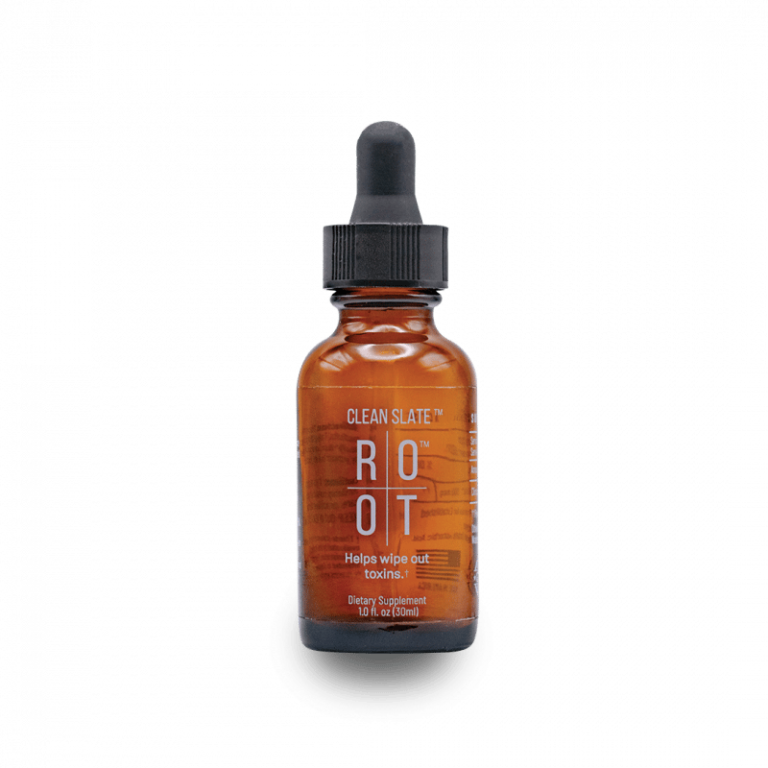
Clean Slate – Detoxes thousands of chemicals,heavy metals, pesticides, allergens, mold spores and fungus
Clean Slate is a cellular-level detoxifier that targets heavy metals, pesticides, and environmental toxins to unblock your body's natural defense pathways. It helps reduce systemic inflammation and restores the nutrient absorption sites often compromised by modern toxicity.
Vetting Notes
Pending
This article is provided for informational and educational purposes only. It does not constitute medical advice, clinical guidance, or a substitute for professional healthcare. Information reflects cited research at time of publication. Always consult a qualified healthcare professional before acting on any health information.
RESEARCH FOUNDATIONS
Biological Credibility Archive
Citations provided for educational reference. Verify via PubMed or institutional databases.
Medical Disclaimer
The information in this article is for educational purposes only and does not constitute medical advice, diagnosis, or treatment. Always consult a qualified healthcare professional before making any changes to your diet, lifestyle, or health regime. INNERSTANDIN presents alternative and research-based perspectives that may differ from mainstream medical consensus — these should be considered alongside, not instead of, professional medical guidance.
Read Full DisclaimerReady to learn more?
Continue your journey through our classified biological research.
DISCUSSION ROOM
Members of THE COLLECTIVE discussing "Lipopolysaccharide (LPS) Translocation: Exploring the Failure of Intestinal Tight Junction Integrity"
SILENT CHANNEL
Be the first to discuss this article. Your insight could help others understand these biological concepts deeper.
THE ARSENAL
Based on Tight Junction Science — products curated by our research team for educational relevance and biological support.
Clean Slate – Detoxes thousands of chemicals,heavy metals, pesticides, allergens, mold spores and fungus
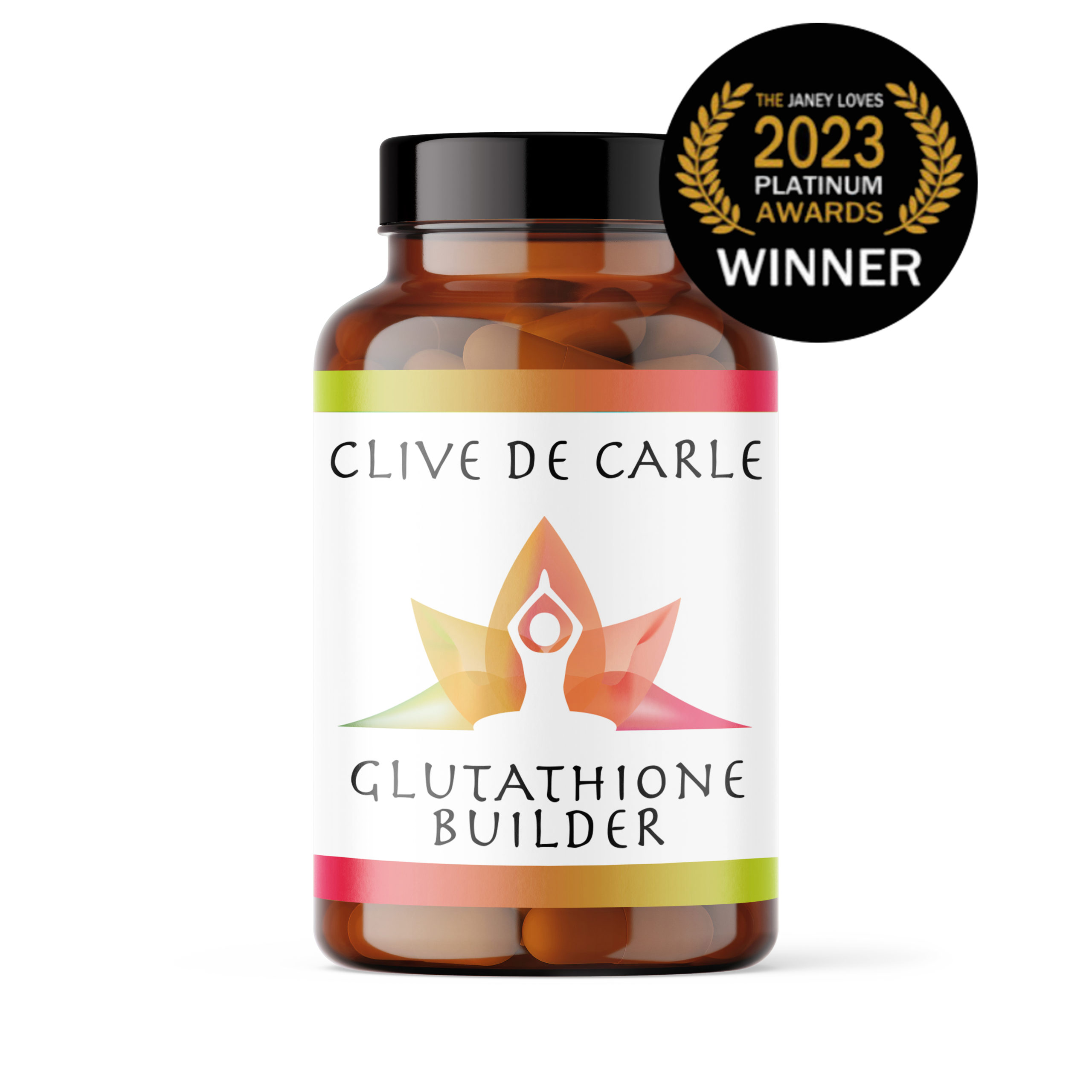
Glutathione Builder – Advanced Amino Acid Formula
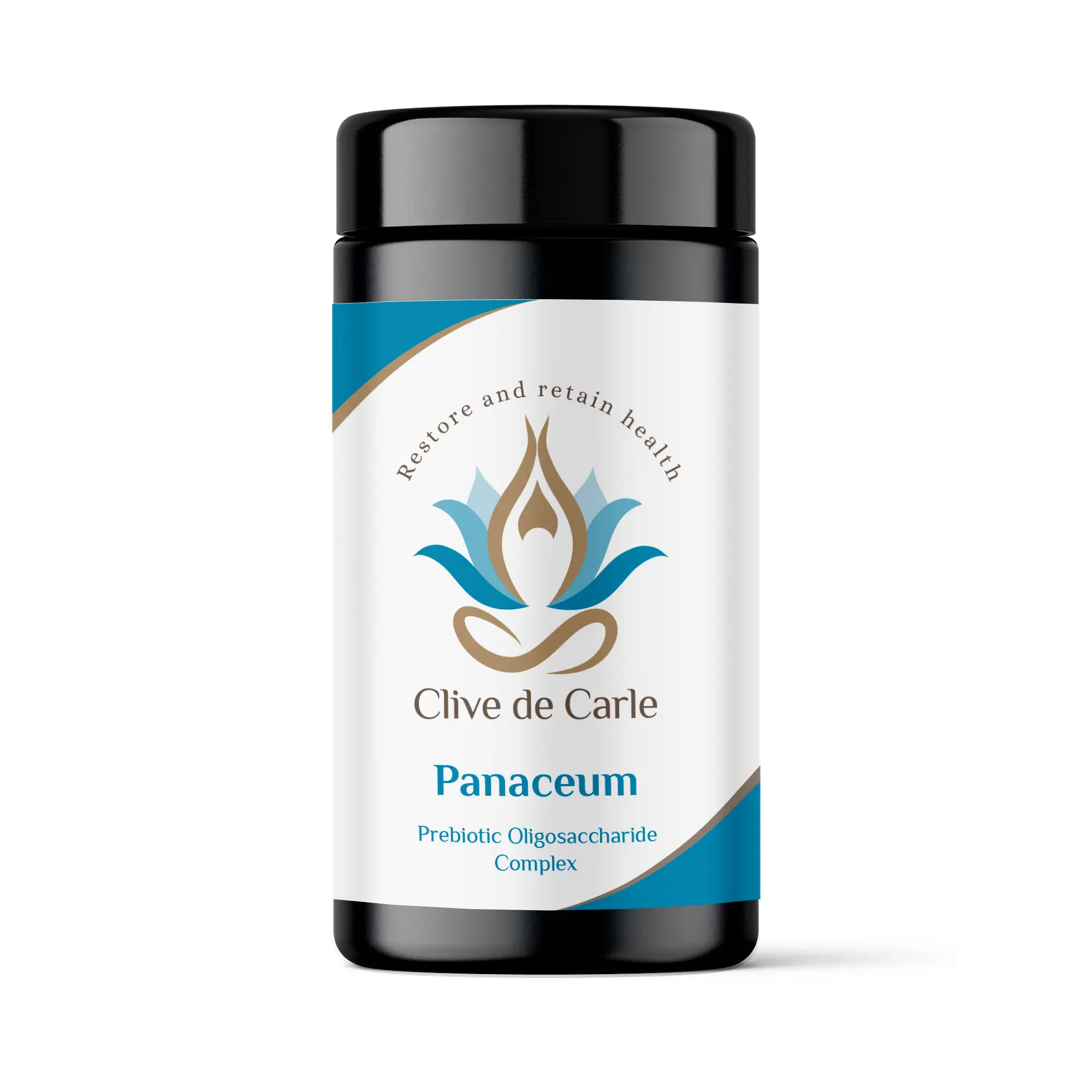
Panaceum – Prebiotic Oligosaccharide Complex
INNERSTANDING may earn a commission on purchases made through these links. All products are selected based on rigorous educational relevance to our biological research.
RABBIT HOLE
Follow the biological thread deeper