Lipopolysaccharide (LPS) Translocation: The Biochemical Link Between Intestinal Permeability and Metabolic Endotoxemia
An in-depth exploration of how bacterial endotoxins breach the gut barrier, triggering systemic inflammation and metabolic dysfunction through the TLR4 pathway.

# Lipopolysaccharide (LPS) Translocation: The Biochemical Link Between Intestinal Permeability and Metabolic Endotoxemia
The human gastrointestinal tract is a sophisticated immunological interface, acting as a gatekeeper between our internal environment and the external world. At the heart of this interface lies a single layer of epithelial cells that must balance a paradoxical role: absorbing vital nutrients while providing a robust barrier against trillions of microbes and their metabolic by-products. When this barrier is compromised—a state commonly referred to as increased intestinal permeability or 'leaky gut'—the gate opens for pro-inflammatory molecules to enter systemic circulation. Among these, Lipopolysaccharide (LPS) is the most clinically significant. This article explores the biochemical journey of LPS from the gut lumen to the bloodstream and its role in driving chronic metabolic endotoxemia.
Understanding Lipopolysaccharide (LPS)
Lipopolysaccharide, also known as endotoxin, is a large molecule found in the outer membrane of Gram-negative bacteria, such as *Escherichia coli* and *Bacteroides*. LPS provides structural integrity to these bacteria and protects them from chemical attacks. In the context of human health, LPS is a potent 'pathogen-associated molecular pattern' (PAMP). This means our immune system is evolutionarily primed to recognise it as a signal of bacterial invasion.
In a healthy state, LPS is largely confined to the intestinal lumen. While a small amount may cross into the blood under normal physiological conditions, the liver’s detoxification systems and the gut’s immune apparatus (such as secretory IgA) typically neutralise it. However, when the concentration of LPS in the blood rises 2 to 3 times above normal levels, we enter a state of 'metabolic endotoxemia'. Unlike the acute, life-threatening endotoxemia seen in sepsis, metabolic endotoxemia is a chronic, low-grade inflammatory state that serves as a root cause for numerous modern chronic diseases.
The Mechanisms of Translocation
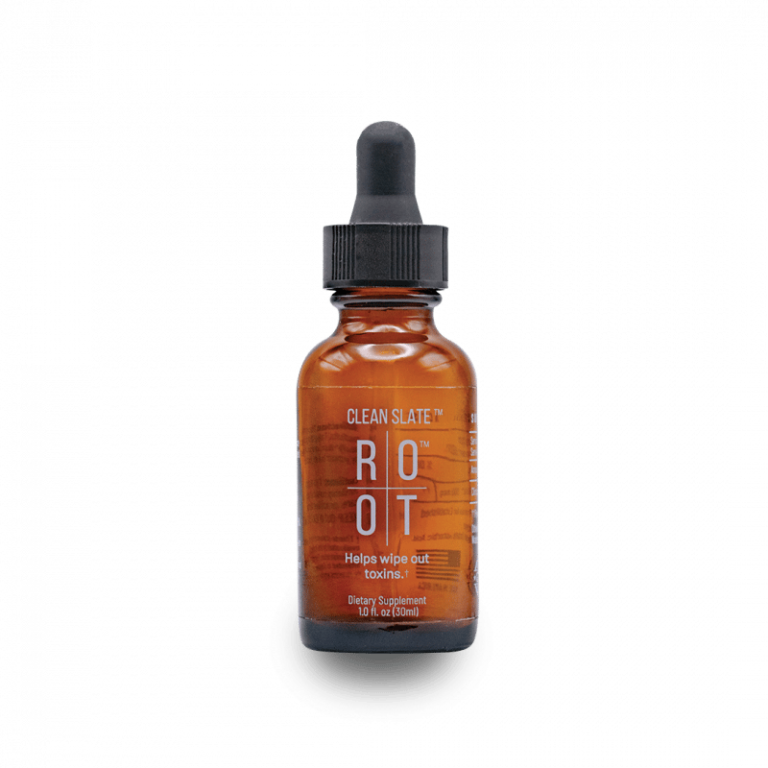
Clean Slate – Detoxes thousands of chemicals,heavy metals, pesticides, allergens, mold spores and fungus
Clean Slate is a cellular-level detoxifier that targets heavy metals, pesticides, and environmental toxins to unblock your body's natural defense pathways. It helps reduce systemic inflammation and restores the nutrient absorption sites often compromised by modern toxicity.
Vetting Notes
Pending
For LPS to enter the bloodstream, it must bypass the intestinal barrier. This occurs via two primary routes: the paracellular pathway and the transcellular pathway.
1. The Paracellular Pathway (The 'Gap' Route)
Intestinal epithelial cells are held together by 'tight junctions'—complex protein structures involving zonulin, occludin, and claudins. These junctions act like 'velcro', regulating what passes between cells. Chronic inflammation, dysbiosis, or certain dietary triggers can cause these tight junctions to disassemble. When this happens, the gap between cells widens, allowing LPS to 'leak' directly from the gut lumen into the underlying tissue and the blood capillaries.
2. The Transcellular Pathway (The 'Fat' Route)
Perhaps more insidious is the transcellular pathway, which occurs during fat digestion. LPS is lipophilic, meaning it has an affinity for fats. When we consume dietary fats, they are packaged into transport vesicles called chylomicrons within the intestinal cells. Research has shown that LPS can be incorporated into these chylomicrons and transported directly across the cell and into the lymphatic system and bloodstream. This explains why high-fat 'Western' meals often result in a post-prandial (post-meal) spike in systemic inflammation.
The Biochemical Trigger: TLR4 and Systemic Inflammation
Once LPS reaches the systemic circulation, it does not remain passive. It is immediately recognised by Lipopolysaccharide-Binding Protein (LBP), which shuttles the endotoxin to immune cells, such as macrophages and monocytes. Here, LPS binds to a specific receptor called Toll-like Receptor 4 (TLR4).
The binding of LPS to TLR4 is a master switch for inflammation. It activates the NF-ΙB (nuclear factor kappa-light-chain-enhancer of activated B cells) signalling pathway. NF-ΙB enters the nucleus of the immune cell and turns on the genes responsible for producing pro-inflammatory cytokines, including Tumour Necrosis Factor-alpha (TNF-Α), Interleukin-6 (IL-6), and Interleukin-1 Beta (IL-1Β).
When this process is triggered occasionally, it is a healthy immune response. However, when LPS translocation is continuous due to a leaky gut, the result is chronic systemic inflammation. This low-grade 'fire' interferes with insulin signalling, leads to the accumulation of fat in the liver, and contributes to the formation of arterial plaques.
Metabolic Consequences of Endotoxemia
The link between LPS and metabolic health is profound. Current research identifies metabolic endotoxemia as a primary driver of several conditions:
- —Insulin Resistance and Type 2 Diabetes: LPS-induced inflammation impairs the insulin receptors on muscle and fat cells, preventing them from effectively clearing glucose from the blood.
- —Non-Alcoholic Fatty Liver Disease (NAFLD): The portal vein carries blood directly from the gut to the liver. Consequently, the liver is the first organ exposed to translocated LPS, which triggers hepatic inflammation and fat storage.
- —Obesity: LPS can cross the blood-brain barrier and affect the hypothalamus, the brain's appetite control centre, potentially leading to leptin resistance and increased food cravings.
- —Mood Disorders: The 'gut-brain axis' is heavily influenced by endotoxemia, as systemic cytokines can alter neurotransmitter balance and contribute to anxiety and depression.
Identifying Root Causes
To address LPS translocation, one must look at the factors that compromise the gut barrier and promote Gram-negative bacterial overgrowth:
- —Dietary Patterns: Diets high in refined sugars and saturated fats (especially in the absence of fibre) promote a microbiome dominated by Gram-negative bacteria and increase chylomicron-mediated LPS transport.
- —Chronic Stress: Stress hormones like cortisol can increase intestinal permeability by altering the expression of tight junction proteins.
- —Alcohol Consumption: Alcohol and its metabolite, acetaldehyde, are directly toxic to the intestinal lining and disrupt the delicate balance of the microbiome.
- —Dysbiosis and SIBO: Small Intestinal Bacterial Overgrowth (SIBO) places a high load of bacteria in an area of the gut that is thinner and more prone to translocation than the colon.
Clinical Management and Restoration
Addressing metabolic endotoxemia requires a multi-faceted approach focused on gut barrier integrity and microbiome modulation:
- —Polyphenols: Compounds found in colourful fruits and vegetables (like quercetin and resveratrol) have been shown to strengthen tight junctions and inhibit the TLR4 inflammatory cascade.
- —Prebiotic Fibres: Fibre is fermented by beneficial bacteria into Short-Chain Fatty Acids (SCFAs) like butyrate. Butyrate is the primary fuel for intestinal cells and is essential for maintaining a tight, leak-proof barrier.
- —Probiotics: Specific strains, such as *Bifidobacterium* and *Akkermansia muciniphila*, play a vital role in maintaining the mucus layer that prevents LPS from reaching the epithelial wall.
- —Omega-3 Fatty Acids: EPA and DHA can displace LPS from TLR4 receptors, effectively 'damping down' the inflammatory signal.
Conclusion
LPS translocation represents a critical bridge between gut health and systemic disease. By understanding that 'leaky gut' is not just a digestive issue, but a biochemical driver of metabolic dysfunction, we can shift our focus toward root-cause interventions. Reducing the systemic burden of endotoxemia through dietary refinement, stress management, and microbiome support is essential for anyone looking to resolve chronic inflammation and reclaim their metabolic health.
This article is provided for informational and educational purposes only. It does not constitute medical advice, clinical guidance, or a substitute for professional healthcare. Information reflects cited research at time of publication. Always consult a qualified healthcare professional before acting on any health information.
RESEARCH FOUNDATIONS
Biological Credibility Archive
Citations provided for educational reference. Verify via PubMed or institutional databases.
Medical Disclaimer
The information in this article is for educational purposes only and does not constitute medical advice, diagnosis, or treatment. Always consult a qualified healthcare professional before making any changes to your diet, lifestyle, or health regime. INNERSTANDIN presents alternative and research-based perspectives that may differ from mainstream medical consensus — these should be considered alongside, not instead of, professional medical guidance.
Read Full DisclaimerReady to learn more?
Continue your journey through our classified biological research.
THE ARSENAL
Based on Leaky Gut & Intestinal Permeability — products curated by our research team for educational relevance and biological support.
Clean Slate – Detoxes thousands of chemicals,heavy metals, pesticides, allergens, mold spores and fungus
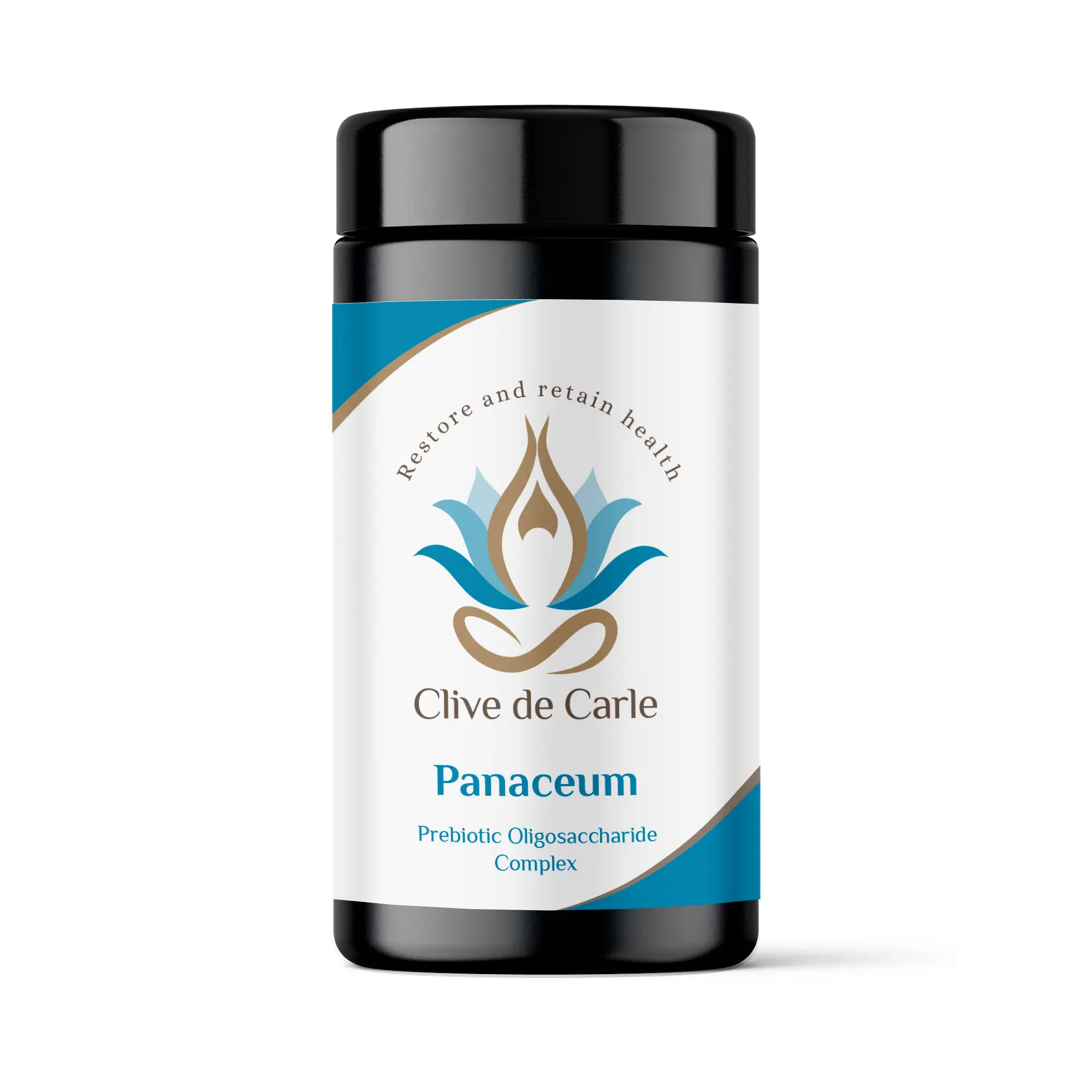
Panaceum – Prebiotic Oligosaccharide Complex
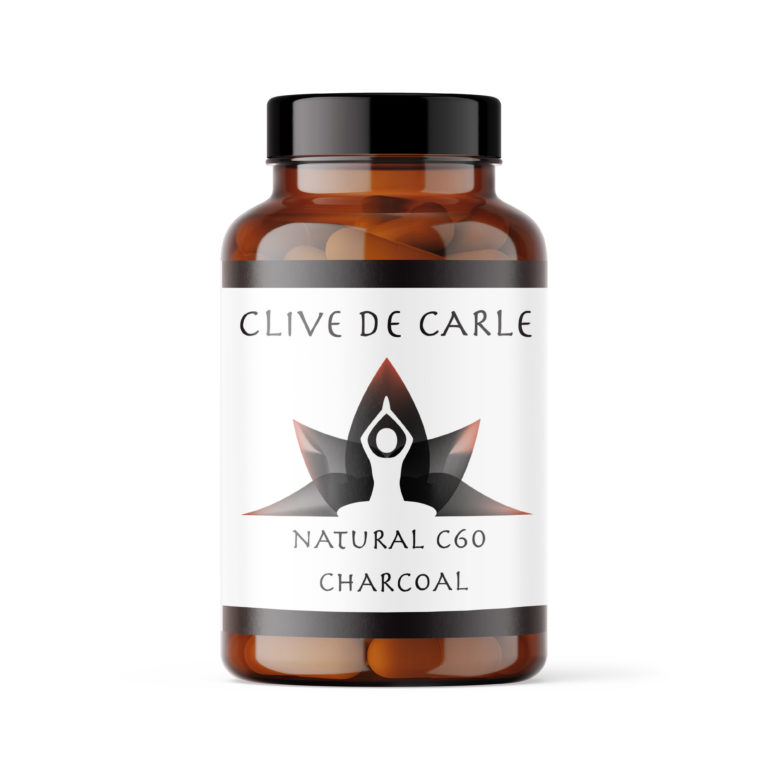
C60 Charcoal – Supports Healthy Digestion and Detoxification.
INNERSTANDING may earn a commission on purchases made through these links. All products are selected based on rigorous educational relevance to our biological research.
RABBIT HOLE
Follow the biological thread deeper