
Lipopolysaccharide (LPS) Translocation: The Link Between Intestinal Permeability and Chronic Systemic Inflammation
An in-depth exploration of how bacterial endotoxins (LPS) breach the gut barrier, triggering systemic immune responses and driving chronic metabolic and inflammatory diseases.
# Lipopolysaccharide (LPS) Translocation: The Link Between Intestinal Permeability and Chronic Systemic Inflammation
Introduction: The Hidden Driver of Disease
In the realm of functional medicine and gut health, few concepts are as pivotal as Lipopolysaccharide (LPS) translocation. While the term may sound clinical, it represents a fundamental mechanism linking what we eat and the state of our microbiome to systemic health. At INNERSTANDING, we focus on the root causes of dysfunction. LPS translocation—the movement of bacterial toxins from the gut into the bloodstream—is a primary driver of the 'silent' chronic inflammation that underpins modern metabolic and autoimmune conditions. This article explores how these molecules cross the intestinal barrier and what the scientific community calls 'Metabolic Endotoxemia'.
Understanding the Enemy Within: What is LPS?
Lipopolysaccharides (LPS) are large molecules found in the outer membrane of Gram-negative bacteria. These bacteria are a natural and necessary part of our gut microbiota. In a healthy ecosystem, they live in balance within the lumen of the colon. However, LPS is a potent endotoxin. While it remains safely inside the gut, it causes no harm. Problems arise only when it enters the systemic circulation. When bacteria die or proliferate excessively, LPS is released, and if the gut barrier is compromised, these toxins embark on a journey that can reach every organ in the body, from the liver to the brain.
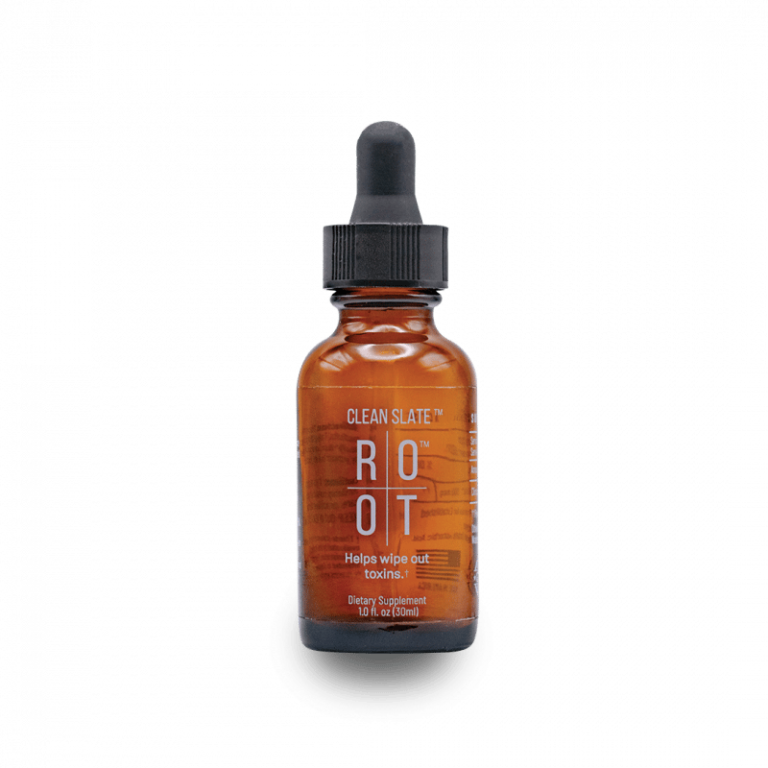
Clean Slate – Detoxes thousands of chemicals,heavy metals, pesticides, allergens, mold spores and fungus
Clean Slate is a cellular-level detoxifier that targets heavy metals, pesticides, and environmental toxins to unblock your body's natural defense pathways. It helps reduce systemic inflammation and restores the nutrient absorption sites often compromised by modern toxicity.
Vetting Notes
Pending
The Intestinal Barrier: Our Frontline Defence
The human gut is the largest interface between the internal body and the external environment. Its primary job is selective permeability: allowing nutrients, water, and electrolytes to pass through while keeping out pathogens, undigested food particles, and toxins like LPS. This barrier consists of several layers: the physical mucus layer, the gut microbiota itself, and the intestinal epithelium. The epithelium is a single layer of cells held together by 'tight junctions'—protein complexes that act like gates. When these tight junctions function correctly, they prevent the paracellular (between cells) passage of LPS.
The Breach: How Translocation Occurs
LPS translocation occurs through two primary pathways: the paracellular and transcellular routes.
- —Paracellular Pathway (Leaky Gut): This is the most discussed mechanism. Chronic stress, a poor diet (high in processed sugars and saturated fats), alcohol, and certain medications (like NSAIDs) can trigger the release of zonulin. Zonulin is a protein that signals the tight junctions to open. Once these gates are wide, LPS molecules easily slip through the epithelial layer and into the underlying lamina propria, where they encounter the immune system.
- —Transcellular Pathway (Chylomicron Transport): Interestingly, LPS can also hitch a ride. Studies have shown that when we consume a meal high in saturated fats, LPS can be packaged into chylomicrons—particles used for fat absorption. This allows LPS to be transported directly through the intestinal cells and into the lymphatic system and bloodstream, bypasssing the tight junctions entirely. This explains why high-fat, low-nutrient 'Western' meals often trigger immediate, post-prandial (after-meal) inflammation.
The Immune Firestorm: TLR4 Activation
Once LPS enters the blood, it is recognized by the immune system as a sign of bacterial invasion. It binds to a specific receptor called Toll-like Receptor 4 (TLR4), primarily found on the surface of macrophages and other immune cells. This binding acts like a 'red alert' for the body. It activates a master inflammatory switch known as NF-kB (Nuclear Factor kappa-light-chain-enhancer of activated B cells). This leads to the production and release of pro-inflammatory cytokines, including TNF-alpha, Interleukin-6 (IL-6), and Interleukin-1 beta. While this response is vital for fighting acute infections, chronic LPS translocation leads to a low-grade, persistent inflammatory state that never fully resolves.
Metabolic Endotoxemia: The Root of Modern Ailments
This persistent presence of LPS in the blood is termed 'Metabolic Endotoxemia'. Unlike an acute infection (sepsis) where LPS levels are extremely high, metabolic endotoxemia involves levels that are 2-3 times higher than normal but still low enough to remain 'silent' for years. This chronic inflammation is now linked to several major health challenges:
- —Insulin Resistance and Type 2 Diabetes: LPS-induced inflammation can damage insulin receptors, preventing cells from effectively absorbing glucose.
- —Non-Alcoholic Fatty Liver Disease (NAFLD): The liver is the first stop for blood coming from the gut. If the liver is constantly bombarded with LPS via the portal vein, it becomes inflamed, leading to fat accumulation and scarring.
- —Neuroinflammation and Mental Health: Research suggests that LPS can cross the blood-brain barrier. Chronic LPS translocation is being studied as a root cause for 'brain fog', depression, and even neurodegenerative diseases like Alzheimer’s.
- —Obesity: High levels of LPS are often seen in obese individuals, and animal studies show that injecting LPS alone can induce weight gain and metabolic dysfunction, even without changing caloric intake.
Root Causes of LPS Translocation
At INNERSTANDING, we believe in addressing why the barrier failed in the first place. Several factors contribute to increased LPS translocation:
- —Dietary Patterns: A diet high in refined carbohydrates and industrial seed oils promotes a microbiome dominated by Gram-negative bacteria, increasing the total 'LPS load'.
- —Dysbiosis: Small Intestinal Bacterial Overgrowth (SIBO) or a lack of beneficial, mucus-protecting species like *Akkermansia muciniphila* reduces the integrity of the gut lining.
- —Chronic Stress: Stress hormones like cortisol can directly weaken the tight junctions of the gut.
- —Alcohol Consumption: Alcohol and its metabolites are directly toxic to the intestinal lining and disrupt the delicate balance of the microbiota.
Strategies for Resolution: Healing the Barrier
Addressing LPS translocation requires a multi-faceted approach focused on gut health and systemic support:
- —Increase Dietary Fibre: Soluble fibre is fermented by gut bacteria into Short-Chain Fatty Acids (SCFAs) like butyrate. Butyrate is the primary fuel for colon cells and is essential for maintaining tight junction integrity.
- —Polyphenol-Rich Foods: Compounds in colourful fruits, vegetables, and green tea have been shown to inhibit the TLR4 inflammatory pathway and support a healthy gut barrier.
- —Targeted Probiotics: Certain strains, particularly from the *Bifidobacterium* family, have been shown to reduce intestinal permeability and lower systemic LPS levels.
- —Healthy Fats: Prioritising Omega-3 fatty acids from oily fish or algae can help dampen the inflammatory response triggered by LPS, whereas excessive intake of certain saturated fats (like those in processed meats) should be moderated in the context of a leaky gut.
- —Fasting and Gut Rest: Giving the digestive system periods of rest can allow the mucus layer to regenerate and the intestinal lining to repair.
Conclusion: The INNERSTANDING Perspective
LPS translocation is a powerful bridge between the world of the microbiome and the world of systemic disease. It reminds us that our health is not just about what we eat, but about what our gut allows into our inner environment. By understanding the mechanisms of the intestinal barrier and the inflammatory triggers of LPS, we can move beyond symptom management toward true root-cause healing. Protecting our gut barrier is not just about digestion; it is a fundamental strategy for longevity, metabolic health, and mental clarity.
This article is provided for informational and educational purposes only. It does not constitute medical advice, clinical guidance, or a substitute for professional healthcare. Information reflects cited research at time of publication. Always consult a qualified healthcare professional before acting on any health information.
RESEARCH FOUNDATIONS
Biological Credibility Archive
Citations provided for educational reference. Verify via PubMed or institutional databases.
Medical Disclaimer
The information in this article is for educational purposes only and does not constitute medical advice, diagnosis, or treatment. Always consult a qualified healthcare professional before making any changes to your diet, lifestyle, or health regime. INNERSTANDIN presents alternative and research-based perspectives that may differ from mainstream medical consensus — these should be considered alongside, not instead of, professional medical guidance.
Read Full DisclaimerReady to learn more?
Continue your journey through our classified biological research.
THE ARSENAL
Based on Leaky Gut & Intestinal Permeability — products curated by our research team for educational relevance and biological support.
Clean Slate – Detoxes thousands of chemicals,heavy metals, pesticides, allergens, mold spores and fungus
Panaceum – Prebiotic Oligosaccharide Complex
C60 Charcoal – Supports Healthy Digestion and Detoxification.
INNERSTANDING may earn a commission on purchases made through these links. All products are selected based on rigorous educational relevance to our biological research.