
Lipopolysaccharide (LPS) Translocation: The Pathophysiological Link Between Gut Dysbiosis and Systemic Inflammation
An in-depth exploration of how bacterial endotoxins migrate from the gut into systemic circulation, driving chronic inflammation and various modern health conditions, with a focus on root-cause resolution.
# Lipopolysaccharide (LPS) Translocation: The Pathophysiological Link Between Gut Dysbiosis and Systemic Inflammation\n\nIn the burgeoning field of functional medicine and gastroenterology, few topics are as pivotal as the relationship between intestinal health and systemic disease. At the heart of this connection lies a potent molecule known as Lipopolysaccharide (LPS). Often referred to as an \"endotoxin,\" LPS serves as a primary driver of the chronic, low-grade inflammation that underpins many of today\u2019s most prevalent health challenges, from autoimmune disorders to metabolic syndrome. Understanding how this molecule moves from the lumen of the gut into the bloodstream\u2014a process known as translocation\u2014is essential for anyone seeking to address the root causes of systemic illness.\n\n## What is Lipopolysaccharide (LPS)?\n\nLipopolysaccharides are large molecules found in the outer membrane of Gram-negative bacteria, such as *Escherichia coli*, *Salmonella*, and *Pseudomonas*. These bacteria are natural inhabitants of the human microbiome.
LPS provides structural integrity to the bacteria and protects them from chemical attacks. However, while they are beneficial for the bacteria, they are highly toxic to the human host when they enter systemic circulation.\n\nUnder normal circumstances, the vast majority of LPS remains safely sequestered within the gut. However, when the delicate balance of the microbiome is disrupted (dysbiosis) or the integrity of the intestinal wall is compromised (leaky gut), LPS can \"leak\" into the body, triggering a cascade of inflammatory responses.\n\n## The Intestinal Barrier: The Body\u2019s First Line of Defence\n\nThe human gut is lined by a single layer of epithelial cells. This barrier is remarkably thin, yet it must perform a complex dual role: absorbing life-sustaining nutrients while simultaneously excluding pathogens and toxins like LPS. This barrier is maintained by several layers of defence:\n\n1. The Mucus Layer: A physical barrier that keeps bacteria at a distance from the epithelial cells.\n2. The Epithelial Layer: A cellular wall held together by \"Tight Junctions\" (TJs).\n3. The Immune Layer: The Gut-Associated Lymphoid Tissue (GALT), which contains the majority of the body\u2019s immune cells.\n\nWhen this barrier is healthy, LPS cannot easily pass through.
However, various factors can degrade these defences, leading to increased intestinal permeability.\n\n## The Mechanics of Translocation\n\nLPS translocation typically occurs via two primary pathways: the paracellular pathway and the transcellular pathway.\n\n### 1. The Paracellular Pathway (Leaky Gut)\nThis occurs when the Tight Junctions between epithelial cells become compromised. Proteins such as zonulin can trigger the opening of these junctions. Once the \"gates\" are open, LPS can slip between the cells directly into the interstitial fluid and the bloodstream. This is the classic mechanism associated with \"Leaky Gut Syndrome.\"\n\n### 2.
The Transcellular (Lipid-Mediated) Pathway\nInterestingly, LPS can also enter the body alongside the very nutrients we consume. LPS has a high affinity for saturated fats. When we consume a high-fat meal, LPS can be incorporated into chylomicrons (large lipoprotein particles used for fat transport). This allows LPS to be transported *through* the intestinal cells and into the lymphatic system, bypassing the tight junctions entirely. This phenomenon is known as \"metabolic endotoxemia.\"\n\n## The Systemic Fire: TLR4 and Chronic Inflammation\n\nOnce LPS enters the bloodstream, the immune system recognises it as a major threat.
It is detected by Pattern Recognition Receptors (PRRs), specifically Toll-Like Receptor 4 (TLR4), which is found on the surface of immune cells like macrophages and monocytes.\n\nThe binding of LPS to TLR4 initiates a powerful intracellular signalling cascade, primarily via the NF-kB pathway. This results in the rapid production of pro-inflammatory cytokines, including:\n\n* Tumour Necrosis Factor-alpha (TNF-\u03b1)\n* Interleukin-6 (IL-6)\n* Interleukin-1 beta (IL-1\u03b2)\n\nWhile this response is vital for fighting off an acute bacterial infection, the constant, low-level leakage of LPS creates a state of chronic systemic inflammation. The body essentially becomes stuck in a permanent state of high alert, damaging healthy tissues over time.\n\n## Clinical Consequences of LPS Translocation\n\nThe impact of systemic LPS is not limited to the gut; it affects nearly every organ system in the body.\n\n### Metabolic Health\nLPS-induced inflammation is a primary driver of insulin resistance. By interfering with insulin signalling in the muscles and liver, endotoxemia contributes to the development of Type 2 Diabetes and Non-Alcoholic Fatty Liver Disease (NAFLD).\n\n### Mental Health and Cognition\nThe gut-brain axis is highly sensitive to LPS. Systemic LPS can increase the permeability of the Blood-Brain Barrier (BBB) and trigger neuroinflammation.
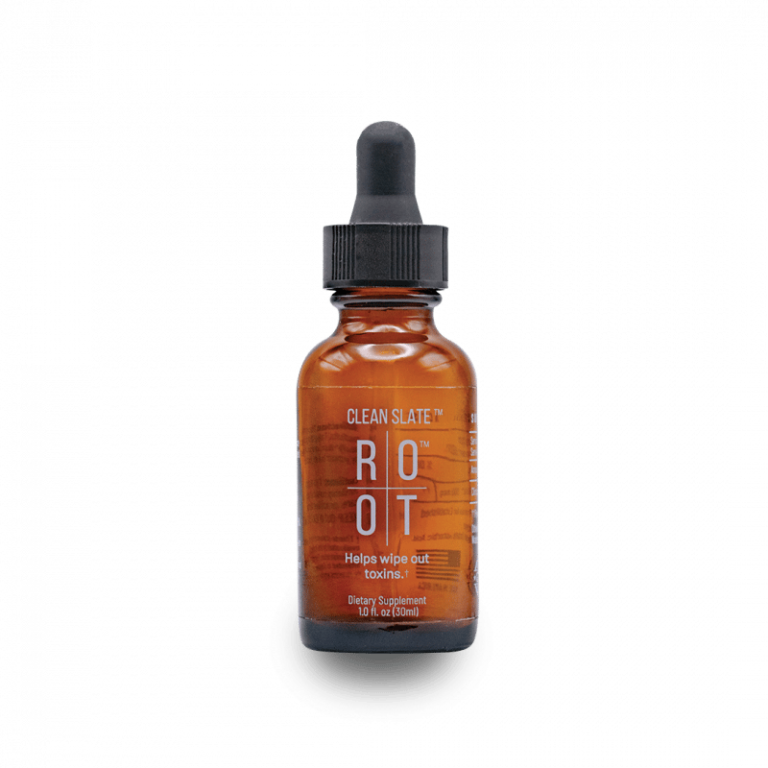
Clean Slate – Detoxes thousands of chemicals,heavy metals, pesticides, allergens, mold spores and fungus
Clean Slate is a cellular-level detoxifier that targets heavy metals, pesticides, and environmental toxins to unblock your body's natural defense pathways. It helps reduce systemic inflammation and restores the nutrient absorption sites often compromised by modern toxicity.
Vetting Notes
Pending
This has been linked to \"brain fog,\" depression, anxiety, and an increased risk of neurodegenerative diseases like Alzheimer\u2019s.\n\n### Cardiovascular Disease\nInflammation is a cornerstone of atherosclerosis. LPS promotes the formation of arterial plaques and contributes to endothelial dysfunction, increasing the risk of hypertension and heart disease.\n\n### Autoimmunity\nBy constantly stimulating the immune system and promoting molecular mimicry, LPS translocation can trigger or exacerbate autoimmune conditions such as Rheumatoid Arthritis and Lupus.\n\n## Identifying the Root Causes\n\nTo address LPS translocation, we must look beyond the symptoms and identify why the gut barrier failed in the first place. Common root causes include:\n\n* Dietary Factors: Diets high in ultra-processed foods, refined sugars, and excessive saturated fats promote the growth of LPS-producing bacteria while degrading the protective mucus layer.\n* Chronic Stress: Cortisol can increase intestinal permeability and alter the composition of the microbiome.\n* Medications: Overuse of NSAIDs (e.g., ibuprofen), proton pump inhibitors (PPIs), and antibiotics can disrupt the gut barrier and microbial balance.\n* Alcohol Consumption: Alcohol directly damages epithelial cells and promotes the overgrowth of Gram-negative bacteria.\n\n## Strategies for Gut Integrity and Endotoxin Reduction\n\nHealing the gut and reducing LPS translocation requires a multi-faceted approach:\n\n1. Nourish the Microbiome: Increase intake of diverse plant fibres and polyphenols (found in berries, green tea, and cocoa). These fuels beneficial bacteria that produce Short-Chain Fatty Acids (SCFAs) like butyrate, which strengthen the gut barrier.\n2. Strategic Supplementation: Specific nutrients like L-glutamine, Zinc Carnosine, and Collagen support the repair of the intestinal lining. Probiotics, particularly *Bifidobacterium* species, have been shown to reduce LPS levels.\n3. Manage Dietary Fats: While healthy fats are essential, avoiding excessive saturated fats in the presence of dysbiosis can reduce the transcellular transport of LPS.\n4. Bacterial Binding: Certain natural binders, such as immunoglobulin concentrates (SBI) or specific clays, can bind to LPS in the gut lumen, preventing it from ever entering the bloodstream.\n\n## Conclusion\n\nLipopolysaccharide translocation represents a profound link between our internal microbial environment and our systemic health.
By viewing the body as an interconnected system, we can see that \"leaky gut\" is not just a digestive issue, but a systemic inflammatory trigger. Addressing the root causes of dysbiosis and barrier dysfunction is not merely about resolving bloating or discomfort; it is about extinguishing the systemic fire of inflammation and paving the way for long-term vitality. Through dietary refinement, stress management, and targeted gut support, it is possible to restore the integrity of our most vital frontier and safeguard our health against the silent threat of endotoxemia.","tags":["Gut Health","LPS","Inflammation","Leaky Gut","Microbiome","Endotoxemia","Functional Medicine"],"reading_time":8.5}
This article is provided for informational and educational purposes only. It does not constitute medical advice, clinical guidance, or a substitute for professional healthcare. Information reflects cited research at time of publication. Always consult a qualified healthcare professional before acting on any health information.
RESEARCH FOUNDATIONS
Biological Credibility Archive
Citations provided for educational reference. Verify via PubMed or institutional databases.
Medical Disclaimer
The information in this article is for educational purposes only and does not constitute medical advice, diagnosis, or treatment. Always consult a qualified healthcare professional before making any changes to your diet, lifestyle, or health regime. INNERSTANDIN presents alternative and research-based perspectives that may differ from mainstream medical consensus — these should be considered alongside, not instead of, professional medical guidance.
Read Full DisclaimerReady to learn more?
Continue your journey through our classified biological research.
THE ARSENAL
Based on Leaky Gut & Intestinal Permeability — products curated by our research team for educational relevance and biological support.
Clean Slate – Detoxes thousands of chemicals,heavy metals, pesticides, allergens, mold spores and fungus
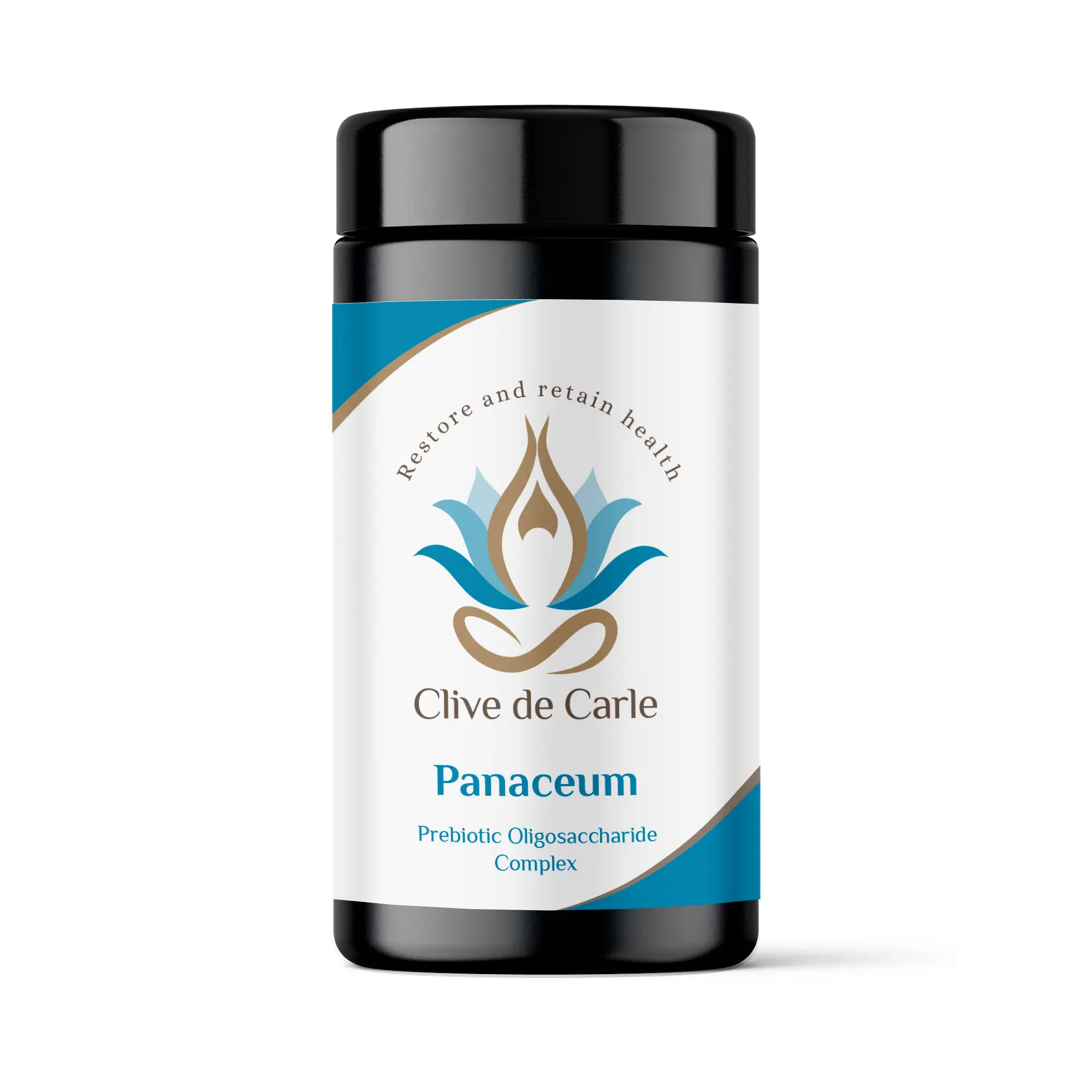
Panaceum – Prebiotic Oligosaccharide Complex
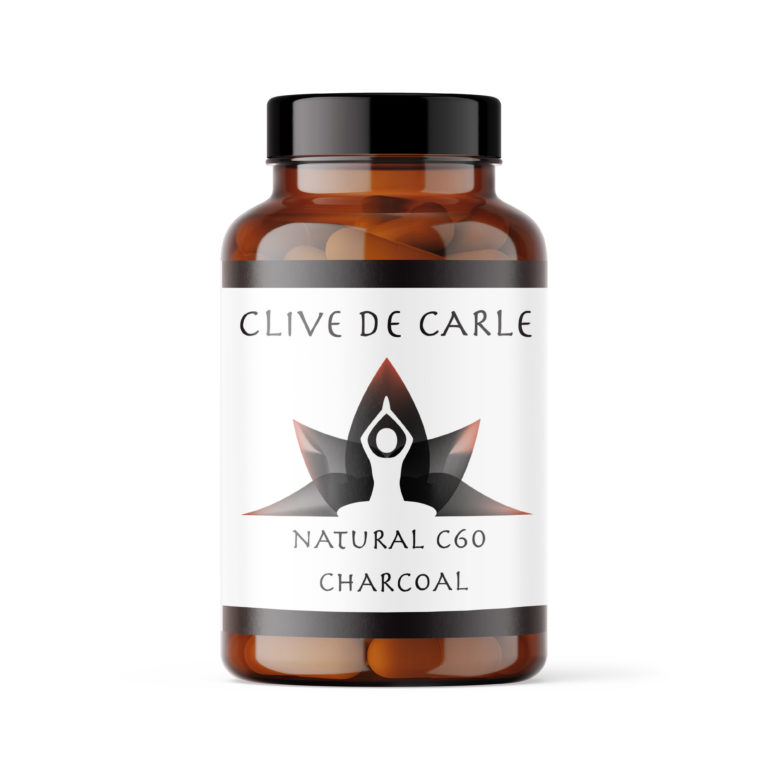
C60 Charcoal – Supports Healthy Digestion and Detoxification.
INNERSTANDING may earn a commission on purchases made through these links. All products are selected based on rigorous educational relevance to our biological research.
RABBIT HOLE
Follow the biological thread deeper