
LPS Translocation and the Systemic Inflammatory Cascade: Beyond the Intestinal Barrier
An in-depth analysis of how Lipopolysaccharides (LPS) from the gut microbiome breach the intestinal wall to trigger systemic inflammation, driving metabolic dysfunction and chronic disease through the TLR4 signaling pathway.
# LPS Translocation and the Systemic Inflammatory Cascade: Beyond the Intestinal Barrier\n\nIn the landscape of functional medicine and gut health, few concepts are as pivotal as the transition from a localised gut issue to a systemic inflammatory state. While 'leaky gut' has become a popular term in the wellness industry, the clinical reality is far more complex, involving the translocation of bacterial components that act as potent triggers for the immune system. At the heart of this process lies Lipopolysaccharide (LPS), a molecule that serves as a bridge between intestinal permeability and chronic systemic disease.\n\n## What is LPS? Understanding the Endotoxin\n\nLipopolysaccharides, often referred to as endotoxins, are large molecules found in the outer membrane of Gram-negative bacteria, such as *Escherichia coli* and *Salmonella*. Under normal, healthy conditions, these bacteria reside within the lumen of the large intestine, and LPS remains safely sequestered.
However, when the integrity of the intestinal barrier is compromised, LPS can enter the bloodstream—a phenomenon known as metabolic endotoxemia.\n\nLPS is not a poison in the traditional sense; rather, it is a 'molecular pattern' that the human immune system has evolved to recognise as a sign of extreme danger. Even in minute quantities, the presence of LPS in the blood triggers a vigorous inflammatory response.\n\n## The Breach: How LPS Crosses the Barrier\n\nTo understand how LPS reaches the systemic circulation, we must look at the two primary pathways of translocation: the paracellular and transcellular routes.\n\n### 1. The Paracellular Pathway (Between the Cells)\nThe intestinal lining is composed of a single layer of epithelial cells held together by 'tight junctions' (comprising proteins like zonulin and occludin). When these junctions are damaged or dysregulated—often due to dietary triggers, chronic stress, or dysbiosis—gaps form between the cells. LPS molecules can then slip through these gaps directly into the submucosa and the bloodstream.\n\n### 2.
The Transcellular Pathway (Through the Cells)\nLPS can also be actively transported through the intestinal cells. This often occurs during the digestion of long-chain saturated fats. LPS has an affinity for chylomicrons (the particles that transport dietary fats). When we consume high-fat meals, LPS can 'hitch a ride' on these chylomicrons, bypassing the tight junctions and entering the lymphatic system and eventually the blood. This explains why systemic inflammation often spikes following a meal high in refined fats and sugars.\n\n## The Systemic Inflammatory Cascade: The TLR4 Pathway\n\nOnce LPS enters the circulation, it doesn't remain passive.
It is quickly identified by the innate immune system, specifically by Lipopolysaccharide-binding protein (LBP) and Toll-like receptor 4 (TLR4). TLR4 receptors are found on the surface of various immune cells, including macrophages and monocytes, as well as on tissues like the liver and brain.\n\nWhen LPS binds to TLR4, it initiates a complex intracellular signalling cascade:\n\n1. Activation of NF-κB: This is the 'master switch' for inflammation. Once activated, it moves into the cell nucleus to turn on the genes responsible for producing inflammatory proteins.\n2. Cytokine Production: The cell begins to pump out pro-inflammatory cytokines such as Tumour Necrosis Factor-alpha (TNF-α), Interleukin-1 beta (IL-1β), and Interleukin-6 (IL-6).\n3. Oxidative Stress: The cascade leads to the production of reactive oxygen species (ROS), which can damage cellular structures and DNA.\n\nThis isn't a localized 'gut' reaction; it is a systemic fire that can spread to every organ system in the body.\n\n## Beyond the Gut: The Multi-Organ Impact\n\nThe consequences of chronic LPS translocation are far-reaching, contributing to the pathogenesis of several modern health conditions:\n\n### Metabolic Dysfunction and Insulin Resistance\nLPS-induced inflammation directly interferes with insulin signalling. When TLR4 is activated in muscle and adipose tissue, it inhibits the insulin receptor's ability to respond to insulin, leading to elevated blood glucose and the eventual development of Type 2 Diabetes.\n\n### Neuroinflammation and Cognitive Health\nThe 'Gut-Brain Axis' is heavily influenced by LPS. While the blood-brain barrier (BBB) is designed to protect the central nervous system, systemic inflammation triggered by LPS can increase BBB permeability.
LPS can then enter the brain or stimulate microglial cells (the brain's resident immune cells) to produce inflammatory markers, contributing to 'brain fog', depression, and neurodegenerative diseases.\n\n### Non-Alcoholic Fatty Liver Disease (NAFLD)\nThe liver is the first line of defence for blood coming from the gut via the portal vein. When the liver is constantly bombarded with LPS, it triggers hepatic inflammation and lipid accumulation, driving the progression of NAFLD and more severe fibrosis.\n\n## Identifying the Root Causes of Translocation\n\nAt INNERSTANDING, we focus on the 'why' behind the symptom. LPS translocation is a symptom of a deeper physiological breakdown. The primary drivers include:\n\n* Dietary Patterns: Diets high in refined oils, emulsifiers, and ultra-processed sugars degrade the protective mucus layer of the gut and increase chylomicron-mediated LPS transport.\n* Dysbiosis: An overgrowth of Gram-negative bacteria (SIBO or general colonic dysbiosis) simply increases the total 'LPS load' available to be translocated.\n* Alcohol Consumption: Alcohol is a known disruptor of tight junction proteins and can cause immediate, transient spikes in blood endotoxin levels.\n* Chronic Psychological Stress: Stress hormones like cortisol can alter gut motility and increase intestinal permeability over time.\n\n## Restoring the Barrier: Clinical Strategies\n\nAddressing LPS translocation requires a multi-faceted approach focused on structural integrity and microbial balance:\n\n1. Polyphenol Intake: Compounds found in colourful fruits and vegetables (like quercetin and resveratrol) have been shown to strengthen tight junctions and inhibit the TLR4 pathway.\n2. Therapeutic Fibre: Soluble fibre supports the production of Short-Chain Fatty Acids (SCFAs) like butyrate, which is the primary fuel for colonocytes and helps maintain the intestinal seal.\n3. Probiotic Support: Specific strains, such as *Bifidobacterium* and *Lactobacillus*, can help crowd out Gram-negative pathobionts and enhance mucus production.\n4. Targeted Support: Nutrients like L-glutamine, zinc carnosine, and Omega-3 fatty acids play vital roles in repairing the epithelial lining and resolving the inflammatory cascade.\n\n## Conclusion\n\nLPS translocation represents a critical bridge between gut health and systemic disease. It transforms a digestive issue into a metabolic, neurological, and cardiovascular concern.
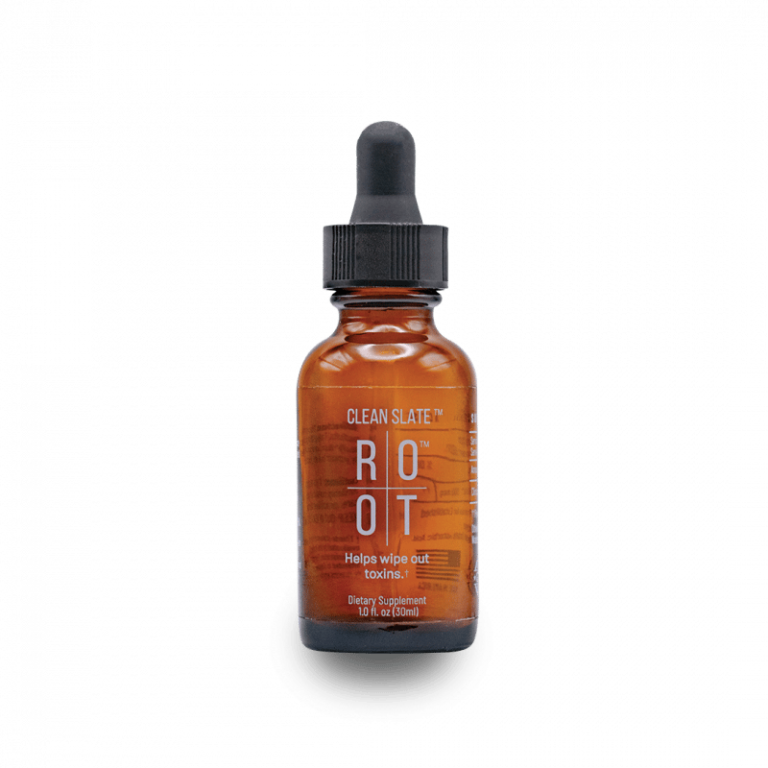
Clean Slate – Detoxes thousands of chemicals,heavy metals, pesticides, allergens, mold spores and fungus
Clean Slate is a cellular-level detoxifier that targets heavy metals, pesticides, and environmental toxins to unblock your body's natural defense pathways. It helps reduce systemic inflammation and restores the nutrient absorption sites often compromised by modern toxicity.
Vetting Notes
Pending
By understanding the mechanisms of the systemic inflammatory cascade, we can shift our focus from merely suppressing symptoms to addressing the root cause: the integrity of the intestinal barrier. Protecting this boundary is not just about digestion; it is about safeguarding the health of the entire human organism.","tags":["Leaky Gut","Intestinal Permeability","LPS","Metabolic Endotoxemia","Systemic Inflammation","Gut-Brain Axis"],"reading_time":8}
This article is provided for informational and educational purposes only. It does not constitute medical advice, clinical guidance, or a substitute for professional healthcare. Information reflects cited research at time of publication. Always consult a qualified healthcare professional before acting on any health information.
RESEARCH FOUNDATIONS
Biological Credibility Archive
Citations provided for educational reference. Verify via PubMed or institutional databases.
Medical Disclaimer
The information in this article is for educational purposes only and does not constitute medical advice, diagnosis, or treatment. Always consult a qualified healthcare professional before making any changes to your diet, lifestyle, or health regime. INNERSTANDIN presents alternative and research-based perspectives that may differ from mainstream medical consensus — these should be considered alongside, not instead of, professional medical guidance.
Read Full DisclaimerReady to learn more?
Continue your journey through our classified biological research.
THE ARSENAL
Based on Leaky Gut & Intestinal Permeability — products curated by our research team for educational relevance and biological support.
Clean Slate – Detoxes thousands of chemicals,heavy metals, pesticides, allergens, mold spores and fungus
Panaceum – Prebiotic Oligosaccharide Complex
C60 Charcoal – Supports Healthy Digestion and Detoxification.
INNERSTANDING may earn a commission on purchases made through these links. All products are selected based on rigorous educational relevance to our biological research.
RABBIT HOLE
Follow the biological thread deeper