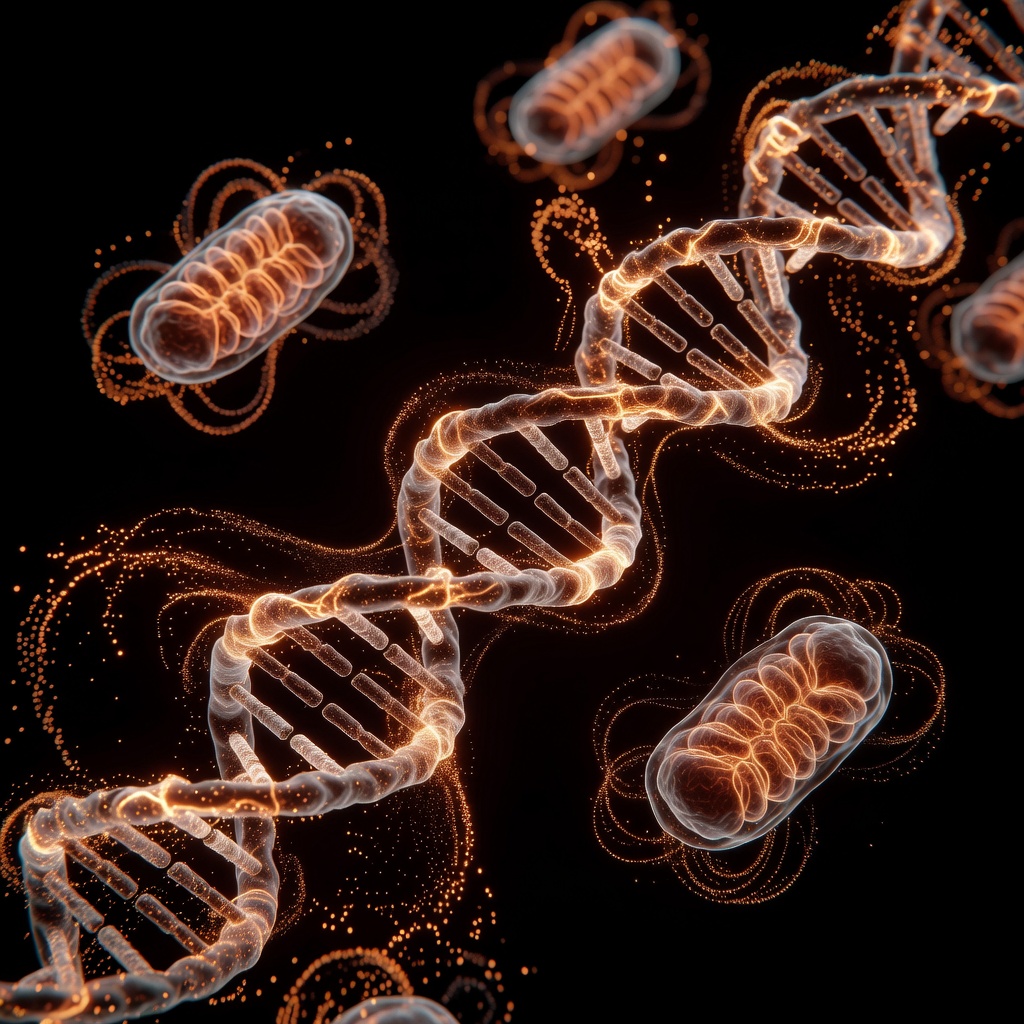
LPS Translocation: How Intestinal Permeability Triggers Systemic Metabolic Endotoxemia
An in-depth exploration of how Lipopolysaccharides (LPS) escape the gut lumen through a compromised intestinal barrier, leading to a state of chronic, low-grade systemic inflammation known as metabolic endotoxemia.
# LPS Translocation and the Path to Systemic Inflammation At the core of modern chronic disease lies a phenomenon often overlooked by conventional acute care: the integrity of the gastrointestinal barrier. In the field of functional medicine and nutritional therapy, the concept of 'Leaky Gut'—clinically referred to as increased intestinal permeability—has moved from the fringes of alternative health to the forefront of immunological research. Central to this paradigm is the translocation of Lipopolysaccharides (LPS), a process that serves as the primary bridge between a disrupted gut microbiome and systemic metabolic endotoxemia. ## Understanding the Intestinal Frontier The human gut is home to trillions of microorganisms, many of which are Gram-negative bacteria. These bacteria possess a unique structural component in their outer membrane known as Lipopolysaccharide (LPS). Under normal physiological conditions, the intestinal lining acts as a highly selective gatekeeper.
Composed of a single layer of epithelial cells joined by 'tight junctions' (protein complexes involving zonulin and occludin), this barrier ensures that nutrients and water are absorbed while keeping pathogens and large molecules, like LPS, within the lumen. However, when this barrier is compromised, the gateway opens. ## What is LPS Translocation? LPS is a potent endotoxin. When Gram-negative bacteria die or undergo rapid growth, LPS is released. In a healthy state, only trace amounts of LPS enter the bloodstream, which the liver's detoxification pathways easily manage.
LPS translocation occurs when the tight junctions between intestinal cells loosen, allowing these endotoxins to bypass the cellular filter and enter the portal circulation and the lymphatic system. This 'leakage' is the initiating event of metabolic endotoxemia. Unlike a sudden septic infection (endotoxemia), metabolic endotoxemia is defined by a 2- to 3-fold increase in circulating LPS levels—a concentration that is high enough to trigger chronic immune activation but low enough to remain undetected by standard clinical markers. ## The Mechanism: From Gut to Bloodstream The journey of LPS into systemic circulation follows two primary routes. The first is the 'paracellular pathway,' where LPS slips through the gaps between epithelial cells. The second is the 'transcellular pathway,' often mediated by the digestion of dietary fats.
LPS has a high affinity for chylomicrons—lipoproteins that transport dietary lipids from the intestines to the rest of the body. Consequently, a high-fat meal, particularly one rich in saturated fats from processed sources, can act as a vehicle, shuttling LPS across the intestinal wall and into the bloodstream. This explains why post-prandial (after-meal) inflammation is a significant concern for those with existing gut dysbiosis. ## Triggering Metabolic Endotoxemia Once in the blood, LPS is recognized by the innate immune system. Specifically, it binds to Toll-like Receptor 4 (TLR4), primarily found on macrophages and other immune cells. This binding initiates a complex signalling cascade involving the protein NF-kB, which acts as a master switch for inflammation.
The result is the systemic release of pro-inflammatory cytokines, including Tumour Necrosis Factor-alpha (TNF-α), Interleukin-1 (IL-1), and Interleukin-6 (IL-6). This state of 'inflammaging'—chronic, low-grade, systemic inflammation—is the hallmark of metabolic endotoxemia. ## Systemic Consequences: Beyond the Gut The impact of LPS translocation is not confined to the digestive tract; it affects almost every organ system in the body: 1. Insulin Resistance: LPS-induced inflammation interferes with insulin signalling pathways in the muscles and liver, directly contributing to the development of Type 2 Diabetes. 2. Non-Alcoholic Fatty Liver Disease (NAFLD): As the liver is the first stop for blood leaving the gut, it bears the brunt of LPS toxicity, leading to fat accumulation and fibrosis. 3. Neuroinflammation: LPS can increase the permeability of the blood-brain barrier, triggering microglial activation and contributing to 'brain fog', depression, and neurodegenerative risks. 4. Cardiovascular Disease: Chronic endotoxemia promotes the formation of arterial plaques and endothelial dysfunction. ## Root Causes of Barrier Breakdown To address LPS translocation, one must look at the root causes of intestinal permeability. These include: Dietary Triggers: High intake of refined sugars, emulsifiers, and processed seed oils can degrade the protective mucus layer. Dysbiosis: An overgrowth of Gram-negative bacteria (such as certain strains of E. coli) increases the total 'LPS load' within the gut. Chronic Stress: High cortisol levels reduce blood flow to the gut (ischaemia) and weaken tight junctions. Environmental Toxins: Excessive alcohol consumption and the overuse of NSAIDs (Non-Steroidal Anti-Inflammatory Drugs) are known to directly damage the gut lining. ## Clinical Strategies for Restoration At INNERSTANDING, we advocate for a root-cause approach to reversing metabolic endotoxemia. The focus must be twofold: reducing the LPS load and sealing the barrier. 1. Microbiome Modulation: Diversifying the microbiome with polyphenol-rich foods (berries, green tea, cocoa) and targeted probiotics (like Bifidobacterium and Lactobacillus) helps suppress LPS-producing bacteria. **2.
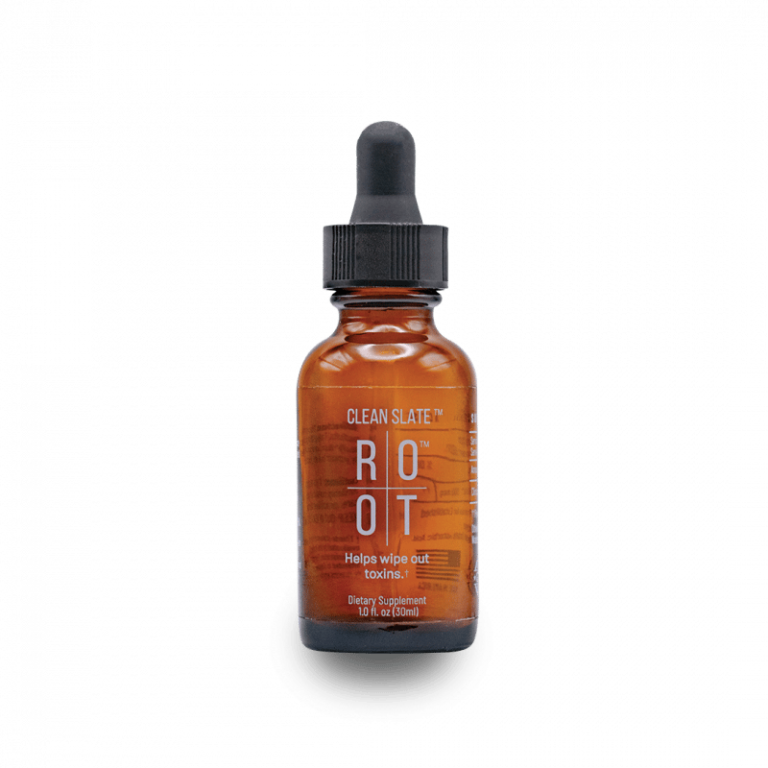
Clean Slate – Detoxes thousands of chemicals,heavy metals, pesticides, allergens, mold spores and fungus
Clean Slate is a cellular-level detoxifier that targets heavy metals, pesticides, and environmental toxins to unblock your body's natural defense pathways. It helps reduce systemic inflammation and restores the nutrient absorption sites often compromised by modern toxicity.
Vetting Notes
Pending
Mucosal Support: Nutrients such as L-glutamine, Zinc Carnosine, and Collagen provide the raw materials necessary for the rapid turnover and repair of intestinal epithelial cells. 3. Dietary Shifts: Transitioning to a Mediterranean-style diet high in omega-3 fatty acids and fermentable fibres can lower systemic LPS levels and improve insulin sensitivity. 4. Circadian Rhythm Alignment:** The gut barrier has its own biological clock. Maintaining regular meal times and adequate sleep supports the natural repair cycle of the intestinal lining. ## Conclusion LPS translocation and the resulting metabolic endotoxemia represent a critical intersection between our environment, our diet, and our internal biology. By understanding that the gut is not just a tube for digestion, but a sophisticated immunological interface, we can begin to address the systemic inflammation that drives the modern epidemic of chronic disease.
Protecting the intestinal barrier is not merely about 'gut health'—it is the foundation of systemic vitality.
This article is provided for informational and educational purposes only. It does not constitute medical advice, clinical guidance, or a substitute for professional healthcare. Information reflects cited research at time of publication. Always consult a qualified healthcare professional before acting on any health information.
RESEARCH FOUNDATIONS
Biological Credibility Archive
Citations provided for educational reference. Verify via PubMed or institutional databases.
Medical Disclaimer
The information in this article is for educational purposes only and does not constitute medical advice, diagnosis, or treatment. Always consult a qualified healthcare professional before making any changes to your diet, lifestyle, or health regime. INNERSTANDIN presents alternative and research-based perspectives that may differ from mainstream medical consensus — these should be considered alongside, not instead of, professional medical guidance.
Read Full DisclaimerReady to learn more?
Continue your journey through our classified biological research.
THE ARSENAL
Based on Leaky Gut & Intestinal Permeability — products curated by our research team for educational relevance and biological support.
Clean Slate – Detoxes thousands of chemicals,heavy metals, pesticides, allergens, mold spores and fungus
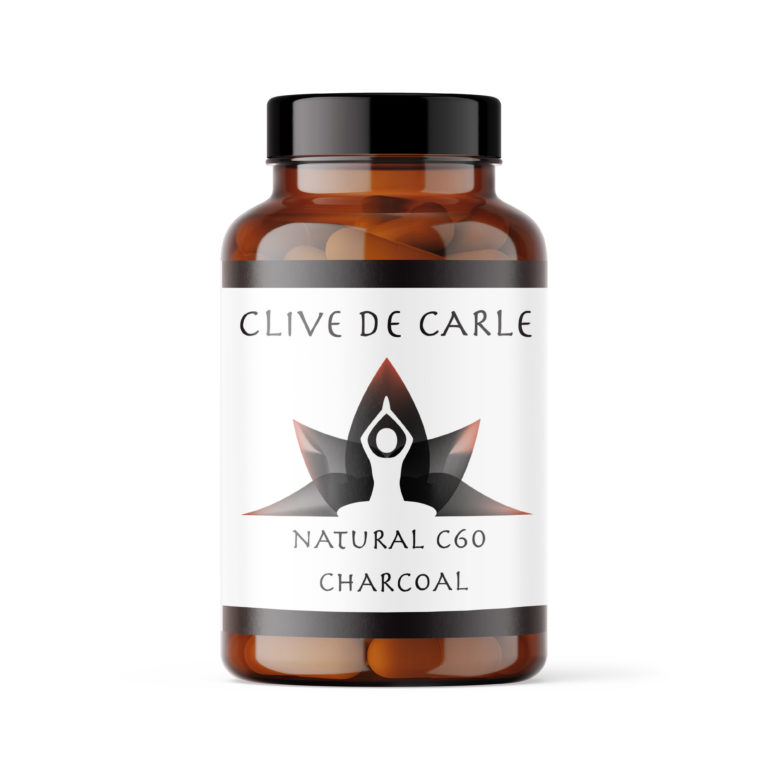
C60 Charcoal – Supports Healthy Digestion and Detoxification.
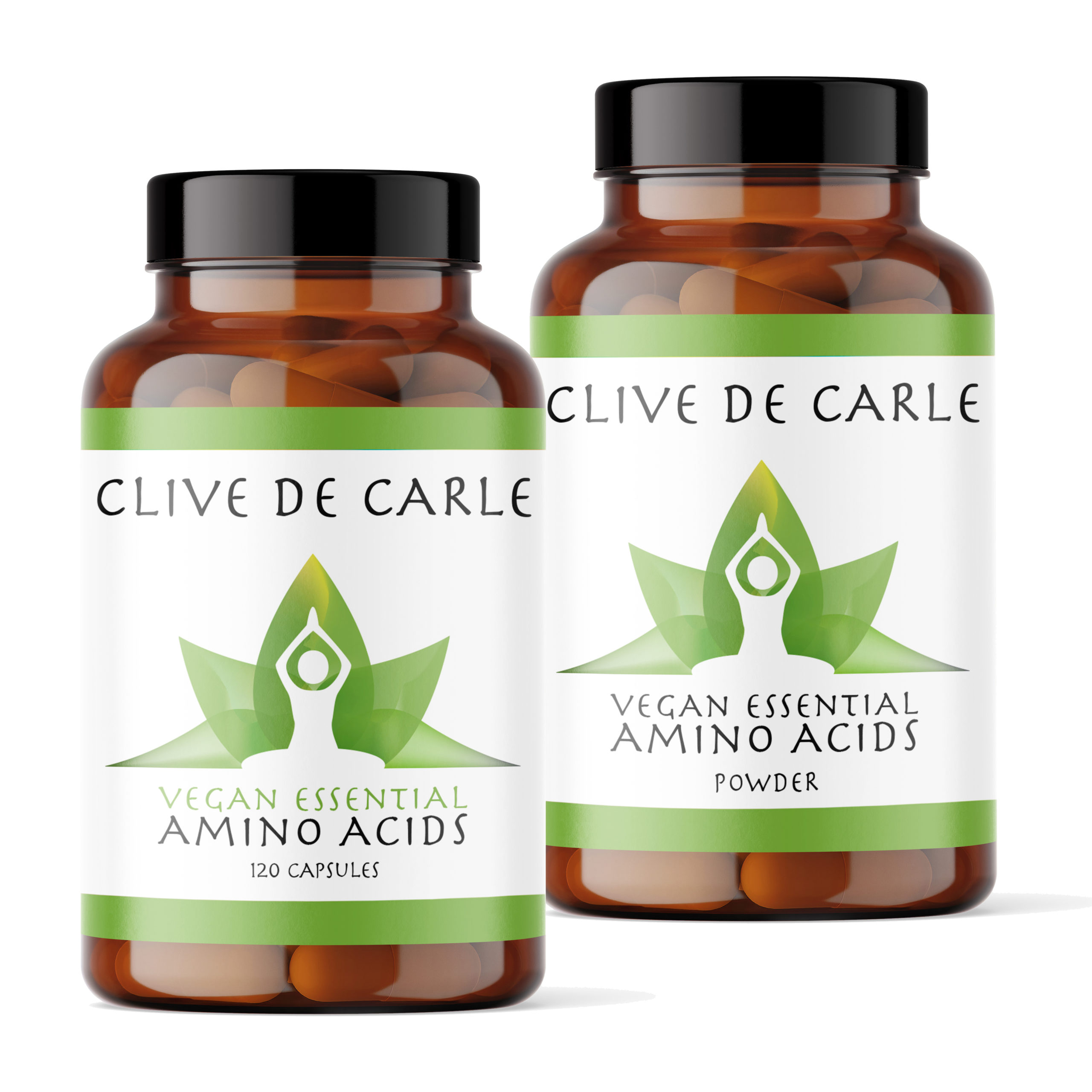
Vegan Essential Amino Acids – Plant-Powered Protein Building
INNERSTANDING may earn a commission on purchases made through these links. All products are selected based on rigorous educational relevance to our biological research.
RABBIT HOLE
Follow the biological thread deeper