Metabolic Endotoxemia: The Systemic Impact of Gut Dysbiosis on Hormonally-Driven Cervical Inflammation
Discuss this resourceUpdated May 2026
This comprehensive article explores the gut-cervix axis, detailing how gut-derived lipopolysaccharides (LPS) trigger systemic inflammation and affect cervical health through hormonal synergy.
Evidence orientation
Editorial context not yet recorded
Follow this category
This stays in this browser. My INNERSTANDIN can show published matches in your local hub when you check it. It does not send email, push, or alert notifications.
Local learning review
A private browser aid for revisiting ideas. It is not an alert or a health recommendation.
Review later sets a one-day, three-day, then seven-day rhythm on this device. Choose it only when you want to revisit this article.
LPS are large molecules found in the outer cell membranes of Gram-negative bacteria, which are naturally present in the human gut microbiome. In a state of intestinal homeostasis, these endotoxins are effectively contained within the gut lumen. However, when the intestinal barrier is compromised—a phenomenon often referred to as 'increased intestinal permeability' or 'leaky gut'—LPS translocates into the portal circulation. Unlike an acute infection that causes immediate sepsis, metabolic endotoxemia is characterized by a low-grade, persistent inflammatory response that can affect every organ system in the body. ## The Gut-Cervix Axis: A Pathway of Inflammation The cervix is an immunological powerhouse. It acts as the primary barrier between the microbe-rich vaginal canal and the sterile environment of the uterus.
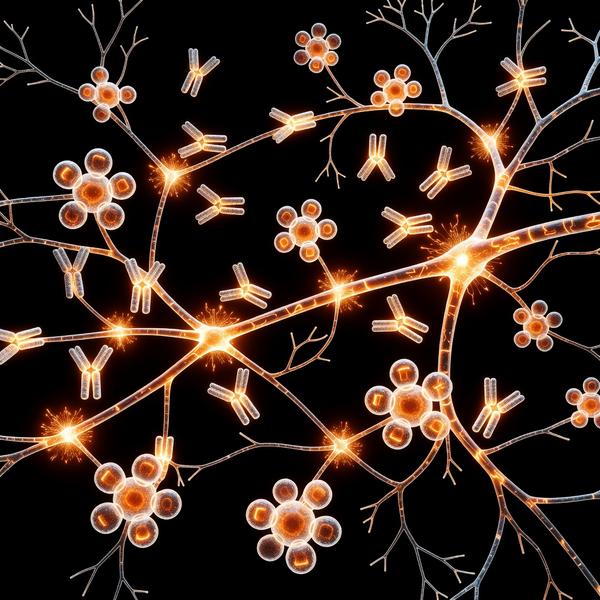
To perform this role, the cervical mucosa is equipped with a variety of innate immune sensors, most notably Toll-like Receptor 4 (TLR4). TLR4 is the specific receptor responsible for identifying and responding to LPS. When circulating LPS reaches the cervical stroma via the systemic blood supply, it binds to these TLR4 receptors. This binding triggers the activation of the Nuclear Factor-kappa B (NF-kB) pathway, a master regulator of inflammation. This results in the local production of pro-inflammatory cytokines such as Tumor Necrosis Factor-alpha (TNF-a) and Interleukin-6 (IL-6).
This mechanism explains how gut dysbiosis can manifest as chronic cervical inflammation (cervicitis), even when no localized sexually transmitted infections (STIs) are present. ## The Hormonal Influence: The Estrogen-LPS Synergy The cervix is profoundly sensitive to hormonal changes, particularly the ebb and flow of estrogen and progesterone. Estrogen is generally considered a friend to the reproductive tract, as it promotes the growth of beneficial Lactobacilli in the vagina. However, when metabolic endotoxemia is present, the relationship changes. Emerging research suggests that high levels of estrogen—or relative estrogen dominance—can upregulate the expression of TLR4 in cervical tissues. This means that at points in the cycle where estrogen is high, such as just before ovulation, the cervix may be hyper-sensitized to any circulating endotoxins.
This 'double hit' of systemic LPS and high hormonal drive creates a cycle of chronic inflammation that is often resistant to conventional localized treatments. This synergy can lead to symptoms often misdiagnosed as simple infections, including persistent discharge, pelvic heaviness, or cervical ectopy. ## Impact on Cervical Mucus and Fertility The quality of cervical mucus is a primary determinant of reproductive success. Healthy, fertile-quality mucus is alkaline, clear, and has a high degree of 'spinnbarkeit' (stretchiness), which facilitates sperm transport. Chronic inflammation driven by metabolic endotoxemia significantly alters the rheology of this mucus. LPS-driven immune activation increases the acidity of the cervical environment and recruits leukocytes (white blood cells) into the mucus.
This creates a 'hostile' environment for sperm, potentially hindering conception. For many women in the UK struggling with 'unexplained' infertility, the root cause may not lie in the reproductive organs themselves but in the systemic inflammation originating from the gut.
The UK Context
Diet and Lifestyle Drivers In the United Kingdom, modern dietary patterns are a significant contributor to metabolic endotoxemia. High consumption of ultra-processed foods (UPFs), low intake of fermentable fibers, and chronic stress all contribute to a breakdown in intestinal barrier integrity. Saturated fats, in particular, have been shown to facilitate the transport of LPS across the gut wall via chylomicrons. Furthermore, the common use of medications such as NSAIDs and proton pump inhibitors (PPIs) can further disturb the delicate balance of the gut microbiome, exacerbating dysbiosis.
Addressing cervical health at INNERSTANDING means addressing these lifestyle factors as foundational components of healing. ## Root-Cause Strategies for Healing To resolve hormonally-driven cervical inflammation, one must look beyond the cervix itself. The first priority is the restoration of the intestinal barrier. This can be achieved through a diet rich in diverse plant polyphenols and specific nutrients like L-glutamine, zinc carnosine, and Vitamin D3, which are essential for maintaining the 'tight junctions' of the gut lining. Secondly, modulating the systemic inflammatory response is vital. High-quality Omega-3 fatty acids (EPA and DHA) can help to resolve existing inflammation and dampen the TLR4 response.
Finally, supporting the liver’s detoxification of estrogen ensures that hormones do not provide an inflammatory 'amplifier' for circulating LPS. Cruciferous vegetables, rich in Indole-3-Carbinol, are particularly beneficial for healthy estrogen metabolism. ## Conclusion Cervical health is a window into the systemic health of the body. By understanding the profound impact of metabolic endotoxemia and the gut-cervix axis, we can move away from treating symptoms in isolation and toward a model of true health. At INNERSTANDING, our goal is to empower women to address the root causes of their health challenges—starting with the gut to heal the whole.
This article is provided for informational and educational purposes only. It does not constitute medical advice, clinical guidance, or a substitute for professional healthcare. Information reflects cited research at time of publication. Always consult a qualified healthcare professional before acting on any health information.
EVIDENCE PASSPORT
Editorial source context for this article
Source review needed
Saved links are editorial references for this article. They may support specific claims rather than every sentence. Open and assess each source in context. This passport does not independently verify them.
Editorial context
A complete editorial reading has not been recorded for this article, and no source links are saved on its record.
Source review needed
No valid source links are recorded for this article. Supplementary research, where available, is listed separately below.
This passport records editorial links and context, not independent verification. Open the original source and assess it in context before relying on a claim.
Medical Disclaimer
The information in this article is for educational purposes only and does not constitute medical advice, diagnosis, or treatment. Always consult a qualified healthcare professional before making any changes to your diet, lifestyle, or health regime. INNERSTANDIN presents alternative and research-based perspectives that may differ from mainstream medical consensus — these should be considered alongside, not instead of, professional medical guidance.
Read Full DisclaimerContinue the thread
Keep this question moving.
Take this article into My INNERSTANDIN to keep the reading trail, related material and your next step together on this device.
Explore this in the Body Map
Explore related body structures and their educational pages in the interactive Body Map.
Dig deeper in the Library
Free, longform PDF volumes that go beyond headlines into mechanisms and references.
RABBIT HOLE
Follow the biological thread deeper