All INNERSTANDIN content is for educational purposes only — not medical advice, diagnosis or treatment. Full Disclaimer →

    BACK TO DATABASE
    TAGGED RESEARCH

    #Oxidative Stress

    73TRANSMISSIONS FOUND
    O
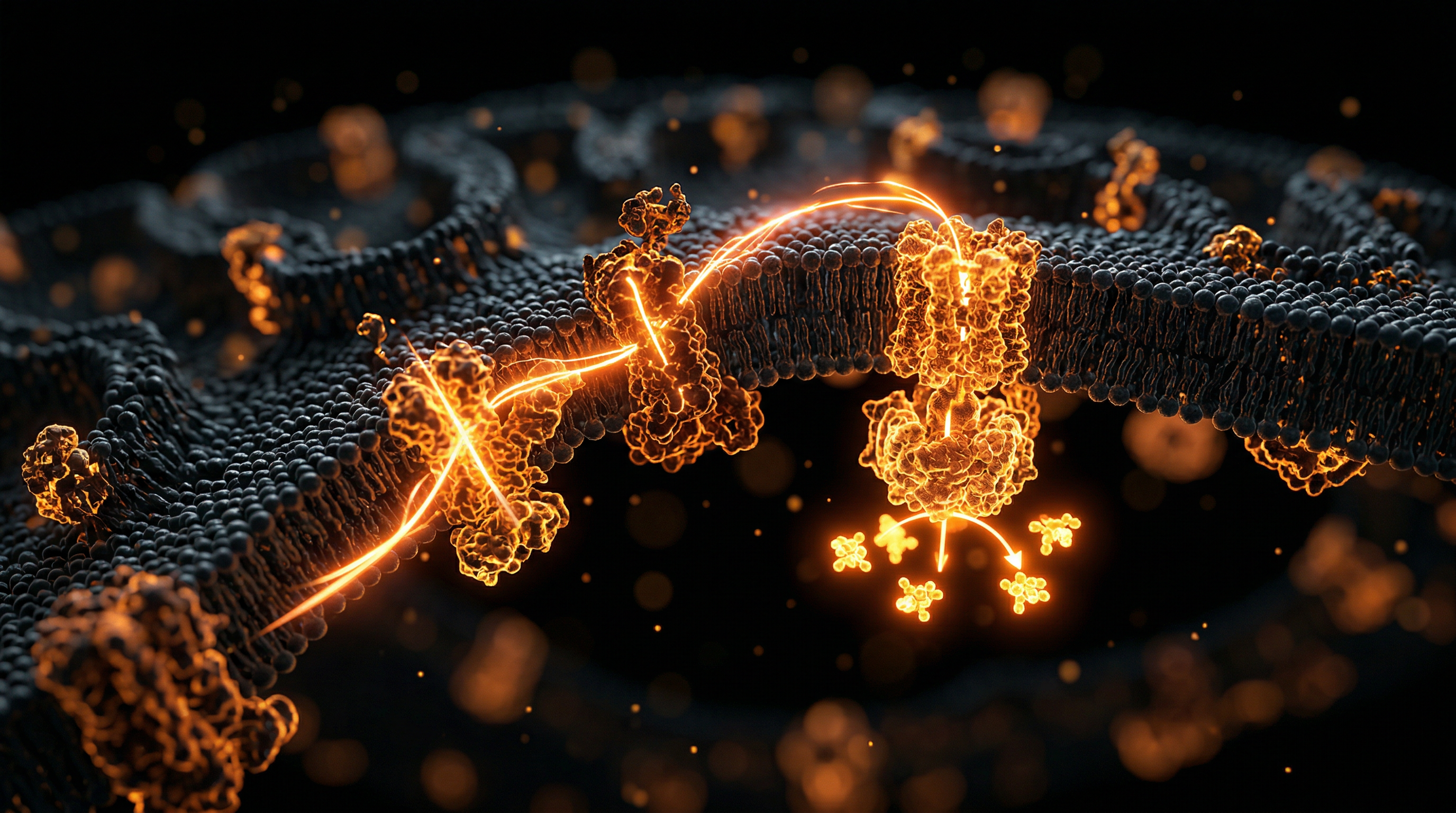
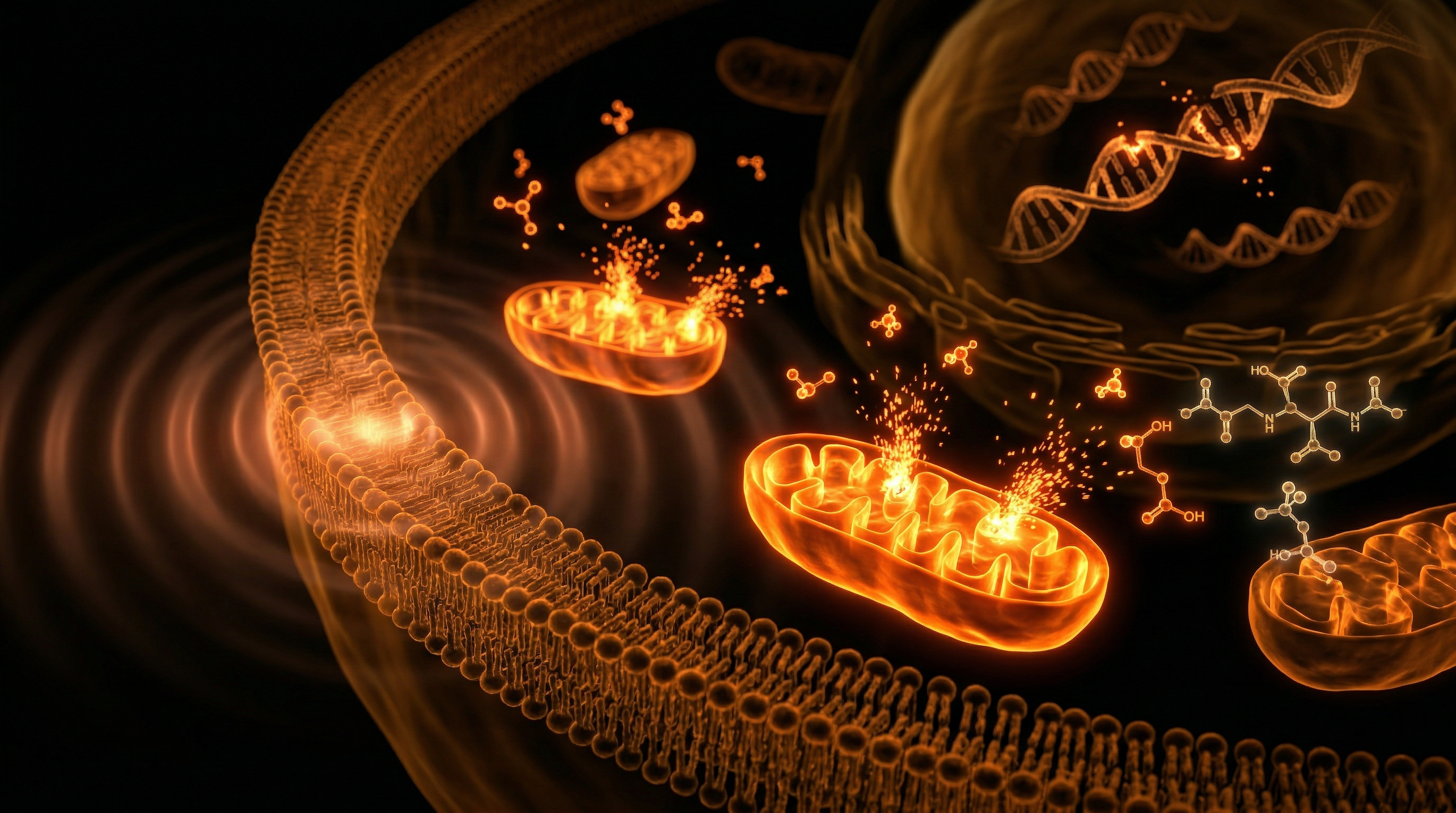
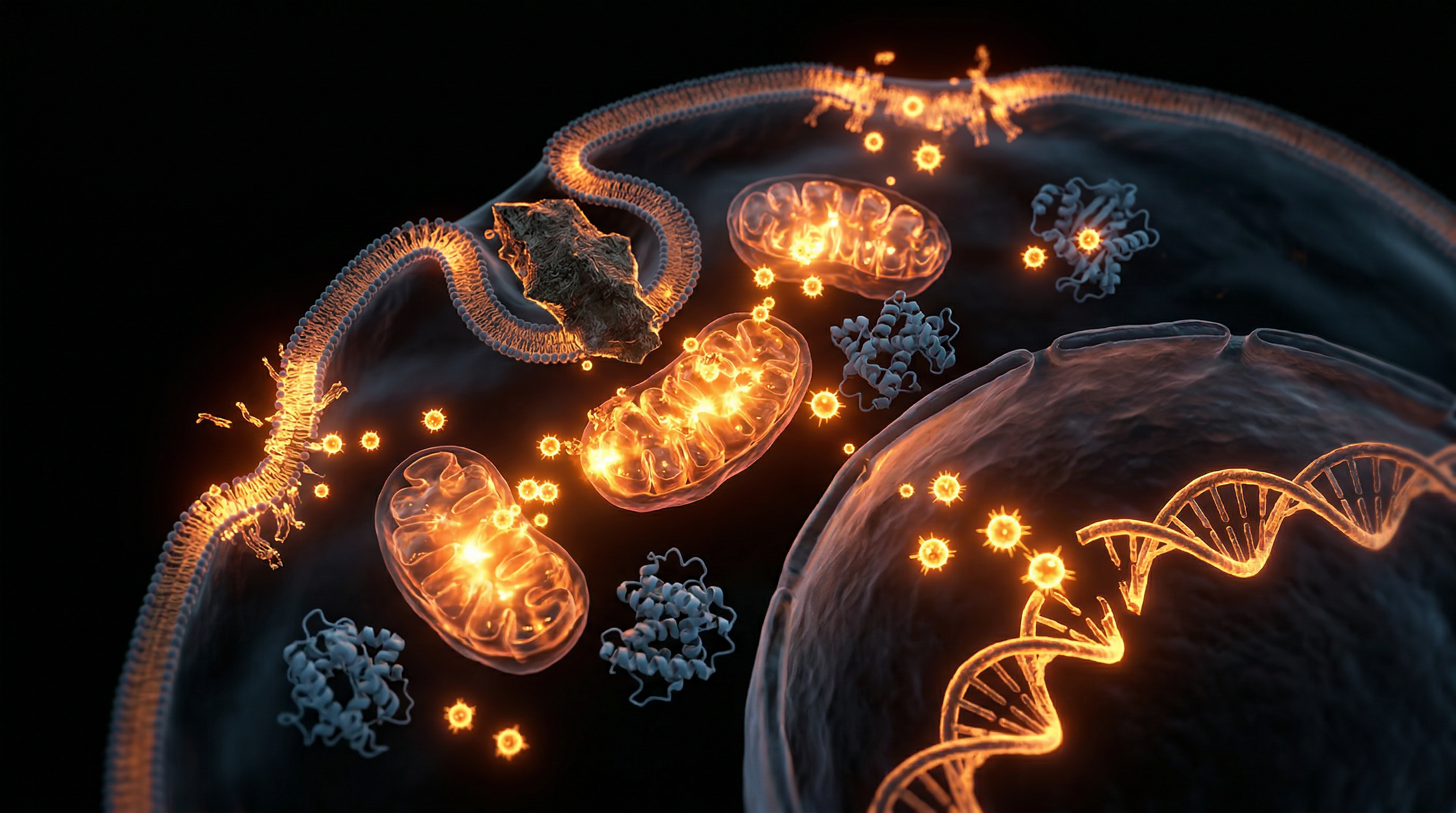
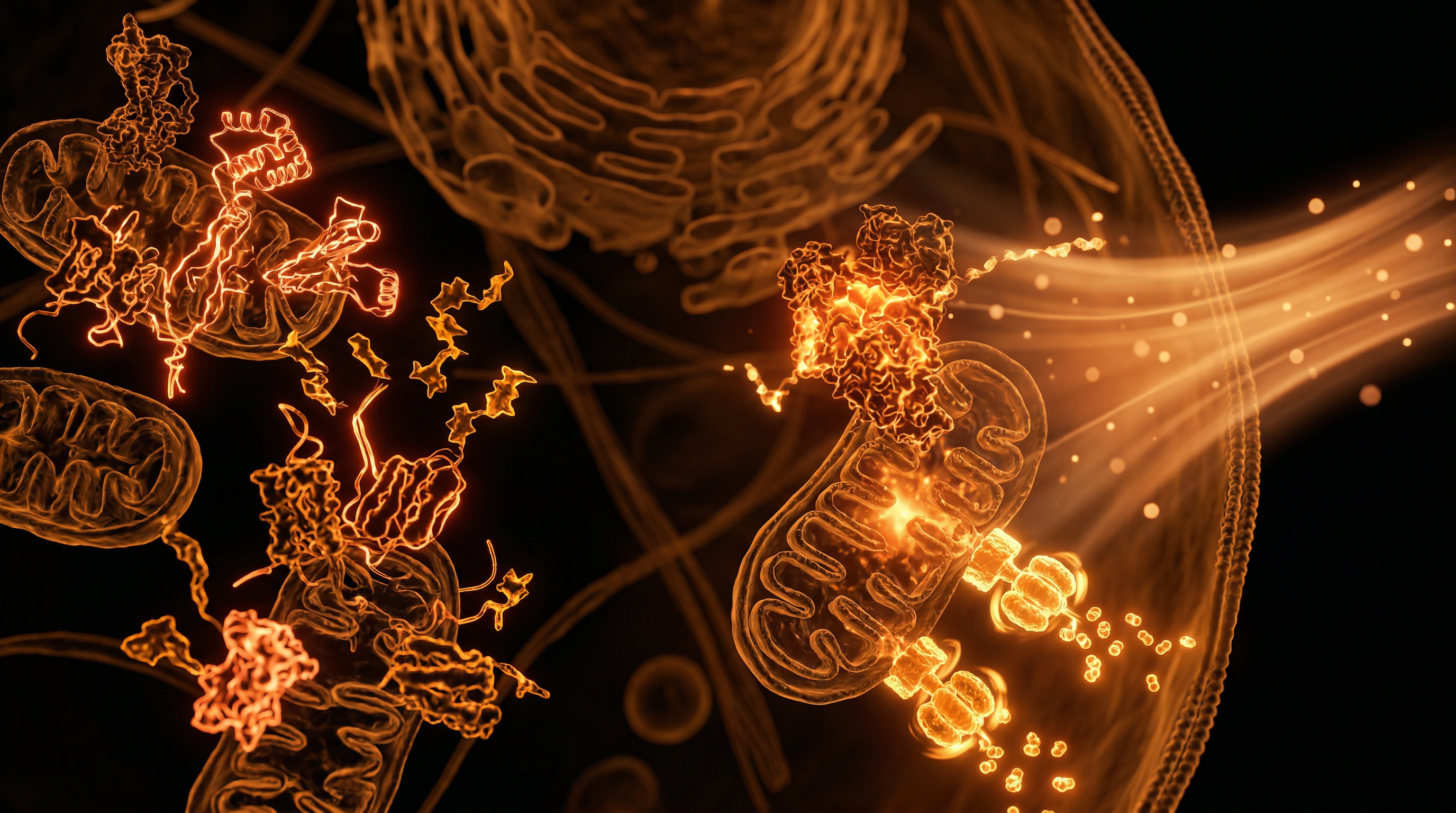
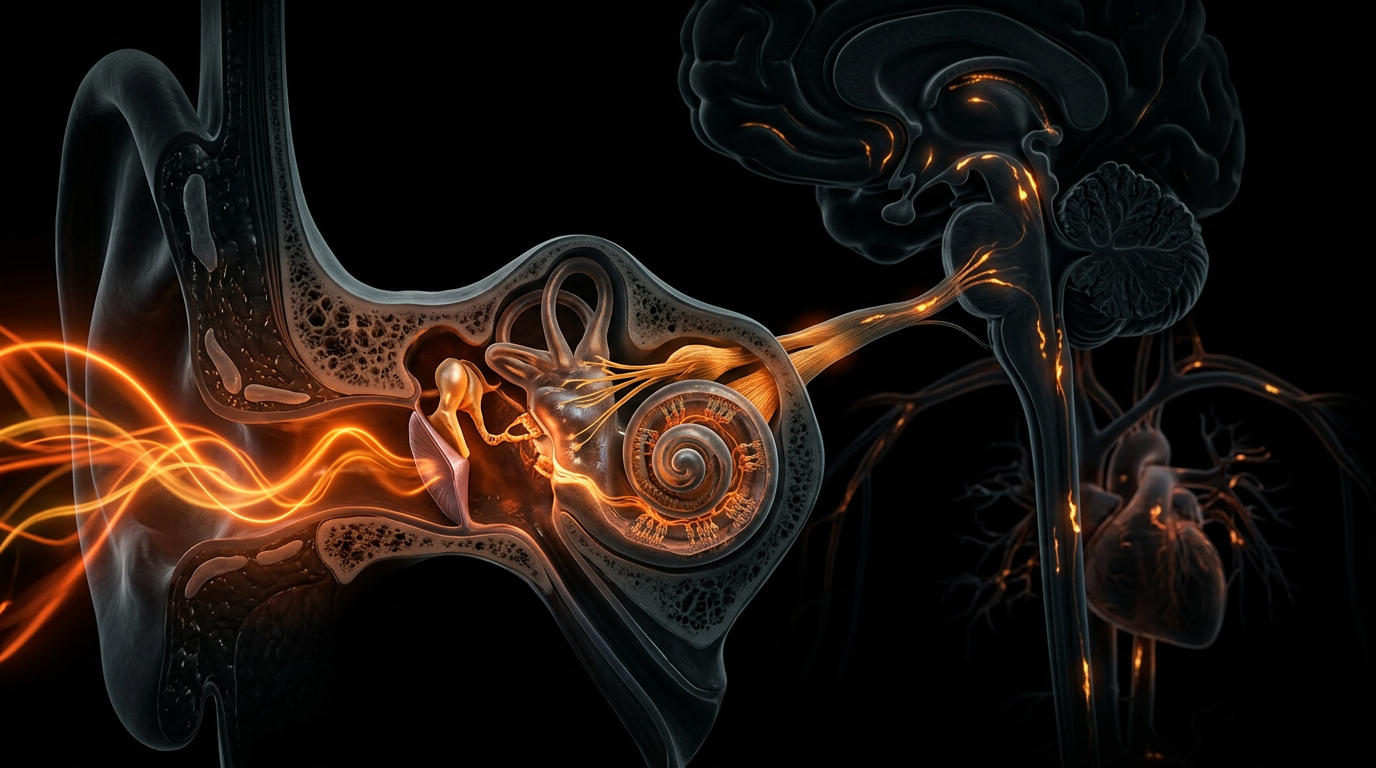
    Scientific illustration for Oxidative Stress: The Silent Fire Inside Every Cell
    Physiology
    16 MIN READ

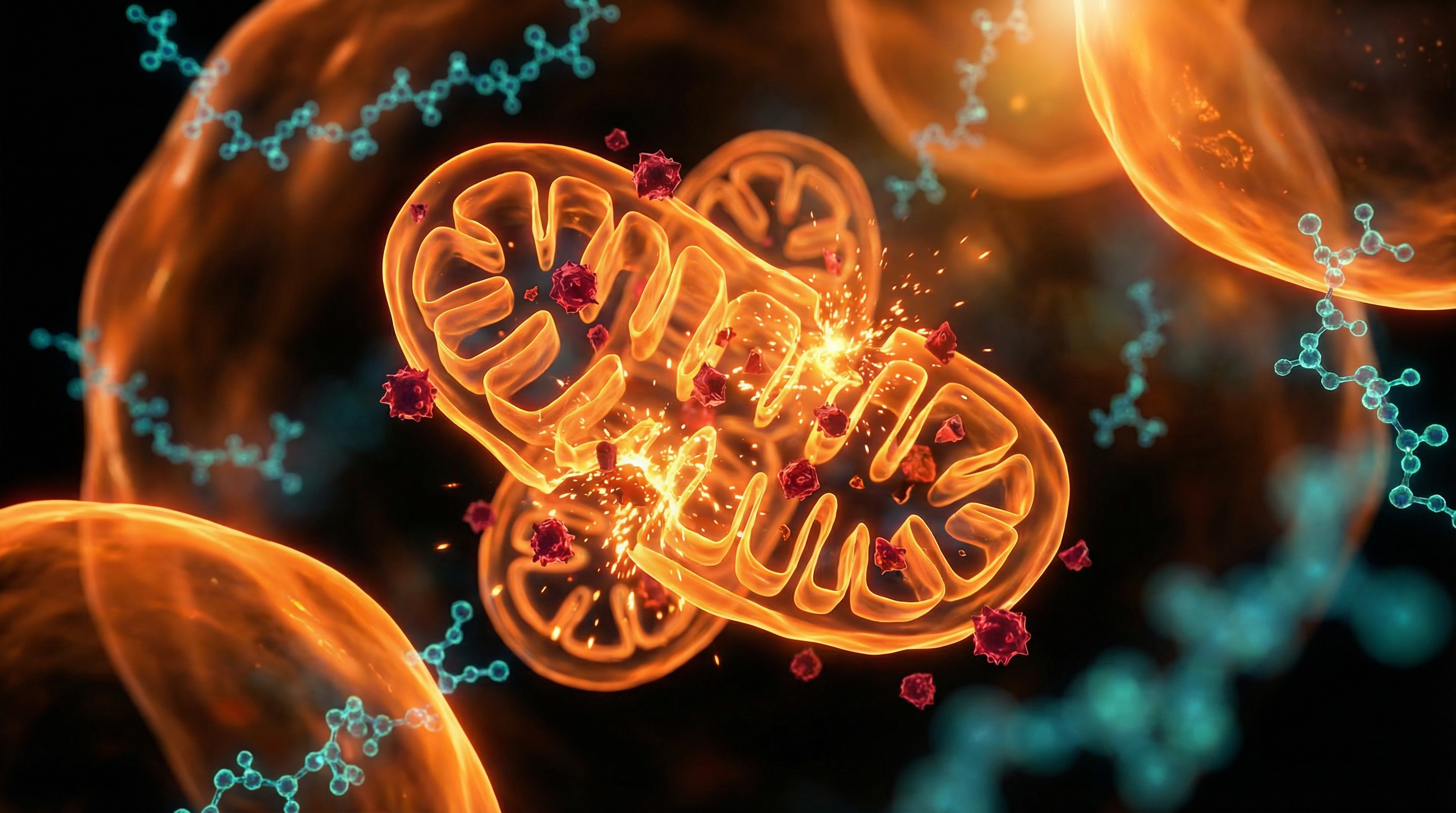
    Oxidative Stress: The Silent Fire Inside Every Cell

    Oxidative stress occurs when the production of reactive oxygen species (ROS) — the inevitable metabolic byproducts of oxygen utilisation — overwhelms the body's antioxidant defence systems, leading to cumulative cellular damage across lipids, proteins, and DNA. Whilst a physiological level of ROS serves essential signalling and immune functions, the extraordinary toxic burden of modern life — from heavy metal exposure and pesticide consumption to chronic psychological stress and electromagnetic radiation — creates a level of oxidative stress that exceeds what any human antioxidant system evolved to manage. The resulting cellular damage is the foundational mechanism linking environmental toxicity to the full spectrum of chronic degenerative disease, from atherosclerosis and type 2 diabetes to cancer and neurodegeneration.

    #oxidative stress#ROS
    R
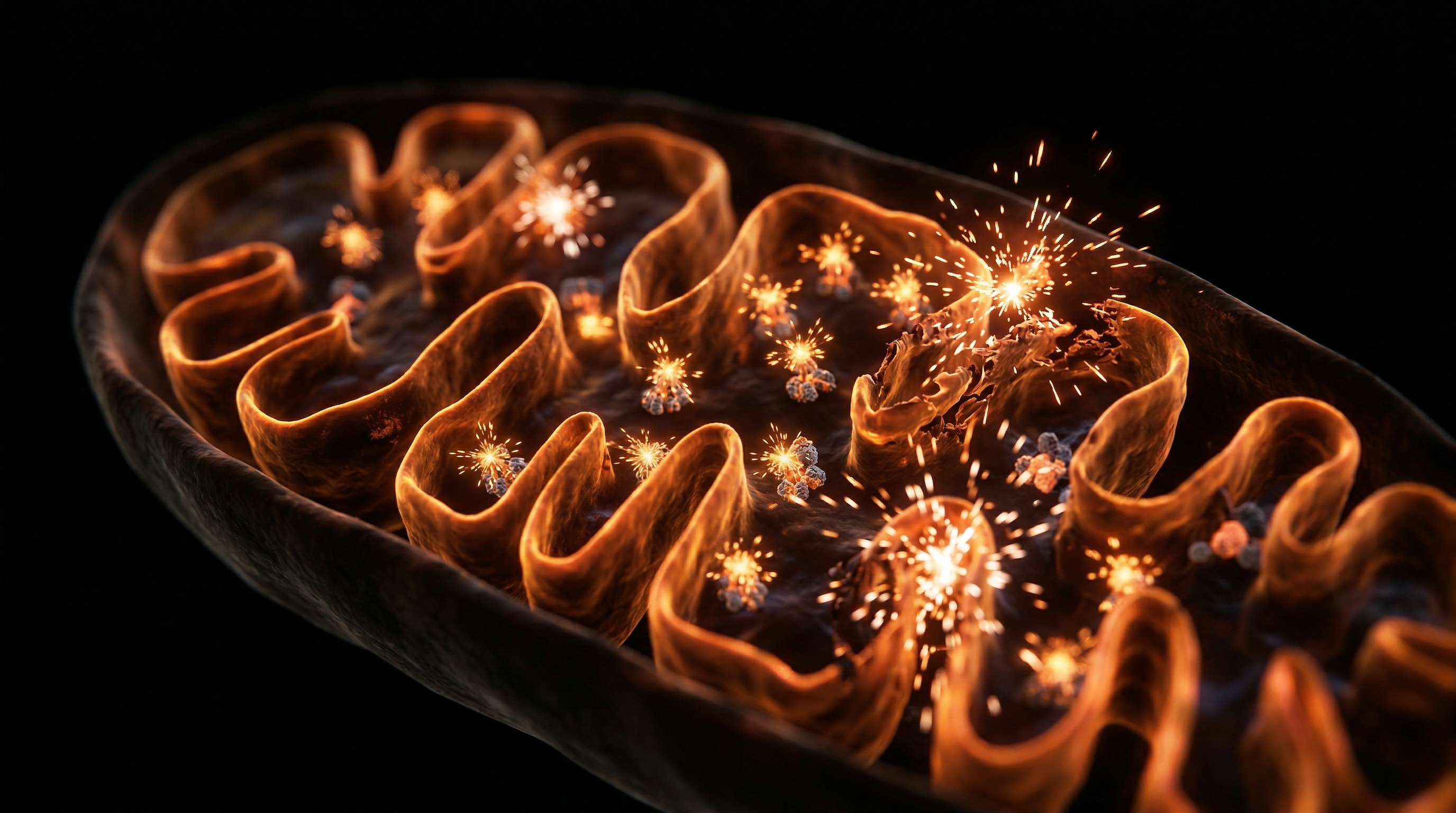
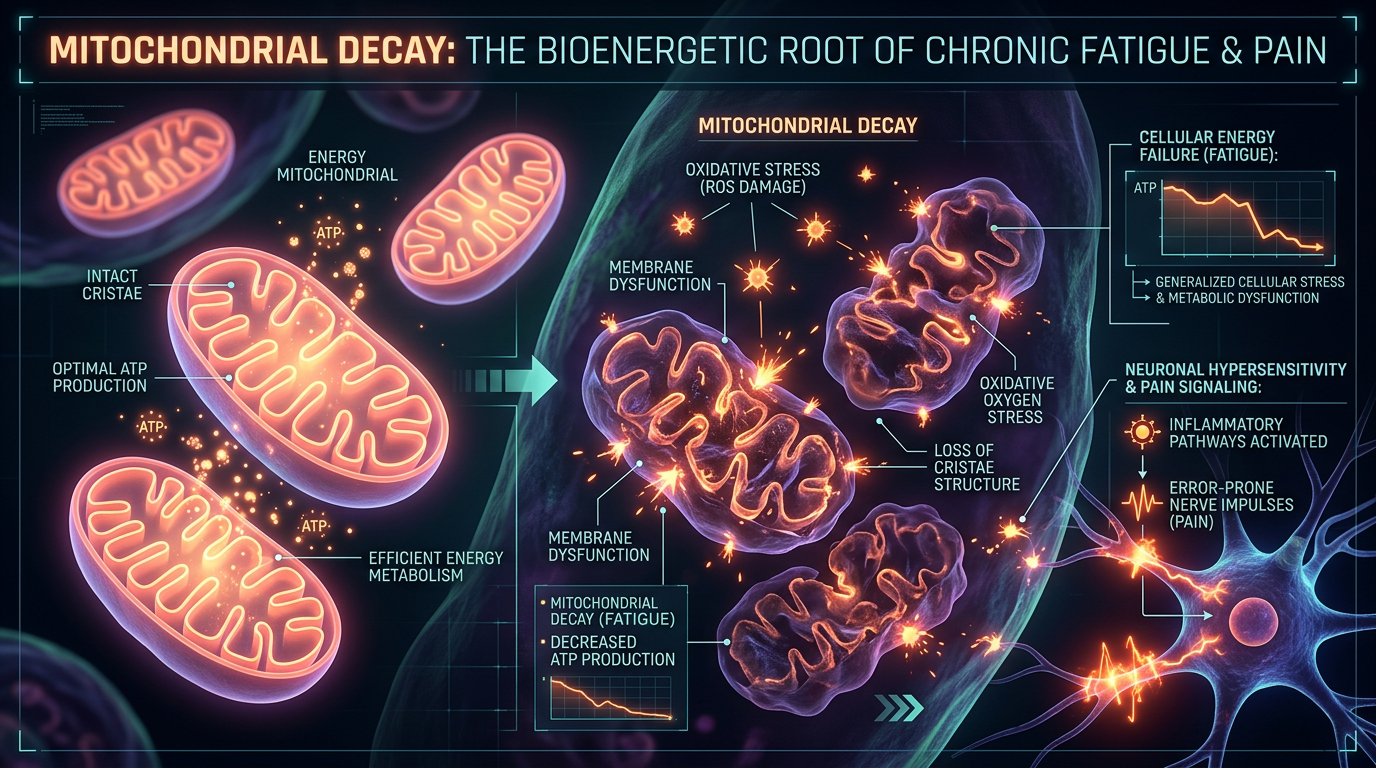
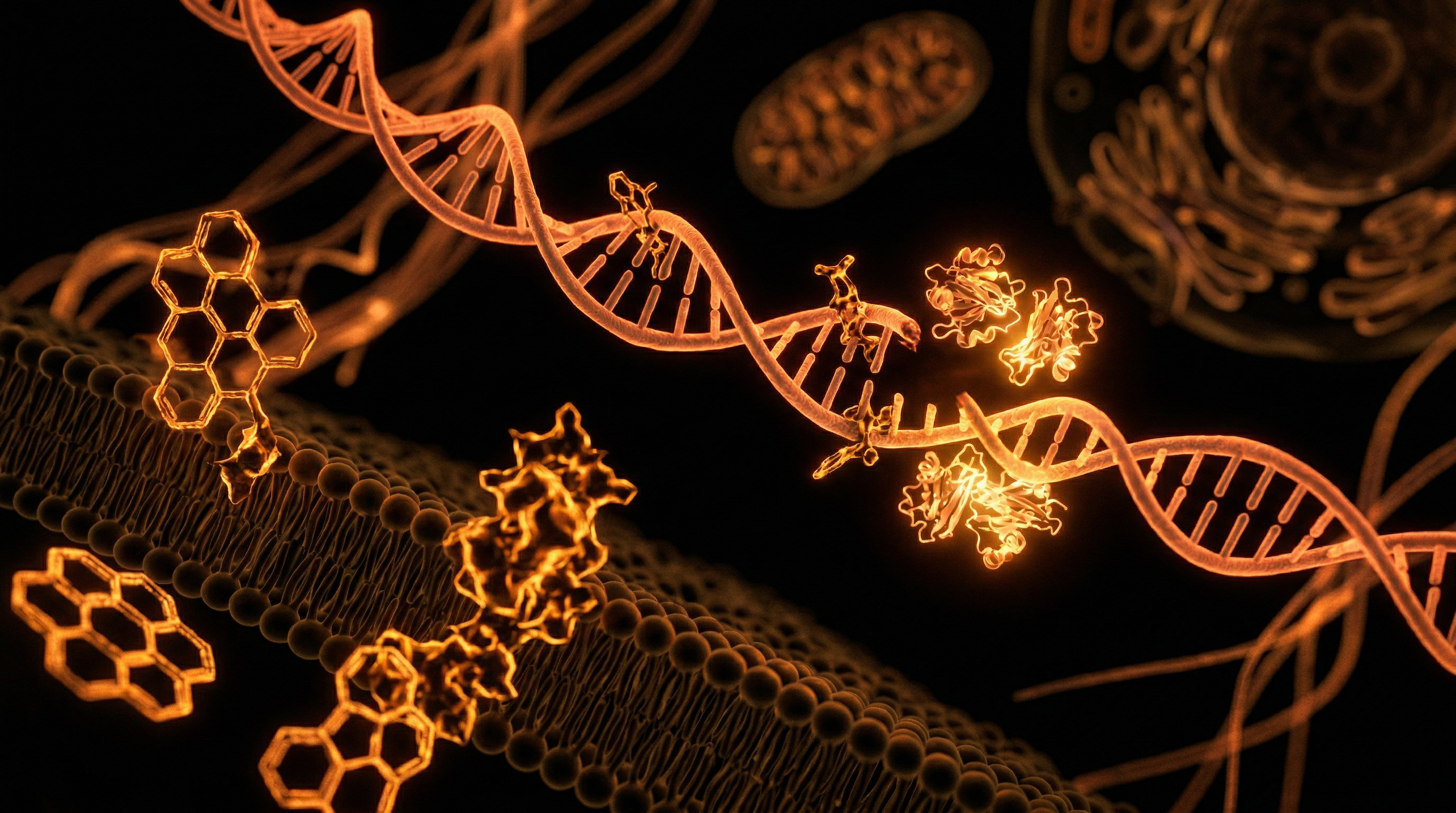
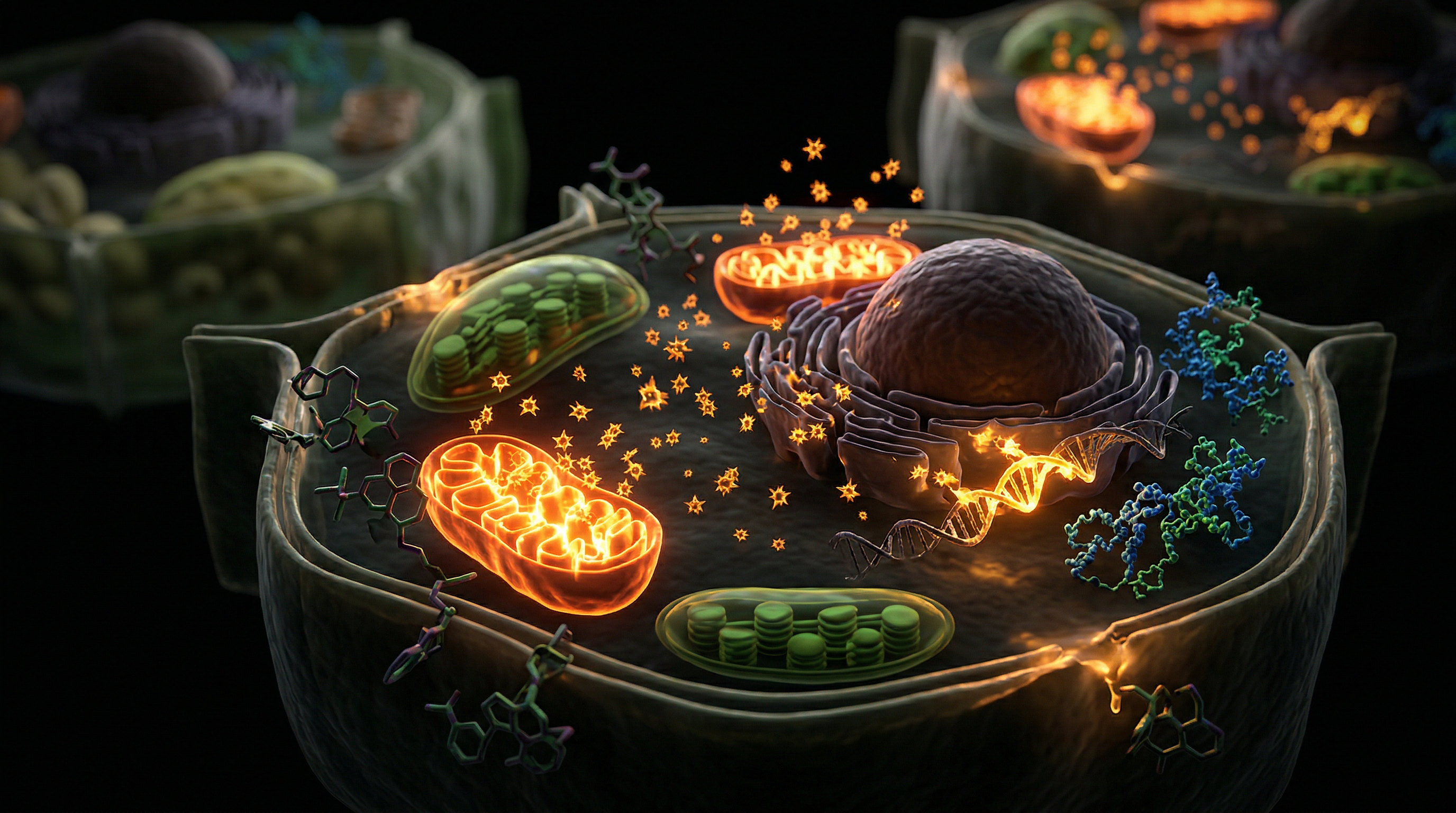
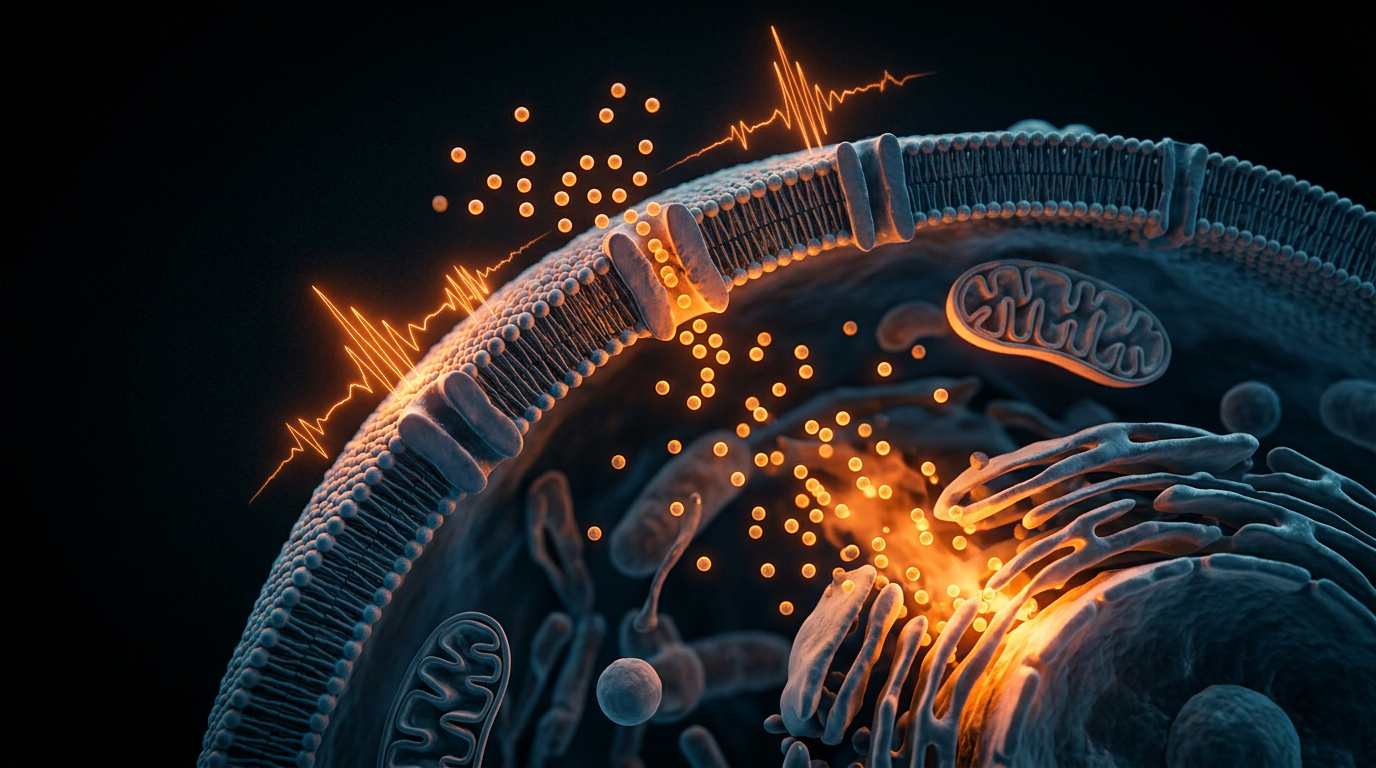
    Scientific illustration for Reactive Oxygen Species: The Double-Edged Chemistry of Breathing
    Mitochondria
    16 MIN READ

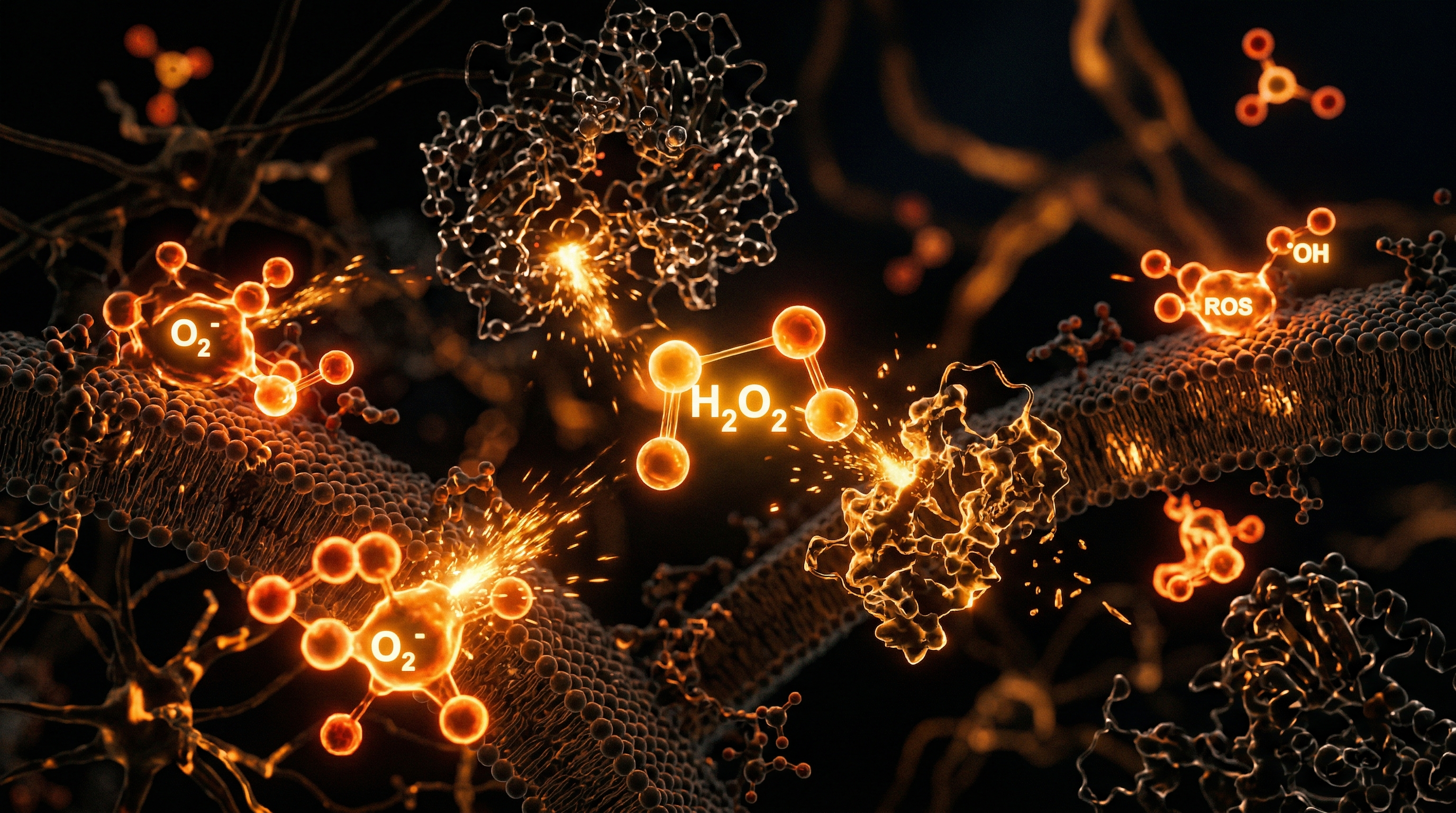
    Reactive Oxygen Species: The Double-Edged Chemistry of Breathing

    Reactive oxygen species (ROS) — including superoxide radicals, hydrogen peroxide, and the highly reactive hydroxyl radical — are inevitable byproducts of the oxygen-based metabolism that powers all complex life, generated primarily as electrons leak from the mitochondrial electron transport chain and react with molecular oxygen. At physiological concentrations, ROS serve essential roles in cellular signalling, immune defence (the 'oxidative burst' that destroys pathogens), and hormetic adaptation — but when their production exceeds antioxidant capacity, they initiate a cascade of oxidative damage to cellular lipids, proteins, and DNA that is the molecular root of ageing and chronic degenerative disease. The extraordinary levels of environmental oxidative stress imposed by heavy metal exposure, electromagnetic radiation, pesticide residues, air pollution, and chronic psychological stress in modern life have created a state of systemic oxidative stress that is orders of magnitude beyond what human antioxidant systems evolved to manage.

    #ROS#free radicals
    O
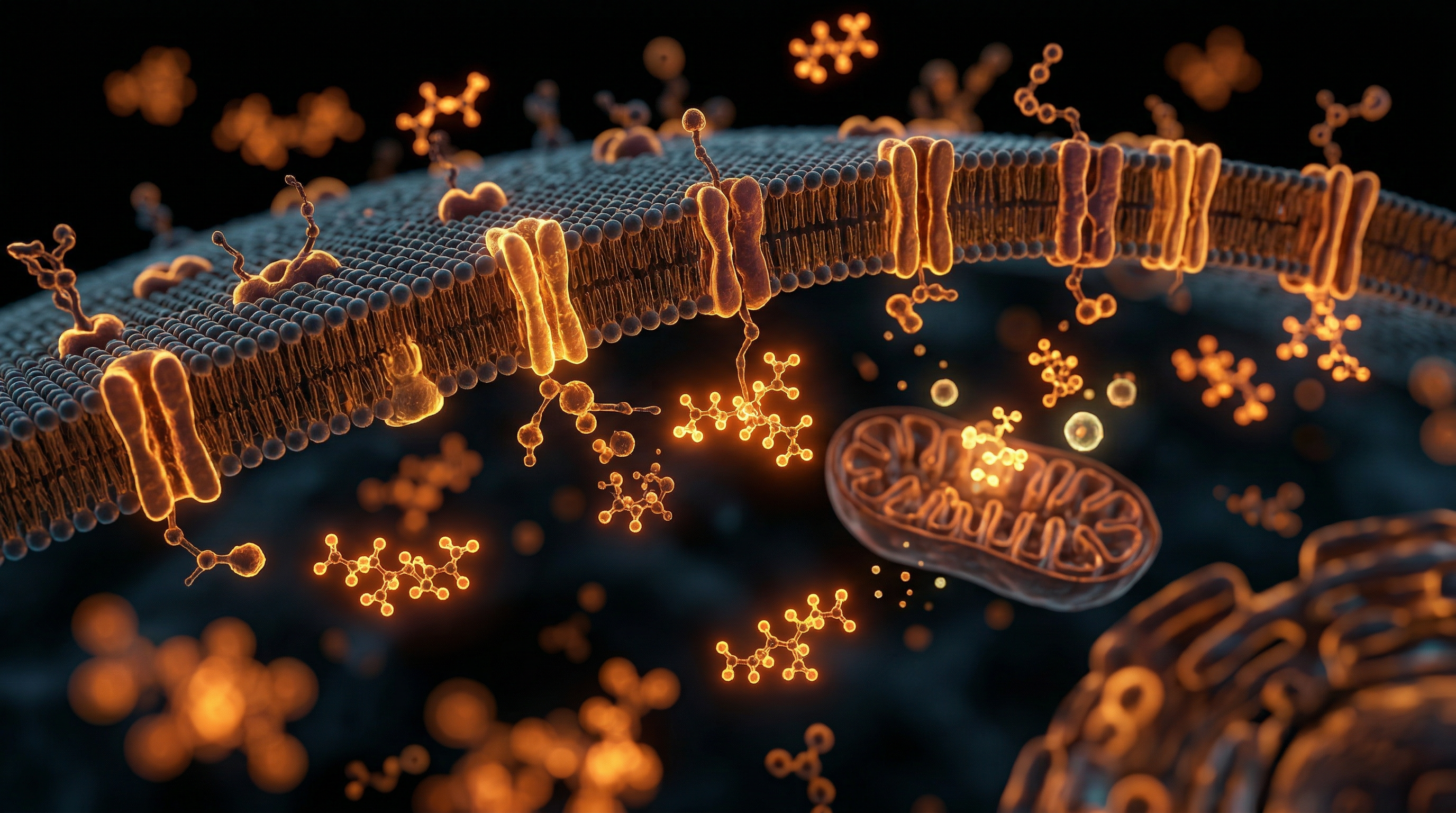
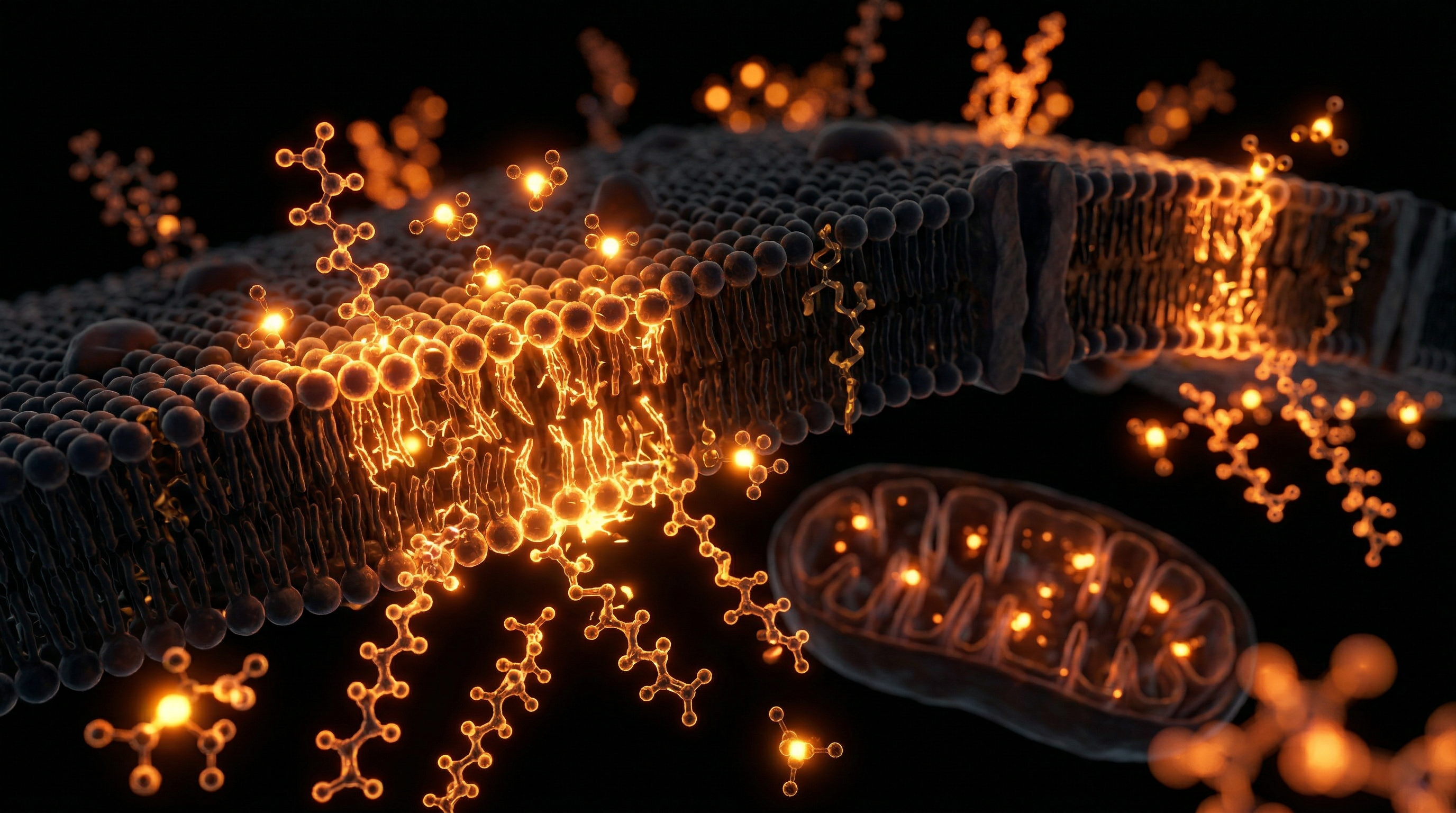
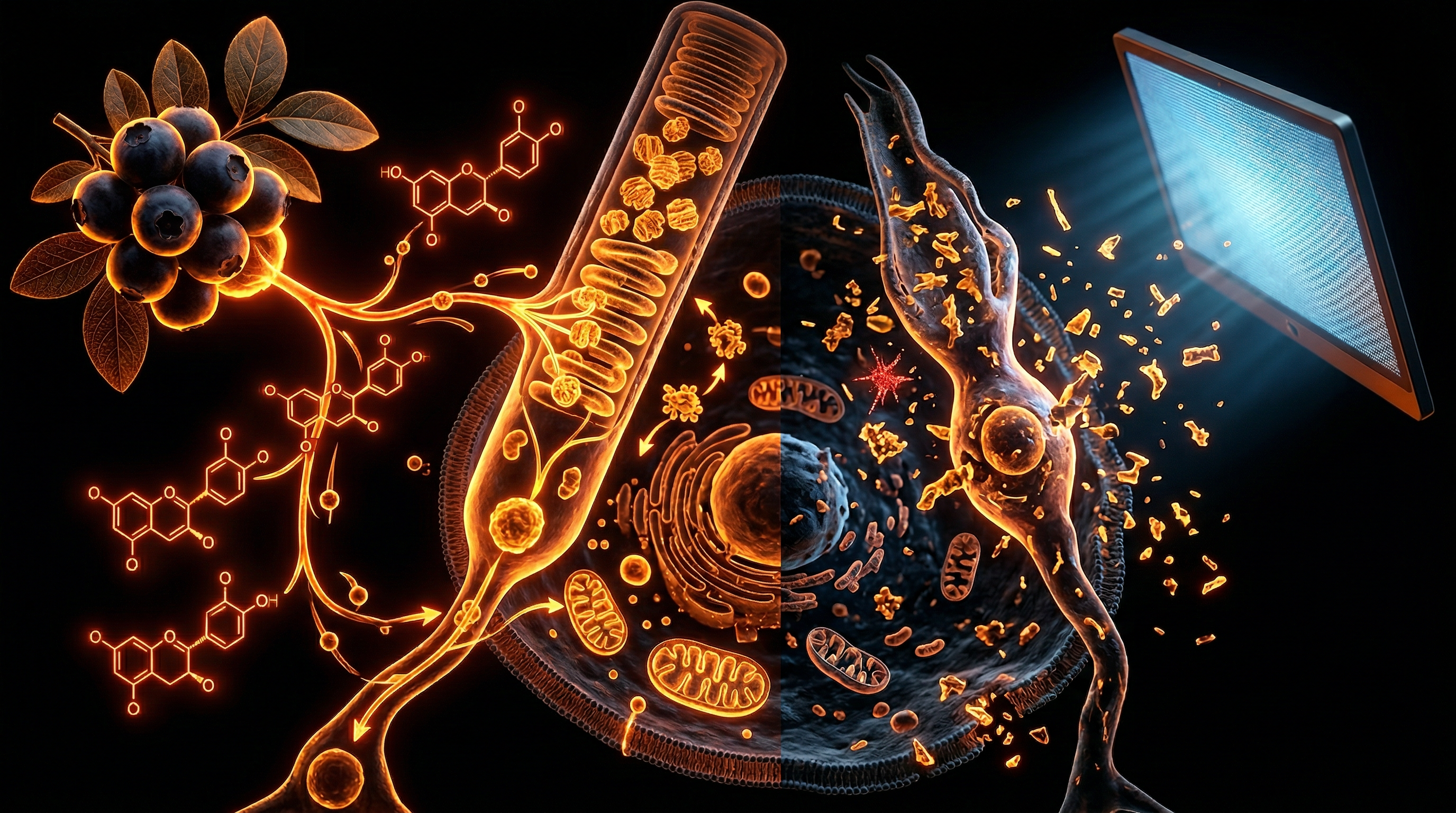
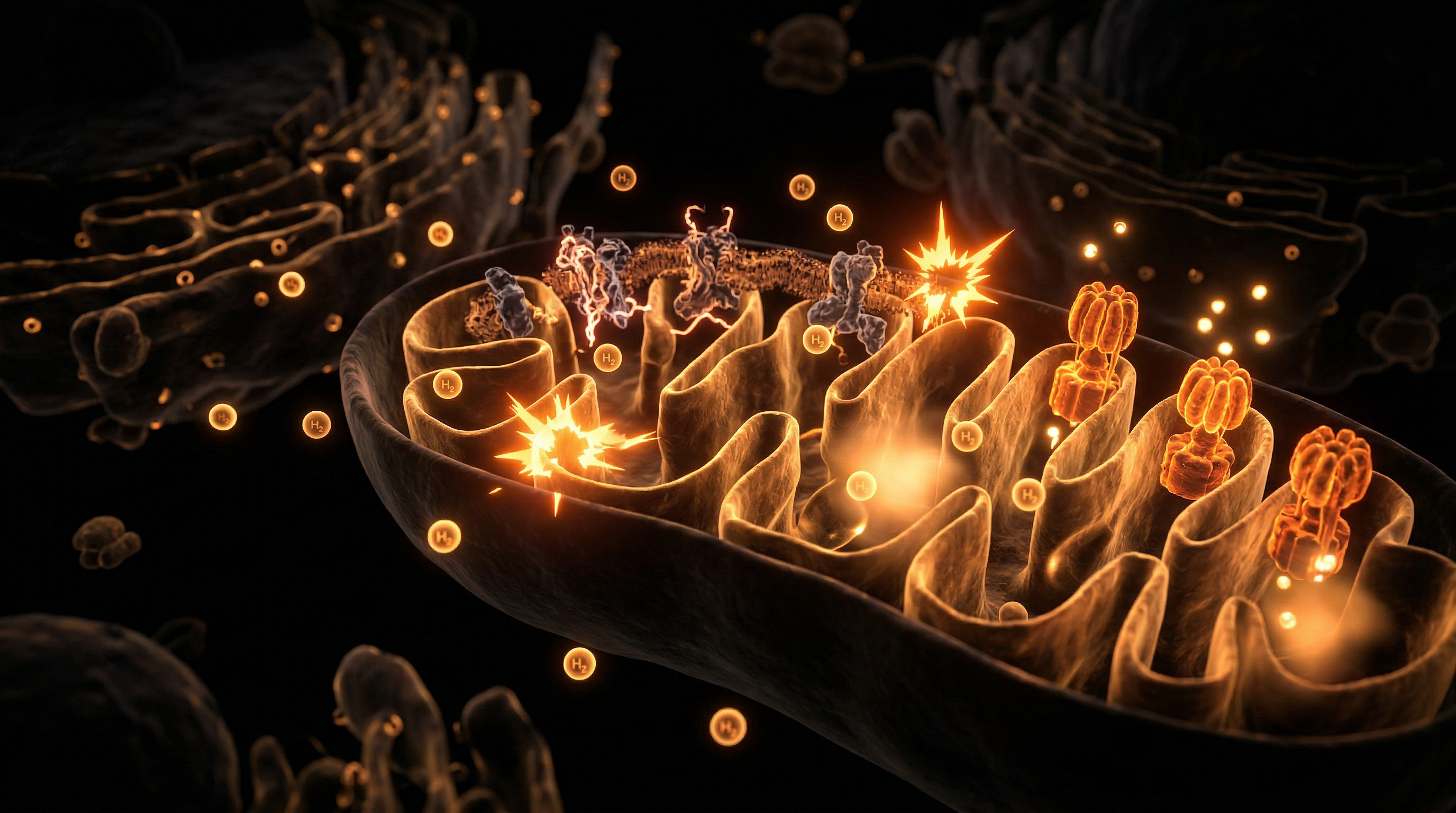
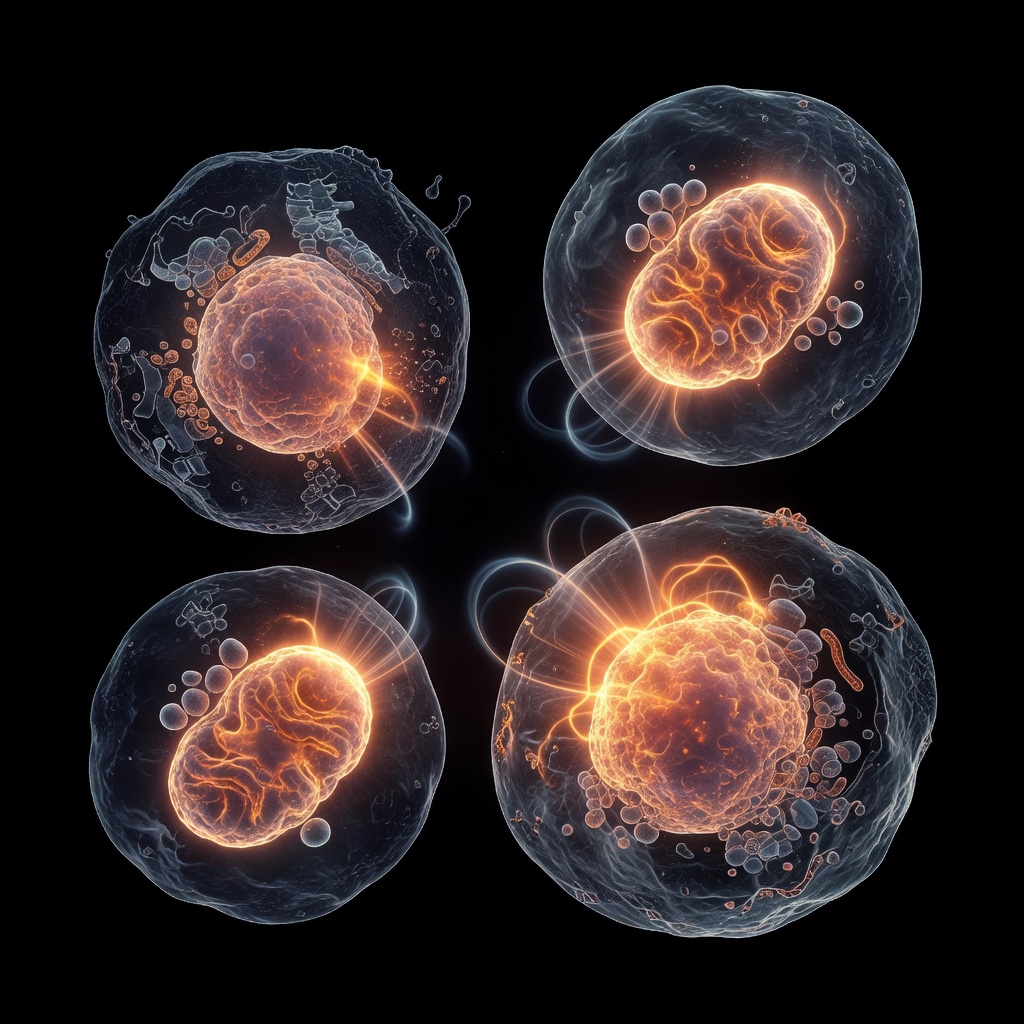
    Scientific illustration for Oxidative Stress: The Silent Cellular Destroyer
    Mitochondria
    15 MIN READ

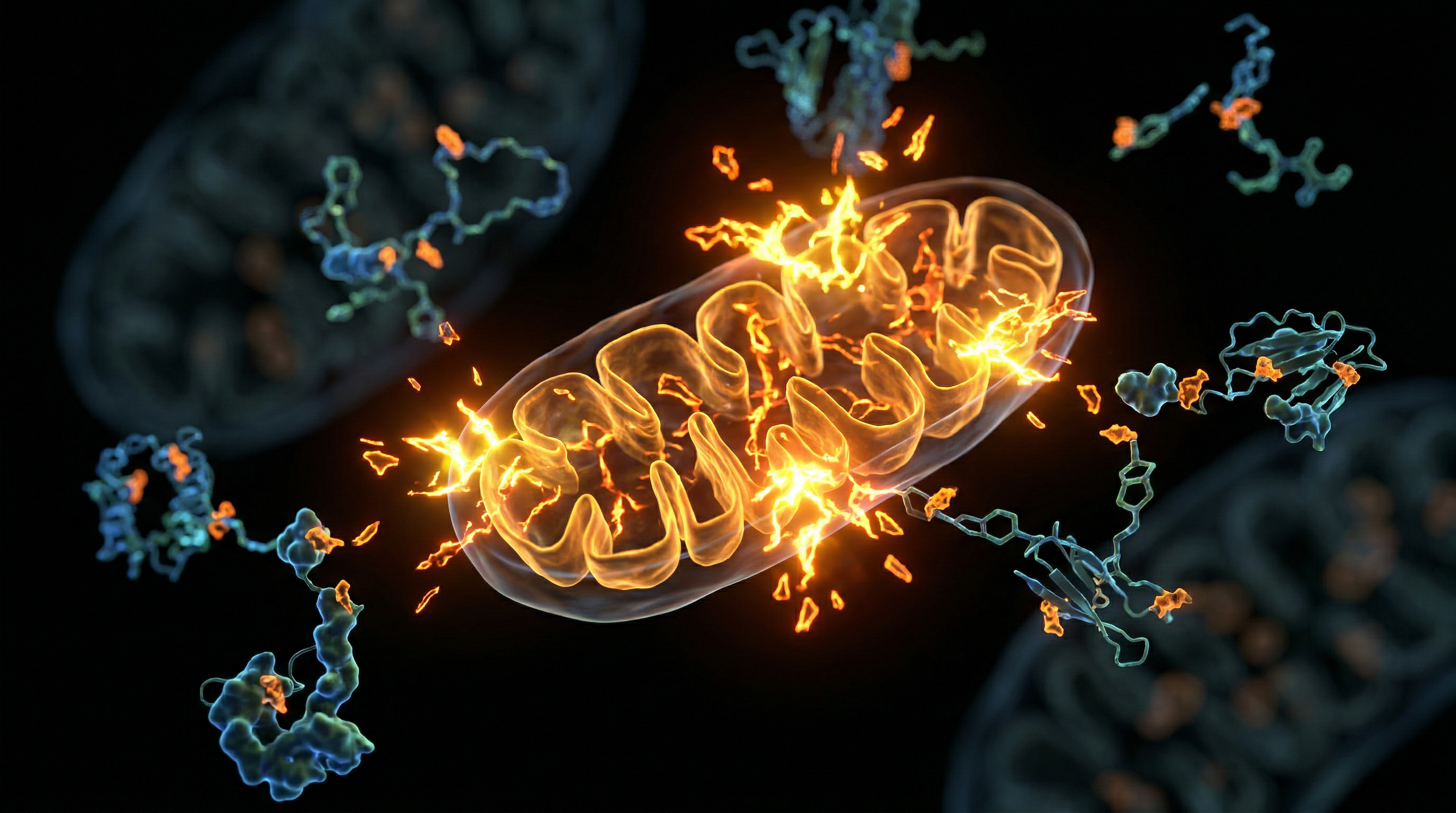
    Oxidative Stress: The Silent Cellular Destroyer

    Reactive oxygen species — superoxide, hydrogen peroxide, and the hydroxyl radical — are generated as inevitable byproducts of mitochondrial respiration and immune function, and in controlled quantities serve essential roles in cellular signalling and pathogen killing. When ROS production exceeds the antioxidant defence capacity of the cell — through environmental toxin exposure, nutritional deficiency, chronic inflammation, or impaired mitochondrial function — oxidative stress occurs, causing indiscriminate damage to lipid membranes, proteins, and DNA that accelerates ageing, drives cancer initiation, destroys neural tissue, and disrupts every aspect of cellular metabolism. The modern lifestyle — high in seed oil linoleic acid, processed carbohydrates, heavy metal exposure, and chronically low in antioxidant nutrients — is a perfect engine for sustained oxidative stress.

    #oxidative stress#ROS
    G
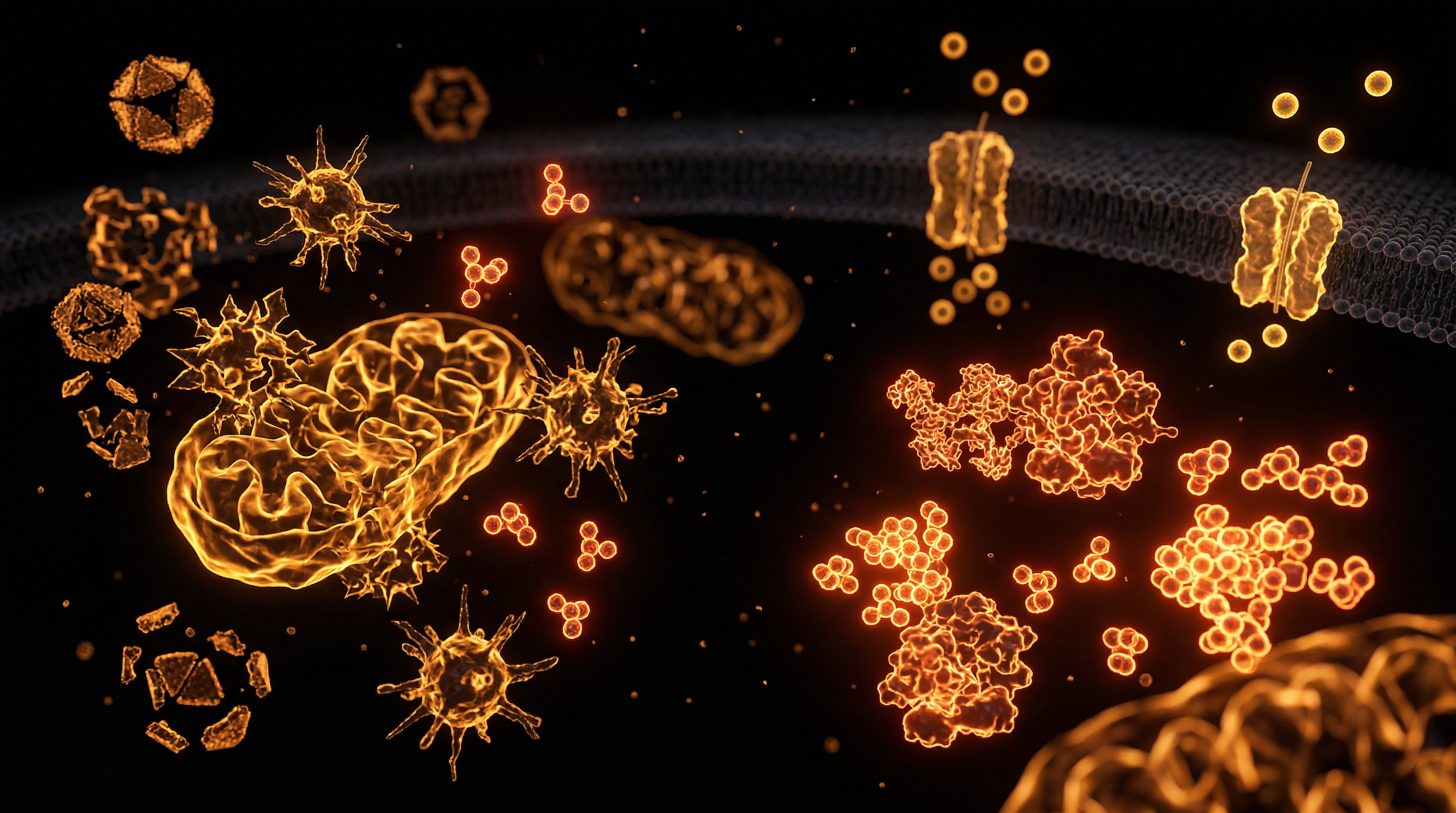
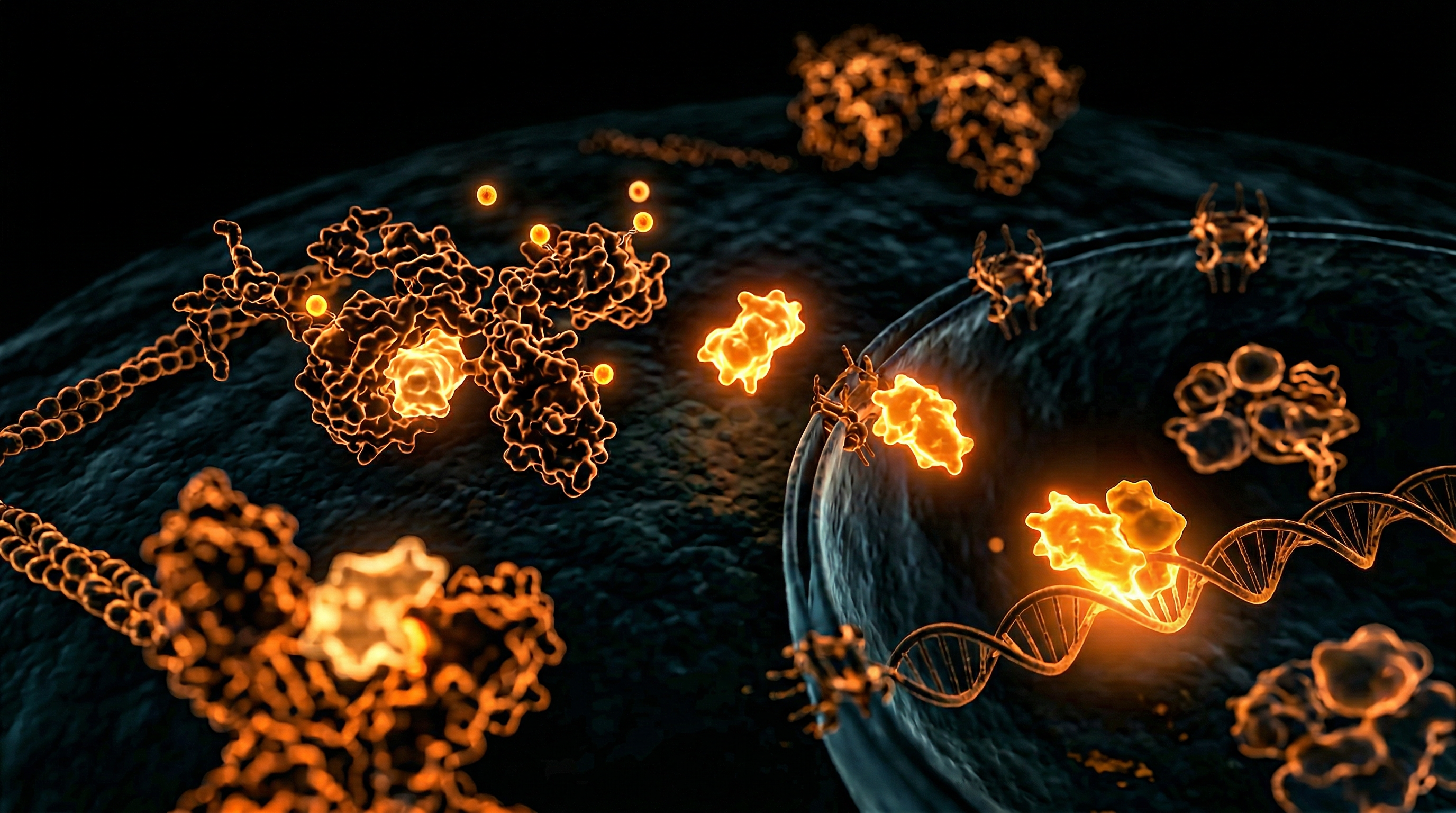
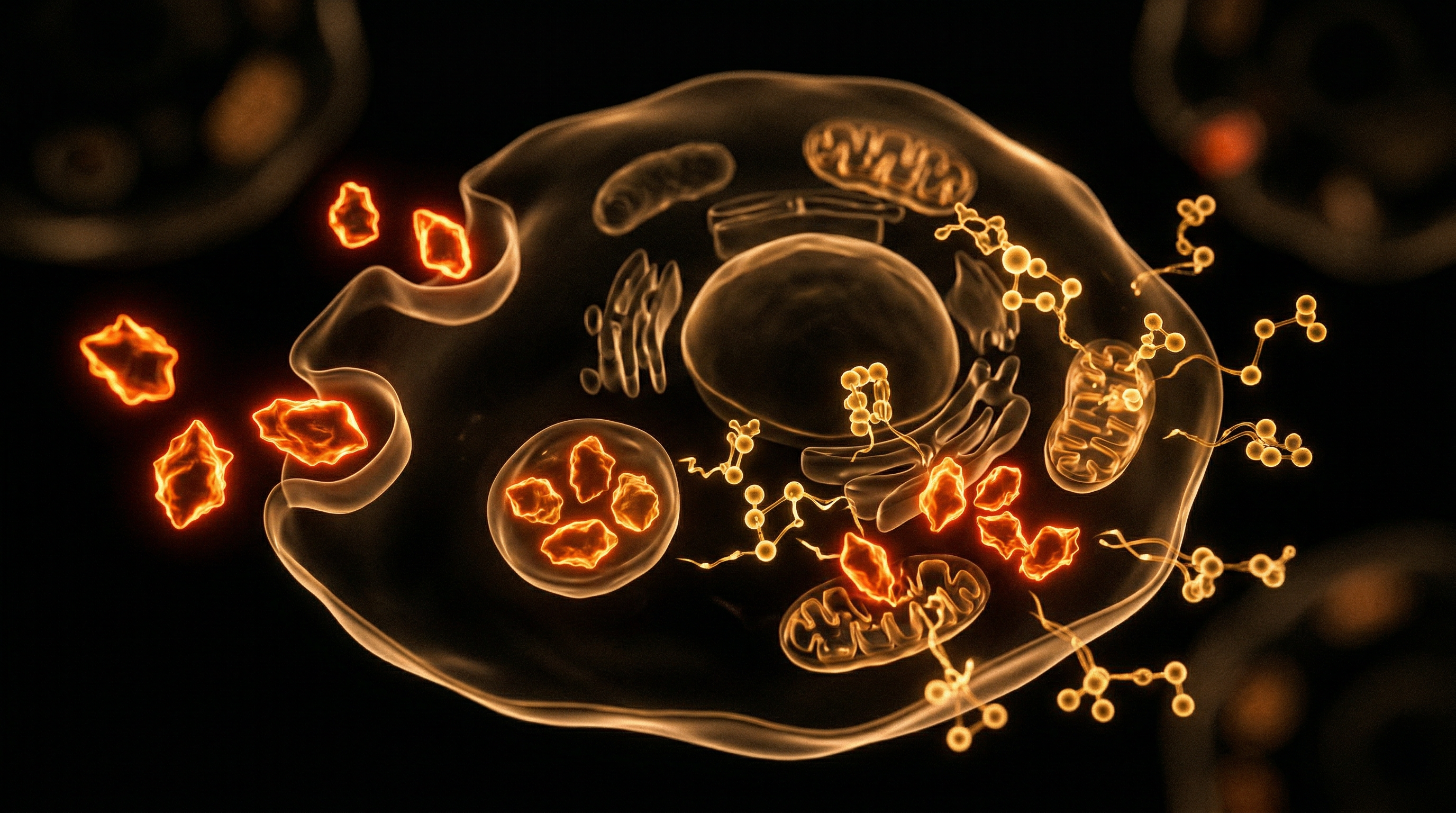
    Scientific illustration for Glutathione: The Master Antioxidant Modern Medicine Ignores
    Cellular Biology
    14 MIN READ

    Glutathione: The Master Antioxidant Modern Medicine Ignores

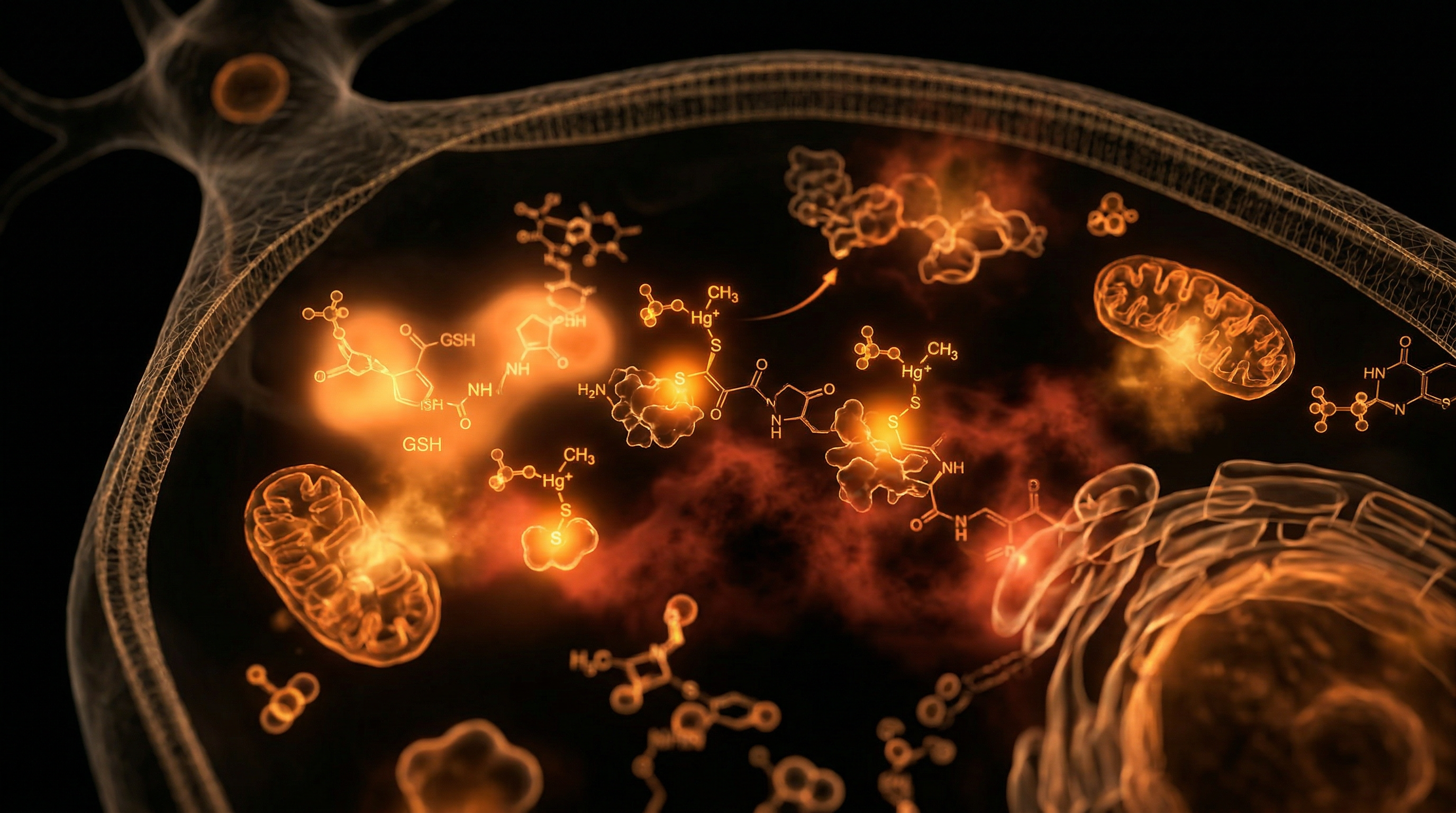
    Glutathione — a tripeptide of glutamic acid, cysteine, and glycine — is the body's most abundant and critically important endogenous antioxidant, directly neutralising reactive oxygen species, recycling vitamins C and E, and serving as the essential cofactor for Phase II liver detoxification, selenium-dependent glutathione peroxidase, and the transport of mercury and other heavy metals out of neural tissue. Glutathione depletion — driven by chronic oxidative stress, alcohol consumption, pharmaceutical drug loads, heavy metal burden, nutritional deficiency in sulphur amino acids, and MTHFR genetic polymorphisms — is a universal finding in virtually every chronic degenerative disease, cancer, and autoimmune condition, yet intravenous or liposomal glutathione therapy remains outside NHS practice. Understanding and actively maintaining glutathione status is one of the highest-leverage interventions in preventive biological medicine.

    #glutathione#GSH
    M
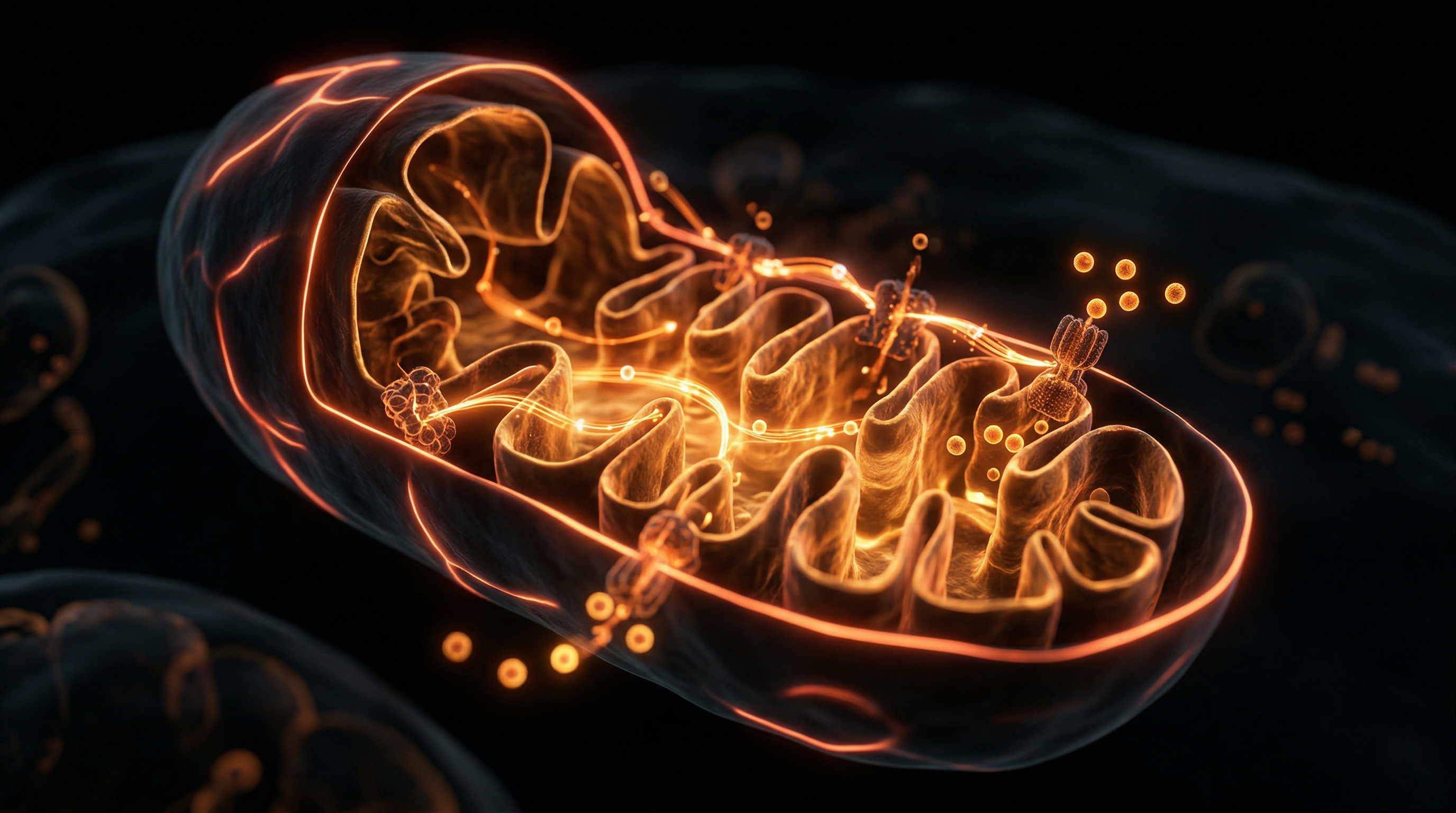
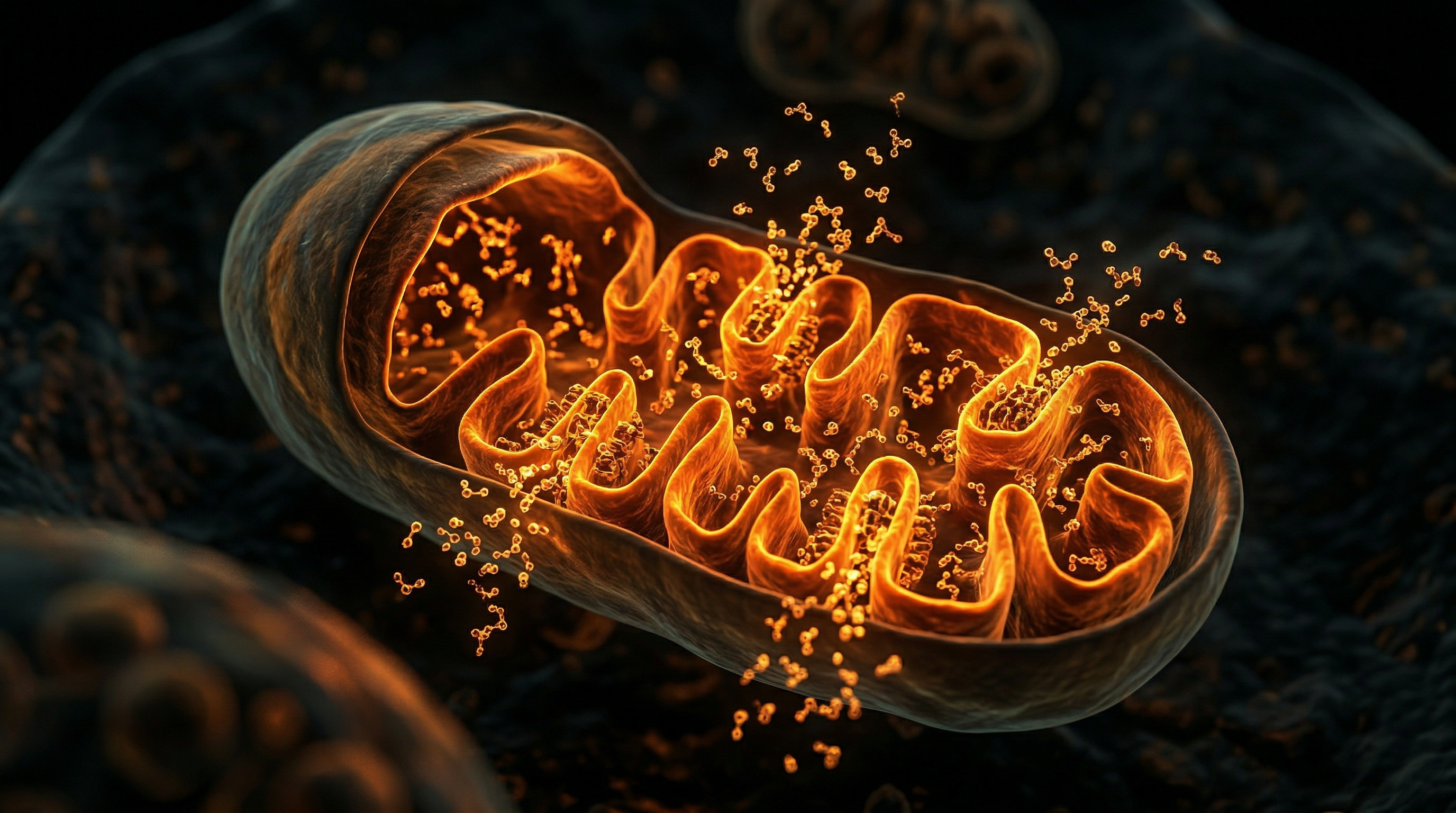
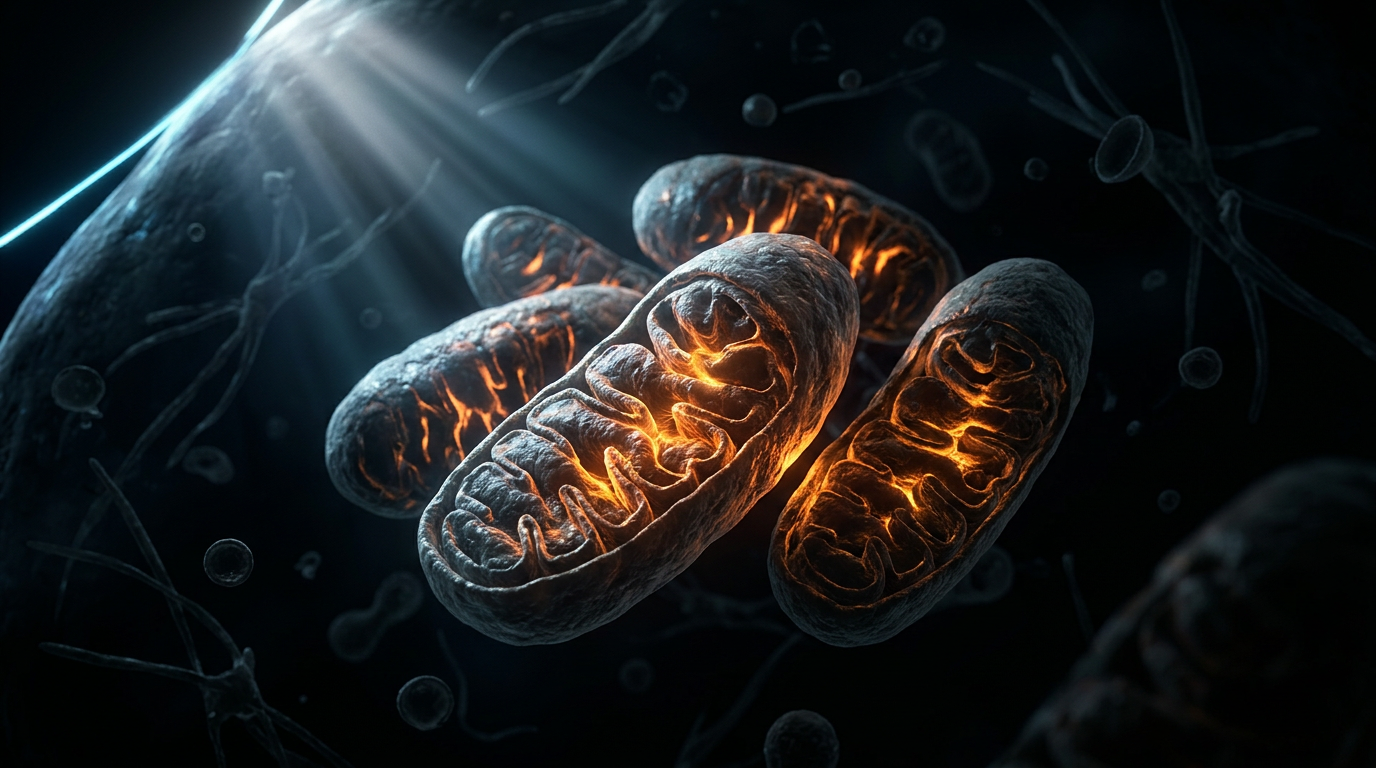
    Scientific illustration for Mitochondria: The Power Station at the Root of All Disease
    Mitochondria
    15 MIN READ

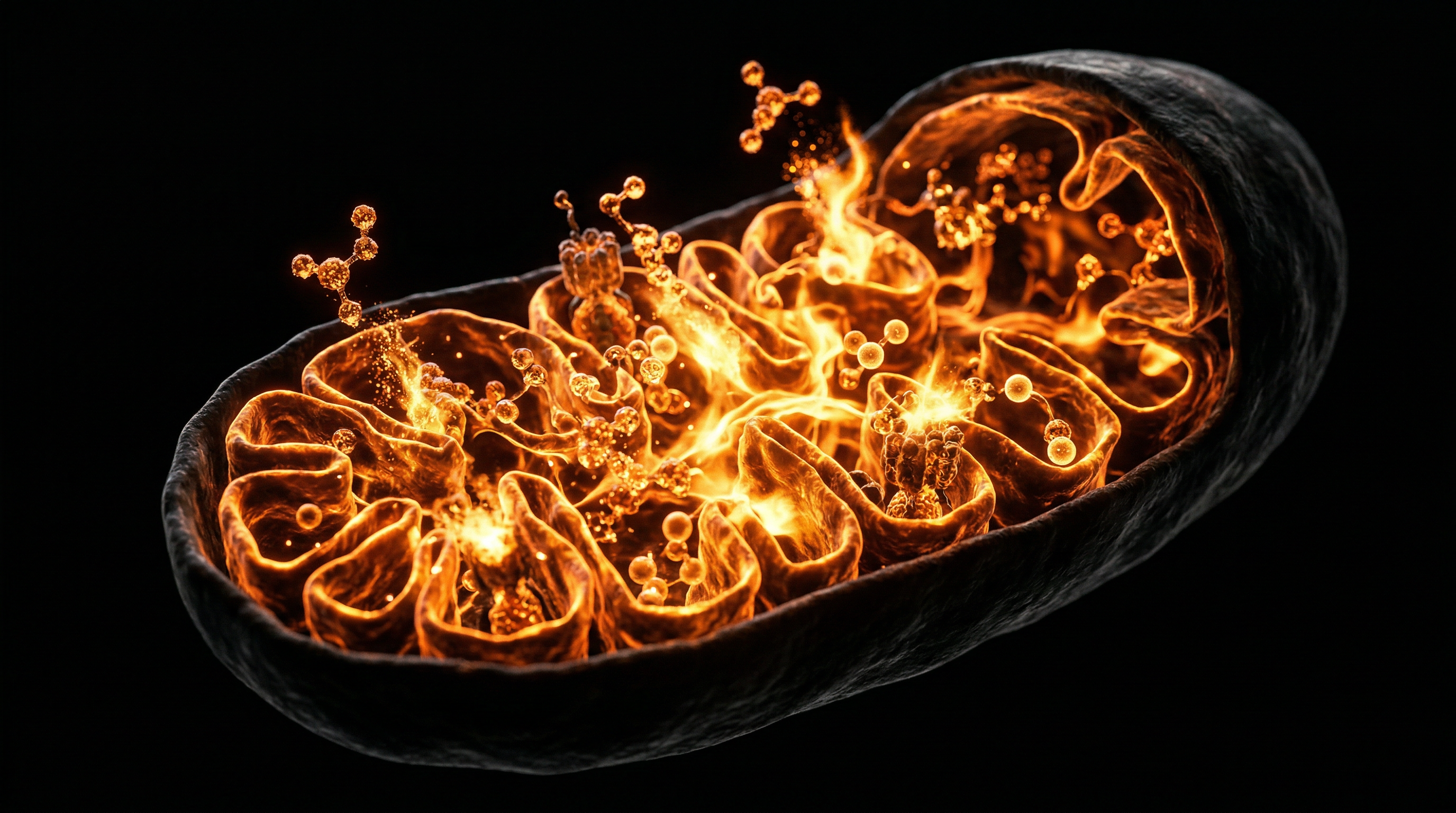
    Mitochondria: The Power Station at the Root of All Disease

    Mitochondria are not merely the cell's energy producers — they are the ancient bacterial endosymbionts that now govern ATP synthesis, calcium signalling, reactive oxygen species production, immune activation, hormone synthesis, and the decision of every cell to live or die through apoptosis. Their dysfunction — driven by heavy metal exposure, pesticide residues, electromagnetic radiation, nutritional deficiencies, and pharmaceutical mitochondrial toxins — is now recognised as the unifying mechanism underlying cancer, cardiovascular disease, neurodegeneration, autoimmune conditions, chronic fatigue, and metabolic syndrome. Protecting and optimising mitochondrial function is not a biohacking trend — it is the most fundamental intervention in health that modern medicine has systematically ignored.
    #mitochondria#ATP