
Nrf2 Signalling: Activating the Master Redox Switch
Updated May 2026
The Nrf2 pathway regulates the expression of genes involved in the body's antioxidant and detoxification responses. Targeted nutritional interventions can help activate this pathway to combat rising oxidative stress.
Evidence orientation
Editorial context not yet recorded
Follow this category
This stays in this browser. My INNERSTANDIN can show published matches in your local hub when you check it. It does not send email, push, or alert notifications.
Local learning review
A private browser aid for revisiting ideas. It is not an alert or a health recommendation.
Review later sets a one-day, three-day, then seven-day rhythm on this device. Choose it only when you want to revisit this article.
Overview
In the grand architecture of human physiology, the ability to sense and respond to chemical insults is the thin line between longevity and systemic decay. At the heart of this survival mechanism lies a protein of such profound regulatory significance that it has earned the title of the "Master Redox Switch." This is Nuclear factor erythroid 2-related factor 2, commonly known as Nrf2.
As a senior biological researcher for INNERSTANDING, I have observed a disturbing trend in modern medicine: a preoccupation with exogenous intervention—supplying the body with synthetic analogues—while ignoring the sophisticated endogenous machinery already present within our cells. The Nrf2 pathway is not merely a component of our biology; it is the commander-in-chief of the Antioxidant Response Element (ARE). It governs the expression of over 200 genes involved in detoxification, antioxidant production, anti-inflammatory responses, and mitochondrial bioenergetics.
We live in an era of unprecedented environmental toxicity. From the persistence of xenobiotics in our water supply to the invisible assault of electromagnetic frequencies (EMFs) and the ubiquity of glyphosate in our food chain, the human organism is under constant oxidative siege. When this "Master Switch" is left in the 'off' position due to nutrient deficiencies or chronic toxic overload, the result is a cascade of "civilisation diseases"—cancers, neurodegenerative disorders, and metabolic syndromes. This article serves as a technical manual for understanding, activating, and reclaiming this vital biological pathway to fortify the human vessel against the modern exposome.
Fact: Nrf2 is considered the "guardian of healthspan" because it regulates the rate at which we age by controlling the cellular response to oxidative stress and electrophilic insult.
The Biology — How It Works
To understand Nrf2, one must first understand the concept of homeostasis versus hormesis. The body does not exist in a static state; it is a dynamic equilibrium. Nrf2 is the primary mediator of hormetic responses—the process by which low-level stress (such as that from phytochemicals or exercise) triggers a robust protective adaptation.
The Keap1-Nrf2-ARE Axis
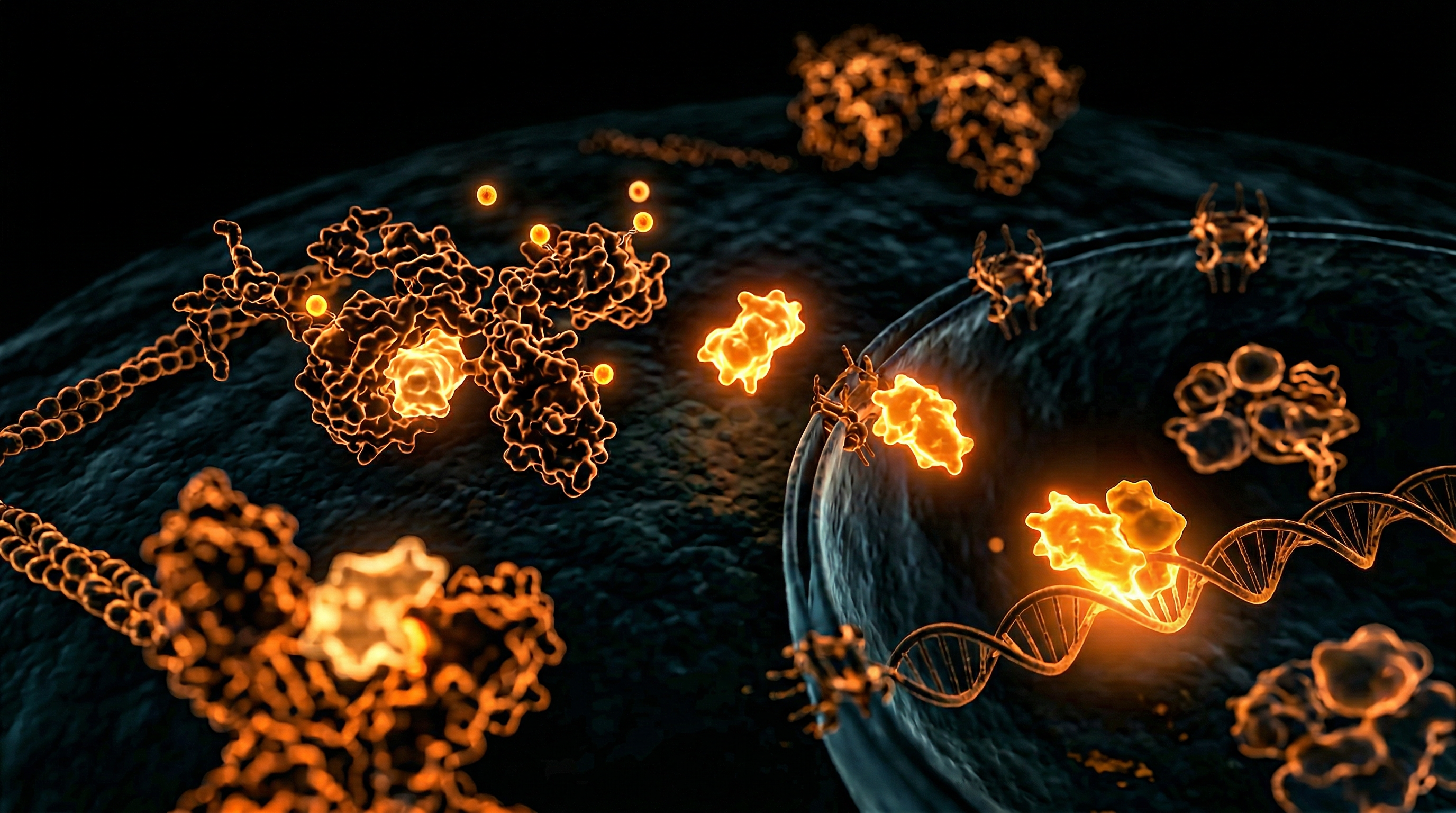
In a basal, non-stressed state, Nrf2 is kept in a state of "suspended animation" within the cytoplasm. It is tethered there by a repressor protein called Kelch-like ECH-associated protein 1 (Keap1). Keap1 acts as a sensor, specifically designed to detect changes in the cellular redox environment.
- Ubiquitination: Under normal conditions, Keap1 facilitates the ubiquitination of Nrf2, marking it for degradation by the proteasome. This ensures that Nrf2 levels remain low when not needed, preventing unnecessary gene expression.
- The Cysteine Sensors: Keap1 is rich in cysteine residues (specifically Cys151, Cys273, and Cys288). These residues are highly sensitive to reactive oxygen species (ROS) and electrophiles.
- The Release: When the cell encounters oxidative stress, these cysteine residues are modified, causing a conformational change in Keap1. This change prevents the ubiquitination of Nrf2.
- Translocation: The newly stabilised Nrf2 protein migrates from the cytoplasm into the nucleus.
Once inside the nucleus, Nrf2 forms a complex with small Maf proteins and binds to a specific DNA sequence known as the Antioxidant Response Element (ARE), located in the promoter region of its target genes. This binding event initiates the transcription of a massive array of protective enzymes.
The Feedback Loop
The system is elegantly self-regulating. Once the cellular environment is restored to a reductive (healthy) state, Keap1 re-enters the nucleus or intercepts Nrf2 to ferry it back for degradation. This ensures the "switch" is only active when the threat is present, preventing a permanent state of cellular "high alert" which can, in rare instances, be counterproductive.
Mechanisms at the Cellular Level
Nrf2 is not a single-function protein; it is a pleiotropic orchestrator. Its activation triggers a multi-pronged defence strategy that affects almost every aspect of cellular metabolism.
1. Phase II Detoxification and Biotransformation
While the liver's Phase I enzymes (Cytochrome P450) often create reactive intermediates, Phase II enzymes—governed by Nrf2—are responsible for neutralising these intermediates and making them water-soluble for excretion.
- Glutathione S-transferases (GSTs): These enzymes conjugate glutathione to toxins, rendering them harmless.
- NAD(P)H: quinone oxidoreductase 1 (NQO1): A powerful enzyme that prevents the formation of semi-quinones and reduces the production of superoxide radicals.
- UDP-glucuronosyltransferases (UGTs): Essential for the clearance of pharmaceutical drugs and environmental pollutants.
2. The Glutathione System
Glutathione (GSH) is the body’s master antioxidant. Nrf2 directly regulates the rate-limiting enzyme in glutathione synthesis, Glutamate-cysteine ligase (GCL). Without Nrf2 activation, the cell cannot replenish its glutathione stores, leading to a state of permanent oxidative bankruptcy.
3. Heme Oxygenase-1 (HO-1)
One of the most potent genes activated by Nrf2 is HO-1. This enzyme breaks down heme into carbon monoxide (which, in low doses, is anti-inflammatory), free iron (which is sequestered by ferritin), and biliverdin, which is immediately converted to bilirubin—a powerful endogenous antioxidant.
4. Mitochondrial Homeostasis
Recent research highlights the "crosstalk" between Nrf2 and the mitochondria. Nrf2 promotes mitochondrial biogenesis (the creation of new mitochondria) by regulating PGC-1α. It also ensures that the mitochondria have sufficient NADPH to function, which is critical for the electron transport chain and the recycling of antioxidants.
5. Proteostasis
Nrf2 regulates the proteasome, the cell's waste-disposal unit. By ensuring that misfolded or damaged proteins are efficiently broken down, Nrf2 prevents the protein aggregation associated with diseases like Alzheimer’s and Parkinson’s.
Key Term: Xenohormesis is the biological principle where humans derive health benefits from the stress-response molecules produced by plants (such as sulforaphane) which activate our own Nrf2 pathway.
Environmental Threats and Biological Disruptors
The modern world is effectively an "anti-Nrf2" environment. While our ancestors evolved with occasional stressors, we are now subjected to a continuous, low-grade chemical bombardment that can exhaust the Nrf2 response or decouple it from its regulatory sensors.
Glyphosate and Agricultural Chemicals
The widespread use of glyphosate (the active ingredient in Roundup) is perhaps the most significant disruptor of endogenous detoxification. Glyphosate interferes with the shikimate pathway in our gut microbiome (affecting the production of aromatic amino acids) and has been shown to deplete manganese, a critical cofactor for Superoxide Dismutase (SOD), an enzyme downstream of Nrf2.
Heavy Metal Accumulation
Mercury, lead, cadmium, and arsenic are electrophiles that can initially trigger Nrf2, but chronic exposure eventually leads to "Nrf2 exhaustion." Cadmium, in particular, mimics essential minerals and can disrupt the zinc-finger motifs required for Nrf2 to bind to DNA.
The EMF Paradigm
Non-ionising radiation from 5G, Wi-Fi, and cellular devices has been shown to activate Voltage-Gated Calcium Channels (VGCCs). This leads to an influx of calcium into the cell, which increases the production of Nitric Oxide (NO) and Superoxide, forming the highly damaging radical Peroxynitrite. While Nrf2 attempts to counteract this, the sheer volume of oxidative stress from constant EMF exposure can lead to a "locked-out" state where the Nrf2 pathway becomes unresponsive.
Ultra-Processed Foods (UPFs) and Seed Oils
The consumption of industrially processed polyunsaturated fatty acids (PUFAs), such as soybean and rapeseed oil, leads to the accumulation of Lipid Peroxidation products like 4-HNE. While 4-HNE in small amounts can activate Nrf2, the massive quantities found in the modern Western diet lead to chronic inflammation and the "gumming up" of cellular membranes, making Nrf2 translocation less efficient.
The Cascade: From Exposure to Disease
What happens when the Nrf2 switch fails? The result is not a single disease, but a systemic collapse termed "Inflammaging." When the rate of oxidative damage exceeds the rate of Nrf2-mediated repair, the following cascade occurs:
Phase 1: Loss of Redox Buffer
The first sign of Nrf2 failure is the depletion of intracellular glutathione. This leaves the mitochondria vulnerable. As mitochondrial DNA (mtDNA) is damaged, energy production drops, leading to chronic fatigue and "brain fog."
Phase 2: Chronic Inflammation (NF-κB Dominance)
In a healthy cell, Nrf2 and NF-κB (the master switch for inflammation) exist in a see-saw relationship. Nrf2 suppresses NF-κB. When Nrf2 is weak, NF-κB becomes hyperactive, leading to the constant production of inflammatory cytokines like IL-6 and TNF-α. This is the driver of autoimmune conditions.
Phase 3: Metabolic Derangement
Nrf2 is intricately linked to glucose and lipid metabolism. Its deficiency promotes insulin resistance and the accumulation of fat in the liver (NAFLD). Without Nrf2, the body cannot effectively "burn" fuels, leading to metabolic inflexibility and obesity.
Phase 4: Pathophysiological Manifestation
The end-stage of this cascade is the diagnosis of "disease."
- Neurodegeneration: The brain is highly susceptible to oxidative stress. Low Nrf2 activity is a hallmark of Amyotrophic Lateral Sclerosis (ALS) and Alzheimer’s.
- Carcinogenesis: Nrf2 serves as a "tumour suppressor" in healthy cells by preventing DNA damage. However, in the absence of Nrf2, the "mutational load" of the cell increases until malignant transformation occurs.
- Cardiovascular Decay: The oxidation of LDL cholesterol (which Nrf2 prevents) is the primary driver of atherosclerosis and heart disease.
What the Mainstream Narrative Omits
The mainstream medical establishment, largely funded by the pharmaceutical industrial complex, has a vested interest in ignoring the Nrf2 pathway. Their model is built on exogenous suppression—giving a drug to suppress a symptom—rather than endogenous activation—empowering the body to heal itself.
The "One Pill, One Ill" Fallacy
Pharmaceutical companies have spent billions trying to develop synthetic Nrf2 activators (such as dimethyl fumarate for Multiple Sclerosis). While these drugs work, they often come with significant side effects because they are "monolithic" molecules. Nature, conversely, provides complex phytonutrients that activate Nrf2 in a subtle, balanced, and oscillating manner that the body can tolerate long-term.
The Suppression of Nutritional Science
There is a glaring omission in clinical guidelines regarding the role of Sulforaphane, Curcumin, and Resveratrol. These are not "supplements"; they are biological signals. The mainstream narrative often dismisses these as "unproven" or "poorly bioavailable," neglecting the fact that their primary mechanism is not as direct antioxidants, but as molecular triggers for the Nrf2 system.
The Air Pollution Disconnect
Governments often focus on "Carbon Net Zero" as a climate goal, yet they say very little about the particulate matter (PM2.5) and nitrogen dioxide that directly suppress Nrf2 function in the lungs of urban dwellers. By focusing on a gas (CO2) that is essential for life, they distract from the industrial pollutants that are literally "rusting" our internal organs.
Callout: Modern oncology often ignores Nrf2 status, yet activating Nrf2 before chemotherapy could protect healthy tissues, while some cancers "hijack" Nrf2 to protect themselves, necessitating a nuanced, personalised approach to activation.
The UK Context
In the United Kingdom, the Nrf2 narrative is particularly relevant due to several unique environmental and systemic factors.
The "Sick Man of Europe"
The UK has some of the highest rates of chronic inflammatory diseases in Europe. This correlates strongly with the high consumption of Ultra-Processed Foods (UPFs), which account for over 50% of the British diet. These foods are devoid of the Nrf2-activating phytochemicals found in fresh, organic produce.
Soil Depletion
UK soils, particularly in the intensive farming regions of East Anglia, have seen a precipitous decline in selenium and magnesium. Selenium is a vital cofactor for Glutathione Peroxidase, a key enzyme in the Nrf2-regulated antioxidant shield. When the soil is dead, the food is "empty," and our internal master switch lacks the minerals required to function.
The "London Lung" and Urban Toxicity
The air quality in major UK cities like London, Birmingham, and Manchester is a constant stressor on the respiratory Nrf2 pathway. The Ultra Low Emission Zone (ULEZ) debates often miss the point: the issue isn't just exhaust fumes, but the brake dust and tyre microplastics which are potent pro-oxidants that bypass the blood-brain barrier.
Post-Brexit Food Standards
There are growing concerns regarding the divergence of UK food standards from the EU, particularly concerning the re-approval of certain pesticides (like neonicotinoids) that were previously restricted. These chemicals place an additional burden on the British public's biotransformation pathways at a time when the NHS is least equipped to handle the resulting chronic disease burden.
Protective Measures and Recovery Protocols
Activating the Nrf2 pathway is not a one-time event; it is a lifestyle architecture. As a researcher, I recommend a multi-layered approach that combines dietary triggers, lifestyle hormesis, and environmental mitigation.
1. The Sulforaphane Strategy
Sulforaphane, found in cruciferous vegetables (broccoli, Brussels sprouts, kale), is the most potent natural activator of Nrf2 known to science.
- The Mechanism: Sulforaphane modifies the cysteine residues on Keap1, allowing Nrf2 to flood the nucleus.
- Protocol: Consume broccoli sprouts (3-day-old plants), which contain up to 100 times the concentration of sulforaphane precursors (glucoraphanin) than the mature vegetable.
- Important: Sulforaphane is created when the plant is crushed or chewed, via an enzyme called myrosinase. If you cook broccoli, you destroy the enzyme. Add mustard seed powder (which contains myrosinase) to cooked cruciferous vegetables to reactivate the Nrf2-triggering potential.
2. Targeted Phytochemical Synergists
While sulforaphane is the "king," other molecules provide synergistic support:
- Curcumin (from Turmeric): Activates Nrf2 and directly inhibits NF-κB. Best taken with piperine (black pepper) and a fat source for absorption.
- EGCG (from Green Tea): A potent polyphenol that induces Nrf2-mediated expression of GST and HO-1.
- Resveratrol (from grapes/Japanese knotweed): Mimics the effects of caloric restriction and activates Nrf2 via the Sirtuin-1 (SIRT1) pathway.
3. Hormetic Lifestyle Interventions
We can "train" our Nrf2 system through controlled stress.
- Thermal Stress: Both Sauna (Heat Shock) and Cold Plunge (Cold Shock) therapies trigger the Nrf2 response as the body strives to maintain protein integrity.
- Intermittent Fasting: The state of autophagy induced by fasting is closely linked to Nrf2 activation. When the body isn't processing food, it focuses on "cellular housecleaning."
- High-Intensity Interval Training (HIIT): Brief bursts of intense exercise generate a controlled "pulse" of ROS, which serves as a signal for Nrf2 to upregulate antioxidant defences for the next 24-48 hours.
4. Molecular Hydrogen (H2)
A cutting-edge therapeutic intervention is the use of Molecular Hydrogen. As a selective antioxidant, H2 does not neutralise "good" ROS (like Nitric Oxide) but effectively triggers the Nrf2 pathway to neutralise the "bad" ones (like Hydroxyl radicals). This is particularly useful for those with high EMF exposure.
5. Melatonin: The Nocturnal Guard
Contrary to popular belief, melatonin is not just a sleep hormone; it is a phylogenetically ancient antioxidant produced in the mitochondria of every cell. It has been shown to upregulate Nrf2 during the sleep cycle. To optimise this, one must avoid Blue Light at night, which suppresses melatonin and leaves the Nrf2 switch "off" during the critical repair window of sleep.
Summary: Key Takeaways
The Nrf2 pathway represents the pinnacle of endogenous self-defence. In an increasingly toxic world, understanding and activating this mechanism is not optional—it is a biological necessity.
- Master Regulator: Nrf2 controls the Antioxidant Response Element (ARE), overseeing 200+ genes related to detox and repair.
- The Keap1 Sensor: Our cells sense toxins through sulphur-rich cysteine residues on the Keap1 protein, which releases Nrf2 upon detection of stress.
- Modern Interference: Glyphosate, EMFs, and seed oils act as "noise" that can disrupt or exhaust the Nrf2 response, leading to chronic illness.
- Sulforaphane is Key: Broccoli sprouts are the most efficient way to chemically "flip the switch" back to the ON position.
- Hormetic Balance: True health comes from periodic "pulses" of stress (exercise, cold, fasting) that keep the Nrf2 pathway primed and responsive.
- UK Crisis: The British public faces a unique challenge from high UPF consumption and urban pollution, making Nrf2 activation a critical public health priority.
The path to "Innerstanding" your health begins with the realisation that you are not a passive victim of your environment. You are equipped with a "Master Switch." The tools to activate it are in your hands—in the foods you choose, the environments you seek, and the stressors you embrace. Turn the switch on. Reclaim your redox. Restore your sovereignty.
This article is provided for informational and educational purposes only. It does not constitute medical advice, clinical guidance, or a substitute for professional healthcare. Information reflects cited research at time of publication. Always consult a qualified healthcare professional before acting on any health information.
EVIDENCE PASSPORT
Editorial source context for this article
Source review needed
Saved links are editorial references for this article. They may support specific claims rather than every sentence. Open and assess each source in context. This passport does not independently verify them.
Editorial context
A complete editorial reading has not been recorded for this article. Source links remain available for you to open and assess directly.
Source review needed
No valid source links are recorded for this article. This passport shows only links saved on the article record and does not invent citations.
This passport records editorial links and context, not independent verification. Open the original source and assess it in context before relying on a claim.
Medical Disclaimer
The information in this article is for educational purposes only and does not constitute medical advice, diagnosis, or treatment. Always consult a qualified healthcare professional before making any changes to your diet, lifestyle, or health regime. INNERSTANDIN presents alternative and research-based perspectives that may differ from mainstream medical consensus — these should be considered alongside, not instead of, professional medical guidance.
Read Full DisclaimerContinue the thread
Keep this question moving.
Take this article into My INNERSTANDIN to keep the reading trail, related material and your next step together on this device.
Explore this in the Body Map
See where this hits your biology. Interactive anatomy, threats, and protective protocols.
Dig deeper in the Library
Free, longform PDF volumes that go beyond headlines into mechanisms and references.