
Mitochondrial Dysfunction as the Primary Driver of Oncogenesis
Updated May 2026
This article explores how damage to the mitochondria's respiratory chain serves as the true origin of cancer. By understanding how environmental toxins and nutrient deficiencies impair cellular energy, we can better understand cancer progression.
Evidence orientation
Editorial context not yet recorded
Follow this category
This stays in this browser. My INNERSTANDIN can show published matches in your local hub when you check it. It does not send email, push, or alert notifications.
Local learning review
A private browser aid for revisiting ideas. It is not an alert or a health recommendation.
Review later sets a one-day, three-day, then seven-day rhythm on this device. Choose it only when you want to revisit this article.
Overview
For over half a century, the global medical establishment has operated under a singular, rigid paradigm regarding the origin of cancer: the Somatic Mutation Theory (SMT). This narrative posits that cancer is a "genetic lottery"—a disease born of random, cumulative mutations in nuclear DNA that eventually trigger uncontrolled cell growth. We are told that we are victims of our own blueprints, and that the only solution lies in increasingly aggressive, expensive, and toxic interventions designed to "poison" the wayward cells.
At INNERSTANDING, we refuse to accept this incomplete and largely failed narrative. The evidence is now undeniable: cancer is not fundamentally a genetic disease. It is a metabolic disease.
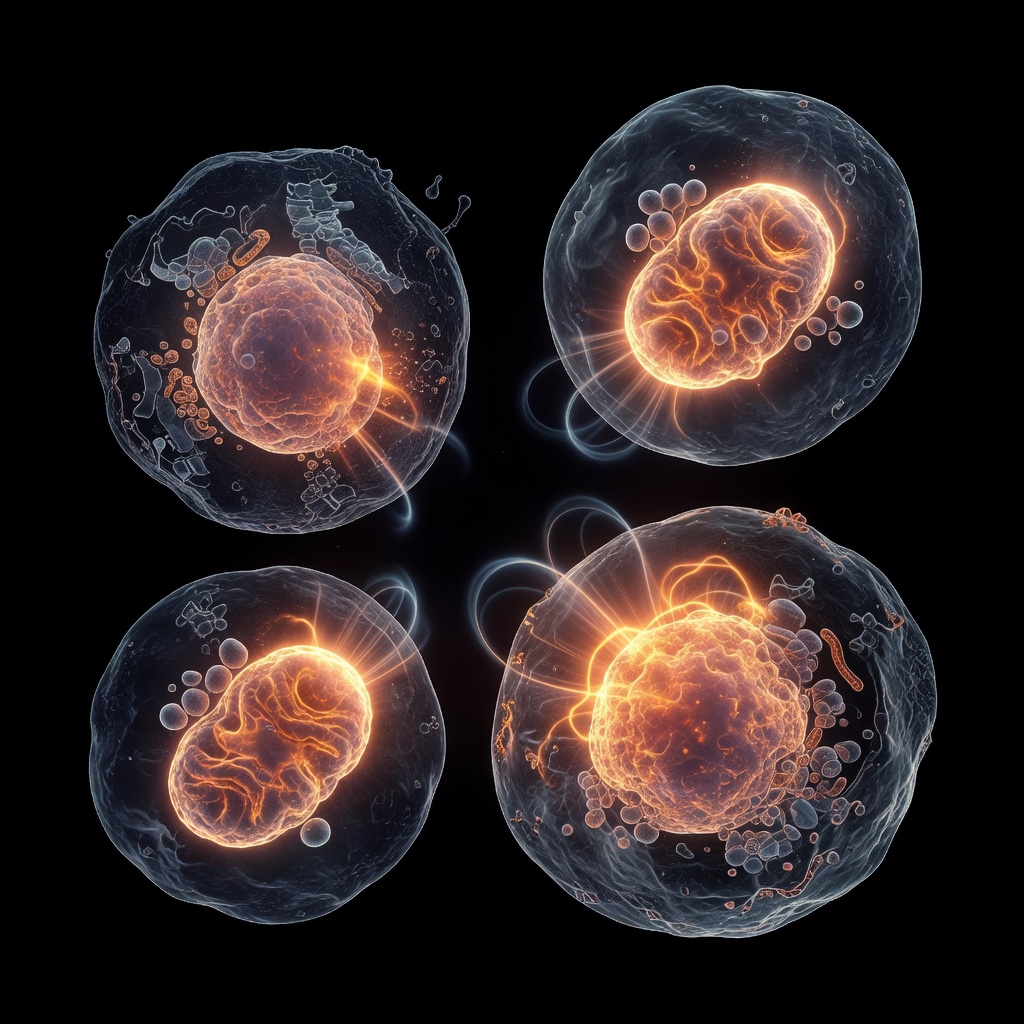
The genesis of oncogenesis lies not in the nucleus of the cell, but in the mitochondria—the ancient, bean-shaped organelles responsible for producing the energy that sustains complex life. When these cellular engines are damaged by environmental toxins, chronic nutrient deficiencies, and lifestyle stressors, they lose the ability to produce energy through efficient oxidative phosphorylation. In a desperate bid for survival, the cell reverts to a primitive, fermentative form of energy production known as the Warburg Effect.
This shift from "breathing" to "fermenting" is the definitive hallmark of cancer. The genetic mutations that mainstream oncology fixates upon are not the cause of the disease; they are the downstream consequences of a mitochondrial SOS signal. By the time a cell has genomic instability, the mitochondrial respiratory chain has already failed.
This article serves as a comprehensive exposé of the biological reality of cancer. We will dismantle the myths of the genetic narrative and explore how protecting the integrity of our mitochondrial cristae is the only true pathway to cancer prevention and recovery.
According to Cancer Research UK, 1 in 2 people in the UK will be diagnosed with cancer in their lifetime. Despite billions of pounds invested in genetic research, these rates continue to climb, suggesting a fundamental misunderstanding of the disease's origin.
The Biology — How It Works
To understand oncogenesis, one must first understand the elegant complexity of cellular respiration. In a healthy human cell, energy is produced primarily through Oxidative Phosphorylation (OxPhos) within the mitochondria. This process is thousands of times more efficient than the primitive anaerobic pathways used by bacteria and yeast.
The Powerhouse and the Electron Transport Chain
The mitochondria are surrounded by a double membrane. The inner membrane is highly folded into structures called cristae, which house the Electron Transport Chain (ETC). This chain consists of five distinct protein complexes (Complex I through V).
- Complex I (NADH dehydrogenase): Starts the process by stripping electrons from NADH.
- Complex II (Succinate dehydrogenase): Acts as a secondary entry point for electrons.
- Complex III (Cytochrome bc1 complex): Pumps protons into the intermembrane space.
- Complex IV (Cytochrome c oxidase): The final electron acceptor, where oxygen is converted into water.
- Complex V (ATP Synthase): Uses the proton gradient created by the previous complexes to "spin" and produce Adenosine Triphosphate (ATP), the energy currency of the cell.
The Role of Cardiolipin
Crucial to the stability of this process is a unique phospholipid called cardiolipin. Found almost exclusively in the inner mitochondrial membrane, cardiolipin acts as the "glue" that holds the respiratory complexes together in high-functioning "super-complexes." When cardiolipin is oxidised or damaged, the ETC becomes leaky, the complexes dissociate, and the cell’s ability to use oxygen for energy collapses.
Mitochondrial Retrograde Signalling
The mitochondria do not merely take orders from the nucleus; they are the cell's "central command." Through a process called Retrograde Signalling, the mitochondria constantly monitor the state of the cell. If the respiratory chain is damaged and ATP production drops, the mitochondria send emergency signals to the nucleus. These signals tell the nucleus to activate "survival genes"—the very genes (oncogenes) that mainstream medicine blames for starting cancer.
In reality, the nucleus is merely responding to a crisis initiated in the mitochondria. If you transplant a healthy nucleus into a cell with damaged mitochondria, the cell becomes cancerous. Conversely, if you transplant a "cancerous" nucleus into a cell with healthy mitochondria, the cell remains healthy. This "nuclear transfer" experiment, famously highlighted by Dr Thomas Seyfried, effectively invalidates the Somatic Mutation Theory.
Mechanisms at the Cellular Level
The transition from a healthy cell to a malignant one is a process of metabolic "regression." When the mitochondria are unable to satisfy the cell's energy demands due to respiratory damage, the cell must find an alternative source of fuel or face apoptosis (programmed cell death).
The Warburg Effect: Aerobic Glycolysis
In 1924, Nobel laureate Otto Warburg observed that cancer cells, regardless of their origin, share a common trait: they ferment glucose into lactate even in the presence of sufficient oxygen. This is known as Aerobic Glycolysis.
Under normal conditions, a cell "burns" glucose completely in the mitochondria. In a cancer cell, the "burning" mechanism is broken. The cell begins to gorge on glucose, fermenting it in the cytoplasm to produce small amounts of energy and large amounts of lactic acid. This is a highly inefficient process, requiring the cancer cell to upregulate glucose transporters (GLUT1) to survive. This is why PET scans—the primary tool for detecting cancer—work by identifying areas of high glucose consumption.
Succinate and Fumarate: The Oncometabolites
When the Krebs cycle (the precursor to the ETC) is disrupted, certain metabolic intermediates begin to accumulate. Specifically, succinate and fumarate act as "oncometabolites." When they leak out of the mitochondria, they inhibit enzymes known as prolyl hydroxylases. This stabilises a protein called HIF-1α (Hypoxia-Inducible Factor 1-alpha).
HIF-1α is a master regulator that:
- Stimulates angiogenesis (the growth of new blood vessels to feed the tumour).
- Increases glucose uptake.
- Inhibits mitochondrial function further, creating a vicious cycle.
- Promotes the "epithelial-to-mesenchymal transition," which is the first step toward metastasis.
The Failure of Apoptosis
Healthy mitochondria are the arbiters of life and death. When a cell is too damaged to function, the mitochondria release Cytochrome c, which activates enzymes called caspases to dismantle the cell. However, in oncogenesis, the mitochondria are so dysfunctional that they cannot even trigger this "self-destruct" sequence. The damaged cell is effectively "locked" in a state of primitive survival, unable to die and forced to proliferate.
Key Fact: Cancer is the only disease state where the cell loses its "biological citizenship." By reverting to fermentation, the cell stops contributing to the organism and begins to act like a parasitic unicellular organism, prioritising its own replication above all else.
Environmental Threats and Biological Disruptors
If mitochondrial damage is the driver of cancer, we must ask: what is damaging our mitochondria? We live in an environment that is increasingly hostile to mitochondrial health, saturated with "mitotoxins" that bypass our natural defences.
Glyphosate and the Agricultural Assault
The UK’s reliance on intensive farming has led to the widespread use of glyphosate-based herbicides. While the industry claims glyphosate is safe because humans don't have the "shikimate pathway" found in plants, this is a dangerous half-truth.
Our gut microbiome does use the shikimate pathway. Glyphosate decimates the beneficial bacteria (like Lactobacillus and Bifidobacterium) that produce short-chain fatty acids necessary for mitochondrial health. Furthermore, glyphosate acts as a chelator, stripping the body of essential mitochondrial co-factors like manganese, zinc, and magnesium. Without these minerals, the enzymes of the ETC cannot function.
Fluoridation and Enzyme Inhibition
In several regions across the UK, water is artificially fluoridated. Fluoride is a potent mitochondrial toxin. It has a high affinity for calcium and magnesium, often forming insoluble complexes that deposit in tissues. More critically, fluoride inhibits Enolase and Pyruvate Dehydrogenase (PDH)—the "gatekeeper" enzyme that allows fuel to enter the mitochondria. When PDH is inhibited, the cell is forced into the fermentative pathway, directly contributing to the Warburg Effect.
Heavy Metals and the "Trojan Horse"
Heavy metals such as Mercury (from dental amalgams and certain fish), Aluminium (from cookware, deodorants, and vaccine adjuvants), and Cadmium (from industrial pollution) have a devastating impact on mitochondria.
- Mercury binds to the thiol groups of mitochondrial enzymes, permanently deactivating them.
- Aluminium mimics iron but cannot carry out iron's redox functions, leading to massive Reactive Oxygen Species (ROS) production and oxidative stress.
Non-Ionising Radiation (EMFs)
The proliferation of 4G, 5G, and Wi-Fi networks across the UK has introduced a novel stressor. Research suggests that Electromagnetic Fields (EMFs) activate Voltage-Gated Calcium Channels (VGCCs) on the cell membrane. This causes an influx of calcium into the cell and the mitochondria. Excess intramitochondrial calcium triggers the production of peroxynitrite—a highly reactive nitrogen species that damages mitochondrial DNA (mtDNA) and lipid membranes.
The Cascade: From Exposure to Disease
Oncogenesis is not an overnight event; it is a slow-motion collapse of cellular bioenergetics. This cascade can be broken down into specific stages that illustrate how environmental insult translates into clinical cancer.
Stage 1: The Chronic Insult
The body is exposed to a "cocktail" of the disruptors mentioned above. Perhaps it is a combination of a magnesium-deficient diet (common in the UK due to soil depletion), chronic exposure to glyphosate, and high stress (which elevates cortisol and depletes mitochondrial reserves).
Stage 2: ROS Overload and Cardiolipin Peroxidation
The ETC begins to "leak" electrons, primarily at Complex I and Complex III. These leaked electrons react with oxygen to form Superoxide, which is then converted into more damaging radicals. These radicals attack the cardiolipin in the inner membrane. Once the cardiolipin is oxidised, the respiratory complexes can no longer form "super-complexes," and energy production efficiency drops precipitously.
Stage 3: The Retrograde Signal and Genomic Instability
As ATP levels fall, the mitochondria send an emergency signal to the nucleus. This signal activates transcription factors like NF-κB and HIF-1α. The nucleus, sensing a "suffocation" of the cell's energy supply, begins to shuffle the genetic deck to find any way to survive. This results in the "mutations" that doctors see on biopsies. These mutations are a desperate attempt by the cell to stay alive in a low-oxygen, low-energy environment.
Stage 4: Proliferation and Fermentation
The cell successfully transitions to fermentation. To sustain itself, it must now bring in massive amounts of glucose and glutamine (the two primary fuels for fermented energy). The byproduct, lactic acid, is pumped out of the cell, acidifying the surrounding tissue (the microenvironment). This acidic environment further damages neighbouring healthy cells and helps the tumour "dissolve" the extracellular matrix, allowing it to expand.
Biological Truth: A tumour is essentially a "wound that does not heal." It is a mass of cells stuck in a primitive survival mode because their primary engine—the mitochondria—has been compromised beyond repair.
What the Mainstream Narrative Omits
The refusal of the medical-industrial complex to acknowledge the metabolic origin of cancer is perhaps one of the greatest scientific travesties of the modern era. By framing cancer as a "genetic disease," the industry has created a lucrative market for:
- Targeted Gene Therapies: Which often cost hundreds of thousands of pounds per patient and frequently fail as the cancer "mutates" around the drug (because the underlying metabolic driver is still active).
- Early Detection Screenings: Which often lead to "over-diagnosis" and the aggressive treatment of slow-growing lesions that may never have become life-threatening.
- The "War on Cancer" Charity Industrial Complex: Which focuses almost exclusively on "finding the cure" in the genome, while ignoring the environmental causes that are staring us in the face.
The mainstream narrative omits the fact that Cancer Stem Cells (CSCs)—the cells responsible for recurrence—are specifically reliant on a metabolic "backup" system. Traditional chemotherapy and radiation primarily target rapidly dividing cells but often leave CSCs untouched. In fact, radiation can damage the mitochondria of surrounding healthy cells, potentially creating the very environment that encourages the cancer to return.
If the medical establishment admitted that cancer was metabolic, the focus would shift to:
- Nutritional Interventions: Which cannot be patented.
- Environmental Regulation: Which would require challenging the pharmaceutical and agrochemical giants (like Bayer/Monsanto).
- Lifestyle Modification: Which places power back in the hands of the individual, rather than the "expert" practitioner.
The UK Context
In the United Kingdom, the mitochondrial health crisis is particularly acute. Several factors unique to the UK landscape contribute to our soaring oncogenesis rates.
Soil Depletion and the Nutrient Gap
The UK's agricultural land has been farmed so intensively that mineral levels—specifically magnesium, selenium, and zinc—have plummeted over the last 80 years. Magnesium is a co-factor for over 300 enzymatic reactions, nearly all of which involve ATP. When the British population is magnesium-deficient, their mitochondria are "handicapped" from the start.
The Ultra-Processed Diet
The UK has the highest consumption of ultra-processed foods (UPFs) in Europe. These foods are "mitochondrial kryptonite." They are high in acellular carbohydrates and refined seed oils (like rapeseed and sunflower oil). Seed oils are high in Linoleic Acid, which can accumulate in cardiolipin. When cardiolipin is made of unstable, polyunsaturated fats from seed oils, it is much more susceptible to oxidative damage, directly leading to ETC failure.
Regulatory Failures
- The FSA (Food Standards Agency): Has been slow to address the risks of glyphosate and other endocrine disruptors in the food supply.
- The Environment Agency: Has struggled to prevent the "forever chemicals" (PFAS) and heavy metals from entering the UK's waterways.
- The NHS: While excellent for acute care, the NHS is "trapped" in the Somatic Mutation paradigm. The standard of care (SOC) rarely includes metabolic therapies or nutritional oncology, despite the mounting evidence.
In the UK, metabolic health is at an all-time low, with over 60% of adults classified as overweight or obese—a state characterized by "mitochondrial inflexibility" and a prerequisite for cancer development.
Protective Measures and Recovery Protocols
If mitochondrial dysfunction is the driver of cancer, then mitochondrial restoration must be the priority for prevention and as an adjunct to any recovery programme. We must move away from "attacking the tumour" and toward "healing the host."
1. Metabolic Shifting: The Ketogenic Diet and Fasting
Cancer cells are metabolically rigid; they thrive on glucose and glutamine. Healthy mitochondria, however, are metabolically flexible—they can burn ketones for fuel.
- Therapeutic Ketosis: By drastically reducing carbohydrate intake and increasing healthy fats, we can starve cancer cells of their primary fuel (glucose) while providing a high-quality fuel source for healthy cells.
- Intermittent and Prolonged Fasting: Fasting triggers mitophagy—the body's way of cleaning out damaged mitochondria and replacing them with new, efficient ones.
2. Targeted Mitochondrial Nutrients
To repair the respiratory chain, specific co-factors are required:
- Coenzyme Q10 (Ubiquinol): A vital electron carrier in the ETC.
- PQQ (Pyrroloquinoline Quinone): Stimulates mitochondrial biogenesis (the birth of new mitochondria).
- Magnesium (Malate or Glycinate): Essential for all ATP-related processes.
- Niacin (Vitamin B3): A precursor to NAD+, which is the primary electron donor for Complex I.
3. Environmental Hygiene
Protecting the mitochondria requires a radical reduction in toxic load:
- Water Filtration: Using a high-quality reverse osmosis system to remove fluoride, heavy metals, and pesticide residues.
- EMF Mitigation: Turning off Wi-Fi at night, using wired internet connections, and avoiding carrying mobile phones directly against the body.
- Organic Consumption: Prioritising organic, pasture-raised foods to avoid glyphosate and ensure higher mineral density.
4. Photobiomodulation (Red Light Therapy)
The mitochondria are light-sensitive. Cytochrome c Oxidase (Complex IV) specifically absorbs red and near-infrared light. Exposure to these wavelengths (either through sunlight or therapeutic red-light devices) can stimulate ATP production, reduce oxidative stress, and accelerate cellular repair.
5. Oxygenation and Movement
Since cancer is a "suffocation" of the cell, increasing oxygen delivery is vital.
- Deep Breathing Exercises: Like the Buteyko or Wim Hof methods.
- Low-Impact Movement: Encouraging lymph drainage and oxygen circulation without creating excessive oxidative stress.
Summary: Key Takeaways
The path to understanding cancer is the path to understanding the mitochondria. When we strip away the complexities of genetic sequencing and the "billion-dollar" pharmaceutical smoke-and-mirrors, a simple biological truth remains: Cancer is a state of mitochondrial failure.
- The Warburg Effect is not a side effect of cancer; it is the origin of cancer. The shift from oxidative phosphorylation to fermentation defines the malignant state.
- Mitochondrial Damage is caused by a cumulative "toxic soup" of glyphosate, heavy metals, fluoride, and nutrient deficiencies, all of which are rampant in the UK environment.
- The Nucleus is Secondary. Genomic instability is a downstream effect of mitochondrial retrograde signalling. Fixing the DNA without fixing the metabolism is like repainting a car with a broken engine.
- Prevention is Metabolic. By maintaining "metabolic flexibility," protecting cardiolipin, and ensuring a steady supply of mitochondrial co-factors, we can create an internal environment where oncogenesis is biologically impossible.
At INNERSTANDING, we believe that the "War on Cancer" will only be won when we stop fighting the body and start supporting its most fundamental unit of life: the mitochondria. It is time to reclaim our biological sovereignty from a narrative that has failed us for far too long. The truth is not in the mutations; the truth is in the energy.
This article is provided for informational and educational purposes only. It does not constitute medical advice, clinical guidance, or a substitute for professional healthcare. Information reflects cited research at time of publication. Always consult a qualified healthcare professional before acting on any health information.
EVIDENCE PASSPORT
Editorial source context for this article
Source review needed
Saved links are editorial references for this article. They may support specific claims rather than every sentence. Open and assess each source in context. This passport does not independently verify them.
Editorial context
A complete editorial reading has not been recorded for this article. Source links remain available for you to open and assess directly.
Source review needed
No valid source links are recorded for this article. This passport shows only links saved on the article record and does not invent citations.
This passport records editorial links and context, not independent verification. Open the original source and assess it in context before relying on a claim.
Medical Disclaimer
The information in this article is for educational purposes only and does not constitute medical advice, diagnosis, or treatment. Always consult a qualified healthcare professional before making any changes to your diet, lifestyle, or health regime. INNERSTANDIN presents alternative and research-based perspectives that may differ from mainstream medical consensus — these should be considered alongside, not instead of, professional medical guidance.
Read Full DisclaimerContinue the thread
Keep this question moving.
Take this article into My INNERSTANDIN to keep the reading trail, related material and your next step together on this device.
Explore this in the Body Map
See where this hits your biology. Interactive anatomy, threats, and protective protocols.
Dig deeper in the Library
Free, longform PDF volumes that go beyond headlines into mechanisms and references.