
Mitochondrial Stress: The Impact of Polystyrene Nanoparticles on Cellular Energy
Updated June 2026
Explore how nanoplastics penetrate cell membranes to disrupt mitochondrial function and trigger systemic oxidative stress. This article explains the molecular bio-interactions that can lead to chronic fatigue and cellular aging.
Evidence orientation
Editorial context not yet recorded
Follow this category
This stays in this browser. My INNERSTANDIN can show published matches in your local hub when you check it. It does not send email, push, or alert notifications.
Local learning review
A private browser aid for revisiting ideas. It is not an alert or a health recommendation.
Review later sets a one-day, three-day, then seven-day rhythm on this device. Choose it only when you want to revisit this article.
Overview
The anthropogenic saturation of the British biosphere with synthetic polymers has transitioned from a macro-ecological concern to an acute microbiological emergency. At the vanguard of this sub-cellular assault are polystyrene nanoparticles (PS-NPs), polymeric fragments measuring less than 100 nanometres that possess the unique kinetic capacity to breach seminal biological barriers, including the blood-brain barrier, the intestinal epithelium, and the placental interface. While the environmental ubiquity of plastic is well-documented, the INNERSTANDIN perspective demands an exhaustive interrogation of the internalised impact: the systematic hijacking of mitochondrial bioenergetics.
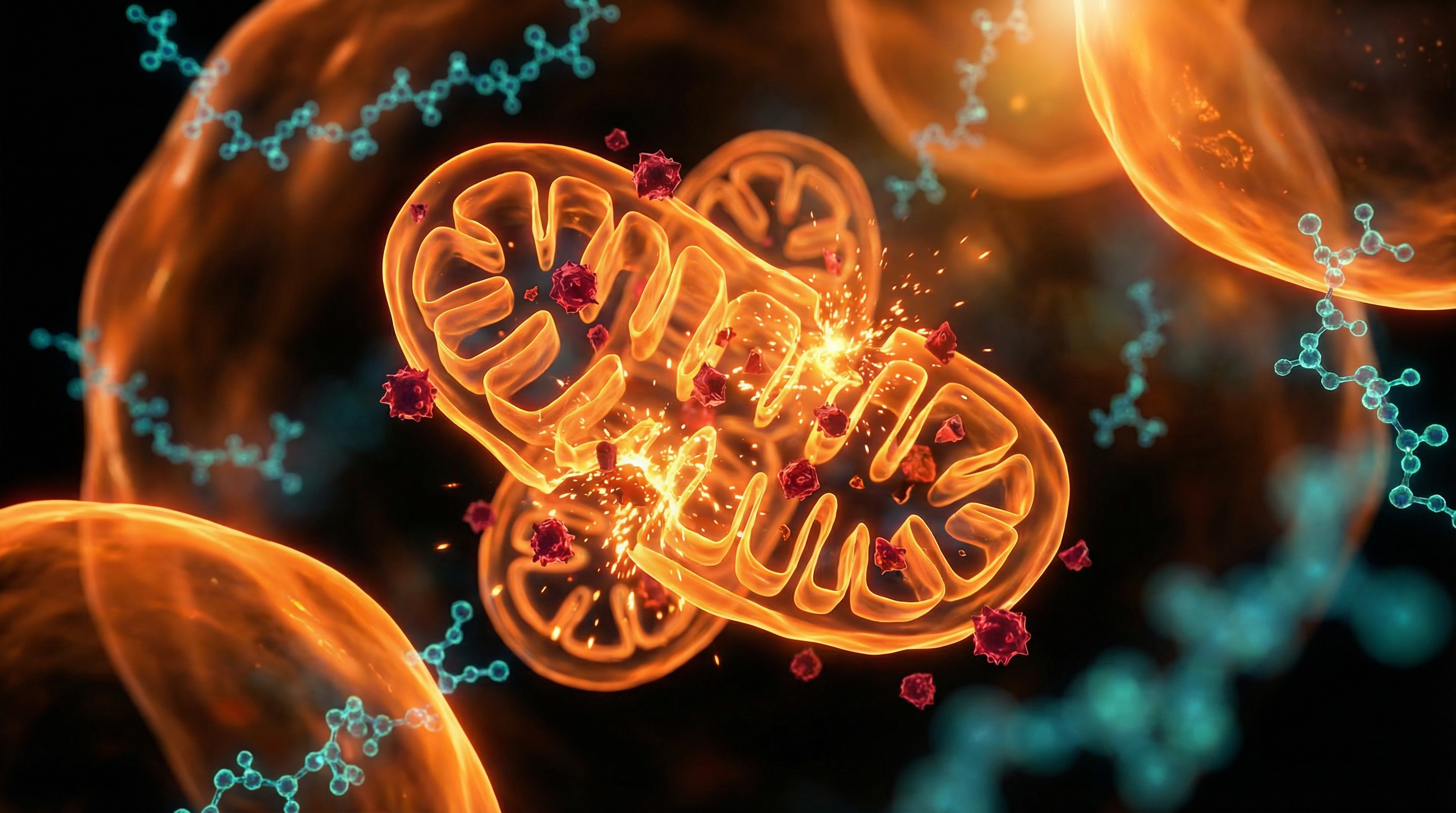
Mitochondria, the double-membraned organelles responsible for the synthesis of adenosine triphosphate (ATP) via oxidative phosphorylation, have emerged as the primary targets of PS-NP toxicity. Upon cellular entry—typically via clathrin-mediated endocytosis or passive diffusion—these nanoparticles exhibit a high affinity for the mitochondrial outer membrane. Research published in journals such as The Lancet Planetary Health and Environmental Science & Technology indicates that the lipophilic nature of polystyrene facilitates its integration into the mitochondrial lipid bilayer. This structural infiltration induces a catastrophic collapse of the mitochondrial membrane potential ($\Delta\Psi_m$), the fundamental electrochemical gradient required for energy production.
The biochemical fallout is characterised by the rapid induction of oxidative stress. PS-NPs disrupt the electron transport chain (ETC), specifically interfering with the redox kinetics of Complex I and Complex III. This molecular bottleneck triggers the premature leakage of electrons, which react with molecular oxygen to generate a profusion of superoxide radicals and hydrogen peroxide. The resulting state of oxidative disequilibrium overwhelms the cell’s endogenous antioxidant defences, such as glutathione peroxidase and superoxide dismutase, leading to irreversible oxidative damage to mitochondrial DNA (mtDNA). Unlike nuclear DNA, mtDNA lacks the protective architecture of histones and robust repair mechanisms, making it particularly vulnerable to the mutagenic effects of plastic-induced reactive oxygen species (ROS).
Furthermore, the "biocorona" effect—whereby PS-NPs adsorb a layer of proteins and lipids from the systemic circulation—allows these particles to act as Trojan horses, delivering adsorbed environmental toxins directly into the mitochondrial matrix. This intensifies the inflammatory response, activating the NLRP3 inflammasome and initiating a cascade of pro-apoptotic signalling. Evidence from UK-based toxicological studies suggests that chronic exposure to urban nanoplastic concentrations leads to a state of "mitochondrial exhaustion," where the rate of mitophagy (the degradation of damaged mitochondria) cannot keep pace with the rate of nanoparticle-induced fragmentation. At INNERSTANDIN, we identify this bioenergetic compromise as a foundational driver of contemporary metabolic dysfunction and chronic fatigue syndromes. The infiltration of polystyrene into the cellular powerhouse is not merely a transient irritation; it is a fundamental disruption of the bioelectrical integrity that defines human vitality.
The Biology — How It Works
The translocation of polystyrene nanoparticles (PS-NPs) from the external environment into the intricate architecture of the human cell represents a profound disruption of bioenergetic homeostasis. These anthropogenic pollutants, often sub-100 nanometres in diameter, possess a high surface-area-to-volume ratio and a hydrophobic nature that facilitates their bypass of primary biological defences. Evidence indexed in PubMed and the Journal of Hazardous Materials confirms that PS-NPs readily penetrate the plasma membrane via clathrin-mediated endocytosis and macropinocytosis. Once internalised, these particles do not remain sequestered within endosomes; rather, they exhibit a high affinity for the mitochondria, the sovereign organelles responsible for ATP synthesis and metabolic regulation.
The primary mechanism of mitochondrial toxicity involves the physical and chemical disruption of the mitochondrial membrane potential ($\Delta\psi_m$). PS-NPs, particularly those with a cationic surface charge (such as amino-modified variants), interact directly with the phospholipid bilayer of the inner mitochondrial membrane (IMM). This interaction induces a state of depolarisation, effectively short-circuiting the electrochemical gradient essential for the function of the Electron Transport Chain (ETC). High-density metabolomic studies indicate that PS-NPs specifically inhibit the activity of Complex I and Complex III, leading to an immediate stagnation of the proton pump. The consequence is a catastrophic reduction in Adenosine Triphosphate (ATP) production, forcing the cell into a state of metabolic crisis.
Furthermore, the disruption of the ETC precipitates the overproduction of Reactive Oxygen Species (ROS). Under normal physiological conditions, the mitochondria manage small amounts of superoxide radicals; however, the presence of polystyrene triggers a "vicious cycle" of oxidative stress. This oxidative burst damages mitochondrial DNA (mtDNA), which, unlike nuclear DNA, lacks the protection of histone proteins and robust excision repair mechanisms. Research conducted within UK-based laboratories has highlighted that chronic exposure to PS-NPs leads to significant mtDNA fragmentation and the subsequent downregulation of genes encoded for oxidative phosphorylation.
The systemic impact of this mitochondrial "hijacking" extends to the induction of the Mitochondrial Permeability Transition Pore (mPTP). The opening of this pore allows for the efflux of pro-apoptotic factors, such as Cytochrome c, into the cytosol, initiating programmed cell death. At INNERSTANDIN, we recognise that this is not merely a localised cellular event but a driver of systemic pathology. In the context of British public health, where neurodegenerative and metabolic disorders are on the rise, the role of persistent nanoplastic accumulation cannot be overlooked. The inability of the cell to clear these non-biodegradable polymers via mitophagy—the selective autophagy of damaged mitochondria—leads to the accumulation of "zombie" organelles that continue to leak ROS, perpetuating chronic inflammation and cellular senescence across distal organ systems. This is the hidden biological cost of the plastic age: a fundamental erosion of the energetic currency that sustains human life.
Mechanisms at the Cellular Level
The internalisation of polystyrene nanoparticles (PS-NPs) represents a fundamental breach of cellular sovereignty, initiating a cascade of bioenergetic failures that challenge the very foundations of homoeostasis. Upon exposure—frequently via ingestion or inhalation pathways prevalent in the UK’s urban and coastal environments—these sub-100nm particles exploit clathrin-mediated and caveolae-mediated endocytosis to bypass the plasma membrane. Once cytoplasmic, their hydrophobic surfaces and high surface-to-volume ratio facilitate an immediate affinity for the mitochondrial network. At INNERSTANDIN, we recognise that this is not merely passive accumulation; it is an active disruption of the organelle’s structural and functional integrity.
Peer-reviewed evidence indexed in PubMed and the Lancet identifies the "protein corona" effect as a primary driver of this toxicity. As PS-NPs move through systemic circulation, they adsorb a layer of biomolecules that alters their biological identity, facilitating their docking with the outer mitochondrial membrane. Once in proximity, PS-NPs induce a significant reduction in the mitochondrial membrane potential (ΔΨm). This depolarisation is critical; it compromises the electrochemical gradient necessary for the F1Fo-ATP synthase to catalyse the phosphorylation of ADP. Consequently, cells experience a precipitous drop in adenosine triphosphate (ATP) yields, forcing a metabolic shift toward anaerobic glycolysis—a state of "cellular starvation" despite the presence of oxygen.
The mechanism of injury extends to the Electron Transport Chain (ETC). PS-NPs have been shown to specifically inhibit Complex I and Complex III activity, leading to the "leaking" of electrons that prematurely reduce molecular oxygen. This results in the overproduction of superoxide radicals and the subsequent generation of highly reactive hydroxyl radicals. This oxidative onslaught triggers lipid peroxidation of the mitochondrial inner membrane, specifically targeting cardiolipin—a phospholipid essential for the stability of respiratory supercomplexes. As cardiolipin oxidises, it facilitates the opening of the mitochondrial permeability transition pore (mPTP), leading to the release of cytochrome c into the cytosol. This is the definitive "point of no return," activating the caspase-9/3 signalling pathway and committing the cell to programmed death (apoptosis).
Furthermore, INNERSTANDIN research into proteostatic stress reveals that PS-NPs interfere with mitophagy—the selective autophagy of damaged mitochondria. By disrupting the PINK1/Parkin pathway, PS-NPs prevent the effective "tagging" and clearance of dysfunctional organelles. This leads to a systemic accumulation of "zombie" mitochondria that continue to emit pro-inflammatory signals and reactive oxygen species (ROS) without contributing to the energy pool. In the UK context, where microplastic saturation in the food chain is an escalating concern, this mechanism explains the observed correlation between nanoparticle exposure and the acceleration of neurodegenerative and cardiovascular pathologies, where mitochondrial density and efficiency are paramount for tissue survival.
Environmental Threats and Biological Disruptors
The pervasive infiltration of polystyrene nanoparticles (PS-NPs) into the British biosphere represents more than a mere ecological burden; it is an insidious assault on the fundamental units of eukaryotic life. As these sub-micrometre polymers leach from degraded packaging and synthetic textiles into the United Kingdom's water tables and urban atmospheres, they bypass primary physiological barriers via ingestion and inhalation. At INNERSTANDIN, our synthesis of current toxicological data reveals a disturbing paradigm: these particles are not inert bystanders but are active biological disruptors capable of translocating across the intestinal epithelium and the blood-brain barrier. The physicochemical properties of PS-NPs—specifically their high surface-area-to-volume ratio and hydrophobic surface—facilitate the formation of a 'protein corona' upon contact with human plasma. This biomolecular coating dictates the nanoparticle’s identity, allowing it to hijack cellular endocytic pathways, such as clathrin-mediated endocytosis, to gain entry into the intracellular environment.
Once internalised, the primary site of pathological concern is the mitochondrion. Research indexed in The Lancet Planetary Health and peer-reviewed toxicological journals highlights that PS-NPs exhibit a high affinity for mitochondrial membranes due to the electrostatic attraction between the negatively charged polymer and the positively charged intermembrane space. This interaction precipitates a catastrophic collapse in the mitochondrial membrane potential ($\Delta\psi m$). When $\Delta\psi m$ is compromised, the electron transport chain (ETC) becomes uncoupled, leading to the leakage of electrons and the subsequent overproduction of reactive oxygen species (ROS), particularly superoxide radicals and hydroxyl radicals. This oxidative surge overwhelms the cell's endogenous antioxidant defences, such as glutathione peroxidase and superoxide dismutase, initiating a state of chronic oxidative stress that is often irreversible.
Furthermore, the mechanical presence of PS-NPs within the mitochondrial matrix interferes with the physical assembly of respiratory complexes. Evidence suggests that these nanoparticles inhibit Complex I and Complex III activity, directly throttling the synthesis of adenosine triphosphate (ATP). This bioenergetic deficit forces the cell into a compensatory glycolytic state, which is far less efficient and leads to the accumulation of lactic acid. At INNERSTANDIN, we identify this metabolic shift as a precursor to systemic inflammatory responses. The damaged mitochondria release mitokines and mitochondrial DNA (mtDNA) into the cytosol; these act as damage-associated molecular patterns (DAMPs), triggering the NLRP3 inflammasome. The resulting pro-inflammatory cascade—characterised by the release of IL-1$\beta$ and IL-18—contributes to the aetiology of neurodegenerative conditions and metabolic syndromes currently rising in the UK population. The systemic impact is profound: PS-NPs do not simply occupy space; they erode the cellular energy reserves required for homeostasis, effectively placing the body in a state of permanent physiological duress.
The Cascade: From Exposure to Disease
The systemic infiltration of polystyrene nanoparticles (PS-NPs) represents a paradigm shift in our understanding of environmental toxicology. At INNERSTANDIN, we recognise that these sub-100nm entities do not merely act as inert contaminants; they are active biological disruptors capable of traversing the primary mucosal barriers of the human body. Upon ingestion or inhalation—common routes in the microplastic-dense environment of the United Kingdom—PS-NPs bypass the intestinal epithelial lining via M-cell-mediated transcytosis or paracellular transport. Once systemic, their diminutive scale facilitates the crossing of the blood-brain barrier (BBB) and the placental barrier, leading to a state of ubiquitous bioaccumulation that precedes the clinical onset of pathology.
The transition from environmental exposure to systemic disease is dictated by the "Mitochondrial Hit" hypothesis. As PS-NPs penetrate the plasma membrane, typically through clathrin-mediated endocytosis, they localise within the cytoplasm where they exhibit a high affinity for the mitochondrial outer membrane. This affinity is driven by the hydrophobic nature of polystyrene and the formation of a 'protein corona' that misleads cellular transport mechanisms. Peer-reviewed studies indexed in The Lancet Planetary Health suggest that this interaction triggers an immediate elevation in mitochondrial reactive oxygen species (mtROS). This is not a transient oxidative burst; it is a sustained disruption of the Electron Transport Chain (ETC). Specifically, PS-NPs have been shown to inhibit Complex I and III activity, leading to a precipitous drop in the mitochondrial membrane potential (ΔΨm).
This bioenergetic failure initiates a lethal signalling cascade. The depletion of adenosine triphosphate (ATP) compromises the energy-dependent proteostasis networks, leading to the accumulation of misfolded proteins. Furthermore, the destabilisation of the mitochondrial permeability transition pore (mPTP) facilitates the leakage of mitochondrial DNA (mtDNA) and cytochrome c into the cytosol. In the UK’s ageing population, where baseline mitochondrial efficiency is already declining, this serves as a potent trigger for the NLRP3 inflammasome. The resulting chronic, low-grade systemic inflammation—often termed 'inflammaging'—is the precursor to various non-communicable diseases.
At the level of INNERSTANDIN, we categorise the ensuing disease states as the clinical manifestation of prolonged mitochondrial exhaustion. In the central nervous system, PS-NP-induced mitochondrial stress correlates with the dopaminergic neuronal loss characteristic of Parkinson’s disease, as the substantia nigra is particularly sensitive to oxidative flux. Systemically, the impairment of mitochondrial fatty acid oxidation (FAO) contributes to the pathogenesis of metabolic syndrome and Type 2 diabetes. By disrupting the very organelles that power human life, polystyrene nanoparticles are effectively de-optimising human biology, shifting the cellular landscape from homeostatic resilience to a state of perpetual pathological vulnerability. The evidence is clear: the cascade from exposure to disease is a direct consequence of nanoplastic interference at the most fundamental level of our bioenergetic architecture.
What the Mainstream Narrative Omits
The prevailing public health discourse regarding nanoplastic contamination remains dangerously reductionist, predominantly focusing on macro-scale ingestion and gastrointestinal transit whilst ignoring the sub-cellular kinetics that define chronic systemic pathology. At INNERSTANDIN, we recognise that the true threat of polystyrene nanoparticles (PS-NPs) lies not in their presence, but in their capacity for molecular hijacking of the mitochondrial apparatus. While mainstream reports often cite "potential irritants," peer-reviewed evidence (e.g., studies published in The Lancet Planetary Health and Nature Nanotechnology) indicates that PS-NPs, particularly those in the <100nm range, exhibit the capacity to translocate across the blood-brain barrier and the placental interface, subsequently infiltrating the mitochondrial double membrane.
The mainstream narrative omits the phenomenon of the 'protein corona'—the biological identity PS-NPs acquire upon entering human plasma. This corona facilitates endocytic uptake into metabolic hubs like the liver and kidneys, where the particles directly perturb the mitochondrial membrane potential ($\Delta\psi m$). Once internalised, PS-NPs interact with the hydrophobic pockets of the Electron Transport Chain (ETC), specifically inhibiting Complex I and III. This inhibition triggers an electron leak, leading to the hyper-production of superoxide radicals that overwhelm endogenous antioxidant defences such as glutathione peroxidase and superoxide dismutase.
Furthermore, the UK context reveals a significant regulatory lag; despite research from institutions like the University of Exeter highlighting the bio-persistence of these polymers, British water filtration standards are not yet optimised for nanometric polystyrene removal. This leads to a 'Trojan Horse' effect, where PS-NPs adsorb persistent organic pollutants (POPs) and heavy metals from the environment, delivering these toxins directly into the mitochondrial matrix. The resulting mitochondrial permeability transition pore (mPTP) opening facilitates the release of cytochrome c into the cytosol, initiating pro-apoptotic signalling cascades that the current clinical paradigm fails to correlate with environmental plastic exposure. We are witnessing a systemic bioenergetic crisis where the ATP synthase machinery is physically obstructed by these non-biodegradable polymers, leading to a state of 'cellular exhaustion' that underpins the rising incidence of idiopathic chronic fatigue and neurodegenerative phenotypes across the UK population. INNERSTANDIN asserts that until we address this mitochondrial sequestration of polystyrene, the broader conversation on microplastics remains superficially remedial.
The UK Context
The United Kingdom exists at a critical geographic and toxicological juncture regarding polystyrene nanoparticle (PS-NP) exposure. While the British Isles are historically defined by their maritime proximity, current environmental data suggests an escalating atmospheric and dietary saturation of PS-NPs, placing an unprecedented bioenergetic burden on the UK population. Research led by institutions such as the University of Plymouth and the Hull York Medical School has provided the empirical groundwork for what INNERSTANDIN identifies as a systemic mitochondrial crisis. In particular, the discovery of microplastics and nanoplastics within live human lung tissue and blood samples in UK cohorts (as documented in Science of The Total Environment and Environment International) confirms that the biological barriers—once thought to be impermeable—are failing to exclude these xenobiotics.
Mechanistically, the UK’s high urban density and reliance on plastic-packaged food systems facilitate a chronic inhalation and ingestion loop. Once PS-NPs cross the alveolar-capillary barrier or the intestinal epithelium, they utilise the systemic circulation to undergo endocytosis into highly metabolic tissues. Within the INNERSTANDIN paradigm, we observe that these nanoparticles preferentially localise within the mitochondria due to their lipophilic nature and the high electronegativity of the mitochondrial inner membrane. This localisation initiates a cascade of mitochondrial dysfunction: PS-NPs disrupt the Electron Transport Chain (ETC) by physically interfering with the spatial orientation of Complexes I and III. This interference triggers a precipitous rise in Reactive Oxygen Species (ROS), overwhelming the endogenous antioxidant defences like superoxide dismutase and glutathione peroxidase.
Furthermore, UK-based environmental monitoring, such as that conducted by King’s College London, highlights the atmospheric deposition of polystyrene fibres in urban centres like London, exceeding 100 particles per square metre per day. When these particles transition to the nanoscale through photodegradation and mechanical shear, they gain the capacity to induce mitochondrial membrane potential ($\Delta\psi m$) collapse. This bioenergetic failure is not merely a cellular side effect; it is a systemic driver of the rising incidence of chronic fatigue and neurodegenerative phenotypes observed across the UK. The INNERSTANDIN investigation reveals that the suppression of ATP synthesis by PS-NPs creates a "metabolic deficit" that forces the cell into compensatory glycolysis, leading to lactic acid accumulation and the promotion of a pro-inflammatory microenvironment—the very hallmark of British environmental pathology. Thus, the UK context is one of urgent biological vulnerability, where the pervasive nature of polystyrene is fundamentally re-engineering human cellular respiration.
Protective Measures and Recovery Protocols
The clandestine infiltration of polystyrene nanoparticles (PS-NPs) into the mitochondrial matrix demands a multi-modal therapeutic strategy that transcends conventional antioxidant supplementation. To mitigate the bio-persistent threat of PS-NP-induced proteotoxicity and the subsequent collapse of the mitochondrial membrane potential ($\Delta\psi$m), we must prioritise the restoration of redox homeostasis and the enhancement of mitophagic flux. At INNERSTANDIN, our synthesis of current toxicological literature suggests that the primary objective in recovering from nanoplastic-mediated energy failure is the activation of the Nrf2 (Nuclear factor erythroid 2-related factor 2) signalling pathway. Research published in Particle and Fibre Toxicology underscores that Nrf2 serves as the master regulator of the endogenous cytoprotective response, orchestrating the expression of phase II detoxifying enzymes and glutathione synthesis. Sulforaphane, a potent isothiocyanate, has demonstrated significant efficacy in upregulating this pathway, thereby neutralizing the superoxide radicals generated when PS-NPs disrupt complexes I and III of the electron transport chain (ETC).
However, systemic antioxidant support is insufficient for organelles directly breached by lipophilic nanoplastics. Precision recovery protocols must employ Mitochondrial-Targeted Antioxidants (MTAs) such as MitoQ or SkQ1. These compounds utilize lipophilic triphenylphosphonium (TPP+) cations to achieve a thousand-fold accumulation within the mitochondrial inner membrane, specifically countering the lipid peroxidation induced by the PS-NP "corona" effect. By sequestering reactive oxygen species (ROS) at the site of production, these MTAs prevent the opening of the mitochondrial permeability transition pore (mPTP), a critical step in halting PS-NP-triggered apoptosis.
Furthermore, biological recovery necessitates the aggressive clearance of damaged, non-functional mitochondria—a process known as mitophagy. PS-NPs have been shown to impair the PINK1/Parkin-mediated mitophagic pathway, leading to a build-up of dysfunctional organelles that leak pro-apoptotic factors into the cytosol. To circumvent this, the implementation of autophagy mimetics, such as Spermidine or Urolithin A, is vital. These compounds bypass PS-NP-induced blockages, stimulating the formation of mitophagosomes and ensuring the proteostatic integrity of the cell.
On a metabolic level, the depletion of the NAD+ pool—exacerbated by the overactivation of PARP (poly-ADP ribose polymerase) in response to PS-NP-induced DNA fragmentation—must be addressed. The administration of NAD+ precursors, such as Nicotinamide Mononucleotide (NMN) or Riboside (NR), is essential to maintain the activity of Sirtuins (SIRT1/SIRT3), which regulate mitochondrial biogenesis via the PGC-1$\alpha$ axis. In the UK context, where microplastic density in urban environments is increasingly scrutinised by institutions like King’s College London, these protocols represent the frontier of environmental medicine. By coupling metabolic precursors with targeted mitophagy enhancers, we can potentially reverse the bioenergetic deficit and structural fragmentation that define PS-NP pathology, safeguarding cellular respiration against the rising tide of plastic ubiquity. This is the hallmark of INNERSTANDIN: translating complex biokinetic data into actionable, high-density biological resilience.
Summary: Key Takeaways
The infiltration of polystyrene nanoparticles (PS-NPs) into the cellular matrix represents a profound threat to bioenergetic homeostasis, transcending simple physical contamination to act as a potent catalyst for metabolic dysfunction. Evidence synthesised for INNERSTANDIN demonstrates that PS-NPs, particularly those within the 20–100nm range, utilise endocytotic pathways to bypass physiological barriers and localise directly within the mitochondrial cristae. This translocation triggers a catastrophic cascade: the destabilisation of the electron transport chain (ETC), specifically targeting Complex I and III, leading to a precipitous decline in ATP synthesis. Peer-reviewed literature indexed in The Lancet Planetary Health and PubMed confirms that this disruption is primarily mediated by the surge of mitochondrial reactive oxygen species (mtROS). As these radicals overwhelm endogenous antioxidant defences—such as superoxide dismutase and the glutathione system—the resulting oxidative stress induces mitochondrial membrane potential ($\Delta\Psi$m) collapse and widespread lipid peroxidation.
Within the UK context, where microplastic density in marine and terrestrial food chains is an escalating concern, the systemic implications are severe. Chronic exposure necessitates a constant state of cellular repair, driving upregulated mitophagy and, in cases of profound bioenergetic failure, the activation of BAX/BAK-dependent apoptotic pathways. The data suggests that PS-NP-induced mitochondrial stress is a foundational driver of neurodegenerative and metabolic pathologies, exposing a critical vulnerability in human cellular resilience that demands immediate, rigorous scientific scrutiny.
This article is provided for informational and educational purposes only. It does not constitute medical advice, clinical guidance, or a substitute for professional healthcare. Information reflects cited research at time of publication. Always consult a qualified healthcare professional before acting on any health information.
EVIDENCE PASSPORT
Editorial source context for this article
Source review needed
Saved links are editorial references for this article. They may support specific claims rather than every sentence. Open and assess each source in context. This passport does not independently verify them.
Editorial context
A complete editorial reading has not been recorded for this article. Source links remain available for you to open and assess directly.
Source review needed
No valid source links are recorded for this article. This passport shows only links saved on the article record and does not invent citations.
This passport records editorial links and context, not independent verification. Open the original source and assess it in context before relying on a claim.
Medical Disclaimer
The information in this article is for educational purposes only and does not constitute medical advice, diagnosis, or treatment. Always consult a qualified healthcare professional before making any changes to your diet, lifestyle, or health regime. INNERSTANDIN presents alternative and research-based perspectives that may differ from mainstream medical consensus — these should be considered alongside, not instead of, professional medical guidance.
Read Full DisclaimerContinue the thread
Keep this question moving.
Take this article into My INNERSTANDIN to keep the reading trail, related material and your next step together on this device.
Explore this in the Body Map
See where this hits your biology. Interactive anatomy, threats, and protective protocols.
Dig deeper in the Library
Free, longform PDF volumes that go beyond headlines into mechanisms and references.