

MICROPLASTICS & NANOPLASTICS
Plastic Is Now Inside Every Cell in Your Body.
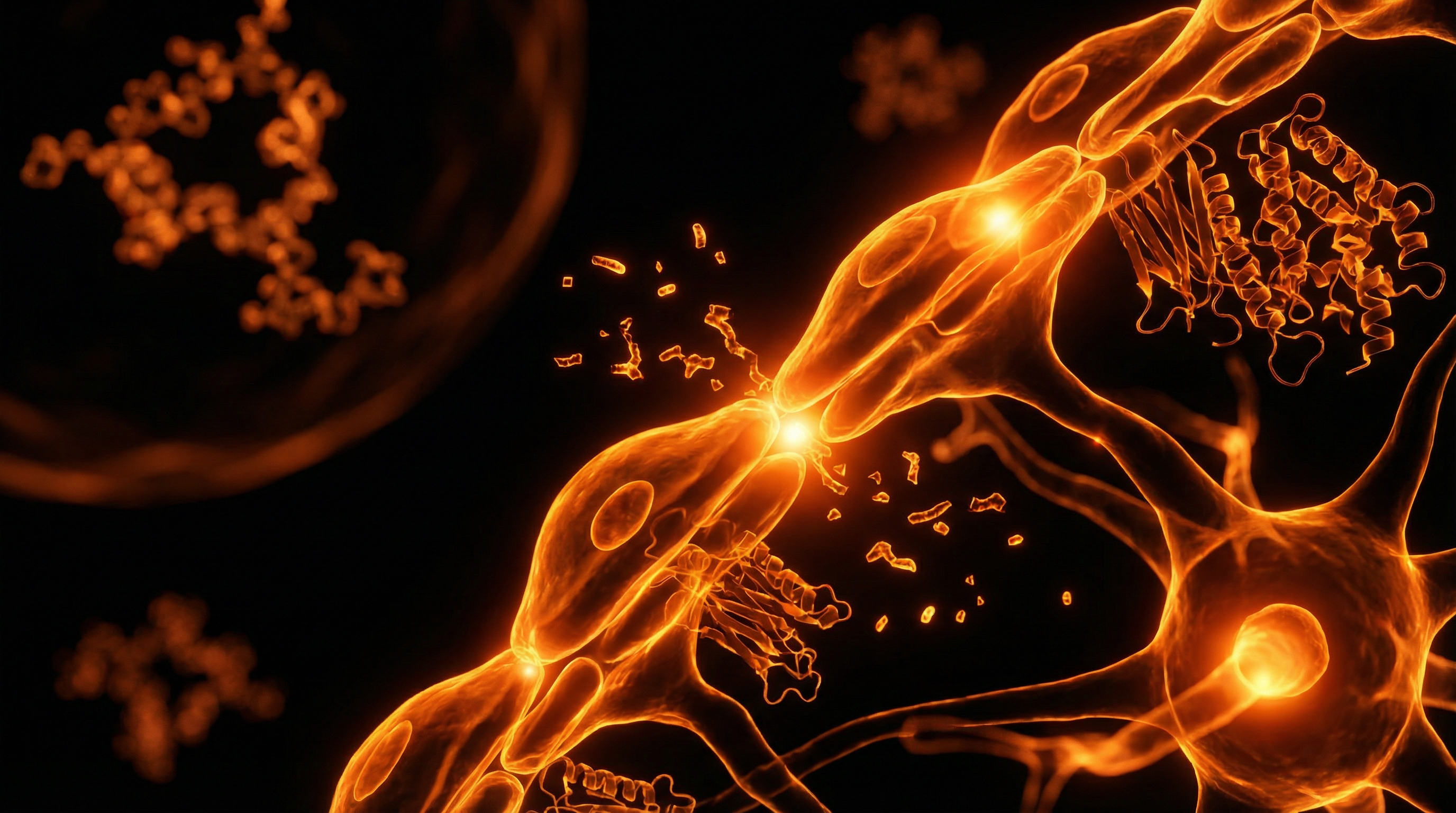
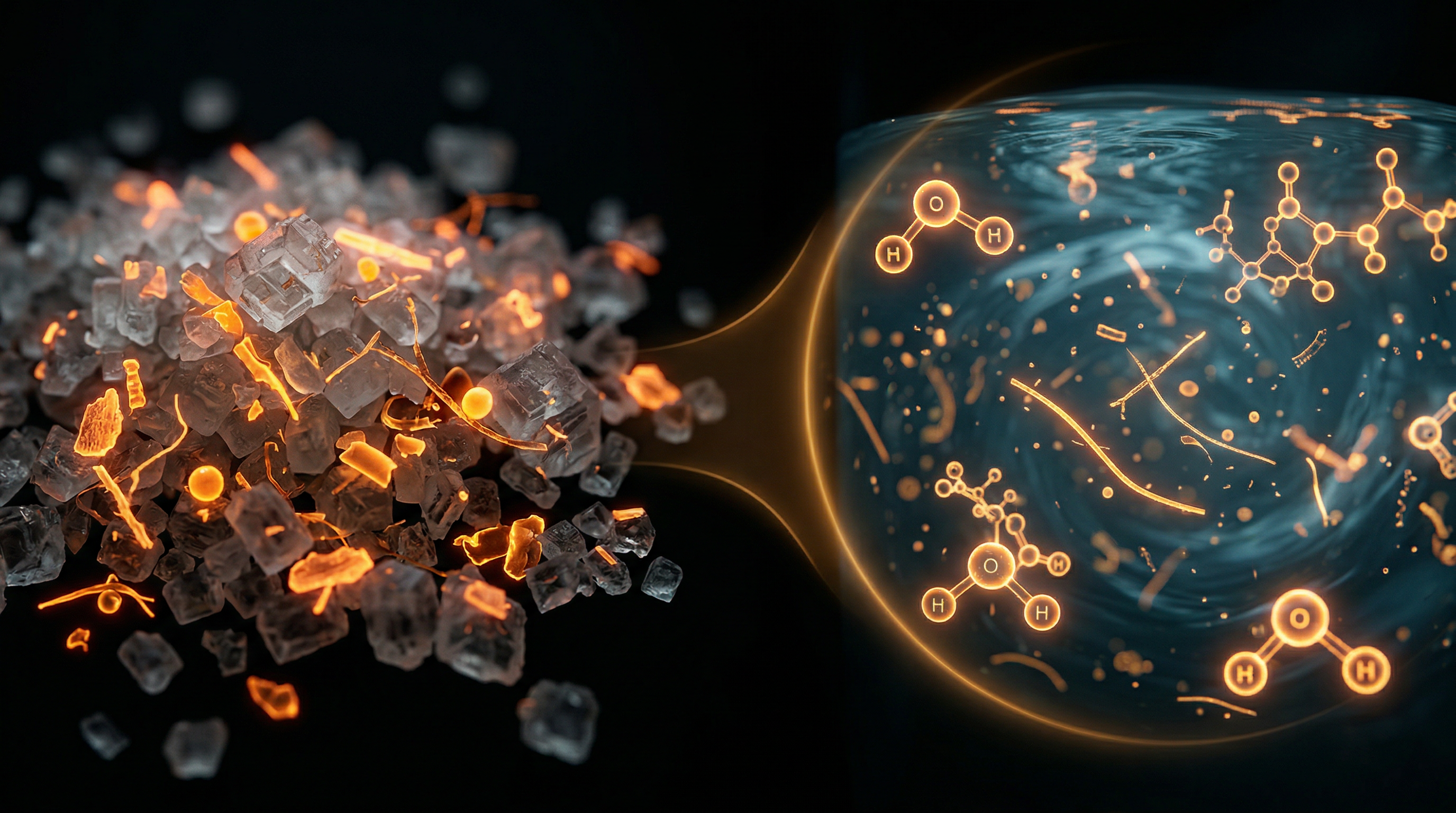
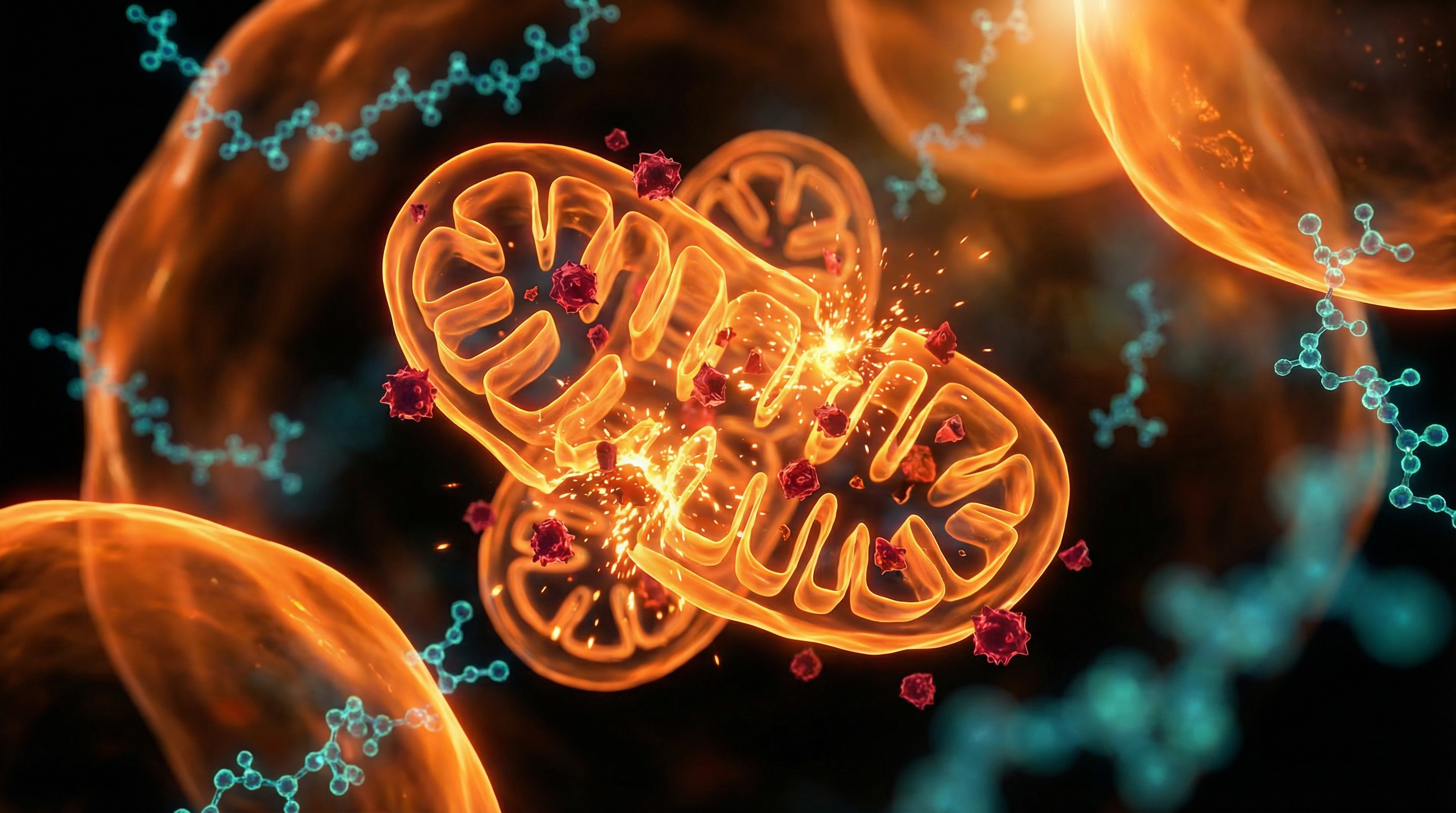
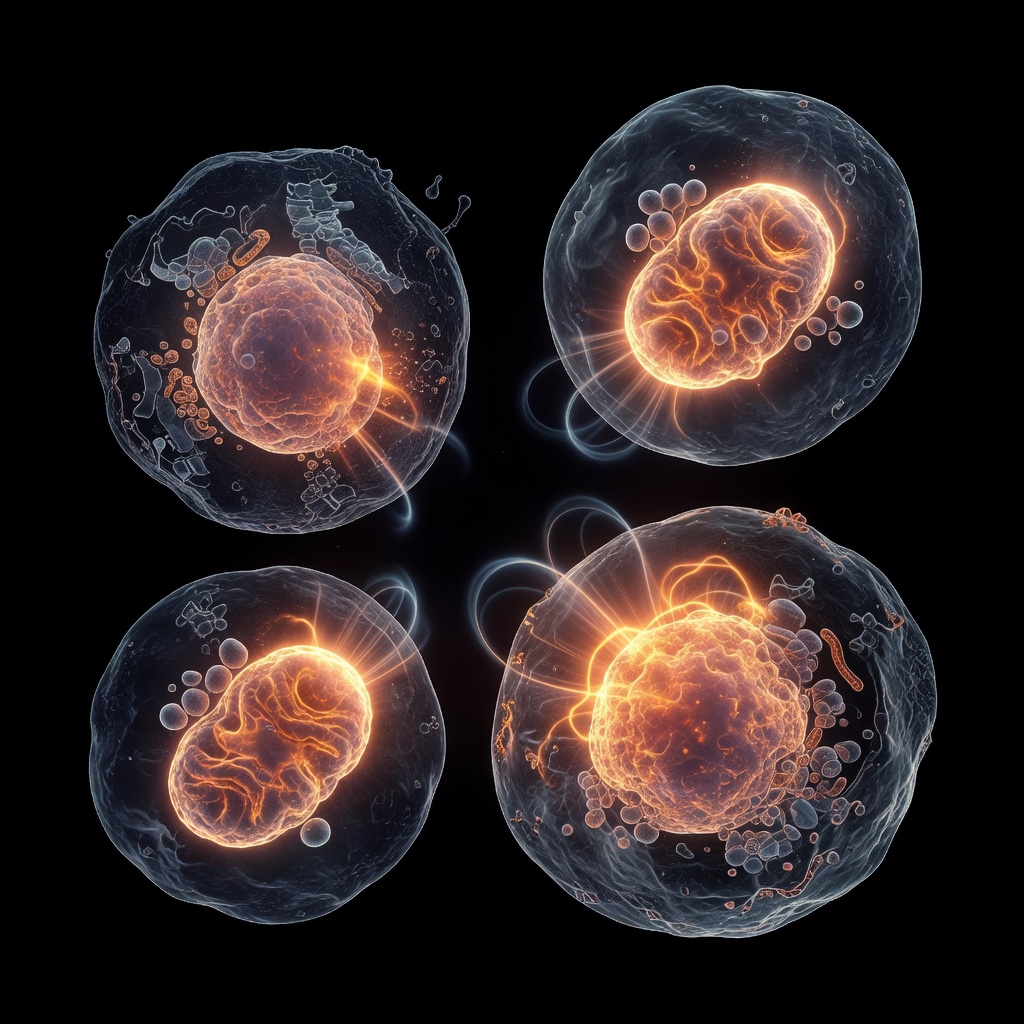
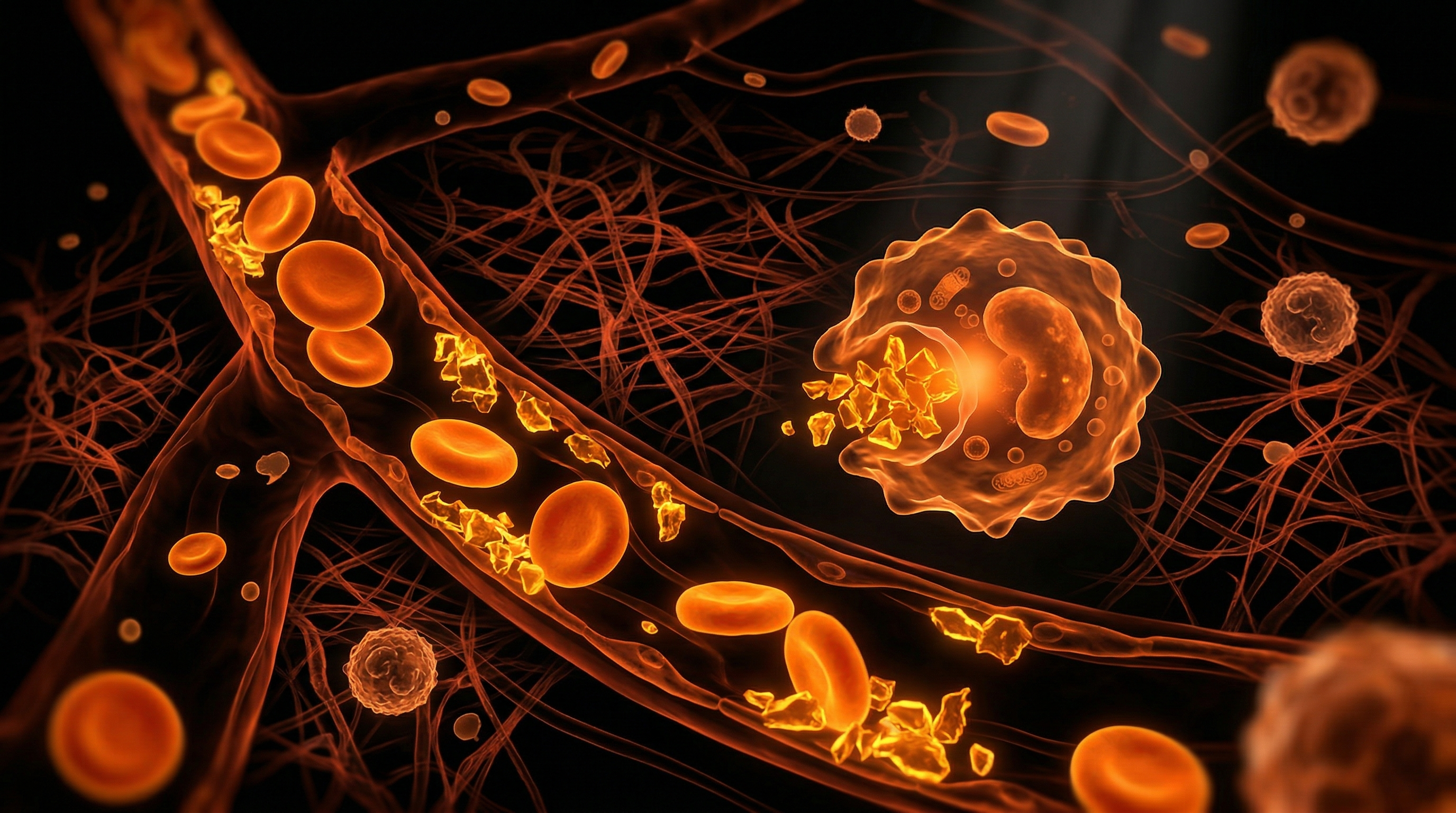
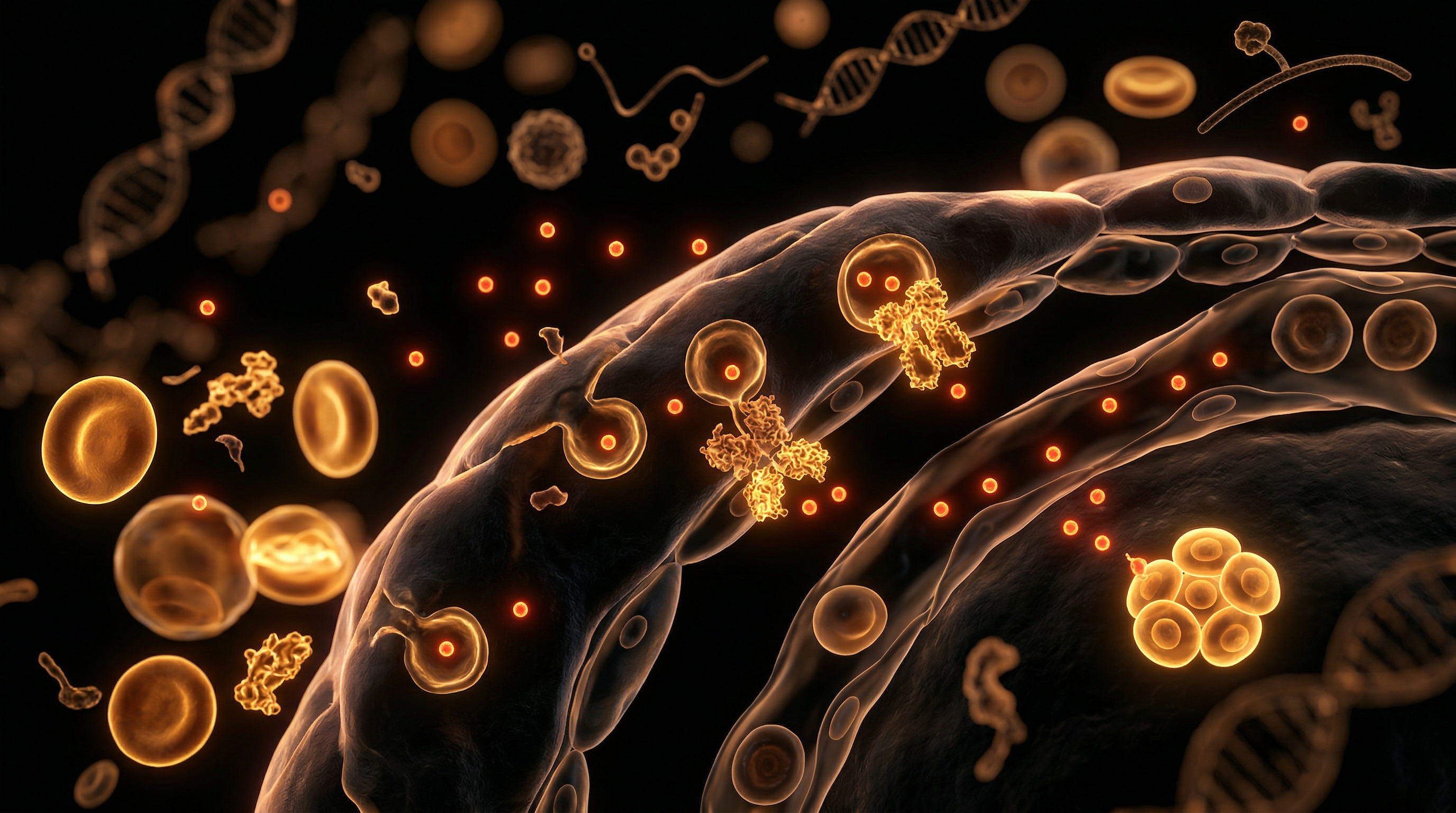
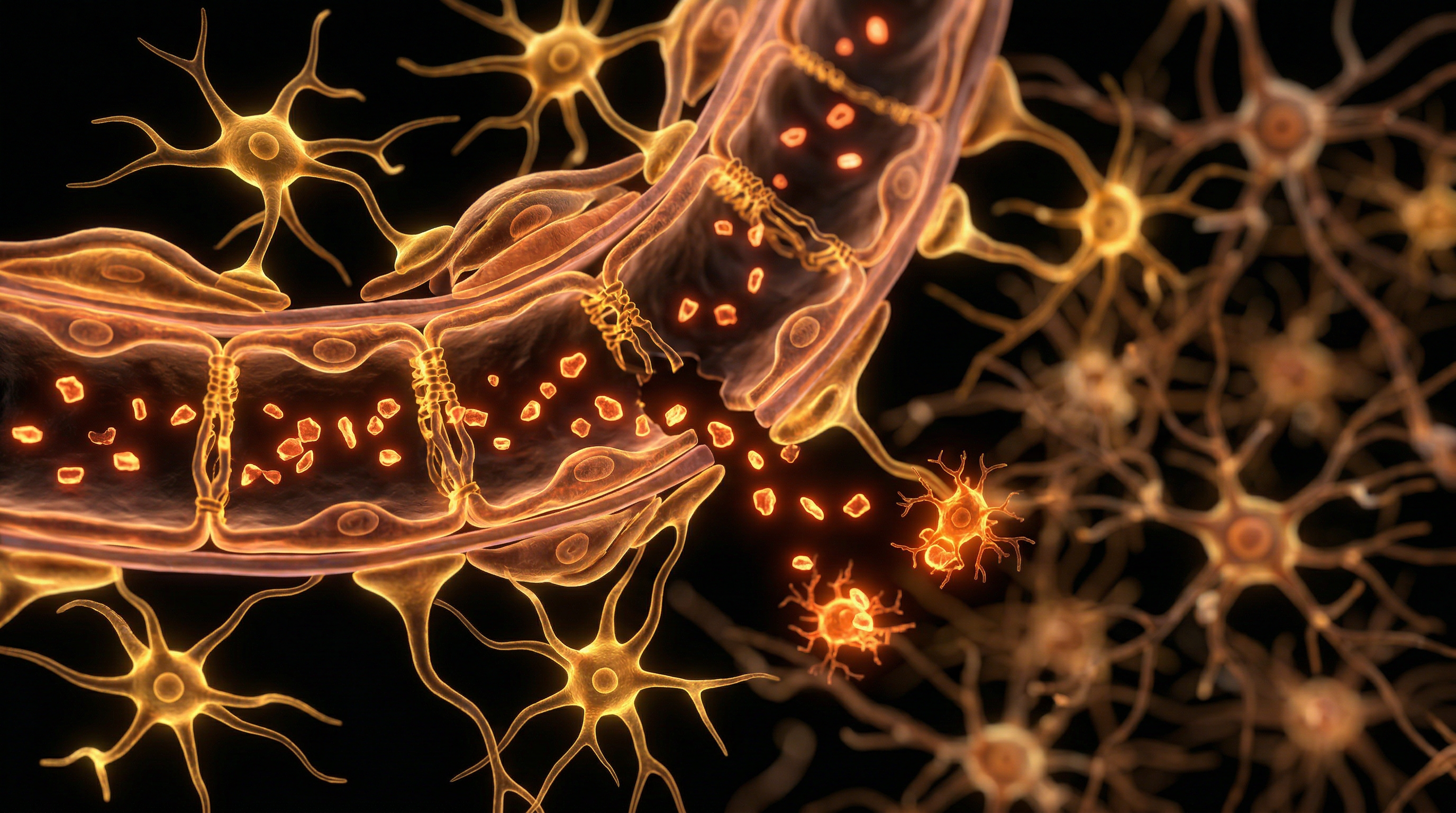
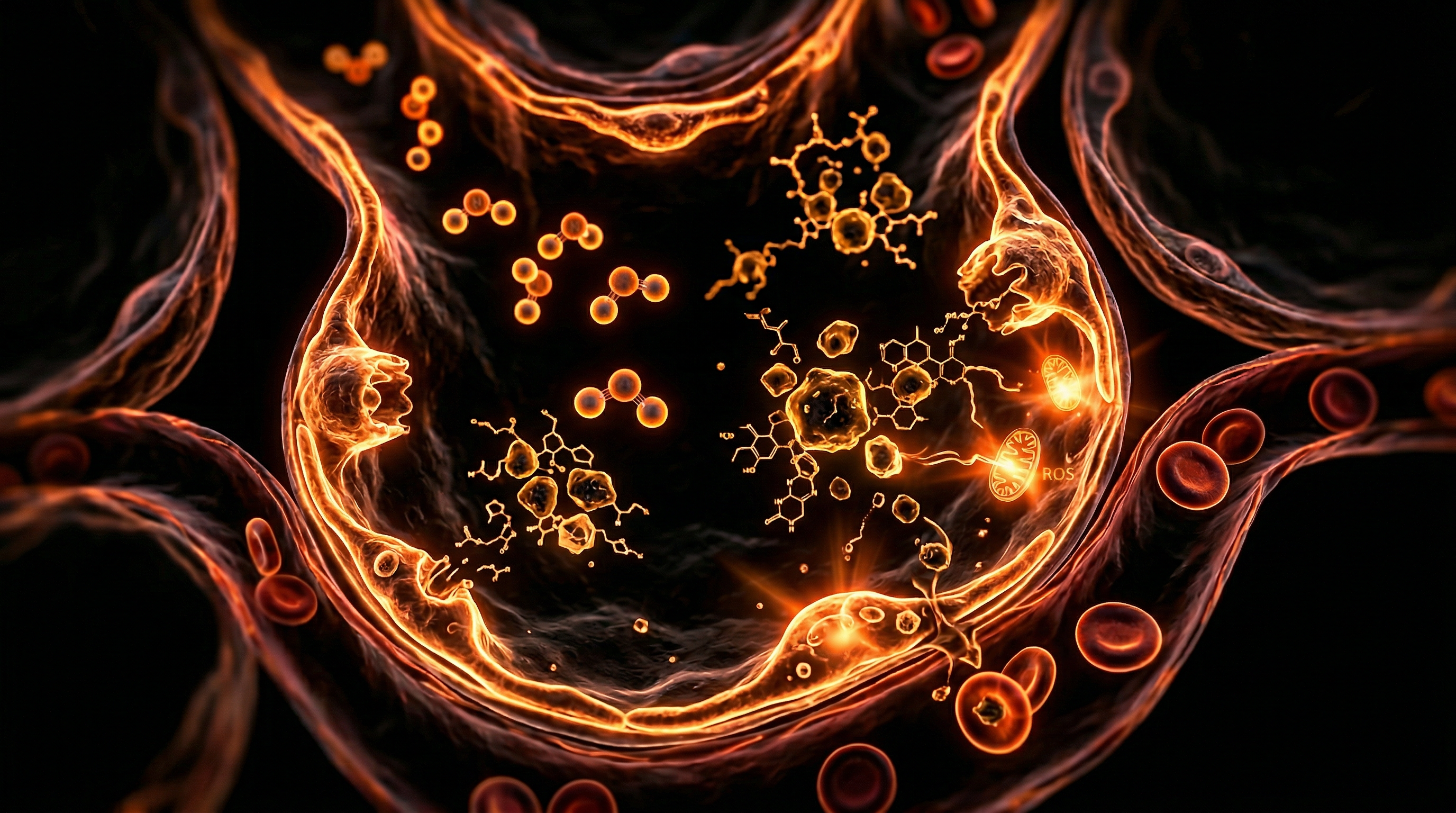
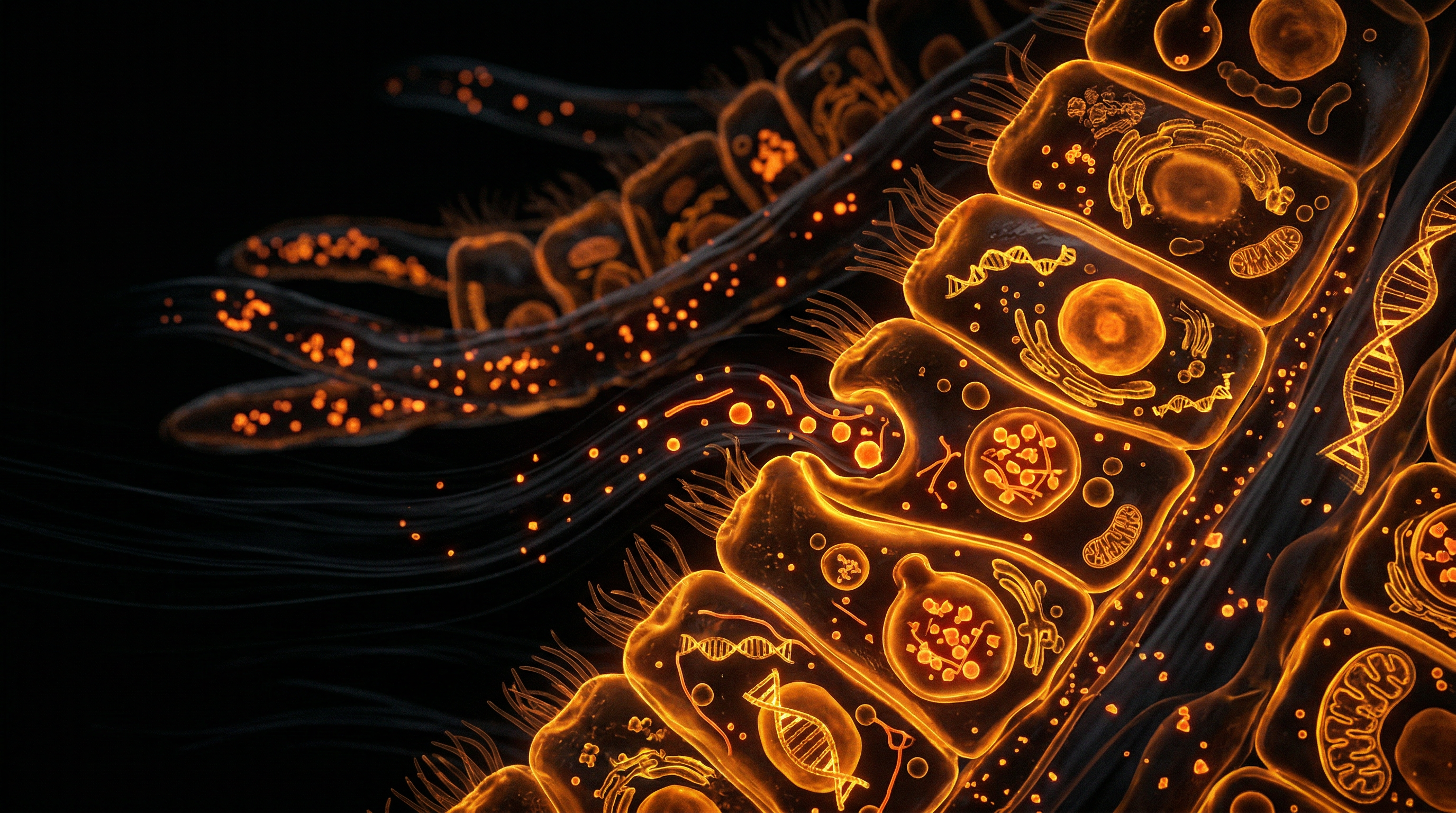
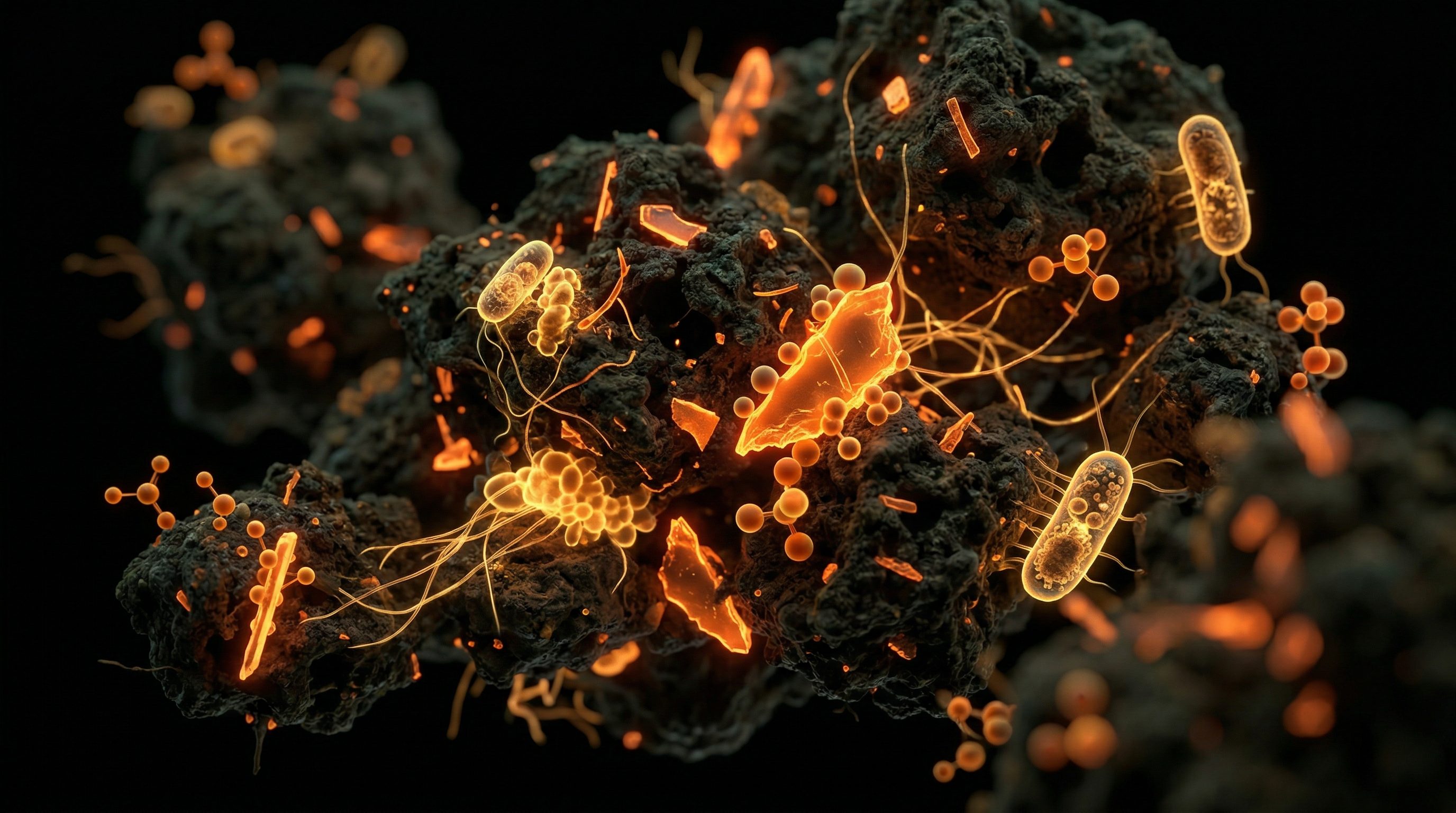
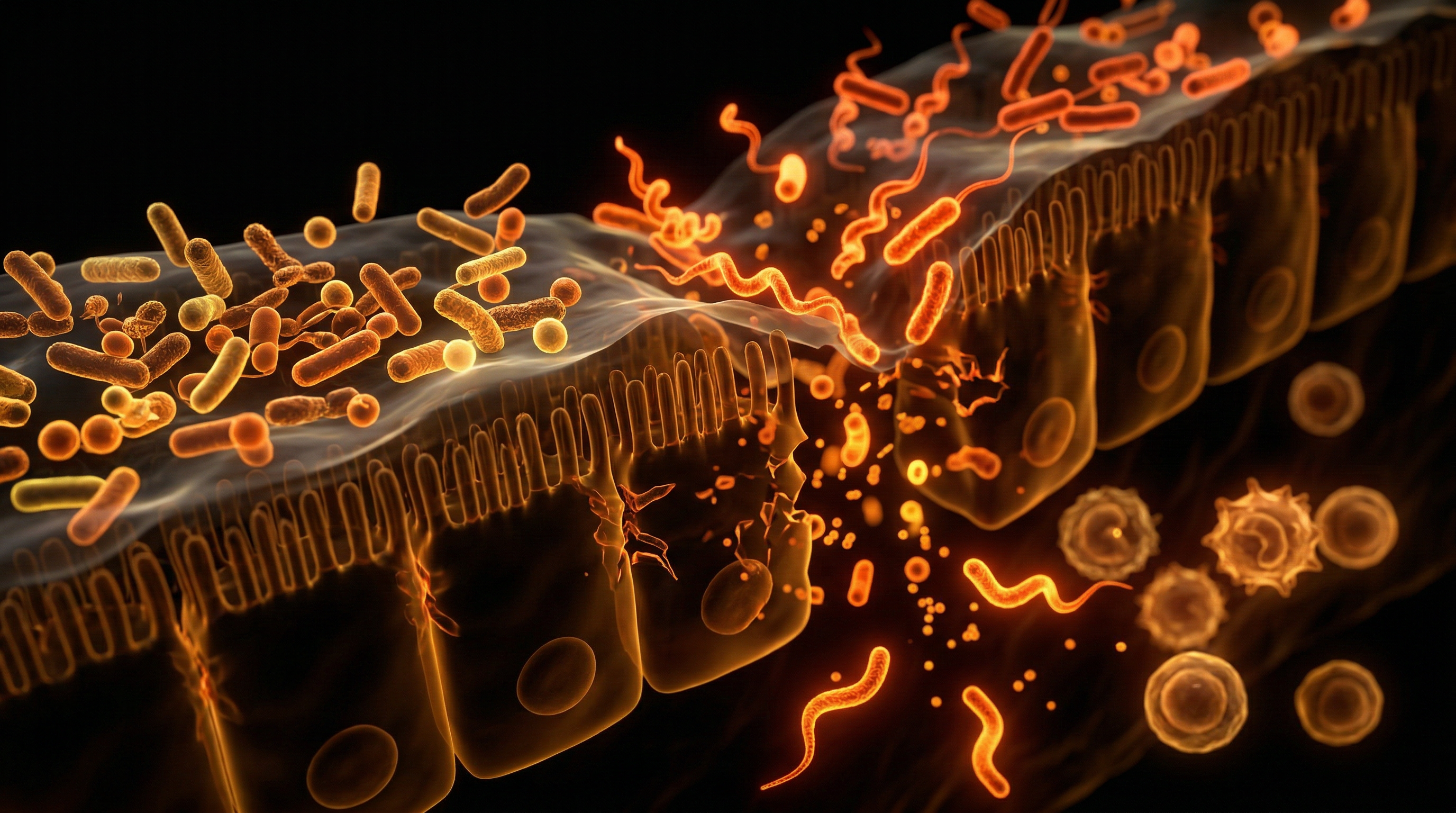
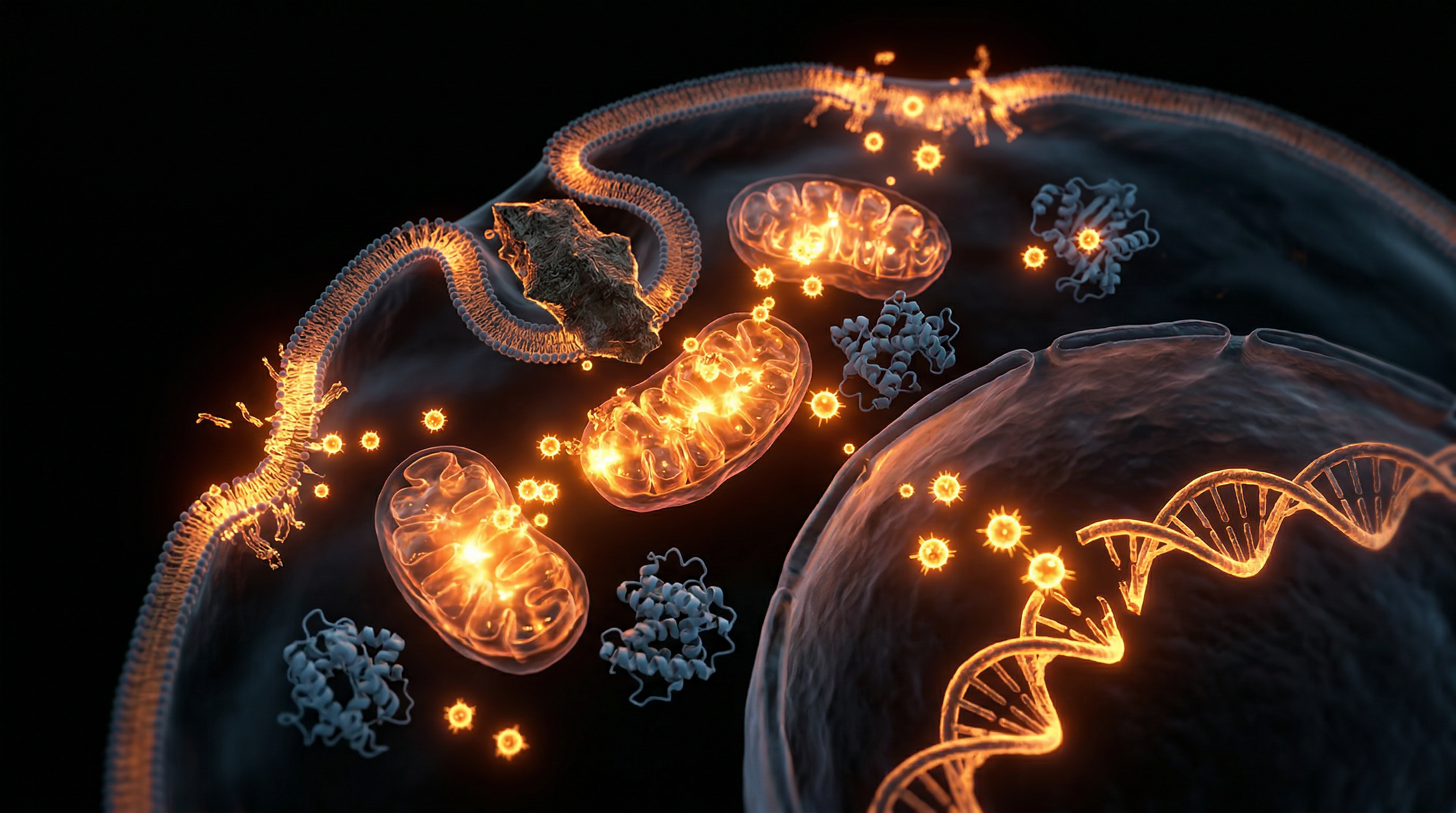
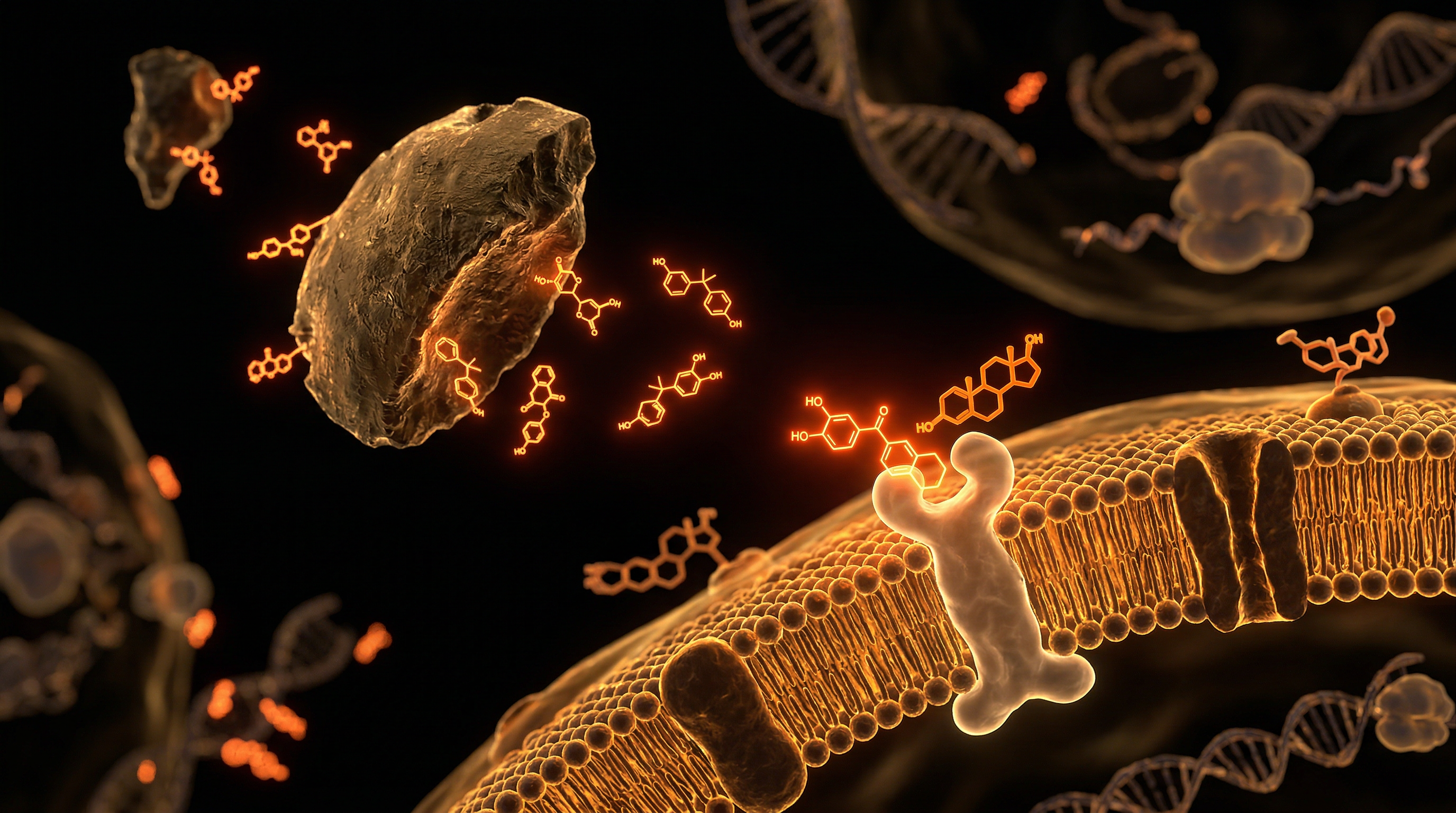
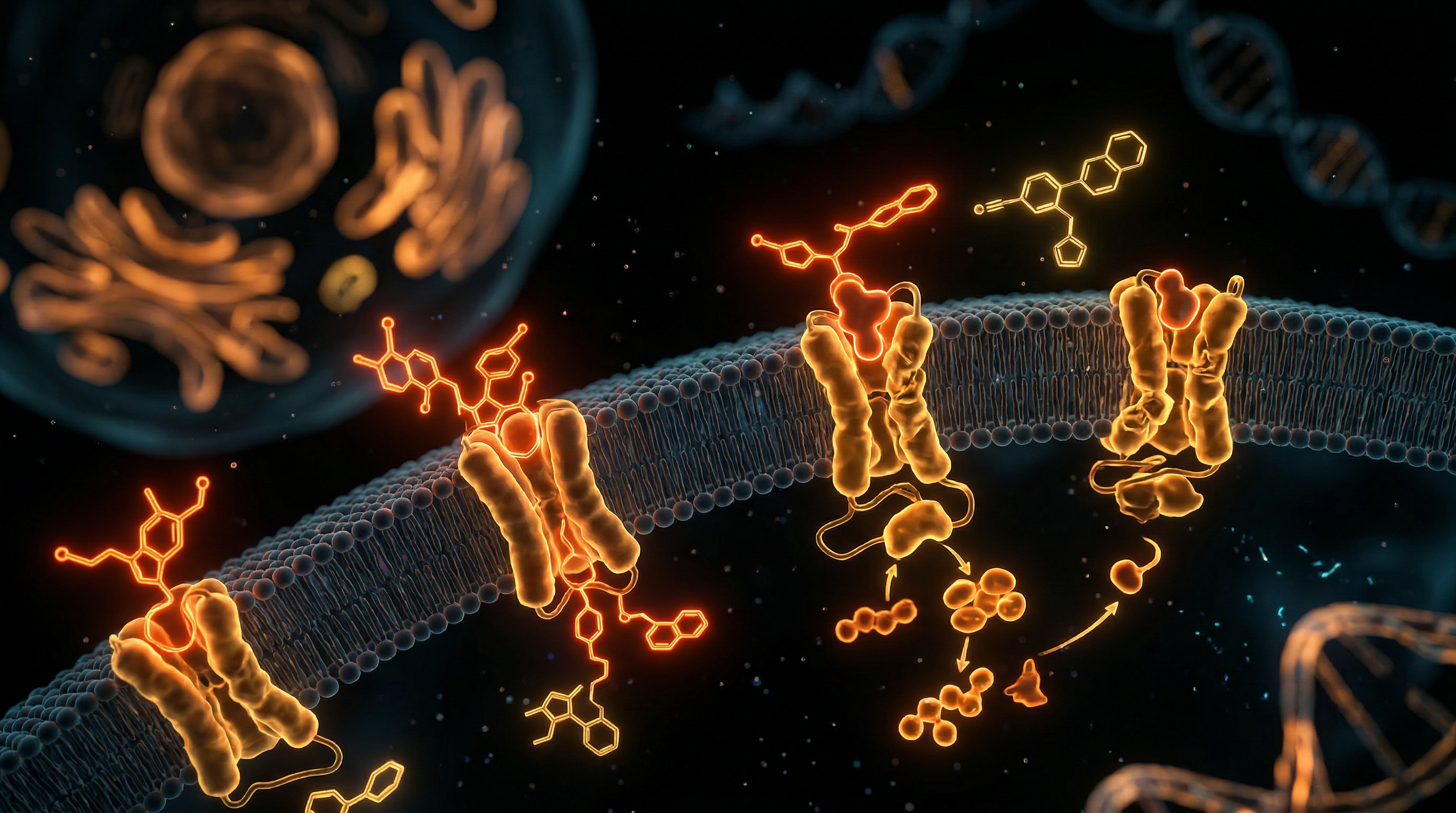
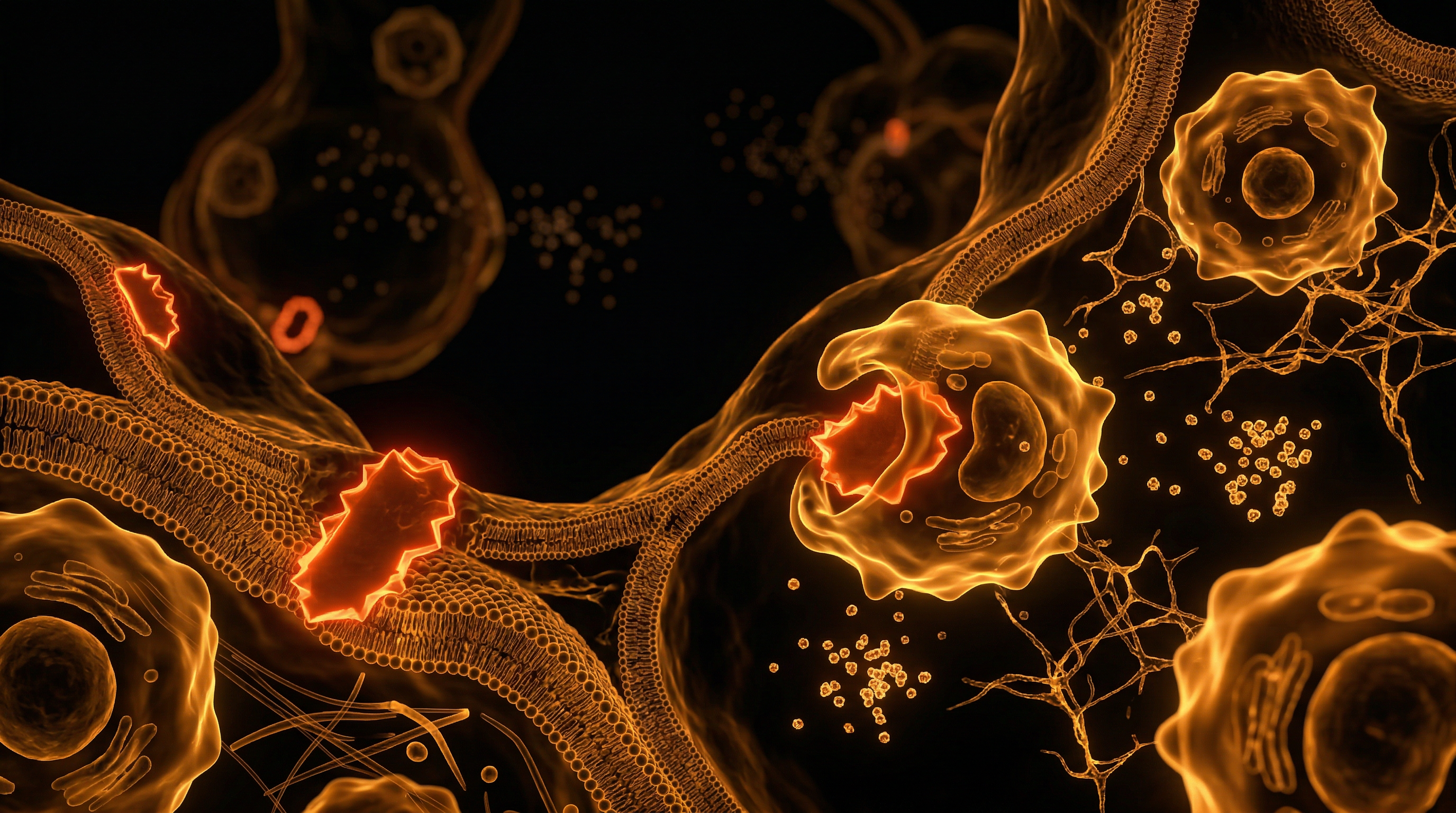
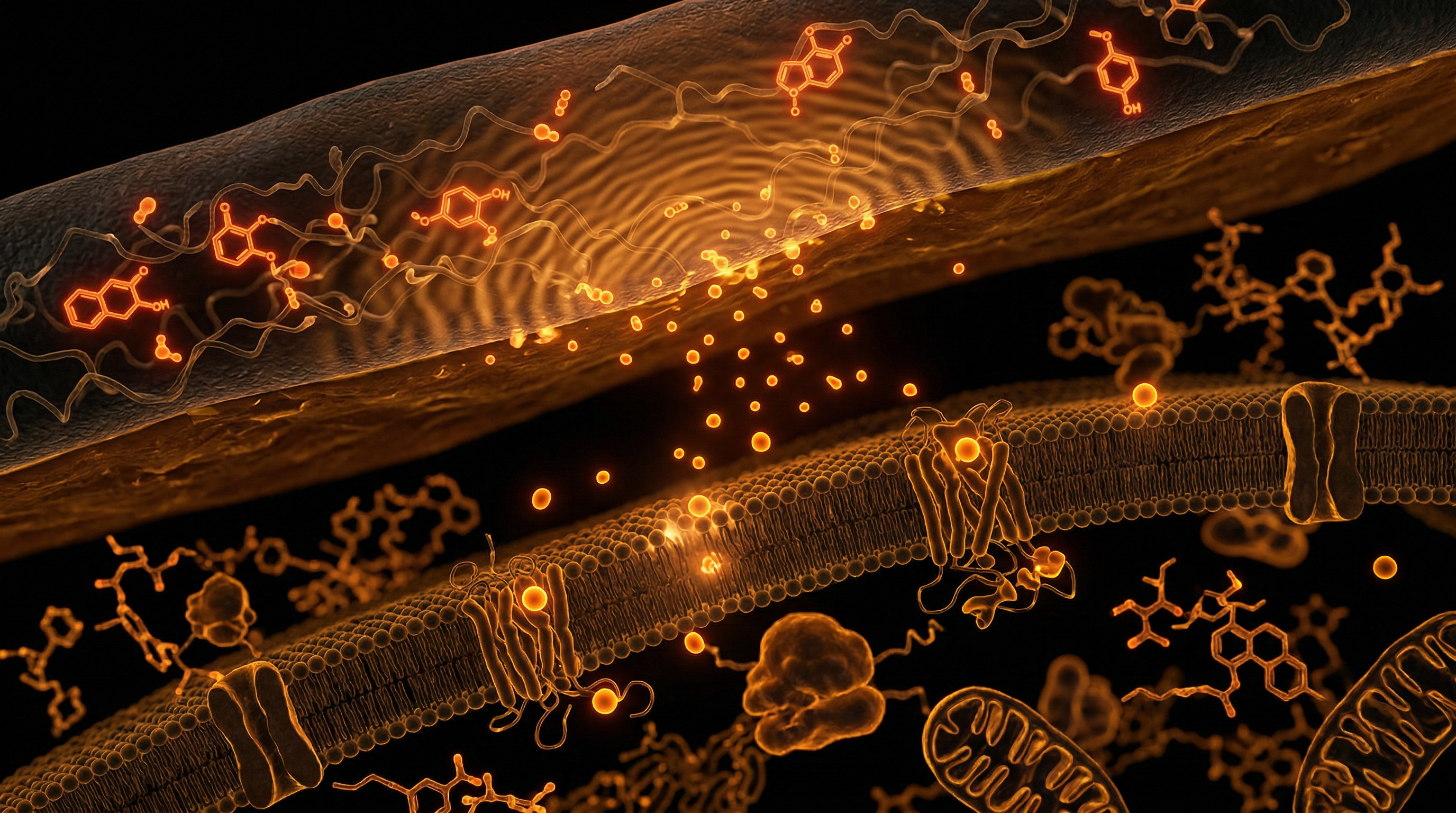
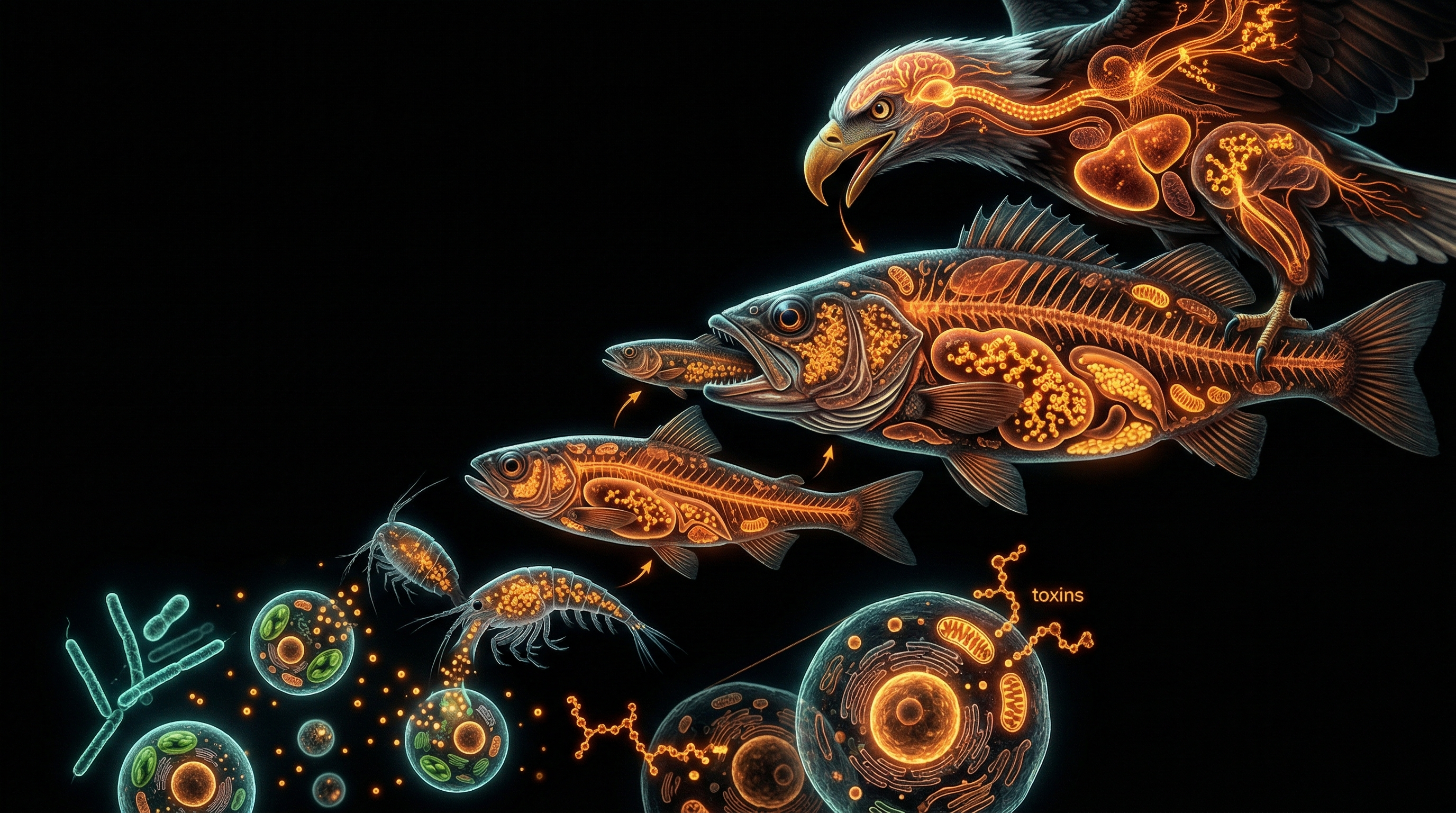
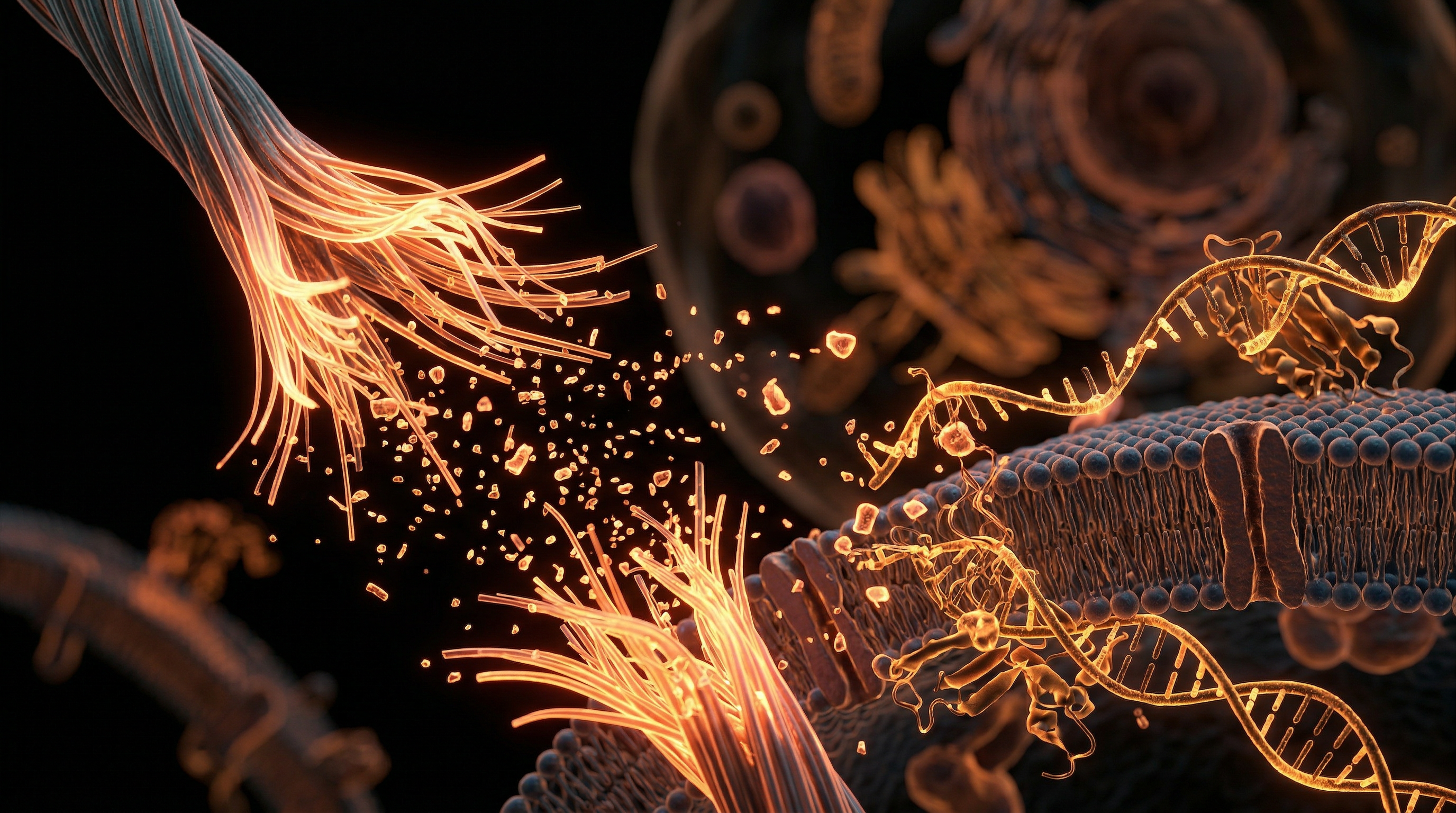
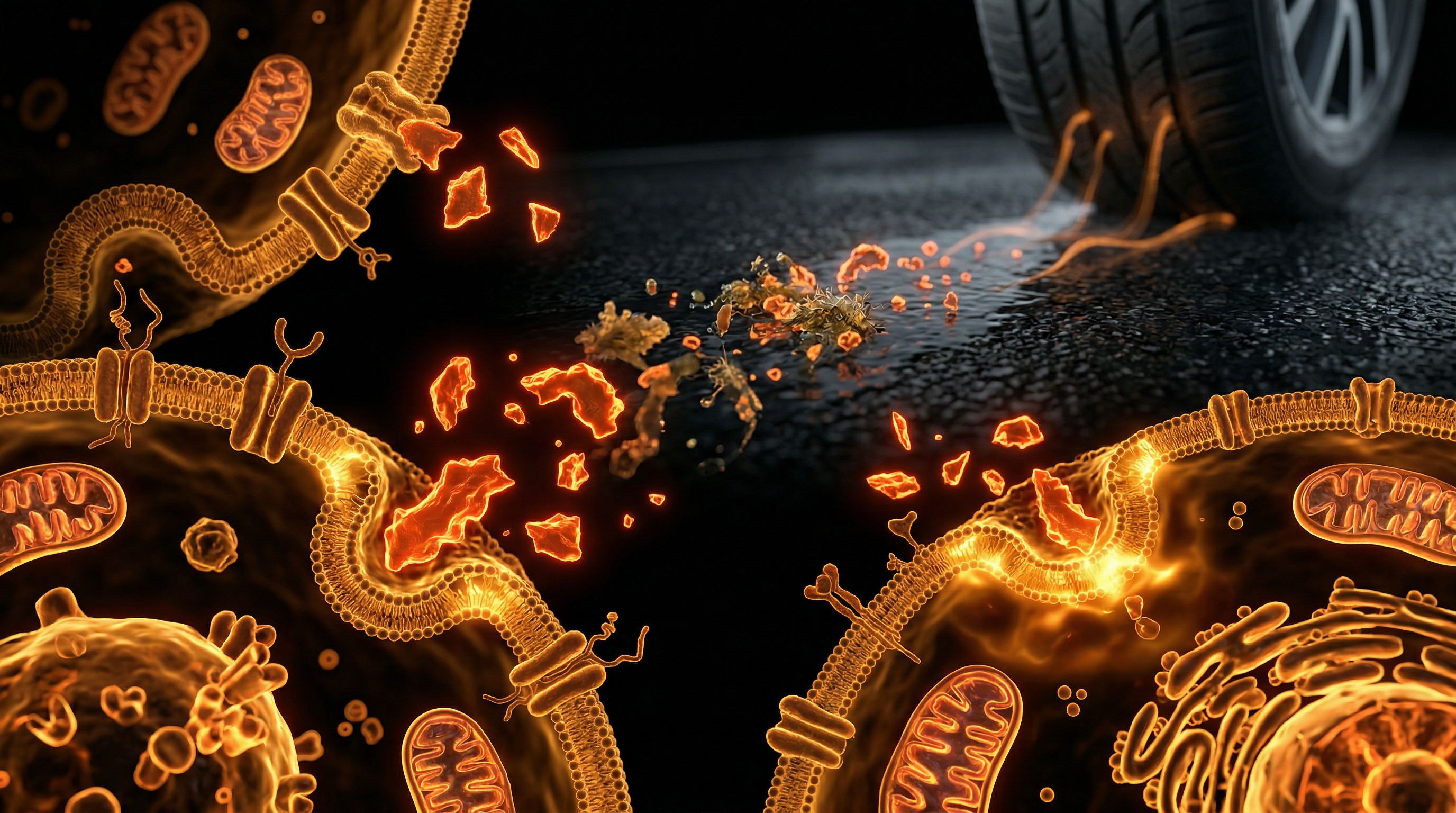
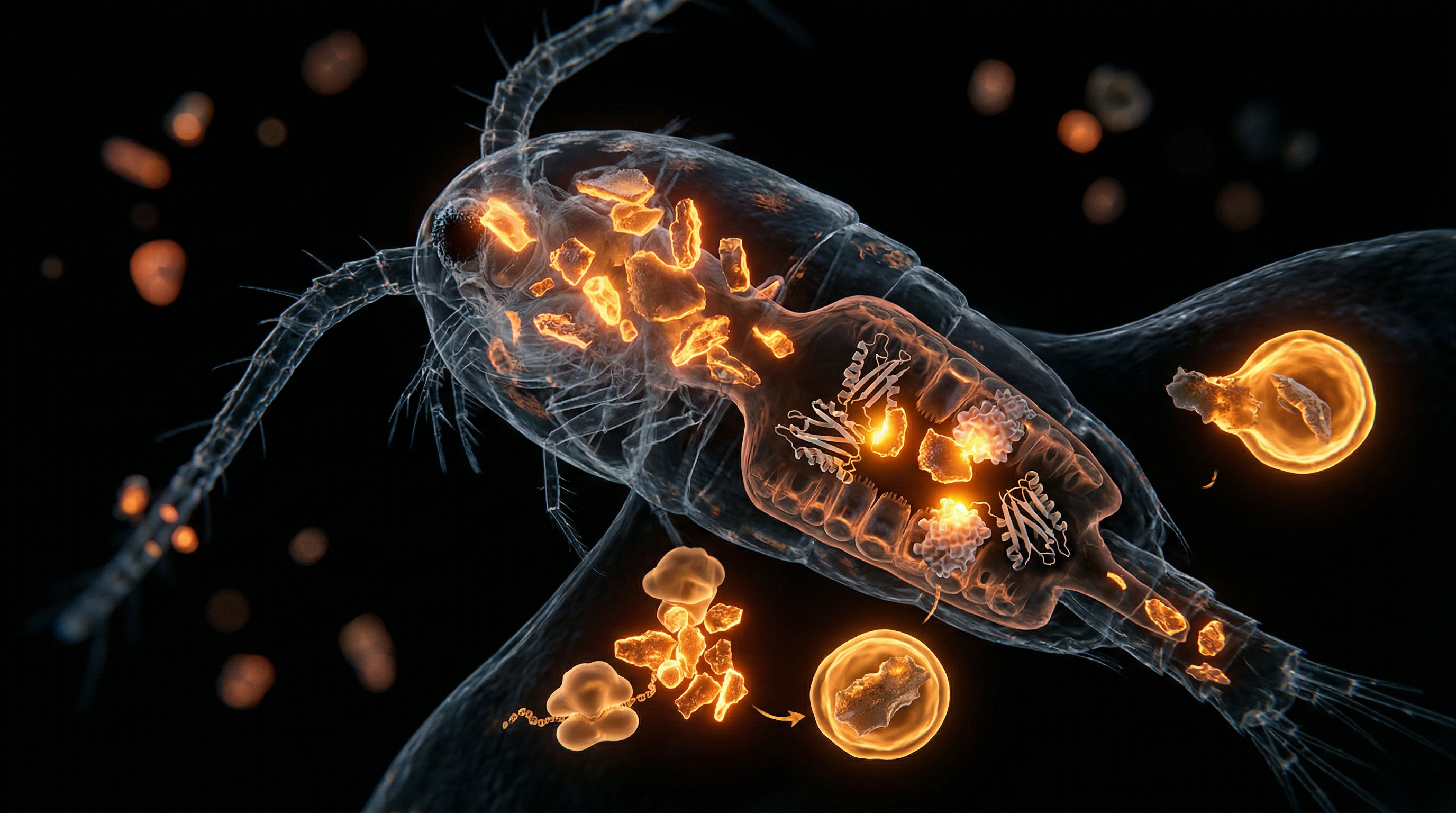
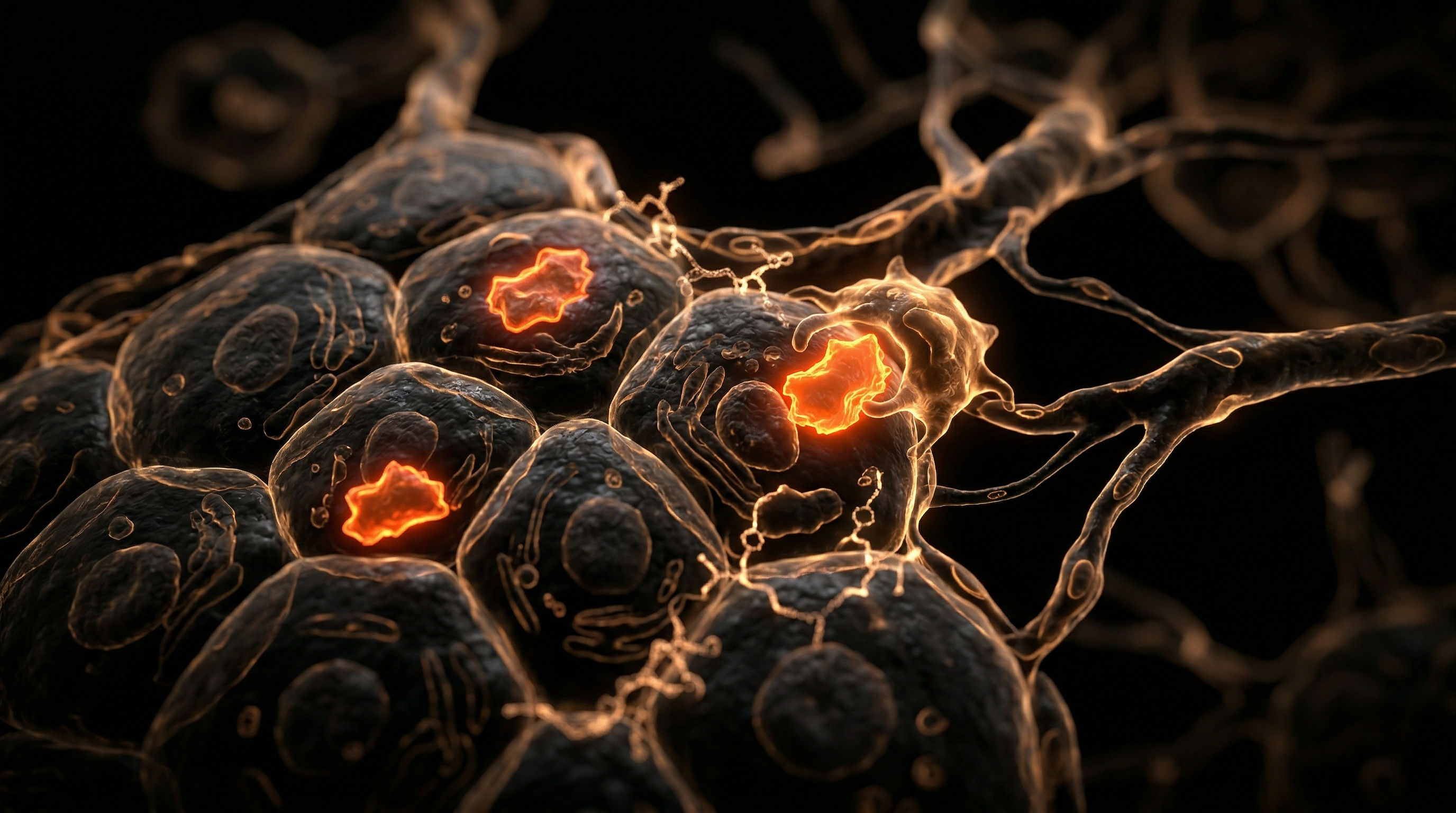
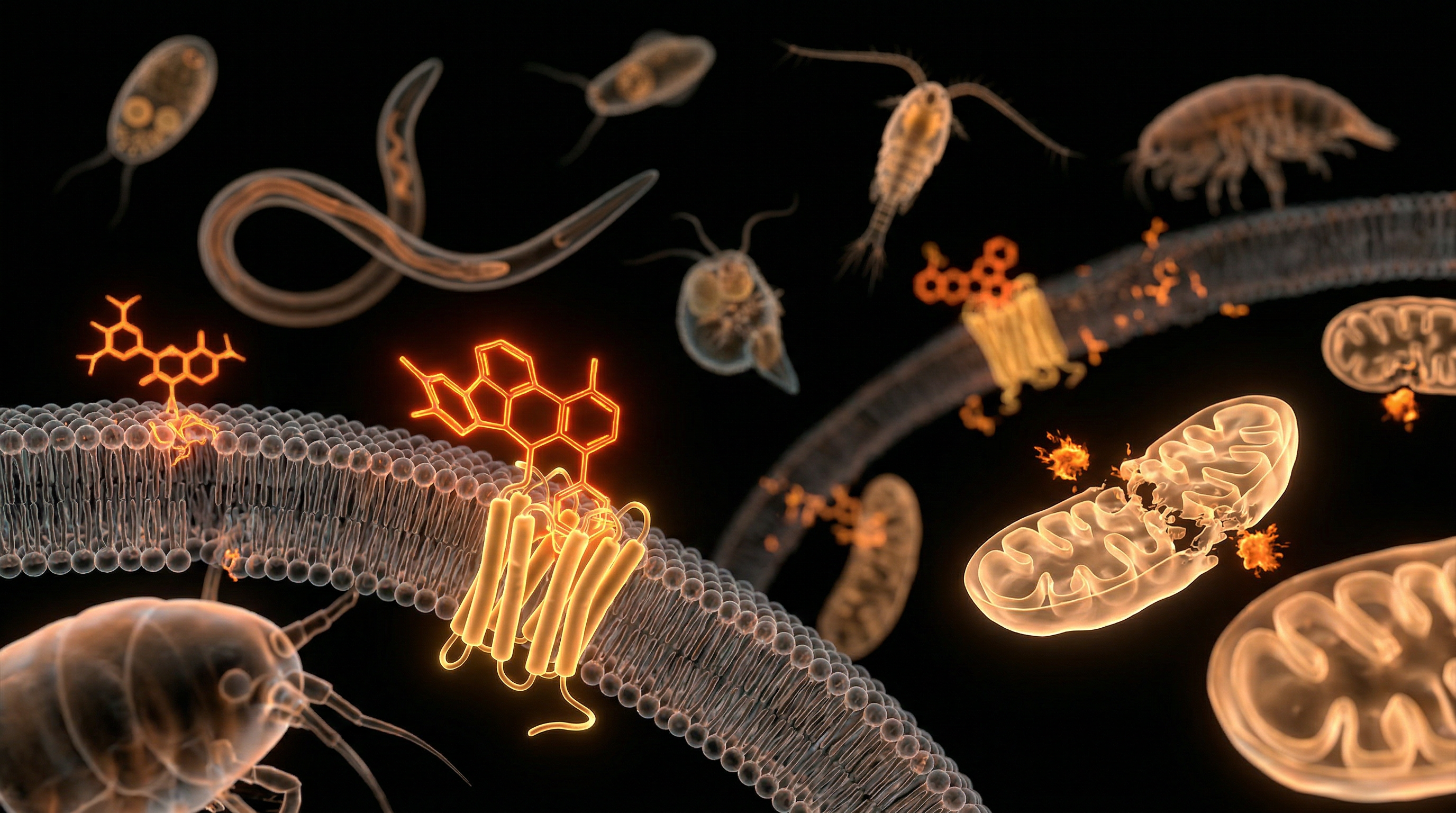
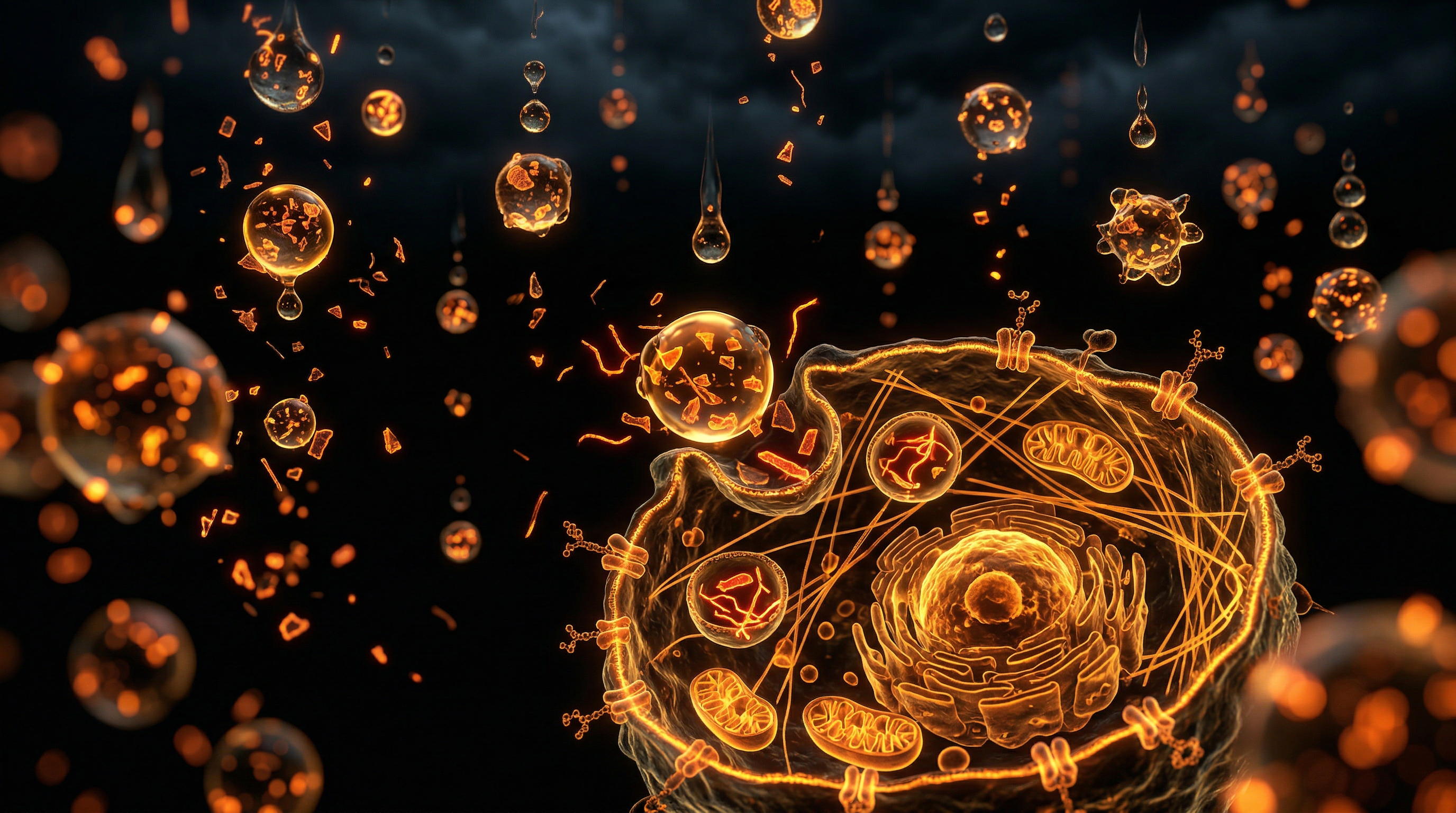
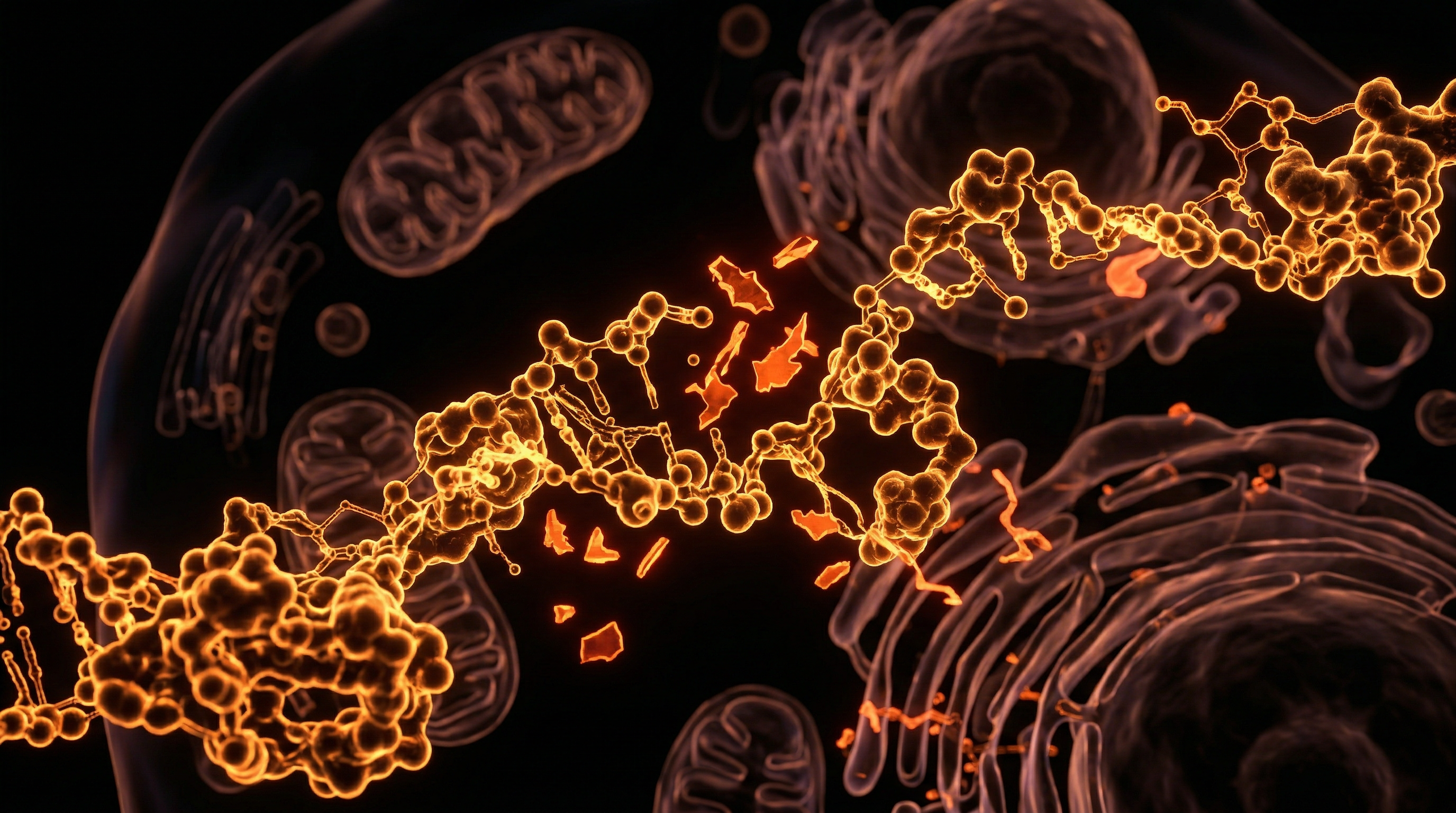
Microplastics — fragments under 5mm — and nanoplastics — fragments under 1 micron small enough to penetrate cell membranes — have been detected in human blood, lung tissue, placenta, breast milk, the gut lining, and most recently brain tissue at concentrations 7-30 times higher than those found in liver and kidney. Polystyrene and PET particles have been shown to trigger oxidative stress, disrupt the endocrine system, impair mitochondrial function, and induce cellular inflammation. With an estimated 5 trillion pieces of plastic now floating in the world's oceans, the contamination of the food chain via seafood, sea salt, drinking water, and atmospheric deposition is now near-total.
Keep this domain close
Follow Microplastics & Nanoplastics to see new published articles in My INNERSTANDIN.
LATEST RESEARCH
In-depth analysis of biological systems and environmental factors.
THE ARSENAL
Based on Microplastics & Nanoplastics content — products curated by our research team for educational relevance and biological support.
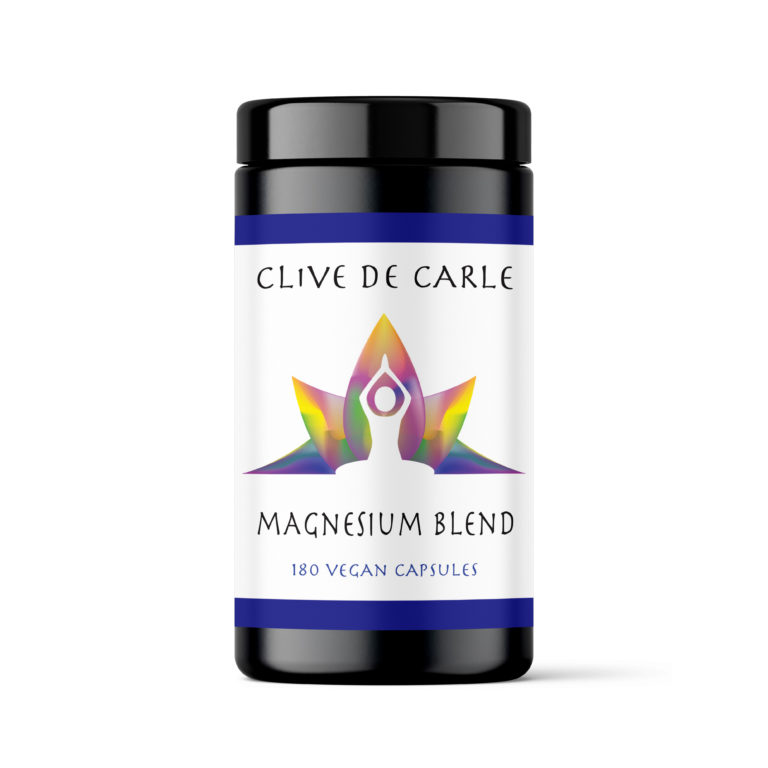
Magnesium Blend – The Most Important Mineral
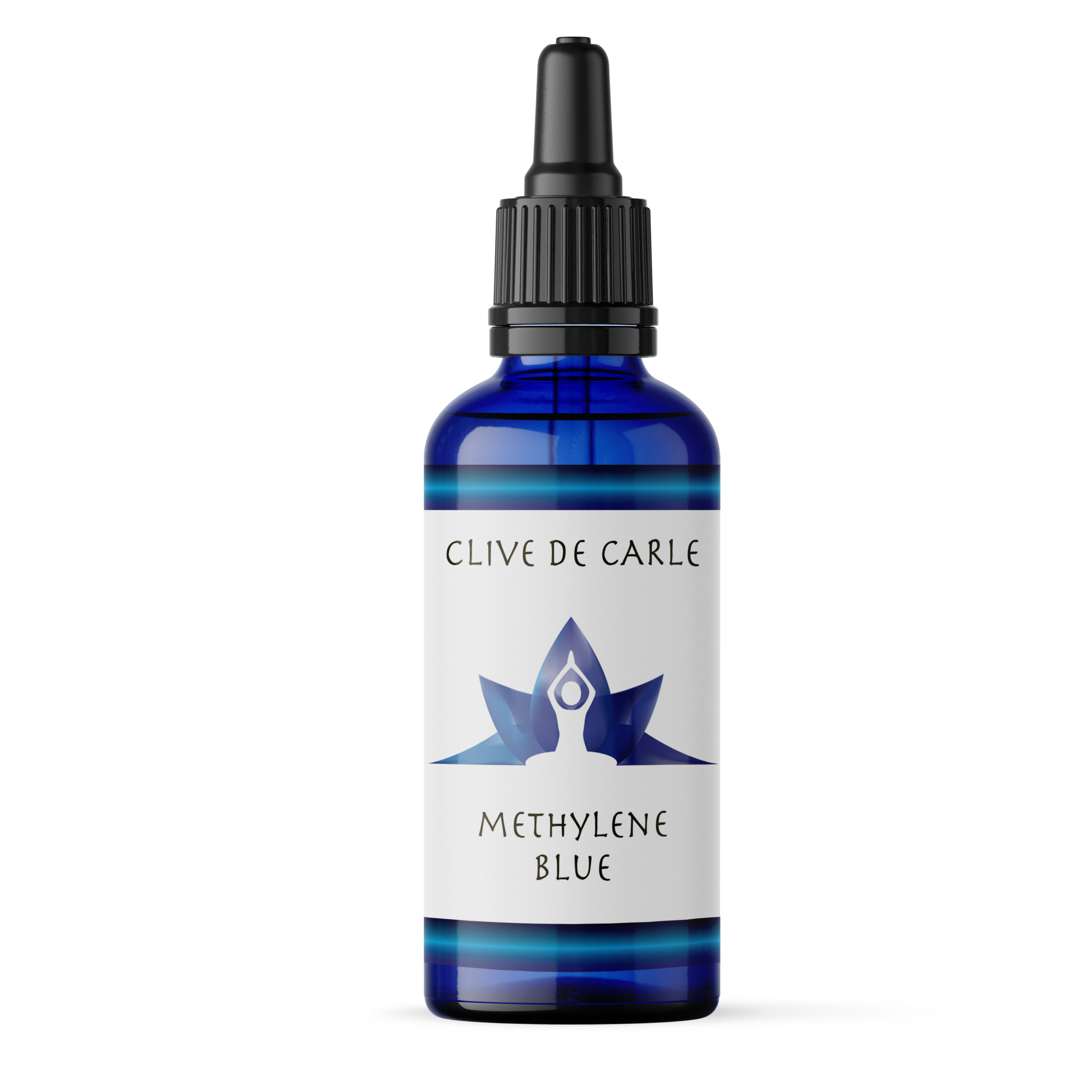
Methylene Blue – Advanced Cellular Chemistry
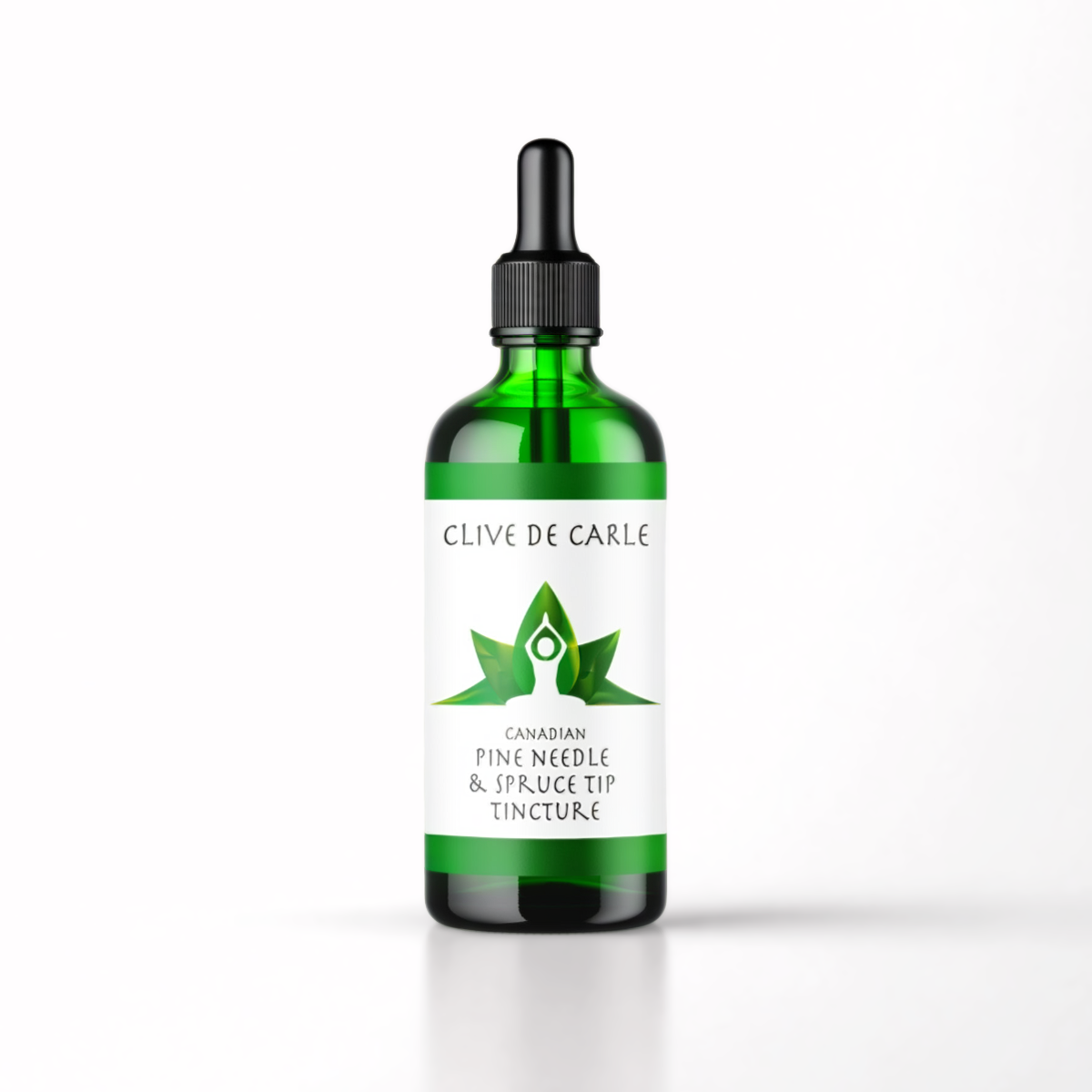
Canadian Pine Needle and Spruce Tip Tincture – Wild Harvested
INNERSTANDING may earn a commission on purchases made through these links. All products are selected based on rigorous educational relevance to our biological research.