
Coastal Bioaccumulation: Microplastics in UK Shellfish
Updated May 2026
UK coastal waters exhibit high levels of microplastic contamination, which are concentrated in filter-feeding organisms like mussels and oysters. Consuming these organisms presents a direct pathway for human dietary exposure.
Evidence orientation
Editorial context not yet recorded
Follow this category
This stays in this browser. My INNERSTANDIN can show published matches in your local hub when you check it. It does not send email, push, or alert notifications.
Local learning review
A private browser aid for revisiting ideas. It is not an alert or a health recommendation.
Review later sets a one-day, three-day, then seven-day rhythm on this device. Choose it only when you want to revisit this article.
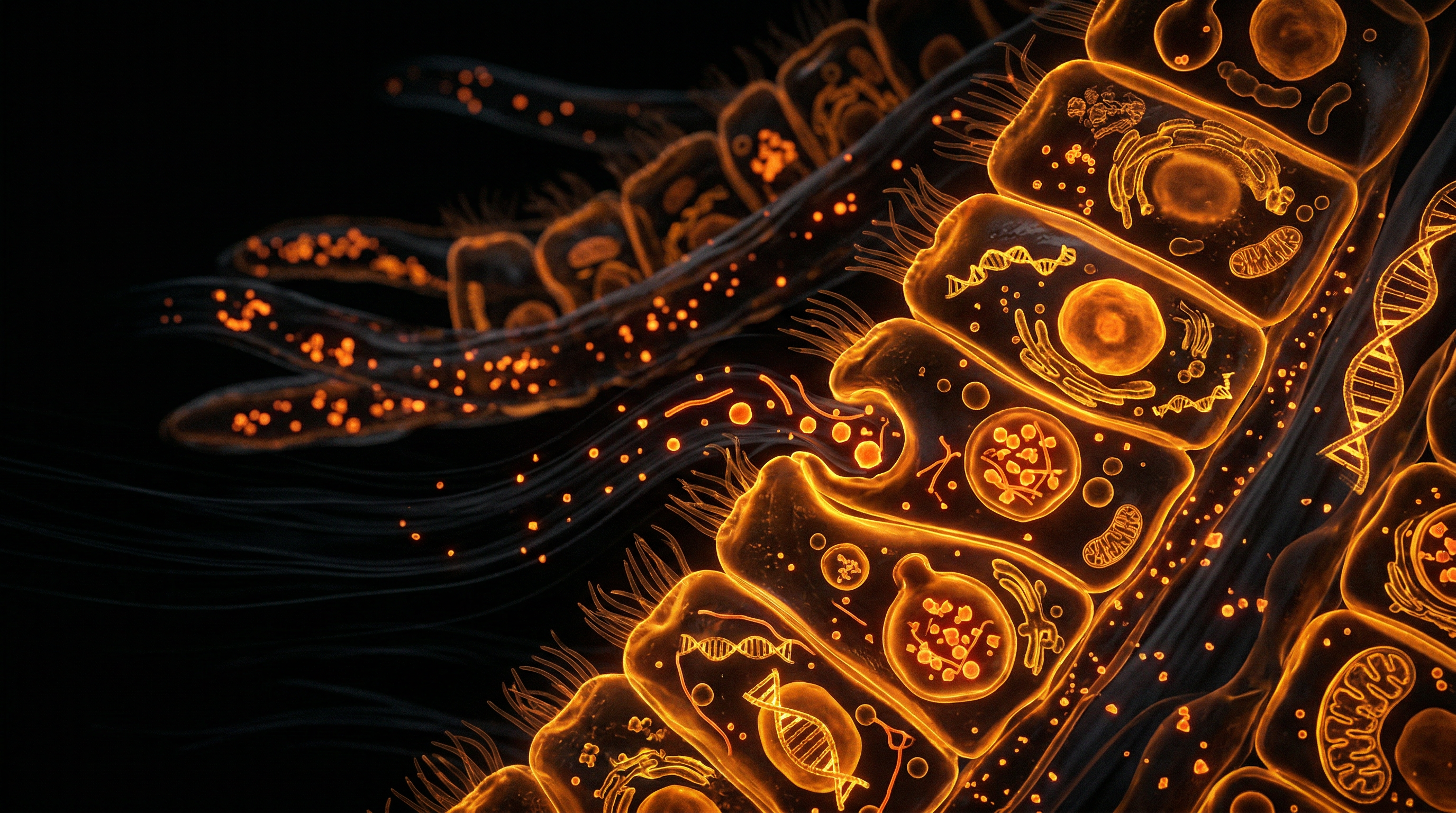
The following report is a high-level scientific analysis produced for INNERSTANDING. It examines the insidious infiltration of synthetic polymers into the British marine ecosystem, specifically targeting the bioaccumulative pathways within bivalve molluscs and the subsequent risks to human consumers.
Overview
The British coastline, stretching over 11,000 miles when including its numerous islands, is no longer the pristine maritime frontier it once was. Beneath the rhythmic ebb and flow of the tides lies a microscopic crisis: the pervasive accumulation of microplastics (MPs) and nanoplastics (NPs). While the mainstream media often focuses on the aesthetic "beach litter" problem, the true biological threat is invisible to the naked eye.
Coastal bioaccumulation represents one of the most significant challenges to food security and public health in the 21st century. Microplastics, defined as plastic particles less than 5mm in diameter, have integrated themselves into the very fabric of the marine food web. In the United Kingdom, where shellfish consumption is both a cultural staple and a vital economic sector, the concentration of these polymers in filter-feeding organisms like mussels (Mytilus edulis) and oysters (Crassostrea gigas) has reached a critical threshold.
These organisms act as "sentinels" for environmental health. Because they filter vast quantities of seawater to extract nutrients, they inadvertently concentrate toxins. This report will expose the cellular mechanisms of this accumulation, the failure of current regulatory frameworks to address the "Trojan Horse" effect of plastic-associated chemicals, and the direct physiological cascade that follows human ingestion.
Key Fact: Recent studies of UK coastal waters have identified microplastic concentrations as high as 1,000 particles per cubic metre in specific estuaries, with shellfish found to contain an average of 3 to 10 particles per individual.
The Biology — How It Works
To understand the crisis, one must first understand the exquisite, yet vulnerable, engineering of the bivalve mollusc. These organisms are the "vacuum cleaners" of the ocean. A single mussel can filter up to 25 litres of water per day, while an adult oyster can process up to 200 litres.
The Mechanism of Filter Feeding
Bivalves utilise a complex system of ciliary movement and mucus-lined gills (ctenidia) to capture suspended organic matter.
- Inhalation: Water is drawn into the mantle cavity via the inhalant siphon.
- Sorting: The gills trap particles. Cilia move these particles toward the mouth.
- Selection and Rejection: Labial palps sort the trapped material by size and nutritional density. Particles deemed "non-food" are expelled as pseudofaeces.
- Ingestion: Particles that pass the sorting phase enter the digestive tract.
The fundamental flaw in this evolutionary design is the inability of the labial palps to distinguish between a nutritious phytoplankton cell and a weathered polyethylene or polypropylene microfragment of a similar size and density. Because microplastics often acquire a "biofilm" of organic material—a process known as biofouling—they smell and feel like food to the organism.
Trophic Transfer and Concentration
Bioaccumulation is not merely the presence of plastic; it is the progressive increase in concentration as one moves through the life cycle of the organism or up the food chain. In UK shellfish, the residence time of microplastics in the gut can be significantly longer than that of organic matter. Furthermore, smaller particles (nanoplastics) can cross the epithelial lining of the gut, moving into the haemolymph (the equivalent of blood) and becoming lodged in the soft tissues, including the mantle and the adductor muscle—the very parts humans consume.
Mechanisms at the Cellular Level
The damage inflicted by microplastics is not merely mechanical; it is deeply biochemical. When a microplastic or nanoplastic particle enters the cellular environment of a shellfish, it triggers a series of pathological responses that compromise the organism's health and, by extension, the safety of the human consumer.
Endocytosis and Cellular Internalisation
Nanoplastics (NPs), being smaller than 100 nanometres, are particularly dangerous because they can penetrate cell membranes via endocytosis. Once inside the cell, these particles are treated as foreign invaders. The cell’s primary defence, the lysosome, attempts to break down the plastic. However, synthetic polymers are largely resistant to enzymatic degradation.
Stat: Research into Mytilus edulis exposure shows that internalised microplastics can reduce Lysosomal Membrane Stability (LMS) by up to 45%, leading to cellular "autophagy" or self-digestion.
The Protein Corona and the "Trojan Horse" Effect
When a plastic particle enters a biological fluid, it is immediately coated with proteins and lipids, forming what is known as a protein corona. This "cloak" allows the plastic to bypass the immune system's initial detection. Furthermore, microplastics act as vectors for Persistent Organic Pollutants (POPs). Due to their hydrophobic nature, plastics adsorb chemicals from the surrounding seawater, including:
- Polychlorinated Biphenyls (PCBs)
- Polycyclic Aromatic Hydrocarbons (PAHs)
- Dichlorodiphenyltrichloroethane (DDT)
When the shellfish ingests the plastic, the change in pH within the digestive system causes these highly toxic chemicals to "desorb" or unbind from the plastic and leach directly into the organism's tissues. This is the "Trojan Horse" effect: the plastic is the delivery vehicle for a chemical payload.
Oxidative Stress and DNA Damage
The presence of foreign plastic particles induces the production of Reactive Oxygen Species (ROS). This leads to oxidative stress, where the organism’s antioxidant defences are overwhelmed. In laboratory assessments of UK mussels, chronic exposure to microplastics has been linked to significant genotoxicity—actual breaks in the DNA strands of the haemocytes (immune cells).
Environmental Threats and Biological Disruptors
The UK's coastal ecosystems are under assault from a cocktail of pollutants, but microplastics represent a unique category of "biological disruptor."
The Plastisphere: A New Pathogenic Niche
Microplastics in the North Sea and the English Channel are not sterile. They are inhabited by a unique microbial community known as the Plastisphere. These plastic fragments act as "microbial life rafts," allowing pathogens that would normally perish in open water to survive and travel long distances.
- Pathogen Transport: Research has identified Vibrio species (which can cause gastroenteritis in humans) colonising microplastics found in UK oyster beds.
- Antimicrobial Resistance (AMR): The Plastisphere is a breeding ground for gene exchange between bacteria. There is significant concern among researchers that microplastics are accelerating the spread of antibiotic-resistant genes in coastal waters.
Endocrine Disruption
Many plastics are manufactured with additives to alter their flexibility or colour. These include Phthalates and Bisphenol A (BPA). These substances are known endocrine disruptors. In shellfish, they interfere with the hormonal signalling required for reproduction, leading to:
- Reduced larval viability.
- Intersex characteristics (the development of male and female reproductive organs in the same individual).
- Population decline in commercially vital shellfish beds.
The Cascade: From Exposure to Disease
The narrative that "shellfish are just filters" ignores the final destination of this plastic: the human digestive system. When we consume oysters or mussels, we typically ingest the whole organism, including the gastrointestinal tract where the highest concentration of microplastics resides.
Human Ingestion and the Gut Barrier
Upon consumption, microplastics enter the human gut. The mainstream scientific consensus is still "investigating" the long-term effects, but the biological precedents are alarming.
- Physical Abrasion: Microfragments can physically damage the delicate mucus lining of the human intestine.
- Inflammatory Response: The gut-associated lymphoid tissue (GALT) identifies the particles as foreign, triggering a chronic inflammatory state. This has been hypothesised as a contributing factor to the rise in Inflammatory Bowel Disease (IBD) and "leaky gut" syndrome.
- Translocation to the Circulatory System: It is now confirmed that nanoplastics can cross the human intestinal barrier. They have been detected in human blood, lung tissue, and even the placenta.
The Neurotoxic Potential
The most concerning aspect of nanoplastic bioaccumulation is their ability to cross the blood-brain barrier. While direct studies on human brain tissue are ethically and technically challenging, animal models (including mammals) have shown that nanoplastics can accumulate in the brain, leading to neuroinflammation and altered behaviour. The chemical additives (like BPA) leaching from these plastics are also linked to neurodevelopmental issues.
What the Mainstream Narrative Omits
The public is often told that the levels of microplastics in shellfish are "negligible" or "within safe limits." This narrative is fundamentally flawed for several reasons.
1. The Exclusion of Nanoplastics
Current regulatory testing often uses filters that capture particles down to 10 or 20 micrometres. This completely ignores the nanoplastic fraction. Because nanoplastics are exponentially more numerous and biologically active than microplastics, current "safety" assessments are underestimating the risk by orders of magnitude.
2. Synergistic Toxicity
Toxicology usually looks at one chemical at a time. The mainstream narrative omits the synergistic effect of the plastic-chemical-pathogen cocktail. A mussel might contain a "safe" level of mercury and a "safe" level of microplastics, but the interaction between the two—where the plastic facilitates the mercury’s entry into the cell—is rarely accounted for in policy.
3. The Tyre Wear Oversight
While the public focuses on plastic straws and bottles, the largest source of primary microplastics in UK coastal waters is actually Tyre Wear Particles (TWPs). These are fragments of synthetic rubber and chemical additives (like 6PPD-quinone) shed from car tyres. 6PPD-quinone has been shown to be acutely toxic to aquatic life, yet it is rarely mentioned in discussions about "plastic-free" oceans because it challenges the automotive industry.
Fact: It is estimated that 68,000 tonnes of tyre wear particles are generated in the UK annually, much of which is washed into the sea via road runoff.
The UK Context
The United Kingdom presents a unique case study in microplastic contamination due to its industrial history, high population density, and maritime geography.
Hotspots of Contamination
Certain areas of the UK coast are "sinks" for microplastics:
- The Thames Estuary: One of the most plastic-polluted rivers in the world, funneling millions of particles into the North Sea every hour.
- The Mersey: Research has shown the Mersey has some of the highest recorded levels of microplastics in the world, largely due to historical industrial discharge.
- The Solent: This area, vital for oyster fisheries, faces significant pressure from shipping, wastewater discharge, and agricultural runoff.
The Role of Combined Sewage Overflows (CSOs)
A major, uniquely British scandal involves the frequent discharge of untreated sewage into coastal waters. When heavy rain overwhelms the UK’s Victorian-era sewage systems, water companies release raw sewage directly into the sea. This sewage contains high concentrations of synthetic fibres from laundry (polyester and acrylic from "fast fashion") and personal care products. Shellfish beds near these CSOs are frequently contaminated with both pathogens and high concentrations of microplastics.
Post-Brexit Regulatory Gaps
Following the UK's departure from the European Union, there are concerns regarding the divergence of chemical and environmental standards. While the UK has implemented a ban on "microbeads" in wash-off cosmetics, it has yet to address the larger systemic issues of textile fibres and tyre dust with the same legislative rigour as proposed by the EU's "Zero Pollution" action plan.
Protective Measures and Recovery Protocols
Given the ubiquity of microplastics, "total avoidance" is currently impossible. However, there are steps that can be taken at both the policy and individual levels to mitigate the risk.
For the Shellfish Industry: Advanced Depuration
Depuration is the process of placing harvested shellfish in tanks of clean, recirculating seawater to allow them to purge contaminants.
- The Limitation: Standard 42-hour depuration is designed to remove bacteria (like E. coli), not microplastics.
- The Solution: Research suggests that longer depuration periods (over 96 hours) combined with fine-mesh filtration of the depuration water can significantly reduce—though not eliminate—the microplastic load in the gut.
For the Individual: Reducing Bioavailability
If one chooses to consume UK shellfish, certain measures can be taken:
- Sourcing: Avoid shellfish from areas known for high industrial activity or frequent sewage overflows.
- Preparation: In the case of larger molluscs, removing the digestive tract (where possible) reduces the microplastic dose.
- Dietary Countermeasures: Consuming a diet high in antioxidants (Vitamin C, E, and Selenium) may help the body combat the oxidative stress induced by unavoidable microplastic exposure.
Systemic Recovery: Bioremediation
The use of "natural infrastructure" can help. Seagrass meadows and kelp forests act as natural filters that can trap and settle microplastics out of the water column before they reach shellfish beds. Restoring the UK’s depleted seagrass habitats is not just a carbon sequestration strategy; it is a food safety strategy.
Summary: Key Takeaways
The infiltration of microplastics into UK shellfish is not a future threat; it is a present reality. To summarise the findings of this INNERSTANDING report:
- Filter-Feeders are Vectors: Mussels and oysters are biologically predisposed to concentrate microplastics and nanoplastics from the water column.
- The Cellular Invasion: Nanoplastics can translocate into the haemolymph and cross human biological barriers, potentially causing chronic inflammation and neurotoxicity.
- The Trojan Horse: Microplastics carry a toxic cargo of heavy metals, persistent organic pollutants, and antibiotic-resistant bacteria.
- The UK Crisis: UK estuaries are among the most plastic-contaminated in the world, exacerbated by sewage overflows and industrial runoff.
- Regulatory Failure: Current safety standards are outdated, failing to account for nanoplastics, tyre wear particles, and the synergistic effects of chemical "cocktails."
The mainstream narrative remains focused on surface-level issues, but the true battle for biological integrity is being fought at the microscopic level. The UK's coastal waters are a reflection of its industrial choices; until the flow of synthetic polymers is halted at the source, the shellfish on the British dinner plate will remain a primary pathway for human plasticisation.
Author: Senior Biological Researcher, INNERSTANDING Date: May 2024 Subject: Marine Bioaccumulation & Public Health Risk Assessment
This article is provided for informational and educational purposes only. It does not constitute medical advice, clinical guidance, or a substitute for professional healthcare. Information reflects cited research at time of publication. Always consult a qualified healthcare professional before acting on any health information.
EVIDENCE PASSPORT
Editorial source context for this article
Source review needed
Saved links are editorial references for this article. They may support specific claims rather than every sentence. Open and assess each source in context. This passport does not independently verify them.
Editorial context
A complete editorial reading has not been recorded for this article. Source links remain available for you to open and assess directly.
Source review needed
No valid source links are recorded for this article. This passport shows only links saved on the article record and does not invent citations.
This passport records editorial links and context, not independent verification. Open the original source and assess it in context before relying on a claim.
Medical Disclaimer
The information in this article is for educational purposes only and does not constitute medical advice, diagnosis, or treatment. Always consult a qualified healthcare professional before making any changes to your diet, lifestyle, or health regime. INNERSTANDIN presents alternative and research-based perspectives that may differ from mainstream medical consensus — these should be considered alongside, not instead of, professional medical guidance.
Read Full DisclaimerContinue the thread
Keep this question moving.
Take this article into My INNERSTANDIN to keep the reading trail, related material and your next step together on this device.
Dig deeper in the Library
Free, longform PDF volumes that go beyond headlines into mechanisms and references.