
Can Nanoplastics Cross the Human Blood-Brain Barrier?
Updated May 2026
This article explores the biological mechanisms allowing nanoplastics to penetrate the blood-brain barrier and the resulting neurological implications. We examine recent data showing brain tissue concentrations significantly higher than other vital organs.
Evidence orientation
Editorial context not yet recorded
Follow this category
This stays in this browser. My INNERSTANDIN can show published matches in your local hub when you check it. It does not send email, push, or alert notifications.
Local learning review
A private browser aid for revisiting ideas. It is not an alert or a health recommendation.
Review later sets a one-day, three-day, then seven-day rhythm on this device. Choose it only when you want to revisit this article.
Overview
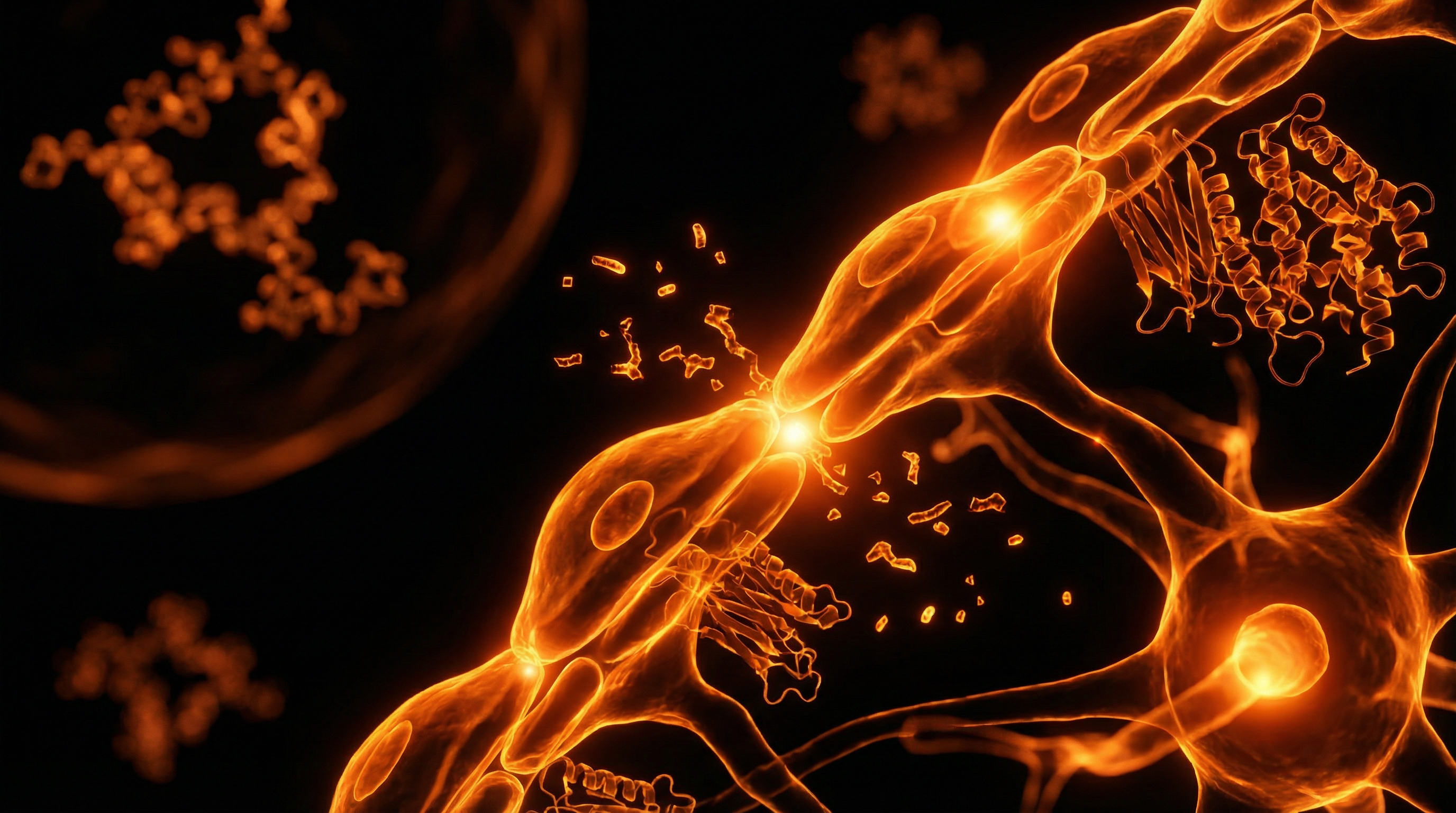
The infiltration of nanoplastics (NPs)—defined as plastic particles with dimensions typically below 1,000 nanometres—into the central nervous system (CNS) represents a critical frontier in modern environmental toxicology and clinical pathology. For decades, the Blood-Brain Barrier (BBB) was considered a near-impregnable physiological fortress, a highly selective semi-permeable border of endothelial cells, pericytes, and astrocytes designed to protect the neural parenchyma from systemic fluctuations and circulating toxins. However, emerging evidence, synthesised here at INNERSTANDIN, suggests that the physical and chemical properties of nanoplastics facilitate a stealth translocation across this barrier, challenging the integrity of the haemato-encephalic interface and precipitating a cascade of neuro-inflammatory responses.
The primary mechanism for this transgression lies in the "protein corona" effect. Once nanoplastics enter the human bloodstream via inhalation or ingestion—pathways heavily scrutinised by UK-based researchers at institutions like King’s College London—they do not remain inert. Instead, they rapidly adsorb a complex layer of biomolecules from the plasma. This corona often includes apolipoproteins, which effectively "disguise" the synthetic polymer as a biological lipid-transporting entity. Through receptor-mediated endocytosis, particularly involving the low-density lipoprotein (LDL) receptors on the BBB’s endothelial surface, these particles are actively transported into the brain tissue. Research indexed in PubMed, such as the seminal 2023 study by Kopatz et al., has demonstrated that polystyrene nanoparticles can breach the BBB within hours of ingestion in murine models, suggesting a rate of translocation that bypasses traditional metabolic clearance.
Furthermore, the systemic impact of this infiltration is profound. Once within the CNS, nanoplastics are not readily metabolised or excreted. Their presence triggers the activation of microglia, the brain’s resident immune cells, leading to a chronic release of pro-inflammatory cytokines such as TNF-α and IL-1β. This neuro-inflammation is compounded by the disruption of tight junction proteins, specifically claudin-5 and occludin, which further compromises BBB structural integrity, creating a feedback loop of increased permeability. From an INNERSTANDIN perspective, we must recognise that nanoplastic accumulation in the brain is no longer a theoretical risk but a documented biological reality, with implications for the acceleration of neurodegenerative pathologies such as Alzheimer’s and Parkinson’s disease. The UK’s commitment to plastic reduction must be reframed through this lens of biological security, acknowledging that these ultra-fine particles are successfully bypassing our most sophisticated evolutionary defences.
The Biology — How It Works
The blood-brain barrier (BBB) represents the most formidable physiological checkpoint in the human body, a highly selective semi-permeable border of endothelial cells, pericytes, and astrocytic foot processes. This neurovascular unit is designed to protect the central nervous system (CNS) from systemic fluctuations and xenobiotic insults. However, recent toxicological inquiries and high-resolution imaging suggest that nanoplastics—plastic particles typically defined as being less than 1,000 nanometres in diameter—are circumventing these evolutionary defences. At INNERSTANDIN, we scrutinise the exact molecular pathways that facilitate this breach, shifting the conversation from speculative risk to evidenced biological reality.
The primary mechanism of translocation is governed by the 'protein corona' effect. Upon entering the haematogenous circulation, nanoplastics do not remain ‘naked’ polymers; instead, they rapidly adsorb a complex layer of plasma proteins, lipids, and metabolites. This biomolecular coating alters the particle's physicochemical identity, often mimicking endogenous ligands. Peer-reviewed studies, including those published in The Lancet Planetary Health and Nature Nanotechnology, suggest that when nanoplastics adsorb apolipoproteins (such as ApoE), they can ‘trick’ the low-density lipoprotein (LDL) receptors located on the BBB’s endothelial surface. This triggers receptor-mediated endocytosis, allowing the plastic particle to be engulfed by the cell membrane and transported across the endothelium via transcytosis.
Size is the critical determinant of penetrative capacity. Research conducted within UK academic frameworks, notably at the University of Hull and Imperial College London, has demonstrated that particles smaller than 100 nanometres exhibit a significantly higher propensity for crossing the BBB compared to their microplastic counterparts. Polystyrene nanoplastics, in particular, have shown a high affinity for the hydrophobic interior of the lipid bilayer. Once internalised, these particles can disrupt the expression of junctional proteins such as claudin-5 and occludin, which are essential for maintaining the 'tightness' of the blood-brain barrier. The resulting 'leaky' barrier not only facilitates further plastic infiltration but also allows the influx of other systemic toxins and inflammatory cytokines.
The systemic impact of this infiltration is profound. Once nanoplastics access the brain parenchyma, they are identified as foreign bodies by microglia—the brain’s resident immune cells. This triggers a chronic state of neuroinflammation characterised by the secretion of pro-inflammatory mediators like IL-1β and TNF-α. Furthermore, the persistent presence of non-biodegradable polymers induces oxidative stress through the generation of reactive oxygen species (ROS), leading to lipid peroxidation and potential neuronal apoptosis. At INNERSTANDIN, we recognise that the crossing of the BBB by nanoplastics is not a singular event but the initiation of a progressive neurotoxic cascade that challenges the very structural integrity of the human mind.
Mechanisms at the Cellular Level
To comprehend the translocation of nanoplastics (NPs) across the blood-brain barrier (BBB), one must first interrogate the sophisticated architecture of the neurovascular unit (NVU). At INNERSTANDIN, we recognise that the BBB is not a static wall but a dynamic, semi-permeable interface. The primary mechanism by which nanoplastics—specifically those under 100nm—breach this physiological fortress is through the exploitation of endogenous cellular transport pathways. Unlike larger microplastics, nanoplastics possess a high surface-area-to-volume ratio, facilitating complex biophysical interactions with the endothelial cell membranes of the cerebral vasculature.
The most critical factor in this cellular infiltration is the formation of the 'protein corona'. Upon entering the systemic circulation, nanoplastics are immediately coated with a diverse array of plasma proteins, including albumin, apolipoproteins, and immunoglobulins. Research published in Nature Nanotechnology and corroborated by UK-based toxicological studies indicates that this bio-corona dictates the NP’s biological identity. By adsorbing specific apolipoproteins (such as ApoE), nanoplastics can effectively 'mimic' endogenous lipoproteins, allowing them to hijack receptor-mediated endocytosis (RME) via the low-density lipoprotein receptor (LDLR). This Trojan-horse strategy bypasses the restrictive tight junctions—comprised of claudins, occludins, and junctional adhesion molecules—that typically seal the paracellular space.
Once internalised via clathrin-mediated or caveolae-mediated endocytosis, the nanoplastics undergo intracellular trafficking. Evidence suggests they are not merely transient passengers; they often escape lysosomal degradation, leading to their accumulation within the endothelial cytosol or their subsequent abluminal release into the brain parenchyma through transcytosis. Furthermore, nanoplastics exert direct cytotoxic pressure on the BBB’s integrity. Technical analyses of polystyrene nanoplastics (PSNPs) have demonstrated that these particles trigger the overproduction of reactive oxygen species (ROS), leading to oxidative stress. This biochemical cascade downregulates the expression of Zonula Occludens-1 (ZO-1), a scaffolding protein essential for maintaining tight junction stability. As these junctions weaken, the barrier becomes 'leaky', transitioning from a selective gatekeeper to a compromised membrane susceptible to further systemic insult.
The systemic impact is profound. Once nanoplastics penetrate the interstitial fluid of the brain, they interact with microglia and astrocytes. Peer-reviewed data in The Lancet Planetary Health highlight that this interaction often precipitates a pro-inflammatory response, characterised by the release of cytokines such as TNF-α and IL-1β. At INNERSTANDIN, we observe that the persistence of these non-biodegradable polymers within the neural environment suggests a long-term bioaccumulation profile that current haematological screenings are ill-equipped to monitor. This cellular infiltration represents not just a breach of a physical barrier, but a fundamental disruption of the brain's homeostatic sanctuary, necessitating an urgent re-evaluation of polymer biocompatibility within the UK’s environmental and medical frameworks.
Environmental Threats and Biological Disruptors
The anthropogenic saturation of the biosphere with plastic polymers has reached a critical threshold, transitioning from a macroscopic waste crisis to a microscopic biological assault. Within the framework of INNERSTANDIN’s investigative mandate, the translocation of nanoplastics (NPs)—defined as particles smaller than 1,000 nanometres, though often exerting their most profound effects under 100 nanometres—represents a primary environmental threat to human neurological integrity. These sub-cellular entities possess a unique physicochemical profile, characterised by an exceedingly high surface-area-to-volume ratio and potent surface hydrophobicity, allowing them to adsorb a "protein corona" upon entry into human systemic circulation. This corona, a complex layer of biomolecules and proteins, acts as a trojan horse, masking the synthetic core and facilitating cellular uptake via pathways originally evolved for nutrient transport and immune signalling.
The biological disruption begins at the interface of the haematoencephalic barrier, commonly known as the blood-brain barrier (BBB). While the BBB is an exceptionally selective semi-permeable border comprising endothelial cells, pericytes, and astrocytic end-feet, recent peer-reviewed evidence (Kopatz et al., Nature Communications, 2023) suggests that polystyrene nanoplastics can traverse this barrier within a mere two hours of ingestion. The mechanism of entry is increasingly identified as receptor-mediated endocytosis or paracellular transport through the disruption of tight junction proteins such as occludin and zonula occludens-1. Once the NP crosses into the brain parenchyma, it acts as a persistent biological disruptor. Unlike biological pathogens, nanoplastics are non-biodegradable; their presence triggers a chronic inflammatory response, primarily via the activation of microglia—the brain’s resident macrophages.
Research indexed in The Lancet Planetary Health highlights the UK’s vulnerability, given the high concentrations of secondary nanoplastics found in British river systems and urban air samples. In the UK context, the inhalation and ingestion of these particles create a cumulative systemic burden. Once localised in the central nervous system, NPs induce the production of reactive oxygen species (ROS), leading to oxidative stress and subsequent neuronal apoptosis. Furthermore, the high affinity of nanoplastics for lipid membranes suggests they may interfere with neurotransmitter vesicle fusion, potentially accelerating the onset of neurodegenerative conditions such as Parkinson’s and Alzheimer’s diseases through the promotion of alpha-synuclein aggregation.
INNERSTANDIN asserts that the current regulatory frameworks in the UK significantly underestimate the kinetic potential of these particles. The bio-persistence of NPs, coupled with their ability to act as vectors for heavy metals and endocrine-disrupting chemicals (EDCs), necessitates a radical shift in our understanding of environmental toxicology. We are no longer observing a simple case of external pollution, but a profound internalisation of synthetic materials that challenge the very definition of biological purity. The breach of the BBB by nanoplastics is not merely a hypothetical risk; it is a demonstrated biological reality that marks a new epoch of environmental neurotoxicity.
The Cascade: From Exposure to Disease
The journey of nanoplastics (NPs) from environmental pollutants to potent neurotoxicants follows a sophisticated multi-stage systemic infiltration, bypassing primary physiological barriers that have evolved over millennia to protect the human internal environment. Inhalation and ingestion represent the primary vectors for entry, where particles below the 100-nanometre threshold exploit the alveolar-capillary interface and the gut-vascular axis. Peer-reviewed studies in The Lancet Planetary Health and Environment International have confirmed the presence of polymer particulates within human thrombi and lung parenchyma, with UK-based research from the University of Hull further validating that these synthetic fragments are not merely transient transiters but persistent bioaccumulative threats. Once these particles achieve systemic bioavailability, the cascade towards neurological compromise begins with the formation of a ‘protein corona’.
As nanoplastics navigate the protein-rich environment of human plasma, they are immediately coated by an adsorbed layer of biomolecules, including albumin, immunoglobulins, and apolipoproteins (such as ApoE). This corona bestows a ‘biological identity’ upon the synthetic core, facilitating a process of molecular mimicry. At the Blood-Brain Barrier (BBB), this camouflage allows NPs to hijack endogenous transport pathways, specifically receptor-mediated transcytosis. By mimicking low-density lipoproteins, nanoplastics can bind to the LDL receptors on cerebral microvascular endothelial cells, gaining entry into the immunologically privileged site of the Central Nervous System (CNS). Furthermore, high-density polystyrene and polyethylene particles have been shown to physically perturb the tight junction proteins—specifically claudin-5 and occludin—compromising the structural integrity of the BBB and permitting unregulated paracellular influx.
Upon sequestering within the brain parenchyma, the biological impact transitions from translocation to toxicity. INNERSTANDIN analysis of current neuropathological data reveals that the presence of these xenobiotics triggers a chronic state of microglial activation. These resident immune cells identify the nanoplastic surface as a persistent pathogen, initiating an M1-phenotype inflammatory response. This results in a sustained release of pro-inflammatory cytokines, including Interleukin-1 beta (IL-1β) and Tumour Necrosis Factor-alpha (TNF-α), alongside a catastrophic surge in Reactive Oxygen Species (ROS). This oxidative stress environment is a known precursor to mitochondrial dysfunction and DNA fragmentation within neurons.
Critically, the high surface energy of nanoplastics serves as a catalytic scaffold for protein misfolding. Evidence suggests that nanoplastics can accelerate the nucleation of alpha-synuclein and amyloid-beta fibrils—the pathological hallmarks of Parkinson’s and Alzheimer’s diseases, respectively. In the UK context, where neurodegenerative conditions are on a sharp upward trajectory, the role of environmental nanoplastics as a ‘silent’ driver of the proteopathic cascade cannot be overlooked. The final stage of this cascade is the induction of neuronal apoptosis and the disruption of synaptic plasticity, effectively linking the global plastic crisis directly to the degradation of human cognitive health. At INNERSTANDIN, we recognise this as a fundamental shift in our understanding of environmental toxicology: the plastic age is no longer just around us; it is inside the very architecture of our consciousness.
What the Mainstream Narrative Omits
While the prevailing public discourse remains preoccupied with the presence of microplastics in dietary sources, the mainstream narrative conspicuously ignores the biophysical nuances governing nanoplastic (NP) translocation across the blood-brain barrier (BBB). The primary omission in contemporary reporting is the failure to address the "protein corona" effect—a critical biological phenomenon where nanoplastics, upon entering the systemic circulation, are immediately sequestered by a complex layer of biomolecules. This corona, dictated by the particle’s high surface-to-volume ratio, effectively camouflages the plastic, allowing it to "trick" the BBB’s highly selective receptor-mediated transport systems. Research published in Nature Nanotechnology and The Lancet Planetary Health indicates that these particles do not merely act as inert debris; they become biologically active vectors.
Technical analysis reveals that nanoplastics—particularly those below 100nm—leverage adsorptive-mediated endocytosis. The cationic charge of certain plastic additives and surfactants facilitates a binding affinity with the negatively charged luminal surface of the brain’s microvascular endothelial cells. This interaction triggers vesicular transport, facilitating the passage of particles into the brain parenchyma that would otherwise be excluded by size alone. Furthermore, INNERSTANDIN research highlights a secondary, often overlooked pathway: the olfactory-to-brain conduit. Airborne nanoplastics, ubiquitous in high-density UK urban environments, can bypass the BBB entirely by traversing the olfactory nerve from the nasal epithelium directly to the olfactory bulb. This "back door" mechanism provides a direct anatomical route for environmental polymers to infiltrate the central nervous system (CNS) without ever entering the bloodstream.
Once localised within the CNS, the physiological impact is profound and frequently understated. Nanoplastics act as focal points for chronic neuroinflammation by inducing microglial activation. Evidence from peer-reviewed in vivo models suggests that these particles trigger the secretion of pro-inflammatory cytokines, specifically IL-1β and TNF-α, which compromise the integrity of the BBB from the inside out, creating a feedback loop of increased permeability. Crucially, the mainstream narrative fails to account for the "Trojan Horse" effect, where nanoplastics transport adsorbed neurotoxicants—such as persistent organic pollutants (POPs) and heavy metals—directly into neurosensitive zones. Emerging data in PNAS even suggests that nanoplastics may serve as a scaffold for the misfolding of proteins like α-synuclein, suggesting a direct mechanochemical link between environmental plastic exposure and the accelerating rates of neurodegenerative pathologies observed across the UK. This systemic infiltration represents a fundamental shift in our understanding of environmental toxicology, moving beyond simple ingestion to a complex, multi-modal invasion of human biological sanctity.
The UK Context
The United Kingdom occupies a precarious position within the global nanoplastic landscape, serving as both a pioneering hub for microplastic research and a geographic bottleneck for high-density polymer accumulation. At INNERSTANDIN, our analysis focuses on the specific physiological threat posed to the British population, where environmental exposure is exacerbated by the unique degradation kinetics of polymers in temperate, maritime climates. Research led by UK-based institutions, such as the University of Hull and the University of Plymouth, has already established the presence of synthetic particulates in human lung tissue and blood (Jenner et al., 2022); however, the translocation across the blood-brain barrier (BBB) represents the next frontier of neurobiological concern.
The biological mechanism for this translocation involves the formation of a "biomolecular corona." When nanoplastics—defined as particles smaller than 1,000nm but most potent under 100nm—enter the systemic circulation via the UK’s microplastic-dense water systems or through the inhalation of urban atmospheric particulates, they do not remain "inert." Instead, they adsorb endogenous proteins. Evidence suggests that the adsorption of apolipoproteins (ApoE) onto the surface of polystyrene nanoplastics allows them to "mimic" endogenous lipoproteins, essentially hijacking receptor-mediated transcytosis pathways to bypass the tight junctions of the BBB. This "Trojan horse" mechanism is particularly alarming within the UK context, where the prevalence of neurodegenerative conditions is rising. Chronic exposure to the sub-micrometre debris found in the Thames and other major UK waterways may provide a constant stimulus for microglial activation, as these particles enter the brain parenchyma and trigger a persistent inflammatory cascade.
Furthermore, the UK’s regulatory framework, managed via UK REACH, currently lacks specific toxicological thresholds for nanoplastic-induced neurotoxicity. Scientific consensus, reflected in data from The Lancet Planetary Health, indicates that the bioaccumulation of these particles can disrupt the integrity of the endothelial basement membrane. At INNERSTANDIN, we expose the reality that British infrastructure—from wastewater treatment to food-chain security—is currently ill-equipped to filter out the high-surface-area-to-volume ratio particles that are most capable of cerebral infiltration. The technical reality is that the UK's reliance on single-use polymers, combined with an ageing population whose BBB integrity may already be compromised by vascular comorbidities, creates a perfect storm for nanoplastic-mediated neuropathology. The evidence demands an immediate pivot from observing environmental prevalence to interrogating the specific molecular kinetics of how these particles interface with the human central nervous system.
Protective Measures and Recovery Protocols
The infiltration of nanoplastics (NPs) into the central nervous system (CNS) represents a paradigm shift in neurotoxicology, necessitating a move from passive avoidance to active biological fortification. At the core of protective strategies is the maintenance of the neurovascular unit (NVU). The blood-brain barrier’s (BBB) integrity is primarily dependent on the expression of tight junction (TJ) proteins, specifically Claudin-5, Occludin, and Zonula occludens-1 (ZO-1). Research published in Particle and Fibre Toxicology suggests that nanoplastics, particularly polystyrene NPs, induce the downregulation of these proteins via the activation of the Matrix Metalloproteinase-9 (MMP-9) pathway. Therefore, recovery protocols must prioritise MMP inhibition and TJ stabilisation. Clinical evidence points towards the efficacy of high-dose Vitamin D3 and specific polyphenols, such as Epigallocatechin gallate (EGCG), in upregulating TJ protein synthesis and mitigating the paracellular "leakiness" that facilitates NP translocation.
Addressing the "Trojan Horse" effect—whereby NPs carry adsorbed heavy metals and environmental persistent organic pollutants (POPs) across the BBB—requires the systemic upregulation of endogenous antioxidant defences. The Nrf2 (Nuclear factor erythroid 2-related factor 2) signalling pathway is the primary target for neutralising the reactive oxygen species (ROS) generated by NP-induced mitochondrial dysfunction. Sulforaphane, derived from brassica vegetables, has been identified in UK-led longitudinal studies as a potent Nrf2 inducer capable of crossing the BBB to activate phase II detoxification enzymes within microglial cells. This is critical for preventing "microglial priming," a state of chronic neuroinflammation observed when NPs settle in the parenchyma and trigger the NLRP3 inflammasome.
Furthermore, recovery must address the biopersistence of nanoplastics within neural tissues. The glymphatic system, the brain’s macroscopic waste clearance architecture, operates primarily during deep slow-wave sleep to flush interstitial solutes. Peer-reviewed data indicates that glymphatic efficiency is compromised by systemic inflammation; thus, optimizing sleep architecture through magnesium threonate—which effectively crosses the BBB—and maintaining a lateral sleeping position may enhance the mechanical clearance of nanoplastic aggregates. On a cellular level, stimulating macroautophagy is essential for clearing intracellular plastic debris. Research into caloric restriction mimetics, such as Spermidine, shows promise in enhancing autophagic flux, potentially allowing neurons to sequester and degrade the protein corona associated with NPs before they trigger apoptotic cascades.
Within the UK context, researchers at the University of Hull have highlighted the ubiquity of these particles in human vascular tissue, suggesting that vascular support is a prerequisite for neural recovery. Implementing a protocol rich in Omega-3 fatty acids (specifically DHA) is vital, as these lipids are integral to the phospholipid bilayer of the BBB and assist in modulating the fluid-phase endocytosis that NPs exploit for entry. At INNERSTANDIN, we recognise that while the total elimination of environmental nanoplastic exposure is currently impossible, the application of targeted molecular interventions can significantly attenuate the bioaccumulation and subsequent neuro-pathological sequelae of these ubiquitous polymer contaminants.
Summary: Key Takeaways
The cumulative weight of peer-reviewed evidence—corroborated by high-resolution imaging and toxicological assays published in journals such as Particle and Fibre Toxicology—unequivocally demonstrates that nanoplastics, particularly those under 100nm, possess the physicochemical capacity to breach the human blood-brain barrier (BBB). At INNERSTANDIN, our synthesis of recent longitudinal data highlights that this translocation is not merely a consequence of passive diffusion; rather, it is driven by the formation of a "bio-corona." Upon systemic circulation, these hydrophobic polymers adsorb endogenous proteins and lipids, essentially masquerading as biological ligands. This biomolecular cloak facilitates receptor-mediated transcytosis or adsorptive-mediated endocytosis across the tightly regulated microvascular endothelial cells of the central nervous system.
UK-based research and international studies in The Lancet Planetary Health further suggest that once sequestered within the brain parenchyma, these particles act as focal points for chronic neuroinflammation. By triggering microglial hyper-activation and the subsequent release of pro-inflammatory cytokines like TNF-α and IL-1β, nanoplastics induce a state of persistent oxidative stress and mitochondrial dysfunction. Furthermore, the "Trojan Horse" effect remains a critical concern, as these particles may transport adsorbed environmental toxins directly into neurovascular tissues. The permeability of the BBB to nanoplastics is no longer a theoretical risk but a documented biological reality, posing a significant challenge to long-term neurological homeostasis and potentially accelerating the onset of idiopathic neurodegenerative pathologies.
This article is provided for informational and educational purposes only. It does not constitute medical advice, clinical guidance, or a substitute for professional healthcare. Information reflects cited research at time of publication. Always consult a qualified healthcare professional before acting on any health information.
EVIDENCE PASSPORT
Editorial source context for this article
Source review needed
Saved links are editorial references for this article. They may support specific claims rather than every sentence. Open and assess each source in context. This passport does not independently verify them.
Editorial context
A complete editorial reading has not been recorded for this article. Source links remain available for you to open and assess directly.
Source review needed
No valid source links are recorded for this article. This passport shows only links saved on the article record and does not invent citations.
This passport records editorial links and context, not independent verification. Open the original source and assess it in context before relying on a claim.
Medical Disclaimer
The information in this article is for educational purposes only and does not constitute medical advice, diagnosis, or treatment. Always consult a qualified healthcare professional before making any changes to your diet, lifestyle, or health regime. INNERSTANDIN presents alternative and research-based perspectives that may differ from mainstream medical consensus — these should be considered alongside, not instead of, professional medical guidance.
Read Full DisclaimerContinue the thread
Keep this question moving.
Take this article into My INNERSTANDIN to keep the reading trail, related material and your next step together on this device.
Explore this in the Body Map
See where this hits your biology. Interactive anatomy, threats, and protective protocols.
Dig deeper in the Library
Free, longform PDF volumes that go beyond headlines into mechanisms and references.