
Placental Translocation: The Internal Threat to Fetal Development
Updated May 2026
Research confirms that nanoplastics can cross the placental barrier, potentially altering fetal growth and development. This raises critical concerns regarding maternal exposure and long-term neonatal health outcomes.
Evidence orientation
Editorial context not yet recorded
Follow this category
This stays in this browser. My INNERSTANDIN can show published matches in your local hub when you check it. It does not send email, push, or alert notifications.
Local learning review
A private browser aid for revisiting ideas. It is not an alert or a health recommendation.
Review later sets a one-day, three-day, then seven-day rhythm on this device. Choose it only when you want to revisit this article.
Overview
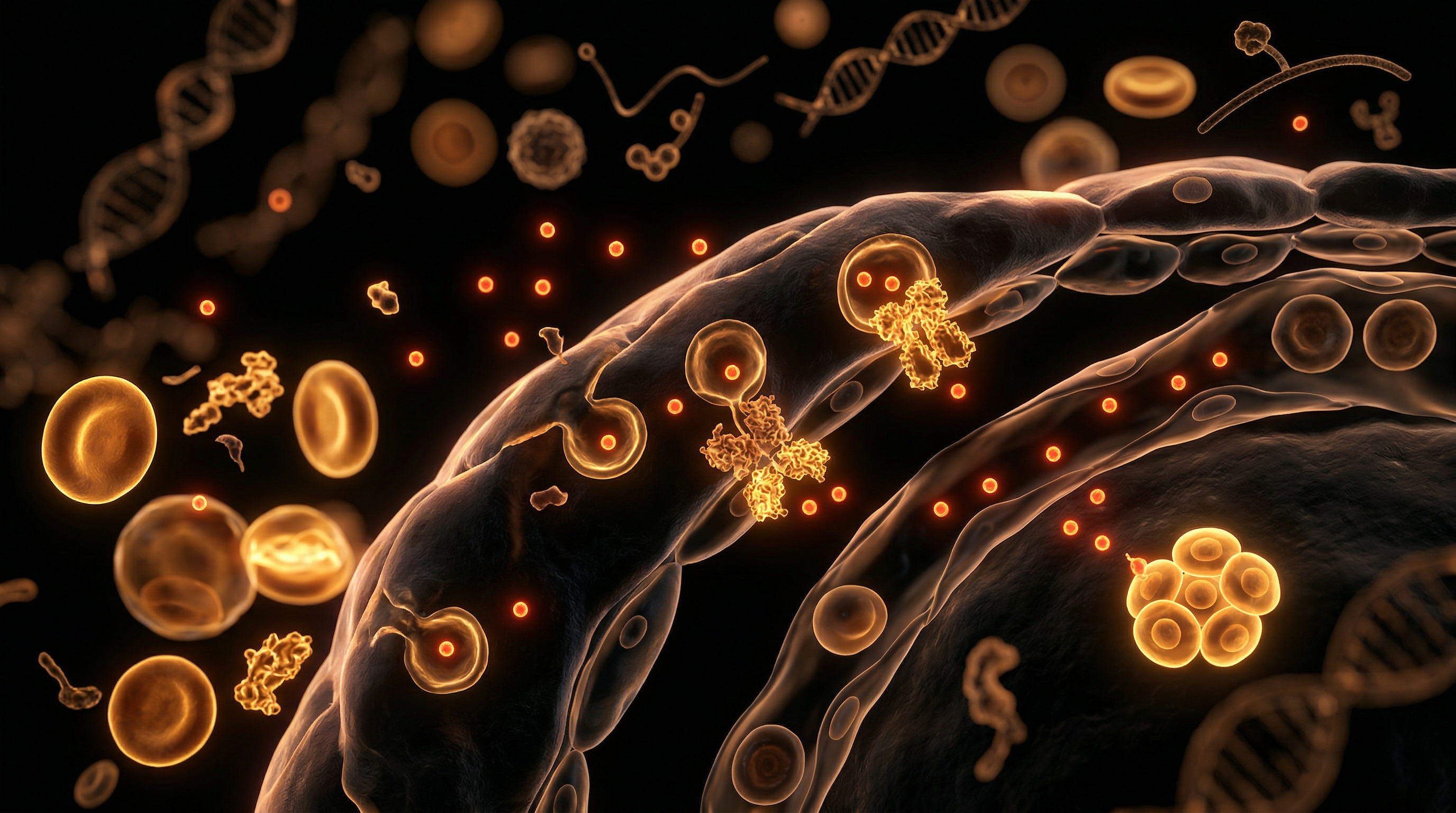
For decades, the medical community operated under a comforting, albeit flawed, assumption: that the human placenta served as an impenetrable fortress. It was viewed as an evolutionary masterpiece, a sophisticated gatekeeper designed to filter out toxins, pathogens, and environmental pollutants, ensuring that the developing foetus remained in a pristine, protected environment. However, the dawn of the Anthropocene has brought with it a silent, microscopic invader that the human body has had no time to adapt to. We are now confronting the reality of placental translocation—the process by which synthetic polymers, specifically nanoplastics and microplastics, breach this sacred barrier.
Research spearheaded by pioneers in the field has confirmed a harrowing truth: the placenta is no longer a shield, but a sieve. The presence of microplastics in human placental tissue, first documented in the groundbreaking 2020 study Plasticenta, has sent shockwaves through the corridors of developmental biology. These particles, often smaller than a human cell, are not merely inert voyagers; they are chemically active vectors that carry a cocktail of endocrine-disrupting chemicals (EDCs), heavy metals, and persistent organic pollutants.
As a senior researcher at INNERSTANDING, it is my duty to look beyond the sanitised press releases of the petrochemical industry. We are witnessing a fundamental shift in the biological trajectory of the human species. The internal threat to foetal development is no longer a hypothetical scenario—it is a pervasive reality. This article delves into the granular mechanics of how these plastic invaders infiltrate the womb, the catastrophic cellular cascades they trigger, and the systemic failures of public health institutions to address this existential threat to our offspring.
Fact: A 2020 study published in Environment International was the first to detect microplastics in all portions of the human placenta: the maternal side, the foetal side, and the chorioamniotic membranes.
The Biology — How It Works
To understand the gravity of placental translocation, one must first appreciate the staggering complexity of the maternal-foetal interface. The placenta is a transient organ, unique in its ability to perform the functions of the lungs, kidneys, liver, and endocrine system for the developing foetus. Its primary functional unit is the chorionic villus, a finger-like projection that bathes in maternal blood to facilitate the exchange of oxygen and nutrients.
The barrier itself is composed of several layers, the most critical being the syncytiotrophoblast. This is a continuous, multinucleated layer of cells that forms the primary interface between the maternal blood and the foetal circulation. Under normal physiological conditions, the syncytiotrophoblast utilizes a variety of transport mechanisms—such as passive diffusion, facilitated diffusion, and active transport—to meticulously select what enters the foetal bloodstream.
The Breach of the Syncytiotrophoblast
The invasion of nanoplastics (NPs)—defined as particles smaller than 1,000 nanometres—defies these traditional transport protocols. Because of their incredibly small size and high surface-area-to-volume ratio, NPs exhibit unique physical and chemical properties that allow them to "trick" the placental cells. They do not wait for an invitation; they exploit the very mechanisms intended for nutrient uptake.
Size Matters: The 100nm Threshold
While larger microplastics (MPs) may become lodged in the placental tissue, causing localised inflammation, it is the nanoplastics—specifically those under 100 nanometres—that pose the greatest risk for translocation. At this scale, particles can move via paracellular pathways (slipping between cells) or be engulfed by the cell membrane through endocytosis. Once inside the syncytiotrophoblast, these particles can be shunted into the foetal capillaries, providing them with a direct route to the developing foetal organs, including the brain, liver, and heart.
- Syncytiotrophoblast: The outer layer of the foetal tissue that directly contacts maternal blood.
- Foetal Capillaries: The vessels that transport nutrients (and now, plastics) directly to the foetus.
- Intervillous Space: The area filled with maternal blood where the "exchange" occurs.
Mechanisms at the Cellular Level
At the molecular level, the translocation of plastics is a masterclass in biological subversion. When a nanoplastic particle enters the maternal bloodstream, it does not remain "naked." It immediately begins to adsorb proteins, lipids, and other biomolecules from the plasma, forming what is known as a protein corona.
The Protein Corona: A Molecular Trojan Horse
The protein corona is perhaps the most insidious aspect of nanoplastic translocation. By coating themselves in maternal proteins, these plastic particles acquire a biological "identity." The placental cells no longer recognise the particle as a foreign synthetic object; instead, they see a familiar protein. This allows the particle to bind to specific receptors on the trophoblast surface, triggering receptor-mediated endocytosis. The cell effectively "swallows" the plastic, believing it is a vital nutrient like LDL cholesterol or iron-bound transferrin.
Oxidative Stress and Mitochondrial Dysfunction
Once inside the placental cells, the presence of these non-biodegradable particles triggers an immediate immune response. The cell's "powerhouses," the mitochondria, are particularly sensitive to these invaders. Nanoplastics have been shown to disrupt the electron transport chain, leading to the overproduction of Reactive Oxygen Species (ROS).
This state of oxidative stress is devastating for foetal development. It damages cellular DNA, lipids, and proteins. If the placenta is under oxidative stress, its ability to transport essential nutrients like amino acids and glucose is compromised. This results in a "starved" foetus, even if the mother's caloric intake is adequate.
Endocrine Mimicry
Most plastics are not just polymers; they are mixtures of additives. Phthalates, Bisphenol A (BPA), and alkylphenols are frequently leached from the particles once they are embedded in the acidic environment of the cellular lysosomes. These chemicals are potent xenoestrogens. They bind to hormone receptors in the placenta, altering the production of critical pregnancy hormones like hCG (human chorionic gonadotropin) and progesterone. This hormonal disruption can lead to premature birth or "programmed" metabolic disorders later in the child's life.
Statistic: Research indicates that nanoplastics can reduce the viability of human placental cells by up to 20% within 48 hours of exposure at concentrations currently found in urban environments.
Environmental Threats and Biological Disruptors
The source of this placental invasion is our total immersion in a plastic-saturated world. We are no longer merely using plastic; we are breathing, eating, and drinking it. The environmental threats are multifaceted, originating from the breakdown of larger plastic waste (secondary microplastics) and the intentional manufacture of nanoparticles for industrial use (primary microplastics).
The Inhalation Pathway
While much focus has been placed on ingestion, the inhalation pathway is arguably more dangerous for placental health. When we inhale nanoplastics from synthetic carpets, car tyres (the single largest source of microplastics in many UK urban areas), and clothing, they bypass the digestive system's first-pass metabolism. These particles travel deep into the alveoli of the lungs, where they enter the systemic circulation directly. From the lungs, it is a short journey to the uterine arteries and the placenta.
The "Plastisphere" and Biofilms
Microplastics in the environment serve as "islands" for pathogenic bacteria and viruses, a phenomenon known as the plastisphere. When these particles are ingested or inhaled, they may carry harmful microbes directly into the maternal body. Furthermore, the porous nature of plastics allows them to absorb Persistent Organic Pollutants (POPs) like PCBs and DDT from the environment, concentrating these toxins and delivering them in high doses to the foetal environment.
- Tyre Wear Particles: A major source of airborne microplastics, containing toxic antioxidants like 6PPD-quinone.
- Synthetic Textiles: Fleece and polyester garments shed millions of microfibres per wash, many of which become airborne.
- Personal Care Products: "Glitter" and microbeads in cosmetics, though partially banned, still persist in the environment.
The Role of Food Packaging
The mainstream narrative often overlooks the impact of "food-grade" plastics. The heat-sealing of plastic containers and the use of plastic-lined tea bags release billions of particles directly into the food chain. For a pregnant woman, a single meal heated in a plastic tray can result in the ingestion of millions of nanoplastic particles, which are then primed for translocation.
The Cascade: From Exposure to Disease
The translocation of plastics is not a static event; it initiates a pathological cascade that can resonate throughout the individual's entire lifespan. This is the essence of the Developmental Origins of Health and Disease (DOHaD) hypothesis: the environment of the womb determines the health of the adult.
Intrauterine Growth Restriction (IUGR)
One of the most immediate consequences of placental microplastic accumulation is Intrauterine Growth Restriction (IUGR). By causing inflammation in the placental villi, plastics reduce the surface area available for nutrient exchange. This "mechanical" blockage, combined with the chemical disruption of nutrient transporters, leads to babies being born small for their gestational age. IUGR is a known risk factor for cardiovascular disease, Type 2 diabetes, and hypertension in adulthood.
Neurodevelopmental Impacts
Perhaps the most concerning aspect of placental translocation is the potential for these particles to cross the foetal blood-brain barrier. Unlike the adult blood-brain barrier, the foetal version is highly permeable during early development. Nanoplastics have been detected in the brains of foetal animal models, where they trigger neuroinflammation and interfere with synaptogenesis (the formation of connections between neurons).
There is an emerging and disturbing correlation between maternal plastic exposure and the rising rates of neurodevelopmental conditions such as Autism Spectrum Disorder (ASD) and ADHD. By disrupting the delicate balance of neurotransmitters and triggering an immune response in the developing brain, nanoplastics may be "hard-wiring" the foetal nervous system for dysfunction.
Epigenetic Reprogramming
Nanoplastics don't just damage cells; they change how genes are expressed. Through a process called DNA methylation, the oxidative stress caused by plastics can "silence" certain genes or activate others that should remain dormant. These epigenetic changes can be heritable, meaning the plastic exposure of a mother today could potentially affect the health of her grandchildren.
Callout: "We are effectively conducting a global, uncontrolled experiment on the next generation of human beings, with no 'control group' left on Earth." — Dr. Aris Tsatsakis, Toxicologist.
What the Mainstream Narrative Omits
In the hallowed halls of INNERSTANDING, we must address why this crisis is not front-page news. The mainstream narrative, heavily influenced by the petrochemical and plastic lobbies, frequently employs a strategy of "calculated uncertainty." They argue that while microplastics are present, there is "no definitive proof" of human harm. This is a classic diversionary tactic used by the tobacco and lead industries in decades past.
The Fallacy of the "Dose-Response" Relationship
Traditional toxicology relies on the "the dose makes the poison" principle. However, nanoplastics defy this. They exhibit non-monotonic dose-response curves, meaning that even extremely low concentrations—levels currently deemed "safe" by regulatory bodies—can cause significant biological disruption because they act as endocrine disruptors. Regulatory agencies like the EFSA (European Food Safety Authority) and the FDA continue to use outdated testing protocols that are incapable of detecting or measuring the effects of nanoplastics at the cellular level.
The Synergy of Toxins
Mainstream science rarely looks at the synergistic effects of the "chemical soup" we live in. A nanoplastic particle is never just plastic; it is a vehicle for heavy metals, pesticides, and flame retardants. While each individual component might be below the "legal limit," their combined effect on the foetal endocrine system is catastrophic. This is the Cocktail Effect, and it is systematically ignored in risk assessments.
Economic Interests vs. Public Health
The global plastics industry is valued at over $600 billion. Transitioning away from plastic packaging and synthetic textiles would require a total overhaul of the global supply chain. It is far more profitable for corporations to fund "further research" that lasts for decades than to accept the precautionary principle and enact immediate bans on the most harmful polymers.
The UK Context
In the United Kingdom, the situation is particularly acute. As an island nation with a high population density and an ageing sewage infrastructure, our waterways are some of the most plastic-polluted in Europe.
The State of British Rivers
Recent studies by the University of Manchester found that parts of the River Mersey and the River Tame contain some of the highest levels of microplastics ever recorded globally. This is not merely an environmental tragedy; it is a public health crisis. These plastics enter our tap water systems, as most UK water treatment plants are not equipped to filter out particles in the nano-range.
The NHS and the Lack of Guidance
The National Health Service (NHS) currently provides no specific guidance for pregnant women regarding microplastic exposure. While advice is given on avoiding unpasteurised cheese or limitng tuna consumption due to mercury, the pervasive threat of plastic-packaged food and synthetic environments is entirely absent from maternal health literature.
UK Research Leadership
On a positive note, the UK is home to some of the world's leading researchers on this topic. The University of Hull and Hull York Medical School were instrumental in identifying microplastics in live human lung tissue and blood. However, there is a significant disconnect between this cutting-edge research and the policy decisions being made in Westminster. The UK's "Plastic Packaging Tax" is a fiscal measure, not a health one, and does nothing to address the issue of nanoplastic translocation in the womb.
- The River Thames: Estimates suggest that over 90,000 plastic particles flow through certain sections of the Thames every second.
- UK Tap Water: Studies have shown that microplastics are present in 72% of tap water samples in the UK.
Protective Measures and Recovery Protocols
Given the ubiquity of plastics, total avoidance is impossible. However, as a senior researcher, I advocate for a "stratified mitigation" strategy. We must reduce the "body burden" of plastics through conscious lifestyle changes and support the body's natural detoxification pathways.
Dietary Intervention and Storage
The most immediate change a pregnant woman (or anyone concerned with reproductive health) can make is the total elimination of plastic from the kitchen.
- Glass and Stainless Steel: Replace all plastic food containers with glass, stainless steel, or ceramic. Never, under any circumstances, microwave food in plastic.
- Filtration: Use a high-quality Reverse Osmosis (RO) water filtration system. Standard charcoal filters (like Brita) are insufficient for removing nanoplastics.
- Whole Foods: Minimise the consumption of "ultra-processed" foods, which undergo extensive contact with plastic machinery and packaging.
Air Quality and Textiles
Since inhalation is a major pathway, indoor air quality must be addressed.
- HEPA Filtration: Use air purifiers equipped with HEPA 13 or 14 filters, which can capture particles down to the 0.1-micron range.
- Natural Fibres: Phase out synthetic clothing (polyester, nylon, acrylic) in favour of organic cotton, wool, hemp, and silk. This is especially critical for bedding and baby clothes.
- Dust Management: Regularly damp-mop and vacuum with a HEPA-rated vacuum cleaner to remove plastic-laden household dust.
Biological Support: Enhancing Detoxification
While the body cannot "digest" plastic, it can be supported in managing the oxidative stress and chemical load they bring.
- Glutathione Support: Glutathione is the body’s master antioxidant. N-acetyl cysteine (NAC) and selenium are precursors that help maintain glutathione levels, potentially mitigating the oxidative damage to the placenta.
- Sulforaphane: Found in broccoli sprouts, sulforaphane has been shown to upregulate Phase II detoxification enzymes, helping the liver process the xenoestrogens leached from plastics.
- Sweating: For non-pregnant individuals, regular use of infrared saunas can help excrete certain plastic additives like phthalates and BPA through the skin. (Note: Saunas are generally discouraged during pregnancy due to core temperature concerns).
Important: "The goal is not to achieve 'zero' exposure, which is currently impossible, but to reduce the 'Total Toxic Load' to a level where the body's innate repair mechanisms can function."
Summary: Key Takeaways
The phenomenon of placental translocation represents one of the most significant challenges to human developmental biology in the modern era. We must move beyond the "out of sight, out of mind" mentality and recognise that our synthetic convenience is being paid for with the health of future generations.
- Placental Permeability: The placenta is not a perfect barrier; nanoplastics under 100nm can transit from maternal to foetal blood via endocytosis and paracellular pathways.
- The Trojan Horse Effect: Plastics carry a payload of endocrine disruptors and heavy metals that are released directly into foetal tissues.
- Oxidative Stress: The primary mechanism of damage is the induction of oxidative stress in the placenta, leading to nutrient deficiencies and growth restriction.
- Neurodevelopmental Risk: Evidence suggests nanoplastics can cross the foetal blood-brain barrier, potentially contributing to the rise in ASD and ADHD.
- Regulatory Failure: Current safety standards are based on outdated toxicology and fail to account for the unique properties of nanoparticles and the "cocktail effect."
- Mitigation is Possible: By switching to glass, using Reverse Osmosis filtration, and prioritising natural fibres, individuals can significantly reduce their internal plastic burden.
The silent invasion of the womb by synthetic polymers is a call to action. It requires a fundamental re-evaluation of our relationship with plastic and a demand for rigorous, independent scientific oversight. At INNERSTANDING, we remain committed to exposing these internal threats and providing the knowledge necessary to protect the sanctity of human development. The future of our species depends on our ability to reclaim the purity of the womb.
This article is provided for informational and educational purposes only. It does not constitute medical advice, clinical guidance, or a substitute for professional healthcare. Information reflects cited research at time of publication. Always consult a qualified healthcare professional before acting on any health information.
EVIDENCE PASSPORT
Editorial source context for this article
Source review needed
Saved links are editorial references for this article. They may support specific claims rather than every sentence. Open and assess each source in context. This passport does not independently verify them.
Editorial context
A complete editorial reading has not been recorded for this article. Source links remain available for you to open and assess directly.
Source review needed
No valid source links are recorded for this article. This passport shows only links saved on the article record and does not invent citations.
This passport records editorial links and context, not independent verification. Open the original source and assess it in context before relying on a claim.
Medical Disclaimer
The information in this article is for educational purposes only and does not constitute medical advice, diagnosis, or treatment. Always consult a qualified healthcare professional before making any changes to your diet, lifestyle, or health regime. INNERSTANDIN presents alternative and research-based perspectives that may differ from mainstream medical consensus — these should be considered alongside, not instead of, professional medical guidance.
Read Full DisclaimerContinue the thread
Keep this question moving.
Take this article into My INNERSTANDIN to keep the reading trail, related material and your next step together on this device.
Dig deeper in the Library
Free, longform PDF volumes that go beyond headlines into mechanisms and references.