
Air Pollution and the Placenta: Microparticulate Transfer Risks
Updated May 2026
Fine particulate matter from UK air pollution can cross the placental barrier and reach fetal tissues. This exposure is associated with intrauterine growth restriction and systemic fetal inflammation.
Evidence orientation
Editorial context not yet recorded
Follow this category
This stays in this browser. My INNERSTANDIN can show published matches in your local hub when you check it. It does not send email, push, or alert notifications.
Local learning review
A private browser aid for revisiting ideas. It is not an alert or a health recommendation.
Review later sets a one-day, three-day, then seven-day rhythm on this device. Choose it only when you want to revisit this article.
Overview
For decades, the medical establishment operated under the comforting illusion that the placenta was an impenetrable fortress. It was conceptualised as a sophisticated biological filter, a "black box" that allowed essential nutrients and oxygen to pass through to the developing foetus while ruthlessly sequestering toxins and pathogens. However, the dawn of the 21st century has shattered this paradigm. As a senior biological researcher for INNERSTANDING, I have observed the mounting evidence that our industrialised atmosphere has breached the most sacred biological boundary in human existence.
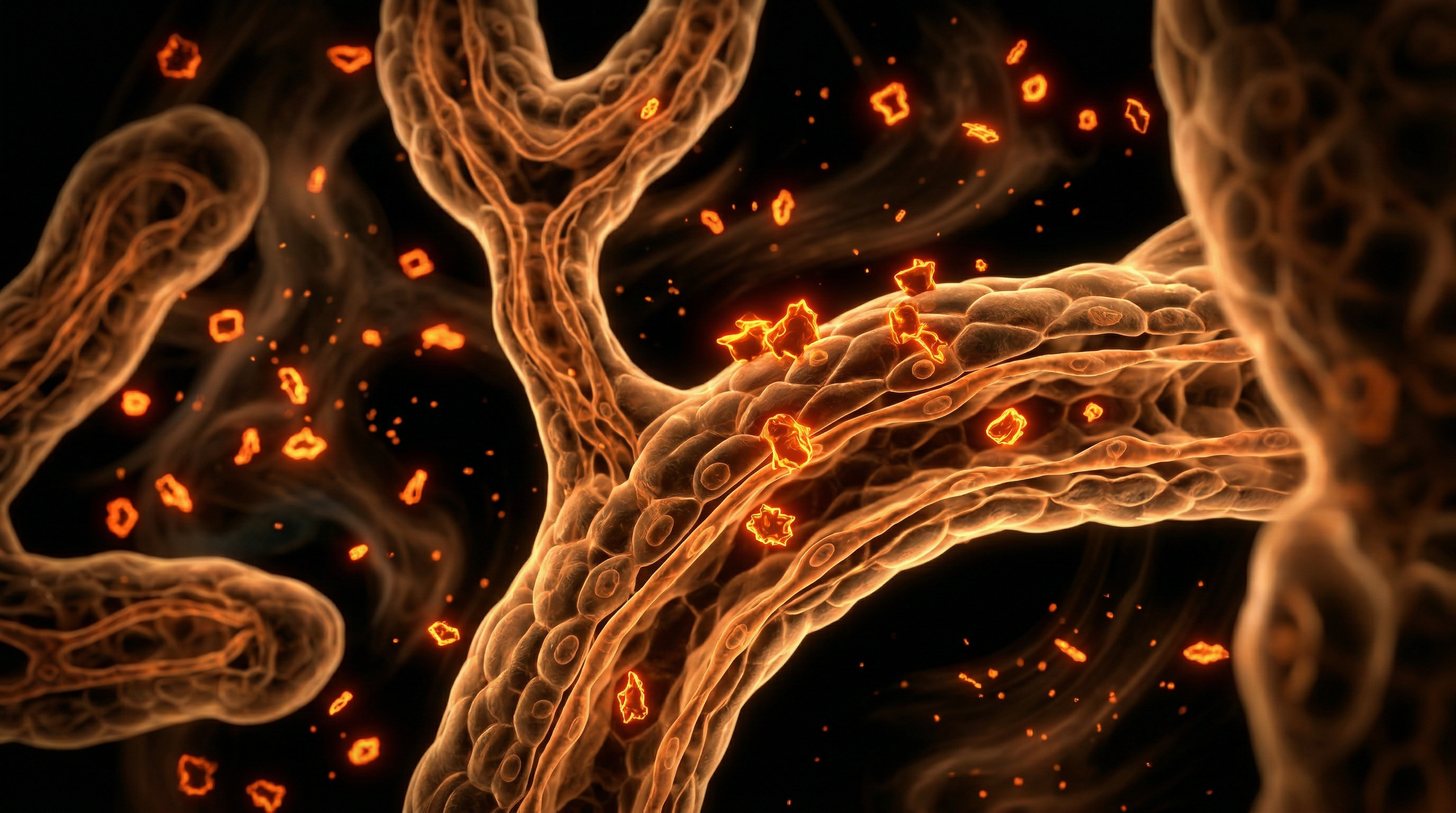
The air we breathe—specifically in the congested urban corridors of the United Kingdom—is no longer merely a mixture of nitrogen, oxygen, and trace gases. It is a suspension of carbonaceous soot, heavy metals, and polycyclic aromatic hydrocarbons (PAHs). We now know that fine particulate matter (PM2.5) and even smaller ultrafine particles (UFP/PM0.1) do not simply settle in the maternal lungs. They enter the systemic circulation, navigate the complex vasculature of the gravid uterus, and infiltrate the placental matrix.
Stat: Recent landmark studies have identified black carbon particles on the foetal side of the placenta in 100% of samples tested in urban environments, confirming that the "placental barrier" is porous to nanoscopic industrial waste.
This is not merely an environmental issue; it is a crisis of perinatal health and birth trauma. When we speak of "birth trauma," we often focus on the mechanical or psychological events of delivery. Yet, the biological trauma begins months earlier, as the foetus is subjected to a constant barrage of particulate matter that triggers systemic inflammation, restricts growth, and potentially alters the epigenetic trajectory of the child before they take their first breath.
The Biology — How It Works
To understand how air pollution compromises the foetus, we must first examine the architecture of the hemochorial placenta. In humans, the maternal blood comes into direct contact with the foetal tissue, specifically the syncytiotrophoblast. This is a continuous, multinucleated layer that forms the primary interface for gas and nutrient exchange.
The Maternal-Foetal Interface
The placenta is an ephemeral organ, yet it is the most complex one in the human body. It functions as the foetus's lungs, kidneys, liver, and immune system. The transfer of substances across this interface occurs via several mechanisms:
- Passive Diffusion: How oxygen and carbon dioxide move.
- Facilitated Diffusion: Utilising carrier proteins for glucose.
- Active Transport: Moving amino acids against a concentration gradient.
- Endocytosis/Exocytosis: The process by which the cell membrane "envelops" a particle to bring it inside.
The Breach of the Barrier
Microparticulates, particularly black carbon (soot) and magnetite nanoparticles, exploit these pathways. Because these particles are often smaller than 100 nanometres, they behave less like solid objects and more like large molecules. They can be internalised by the syncytiotrophoblast through endocytosis. Once inside the placental cells, these particles can be sequestered, causing local damage, or they can be "shunted" through to the foetal capillary system.
The "leakiness" of the placenta is exacerbated by the very pollution it tries to exclude. Chronic exposure to PM2.5 induces the release of pro-inflammatory cytokines (such as TNF-alpha and IL-6) in the maternal lungs. These cytokines circulate systemically, increasing the permeability of the placental barrier and making it even easier for particulates to cross into the foetal compartment.
Mechanisms at the Cellular Level
The damage inflicted by air pollution on the placenta is not merely mechanical; it is deeply biochemical and molecular. When we look at placental tissue under high-resolution electron microscopy, we see the physical presence of soot, but the "silent" damage is occurring within the organelles.
Oxidative Stress and the Nrf2 Pathway
The primary mechanism of injury is oxidative stress. Particulate matter, especially those carrying heavy metals like lead or cadmium, generates Reactive Oxygen Species (ROS).
- Mitochondrial Dysfunction: The "powerhouses" of the placental cells are highly sensitive to ROS. Particulates can lodge within the mitochondria, disrupting the electron transport chain and reducing the energy available for foetal growth.
- Protein Carbonylation: ROS cause the breakdown of essential proteins within the placental villi, leading to structural degradation of the organ.
Epigenetic Alterations
Perhaps most concerning is the impact on the foetal epigenome. Air pollution exposure is associated with changes in DNA methylation.
- Particulates can influence the "switches" that turn genes on or off during critical windows of development.
- This is often seen in genes related to growth factors (like IGF-1) and immune response.
- These changes are "remembered" by the foetal cells, potentially pre-disposing the child to metabolic disorders, asthma, and neurodevelopmental issues later in life.
The NLRP3 Inflammasome
The placenta possesses its own innate immune sensing system. When particulates accumulate in the placental tissue, they can activate the NLRP3 inflammasome. This is a protein complex that, when triggered, releases highly inflammatory signals. This creates a state of chronic villitis—an inflammation of the placental villi that restricts the flow of nutrients and oxygen, even if the mother’s blood pressure and health seem otherwise normal.
Environmental Threats and Biological Disruptors
The atmosphere of the modern UK is a chemical soup, and not all pollutants are created equal. In the context of the placenta, we must focus on the most "clandestine" disruptors.
Black Carbon (BC)
Black carbon is a primary component of fine particulate matter, produced by the incomplete combustion of fossil fuels, particularly diesel. It is chemically inert but biologically aggressive. BC particles act as "Trojan horses," carrying other toxic chemicals (like PAHs) on their surface directly into the foetal circulation.
Polycyclic Aromatic Hydrocarbons (PAHs)
PAHs are organic compounds found in coal, oil, and petrol. They are lipophilic, meaning they dissolve easily in fats.
- The placenta is rich in lipids, making it a "sink" for PAHs.
- PAHs are known endocrine disruptors. They can mimic or interfere with the hormones (like oestrogen and progesterone) that are vital for maintaining a healthy pregnancy.
Magnetite and Heavy Metals
In urban environments near railways and heavy traffic, the air is thick with magnetite (iron oxide) particles from brake wear and rail friction. These particles are magnetic and can cross the blood-brain barrier and the placental barrier.
- Lead (Pb) and Cadmium (Cd): Often found attached to PM2.5, these metals are directly neurotoxic to the developing foetus and can cause premature calcification of the placenta.
Critical Fact: The concentration of pollutants in the placenta can often exceed the concentration in the mother's own blood, as the organ "traps" these toxins in an attempt to protect the foetus, eventually becoming saturated and failing.
The Cascade: From Exposure to Disease
The journey from a mother inhaling a puff of diesel exhaust to a clinical diagnosis in the neonate is a biological cascade of catastrophic events. This process is rarely instantaneous; it is a "slow-motion" trauma that unfolds over 40 weeks.
1. Inhalation and Translocation
The mother inhales PM2.5. These particles bypass the cilia and mucus of the upper respiratory tract, reaching the deep alveoli. From there, they cross into the bloodstream.
2. Systemic Inflammation
The maternal body perceives these particles as a systemic threat. The liver increases production of C-reactive protein (CRP), and the blood becomes more viscous. This increased viscosity reduces the efficiency of the uterine artery blood flow.
3. Placental Insufficiency and IUGR
As the placenta becomes bogged down with particulates and inflamed, it can no longer support the rapid growth phase of the third trimester. This leads to Intrauterine Growth Restriction (IUGR).
- Babies born in high-pollution areas of the UK (such as inner-city London or Manchester) consistently show lower birth weights—often 20g to 50g less per unit of pollution increase.
4. Systemic Foetal Inflammation
The most terrifying stage of the cascade is when the particulates reach the foetal liver and brain. The foetus begins to mount its own inflammatory response.
- This "in utero" inflammation is linked to Preterm Birth (PTB).
- The inflammation triggers the "foetal inflammatory response syndrome" (FIRS), which can lead to premature rupture of membranes and early labour.
5. Developmental Programming
The cascade doesn't end at birth. The "trauma" of this exposure programs the foetus's immune system to be hyper-reactive. This is the root cause of the modern epidemic of childhood allergies, eczema, and reactive airway disease.
What the Mainstream Narrative Omits
As a researcher for INNERSTANDING, it is my duty to highlight the gaps between established science and public health messaging. The mainstream narrative often treats air pollution as a general "lifestyle" risk, similar to poor diet. This is a gross oversimplification that masks deeper, more systemic truths.
The "Safe Limit" Fallacy
Regulatory bodies like the WHO and the UK government set "safe limits" for PM2.5 (currently 10µg/m³ or 20µg/m³ depending on the guideline).
- The Suppressed Truth: There is no "safe" level of particulate matter for a developing embryo. Studies show that even at levels well below legal limits, placental DNA methylation is altered. The threshold for foetal damage is far lower than the threshold for adult respiratory irritation.
The Synergistic Effect of Pollutants
Mainstream toxicology usually tests one chemical at a time. In the real world, a pregnant woman in a UK city is breathing a cocktail of PM2.5, NO2, microplastics, and noise pollution.
- These factors are synergistic, meaning the total damage is greater than the sum of its parts. Noise pollution, for instance, increases maternal cortisol, which further compromises placental blood flow, making the organ more vulnerable to chemical particulates.
Corporate and Structural Negligence
The narrative often focuses on "personal responsibility"—advising pregnant women to "avoid busy roads." This ignores the reality of environmental racism and classism. Low-income families often live near major arterial roads and "Red Routes" in the UK where pollution is highest.
- The failure to regulate diesel emissions and the slow rollout of clean air zones is a direct contributor to birth trauma, yet the burden of "protection" is placed entirely on the mother.
The Lack of Routine Placental Screening
Despite the known risks, the NHS does not routinely screen placentas for particulate accumulation or oxidative stress markers post-birth. This means the "evidence" is often incinerated as medical waste, preventing parents from understanding the environmental factors that may have contributed to a "difficult" birth or a low-birth-weight baby.
The UK Context
The United Kingdom presents a unique and troubling landscape for air pollution and perinatal health. Our industrial heritage, combined with high population density and a reliance on diesel vehicles, has created "hotspots" of placental risk.
The Legacy of "Clean Air"
Since the Great Smog of 1952, the UK has made strides in reducing visible "soot." However, the modern threat is invisible. The shift toward diesel engines in the 1990s and 2000s—ironically incentivised for "lower CO2"—led to an explosion in PM2.5 and Nitrogen Dioxide (NO2).
The Ella Adoo-Kissi-Debrah Landmark
The 2020 landmark ruling in the case of Ella Adoo-Kissi-Debrah was the first time in UK history that air pollution was listed as a cause of death. While Ella was nine when she died, her case highlighted the "cumulative" nature of exposure that begins in the womb. This case opened the floodgates for understanding that legal limits are insufficient for protecting children.
Urban Corridors and "Canyon Effects"
In cities like London, Birmingham, and Glasgow, tall buildings create "urban canyons" that trap particulates at ground level—exactly the height where pregnant women and strollers are situated.
- Research from Queen Mary University of London found that even women living in "leafy" suburbs are not immune, as ultrafine particles travel miles from their source and penetrate deep indoors.
The "Post-Industrial" North
In the North of England, the combination of older housing stock (which lacks modern air filtration) and proximity to remaining industrial hubs creates a "double burden" for pregnant women. The socio-economic disparity in birth outcomes in the UK is inextricably linked to the air quality of these regions.
Protective Measures and Recovery Protocols
While the systemic issues require political and industrial overhaul, biological researchers are identifying ways to mitigate the transfer of particulates and support placental "recovery."
Immediate Environmental Control
- HEPA and PECO Filtration: Expectant mothers should utilise high-efficiency particulate air (HEPA) filters in the bedroom. These can capture particles down to 0.1 microns, significantly reducing the "maternal load" of PM2.5.
- Route Planning: Avoiding "Red Routes" and heavy traffic during peak hours is not just a suggestion; it is a biological necessity. Walking just 50 metres away from a main road can reduce particulate exposure by up to 50%.
Nutritional and Biological Shielding
While we cannot "detox" the placenta in the traditional sense, we can bolster its antioxidant capacity.
- Sulforaphane (Broccoli Seed Extract): This compound is a potent inducer of the Nrf2 pathway, which helps the body neutralise ROS. Some studies suggest it can help protect placental cells from diesel exhaust particles.
- N-Acetylcysteine (NAC): A precursor to glutathione, the body's master antioxidant. NAC has been shown in animal models to mitigate the growth-restricting effects of air pollution.
- Vitamin D3: Adequate Vitamin D levels are crucial for maintaining the integrity of the placental barrier and regulating the immune response.
Post-Birth Recovery
For infants born in high-pollution environments, the "recovery" begins with supporting the innate detoxification systems.
- Breastfeeding: While some pollutants can enter breast milk, the immunological benefits and the provision of specialized fats for brain development (DHA/EPA) far outweigh the risks. Breast milk provides the "raw materials" the infant needs to repair the systemic inflammation triggered in utero.
- Placental Examination: I advocate for parents to request a "gross and histopathological examination" of the placenta, especially if the birth involved IUGR or unexplained distress. Understanding the state of the organ provides a roadmap for the child’s future health needs.
Summary: Key Takeaways
The infiltration of our air by industrial microparticulates is a direct assault on the foundational stage of human life. As we have explored, the placenta is not a wall, but a filter that is currently being overwhelmed by the sheer volume of modern pollution.
- Particulate Transfer is Real: Black carbon and magnetite particles have been proven to cross the placental barrier and reach the foetal circulation.
- Mechanisms of Damage: The primary drivers of foetal harm are oxidative stress, mitochondrial dysfunction, and epigenetic reprogramming.
- Systemic Failure: The "cascade" of inflammation begins in the maternal lungs and ends in the foetal brain and liver, leading to IUGR, preterm birth, and long-term health issues.
- The Threshold Myth: Legal "safe limits" for air pollution do not apply to the delicate environment of the womb; there is no safe level of PM2.5 for a developing foetus.
- Action is Required: In the UK context, we must move beyond personal responsibility and demand structural changes to air quality, while simultaneously using biological shielding (antioxidants and filtration) to protect the next generation.
Final Thought: The placenta is the only organ that is shared by two human beings. When we pollute our air, we are not just affecting the "public"—we are directly intervening in the biological development of every child born into that environment. It is time we treat air quality as the fundamental perinatal health issue that it is.
Author: Senior Biological Researcher & Science Writer, INNERSTANDING Date: May 2024 Subject: Environmental Neonatology & Placental Integrity
This article is provided for informational and educational purposes only. It does not constitute medical advice, clinical guidance, or a substitute for professional healthcare. Information reflects cited research at time of publication. Always consult a qualified healthcare professional before acting on any health information.
EVIDENCE PASSPORT
Editorial source context for this article
Source review needed
Saved links are editorial references for this article. They may support specific claims rather than every sentence. Open and assess each source in context. This passport does not independently verify them.
Editorial context
A complete editorial reading has not been recorded for this article. Source links remain available for you to open and assess directly.
Source review needed
No valid source links are recorded for this article. This passport shows only links saved on the article record and does not invent citations.
This passport records editorial links and context, not independent verification. Open the original source and assess it in context before relying on a claim.
Medical Disclaimer
The information in this article is for educational purposes only and does not constitute medical advice, diagnosis, or treatment. Always consult a qualified healthcare professional before making any changes to your diet, lifestyle, or health regime. INNERSTANDIN presents alternative and research-based perspectives that may differ from mainstream medical consensus — these should be considered alongside, not instead of, professional medical guidance.
Read Full DisclaimerContinue the thread
Keep this question moving.
Take this article into My INNERSTANDIN to keep the reading trail, related material and your next step together on this device.
Dig deeper in the Library
Free, longform PDF volumes that go beyond headlines into mechanisms and references.