
Microbiome Dysbiosis: Impact on Gut Flora Integrity
Updated May 2026
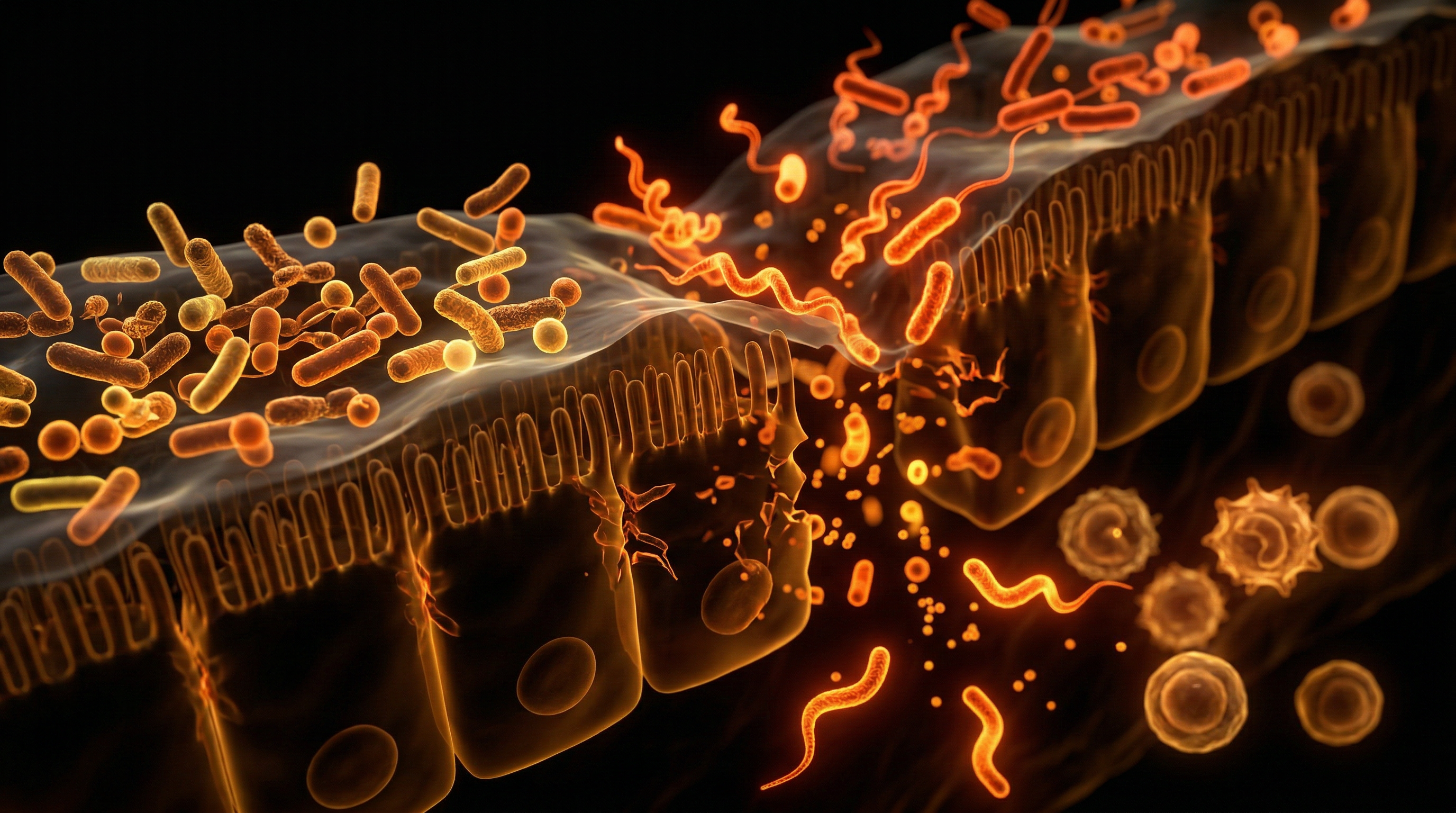
Ingested microplastics can alter the composition of the human gut microbiome, favoring pathogenic bacteria over beneficial strains. This disruption can lead to chronic digestive issues and weakened immune responses.
Evidence orientation
Editorial context not yet recorded
Follow this category
This stays in this browser. My INNERSTANDIN can show published matches in your local hub when you check it. It does not send email, push, or alert notifications.
Local learning review
A private browser aid for revisiting ideas. It is not an alert or a health recommendation.
Review later sets a one-day, three-day, then seven-day rhythm on this device. Choose it only when you want to revisit this article.
Overview
We are currently existing within a geological epoch that future historians—if they survive the physiological toll of our era—will likely term the 'Plasticene'. While the macroscopic visibility of plastic pollution in our oceans and landscapes is well-documented, a far more insidious invasion is occurring at the microscopic and nanoscopic scales. This is not merely an environmental crisis; it is a biological siege. As a senior researcher for INNERSTANDING, my objective is to dissect the clandestine mechanisms by which microplastics (MPs) and nanoplastics (NPs) are dismantling the most fundamental pillar of human health: the gut microbiome.
The human gut is an intricate, co-evolved ecosystem of trillions of microorganisms. This "inner garden" regulates our metabolism, synthesises essential vitamins, and serves as the primary training ground for our immune system. However, the ubiquitous infiltration of plastic particles—now found in our drinking water, our food chain, and the very air we breathe—is inducing a state of chronic microbiome dysbiosis. This is not a subtle shift; it is a radical alteration of the microbial landscape where beneficial commensal bacteria are suppressed, and opportunistic pathogens are allowed to thrive.
The integrity of the gut flora is the thin line between systemic health and chronic, multi-organ disease. When this integrity is compromised by the physical and chemical presence of plastic polymers, the result is a cascade of inflammation, intestinal permeability (leaky gut), and a systemic immune "confusion" that underpins the modern epidemic of autoimmune and metabolic disorders. This article explores the cold, hard science of this disruption, moving beyond the sanitised mainstream warnings to expose the true biological cost of our plastic dependency.
The Biology — How It Works
To understand the impact of microplastics, one must first appreciate the delicate architecture of the intestinal microbiota. In a healthy individual, the gut is dominated by two main phyla: Bacteroidetes and Firmicutes, alongside critical populations of Actinobacteria and Verrucomicrobia (such as the vital Akkermansia muciniphila). These organisms exist in a state of homeostasis, maintaining the mucosal barrier and communicating with the host via the gut-brain axis.
When microplastics—defined as particles smaller than 5mm—and nanoplastics—smaller than 1 micrometer—enter the gastrointestinal tract, they do not simply pass through as inert waste. They interact with the biological milieu in three distinct ways:
- Direct Physical Interaction: The sheer physical presence of sharp-edged or abrasive plastic fragments can mechanically irritate the delicate epithelial lining.
- Chemical Leaching: Plastics are not pure polymers; they are chemical cocktails containing phthalates, Bisphenol A (BPA), and flame retardants. These chemicals leach out directly into the gut lumen, acting as endocrine disruptors that specifically target microbial signalling.
- The 'Plastisphere' Effect: In the environment, plastic particles develop a "biofilm"—a coating of bacteria, viruses, and fungi. When ingested, these particles act as Trojan Horses, introducing foreign, often pathogenic species and antibiotic-resistance genes directly into the core of the human microbiome.
Callout Fact: It is estimated that the average human ingests between 39,000 to 52,000 microplastic particles per year from food and water alone. When including inhalation, this figure exceeds 74,000.
The biological result is Dysbiosis. We see a measurable decline in microbial diversity—the "golden rule" of gut health. Specifically, plastic exposure has been shown to reduce populations of Lactobacillus and Bifidobacterium, which are essential for producing Short-Chain Fatty Acids (SCFAs) like butyrate. Butyrate is the primary fuel for colonocytes (colon cells); without it, the gut wall begins to degrade, leading to the catastrophic breakdown of the intestinal barrier.
Mechanisms at the Cellular Level
At the cellular level, the disruption is even more profound. Nanoplastics (NPs) are particularly dangerous because their size allows them to bypass the body’s traditional filtration systems. They can move through the mucosal layer and be taken up by M-cells (microfold cells) in the Peyer's patches of the small intestine or via paracellular transport between epithelial cells.
Oxidative Stress and the NF-κB Pathway
Once particles settle against the intestinal wall, they trigger the production of Reactive Oxygen Species (ROS). The body perceives these inorganic invaders as pathogens, but unlike biological pathogens, the immune system cannot "kill" a piece of polyethylene. This leads to frustrated phagocytosis. The resulting oxidative stress activates the NF-κB (nuclear factor kappa B) signalling pathway—a master regulator of inflammation. This leads to the secretion of pro-inflammatory cytokines such as TNF-α and IL-6, which further damage the tight junction proteins (like zonulin and occludin) that keep the gut wall sealed.
Disrupting the Glycocalyx
The glycocalyx is a delicate, carbohydrate-rich layer that coats the surface of the intestinal epithelium, acting as a first line of defence. Research indicates that microplastics can chemically bind to and "clog" this layer, preventing the proper absorption of nutrients and interfering with the enzyme systems (such as brush-border disaccharidases) required for digestion.
Horizontal Gene Transfer (HGT)
One of the most alarming cellular mechanisms is the promotion of Horizontal Gene Transfer. Plastic surfaces provide a stable "scaffold" for bacteria to exchange genetic material. In the gut, this allows for the rapid spread of Antibiotic Resistance Genes (ARGs) among the resident flora. Essentially, the presence of microplastics turns your gut into a laboratory for the evolution of "superbugs," rendering traditional medical interventions increasingly useless.
Environmental Threats and Biological Disruptors
The source of this dysbiosis is not a single point of failure, but a systemic saturation. Our environment is now a delivery system for biological disruptors.
- Bottled Water and the Polymer Paradox: Studies have shown that a single litre of bottled water can contain hundreds of thousands of plastic particles, largely shed from the bottle and cap itself. This water, marketed as "pure," is effectively a delivery vehicle for endocrine disruptors.
- Agricultural Soils and Sewage Sludge: In the UK and Europe, treated sewage sludge—often containing high concentrations of microplastics from synthetic clothing fibres washed out in laundry—is used as fertiliser. These plastics are absorbed by root vegetables or remain on the surface of leafy greens, entering the human gut through the very food we consider "healthy."
- The Marine Accumulation: Microplastics act as magnets for Persistent Organic Pollutants (POPs) such as PCBs and DDT, which are still present in the oceans. When we consume seafood, we aren't just ingesting plastic; we are ingesting a concentrated dose of the world’s most toxic legacy chemicals, which then wreak havoc on our gut bacteria.
- Atmospheric Fallout: We are now discovering that microplastics are part of the dust cycle. We inhale these particles, they are trapped in our mucus, swallowed, and subsequently delivered to the gut. There is no "away" in the plastic economy.
Callout Fact: A study by the University of Newcastle, Australia, suggested that the average person could be ingesting approximately 5 grams of plastic every week—the equivalent of a credit card.
The Cascade: From Exposure to Disease
The shift from "asymptomatic ingestion" to "chronic disease" follows a predictable, albeit devastating, cascade. It begins in the gut, but it ends in systemic failure.
Phase 1: The Loss of Resilience
The first stage is the thinning of the protective mucus layer. As plastics suppress Akkermansia, the mucus is not replenished. The host becomes more susceptible to common infections, food sensitivities, and "bloating"—the first sign that the microbial balance has shifted toward gas-producing pathobionts.
Phase 2: Metabolic Endotoxemia
As the intestinal barrier fails (Leaky Gut), components of bacteria—specifically Lipopolysaccharides (LPS) or "endotoxins"—leak into the bloodstream. Under normal conditions, the gut contains these toxins. When they enter the blood, the liver is overwhelmed, and a state of low-grade systemic inflammation is established. This is the root cause of Insulin Resistance and Type 2 Diabetes.
Phase 3: The Neuro-Inflammatory Axis
The gut and the brain are connected via the Vagus Nerve. The dysbiosis caused by microplastics alters the production of neurotransmitters like Serotonin and GABA, 90% of which are produced in the gut. This results in "brain fog," anxiety, and depression. Emerging research even links nanoplastic-induced gut dysbiosis to the formation of alpha-synuclein aggregates, a hallmark of Parkinson’s Disease.
Phase 4: Chronic Autoimmunity
When the immune system is constantly exposed to plastic particles and leaked bacterial proteins, it loses the ability to distinguish between "self" and "non-self." This leads to the rise of conditions such as Crohn's Disease, Ulcerative Colitis, and Rheumatoid Arthritis. The plastic is the "adjuvant" that keeps the immune system in a state of permanent, destructive hyper-vigilance.
What the Mainstream Narrative Omits
The mainstream scientific and media consensus is often years, if not decades, behind the reality of environmental toxicity. There are several "unspoken" truths that are frequently omitted from the public discourse:
"1. The Synergy with Glyphosate:"
While microplastics are harmful on their own, their impact is magnified tenfold when combined with agricultural chemicals like Glyphosate (Roundup). Glyphosate acts as a potent antibiotic, killing off beneficial bacteria. Microplastics then provide the "real estate" for the surviving, hardier pathogens to colonise. The mainstream narrative rarely addresses this "toxic synergy."
"2. The Failure of Water Filtration:"
Standard municipal water treatment plants in the UK and abroad are not equipped to filter out nanoplastics. In fact, some treatment processes, like certain types of turbulent filtration, may actually break larger plastics down into more dangerous nanoscopic fragments. The "safety" of tap water is based on outdated metrics that do not account for the nanoscopic scale.
"3. The 'Bio-accumulation' in the Human Body:"
For years, the industry line was that microplastics are "transit" particles—they go in one end and out the other. We now know this is a lie. Nanoplastics have been found in the human placenta, in breast milk, and embedded deep within liver and spleen tissues. We are not just passing plastic; we are becoming plastic.
"4. The Economic Protectionism:"
The global plastic industry is worth billions. Admitting the true extent of the health crisis caused by microplastic-induced dysbiosis would necessitate a total overhaul of the global food and beverage supply chain. It is "more profitable" to treat the symptoms (prescribing anti-inflammatories and antidepressants) than to address the polymer-based cause.
The UK Context
In the United Kingdom, the microplastic crisis is particularly acute due to our high population density and Victorian-era sewage infrastructure.
- River Pollution: The River Thames and the River Mersey have been identified as having some of the highest concentrations of microplastics in the world. For those living in the UK, the local "catch of the day" or even water sourced from these catchments carries a significant plastic load.
- The British 'Tea Culture': A significant source of microplastic ingestion in the UK comes from an unlikely source: the tea bag. Many premium UK tea brands use "silken" tea bags, which are actually made of plastic (PET or nylon). Steeping a single plastic tea bag at brewing temperature releases approximately 11.6 billion microplastics and 3.1 billion nanoplastics into a single cup.
- NHS Burden: The UK is seeing a record rise in Inflammatory Bowel Disease (IBD) and colorectal cancers in people under the age of 50. While lifestyle factors are blamed, the correlation between the rise of plastic-heavy convenience culture and these gut-related pathologies is too strong to ignore.
- The 'Greenwashing' of Eco-Cups: Many "paper" coffee cups found in high-street chains across London and Manchester are lined with a thin film of polyethylene. When hot coffee hits that film, it degrades, ensuring that your "eco-friendly" choice is actually a direct infusion of polymers into your digestive tract.
Protective Measures and Recovery Protocols
While the situation is dire, we are not powerless. Reclaiming gut integrity requires a two-pronged approach: minimising further exposure and actively repairing the microbial ecosystem.
Exposure Mitigation
- Absolute Elimination of Single-Use Plastics: Transition to glass, stainless steel, or ceramic for all food and water storage. Never, under any circumstances, heat food in plastic containers.
- Water Distillation and High-Level Filtration: Standard charcoal filters (like basic jugs) are insufficient. Invest in Reverse Osmosis (RO) systems or water distillers that can remove particles at the sub-micron level.
- Switch to Loose-Leaf Tea: Eliminate the plastic tea bag. This single change can prevent the ingestion of billions of particles per week.
- Synthetic Fibre Awareness: Use "Cora Balls" or Guppyfriend bags in your washing machine to catch microfibres, and transition your wardrobe to natural fibres like organic cotton, wool, and hemp to reduce the plastic dust in your home.
Biological Recovery Protocol
- Mucosal Barrier Support: Supplement with L-Glutamine, Deglycyrrhizinated Licorice (DGL), and Marshmallow Root. These provide the raw materials and soothing agents needed to repair the "Leaky Gut" caused by plastic abrasion.
- Probiotic Re-Colonisation: Focus on "spore-based" probiotics (e.g., Bacillus coagulans). These are hardier and more likely to survive the harsh environment of a plastic-compromised gut.
- Upregulate Detoxification: Support the liver's ability to process leached phthalates and BPA by increasing intake of cruciferous vegetables (rich in Sulforaphane) and considering Calcium D-Glucarate, which assists in the glucuronidation pathway—the body's primary method for excreting plastic-related toxins.
- The Power of Polyphenols: Diets high in polyphenols (found in organic blueberries, pomegranate, and dark chocolate) encourage the growth of Akkermansia, helping to rebuild the protective mucus layer that microplastics strip away.
Callout Fact: Studies have shown that a high-fibre diet can help "sweep" microplastics through the digestive tract more efficiently, reducing the time they have to interact with the gut wall and leach chemicals.
Summary: Key Takeaways
The infiltration of microplastics into the human microbiome is a silent emergency that threatens the fundamental biological integrity of our species. We must move beyond the view of plastics as merely "litter" and recognise them as potent biological disruptors.
- Dysbiosis is the Catalyst: Microplastics do not just sit in the gut; they shift the microbial balance, killing beneficial species and fostering the growth of pathogens.
- Nanoplastics are the Real Threat: Their ability to translocate into the bloodstream and organs means the damage is not limited to the digestive tract.
- Systemic Failure: From the UK’s plastic-lined tea bags to global agricultural practices, we are being force-fed polymers that lead to a cascade of chronic inflammation and autoimmune disease.
- The Solution is Radical: Nothing short of a total shift away from the plastic economy and a dedicated protocol of gut-repair will suffice to protect our long-term health.
The integrity of your "inner garden" is under attack. It is no longer enough to be aware; one must be proactive. The choice is clear: either we de-plasticise our lives, or we allow our biological systems to be permanently reconfigured by the very materials we created to serve us. At INNERSTANDING, we believe that knowledge is the only antidote to this systemic poisoning. Protect your gut, protect your future.
This article is provided for informational and educational purposes only. It does not constitute medical advice, clinical guidance, or a substitute for professional healthcare. Information reflects cited research at time of publication. Always consult a qualified healthcare professional before acting on any health information.
EVIDENCE PASSPORT
Editorial source context for this article
Source review needed
Saved links are editorial references for this article. They may support specific claims rather than every sentence. Open and assess each source in context. This passport does not independently verify them.
Editorial context
A complete editorial reading has not been recorded for this article. Source links remain available for you to open and assess directly.
Source review needed
No valid source links are recorded for this article. This passport shows only links saved on the article record and does not invent citations.
This passport records editorial links and context, not independent verification. Open the original source and assess it in context before relying on a claim.
Medical Disclaimer
The information in this article is for educational purposes only and does not constitute medical advice, diagnosis, or treatment. Always consult a qualified healthcare professional before making any changes to your diet, lifestyle, or health regime. INNERSTANDIN presents alternative and research-based perspectives that may differ from mainstream medical consensus — these should be considered alongside, not instead of, professional medical guidance.
Read Full DisclaimerContinue the thread
Keep this question moving.
Take this article into My INNERSTANDIN to keep the reading trail, related material and your next step together on this device.
Explore this in the Body Map
See where this hits your biology. Interactive anatomy, threats, and protective protocols.
Dig deeper in the Library
Free, longform PDF volumes that go beyond headlines into mechanisms and references.