
Hepatic Sequestration: Microplastics in the Human Liver
Updated May 2026
The liver acts as a primary filtration site for microplastics, leading to organ accumulation and potential hepatotoxicity. Long-term storage of these particles may impair vital metabolic functions.
Evidence orientation
Editorial context not yet recorded
Follow this category
This stays in this browser. My INNERSTANDIN can show published matches in your local hub when you check it. It does not send email, push, or alert notifications.
Local learning review
A private browser aid for revisiting ideas. It is not an alert or a health recommendation.
Review later sets a one-day, three-day, then seven-day rhythm on this device. Choose it only when you want to revisit this article.
Overview
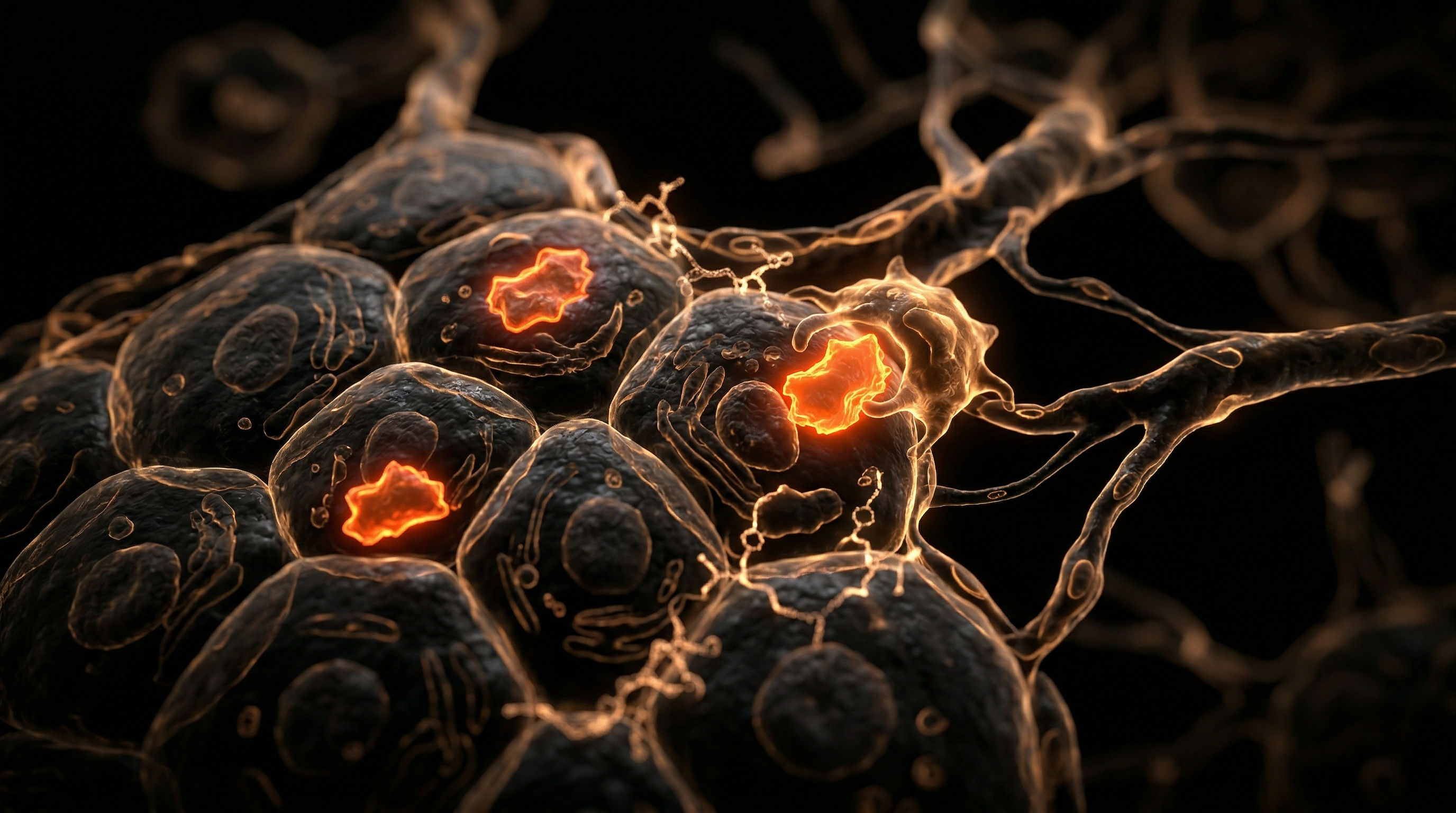
The human liver is a masterpiece of biological engineering, an organ of profound resilience and metabolic complexity. Responsible for over 500 vital functions—ranging from protein synthesis and hormone production to the detoxification of endogenous and exogenous substances—it serves as the ultimate sentinel of the internal environment. However, this sentinel is currently under siege. As we move deeper into the "Plasticene" epoch, a new and insidious threat has emerged: Hepatic Sequestration.
Hepatic sequestration refers to the process by which the liver filters, traps, and accumulates microplastics (MPs) and nanoplastics (NPs) from the systemic circulation. These synthetic polymers, ranging from 5 millimetres down to 1 nanometre, are no longer merely environmental pollutants; they are now biological constituents. Recent histopathological analyses of human liver tissue have confirmed what many in the independent research community feared: the presence of polyethylene, polypropylene, and polystyrene within the hepatic parenchyma.
This article explores the mechanisms by which these non-biodegradable invaders bypass our natural defences, the cellular havoc they wreak once embedded in liver tissue, and the silent epidemic of "Plastic-Induced Hepatotoxicity" that mainstream clinical medicine is currently ill-equipped to diagnose. We are witnessing the transformation of the liver from a detoxification centre into a long-term storage facility for planetary waste.
Fact: Recent pilot studies have detected microplastics in 100% of human liver samples tested, with concentrations varying based on geographical location and dietary habits, suggesting that hepatic accumulation is now a universal human condition.
The Biology — How It Works
To understand how microplastics reach the liver, one must first understand the "First Pass" architecture of the human body. The liver receives a dual blood supply: the hepatic artery (oxygenated blood) and the portal vein (nutrient-rich blood from the gastrointestinal tract). It is this latter route—the portal venous system—that serves as the primary highway for microplastic entry.
The Gut-Liver Axis
The journey begins with ingestion. Microplastics are ubiquitous in the food chain, found in seafood, bottled water, salt, and even fresh produce. Once ingested, these particles encounter the intestinal mucosal barrier. While larger particles may pass through the digestive tract and be excreted, particles smaller than 20 micrometres (µm) can undergo paracellular transport or transcytosis through the intestinal epithelium.
Once they breach the gut wall, they enter the mesenteric capillaries, which converge into the portal vein. From here, the particles are delivered directly to the liver. This is the biological "bottleneck." The liver's job is to filter the blood coming from the gut before it reaches the rest of the body. In doing so, it effectively "sacrifices" itself to protect the heart and brain from these synthetic invaders.
The Filtration Trap
Inside the liver, the blood flows through narrow channels called sinusoids. These sinusoids are lined with a specialised fenestrated endothelium that acts as a physical sieve. Particles that are too large to pass through the fenestrae (approximately 100-150 nm in humans) or too chemically inert to be broken down become physically lodged.
Furthermore, the liver is home to the body’s most dense population of resident macrophages: Kupffer cells. These cells are designed to recognise and engulf pathogens and debris. However, when a Kupffer cell phagocytoses a microplastic particle, it encounters a material it cannot digest. Unlike a bacterium, which can be broken down by lysosomal enzymes, a fragment of PVC or PET is essentially immortal in a biological timeframe. The result is a state of "frustrated phagocytosis," where the immune cell becomes a permanent carrier of the plastic "cargo," sequestering it within the liver tissue indefinitely.
Mechanisms at the Cellular Level
At the microscopic scale, the interaction between synthetic polymers and biological membranes is catastrophic. The damage is not merely physical; it is electrochemical and biochemical.
The Protein Corona Effect
When a nanoplastic particle enters the bloodstream or the liver’s interstitial fluid, it does not remain "naked." It immediately adsorbs a layer of proteins, lipids, and other biomolecules from its surroundings. This is known as the Protein Corona. This "biological cloak" is what allows the plastic to deceive the cell's receptors. The cell "thinks" it is taking in a nutrient or a signalling molecule, but it is actually pulling in a toxic Trojan Horse.
Oxidative Stress and ROS Generation
Once inside the hepatocyte (the functional liver cell), microplastics disrupt the delicate machinery of the mitochondria. The physical presence of these sharp, irregular particles can puncture organelle membranes. More critically, the chemical additives leaching from the plastic—such as phthalates, bisphenol A (BPA), and organotins—induce the massive production of Reactive Oxygen Species (ROS).
The resulting oxidative stress triggers several pathways:
- Lipid Peroxidation: The destruction of the cell's fatty membranes, leading to "leaky" cells.
- DNA Fragmentation: Damage to the genetic code, which can lead to malignant transformations (cancers).
- Protein Denaturation: Misfolding of essential enzymes, rendering them useless.
Lysosomal Rupture and Autophagy Failure
Lysosomes are the "recycling centres" of the cell. They attempt to degrade the plastic particles using acid hydrolases. When they fail, the lysosome can swell and eventually rupture, spilling its acidic contents into the cytoplasm. This triggers pyroptosis—a highly inflammatory form of programmed cell death. This constant cycle of cell death and attempted repair is the precursor to fibrosis.
Key Term: Bio-persistence. Unlike biological toxins that the liver can conjugate and excrete via bile, microplastics possess extreme bio-persistence, meaning their residence time in the liver may be measured in decades rather than days.
Environmental Threats and Biological Disruptors
The liver does not just contend with the plastic polymer itself; it must also deal with the "hitchhikers" these plastics carry. Microplastics are highly hydrophobic, meaning they act as magnets for other toxic chemicals in the environment.
The Adsorption of Persistent Organic Pollutants (POPs)
In the environment (and within the body), microplastics adsorb Persistent Organic Pollutants (POPs) such as polychlorinated biphenyls (PCBs), dioxins, and polycyclic aromatic hydrocarbons (PAHs). When a human ingests a microplastic particle, they are also ingesting a concentrated dose of these legacy toxins. Once in the liver, the acidic environment and the presence of surfactants (bile salts) can cause these toxins to "desorb" or unbind from the plastic, releasing a concentrated chemical "bomb" directly into the hepatic tissue.
Endocrine Disrupting Chemicals (EDCs)
Most plastics are manufactured with additives to give them flexibility, colour, or flame resistance. Chemicals like BPA and Phthalates are well-known endocrine disruptors. In the liver, these chemicals interfere with nuclear receptors, such as the Peroxisome Proliferator-Activated Receptors (PPARs) and the Farnesoid X Receptor (FXR). These receptors are the "master switches" for fat and glucose metabolism. When plastics disrupt these switches, the liver begins to accumulate fat inappropriately, leading to metabolic dysfunction.
The Vector for Pathogens
Furthermore, microplastics can serve as a substrate for the growth of pathogenic biofilms. This "Plastisphere" can transport antibiotic-resistant bacteria or harmful viruses directly across the gut barrier and into the liver, bypassing the usual immunological checkpoints.
The Cascade: From Exposure to Disease
The clinical progression of hepatic sequestration is a slow-motion disaster. It often begins as subclinical inflammation and ends in end-stage organ failure.
Phase 1: Plastic-Induced Steatosis
The earliest sign of hepatic sequestration is often an accumulation of fat within the hepatocytes. This mimics Non-Alcoholic Fatty Liver Disease (NAFLD), now often referred to as Metabolic Dysfunction-Associated Steatotic Liver Disease (MASLD). However, in this context, the fat accumulation is driven by the physical disruption of lipid metabolism by nanoplastics. This could be termed PASLD (Plastic-Associated Steatotic Liver Disease).
Phase 2: Chronic Inflammation and NASH
As the plastic load increases, the liver's immune system remains in a state of permanent "high alert." Kupffer cells release pro-inflammatory cytokines such as Tumour Necrosis Factor-alpha (TNF-α) and Interleukin-6 (IL-6). This transitions the liver from simple fat accumulation to Non-Alcoholic Steatohepatitis (NASH), where the inflammation begins to kill liver cells.
Phase 3: Fibrogenesis and Cirrhosis
In response to chronic injury, the liver activates its repair mechanism: the Hepatic Stellate Cells (HSCs). These cells, when activated by the presence of microplastics and inflammatory signals, begin producing excessive amounts of collagen. This is the body’s attempt to "wall off" the plastic invaders. Over time, this collagen builds up into scar tissue (fibrosis). When the scarring becomes extensive and replaces the functional liver tissue, the condition progresses to Cirrhosis.
Phase 4: Hepatocellular Carcinoma (HCC)
The combination of chronic inflammation, constant cellular regeneration, and DNA damage from oxidative stress creates a "perfect storm" for malignancy. The presence of microplastics in the liver is increasingly viewed as a co-carcinogen, accelerating the development of liver cancer in predisposed individuals.
Statistic: Global rates of NAFLD have risen by nearly 50% over the last two decades, a timeline that correlates almost perfectly with the exponential increase in global plastic production and environmental leakage.
What the Mainstream Narrative Omits
The mainstream scientific and regulatory discourse on microplastics is characterised by a cautious, "more research is needed" approach. However, for those looking closer, there are several suppressed or ignored truths that suggest the crisis is much further advanced than admitted.
1. The "Safe Threshold" Fallacy
Regulatory bodies often rely on acute toxicity studies to set "safe" exposure levels. However, these studies fail to account for the chronic, multi-decade bioaccumulation of plastics. There is no such thing as a "safe" level of a non-biodegradable, chemically active particle that stays in your liver forever. The industry focus on "parts per million" ignores the cumulative "body burden" over a lifetime.
2. The Failure of Standard Blood Tests
Common liver function tests (LFTs), such as measuring ALT and AST levels, are remarkably insensitive to early-stage microplastic sequestration. A person can have significant plastic accumulation and subclinical inflammation while maintaining "normal" LFTs. By the time enzymes are elevated, significant structural damage has already occurred. The mainstream medical community is looking for a chemical signature when they should be looking for a physical one.
3. Synergistic Toxicity
Most laboratory studies test one type of plastic (e.g., polystyrene beads) in isolation. In reality, humans are exposed to a "cocktail" of dozens of different polymers, each with its own set of additives and adsorbed environmental toxins. The synergistic effect—where the combined toxicity is greater than the sum of its parts—is almost entirely ignored in official safety assessments.
4. The Economic Shield
The global plastics industry is worth over $600 billion. Admitting that their primary products are sequestering in the human liver and causing metabolic disease would trigger a liability crisis of unprecedented proportions, dwarfing the tobacco or asbestos settlements. There is a concerted effort to frame microplastics as an "environmental aesthetic issue" (e.g., plastic on beaches) rather than a "human internal health crisis."
The UK Context
In the United Kingdom, the threat of hepatic sequestration is particularly acute due to a combination of aging infrastructure, dietary habits, and geographical factors.
The British Water Crisis
UK tap water has been found to contain significant concentrations of microplastics, largely due to the inability of traditional wastewater treatment plants to filter out the smallest nanoplastics. Research conducted by independent UK laboratories has highlighted that the Thames and other major river systems are among the most plastic-polluted in the world. For the average UK citizen, drinking the recommended 2 litres of water a day results in the ingestion of thousands of plastic particles annually.
The "Tea Culture" and Plastic Leaching
A uniquely British exposure route is the high consumption of tea. Many premium tea bags in the UK are made with plastic meshes (nylon or PET). A study published in Environmental Science & Technology revealed that a single plastic tea bag steeped at brewing temperature (95°C) releases approximately 11.6 billion microplastics and 3.1 billion nanoplastics into a single cup. For the heavy tea drinker, this represents a direct, high-heat infusion of polymers into the portal vein.
The NHS Burden
The UK is currently facing a liver disease crisis, with the British Liver Trust reporting that deaths from liver disease have increased by 400% since 1970. While alcohol and obesity are the primary culprits cited, there is a growing "unexplained" cohort of patients with NAFLD who do not fit the traditional risk profiles. Independent researchers in the UK are calling for the NHS to begin incorporating plastic-load screening into biopsies, though this has yet to be adopted as a standard protocol.
Protective Measures and Recovery Protocols
While we cannot entirely avoid microplastics in the modern world, we can take proactive steps to reduce our exposure and support the liver’s ability to manage the burden.
1. Advanced Filtration
The first line of defence is stopping the entry.
- Water: Use high-quality Reverse Osmosis (RO) filtration systems for all drinking and cooking water. Standard carbon filters are often insufficient for nanoplastics.
- Air: Use HEPA-13 air purifiers in the home to reduce the inhalation of microplastic fibres from synthetic carpets and clothing.
2. Dietary Radicalism
- Eliminate Single-Use Plastics: Never heat food in plastic containers. Replace plastic cutting boards with wood or stainless steel.
- Switch to Loose Leaf Tea: Avoid tea bags unless they are certified 100% plastic-free (paper/hemp).
- Source Filtered Salt: Use high-purity salts or those sourced from deep underground mines (e.g., Himalayan pink salt) rather than sea salt, which is heavily contaminated with microplastics.
3. Metabolic Support and Glutathione
The liver’s primary weapon against the oxidative stress caused by microplastics is Glutathione.
- NAC (N-Acetyl Cysteine): A precursor to glutathione, NAC can help the liver maintain its antioxidant defences in the face of plastic-induced ROS.
- Milk Thistle (Silymarin): Shown to stabilize hepatocyte membranes, potentially making them more resilient to the physical penetration of nanoplastics.
- Sulforaphane: Found in broccoli sprouts, this compound activates the Nrf2 pathway, which enhances the body's natural detoxification and antioxidant systems.
4. Bile Flow Optimization
Since the liver attempts to excrete some smaller particles and associated toxins via bile, maintaining healthy bile flow is essential.
- TUDCA (Tauroursodeoxycholic Acid): A bile acid that helps "thin" the bile and protects liver cells from apoptosis.
- Bitters and Choleretics: Consuming bitter foods (dandelion greens, artichokes) stimulates bile production and release.
5. Emerging "Detox" Theories
While there is currently no "cure" for sequestered plastic, some researchers are investigating the use of Activated Charcoal and Modified Citrus Pectin to bind plastics within the intestinal tract before they can reach the portal vein. Additionally, sauna therapy may assist in the excretion of certain plastic-associated additives (like BPA) through sweat, though it cannot remove the physical plastic particles lodged in the liver tissue.
Summary: Key Takeaways
The reality of hepatic sequestration is a stark reminder of the biological cost of our industrial convenience. As we have explored, the liver is no longer just processing the fuel we give it; it is becoming a graveyard for the synthetic materials we have discarded.
- The Liver is the Primary Sink: Due to the gut-liver axis and the portal venous system, the liver is the first and most significant site for microplastic accumulation.
- Nanoplastics are the True Threat: While microplastics are concerning, nanoplastics (under 100nm) are the most dangerous as they can enter cells, cross the blood-brain barrier, and disrupt mitochondrial function.
- Chemical Synergism: Plastics act as "Trojan Horses," carrying heavy metals, POPs, and EDCs into the liver, where they are released in concentrated doses.
- A New Disease Paradigm: We must begin to recognise Plastic-Associated Steatotic Liver Disease (PASLD) as a distinct clinical entity contributing to the global rise in liver failure.
- Mainstream Inertia: Official health advice is lagging decades behind the reality of bioaccumulation. Individuals must take their own protective measures.
- The UK Risk: Between contaminated tap water and plastic-infused tea, the UK population is at a particularly high risk for accelerated hepatic sequestration.
The challenge ahead is twofold: we must demand a radical reduction in plastic production and environmental release, and we must adopt personal biological strategies to protect the "sentinel" of our bodies. The liver is resilient, but it is not invincible. It is time we stopped treating it as a waste disposal unit and started treating it as the vital, living organ that it is. The era of plastic sequestration is here; our response will determine the metabolic future of our species.
This article is provided for informational and educational purposes only. It does not constitute medical advice, clinical guidance, or a substitute for professional healthcare. Information reflects cited research at time of publication. Always consult a qualified healthcare professional before acting on any health information.
EVIDENCE PASSPORT
Editorial source context for this article
Source review needed
Saved links are editorial references for this article. They may support specific claims rather than every sentence. Open and assess each source in context. This passport does not independently verify them.
Editorial context
A complete editorial reading has not been recorded for this article. Source links remain available for you to open and assess directly.
Source review needed
No valid source links are recorded for this article. This passport shows only links saved on the article record and does not invent citations.
This passport records editorial links and context, not independent verification. Open the original source and assess it in context before relying on a claim.
Medical Disclaimer
The information in this article is for educational purposes only and does not constitute medical advice, diagnosis, or treatment. Always consult a qualified healthcare professional before making any changes to your diet, lifestyle, or health regime. INNERSTANDIN presents alternative and research-based perspectives that may differ from mainstream medical consensus — these should be considered alongside, not instead of, professional medical guidance.
Read Full DisclaimerContinue the thread
Keep this question moving.
Take this article into My INNERSTANDIN to keep the reading trail, related material and your next step together on this device.
Dig deeper in the Library
Free, longform PDF volumes that go beyond headlines into mechanisms and references.