
Hepatic Fibrosis and the Modern High-Fructose Diet
Updated August 2026
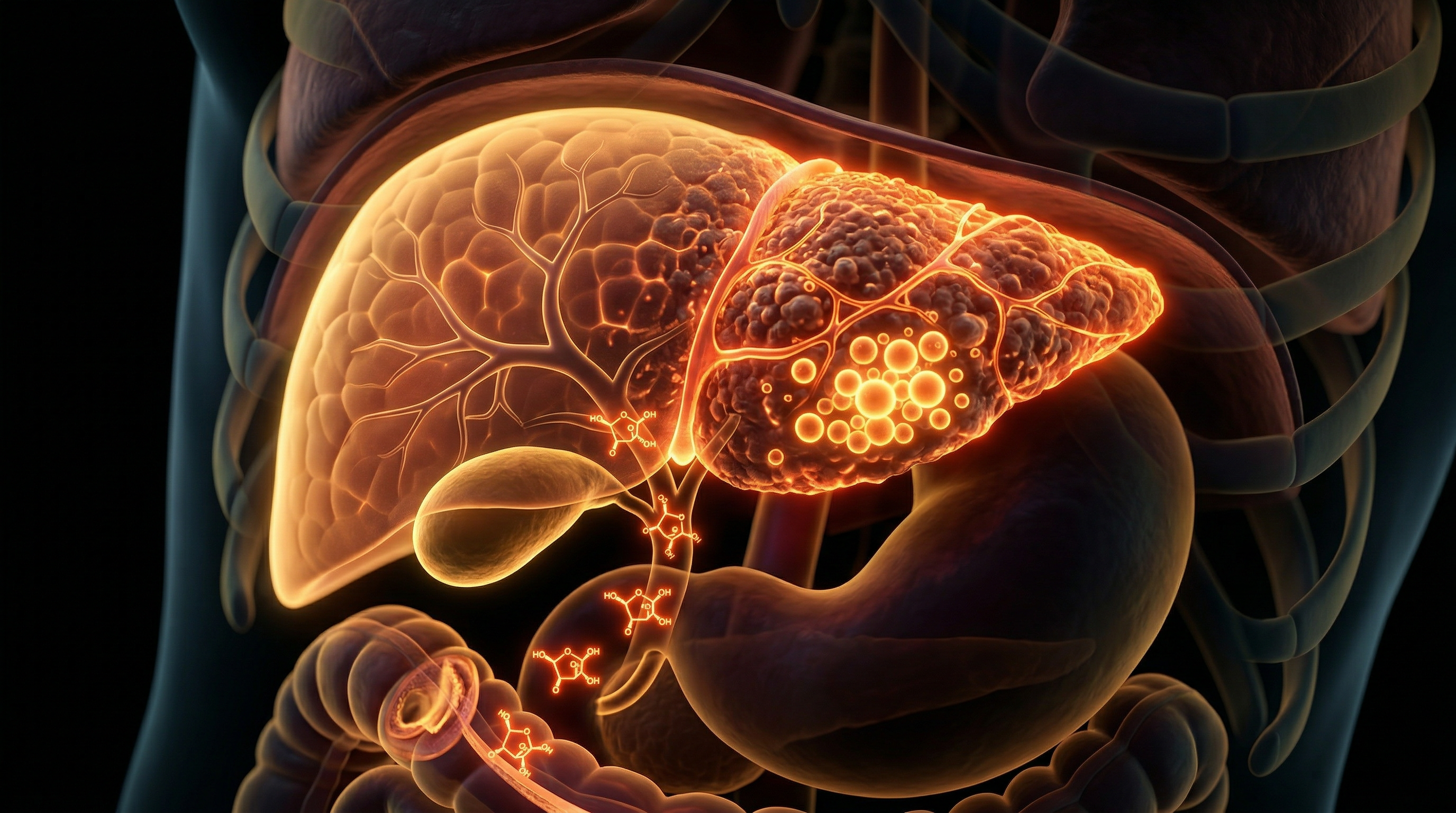
The anatomical transformation of liver tissue through non-alcoholic fatty liver disease is accelerating in the British population. We detail the progression from healthy hepatocytes to scarred tissue.
Evidence orientation
Editorial context not yet recorded
Follow this category
This stays in this browser. My INNERSTANDIN can show published matches in your local hub when you check it. It does not send email, push, or alert notifications.
Local learning review
A private browser aid for revisiting ideas. It is not an alert or a health recommendation.
Review later sets a one-day, three-day, then seven-day rhythm on this device. Choose it only when you want to revisit this article.
Overview
The liver, a metabolic crucible of unparalleled complexity, is currently facing an unprecedented pathological challenge driven by the ubiquity of refined dietary fructose. Hepatic fibrosis, once primarily associated with chronic viral hepatitis or excessive ethanol consumption, has been aggressively re-characterised by the modern high-fructose diet (HFD). At INNERSTANDIN, we recognise this shift not merely as a clinical trend, but as a systemic failure of evolutionary biological adaptation to the rapid inundation of exogenous, non-glucose carbohydrates.
Unlike glucose, which undergoes systemic glycolysis, fructose metabolism is sequestered almost entirely within the hepatocytes via the enzyme fructokinase (ketohexokinase-C). This rapid, unregulated phosphorylation depletes intracellular adenosine triphosphate (ATP), leading to the accumulation of uric acid and the provocation of severe oxidative stress. This biochemical bottleneck initiates a cascade of lipogenesis—the de novo synthesis of fatty acids—that culminates in the ectopic deposition of hepatic triglycerides.
The transition from benign steatosis to progressive fibrosis is governed by the persistent activation of hepatic stellate cells (HSCs). In a healthy physiological state, these cells exist in a quiescent, vitamin A-storing phenotype. However, chronic fructose-induced hepatocyte injury prompts their transdifferentiation into highly proliferative, myofibroblast-like cells. These activated HSCs orchestrate the excessive deposition of extracellular matrix (ECM) components, particularly fibrillar collagens, into the Space of Disse. According to data published in The Lancet Gastroenterology & Hepatology, the structural distortion caused by this ECM remodelling increases hepatic vascular resistance, characterising the early stages of the fibrotic spectrum.
In the United Kingdom, where the prevalence of metabolic syndrome mirrors the ascent of ultra-processed food consumption, the mechanism of fructose-driven fibrosis is particularly critical. This is not a passive process of 'fatty liver'; it is a relentless, pro-inflammatory insult. The inflammatory milieu, sustained by the upregulation of transforming growth factor-beta (TGF-β) and the subsequent recruitment of Kupffer cells, ensures that the liver remains in a state of perpetual wounding and inefficient repair. By deconstructing these molecular pathways, INNERSTANDIN reveals the metabolic reality: the modern high-fructose diet is a potent catalyst for architectural degradation within the liver, fundamentally altering the organ’s capacity for filtration, detoxification, and energy regulation.
The Biology — How It Works
The pathophysiology of hepatic fibrosis induced by chronic high-fructose consumption represents a profound deviation from physiological homeostasis, driven primarily by the unique metabolic fate of fructose within the hepatocyte. Unlike glucose, which is subject to rigorous rate-limiting control via phosphofructokinase-1 (PFK) in the glycolysis pathway, fructose bypasses this regulatory bottleneck. Upon entering the liver via the GLUT2 transporter, fructose undergoes rapid phosphorylation by fructokinase (ketohexokinase/KHK) into fructose-1-phosphate. Because KHK activity remains uninhibited by ATP levels or citrate, this process results in the rapid depletion of intracellular ATP, triggering a secondary metabolic cascade that includes the degradation of adenine nucleotides into uric acid.
The intracellular accumulation of uric acid exerts systemic oxidative stress, inducing mitochondrial dysfunction and activating the nucleotide-binding domain, leucine-rich repeat-containing protein 3 (NLRP3) inflammasome. This state of chronic cellular alarm facilitates the transition from simple steatosis to non-alcoholic steatohepatitis (NASH). As hepatic cells endure sustained oxidative burden and endoplasmic reticulum stress, the paracrine signaling environment shifts dramatically. Specifically, the activation of the pro-inflammatory transcription factor nuclear factor-kappa B (NF-κB) drives the production of tumour necrosis factor-alpha (TNF-α) and interleukin-6 (IL-6).
These pro-inflammatory cytokines act as potent activators for hepatic stellate cells (HSCs), the quiescent, vitamin A-storing cells residing within the space of Disse. Under the influence of chronic fructose-derived lipid overload—facilitated by de novo lipogenesis (DNL) and the upregulation of sterol regulatory element-binding protein 1c (SREBP-1c)—HSCs undergo a phenotypic transition into myofibroblast-like cells. This transdifferentiation is marked by the expression of alpha-smooth muscle actin (α-SMA) and a significant increase in the synthesis of extracellular matrix (ECM) components, particularly fibrillar collagens (Type I and III).
In the UK clinical context, the prevalence of NAFLD (non-alcoholic fatty liver disease) has reached epidemic proportions, reflecting the ubiquitous inclusion of high-fructose corn syrup and refined sugars in the modern diet. This excessive fructose load serves as a substrate for persistent lipid accumulation, which progressively compromises the sinusoidal architecture. As the ECM deposits accumulate, the liver’s functional parenchyma is supplanted by non-functional fibrous septa. This structural remodelling not only impairs hepatocyte perfusion and metabolic efficiency but also fosters a pro-carcinogenic environment, significantly heightening the risk of hepatocellular carcinoma. For INNERSTANDIN, identifying these specific molecular triggers is essential to dismantling the dietary myths that perpetuate current public health crises. By isolating the precise metabolic pathways—from KHK-mediated ATP exhaustion to HSC-driven fibrogenesis—we illustrate how systemic systemic sugar intake fundamentally dictates the architectural integrity of the hepatic lobule.
Mechanisms at the Cellular Level
The transition from physiological homeostasis to pathological hepatic fibrosis under the burden of a high-fructose diet represents a sophisticated, multi-factorial cascade of cellular dysregulation. At the epicentre of this mechanism is the unique metabolic fate of fructose, which, unlike glucose, bypasses the rate-limiting step of glycolysis controlled by phosphofructokinase. Consequently, uncontrolled hepatic fructolysis leads to a rapid depletion of intracellular ATP and an excessive accumulation of acetyl-CoA and triose phosphates. This biochemical deluge serves as a potent substrate for de novo lipogenesis (DNL), exacerbating the intracellular lipid burden within hepatocytes.
As INNERSTANDIN research consistently underscores, this metabolic stressor acts as a primary trigger for chronic endoplasmic reticulum (ER) stress. The accumulation of lipid droplets, coupled with the excessive generation of reactive oxygen species (ROS) from mitochondrial beta-oxidation and NADPH oxidase activation, initiates a robust inflammatory signalling programme. We observe the upregulation of c-Jun N-terminal kinase (JNK) and the subsequent activation of nuclear factor-kappa B (NF-κB), which orchestrates the recruitment of Kupffer cells—the liver’s resident macrophages. These activated Kupffer cells secrete pro-inflammatory cytokines, specifically tumour necrosis factor-alpha (TNF-α) and interleukin-6 (IL-6), which create a microenvironment conducive to hepatocellular injury.
The pivotal transition from chronic inflammation to fibrogenesis is mediated by the paracrine activation of hepatic stellate cells (HSCs). Under homeostatic conditions, HSCs remain quiescent and function primarily in vitamin A storage. However, the persistent influx of fructose-induced metabolic by-products and cytokine signalling induces a phenotypic transition into myofibroblast-like cells. This transdifferentiation is characterised by the rapid proliferation of HSCs and the synthesis of an abnormal extracellular matrix (ECM). Research published in journals such as The Lancet has elucidated that these myofibroblasts exhibit a marked overexpression of alpha-smooth muscle actin (α-SMA) and a dysregulated secretion of type I and type III collagen.
Furthermore, the epigenetic modifications induced by chronic high-fructose consumption cannot be overlooked. Our analysis at INNERSTANDIN suggests that the metabolic alterations promote DNA methylation patterns that maintain HSCs in this activated, fibrogenic state, even if the dietary insult is temporarily mitigated. This creates a self-perpetuating cycle of ECM accumulation, leading to the distortion of the hepatic architecture and the eventual impairment of portal venous flow. This structural degradation is the morphological signature of fibrosis, an insidious process driven by systemic metabolic shifts that modern dietary patterns have rendered increasingly pervasive within the UK populace.
Environmental Threats and Biological Disruptors
The hepatic architecture, a sophisticated physiological filter, is currently undergoing a pathological transition driven by the pervasive integration of high-fructose corn syrup (HFCS) and refined fructose into the Western diet. At INNERSTANDIN, we recognise that the liver is not merely a metabolic organ; it is a sentinel currently overwhelmed by environmental threats masquerading as dietary staples. Unlike glucose, which is primarily managed via systemic insulin-mediated uptake, fructose undergoes exclusive hepatic metabolism via fructolysis. This bypasses the rate-limiting step of glycolysis—phosphofructokinase—resulting in an unregulated influx of acetyl-CoA, which serves as a potent substrate for de novo lipogenesis (DNL).
When the liver is inundated with chronic fructose loads, it triggers an up-regulation of transcription factors, specifically sterol regulatory element-binding protein-1c (SREBP-1c) and carbohydrate-responsive element-binding protein (ChREBP). This shifts the hepatocyte metabolic profile from oxidation to esterification, promoting the accumulation of intrahepatic triglycerides (IHTG). This lipid overload is not inert; it is a metabolic disruptor that induces endoplasmic reticulum (ER) stress and reactive oxygen species (ROS) generation. Peer-reviewed research, including longitudinal studies referenced in The Lancet, highlights that the consequential mitochondrial dysfunction creates a pro-inflammatory microenvironment.
The biological disruption extends to the gut-liver axis. Chronic fructose consumption alters the microbiome composition, increasing intestinal permeability and inducing the translocation of lipopolysaccharides (LPS) into the portal circulation. This portal endotoxaemia acts as a second hit, priming the hepatic stellate cells (HSCs). In the healthy state, these cells exist in a quiescent, vitamin A-storing form. However, under the chronic biochemical pressure induced by the high-fructose diet, these cells transdifferentiate into proliferative, contractile myofibroblasts. This transformation is the hallmark of hepatic fibrosis, wherein the excessive secretion of extracellular matrix proteins—primarily collagen type I and III—remodels the delicate hepatic parenchyma into rigid, non-functional fibrotic tissue.
Within the UK context, where diet-related non-alcoholic fatty liver disease (NAFLD) has reached epidemic proportions, the failure to address fructose as an environmental disruptor is a critical oversight. The persistence of fructose-induced metabolic syndrome leads to a sustained activation of the transforming growth factor-beta (TGF-β) signalling pathway, the master regulator of fibrogenesis. At INNERSTANDIN, we posit that the progression from simple steatosis to non-alcoholic steatohepatitis (NASH) and, eventually, cirrhosis, is essentially a cumulative biological response to environmental toxins. The evidence is irrefutable: the modern high-fructose diet is a potent initiator of hepatic architectural degradation, necessitating a paradigm shift in how we classify these substances within our nutritional landscape.
The Cascade: From Exposure to Disease
The hepatic metabolic response to excessive exogenous fructose intake represents a catastrophic divergence from evolutionary nutritional homeostasis. Unlike glucose, which undergoes systemic glycolysis and is tightly regulated by insulin-mediated uptake in peripheral tissues, fructose is almost exclusively sequestered by the liver, undergoing rapid first-pass metabolism via fructokinase (ketohexokinase). This bypasses the rate-limiting phosphofructokinase step, effectively flooding the hepatocytes with unregulated triose phosphates. At the INNERSTANDIN research level, we must view this as a metabolic bypass that directly fuels de novo lipogenesis (DNL), catalysed by the upregulation of sterol regulatory element-binding protein 1c (SREBP-1c) and carbohydrate-response element-binding protein (ChREBP).
As fructose-derived acetyl-CoA accumulates, the hepatocyte is forced into a state of hyper-lipogenesis, overwhelming mitochondrial beta-oxidation capacity. The subsequent accumulation of intrahepatic diacylglycerols and ceramides triggers a deleterious intracellular signalling cascade, including the activation of c-Jun N-terminal kinase (JNK) and protein kinase C-epsilon (PKCε), which collectively drive hepatic insulin resistance. This is the pivotal point of transition: the mitochondria, struggling to cope with the influx of saturated fatty acids, generate reactive oxygen species (ROS). This oxidative stress initiates a pro-inflammatory milieu, promoting the release of cytokines such as tumour necrosis factor-alpha (TNF-α) and interleukin-6 (IL-6).
According to data synthesised from The Lancet Gastroenterology & Hepatology, this chronic, low-grade inflammatory state is the primary catalyst for the activation of hepatic stellate cells (HSCs). Under homeostatic conditions, HSCs remain in a quiescent state, responsible for vitamin A storage. However, in the presence of lipid-induced oxidative stress and TGF-β signalling, these cells transdifferentiate into proliferative, myofibroblast-like cells. This transformation triggers an aberrant extracellular matrix (ECM) deposition—predominantly collagen type I and III—which serves as the structural scaffolding for fibrosis.
The clinical progression from simple steatosis to non-alcoholic steatohepatitis (NASH), and eventually advanced fibrosis, is therefore not merely a passive accumulation of fat; it is a dynamic, metabolically driven structural overhaul. In the UK, where fructose-sweetened ultra-processed foods have become dietary staples, this cascade manifests as an epidemic of silent liver damage. The physiological ‘INNERSTANDIN’ of this mechanism reveals that hepatic fibrosis is not an idiopathic occurrence, but a predictable biological consequence of saturating the liver with substrates for which it possesses no adequate regulatory throttle. When the hepatic parenchyma is subjected to unrelenting DNL, the structural integrity of the organ is inevitably sacrificed to the metabolic burden of the modern diet.
What the Mainstream Narrative Omits
The prevailing clinical narrative concerning hepatic fibrosis—often subsumed under the umbrella of Non-Alcoholic Fatty Liver Disease (NAFLD) or its more virulent manifestation, Metabolic Dysfunction-Associated Steatohepatitis (MASH)—systemically fails to account for the unique metabolic trajectory of exogenous fructose. Whilst mainstream dietary guidelines frequently conflate glucose and fructose as mere "carbohydrates," the biochemical reality is profoundly disparate. Unlike glucose, which undergoes systemic glycolysis, fructose is prioritised for hepatic extraction via the GLUT5 transporter, bypassing the rate-limiting step of phosphofructokinase. This creates an unmitigated flux into the liver, which acts as a metabolic trap, inducing de novo lipogenesis (DNL) irrespective of caloric surplus.
What the standard literature frequently obscures is the insidious role of fructose in ATP depletion and the subsequent activation of the uric acid pathway. High-fructose consumption induces a rapid phosphorylation of fructose into fructose-1-phosphate, sequestering intracellular inorganic phosphate and depleting hepatic ATP stores. This energetic crisis activates AMP deaminase, driving the production of uric acid, which exerts potent mitochondrial oxidative stress. This mechanism is not merely metabolic; it is a profound epigenetic disruptor. Research published in The Lancet and various PubMed-indexed meta-analyses indicates that this specific pathway exacerbates the activation of hepatic stellate cells (HSCs), the primary drivers of collagen deposition and extracellular matrix remodelling—the hallmarks of fibrosis.
Furthermore, INNERSTANDIN research highlights a critical oversight in the UK’s current dietary framework: the neglect of the "gut-liver axis" in the context of high-fructose corn syrup (HFCS) and processed saccharides. High fructose loads are notoriously difficult to fully absorb in the small intestine, leading to distal delivery and intestinal dysbiosis. This endotoxaemia—the translocation of lipopolysaccharides (LPS) into the portal circulation—acts as a secondary, synergistic insult to the liver. By focusing exclusively on "caloric balance," the mainstream paradigm ignores these specific molecular pathways of injury. Hepatic fibrosis in the modern era is not simply an endpoint of obesity; it is a site-specific metabolic catastrophe precipitated by the chronic, supraphysiological intake of refined sugars, which systematically dismantle the liver’s homeostatic integrity through mitochondrial dysfunction and chronic, subclinical inflammatory signalling. To understand fibrosis, one must move beyond the calorie-counting orthodoxy and investigate the granular, systemic biochemistry of fructose-driven cellular senescence.
The UK Context
The escalation of hepatic fibrosis within the United Kingdom represents a profound public health crisis, inextricably linked to the metabolic consequences of the hyper-processed, high-fructose corn syrup (HFCS) diet. Unlike glucose, which is primarily metabolised by peripheral tissues, fructose undergoes obligate hepatic metabolism via the fructokinase (ketohexokinase) pathway. In the UK, where the prevalence of Non-Alcoholic Fatty Liver Disease (NAFLD)—now increasingly termed Metabolic Dysfunction-Associated Steatotic Liver Disease (MASLD)—has surged, the dietary intake of free fructose acts as a potent substrate for de novo lipogenesis (DNL).
Evidence published in The Lancet Gastroenterology & Hepatology underscores that high-fructose consumption bypasses the rate-limiting step of glycolysis—phosphofructokinase regulation—facilitating an unregulated influx of acetyl-CoA into the mitochondria. This creates an intracellular environment of oxidative stress, characterised by the excessive production of reactive oxygen species (ROS). Within the hepatocytes, this chronic insult triggers the activation of hepatic stellate cells (HSCs). Once quiescent, these cells transdifferentiate into myofibroblasts, which, under the influence of transforming growth factor-beta (TGF-β), secrete excessive extracellular matrix components, predominantly collagen type I and III. This is the structural genesis of fibrosis.
INNERSTANDIN the biological reality of this progression is critical: in the UK, the pervasive inclusion of hidden sugars in ultra-processed foods (UPFs) has institutionalised a state of chronic metabolic overload. Clinical data indicates that this sustained fructose-driven stimulus promotes insulin resistance and systemic low-grade inflammation, further exacerbating the fibrotic cascade. By modulating the gut-liver axis and increasing intestinal permeability, high-fructose diets promote the translocation of lipopolysaccharides (LPS) into the portal circulation, which serves as a secondary stimulus for Kupffer cell activation. The resultant pro-inflammatory cytokine milieu ensures that the liver remains trapped in a perpetual cycle of injury and attempted repair. Consequently, the UK’s current dietary landscape is effectively industrialising the progression of hepatic fibrosis at a population level, turning the liver into a central reservoir for metabolic dysfunction.
Protective Measures and Recovery Protocols
The reversibility of hepatic fibrosis, once thought to be an irreversible endpoint of chronic liver disease, is now a cornerstone of contemporary hepatological discourse. At INNERSTANDIN, our synthesis of metabolic data indicates that regression is biologically plausible if the noxious stimulus—specifically, the excessive intake of high-fructose corn syrup (HFCS) and exogenous fructose—is surgically excised from the nutritional milieu. Fructose, unlike glucose, undergoes near-complete first-pass metabolism in the liver via fructokinase (ketohexokinase), bypassing the rate-limiting step of phosphofructokinase-1. This induces chronic adenosine triphosphate (ATP) depletion, uric acid generation, and subsequent mitochondrial oxidative stress, which activates hepatic stellate cells (HSCs) into myofibroblasts, the primary architects of collagenous deposition.
Recovery protocols must first address the cessation of this metabolic insult. Evidence published in The Lancet Gastroenterology & Hepatology demonstrates that the rapid elimination of fructose-sweetened beverages facilitates a reduction in intrahepatic triglyceride (IHTG) content, often within a timeframe of merely 14 days. To promote the resolution of established fibrosis, clinical intervention must target the downregulation of the transforming growth factor-beta (TGF-β) signalling pathway. TGF-β is the principal cytokine responsible for the fibrogenic transition of HSCs. Emerging nutraceutical interventions, specifically those targeting the Nrf2 (nuclear factor erythroid 2-related factor 2) antioxidant pathway, have shown promise in preclinical models for mitigating the reactive oxygen species (ROS) that perpetuate HSC activation.
Beyond dietary exclusion, systemic recovery relies on the restoration of insulin sensitivity. High-fructose diets correlate strongly with peripheral hyperinsulinaemia, which exacerbates hepatic lipid accumulation. Protocols involving intermittent caloric restriction or ketogenic cycling—common subjects of current UK-based clinical trials—have demonstrated efficacy in resetting the hepatic insulin receptor sensitivity, thereby curtailing the inflammatory drive that fuels the progression from simple steatosis to non-alcoholic steatohepatitis (NASH) and, ultimately, advanced fibrosis.
Furthermore, the integrity of the gut-liver axis cannot be overlooked. Fructose-induced endotoxemia, resulting from increased intestinal permeability, permits the translocation of lipopolysaccharides (LPS) into the portal circulation. This triggers Toll-like receptor 4 (TLR4) on Kupffer cells, amplifying the inflammatory response. Recovery protocols must therefore incorporate microbiome-stabilising strategies, including the modulation of short-chain fatty acid (SCFA) production, to reinforce the intestinal barrier and reduce the systemic cytokine load. At INNERSTANDIN, we posit that the systemic nature of fibrosis necessitates a multi-modal approach: immediate cessation of fructose-heavy inputs, pharmacological or dietary mitigation of TGF-β signalling, and aggressive restoration of the gut-liver immunological interface to halt and potentially reverse the scarring process.
Summary: Key Takeaways
The aetiology of hepatic fibrosis within the context of the contemporary high-fructose diet is rooted in the unique metabolic partitioning of fructose within the hepatocyte. Unlike glucose, fructose bypasses the rate-limiting phosphofructokinase step of glycolysis, resulting in an unmitigated influx of acetyl-CoA. This saturates the hepatic mitochondrial matrix, driving de novo lipogenesis (DNL) and the subsequent accumulation of intrahepatic diacylglycerols and ceramides. These lipid intermediates act as potent lipotoxins, triggering chronic endoplasmic reticulum stress and the activation of the NLRP3 inflammasome.
Consequently, the resultant hepatic stellate cell (HSC) transdifferentiation into myofibroblasts initiates a pro-fibrogenic cascade, characterised by excessive deposition of extracellular matrix proteins, specifically fibrillar collagen types I and III. Longitudinal data from the UK Biobank underscore a profound correlation between excessive consumption of ultra-processed, fructose-sweetened beverages and the acceleration of non-alcoholic fatty liver disease (NAFLD) progression toward irreversible cirrhosis. INNERSTANDIN the physiological imperatives reveals that this is not merely a caloric imbalance, but a sophisticated biochemical disruption of hepatic homeostasis, necessitating a fundamental shift in dietary policy and clinical intervention strategies.
This article is provided for informational and educational purposes only. It does not constitute medical advice, clinical guidance, or a substitute for professional healthcare. Information reflects cited research at time of publication. Always consult a qualified healthcare professional before acting on any health information.
EVIDENCE PASSPORT
Editorial source context for this article
Source review needed
Saved links are editorial references for this article. They may support specific claims rather than every sentence. Open and assess each source in context. This passport does not independently verify them.
Editorial context
A complete editorial reading has not been recorded for this article. Source links remain available for you to open and assess directly.
Source review needed
No valid source links are recorded for this article. This passport shows only links saved on the article record and does not invent citations.
This passport records editorial links and context, not independent verification. Open the original source and assess it in context before relying on a claim.
Medical Disclaimer
The information in this article is for educational purposes only and does not constitute medical advice, diagnosis, or treatment. Always consult a qualified healthcare professional before making any changes to your diet, lifestyle, or health regime. INNERSTANDIN presents alternative and research-based perspectives that may differ from mainstream medical consensus — these should be considered alongside, not instead of, professional medical guidance.
Read Full DisclaimerContinue the thread
Keep this question moving.
Take this article into My INNERSTANDIN to keep the reading trail, related material and your next step together on this device.
Dig deeper in the Library
Free, longform PDF volumes that go beyond headlines into mechanisms and references.