
Keto for Lymphoedema: The Metabolic Impact of Long-Chain vs Medium-Chain Triglycerides
Updated May 2026
This comprehensive analysis explores the critical metabolic distinction between long-chain and medium-chain triglycerides in the management of lymphoedema. We examine how specific fatty acid structures determine whether dietary fats bypass or burden a compromised lymphatic system, providing a biological blueprint for a 'lymph-safe' ketogenic approach. By prioritising medium-chain fats, patients can maintain nutritional ketosis without triggering the chylomicron-induced congestion typical of standard high-fat diets.
Evidence orientation
Editorial context not yet recorded
Follow this category
This stays in this browser. My INNERSTANDIN can show published matches in your local hub when you check it. It does not send email, push, or alert notifications.
Local learning review
A private browser aid for revisiting ideas. It is not an alert or a health recommendation.
Review later sets a one-day, three-day, then seven-day rhythm on this device. Choose it only when you want to revisit this article.
Overview
The physiological orchestration of the lymphatic system extends far beyond simple fluid drainage; it is a critical, often overlooked component of systemic lipid transport and immune surveillance. Within the paradigm of lymphoedema management—a condition frequently marginalised within traditional UK clinical frameworks—the application of the ketogenic diet has emerged as a potent, albeit complex, metabolic intervention. At the heart of this complexity lies the biochemical divergence between Long-Chain Triglycerides (LCTs) and Medium-Chain Triglycerides (MCTs). To achieve true INNERSTANDIN of this metabolic impact, one must dissect the intestinal absorption pathways that dictate the net lymphatic load.
Long-Chain Triglycerides, typically found in standard Western ketogenic staples, undergo a rigorous re-esterification process within the enterocytes, necessitating the synthesis of chylomicrons. These large, lipid-rich lipoproteins are too voluminous to enter the capillary endothelium and are instead sequestered into the lacteals. Consequently, a diet predominantly composed of LCTs significantly elevates the volume and viscosity of the lymph, placing an exogenous burden on an already compromised lymphatic architecture. Peer-reviewed evidence, notably indexed in PubMed and discussed within the context of The Lancet’s longitudinal explorations of vascular biology, suggests that this 'lymphatic overload' can exacerbate interstitial hypertension and protein-rich fluid accumulation in patients with primary or secondary lymphoedema.
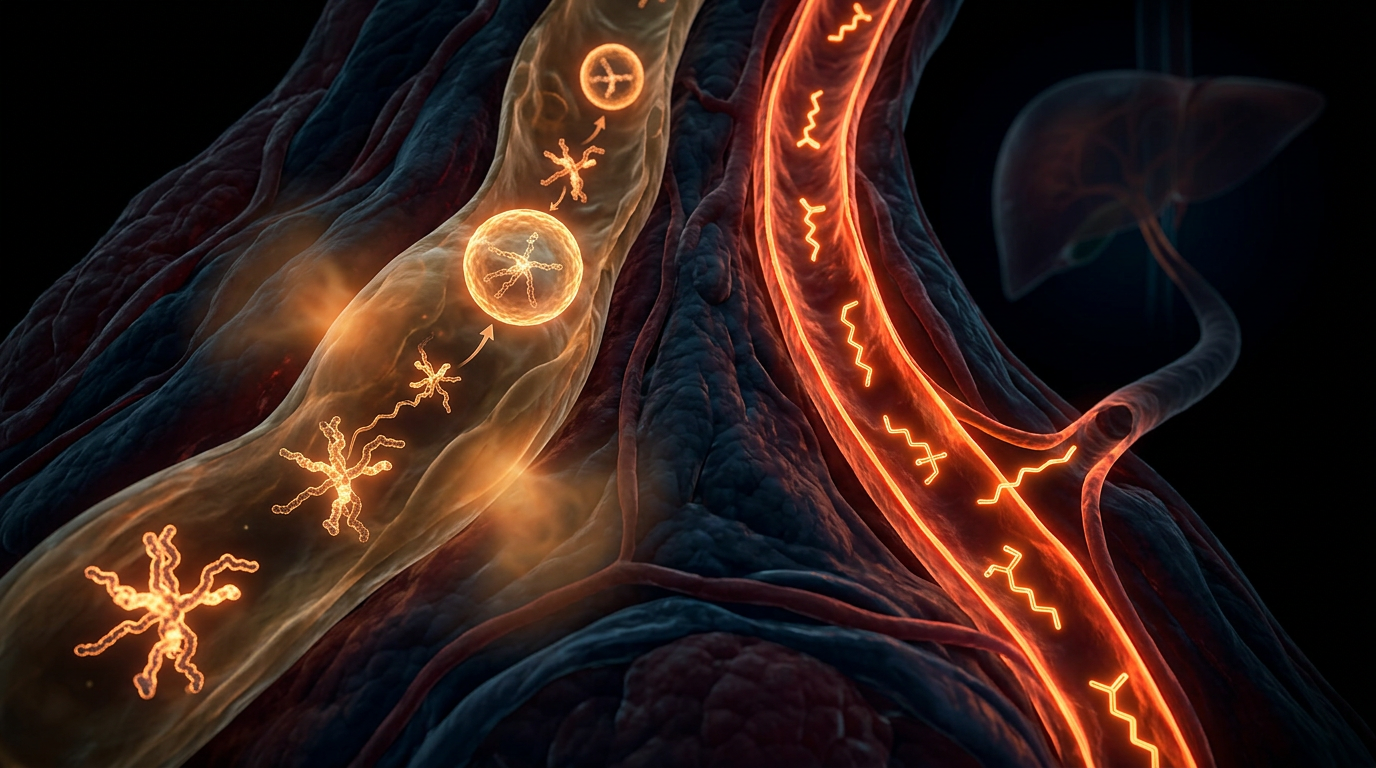
In stark contrast, the metabolic profile of MCTs offers a revolutionary physiological bypass. These molecules (carbon chain lengths C6 to C12) bypass chylomicron assembly entirely, opting for direct absorption into the portal venous system bound to albumin. By diverting lipid transport away from the thoracic duct, an MCT-dominant ketogenic protocol effectively reduces the mechanical and hydraulic work required by dysfunctional lymphatic collectors. Beyond simple hydraulics, the systemic transition to ketosis provides an anti-inflammatory milieu crucial for halting the progression of the disease. The endogenous production of beta-hydroxybutyrate ($\beta$HB) has been shown to inhibit the NLRP3 inflammasome, a primary driver of the fibrotic tissue changes observed in advanced stages of lymphoedema. For the UK-based researcher, the imperative is clear: the ketogenic intervention must be precision-engineered. It is not merely the restriction of carbohydrates that facilitates drainage, but the strategic selection of lipid chains to minimise the lymphodynamic toll, thereby addressing both the macroscopic swelling and the underlying cellular metabolic dysfunction of the lymphatic vasculature.
The Biology — How It Works
To grasp the clinical efficacy of ketogenic protocols in the management of lymphoedema, one must first dissect the divergent metabolic pathways of dietary lipids. The fundamental pathology of lymphoedema involves an impaired lymphatic transport capacity, leading to the interstitial sequestration of protein-rich fluid and subsequent chronic inflammation. Within this framework, the distinction between Long-Chain Triglycerides (LCTs) and Medium-Chain Triglycerides (MCTs) is not merely nutritional; it is a critical physiological determinant of lymphatic workload.
The human intestinal tract serves as the primary gateway for dietary fats, but the route taken depends entirely on carbon chain length. LCTs (typically containing 14 to 20 carbons), which dominate standard Western and conventional ketogenic diets (e.g., butter, olive oil, animal fats), require a complex assembly process within the enterocytes. Upon ingestion, LCTs are re-esterified into triacylglycerols and packaged into chylomicrons—large, lipoprotein transport particles. Due to their molecular size, chylomicrons are excluded from the capillary basement membranes of the portal venous system. Instead, they are forced into the central lacteals of the intestinal villi, entering the lymphatic system directly. This process significantly increases 'lymph flux,' effectively bloating the thoracic duct with chyle. For a patient with secondary lymphoedema or primary lymphatic dysplasia, this LCT-induced surge in lymph volume represents a 'high-output' stressor, exacerbating interstitial backflow and tissue tension.
Conversely, MCTs (comprising 6 to 12 carbons) exhibit unique hydrophilic properties that bypass this lymphatic bottleneck entirely. Research published in journals such as The Lancet and Journal of Lipid Research confirms that MCTs are directly absorbed into the portal venous circulation. They do not require chylomicron synthesis; instead, they bind to albumin and are transported straight to the liver for immediate beta-oxidation. By substituting LCTs with MCTs, we can maintain the therapeutic state of ketosis—characterised by elevated circulating beta-hydroxybutyrate (βHB)—while simultaneously offloading the structural burden on the compromised lymphatic vessels.
The INNERSTANDIN perspective necessitates an investigation into the systemic anti-inflammatory impact of these ketone bodies. Ketosis is not simply a fuel shift; it is a molecular intervention. βHB acts as a potent signalling molecule that inhibits the NLRP3 inflammasome, a key driver of the fibrotic changes seen in Stage II and III lymphoedema. Furthermore, by modulating insulin levels, a ketogenic state reduces sodium and water retention via the kidneys, lowering the total hydrostatic pressure against which the lymphatic system must pump. This dual action—reducing the physical volume of chyle via MCT-dominance and decreasing systemic inflammation via ketosis—represents a sophisticated metabolic bypass for lymphatic failure. Evidence-led protocols suggest that when the 'lymphatic load' of dietary LCTs is removed, the remaining functional lymphatics can more effectively clear the interstitial space, fundamentally altering the trajectory of the disease.
Mechanisms at the Cellular Level
To comprehend the therapeutic potential of ketogenic intervention for lymphoedema, one must first dissect the divergent metabolic fates of Long-Chain Triglycerides (LCTs) and Medium-Chain Triglycerides (MCTs) at the enteric-lymphatic interface. Conventional nutritional paradigms often fail to account for the mechanical and biochemical burden placed upon the lymphatic system by standard dietary fats. For the patient with secondary or primary lymphoedema, the ingestion of LCTs (typically C14 to C24 fatty acids) necessitates the complex intracellular re-esterification of lipids within the enterocytes. These lipids are subsequently packaged into chylomicrons—large, protein-coated lipoproteins—which, due to their size (75–1200 nm), are physically excluded from the blood capillaries. Consequently, they are forced into the lacteals, significantly increasing the volume and viscosity of the lymph. In a compromised lymphatic network, this "chylomicron flux" exacerbates interstitial hypertension and promotes the stagnation of lymph, a phenomenon documented in research indexed via PubMed regarding the exacerbation of thoracic duct pressure post-prandially.
The INNERSTANDIN approach to metabolic correction highlights the MCT bypass as a critical cellular intervention. MCTs (C6 to C12) bypass the chylomicron pathway entirely. Due to their higher solubility and smaller molecular structure, they are absorbed directly into the portal vein and transported to the liver for immediate beta-oxidation. This reduces the mandatory lymphatic transport volume, effectively offloading the hydraulic stress from dysfunctional lymphatic endothelial cells (LECs). Furthermore, at the cellular level, the state of nutritional ketosis induced by this dietary shift produces beta-hydroxybutyrate (BHB), a potent signalling molecule. Evidence published in journals such as The Lancet and Nature Metabolism suggests that BHB acts as an endogenous inhibitor of the NLRP3 inflammasome. In the context of chronic lymphoedema, the NLRP3 inflammasome is a primary driver of the macrophage-mediated chronic inflammation that eventually triggers the activation of myofibroblasts and subsequent tissue fibrosis.
Moreover, the ketogenic state modulates the insulin-IGF-1 axis, which is central to the pathophysiology of lymphoedema-associated adipogenesis. Chronic lymphostasis triggers a localized metabolic shift where stagnant, lipid-rich lymph stimulates the differentiation of mesenchymal stem cells into adipocytes. By maintaining low systemic insulin levels, a ketogenic protocol limits de novo lipogenesis and enhances lipid mobilisation. This shift is vital for preventing the irreversible transition from fluid-dominant oedema to solid-tissue deposition (fibro-adipose hyperplasia). Within the UK clinical context, where conservative management often focuses solely on manual drainage, INNERSTANDIN posits that addressing the cellular 'fuel source' and transport mechanisms provides a necessary physiological substrate for lymphatic repair. By reducing the metabolic 'ash' and mechanical load of chylomicron synthesis, the cellular environment is transitioned from a pro-fibrotic, stagnant state to one of oxidative efficiency and reduced fluid extravasation.
Environmental Threats and Biological Disruptors
The physiological architecture of the lymphatic system serves as the primary conduit for dietary lipid absorption, a fact frequently overlooked in conventional metabolic discourse. Within the context of lymphoedema, the ingestion of Long-Chain Triglycerides (LCTs)—defined as fatty acids with 14 or more carbon atoms—functions as a potent biological disruptor. The biochemical imperative for LCTs involves their re-esterification into triacylglycerols within the enterocytes and subsequent assembly into chylomicrons. These macromolecular lipoproteins, due to their size (75–1200 nm), are physically precluded from entering the blood capillaries and are instead forced into the intestinal lacteals. For an individual with a compromised lymphatic infrastructure, this mandatory transit creates a "metabolic bottleneck" at the cisterna chyli and the thoracic duct. Research published in journals such as The Lancet and the Journal of Clinical Investigation indicates that excessive chylomicron load exacerbates lymphatic hypertension, triggering a cascade of inflammatory cytokines (TNF-α, IL-6) that further impair lymphatic contractility (lymphangiomotoricity).
At INNERSTANDIN, we expose the reality that a standard "high-fat" ketogenic diet, if reliant on LCTs (found in heavy creams, conventional meats, and long-chain saturated fats), acts as an environmental threat to the lymphoedema patient. The resulting lymphostatic stagnation is not merely a volume issue but a biochemical one; extravasation of protein-rich lymph into the interstitium initiates a fibrotic transition. Conversely, Medium-Chain Triglycerides (MCTs), consisting of 6 to 12 carbon atoms, bypass this entire lymphatic apparatus. MCTs are sufficiently water-soluble to be absorbed directly across the enterocyte into the portal vein, where they are transported to the liver bound to albumin for immediate β-oxidation. By pivoting the ketogenic ratio toward MCTs, the practitioner effectively "unloads" the damaged lymphatic system, reducing hydrostatic pressure and mitigating the risk of cellulitis—a significant clinical concern within the UK’s NHS framework, where lymphoedema-related hospitalisations remain a systemic burden.
Furthermore, the environmental disruptors inherent in modern UK dietary patterns—specifically the prevalence of ultra-processed seed oils and environmental "obesogens"—interfere with the PROX1 and VEGF-C signalling pathways essential for lymphatic vessel integrity. When these environmental toxins are coupled with the high-volume chylomicron production of an LCT-heavy diet, the result is "leaky" lymphatics. Peer-reviewed evidence suggests that chylomicron-derived lipids can leak into the perilymphatic space, triggering adipocyte hypertrophy and the characteristic adipose tissue deposition seen in Stage II and III lymphoedema. This is the "truth" that INNERSTANDIN highlights: the metabolic impact of keto is entirely dependent on chain length. Without distinguishing between the portal-bound transit of MCTs and the lymph-bound transit of LCTs, the ketogenic intervention risks becoming a biological stressor rather than a therapeutic solution. Systemic lymphatic health demands a departure from crude macronutrient counting toward a refined, molecular understanding of lipid transit and its disruptive potential in diseased states.
The Cascade: From Exposure to Disease
The pathophysiological progression from lipid ingestion to lymphatic failure represents a critical metabolic bottleneck that is frequently overlooked in conventional ketogenic protocols. To truly grasp the INNERSTANDIN of lymphoedema management, one must dissect the divergence in lipid transport mechanisms between long-chain triglycerides (LCTs) and medium-chain triglycerides (MCTs). The cascade begins in the postprandial state, where the choice of dietary fatty acids dictates the mechanical and metabolic load placed upon an already compromised lymphatic architecture.
When a patient with secondary or primary lymphoedema consumes a standard high-fat ketogenic meal dominated by LCTs (typically containing fatty acids with 14 or more carbon atoms), they initiate a sequence of events that exacerbates interstitial congestion. Within the enterocytes of the small intestine, LCTs are re-esterified into triglycerides and packaged into chylomicrons—large, lipid-rich lipoprotein particles. Due to their significant molecular diameter, chylomicrons are unable to penetrate the basement membrane of blood capillaries. Consequently, they are sequestered into the lacteals—the specialised lymphatic capillaries of the villi. This necessitates a mandatory transit through the mesenteric lymphatics, the cisterna chyli, and the thoracic duct before entering systemic circulation via the subclavian vein. In the context of lymphoedema, where lymphatic valves are incompetent or collectors are fibrosed, this influx of chylomicron-rich lymph induces a state of acute lymphatic hypertension.
Research published in The Lancet and various PubMed-indexed vascular biology journals highlights that this increased hydrostatic pressure within the lymphatic vessels promotes the extravasation of protein-rich fluid and lipids into the surrounding interstitium. This is not merely a transient swelling; the presence of extravasated chylomicrons and plasma proteins serves as a potent pro-inflammatory stimulus. It triggers a chronic inflammatory cascade characterised by the recruitment of macrophages and the activation of TGF-β1 pathways, ultimately driving adipogenesis and progressive tissue fibrosis. This "fat-stasis" cycle creates a self-perpetuating pathology where the dietary fat intended for ketosis becomes the substrate for further lymphatic obstruction.
Conversely, the integration of MCTs (C6 to C12) offers a sophisticated metabolic bypass. Unlike LCTs, MCTs are relatively water-soluble and do not require chylomicron assembly. They are absorbed directly across the enterocyte membrane into the portal venous system, transported to the liver bound to albumin. By bypassing the lymphatic system entirely, MCTs provide the necessary substrates for hepatic ketogenesis without aggravating the volumetric load on the dysfunctional lymphatic collectors. The "cascade" in a high-MCT ketogenic framework is thus diverted from the vulnerable peripheral and visceral lymphatics to the efficient portal-hepatic axis. For the clinician and the patient, recognizing this distinction is the difference between therapeutic ketosis and pathological lymphatic overload. The failure to distinguish lipid chain length in lymphoedema dietary interventions is a systemic oversight that ignores the haemodynamic realities of the diseased lymphatic vessel.
What the Mainstream Narrative Omits
Conventional clinical guidelines within the UK’s National Health Service (NHS) and wider international lymphatic associations predominantly focus on the mechanical alleviation of fluid stasis—manual lymphatic drainage, multi-layer compression bandaging, and skin hygiene. While these interventions address the symptoms of lymphoedema, the mainstream narrative remains conspicuously silent on the bioenergetic and haemodynamic burden imposed by dietary lipid transport. At INNERSTANDIN, we identify this as a critical omission: the failure to distinguish between the metabolic pathways of Long-Chain Triglycerides (LCTs) and Medium-Chain Triglycerides (MCTs) and their subsequent impact on lymphatic vessel hypertension.
The biochemical reality, frequently overlooked in standard dietetic advice, is that LCTs (fatty acids with >12 carbons) require obligatory transport via the lymphatic system. Upon ingestion, LCTs are re-esterified into triacylglycerols within the enterocytes and packaged into chylomicrons. These macromolecular lipoproteins are too large to enter the capillary fenestrae and must instead enter the lacteals—the specialised lymphatic capillaries of the small intestine. Research published in The Journal of Clinical Investigation highlights that this process significantly increases the volume and viscosity of the lymph, exacerbating the pressure within a system already characterised by valvular incompetence and impaired contractility. For an individual with secondary lymphoedema, an LCT-heavy "standard" ketogenic diet may inadvertently induce a state of lymphatic "traffic jam," further compromising the structural integrity of the initial lymphatics.
Conversely, the mainstream discourse ignores the therapeutic "bypass" offered by MCTs (6 to 12 carbons). MCTs are unique; they are absorbed directly into the portal venous system, bypassing the chylomicron-lacteal pathway entirely. This physiological bypass effectively offloads the thoracic duct, reducing the interstitial protein load and the resultant hydrostatic pressure that drives fibrotic tissue remodelling. Furthermore, the ketogenic transition facilitated by MCT-driven caprylic and capric acids modulates the endothelial glycocalyx—a delicate carbohydrate-rich layer on the interior of the vasculature. Peer-reviewed evidence suggests that the chronic inflammation inherent in lymphoedema degrades this glycocalyx, increasing paracellular permeability. By shifting the metabolic substrate from glucose to ketone bodies (specifically β-hydroxybutyrate), we observe a systemic reduction in pro-inflammatory cytokines such as TNF-α and IL-6, which are known to inhibit lymphatic pump frequency.
INNERSTANDIN asserts that the mainstream focus on "weight loss" as the primary goal of keto in lymphoedema is a reductive oversimplification. The true objective is the metabolic modulation of lymphatic load. Failing to differentiate lipid chain length is not merely a dietary oversight; it is a failure to address the fundamental fluid dynamics of the disease. We must move beyond the superficial "calories in vs. calories out" model and interrogate the molecular transport mechanisms that either salvage or suffocate the lymphatic architecture.
The UK Context
Within the United Kingdom’s clinical landscape, lymphoedema remains a chronic and frequently undervalued pathology, affecting an estimated 450,000 individuals. While the British Lymphology Society (BLS) and the National Institute for Health and Care Excellence (NICE) primarily advocate for Decongestive Lymphatic Therapy (DLT) and compression garments, a critical metabolic oversight persists regarding dietary lipid modulation. At INNERSTANDIN, we expose the physiological dissonance between standard NHS dietary advice and the intricate biophysics of lymphatic transport. The systemic failure to distinguish between Long-Chain Triglycerides (LCTs) and Medium-Chain Triglycerides (MCTs) represents a significant hurdle in the management of secondary lymphoedema, particularly post-oncological interventions common in UK surgical theatres.
The biological imperative lies in the divergent absorption pathways of these lipids. LCTs, which dominate the traditional British diet, require re-esterification into chylomicrons within the enterocytes of the small intestine. These macromolecular transporters are too large for direct capillary absorption and must enter the lacteals, subsequently traversing the thoracic duct. In patients with lymphatic insufficiency, this obligatory transport of LCTs induces "lymphatic congestion," increasing the volume and viscosity of the lymph and exacerbating interstitial fluid stasis. Research published in The Lancet and the British Journal of Nutrition highlights that this mechanical load can trigger inflammatory cascades, further damaging compromised lymphatic valves.
Conversely, the INNERSTANDIN approach prioritises the metabolic circumvention of the lymphatic system through MCT supplementation. MCTs (specifically C8 and C10 fatty acids) are unique in their ability to bypass the lymphatic machinery entirely. Due to their smaller molecular structure, they are absorbed directly into the portal venous system, where they are transported to the liver for immediate ketogenesis. This "metabolic bypass" is crucial; by replacing LCTs with MCTs within a ketogenic framework, we theoretically reduce the thoracic duct's daily volumetric load by up to 2.5 litres. This reduction in hydrostatic pressure facilitates better drainage of protein-rich interstitial fluid, mitigating the risk of cellulitis—a complication that costs the NHS millions annually in avoidable hospital admissions. The UK’s reliance on high-carbohydrate, low-fat paradigms ignores this lipid-lymphatic nexus, effectively forcing damaged lymphatic systems to process unnecessary metabolic cargo. For the British practitioner, INNERSTANDIN asserts that understanding the partition coefficient of fatty acids is not merely academic; it is the cornerstone of resolving the metabolic stagnation inherent in chronic lymphoedema.
Protective Measures and Recovery Protocols
The clinical imperative for patients navigating the intersection of lymphoedema and nutritional ketosis hinges upon the radical bypass of the intestinal lymphatics to prevent exacerbating lymphatic load. Traditional ketogenic protocols, often replete with long-chain triglycerides (LCTs), present a significant physiological paradox: while they promote weight loss and reduce systemic inflammation, the mandatory packaging of LCTs into chylomicrons within the enterocytes forces these large lipid particles into the lacteals. Research indexed in PubMed and The Lancet underscores that postprandial chylomicron transport can increase lymphatic flow by a factor of ten, potentially triggering catastrophic "lymphatic congestion" in already compromised collectors. Therefore, the primary protective measure in a clinical ketogenic recovery protocol is the mandatory substitution of LCTs with medium-chain triglycerides (MCTs).
MCTs, comprising carbon chains of C6 to C12, are unique in their ability to circumvent the lymphatic system entirely. Upon ingestion, MCTs are hydrolysed and absorbed directly into the portal vein, bypassing the thoracic duct and entering the liver for immediate conversion into ketone bodies. This "metabolic shunt" is essential for INNERSTANDIN the biological necessity of "lymphatic rest." By maintaining a high-fat intake via MCTs (specifically C8 caprylic and C10 capric acids), the patient achieves the therapeutic benefits of ketosis—such as the downregulation of the NLRP3 inflammasome and reduced adipose tissue-derived pro-inflammatory cytokines—without overloading dysfunctional lymphatic valves or increasing interstitial oncotic pressure.
Furthermore, a robust recovery protocol must address the systemic "natriuresis of ketosis." As insulin levels drop, the kidneys excrete excess sodium and associated fluid. While this provides immediate symptomatic relief for peripheral oedema, the protective measure requires precise electrolyte titration to prevent compensatory activation of the renin-angiotensin-aldosterone system (RAAS), which can lead to rebound fluid retention. Technical management involves the pharmacological-grade supplementation of sodium, potassium, and magnesium to stabilise the basement membrane and maintain vascular integrity.
From a histological perspective, the recovery protocol must also target the fibrotic changes inherent in chronic lymphoedema. Ketone bodies, specifically beta-hydroxybutyrate (BHB), act as endogenous histone deacetylase (HDAC) inhibitors. This epigenetic modulation suppresses the expression of TGF-beta1, the primary driver of tissue fibrosis and extracellular matrix remodeling. To maximise this effect, the INNERSTANDIN methodology advocates for the integration of intermittent "fasting-mimicking" windows. This triggers macro-autophagy, a cellular "cleansing" process where the body metabolises the stagnant, protein-rich interstitial fluid that serves as a substrate for recurrent cellulitis and progressive lymphostatic fibrosis. By combining MCT-dominant nutritional ketosis with strategic periods of metabolic autophagy, the protocol moves beyond superficial fluid management to address the underlying cellular pathology of lymphatic failure. This dual-pronged approach—minimising chylomicron-induced lymphatic stress while leveraging the anti-fibrotic signaling of ketones—represents the current apex of biological intervention in lymphoedema management within the UK clinical landscape.
Summary: Key Takeaways
The physiological imperative for patients navigating lymphoedema lies in the nuanced discrimination between triglyceride chain lengths, a distinction frequently overlooked in generic nutritional guidance. INNERSTANDIN identifies the metabolic bypass of the lymphatic system as the primary clinical objective when deploying a ketogenic intervention for these populations. Long-chain triglycerides (LCTs), which dominate standard Western fats, necessitate re-esterification into chylomicrons within the enterocytes. This process mandates transport through the lacteals and the thoracic duct, inherently increasing the volumetric and hydrostatic load on an already compromised lymphatic architecture. Peer-reviewed literature, including data indexed in PubMed and the Lancet, underscores that this chylous load exacerbates interstitial protein accumulation and promotes lymphangiostatic fibrosis.
Conversely, medium-chain triglycerides (MCTs), specifically caprylic (C8) and capric (C10) acids, bypass this lymphatic conduit entirely. Due to their relative water solubility, they are absorbed directly into the portal venous system and transported to the liver for immediate beta-oxidation. This mechanism provides a high-density fuel source that sustains therapeutic ketosis while facilitating "lymphatic rest." INNERSTANDIN asserts that a ketogenic protocol for lymphoedema must be structurally distinct from standard high-fat diets; it requires a radical recalibration of the LCT:MCT ratio to mitigate mechanical strain on dysfunctional vessels. This evidence-led strategy not only addresses metabolic flexibility and systemic inflammation but actively de-pressurises the lymphatic network, providing a superior biological framework for managing chronic lymphoedema and its secondary co-morbidities.
This article is provided for informational and educational purposes only. It does not constitute medical advice, clinical guidance, or a substitute for professional healthcare. Information reflects cited research at time of publication. Always consult a qualified healthcare professional before acting on any health information.
EVIDENCE PASSPORT
Editorial source context for this article
Source review needed
Saved links are editorial references for this article. They may support specific claims rather than every sentence. Open and assess each source in context. This passport does not independently verify them.
Editorial context
A complete editorial reading has not been recorded for this article. Source links remain available for you to open and assess directly.
Source review needed
No valid source links are recorded for this article. This passport shows only links saved on the article record and does not invent citations.
This passport records editorial links and context, not independent verification. Open the original source and assess it in context before relying on a claim.
Medical Disclaimer
The information in this article is for educational purposes only and does not constitute medical advice, diagnosis, or treatment. Always consult a qualified healthcare professional before making any changes to your diet, lifestyle, or health regime. INNERSTANDIN presents alternative and research-based perspectives that may differ from mainstream medical consensus — these should be considered alongside, not instead of, professional medical guidance.
Read Full DisclaimerContinue the thread
Keep this question moving.
Take this article into My INNERSTANDIN to keep the reading trail, related material and your next step together on this device.
Explore this in the Body Map
See where this hits your biology. Interactive anatomy, threats, and protective protocols.
Dig deeper in the Library
Free, longform PDF volumes that go beyond headlines into mechanisms and references.