
How Plastic Additives Act as Endocrine Disruptors in the Human Body
Updated May 2026
Investigate the hidden chemical load carried by microplastics and how these substances interfere with human hormonal systems. Learn about the 'Trojan Horse' effect where plastic particles deliver concentrated toxins directly into the endocrine glands.
Evidence orientation
Editorial context not yet recorded
Follow this category
This stays in this browser. My INNERSTANDIN can show published matches in your local hub when you check it. It does not send email, push, or alert notifications.
Local learning review
A private browser aid for revisiting ideas. It is not an alert or a health recommendation.
Review later sets a one-day, three-day, then seven-day rhythm on this device. Choose it only when you want to revisit this article.
Overview
The modern world is built upon a foundation of synthetic polymers. From the moment we wake until the moment we sleep, we are in constant physical and biological contact with plastics. However, the narrative surrounding plastic pollution has, until recently, focused primarily on the visible—the "Great Pacific Garbage Patch" or the choking of marine life. This focus, while necessary, has acted as a convenient smokescreen for a far more insidious and systemic threat: the internal biological colonisation of the human body by microplastics, nanoplastics, and their chemical passengers.
As a senior biological researcher, it is my duty to look beyond the surface of the material and into the molecular mechanisms of toxicity. We are currently witnessing a global experiment in human physiology, where billions of individuals are being exposed to a cocktail of bioactive chemicals designed for industrial utility, not biological compatibility. These substances, known as Endocrine Disrupting Chemicals (EDCs), are not merely "present" in plastic; they are the functional components that give plastic its flexibility, its colour, and its durability.
The crisis of microplastics (particles smaller than 5mm) and nanoplastics (particles smaller than 1µm) is not just a waste management issue; it is a profound threat to the endocrine system—the delicate chemical messaging network that governs growth, metabolism, reproduction, and mood. These particles act as a Trojan Horse, bypassing the body's natural defences and delivering concentrated doses of toxins directly into our tissues. This article will expose the biological pathways through which these additives sabotage our health, the mechanisms of cellular interference, and the regulatory failures that have allowed this systemic poisoning to occur.
##
The Biology — How It Works
To understand why plastic additives are so uniquely dangerous, one must first understand the exquisite sensitivity of the human endocrine system. Our hormones do not operate on a scale of grams or milligrams; they operate in concentrations of parts per trillion (ppt). A single drop of a hormone in an Olympic-sized swimming pool is enough to trigger a physiological response. Because the system is designed to be this sensitive, even infinitesimal amounts of exogenous (external) chemicals can throw the entire biological machinery into chaos.
The Trojan Horse Effect
Plastic is rarely a pure substance. It is a polymer matrix embedded with a suite of additives: plasticisers (to make it bendy), flame retardants (to prevent combustion), UV stabilisers (to prevent degradation), and pigments. These chemicals are not chemically bonded to the polymer chain; instead, they are physically mixed in. This means they are constantly leaching out into the surrounding environment—whether that environment is a bottle of mineral water or the interstitial fluid of a human lung.
Crucial Fact: Microplastics and nanoplastics possess a high surface-area-to-volume ratio, meaning they don't just carry their own additives—they act as magnets for other environmental toxins, such as Polychlorinated Biphenyls (PCBs) and heavy metals, concentrating them up to a million times more than the surrounding environment before delivering them into the human bloodstream.
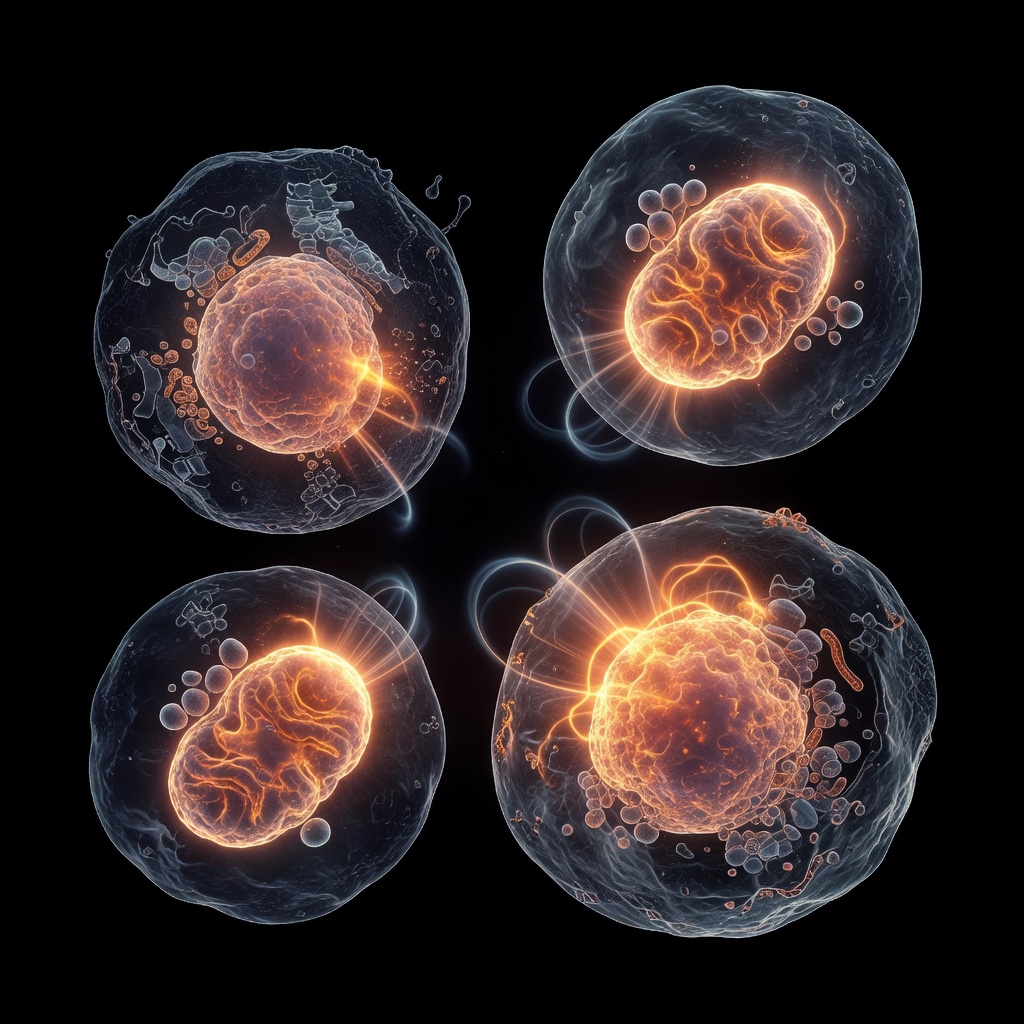
When these particles are ingested or inhaled, they undergo a process known as translocation. Smaller nanoplastics can cross the intestinal barrier, penetrate the blood-brain barrier, and even traverse the placenta to reach the developing foetus. Once inside, the "Trojan Horse" begins its work. As the plastic particle resides in the acidic or lipid-rich environments of the body, it releases its chemical cargo—BPA, phthalates, and alkylphenols—directly into the vicinity of sensitive endocrine glands.
The Breakdown of Homeostasis
The endocrine system relies on the Hypothalamic-Pituitary-Adrenal (HPA) axis and the Hypothalamic-Pituitary-Gonadal (HPG) axis to maintain homeostasis. Endocrine disruptors from plastics interfere at three primary levels:
- Mimicry: The chemical structure of the additive is so similar to a natural hormone (like oestrogen) that the body’s receptors accept it as the real thing.
- Antagonism: The additive binds to a receptor but fails to activate it, effectively "clogging" the lock so the real hormone key cannot enter.
- Interference with Synthesis: The additives disrupt the enzymes responsible for producing, transporting, or breaking down natural hormones.
##
Mechanisms at the Cellular Level
The interference of plastic additives is not a vague "toxicity"; it is a precise, albeit destructive, biochemical interaction. To understand the depth of this disruption, we must look at the specific cellular pathways and enzymes that are hijacked by these substances.
Binding to Nuclear Receptors
The most well-documented mechanism of endocrine disruption involves Nuclear Receptors (NRs). These are proteins within cells that, when bound by a hormone, travel to the nucleus to turn specific genes on or off.
- Oestrogen Receptors (ERα and ERβ): Chemicals like Bisphenol A (BPA) and its "safe" alternatives, BPS and BPF, have a high affinity for oestrogen receptors. When BPA binds to ERα, it triggers a cascade that can stimulate the proliferation of breast tissue or uterine lining, potentially leading to cancers.
- Androgen Receptors (AR): Phthalates—the chemicals that make PVC soft—act as potent anti-androgens. They do not just block the receptor; they actively interfere with the expression of the Steroidogenic Acute Regulatory (StAR) protein, which is the rate-limiting step in the production of testosterone. This leads to a systemic reduction in male sex hormones.
G-Protein Coupled Receptors (GPCRs)
Recent research has highlighted the role of GPR30, also known as the G Protein-Coupled Oestrogen Receptor (GPER). Unlike nuclear receptors, which take time to affect gene expression, GPER is located on the cell membrane and triggers rapid, "non-genomic" responses. Plastic additives can activate GPER to cause immediate spikes in intracellular calcium and the activation of the MAPK/ERK pathway, a signalling route often associated with rapid cancer cell growth and insulin resistance.
Mitochondrial Dysfunction and Oxidative Stress
Nanoplastics themselves can physically obstruct the mitochondria—the powerhouses of the cell. This physical presence, combined with the chemical load of Per- and Polyfluoroalkyl Substances (PFAS), leads to the production of Reactive Oxygen Species (ROS). In endocrine cells, such as the Leydig cells in the testes or the follicular cells in the thyroid, oxidative stress damages the delicate enzymatic machinery required for hormone production. This is particularly devastating in the thyroid, where the enzyme thyroid peroxidase (TPO) is sensitive to oxidative damage, leading to reduced production of T4 (thyroxin).
Stat Check: Studies have shown that exposure to microplastic-associated phthalates can reduce mitochondrial membrane potential in human sperm by up to 35%, directly correlating with decreased motility and fertility.
Epigenetic Reprogramming
Perhaps the most terrifying mechanism is epigenetic modification. Plastic additives like BPA have been shown to alter DNA methylation patterns. This means that while the DNA sequence remains the same, the "switches" that tell the body which genes to use are permanently altered. These changes can be transgenerational, meaning the endocrine disruption experienced by a mother due to plastic exposure can be passed down to her children and grandchildren, pre-programming them for metabolic disorders or reproductive failure before they are even born.
##
Environmental Threats and Biological Disruptors
The list of chemicals leached from plastics is vast, with over 10,000 distinct substances identified in plastic packaging alone. However, a few key players stand out for their profound biological impact.
Bisphenols (BPA, BPS, BPF)
BPA is the "poster child" for endocrine disruption. Found in the linings of tinned foods, thermal receipts, and polycarbonate bottles, it is an oestrogen mimic. Despite the "BPA-Free" labels now common in UK supermarkets, manufacturers often replace BPA with BPS or BPF, which recent studies suggest may be even more stable in the body and equally disruptive to the HPG axis.
Phthalates (DEHP, DBP, BBP)
Phthalates are everywhere—from medical tubing to the fragrance in your shampoo. They are known as "anti-androgens." In the womb, exposure to phthalates during the critical "masculinisation window" can lead to shorter anogenital distance (AGD) in male infants, a marker for reduced reproductive health and lower sperm counts in adulthood.
Per- and Polyfluoroalkyl Substances (PFAS)
Known as "Forever Chemicals" because they do not break down in the environment or the human body, PFAS are used in grease-resistant food packaging and non-stick coatings. They are structurally similar to fatty acids and interfere with Peroxisome Proliferator-Activated Receptors (PPARs). PPARs are the master regulators of fat metabolism. By hijacking these receptors, PFAS act as obesogens, chemically reprogramming the body to create more fat cells and store more energy as adipose tissue, regardless of caloric intake.
Organotins
Used as heat stabilisers in PVC, organotins are potent endocrine disruptors that can induce "imposex" in marine life (where females develop male sex organs). In humans, they are known to interfere with the aromatase enzyme, which converts testosterone into oestrogen. This disruption can lead to a state of hormonal "blurring," where the distinct chemical profiles of male and female physiology are eroded.
##
The Cascade: From Exposure to Disease
The disruption of the endocrine system is not an isolated event; it is a falling domino that triggers a cascade of systemic diseases. When the chemical messengers are corrupted, the entire biological narrative of the body changes.
Metabolic Syndrome and Type 2 Diabetes
The interference with PPARs and the insulin-signalling pathway by plasticisers has led to a surge in metabolic syndrome. By mimicking oestrogen and interfering with the pancreas, chemicals like BPA can cause hyperinsulinaemia—a state where the body overproduces insulin, eventually leading to insulin resistance. This is a primary driver of the Type 2 Diabetes epidemic currently straining the NHS.
Reproductive Decline: The "Spermageddon"
In the last 40 years, sperm counts in Western men have plummeted by over 50%. While various lifestyle factors contribute, the "Trojan Horse" of plastic additives is a primary suspect. Phthalates and bisphenols interfere with the blood-testis barrier, allowing toxins to reach developing spermatocytes. In women, these chemicals are linked to Polycystic Ovary Syndrome (PCOS) and Endometriosis, both of which are characterised by hormonal imbalances and chronic inflammation.
Neurodevelopmental Issues
The brain is an endocrine organ. Thyroid hormones are critical for brain development in utero and during early childhood. By disrupting thyroid hormone transport proteins like transthyretin, plastic additives can interfere with neuronal migration. This has been linked to lower IQ, ADHD, and autism spectrum disorders. The brain’s sensitivity to these chemicals is so high that even "regulatory-approved" levels of exposure are now being questioned by independent researchers.
Early Onset Puberty
There has been a documented trend of girls entering puberty at increasingly younger ages. Exposure to xenoestrogens (foreign oestrogens) from plastics mimics the signal that tells the body it is time to develop. This is not merely a social or psychological issue; early puberty is a major risk factor for breast and ovarian cancers later in life, as it increases the lifetime exposure to oestrogenic stimulation.
##
What the Mainstream Narrative Omits
The mainstream media and regulatory bodies often frame the microplastic issue as an emerging field where "more research is needed" before definitive action can be taken. This is a classic tactic of manufactured doubt, reminiscent of the tobacco industry's strategy in the 20th century.
The "Safe Limit" Fallacy
The current regulatory framework, used by bodies like the European Food Safety Authority (EFSA) and the UK's Food Standards Agency (FSA), relies on the "Toxicological Threshold of Concern." This assumes that "the dose makes the poison." However, endocrine disruptors follow a non-monotonic dose-response curve. This means that they can be more dangerous at extremely low doses than at high doses, because low doses more closely mimic the body's natural hormone levels. The mainstream narrative completely ignores this fundamental principle of endocrinology.
The Cocktail Effect
Regulatory safety assessments almost always test one chemical at a time. In reality, we are exposed to hundreds of plastic additives simultaneously. Research into the "Cocktail Effect" has shown that chemicals which have no effect individually can, when combined, produce significant endocrine disruption. We are being exposed to a synergistic toxic load that is never accounted for in official "safety" guidelines.
The Durability Paradox
The very thing that makes plastic useful—its near-immortality—is what makes it a biological catastrophe. Unlike natural toxins that the liver can metabolise and the kidneys can excrete, microplastics and certain additives like PFAS are not easily cleared. They bioaccumulate. Each day of exposure adds to the "body burden," a cumulative chemical load that the body simply was not evolved to handle.
##
The UK Context
In the United Kingdom, the situation is particularly acute. Despite our image as a nation of "green" policies, the regulatory landscape post-Brexit has left a vacuum that is being filled by industrial interests.
The Environment Agency and River Pollution
The Environment Agency (EA) has repeatedly found that UK rivers—including the Thames, the Severn, and the Trent—are heavily contaminated with microplastics and EDCs. A significant portion of this comes from wastewater treatment plants, which are not currently equipped to filter out nanoplastics or dissolved chemical additives. These toxins enter our water cycle, are taken up by crops, and eventually return to our dinner tables.
Regulatory Gaps: From REACH to UK REACH
Following the UK's departure from the European Union, we transitioned from the EU's REACH (Registration, Evaluation, Authorisation and Restriction of Chemicals) framework to UK REACH. Critics and senior scientists have warned that the UK version lacks the robust data-sharing agreements of its predecessor, potentially allowing chemicals that are restricted in the EU to remain on the UK market. The Health and Safety Executive (HSE) and the MHRA are under-resourced, leading to a "wait and see" approach that leaves the British public vulnerable.
Microplastics in UK Tap Water
Recent testing by independent labs has found microplastic fibres in a staggering percentage of UK tap water samples. While the Drinking Water Inspectorate (DWI) maintains that there is no immediate risk to health, their assessments often fail to account for the long-term, chronic endocrine disruption caused by the additives these fibres leach into our drinking water.
##
Protective Measures and Recovery Protocols
While the systemic issue requires legislative change, individuals must take proactive steps to reduce their "body burden" and protect their hormonal integrity. This is not about "detox teas"; it is about systemic biological defence.
Radical Source Reduction
- Eliminate Plastic in the Kitchen: Never heat food in plastic containers. The heat accelerates the leaching of phthalates and bisphenols. Switch to glass, stainless steel, or high-quality ceramic.
- Water Filtration: Standard charcoal filters are insufficient for nanoplastics. Use Reverse Osmosis (RO) or high-quality distillation systems to ensure your drinking water is free from chemical additives.
- Audit Personal Care: Many UK brands contain "fragrance" or "parfum," which are often legal loopholes for phthalates. Use products that are explicitly labelled as phthalate-free and paraben-free.
- Dust Control: Plastic additives (especially flame retardants) accumulate in household dust. Use a vacuum with a HEPA filter and wet-mop floors regularly to prevent inhalation of these particles.
Nutritional and Biological Support
- Support Phase II Detoxification: The liver's Phase II pathways (glucuronidation and sulfation) are responsible for clearing xenoestrogens. Increase intake of cruciferous vegetables (broccoli, kale, Brussels sprouts) which contain Indole-3-Carbinol (I3C) and Sulforaphane to enhance these pathways.
- Calcium D-Glucarate: This supplement can prevent the "un-conjugation" of toxins in the gut, ensuring that once the liver has processed plastic additives, they are actually excreted rather than reabsorbed.
- Fibre Intake: Microplastics can damage the gut lining (leaky gut). A high-fibre diet (from organic sources to avoid pesticides, which are also EDCs) helps bind toxins in the digestive tract and maintain a healthy microbiome, which is essential for hormone metabolism.
- Iodine Status: To protect the thyroid from plastic-derived disruptors like perchlorate or PFAS, ensure adequate iodine levels (through seaweed or high-quality supplementation), but only under professional guidance to avoid over-stimulation.
Recovery Tip: Saunas and sweat-inducing exercise are among the few ways to effectively clear certain bioaccumulative plastic additives, like BPA and phthalates, from the adipose tissue and bloodstream.
##
Summary: Key Takeaways
The reality of plastic additives as endocrine disruptors is a call to biological arms. We can no longer view plastic as an inert material; it is a pharmacologically active substance that we are consuming daily.
- The Trojan Horse: Microplastics are delivery vehicles for a suite of toxic additives (BPA, Phthalates, PFAS) and concentrated environmental pollutants.
- Hormonal Mimicry: These chemicals operate at parts-per-trillion, mimicking, blocking, or sabotaging the natural hormones that govern our growth, metabolism, and reproduction.
- The Obesogen Effect: Additives like PFAS and organotins are literally reprogramming human metabolism, contributing significantly to the global obesity and diabetes epidemics.
- Transgenerational Damage: Epigenetic changes caused by plastic exposure can be passed down to future generations, making this a long-term threat to the human genome.
- Regulatory Failure: The UK's current safety thresholds and the transition to UK REACH are failing to account for the "cocktail effect" and the non-linear nature of endocrine disruption.
- Immediate Action: Protecting yourself requires a radical shift away from plastic contact, high-level water filtration, and dietary strategies to support the body's natural detoxification pathways.
The evidence is no longer "emerging"—it is overwhelming. The colonisation of the human body by plastic is a biological reality that requires immediate personal and systemic intervention. At INNERSTANDING, we remain committed to exposing these truths, providing you with the scientific literacy needed to navigate a world that is increasingly synthetic and systemically toxic. Your hormonal health is the blueprint of your existence; do not allow it to be rewritten by the plastics industry.
This article is provided for informational and educational purposes only. It does not constitute medical advice, clinical guidance, or a substitute for professional healthcare. Information reflects cited research at time of publication. Always consult a qualified healthcare professional before acting on any health information.
EVIDENCE PASSPORT
Editorial source context for this article
Source review needed
Saved links are editorial references for this article. They may support specific claims rather than every sentence. Open and assess each source in context. This passport does not independently verify them.
Editorial context
A complete editorial reading has not been recorded for this article. Source links remain available for you to open and assess directly.
Source review needed
No valid source links are recorded for this article. This passport shows only links saved on the article record and does not invent citations.
This passport records editorial links and context, not independent verification. Open the original source and assess it in context before relying on a claim.
Medical Disclaimer
The information in this article is for educational purposes only and does not constitute medical advice, diagnosis, or treatment. Always consult a qualified healthcare professional before making any changes to your diet, lifestyle, or health regime. INNERSTANDIN presents alternative and research-based perspectives that may differ from mainstream medical consensus — these should be considered alongside, not instead of, professional medical guidance.
Read Full DisclaimerContinue the thread
Keep this question moving.
Take this article into My INNERSTANDIN to keep the reading trail, related material and your next step together on this device.
Explore this in the Body Map
See where this hits your biology. Interactive anatomy, threats, and protective protocols.
Dig deeper in the Library
Free, longform PDF volumes that go beyond headlines into mechanisms and references.