All INNERSTANDIN content is for educational purposes only — not medical advice, diagnosis or treatment. Full Disclaimer →

    Biological overview of the Physiology system
    SYSTEM OVERVIEW // Physiology

    PHYSIOLOGY

    The Biological Rhythm of Life.

    Explore the chemical and physical processes that drive human existence. From cellular respiration to hormonal signaling, understand how your body functions as a unified biological machine.

    37.2TTotal Cells
    100kHeartbeats Per Day
    25TRed Blood Cells
    YOUR PROGRESS:
    0 / 42 TRANSMISSIONS READ
    0%

    LATEST RESEARCH

    In-depth analysis of biological systems and environmental factors.
    Browse Full Archive
    L
    Scientific illustration for The Lymphatic System: The Overlooked Detox Network
    Physiology
    18 MIN READ

    The Lymphatic System: The Overlooked Detox Network

    The lymphatic system is a vast network of vessels, nodes, and organs — including the spleen, thymus, tonsils, and bone marrow — that serves as the body's primary waste removal and immune surveillance infrastructure, transporting lymph fluid, immune cells, dietary fats, and cellular debris throughout the body. Unlike the cardiovascular system, the lymphatic system has no central pump and relies entirely on muscular movement, diaphragmatic breathing, and gravitational forces to circulate its fluid — making sedentary behaviour one of the most damaging threats to lymphatic function. A sluggish lymphatic system leads to toxin accumulation, compromised immunity, oedema, and chronic inflammation, yet it receives virtually no attention in conventional medical practice despite being critical to detoxification and immune competence.

    #lymphatic#detox
    I
    Scientific illustration for Inflammation: The Double-Edged Sword Destroying Modern Health
    Physiology
    17 MIN READ

    Inflammation: The Double-Edged Sword Destroying Modern Health

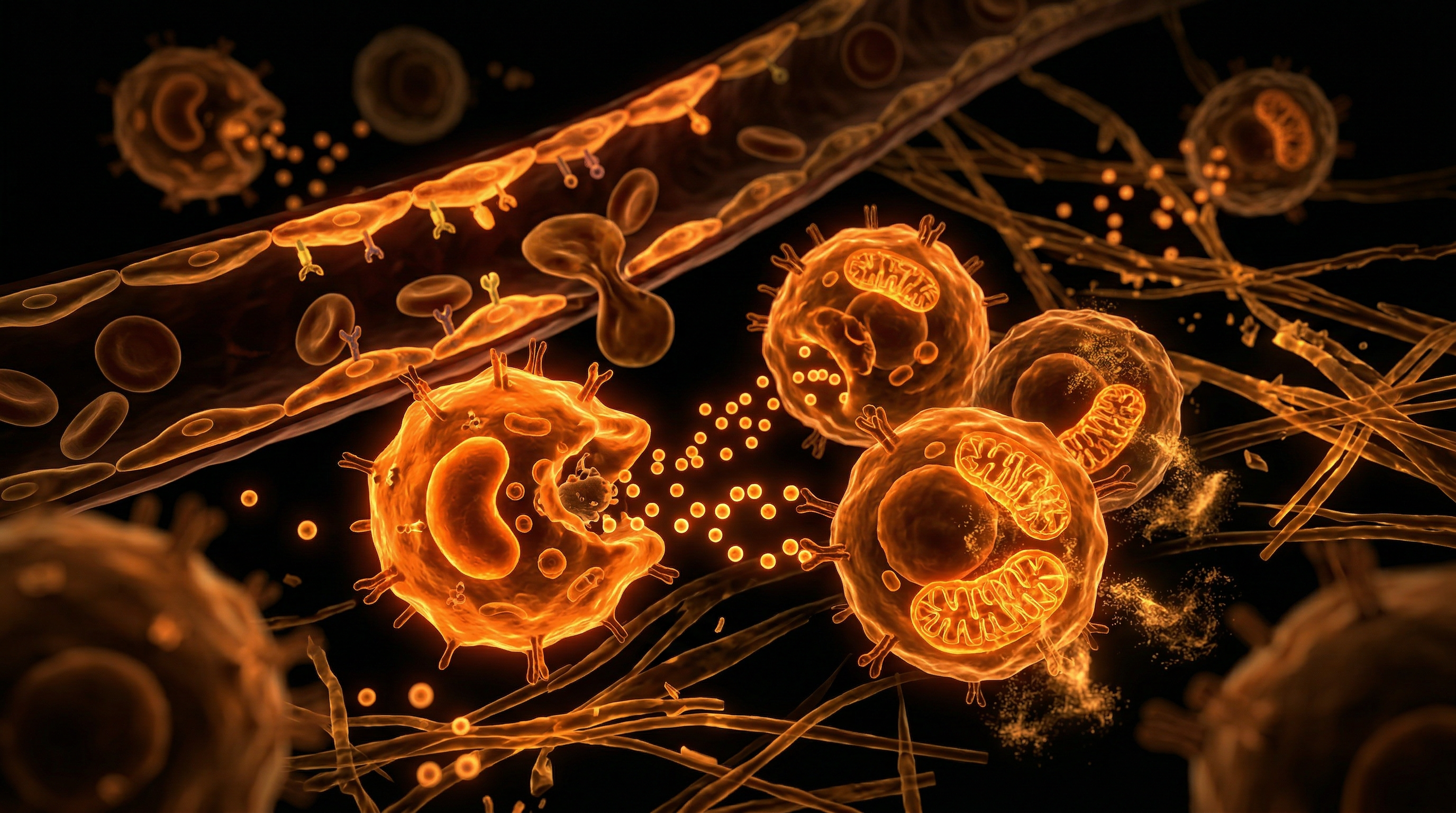
    Inflammation is the immune system's ancient and essential response to infection, injury, and threat — a precisely orchestrated cascade of vascular changes, immune cell recruitment, and chemical signalling designed to eliminate pathogens, clear debris, and initiate tissue repair. Acute inflammation is life-saving; chronic, low-grade systemic inflammation is the defining biological feature of virtually every modern chronic disease, from cardiovascular disease and type 2 diabetes to cancer, Alzheimer's, and autoimmune conditions. The unprecedented levels of chronic inflammation now observed in Western populations — detectable via elevated CRP, IL-6, TNF-alpha, and other biomarkers — are a direct consequence of environmental toxin exposure, processed food consumption, gut dysbiosis, sleep disruption, and psychological stress operating simultaneously.

    #inflammation#cytokines
    H
    Scientific illustration for Hormesis: Why Small Stressors Make You Stronger
    Physiology
    19 MIN READ

    Hormesis: Why Small Stressors Make You Stronger

    Hormesis is the biological principle whereby exposure to low doses of a stressor — whether physical, thermal, chemical, or radiation-based — triggers an adaptive response that improves resilience and function, whilst the same stressor at high doses causes harm. This dose-response phenomenon underpins the health benefits of exercise, cold water immersion, intermittent fasting, heat stress, and even certain plant compounds — all of which activate stress-response pathways including Nrf2, AMPK, and sirtuins that upregulate cellular repair, antioxidant defences, and mitochondrial biogenesis. Understanding hormesis fundamentally changes how we approach health optimisation, explaining why discomfort — within physiological limits — is not merely tolerable but essential for biological adaptation and longevity.

    #hormesis#Nrf2
    M
    Scientific illustration for The Microbiome: The 39 Trillion Organisms Running Your Health
    Physiology
    18 MIN READ

    The Microbiome: The 39 Trillion Organisms Running Your Health

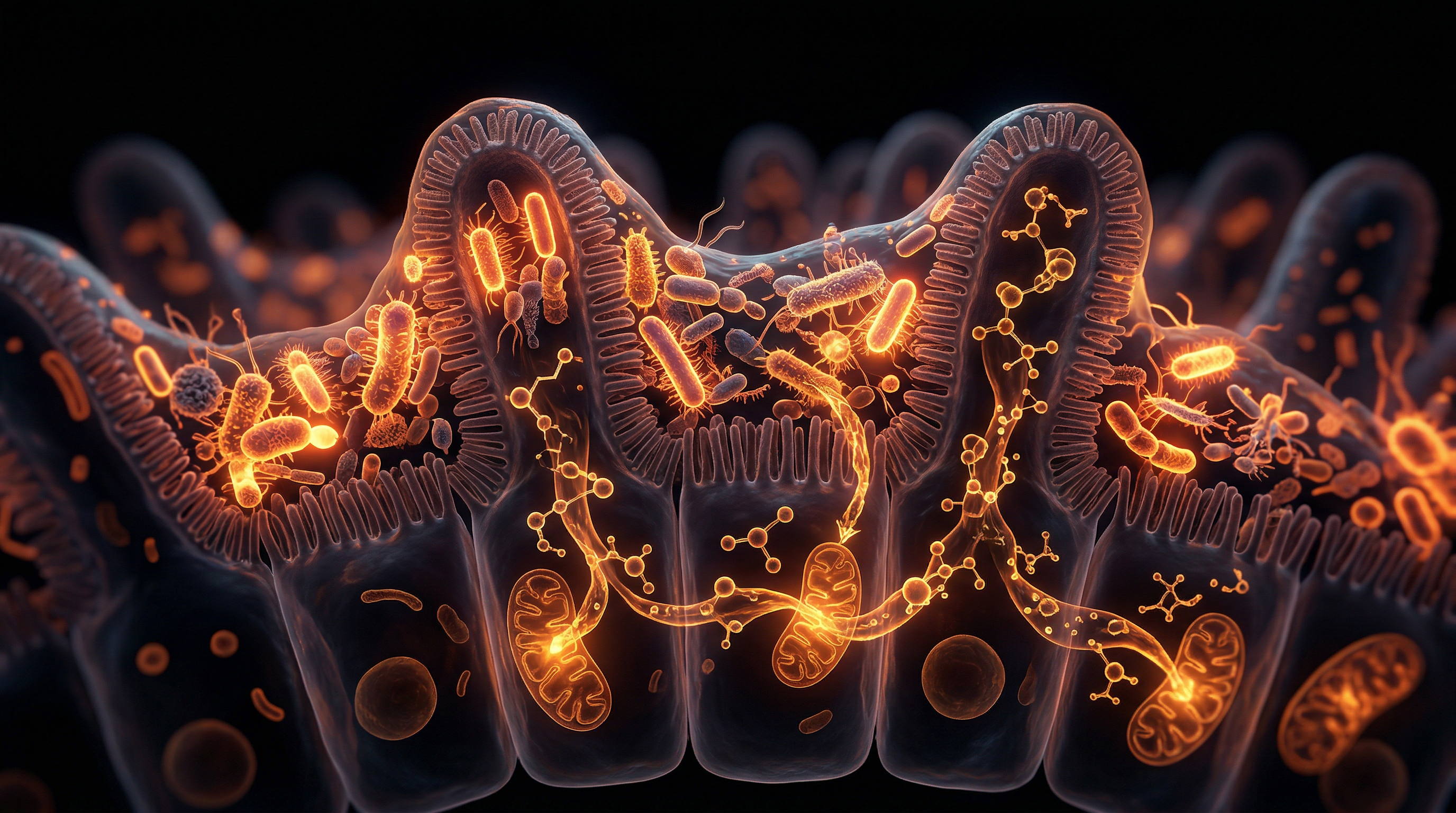
    The human microbiome — the collective genome of the trillions of bacteria, archaea, fungi, viruses, and protozoa residing primarily in the gastrointestinal tract — encodes over 3 million unique genes, dwarfing the 23,000 genes of the human genome and performing metabolic functions that the human body cannot accomplish alone. This microbial community synthesises essential vitamins including B12, K2, and folate, regulates the immune system, produces short-chain fatty acids that fuel the colonocytes of the gut wall, and communicates directly with the brain via the vagus nerve and the production of neurotransmitter precursors including 95% of the body's serotonin. The catastrophic decimation of microbiome diversity through antibiotic overuse, glyphosate consumption, processed food diets, and the loss of traditional fermented foods is arguably the single most consequential public health crisis of our era, with knock-on effects extending to mental health, immunity, metabolism, and the intergenerational inheritance of microbial communities from mother to child.

    #microbiome#gut bacteria
    O
    Scientific illustration for Oxidative Stress: The Silent Fire Inside Every Cell
    Physiology
    18 MIN READ

    Oxidative Stress: The Silent Fire Inside Every Cell

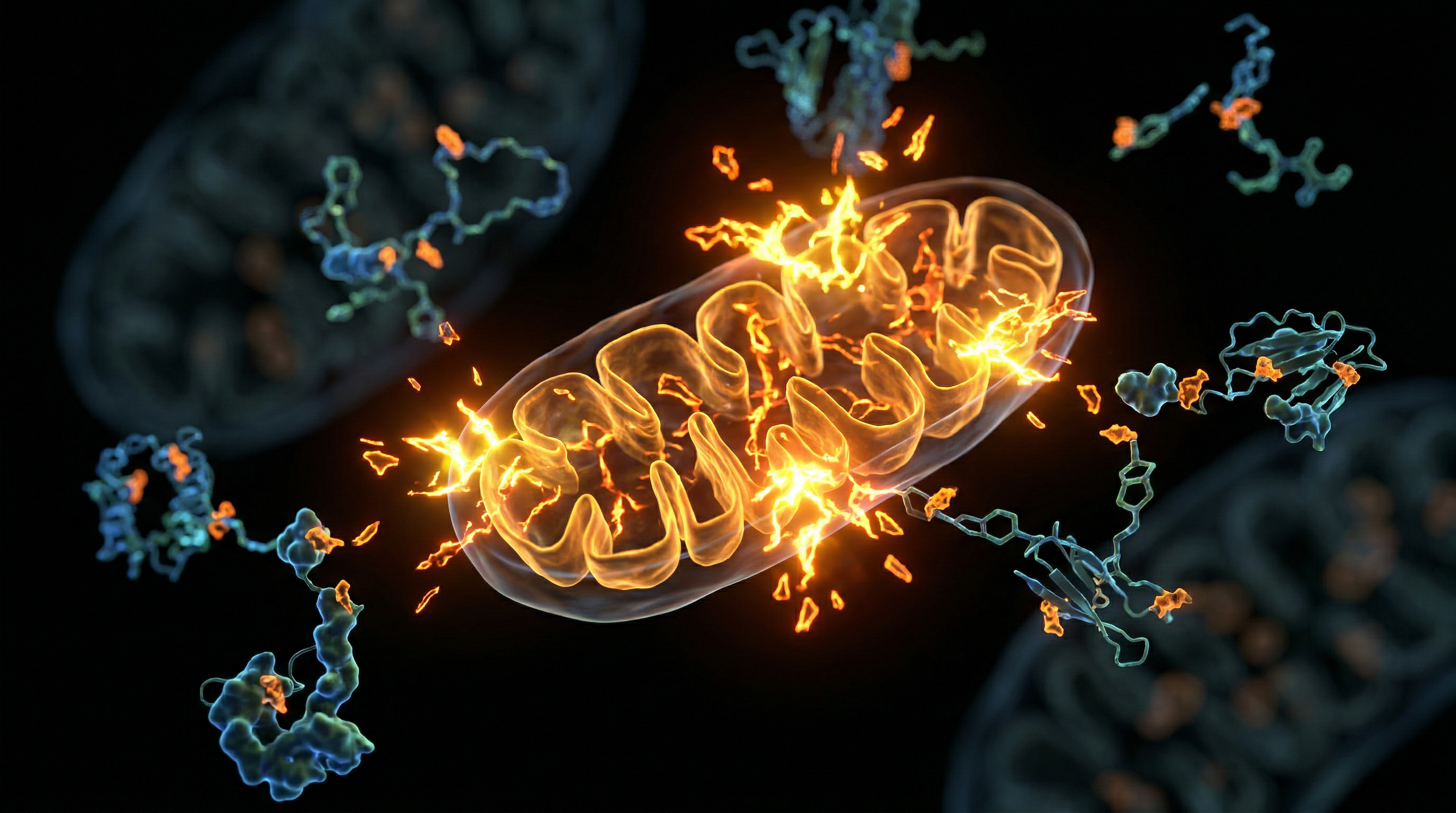
    Oxidative stress occurs when the production of reactive oxygen species (ROS) — the inevitable metabolic byproducts of oxygen utilisation — overwhelms the body's antioxidant defence systems, leading to cumulative cellular damage across lipids, proteins, and DNA. Whilst a physiological level of ROS serves essential signalling and immune functions, the extraordinary toxic burden of modern life — from heavy metal exposure and pesticide consumption to chronic psychological stress and electromagnetic radiation — creates a level of oxidative stress that exceeds what any human antioxidant system evolved to manage. The resulting cellular damage is the foundational mechanism linking environmental toxicity to the full spectrum of chronic degenerative disease, from atherosclerosis and type 2 diabetes to cancer and neurodegeneration.

    #oxidative stress#ROS
    T
    Scientific illustration for Telomeres: The Biological Clock Toxins Are Shortening
    Physiology
    18 MIN READ

    Telomeres: The Biological Clock Toxins Are Shortening

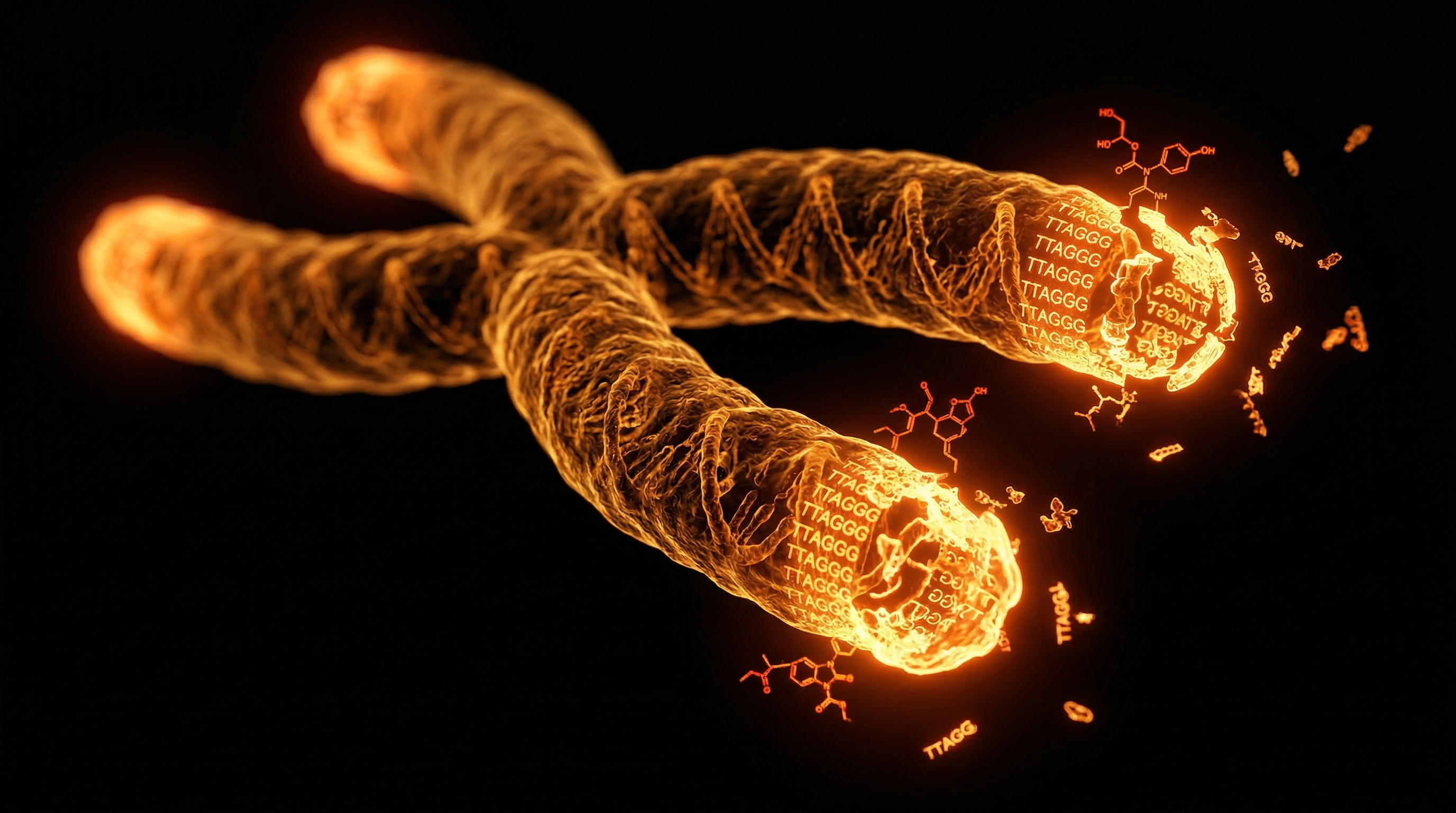
    Telomeres are protective caps of repetitive DNA sequences (TTAGGG) located at the ends of each chromosome, functioning much like the plastic aglets on shoelaces — preventing chromosomal degradation and end-to-end fusion during cellular replication. With each cell division, telomeres shorten incrementally until they reach a critical minimum length, triggering cellular senescence (permanent growth arrest) or apoptosis (programmed cell death) — a mechanism that places a fundamental limit on cellular lifespan and biological ageing. Critically, telomere shortening is dramatically accelerated by chronic oxidative stress, systemic inflammation, heavy metal exposure, pesticide residues, sleep deprivation, and psychological stress, meaning that environmental toxicity is literally ageing the population at an accelerated rate detectable in biological tissue years or decades before clinical disease presents.

    #telomeres#ageing
    G
    Scientific illustration for The Gut-Brain Axis: The Bidirectional Intelligence Your Doctor Ignores
    Physiology
    13 MIN READ

    The Gut-Brain Axis: The Bidirectional Intelligence Your Doctor Ignores

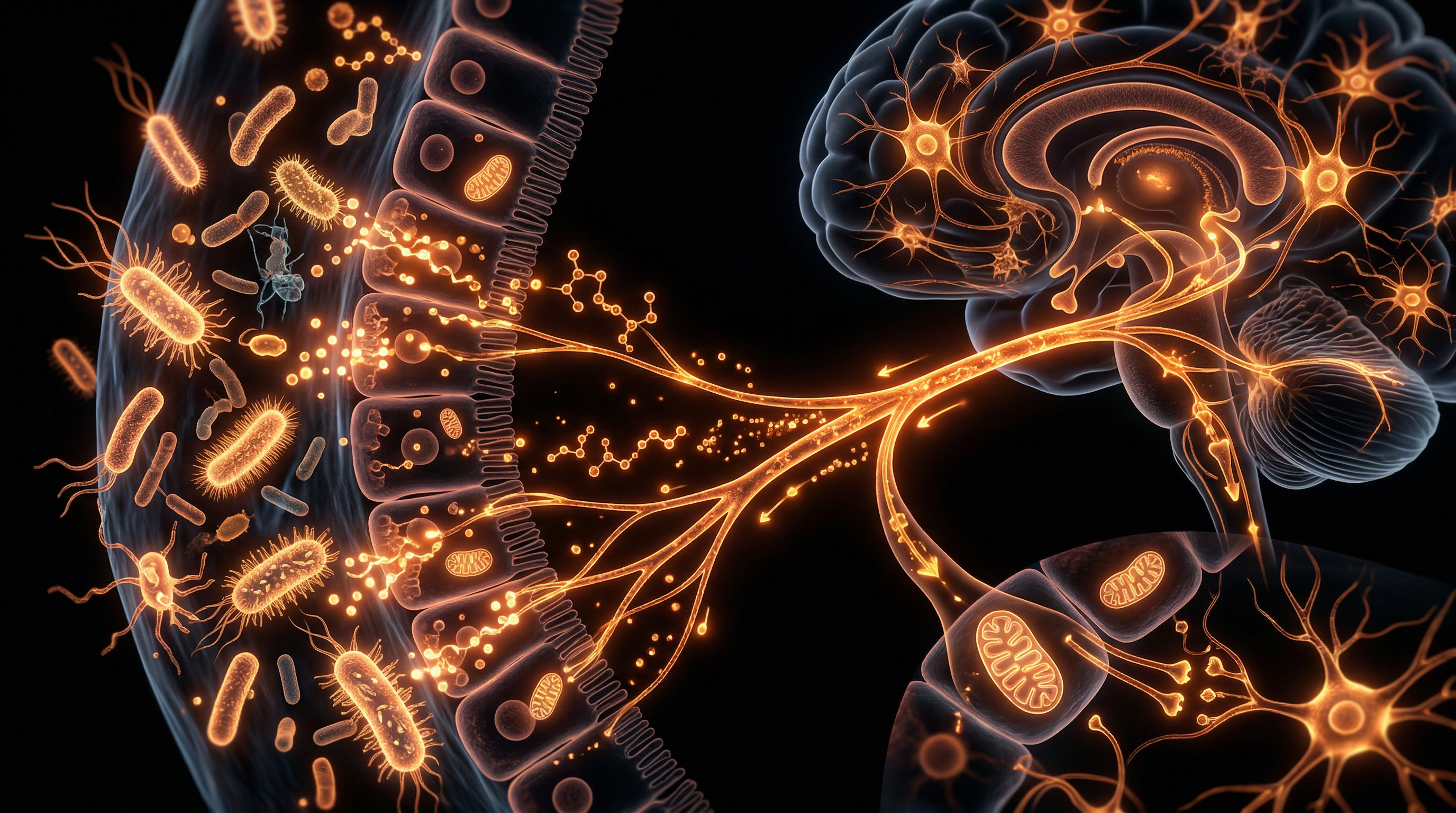
    The gut-brain axis — the bidirectional communication network connecting the enteric nervous system's 100 million neurons with the central nervous system via the vagus nerve, immune signalling, and neurotransmitter production — fundamentally challenges the conventional separation of gastrointestinal and neurological medicine. Ninety percent of the body's serotonin, 50% of its dopamine precursors, and the majority of its GABA are synthesised in the gut by microbiome organisms whose populations are devastated by antibiotics, glyphosate, processed food, and chronic stress. This makes gut dysbiosis a direct cause of depression, anxiety, autism spectrum disorder, and neurodegenerative disease — a connection that psychiatric medicine has been extraordinarily reluctant to integrate.

    #gut-brain axis#serotonin
    T
    Scientific illustration for Thyroid Physiology: The Metabolic Master Switch
    Physiology
    13 MIN READ

    Thyroid Physiology: The Metabolic Master Switch

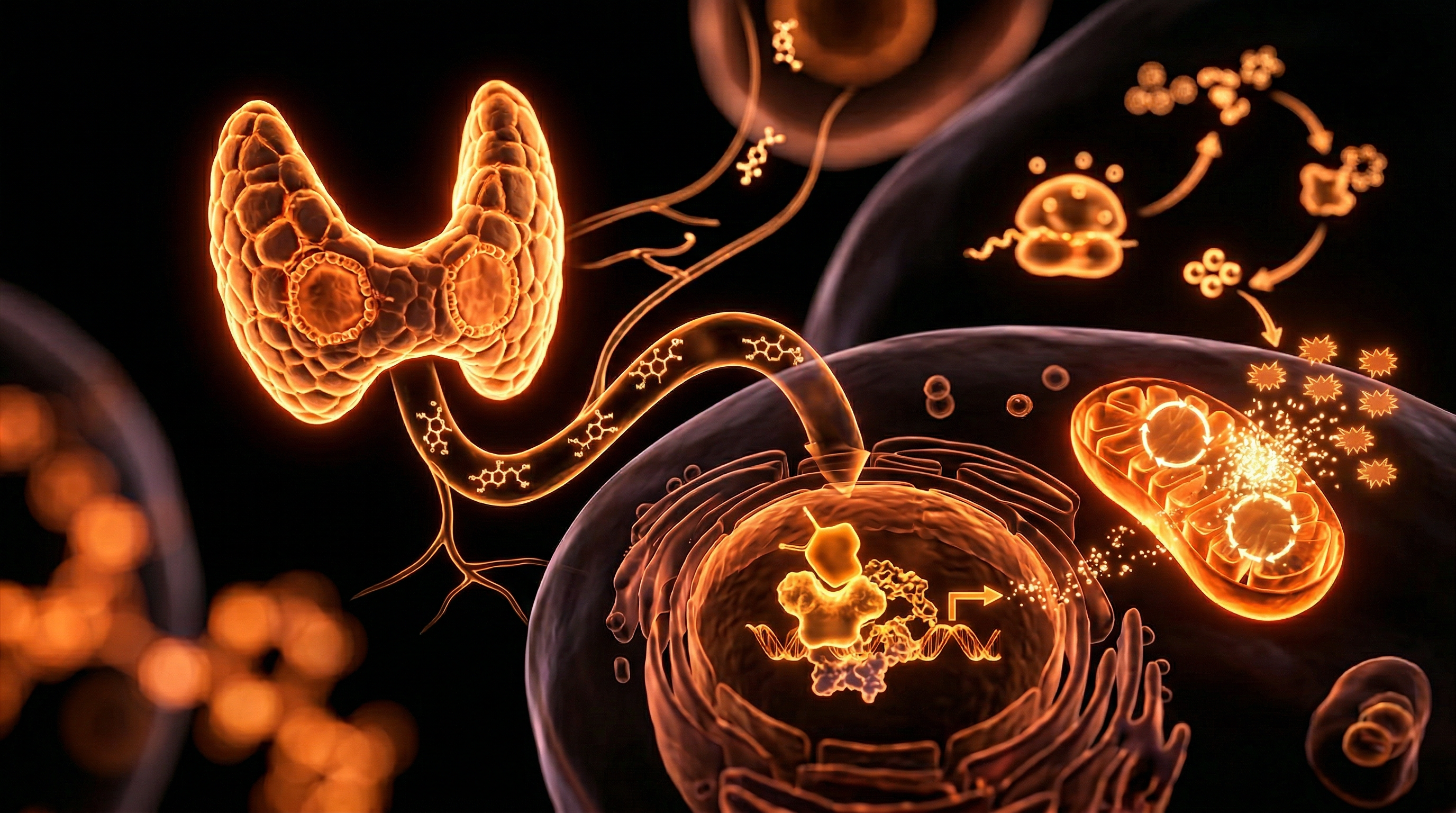
    Thyroid hormone physiology extends far beyond simple TSH and T4 measurement — the conversion of inactive T4 to biologically active T3 by the deiodinase enzyme family, the binding of T3 to nuclear receptors that alter gene expression across every cell type, and the role of reverse T3 as a metabolic brake during physiological stress represent layers of regulation that standard NHS thyroid panels completely miss. Mercury, cadmium, and organochlorine pesticides directly inhibit deiodinase enzymes, creating a state of functional hypothyroidism even with normal circulating T4 levels. Fluoride's competition with iodine at the sodium-iodide symporter further impairs T4 synthesis, contributing to the widespread subclinical hypothyroidism the NHS diagnoses as depression, fatigue, and weight problems.

    #thyroid#T3
    L
    Scientific illustration for Liver Detoxification: Phase I & Phase II Pathways Explained
    Physiology
    15 MIN READ

    Liver Detoxification: Phase I & Phase II Pathways Explained

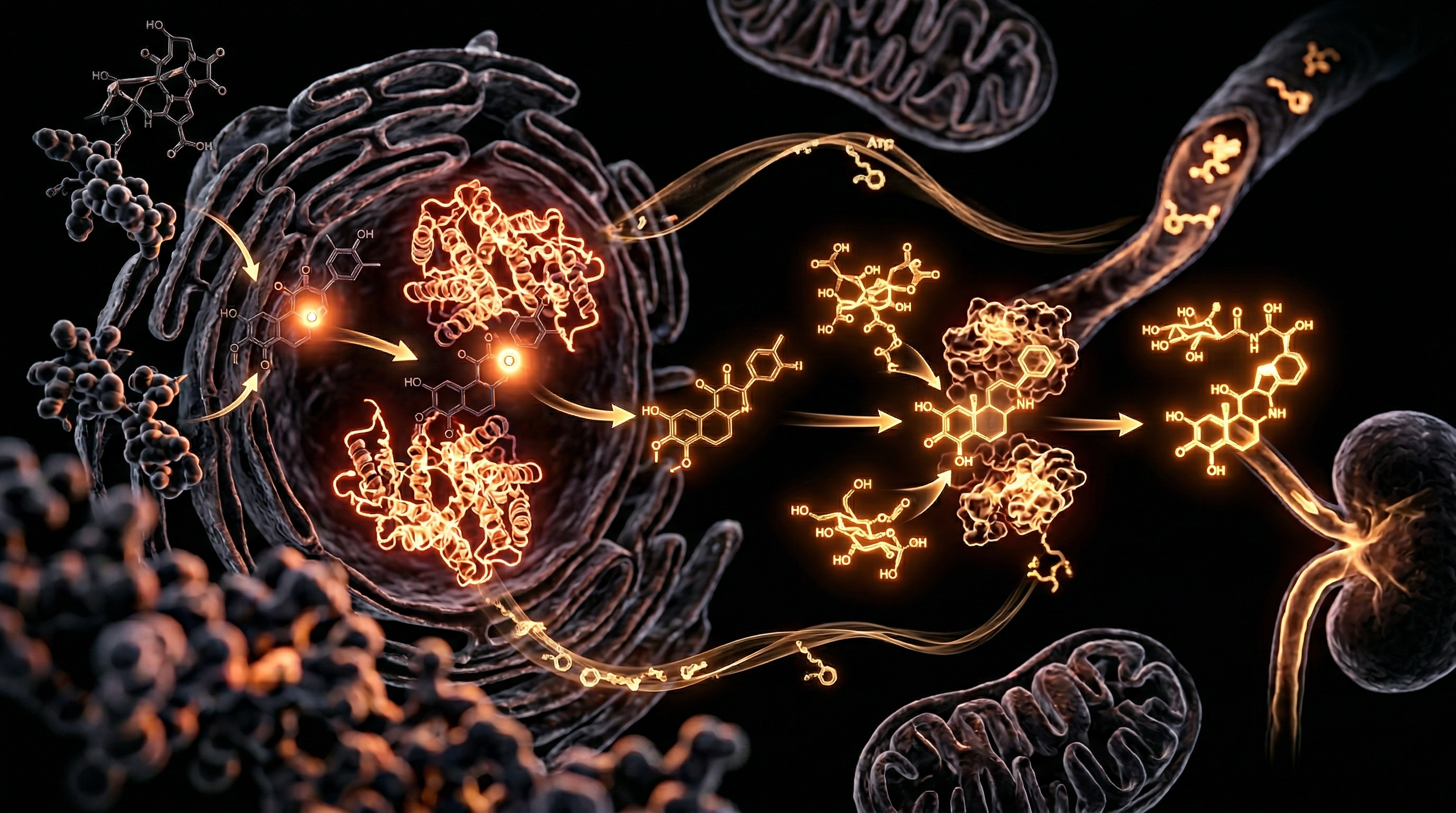
    Hepatic detoxification operates in two sequential phases: Phase I functionalization, mediated by a superfamily of cytochrome P450 enzymes that oxidise, reduce, or hydrolyse toxins into more reactive intermediates; and Phase II conjugation, which attaches glutathione, sulphate, glucuronate, glycine, or methyl groups to these intermediates, rendering them water-soluble for excretion via bile or urine. This elegantly designed system is increasingly overwhelmed by the combined load of pharmaceutical metabolites, industrial xenobiotics, pesticide residues, and heavy metals that characterise modern human toxin exposure, whilst simultaneously being depleted of the nutritional co-factors — glutathione, B vitamins, magnesium, zinc, and sulphur amino acids — required to drive these enzymatic pathways. Optimising liver detoxification capacity is foundational to any genuine approach to chronic disease resolution.

    #liver#detoxification
    I
    Scientific illustration for Inflammation: The Biological Fire That Burns Chronically
    Physiology
    17 MIN READ

    Inflammation: The Biological Fire That Burns Chronically

    Acute inflammation is the body's essential wound-healing and pathogen-defence mechanism, orchestrated through prostaglandin synthesis, cytokine signalling, complement activation, and neutrophil mobilisation in a tightly regulated cascade that resolves within days. Chronic low-grade inflammation — driven by persistent gut dysbiosis, toxic burden, glycaemic dysregulation, and omega-6:omega-3 imbalance — hijacks these same pathways into a sustained state of immune activation that is the common underlying mechanism of cardiovascular disease, type 2 diabetes, cancer, neurodegenerative conditions, and autoimmune disease. The pharmaceutical industry's answer — anti-inflammatory drugs that block these pathways without addressing their cause — treats the smoke alarm whilst ignoring the fire.

    #inflammation#cytokines
    C
    Scientific illustration for Cortisol & The HPA Axis: The Biology of Chronic Stress
    Physiology
    15 MIN READ

    Cortisol & The HPA Axis: The Biology of Chronic Stress

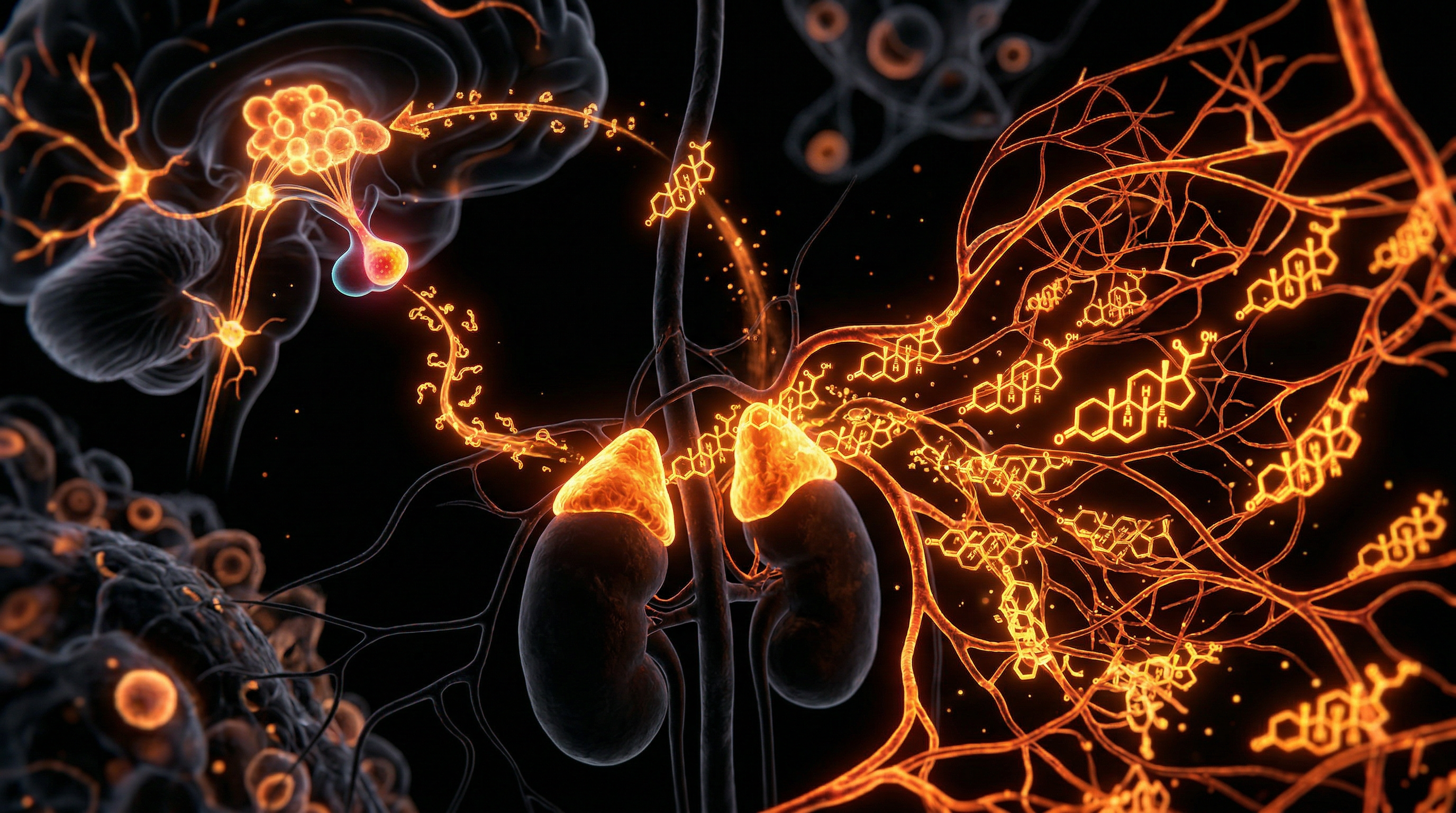
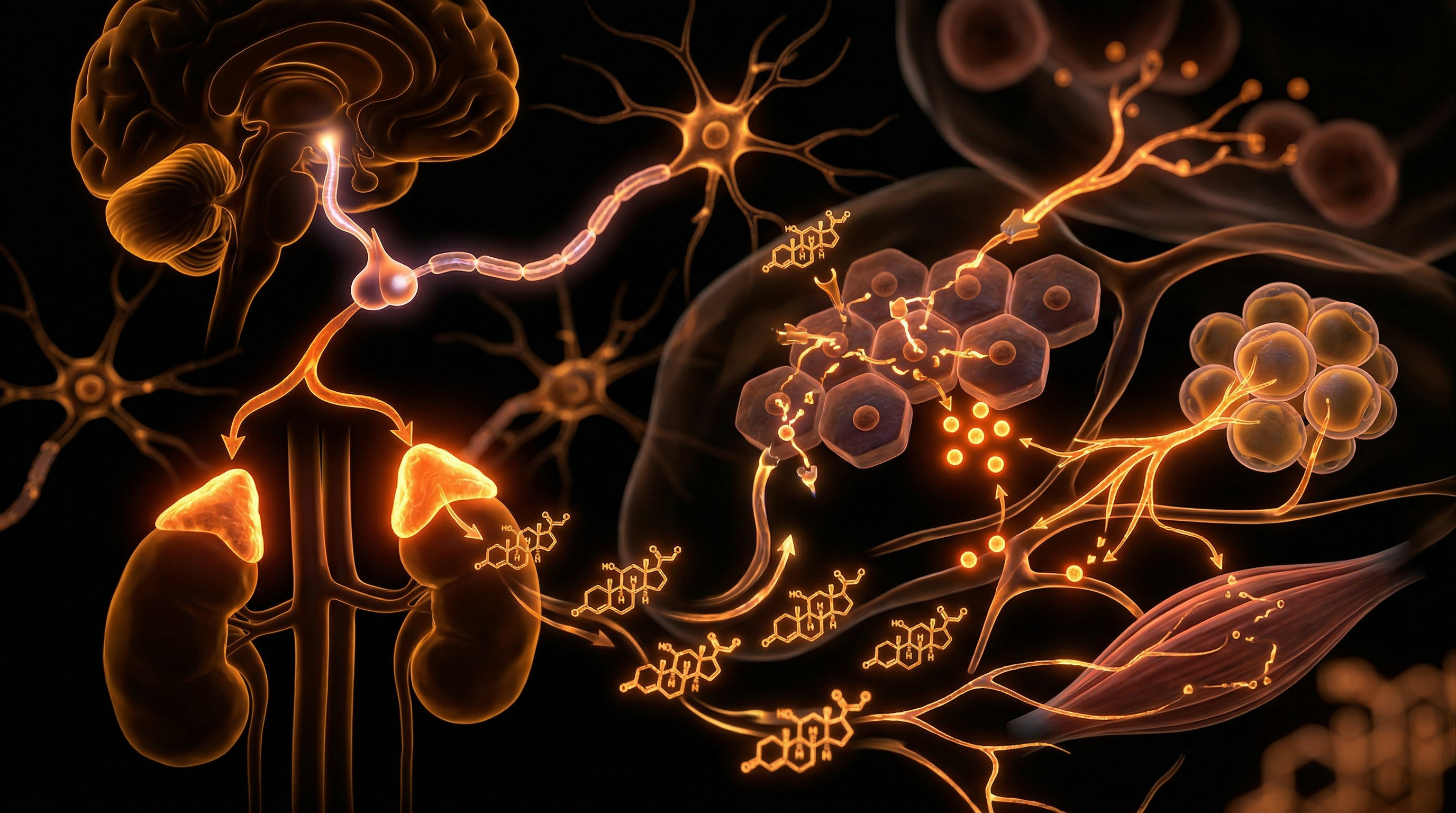
    The hypothalamic-pituitary-adrenal axis is the body's master stress response system — a hormonal cascade that evolved for short-term survival threats but is chronically activated by the psychological, nutritional, and environmental stressors of modern life, creating a sustained cortisol elevation that suppresses immune function, disrupts the gut microbiome, promotes visceral fat deposition, impairs hippocampal neurogenesis, and accelerates cellular ageing through telomere shortening. Understanding the HPA axis — its feedback loops, its interaction with the thyroid and sex hormone axes, and its susceptibility to disruption by inflammatory cytokines, nutritional deficiencies, and environmental toxins — is essential for addressing the fatigue, anxiety, hormonal dysregulation, and immune collapse of modern chronic disease.

    #cortisol#HPA axis
    X
    Scientific illustration for Xenobiotics & The Liver: What Happens to Industrial Chemicals in Your Body
    Physiology
    14 MIN READ

    Xenobiotics & The Liver: What Happens to Industrial Chemicals in Your Body

    Xenobiotics — any chemical compound foreign to the biological systems it enters, including synthetic pharmaceuticals, industrial pollutants, pesticide residues, food additives, personal care chemicals, and plasticisers — must be processed and eliminated by the liver's Phase I and Phase II detoxification systems, creating a metabolic burden that modern toxicological science has only begun to quantify at the level of cumulative mixture exposure. The cocktail effect — where chemicals that are individually below regulatory safety thresholds exert synergistic biological effects when combined — is well-documented in research but conspicuously absent from the regulatory frameworks that approve each chemical in isolation. Of particular concern is the xenobiotic disruption of cytochrome P450 enzymes, which not only impairs the detoxification of other chemicals but also alters the metabolism of endogenous hormones, creating the hormonal chaos of the modern endocrine disruption crisis from an unexpected direction.

    #xenobiotics#liver
    B
    Scientific illustration for Bile: The Forgotten Key to Detoxification & Hormonal Balance
    Physiology
    16 MIN READ

    Bile: The Forgotten Key to Detoxification & Hormonal Balance

    Bile — the green-yellow fluid synthesised by hepatocytes from cholesterol, conjugated with taurine or glycine, stored in the gallbladder, and secreted into the duodenum in response to fat ingestion — performs far more than the digestion of dietary fats: it is the primary vehicle through which fat-soluble toxins, excess hormones, heavy metals, and pharmaceutical metabolites are excreted from the body, making adequate bile production and flow the non-negotiable foundation of effective hepatic detoxification. Insufficient bile production — driven by low dietary fat intake following decades of misguided fat-phobic dietary advice, liver congestion, gallbladder removal (cholecystectomy), or pharmaceutical bile acid sequestrant use — creates a bottleneck in detoxification that allows lipophilic toxins to recirculate through enterohepatic recycling rather than being eliminated. The gallbladder epidemic in the UK, with 70,000 cholecystectomies performed annually, is a predictable consequence of the low-fat, high-carbohydrate dietary paradigm that has dominated NHS nutritional guidance for 40 years.
    #bile#gallbladder
    N
    Scientific illustration for Neuroplasticity: Rewiring the Brain at Any Age
    Physiology
    17 MIN READ

    Neuroplasticity: Rewiring the Brain at Any Age

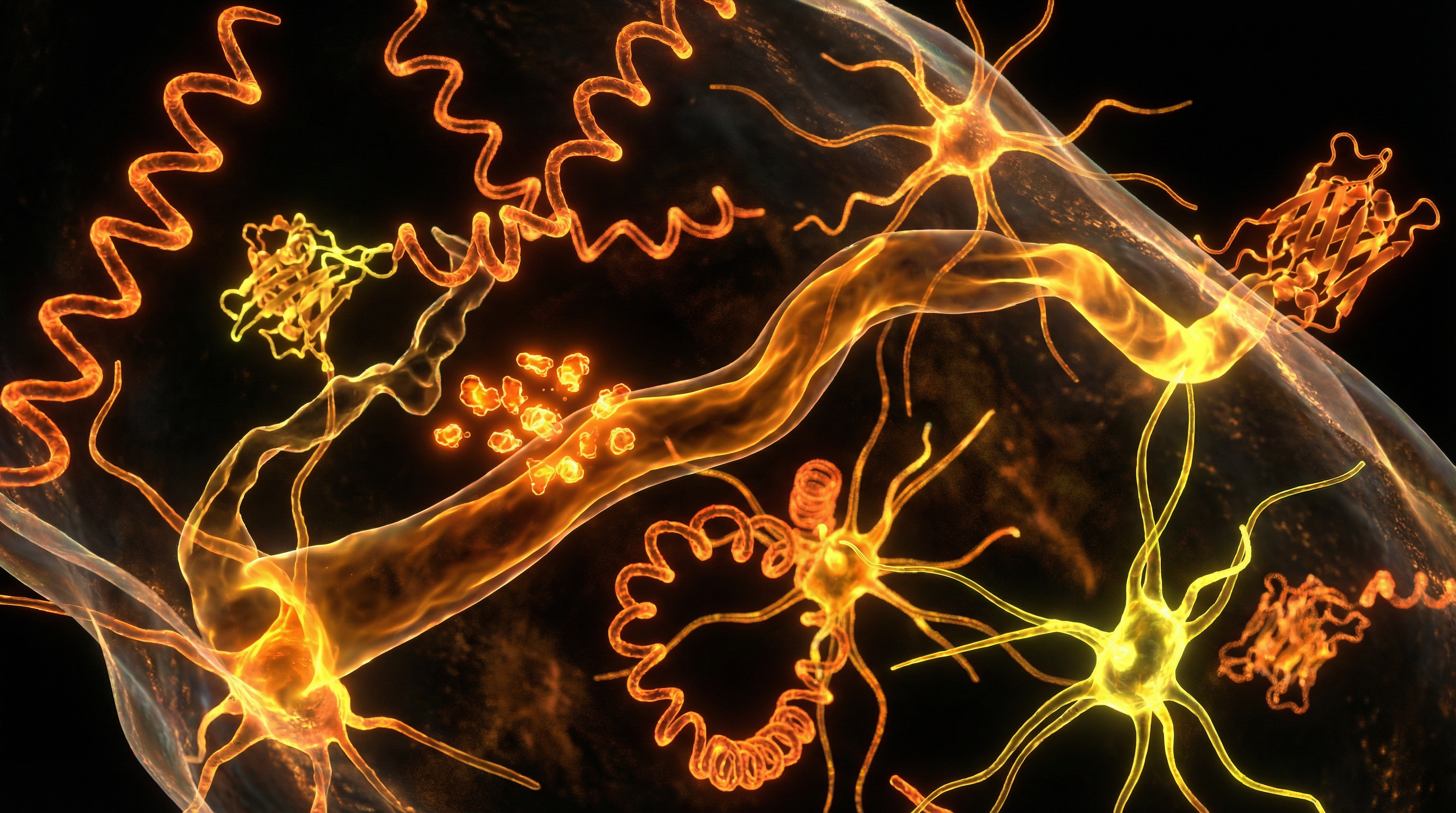
    Neuroplasticity — the brain's remarkable capacity to reorganise its synaptic connections, grow new neurons, and adapt its functional architecture in response to experience, learning, and environment — overturns the long-held dogma that the adult brain is fixed and unchangeable. The discovery of adult neurogenesis in the hippocampus has profound implications: new neurons are generated throughout life in direct response to physical exercise, cognitive challenge, caloric restriction, and certain plant compounds, whilst their generation is suppressed by chronic stress, sleep deprivation, alcohol, heavy metal accumulation, and systemic inflammation. Environmental neurotoxins are therefore not merely damaging in an acute sense but are actively undermining the brain's capacity for self-repair — a mechanism that, if properly supported, could offer genuine therapeutic potential for conditions from depression to neurodegenerative disease.

    #neuroplasticity#neurogenesis