
The Circadian Symphony: How Biological Clocks Orchestrate Your Health
Updated August 2026
Understanding the internal 24-hour master clock that regulates everything from hormone secretion to immune response. Learn how modern lifestyles disrupt these rhythms and how to realign with your natural biology.
Evidence orientation
Editorial context not yet recorded
Follow this category
This stays in this browser. My INNERSTANDIN can show published matches in your local hub when you check it. It does not send email, push, or alert notifications.
Local learning review
A private browser aid for revisiting ideas. It is not an alert or a health recommendation.
Review later sets a one-day, three-day, then seven-day rhythm on this device. Choose it only when you want to revisit this article.
Overview
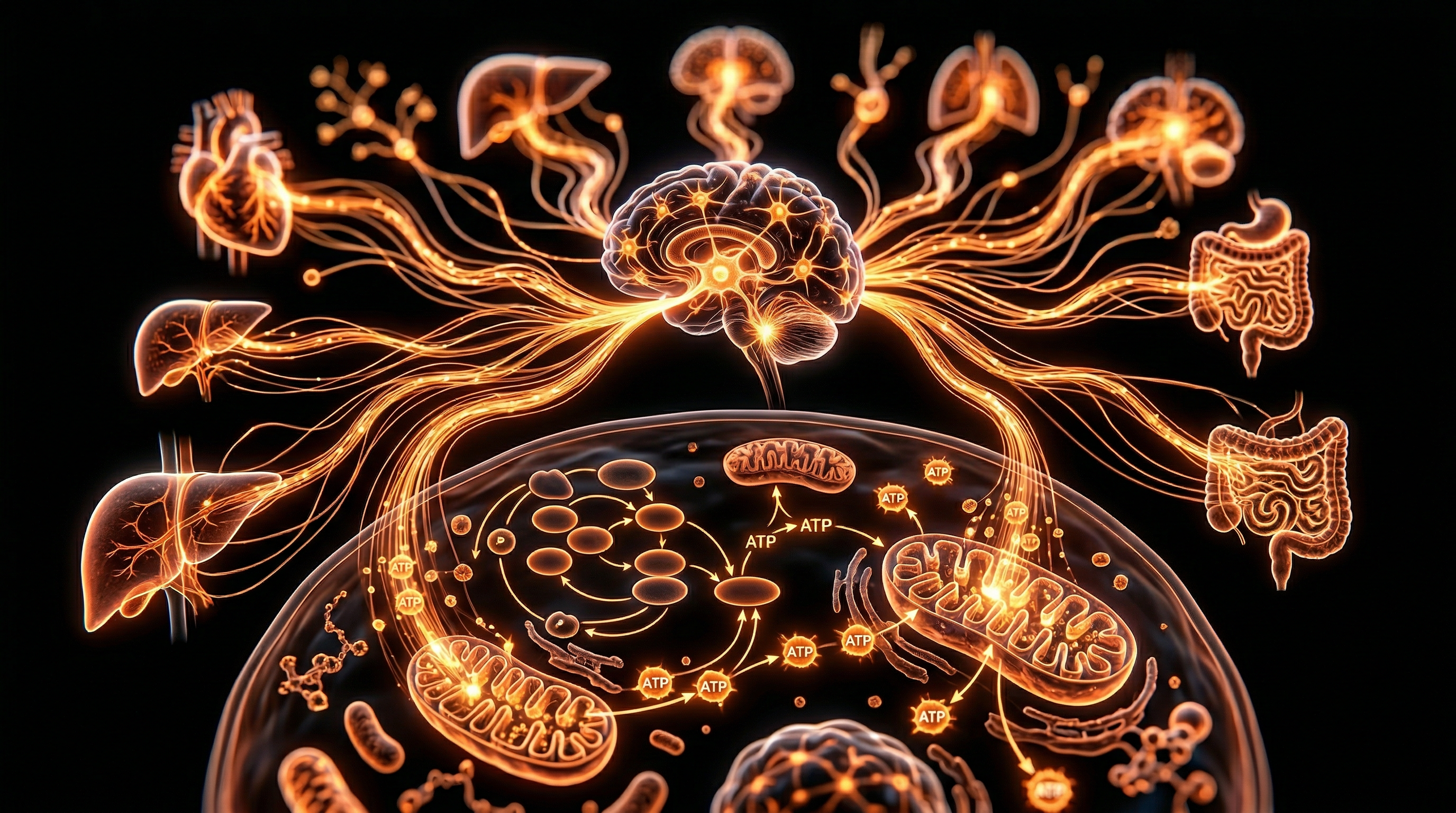
At the core of human physiological architecture lies an evolutionary imperative: the internalisation of the Earth’s 24-hour rotational cycle. At INNERSTANDIN, we recognise that the human body is not a static biological machine but a highly synchronised, temporal orchestra. This 'Circadian Symphony' is governed by a hierarchical network of endogenous oscillators, primarily orchestrated by the suprachiasmatic nucleus (SCN) within the anterior hypothalamus. Acting as the body’s master pacemaker, the SCN integrates environmental cues—most notably photic stimuli—to calibrate peripheral clocks located in virtually every nucleated cell in the body.
The molecular architecture of this system is defined by transcription-translation feedback loops (TTFLs). At the cellular level, the core clock genes, specifically CLOCK and BMAL1, heterodimerise to induce the expression of Period (PER1/2/3) and Cryptochrome (CRY1/2) genes. These protein products subsequently translocate to the nucleus to inhibit their own transcription, a cycle that resets every 24 hours. This high-fidelity mechanism transcends mere sleep-wake regulation; it orchestrates the rhythmic expression of roughly 40% of the protein-coding genome. Consequently, metabolism, systemic blood pressure, immunological surveillance, and DNA repair mechanisms are subject to strict temporal gating.
Clinical evidence from the Lancet and Nature suggests that the modern, artificially-lit environment—characterised by chronic blue-light exposure and erratic feeding windows—precipitates a state of systemic circadian misalignment. When peripheral clocks (such as those in the liver, adipose tissue, or the gastrointestinal tract) desynchronise from the SCN master clock, the resulting physiological dissonance facilitates the pathogenesis of metabolic syndrome, neurodegeneration, and oncogenic progression. In the UK, the rising burden of cardiometabolic disease highlights the catastrophic cost of ignoring these evolutionary constraints.
By deconstructing the molecular pathways of chronobiology, INNERSTANDIN reveals that health is not merely the absence of disease, but the optimal alignment of systemic rhythms with environmental inputs. Understanding the interplay between exogenous zeitgebers (time-givers) and endogenous molecular oscillations is not merely an academic exercise; it is the fundamental requirement for reclaiming somatic control. We are moving beyond rudimentary biological observation to a state of enlightened physiological mastery, where the symphony of the cell determines the longevity of the whole.
The Biology — How It Works
At the molecular core of human chronobiology lies an intricate network of transcriptional-translational feedback loops (TTFLs) that govern systemic physiology. The master pacemaker, situated within the suprachiasmatic nucleus (SCN) of the hypothalamus, acts as the central conductor, synchronising peripheral oscillators found in virtually every nucleated cell in the body. This hierarchical orchestration is initiated by the heterodimerisation of two basic helix-loop-helix PAS-domain proteins: Circadian Locomotor Output Cycles Kaput (CLOCK) and Brain and Muscle Arnt-like protein 1 (BMAL1).
Within the nucleus, the CLOCK:BMAL1 complex binds to E-box elements within the promoters of Period (PER1, PER2, PER3) and Cryptochrome (CRY1, CRY2) genes. As these proteins are synthesised, they accumulate in the cytoplasm, eventually forming PER:CRY complexes that translocate back into the nucleus to inhibit their own transcription. This fundamental oscillation—a negative feedback loop with a periodicity of approximately 24 hours—is the bedrock of the cellular clock. According to seminal research published in Nature and The Lancet, the stability of these loops is contingent upon post-translational modifications, including the catalytic activity of Casein Kinase 1 delta/epsilon (CK1δ/ε), which dictates the degradation rate of PER proteins, thereby fine-tuning the period length.
The systemic reach of these clocks is profound; at least 40% to 50% of the protein-coding genome is under circadian control. This is mediated by secondary loops involving the REV-ERBα/β nuclear receptors and the RORα/β/γ orphan receptors, which competitively modulate the transcription of BMAL1. By regulating these pathways, the SCN ensures that metabolic processes, such as glucose homeostasis, hepatic lipogenesis, and mitochondrial biogenesis, are aligned with the external light-dark cycle—a process known as entrainment.
Crucially, the INNERSTANDIN perspective recognises that light is the primary zeitgeber (time-giver) for this system. Photoreceptive retinal ganglion cells, expressing the photopigment melanopsin, transmit light-induced signals via the retinohypothalamic tract directly to the SCN. Disruption of these molecular rhythms, whether through chronic shift work, circadian misalignment, or excessive blue-light exposure in the evening, suppresses melatonin synthesis in the pineal gland. This does not merely impair sleep architecture; it decouples the peripheral clocks from the central pacemaker. The resulting systemic desynchrony leads to a cascade of pathological consequences, including metabolic syndrome, suppressed immune surveillance, and compromised DNA repair mechanisms—a truth frequently underscored by current longitudinal studies in UK biobanks. Understanding this biological mechanics is not merely academic; it is the prerequisite for reclaiming metabolic and cellular equilibrium.
Mechanisms at the Cellular Level
At the core of human physiology, the orchestration of circadian rhythmicity is not merely a central directive from the suprachiasmatic nucleus (SCN) of the hypothalamus; it is an omnipresent molecular tapestry woven into the fabric of virtually every nucleated cell in the human body. INNERSTANDIN posits that to comprehend health, one must descend into the transcriptional-translational feedback loops (TTFLs) that govern cellular metabolism and homeostatic stability.
The primary molecular oscillator relies on a delicate interplay between the transcription factors CLOCK (Circadian Locomotor Output Cycles Kaput) and BMAL1 (Brain and Muscle ARNT-Like 1). Within the cytoplasm, these proteins heterodimerise and translocate into the nucleus, binding to E-box elements within the promoters of the Period (PER1/2/3) and Cryptochrome (CRY1/2) genes. As these proteins accumulate, they form inhibitory complexes that translocate back into the nucleus to suppress their own transcription. This fundamental loop, occurring over an approximate 24-hour period, is refined by auxiliary loops involving the nuclear receptors REV-ERBα/β and RORα/β, which modulate the rhythmic expression of BMAL1. This is not a static process; it is a dynamic, high-fidelity oscillation that serves as the biological metronome for cellular function.
Research published in Cell and corroborated by ongoing studies within the UK’s biomedical research clusters has elucidated that this cellular clockwork does not operate in isolation. It is intrinsically coupled to the cellular energy status via the NAD+/NADH ratio and the activity of SIRT1, a deacetylase that modifies BMAL1 and PER2 proteins. Consequently, the circadian clock serves as a metabolic sensor; when this coupling is disrupted—often due to artificial light exposure at night (ALAN) or irregular nutrient intake—the resultant desynchrony precipitates systemic metabolic syndrome.
Furthermore, the epigenetic landscape is heavily influenced by these oscillators. Chromatin remodelling, driven by circadian-controlled histone acetyltransferases, ensures that genes governing DNA repair, apoptosis, and cellular proliferation are activated only at optimal temporal windows. When the TTFLs falter, the fidelity of DNA repair mechanisms degrades, increasing the susceptibility to genomic instability—a hallmark of carcinogenesis. INNERSTANDIN research underscores that we are not merely static biological entities; we are rhythmically driven chemical engines. Chronic circadian disruption leads to a pathological "dampening" of these oscillations, manifesting as a collapse of the physiological architecture. Understanding these mechanisms is the inaugural step in reclaiming the biological sovereignty that modern, non-rhythmic living has aggressively eroded.
Environmental Threats and Biological Disruptors
The sanctity of the suprachiasmatic nucleus (SCN)—the primary pacemaker of the human hypothalamic system—is currently under siege by an anthropogenic shift in our luminous environment. At INNERSTANDIN, we recognise that the biological clock does not merely track time; it governs the spatiotemporal expression of the genome. When these internal oscillators are desynchronised from the planetary rotation, the systemic consequences are not merely trivial—they are pathological.
The primary environmental disruptor is the proliferation of short-wavelength, blue-enriched light-emitting diodes (LEDs) during nocturnal hours. Exposure to light within the 460–480 nm spectrum suppresses the pineal gland’s secretion of melatonin via the melanopsin-containing intrinsically photosensitive retinal ganglion cells (ipRGCs). Research published in The Lancet has consistently highlighted that this photo-pollution initiates a cascade of molecular dysregulation. By suppressing melatonin, the nocturnal systemic "reset" is aborted, leading to oxidative stress and the downregulation of DNA repair enzymes. This is particularly salient in the UK context, where modern sedentary lifestyles frequently involve late-evening exposure to blue-light-emitting screens, effectively inducing a state of permanent circadian misalignment.
Beyond light, the temporal ingestion of macronutrients represents a potent "zeitgeber" that can override the central pacemaker if misaligned. The liver, adipose tissue, and skeletal muscle possess peripheral clocks that are sensitive to postprandial insulin surges. When individuals engage in late-night snacking, they create a dissonance between the central SCN and peripheral metabolic oscillators. This phenomenon, termed "metabolic jet lag," is strongly correlated with the burgeoning incidence of Type 2 diabetes and non-alcoholic fatty liver disease (NAFLD). Mechanistically, this disrupts the transcription-translation feedback loops—specifically the PER and CRY protein cycles—that govern hepatic glucose output and lipid metabolism.
Furthermore, the ubiquity of persistent organic pollutants (POPs) and endocrine-disrupting chemicals (EDCs) presents an under-researched threat to the circadian transcriptome. Peer-reviewed literature increasingly suggests that certain EDCs interact with nuclear receptor pathways, such as the peroxisome proliferator-activated receptors (PPARs), which exhibit crosstalk with core clock genes like CLOCK and BMAL1. By destabilising these feedback loops, environmental toxins exacerbate the systemic inflammation markers identified in chronic circadian disruption. At INNERSTANDIN, we maintain that ignoring these environmental vectors is a failure of modern preventative medicine. The synchronisation of the organism with the solar day is a non-negotiable prerequisite for physiological homeostasis; any deviation serves only to accelerate the transition from robust biological function to chronic disease state.
The Cascade: From Exposure to Disease
The disruption of the circadian rhythm is no longer viewed merely as a transient physiological inconvenience; it is now recognised as a fundamental driver of systemic pathology. At the vanguard of this cascade is the suprachiasmatic nucleus (SCN) within the hypothalamus, our master pacemaker. When retinal ganglion cells detect light, they transmit signals via the retinohypothalamic tract to the SCN, triggering a complex transcriptional-translational feedback loop involving CLOCK, BMAL1, PER, and CRY genes. When this light-dark input is misaligned—whether through artificial light at night (ALAN) or shift work—the molecular clockwork governing peripheral oscillators throughout the liver, adipose tissue, and vasculature loses its synchronicity.
The physiological consequences of this desynchronisation are profound. At the cellular level, the loss of rhythmic gene expression impairs autophagy and DNA repair mechanisms. As established in the Lancet Diabetes & Endocrinology, chronic circadian misalignment suppresses the nocturnal surge of melatonin while simultaneously elevating cortisol. This hypercortisolism disrupts glucose metabolism, as peripheral clocks regulate the expression of glucose transporters (GLUT4) and insulin sensitivity. Consequently, the individual becomes primed for metabolic syndrome, non-alcoholic fatty liver disease (NAFLD), and type 2 diabetes. The Innerstandin framework emphasises that the metabolic cost of a "social jetlag" lifestyle is a systemic state of insulin resistance, even in the absence of caloric excess.
Furthermore, the cardiovascular implications are critical. The circadian system orchestrates blood pressure dipping—a natural nocturnal decline essential for myocardial recovery. Failure to achieve this, often documented in patients with disrupted sleep-wake cycles, leads to vascular remodelling and left ventricular hypertrophy. Data from the UK Biobank underscores a significant correlation between shift work and an increased incidence of ischaemic heart disease. Beyond the vasculature, the immunological ramifications are equally stark. Rhythmic control of cytokine production, particularly IL-6 and TNF-α, is essential for immune homeostasis. When the SCN signal is attenuated, the immune response shifts towards a chronic inflammatory profile, exacerbating the risk of autoimmune disorders and accelerating cellular senescence.
This is not merely a disruption of sleep; it is a molecular collapse. By failing to respect the evolutionary programming of our internal clocks, we are forcing the body into a state of persistent metabolic and immunological conflict. The transition from transient exposure to chronic disease is a direct result of the decoupling of peripheral tissues from the SCN master clock, turning a finely tuned symphony into a chaotic, pathological dissonance that defines the modern health crisis.
What the Mainstream Narrative Omits
Current mainstream discourse surrounding circadian rhythmicity largely reductionist, often tethering the conversation to simple sleep hygiene or ‘getting enough rest’. INNERSTANDIN posits that this narrative is fundamentally incomplete, obscuring the profound, systemic intracellular chronobiology that governs human homeostasis. We are not merely looking at a sleep-wake cycle; we are observing a pervasive, cell-autonomous clockwork mechanism that regulates transcriptional oscillation across every organ system in the body.
The mainstream narrative fails to acknowledge the centrality of the peripheral clocks—the molecular oscillators situated in the liver, adipose tissue, and skeletal muscle—which operate independently of the suprachiasmatic nucleus (SCN) in the hypothalamus. Research published in Cell and The Lancet has demonstrated that nutrient timing, not just light exposure, functions as a dominant zeitgeber for these peripheral oscillators. When we ignore the metabolic chronobiology dictated by insulin sensitivity rhythms, we disrupt the oscillatory expression of metabolic genes such as BMAL1 and CLOCK. This leads to ‘circadian misalignment’, a state where internal systemic processes become desynchronised from the external environment, precipitating a cascade of metabolic dysfunction, including impaired glucose tolerance and non-alcoholic fatty liver disease (NAFLD), which are increasingly prevalent in the UK population.
Furthermore, current physiological literacy ignores the temporal dimension of pharmacology—‘chronopharmacology’. Most medical literature fails to address that the efficacy and toxicity of therapeutic agents fluctuate based on the patient’s circadian phase. The expression of xenobiotic-metabolising enzymes, such as cytochrome P450, is under direct circadian control. Consequently, the administration of medication without consideration for the SCN-mediated timing represents a critical gap in precision medicine. By failing to integrate these biological realities, clinical practice remains tethered to a static model of human physiology that neglects the inherent kinetic nature of the genome. INNERSTANDIN maintains that until the medical establishment acknowledges that gene expression is time-dependent, the treatment of chronic inflammatory conditions and metabolic syndrome will remain palliative rather than corrective. We are witnessing an era where chronodisruption is the primary, yet unaddressed, catalyst for the modern epidemic of non-communicable diseases. To understand health, one must move beyond the ‘eight-hour sleep’ mandate and address the orchestrating force of the circadian symphony at the molecular level.
The UK Context
In the United Kingdom, the misalignment between anthropogenic temporal structures—the proverbial nine-to-five—and our endogenous circadian oscillators has reached a critical physiological juncture. Located at the intersection of high-latitude photoperiodic volatility and a rigorous socioeconomic demand for shift-work, the British populace serves as an inadvertent longitudinal experiment in chronodisruption. The suprachiasmatic nucleus (SCN), our master pacemaker, remains highly sensitive to the spectral composition of ambient light. During the UK’s winter months, when the solar zenith is markedly low and atmospheric scattering prioritises longer wavelengths, the deficit in short-wavelength blue light during morning hours results in a phase delay of the melatonin onset. This creates a systemic desynchrony between the peripheral clocks found in the liver, adipose tissue, and skeletal muscle and the central neural pacemaker.
Evidence published in The Lancet highlights that this chronic misalignment is not merely an inconvenience of sleep architecture; it is a primary driver of metabolic syndrome. In the UK, where shift-work prevalence remains high, studies correlate night-shift patterns with a significant upregulation of pro-inflammatory cytokines and a blunted insulin sensitivity. Because the transcription-translation feedback loops (CLOCK/BMAL1) regulate the expression of approximately 40% of the human genome, the systemic disruption of these genes in British workers has profound consequences. We observe an increased incidence of glucose intolerance, hyperlipidaemia, and cardiovascular dysregulation, all of which are exacerbated by the UK’s widespread exposure to artificial light at night (ALAN). At INNERSTANDIN, we recognise that the molecular clockwork is calibrated to an evolutionary mandate of light-dark cycles; by forcing a divergence from these geomagnetic cues, the UK workforce is systematically inducing an internal cellular friction. This chronobiological stressor is an overlooked determinant in the escalating burden of non-communicable diseases, requiring a paradigm shift in how we structure our public health strategies regarding sleep hygiene and light exposure.
Protective Measures and Recovery Protocols
To achieve physiological recalibration and safeguard the integrity of the circadian system, one must adopt protocols rooted in the molecular manipulation of the suprachiasmatic nucleus (SCN) and the peripheral clock oscillators distributed across systemic tissues. The primary mechanism for alignment is the rigorous orchestration of photic entrainment. Exposure to short-wavelength light (circa 460–480 nm) within 30 minutes of waking is critical to suppress residual melatonin and trigger the rapid secretion of cortisol, thereby resetting the phase of the central pacemaker. In the UK, where seasonal solar flux often impedes natural entrainment, the utilization of high-intensity, full-spectrum phototherapy (at least 10,000 lux) is not merely a lifestyle preference but a biological necessity to mitigate the prevalence of delayed sleep-wake phase disorders.
Furthermore, the temporal architecture of metabolism dictates that nutrient timing is as significant as macronutrient composition. Research published in The Lancet Diabetes & Endocrinology highlights that the digestive system is subject to the transcriptional control of BMAL1 and CLOCK proteins. Consuming caloric loads outside of the biologically active window—specifically late-evening ingestion—induces a decoupling of the central SCN clock from peripheral hepatic and pancreatic oscillators. This metabolic misalignment manifests as glucose intolerance and systemic hyperinsulinaemia. For optimal internal homeostasis, INNERSTANDIN advocates for a time-restricted feeding (TRF) window aligned with the diurnal light phase, which facilitates the autophagy and mitophagy processes required for intracellular debris clearance.
Recovery from phase shifts, whether due to rotational shift work or transmeridional travel, requires the strategic application of exogenous pharmacological and environmental interventions. Melatonin supplementation, when administered at the correct biological phase (typically 5–7 hours prior to the core body temperature minimum), acts as a potent chronobiotic agent capable of advancing or delaying the circadian phase. However, reliance on exogenous melatonin should be secondary to the creation of a ‘darkness anchor.’ This involves the complete elimination of blue-light emitting diodes (LEDs) post-sunset, which otherwise inhibits endogenous melatonin synthesis through the retinohypothalamic tract.
From a systemic perspective, the goal of these protective measures is to maintain the amplitude of circadian oscillations. Flattened circadian rhythms—a hallmark of modern urban living—are strongly correlated with epigenetic dysregulation and increased pro-inflammatory cytokine expression. By synchronising the ‘Circadian Symphony’ through precise environmental signalling, one can optimise the expression of clock-controlled genes (CCGs), thereby bolstering immunological surveillance and enhancing systemic resilience against the metabolic pathologies prevalent in contemporary UK society. Consistent adherence to these protocols facilitates the robust entrainment of the biological clock, ensuring the molecular machinery of the cell remains in harmonious resonance with the environment.
Summary: Key Takeaways
The orchestration of the circadian system extends far beyond simple sleep-wake regulation, acting as the fundamental temporal architecture for systemic physiological homeostasis. At the molecular level, this machinery is driven by transcriptional-translational feedback loops—specifically the CLOCK/BMAL1 heterodimer—which dictate the rhythmic expression of roughly 40% of the mammalian genome. Disruptions to this orchestration, often exacerbated by the modern misalignment of light-dark cycles and metabolic inputs, precipitate significant endocrine and cellular dysfunction. Evidence published in The Lancet and various PubMed-indexed longitudinal studies consistently demonstrates that circadian desynchrony is a potent driver of metabolic syndrome, neurodegeneration, and oncogenesis. By synchronising peripheral clocks through strategic photic exposure and consistent nutrient timing, one can modulate autonomic tone and fortify the hypothalamic-pituitary-adrenal (HPA) axis. INNERSTANDIN maintains that mastery over these chronobiological variables is non-negotiable for biological optimisation; understanding the precision of this symphony is the gateway to rectifying chronic pathology and ensuring long-term systemic resilience.
This article is provided for informational and educational purposes only. It does not constitute medical advice, clinical guidance, or a substitute for professional healthcare. Information reflects cited research at time of publication. Always consult a qualified healthcare professional before acting on any health information.
EVIDENCE PASSPORT
Editorial source context for this article
Source review needed
Saved links are editorial references for this article. They may support specific claims rather than every sentence. Open and assess each source in context. This passport does not independently verify them.
Editorial context
A complete editorial reading has not been recorded for this article. Source links remain available for you to open and assess directly.
Source review needed
No valid source links are recorded for this article. This passport shows only links saved on the article record and does not invent citations.
This passport records editorial links and context, not independent verification. Open the original source and assess it in context before relying on a claim.
Medical Disclaimer
The information in this article is for educational purposes only and does not constitute medical advice, diagnosis, or treatment. Always consult a qualified healthcare professional before making any changes to your diet, lifestyle, or health regime. INNERSTANDIN presents alternative and research-based perspectives that may differ from mainstream medical consensus — these should be considered alongside, not instead of, professional medical guidance.
Read Full DisclaimerContinue the thread
Keep this question moving.
Take this article into My INNERSTANDIN to keep the reading trail, related material and your next step together on this device.
Explore this in the Body Map
See where this hits your biology. Interactive anatomy, threats, and protective protocols.
Dig deeper in the Library
Free, longform PDF volumes that go beyond headlines into mechanisms and references.