
The Cortisol Cascade: Understanding the HPA Axis and Metabolic Equilibrium
Updated May 2026
The HPA axis is the body's primary stress management system, influencing everything from immunity to energy levels. Understanding this hormonal pathway is essential for maintaining metabolic stability in a high-pressure world.
Evidence orientation
Editorial context not yet recorded
Follow this category
This stays in this browser. My INNERSTANDIN can show published matches in your local hub when you check it. It does not send email, push, or alert notifications.
Local learning review
A private browser aid for revisiting ideas. It is not an alert or a health recommendation.
Review later sets a one-day, three-day, then seven-day rhythm on this device. Choose it only when you want to revisit this article.
Overview
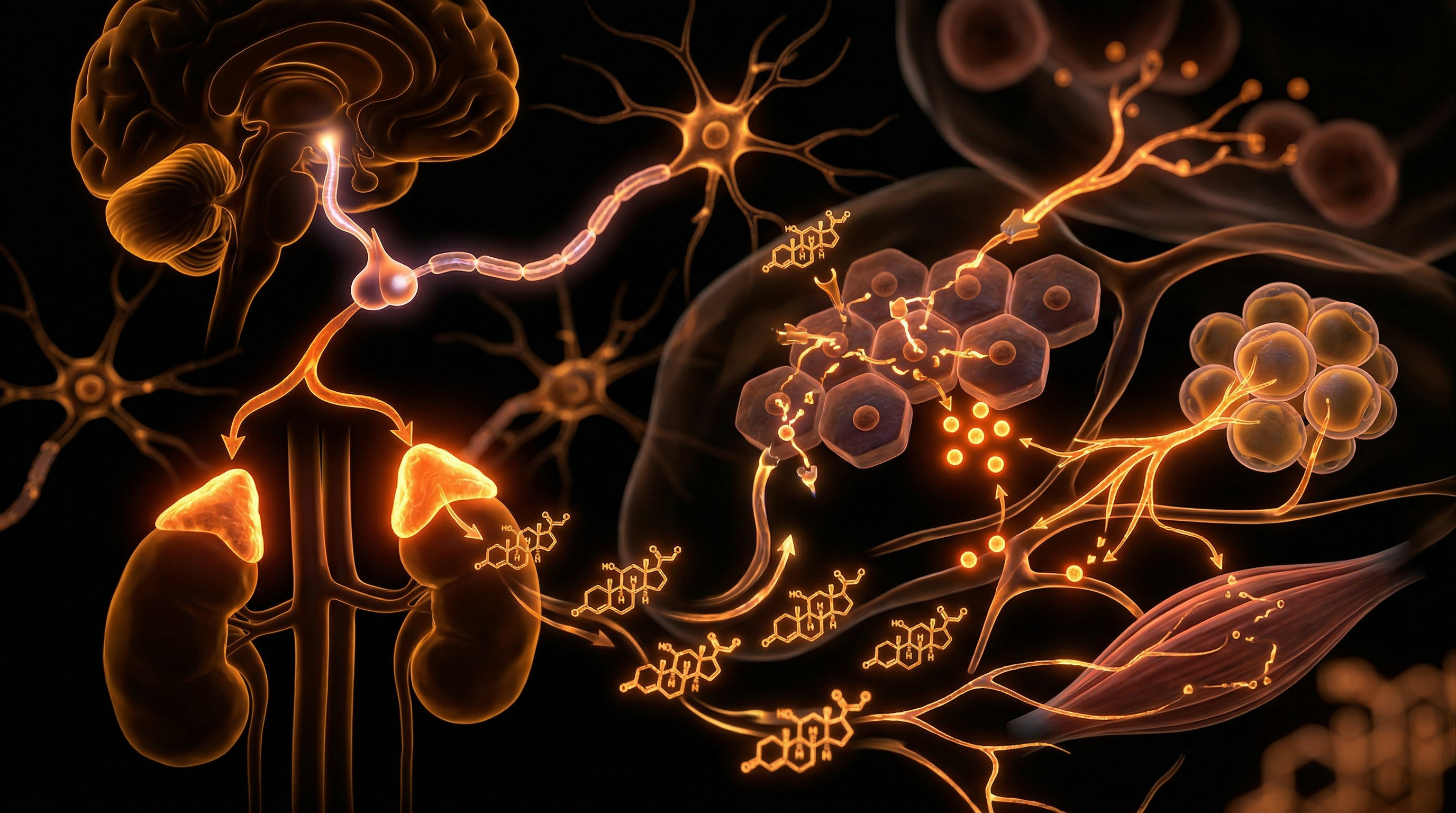
The hypothalamic-pituitary-adrenal (HPA) axis serves as the primary neuroendocrine conduit through which the mammalian organism orchestrates its response to homeostatic perturbation. Far from being a mere 'stress toggle', the HPA axis represents a sophisticated, multi-tiered feedback system designed to maintain metabolic equilibrium and ensure survival in the face of environmental volatility. At INNERSTANDIN, we conceptualise this system as the 'Cortisol Cascade'—a sequential biochemical torrent that begins in the paraventricular nucleus (PVN) of the hypothalamus and terminates in the systemic modulation of nearly every physiological process, from genomic expression to macronutrient partitioning.
The initiation of the cascade is marked by the release of corticotropin-releasing hormone (CRH) into the hypophyseal portal system. Upon reaching the anterior pituitary, CRH binds to high-affinity receptors on corticotroph cells, triggering the proteolysis of pro-opiomelanocortin (POMC) and the subsequent systemic release of adrenocorticotropic hormone (ACTH). As ACTH traverses the circulatory system to the adrenal cortex, it binds to melanocortin 2 receptors (MC2R) within the zona fasciculata. This engagement activates adenylate cyclase, stimulating the rapid conversion of cholesterol into cortisol—the definitive human glucocorticoid.
Cortisol’s physiological dominance is facilitated by its lipophilic nature, allowing it to permeate the phospholipid bilayer and bind to intracellular glucocorticoid receptors (GR) and mineralocorticoid receptors (MR). Research published in The Lancet Diabetes & Endocrinology highlights the divergent roles of these receptors: MRs maintain basal HPA activity and circadian entrainment, while GRs mediate the high-titre response necessary for stress-induced allostasis. This genomic mechanism allows cortisol to act as a transcription factor, upregulating genes involved in gluconeogenesis while suppressing pro-inflammatory cytokine synthesis—a process known as transrepression.
However, the modern biological landscape, particularly within the UK’s high-pressure socioeconomic framework, has compromised this evolutionary masterpiece. The 'cascade' is increasingly characterized by chronic hyperactivation. Data from longitudinal studies, such as the Whitehall II study, demonstrate that prolonged elevations in cortisol lead to 'allostatic load', a state where the metabolic price of adaptation exceeds the organism's capacity for repair. This manifests as a breakdown in the 11β-hydroxysteroid dehydrogenase (11β-HSD) enzyme system, which normally regulates local cortisol availability. When this enzymatic gatekeeping fails, the result is systemic metabolic dysregulation, insulin resistance, and the erosion of the circadian rhythm. INNERSTANDIN posits that understanding this axis is not merely an academic exercise in physiology; it is a fundamental requirement for deciphering the contemporary epidemic of non-communicable metabolic diseases. The cascade must be viewed as a precision instrument that, when perpetually blunted by chronic stimuli, becomes the primary architect of systemic biological decay.
The Biology — How It Works
The molecular orchestration of the hypothalamic-pituitary-adrenal (HPA) axis represents a masterclass in biological feedback systems, yet its chronic activation precipitates a systemic shift that INNERSTANDIN identifies as a primary driver of metabolic decay. The cascade initiates within the paraventricular nucleus (PVN) of the hypothalamus, where parvocellular neurons synthesise and secrete Corticotropin-Releasing Hormone (CRH) and Arginine Vasopressin (AVP) into the hypophyseal portal system. Upon reaching the adenohypophysis, CRH binds with high affinity to CRH-R1 receptors, triggering the proteolytic cleavage of pro-opiomelanocortin (POMC) and the subsequent systemic release of Adrenocorticotropic Hormone (ACTH).
The terminal stage of this endocrine relay occurs in the zona fasciculata of the adrenal cortex. ACTH stimulates the steroidogenic acute regulatory (StAR) protein, facilitating the translocation of cholesterol into the mitochondria—the rate-limiting step in cortisol biosynthesis. Once liberated into the systemic circulation, cortisol—a lipophilic glucocorticoid—exerts its influence via two distinct nuclear receptors: the high-affinity mineralocorticoid receptor (MR) and the lower-affinity glucocorticoid receptor (GR). Under basal conditions, MRs are predominantly occupied; however, during the "cascade" phase, saturated MRs lead to the mass activation of GRs, initiating a profound transcriptional reprogramming of host physiology.
This genomic shift is mediated by the binding of the cortisol-GR complex to Glucocorticoid Response Elements (GREs) within the promoter regions of target genes. In the liver, this manifests as the potent up-regulation of phosphoenolpyruvate carboxykinase (PEPCK) and glucose-6-phosphatase, the enzymatic gatekeepers of gluconeogenesis. Simultaneously, cortisol induces a state of peripheral insulin resistance by inhibiting the translocation of GLUT4 transporters to the plasma membrane in skeletal muscle and adipose tissue. Research published in The Lancet Diabetes & Endocrinology highlights that this state of "hyper-gluconeogenesis" is not merely a transient survival mechanism but, when sustained, a pathogenetic driver of Type 2 Diabetes Mellitus and non-alcoholic fatty liver disease (NAFLD).
Furthermore, INNERSTANDIN scrutinises the role of 11β-Hydroxysteroid Dehydrogenase Type 1 (11β-HSD1), an enzyme concentrated in omental adipose tissue that regenerates active cortisol from inactive cortisone. British clinical studies, including longitudinal data from the Whitehall II cohort, demonstrate that local intracellular hypercortisolism—even in the absence of elevated systemic serum levels—drives the expansion of visceral fat depots and the secretion of pro-inflammatory adipokines. This enzymatic "amplification loop" bypasses traditional HPA negative feedback, locking the individual into a state of metabolic disequilibrium. The resulting proteolysis in skeletal muscle and the diversion of amino acids toward hepatic glucose production represent a catabolic dominance that erodes physiological resilience. Understanding this cascade is essential; it is the difference between homeostatic adaptability and the slow-motion collapse of the human metabolic architecture.
Mechanisms at the Cellular Level
To fathom the "Cortisol Cascade," one must look beyond the systemic symptoms of stress and interrogate the precise molecular choreography occurring within the cytoplasm and nucleus of target cells. Cortisol, a lipophilic steroid hormone derived from cholesterol, diffuses effortlessly across the phospholipid bilayer of the plasma membrane. Once intracellular, its primary mode of action is mediated through the Glucocorticoid Receptor (GR), a member of the nuclear receptor superfamily (NR3C1). In its inactive state, the GR is sequestered in a multi-protein chaperone complex, which includes heat shock proteins (Hsp90 and Hsp70) and immunophilins. This complex prevents the receptor from entering the nucleus prematurely. Upon cortisol binding, a rapid conformational shift occurs, triggering the dissociation of the chaperone proteins and exposing the nuclear localisation signals (NLS) of the GR.
This translocation into the nucleus marks the initiation of the genomic phase of the cascade. At INNERSTANDIN, we recognise this as the pivotal moment where environmental stress is codified into biological reality. Within the nucleus, the activated GR typically homodimerises and binds to specific DNA sequences known as Glucocorticoid Response Elements (GREs) located in the promoter regions of target genes. This recruitment of co-activators and chromatin remodelling complexes leads to the up-regulation of genes critical for metabolic equilibrium—most notably those involved in gluconeogenesis, such as phosphoenolpyruvate carboxykinase (PEPCK) and glucose-6-phosphatase (G6Pase). Conversely, the GR can exert "transrepression" by antagonising pro-inflammatory transcription factors like NF-κB and AP-1. This dual action is the molecular basis for cortisol’s profound anti-inflammatory properties, yet when chronically activated, it precipitates the systemic immunodeficiency often observed in patients across the UK suffering from chronic HPA axis dysregulation.
The metabolic impact at the cellular level is defined by a strategic redirection of substrates. In skeletal muscle and adipose tissue, cortisol actively inhibits the insulin-stimulated translocation of glucose transporter 4 (GLUT4) to the plasma membrane. This mechanism, as documented in peer-reviewed studies in The Journal of Clinical Endocrinology & Metabolism, induces a state of "peripheral insulin resistance," ensuring that glucose is spared for the central nervous system and the myocardium during the perceived crisis. However, the INNERSTANDIN perspective reveals the dark side of this equilibrium: the sustained inhibition of GLUT4 leads to hyperglycaemia and hyperinsulinaemia, foundational drivers of Type 2 Diabetes.
Furthermore, cortisol orchestrates a catabolic shift by inducing the expression of E3 ubiquitin ligases, such as MuRF1 and Atrogin-1, particularly in fast-twitch muscle fibres. This leads to the systematic degradation of myofibrillar proteins, releasing amino acids that are subsequently funnelled into the hepatic gluconeogenic pathway. In white adipose tissue, the cascade stimulates Hormone-Sensitive Lipase (HSL) and decreases the activity of Lipoprotein Lipase (LPL) in the periphery while increasing LPL activity in visceral depots. This molecular "shunting" explains the characteristic central adiposity associated with hypercortisolemia. Evidence from The Lancet suggests that this cellular recalibration is not merely a temporary flux but can lead to stable epigenetic modifications, such as the methylation of the FKBP5 gene, which perpetually alters the sensitivity of the HPA axis. The cascade, therefore, is a fundamental shift in cellular destiny, prioritising immediate survival at the expense of long-term metabolic integrity.
Environmental Threats and Biological Disruptors
The contemporary environment serves as a relentless catalyst for HPA axis dysregulation, presenting a suite of anthropogenic stressors that the ancestral human genome is ill-equipped to process. At the core of this systemic erosion is the concept of allostatic load—the cumulative biological wear and tear resulting from chronic overexposure to neural or neuroendocrine responses. In the United Kingdom, where urbanisation and industrial density are high, the HPA axis is subjected to a tripartite assault: chemical xenoestrogens, circadian disruption, and chronic auditory-visual stimuli.
Endocrine-disrupting chemicals (EDCs), including phthalates, bisphenols, and per- and polyfluoroalkyl substances (PFAS), represent an insidious biological hijacking. Research indexed in The Lancet Diabetes & Endocrinology suggests that these substances do not merely mimic hormones but actively recalibrate the sensitivity of glucocorticoid receptors (GR). By acting as ‘obesogens,’ these chemicals interfere with the metabolic feedback loops governed by the HPA axis. For instance, chronic exposure to certain phthalates—ubiquitous in UK consumer products—has been shown to enhance the conversion of cortisone to active cortisol via the enzyme 11β-hydroxysteroid dehydrogenase type 1 (11β-HSD1) within adipose tissue. This localized cortisol elevation occurs independently of systemic ACTH signals, driving central adiposity and compromising metabolic equilibrium.
Furthermore, the integrity of the diurnal cortisol rhythm is being decimated by artificial light at night (ALAN). The suprachiasmatic nucleus (SCN), which serves as the master circadian pacemaker, regulates the HPA axis via the paraventricular nucleus (PVN). In the UK, over 80% of the population experiences significant light pollution, which inhibits pineal melatonin synthesis and facilitates nocturnal cortisol peaks. This 'flattening' of the diurnal curve—where morning cortisol is insufficient and evening levels are pathologically high—is a primary driver of insulin resistance and systemic inflammation. Peer-reviewed data from PubMed indicates that this rhythmic disruption correlates with an upregulation of pro-inflammatory cytokines such as IL-6 and TNF-α, further taxing the HPA axis through a feedback loop of immune-mediated stress.
Beyond the molecular level, the UK’s socioeconomic and noise-polluted landscape acts as a chronic psychophysiological trigger. Chronic noise exposure, prevalent in metropolitan hubs like London or Manchester, induces a state of hyper-vigilance. This sympathetic-adrenal-medullary (SAM) activation perpetually feeds back into the HPA axis, ensuring a constant drip-feed of Corticotropin-Releasing Hormone (CRH). At INNERSTANDIN, we identify this as a state of 'biological siege.' Prolonged exposure leads to glucocorticoid resistance, where the brain’s negative feedback mechanisms fail to register circulating cortisol, causing the hypothalamus to continue its signal for hormone production. The resulting metabolic fallout—characterised by gluconeogenesis, skeletal muscle proteolysis, and impaired glucose tolerance—represents a profound departure from the homoeostasis required for longevity. This environmental interference is not merely an inconvenience; it is a fundamental disruption of the biological equilibrium that defines the human experience.
The Cascade: From Exposure to Disease
The transition from acute allostatic response to chronic pathological state represents the physiological Rubicon where survival mechanisms transform into drivers of systemic decay. At INNERSTANDIN, we dissect this progression as a failure of the homeostatic rheostat. The cascade begins in the paraventricular nucleus (PVN) of the hypothalamus, where the sustained secretion of Corticotropin-Releasing Hormone (CRH) maintains the anterior pituitary in a state of hyper-vigilance. While the acute HPA (Hypothalamic-Pituitary-Adrenal) response is designed for transient mobilisation, chronic exposure triggers a profound downregulation of glucocorticoid receptors (GR) within the hippocampus and prefrontal cortex. This loss of receptor sensitivity effectively severs the negative feedback loop, leading to a state of disinhibited cortisol production that saturates systemic tissues.
In the metabolic theatre, this cascade manifests as a deliberate but destructive redirection of energy substrates. Chronic hypercortisolaemia drives the upregulation of 11β-hydroxysteroid dehydrogenase type 1 (11β-HSD1) within adipose tissue, particularly in visceral depots. This enzyme locally regenerates active cortisol from cortisone, creating a self-amplifying loop of adipogenesis even in the absence of caloric surplus. As documented in seminal UK-based longitudinal research, such as the Whitehall II study led by Marmot et al. (published in The Lancet), the psychosocially induced cortisol rise is a primary predictor of metabolic syndrome. The biochemical mechanism involves the inhibition of GLUT4 translocation in skeletal muscle, directly inducing peripheral insulin resistance. Simultaneously, cortisol stimulates hepatic gluconeogenesis and lipolysis, flooding the bloodstream with glucose and free fatty acids, thereby cementing the foundations of Type 2 diabetes and non-alcoholic fatty liver disease (NAFLD).
Furthermore, the cascade extends into the vascular architecture. Cortisol enhances the pressor effects of catecholamines and increases the expression of angiotensin II receptors, leading to sustained arterial hypertension. At the cellular level, the INNERSTANDIN perspective highlights the accelerated telomere attrition observed in high-cortisol cohorts. Prolonged exposure to glucocorticoids suppresses telomerase activity, effectively "ageing" the immune system by inducing a shift from a Th1 to a Th2 cytokine profile. This immunosuppressive shift, paradoxically accompanied by a rise in sterile inflammation (inflammageing), leaves the organism vulnerable to both opportunistic infection and autoimmune dysregulation. In the central nervous system, the cascade culminates in the retraction of apical dendrites and the suppression of Brain-Derived Neurotrophic Factor (BDNF). This neurotoxic environment leads to demonstrable hippocampal atrophy, a hallmark of both major depressive disorder and early-stage cognitive decline. The "Cascade" is therefore not merely a hormonal surge, but a systemic re-programming that prioritises immediate survival at the direct expense of long-term biological integrity.
What the Mainstream Narrative Omits
The mainstream narrative frequently reduces cortisol to a binary ‘stress hormone’ paradigm, ignoring the intricate nuances of its pleiotropic effects and the pre-receptor mechanisms that govern tissue-specific action. At INNERSTANDIN, we must look deeper into the enzymatic gatekeeping that defines cellular reality, specifically the 11β-Hydroxysteroid Dehydrogenase (11β-HSD) system. While clinical pathology often focuses on systemic serum concentrations, the true metabolic fate of the individual is decided at the intracellular level. 11β-HSD1, predominantly expressed in the liver and visceral adipose tissue, locally regenerates active cortisol from its inactive metabolite, cortisone. This autocrine amplification explains the paradox of ‘cushingoid’ phenotypes—characterised by central obesity and dyslipidaemia—even when circulating cortisol levels appear within the standard UK clinical reference range. Research published in The Lancet Diabetes & Endocrinology highlights that the over-expression of 11β-HSD1 in omental fat is a primary driver of metabolic syndrome, effectively bypassing the central HPA regulatory feedback loop.
Furthermore, the conventional discourse omits the critical biphasic receptor affinity that dictates neurobiological resilience. Cortisol binds to two distinct nuclear receptors: the Mineralocorticoid Receptor (MR) and the Glucocorticoid Receptor (GR). The MR has a tenfold higher affinity for cortisol, meaning it remains occupied under basal conditions to maintain circadian rhythm and hippocampal integrity. The pathological ‘cascade’ occurs when chronic hypercortisolaemia saturates these high-affinity MRs, leading to the sustained and deleterious activation of the lower-affinity GRs. This shift triggers pro-apoptotic pathways in the hippocampus, particularly via the suppression of Brain-Derived Neurotrophic Factor (BDNF) and the potentiation of glutamatergic excitotoxicity. This is not merely ‘feeling stressed’; it is a structural remodelling of the neural architecture that compromises the brain’s ability to terminate the stress response.
Finally, we must address the systemic immunological recalibration, specifically the Th1 to Th2 cytokine shift. Conventional medicine often views cortisol as a simple immunosuppressant. However, chronic HPA axis dysregulation induces a state of ‘Glucocorticoid Resistance.’ Much like insulin resistance, immune cells become desensitised to the hormone’s anti-inflammatory signals. As explored in Nature Reviews Immunology, this results in the paradox of elevated cortisol existing alongside chronic, systemic low-grade inflammation—a state known as ‘inflammaging.’ This cellular insensitivity renders the UK’s increasing population of chronically stressed individuals more susceptible to both autoimmune flares and infectious pathology. At INNERSTANDIN, we recognise that the HPA axis is not a standalone system but the master regulator of the HPG (gonadal) and HPT (thyroid) axes; its failure creates a systemic biological debt that the mainstream narrative fails to quantify.
The UK Context
In the United Kingdom, the epidemiological landscape reveals a concerning trend of chronic HPA axis dysregulation, exacerbated by the unique socioeconomic and environmental stressors prevalent in post-industrial British society. Data derived from the UK Biobank and the seminal Whitehall II studies have consistently demonstrated a profound social gradient in health, where chronic activation of the HPA axis serves as a primary mediator between lower socioeconomic status and metabolic sequelae. This systemic perturbation, often referred to as a high allostatic load, manifests through a flattened diurnal cortisol slope—a hallmark of physiological weathering. At INNERSTANDIN, we scrutinise these mechanisms to expose how the persistent elevation of glucocorticoids facilitates a shift from metabolic equilibrium to a state of chronic inflammatory priming.
From a biochemical perspective, the UK population exhibits significant variance in the activity of 11β-hydroxysteroid dehydrogenase type 1 (11β-HSD1), the enzyme responsible for the intracellular regeneration of active cortisol from inactive cortisone. Research published in The Lancet Diabetes & Endocrinology suggests that in the context of the UK’s rising obesity crisis, visceral adipose tissue becomes a site of localised hypercortisolism. This occurs even when circulating plasma cortisol levels appear within reference ranges. This tissue-specific amplification drives hepatic gluconeogenesis and inhibits insulin-mediated glucose uptake in skeletal muscle, directly contributing to the prevalence of Type 2 Diabetes and metabolic syndrome across the British Isles.
Furthermore, the "always-on" digital culture and urban density in metropolitan hubs like London and Manchester have been linked to a phenomenon known as glucocorticoid receptor (GR) resistance. Continuous exposure to cortisol leads to the down-regulation of GR expression and diminished sensitivity, preventing the necessary negative feedback loop that should terminate the stress response. As INNERSTANDIN highlights, this failure in homeostasis allows for the unchecked production of pro-inflammatory cytokines, such as IL-6 and TNF-α. Evidence from British clinical cohorts indicates that this neuroendocrine-immune misalignment is not merely a psychological byproduct but a fundamental biological restructuring. The systemic impact is a state of "inflammaging," where the HPA axis, intended to protect the organism, becomes the very driver of multi-systemic decline, necessitating a radical reappraisal of British public health strategies regarding stress-induced metabolic dysfunction.
Protective Measures and Recovery Protocols
Ameliorating the deleterious consequences of prolonged hypercortisolaemia requires a multi-faceted approach that transcends superficial lifestyle modifications, focusing instead on the biochemical recalibration of the hypothalamic-pituitary-adrenal (HPA) axis and the restoration of glucocorticoid receptor (GR) sensitivity. At the core of INNERSTANDIN’S physiological recovery framework is the re-establishment of the negative feedback loop, primarily governed by the hippocampus. Chronic allostatic load induces hippocampal atrophy and downregulates GR expression, rendering the system incapable of signalling the hypothalamus to cease the secretion of Corticotropin-Releasing Hormone (CRH). Research published in The Lancet Psychiatry underscores that neuroplasticity in these regions is not merely desirable but essential for metabolic equilibrium.
To facilitate this, pharmacobiological interventions must prioritise the modulation of the secretagogue response. High-density evidence from PubMed-indexed trials suggests that the administration of phosphatidylserine—a phospholipid constituent of biological membranes—can effectively blunt the adrenocorticotropic hormone (ACTH) and cortisol response to physical exertion by modulating the hypothalamic signal. Furthermore, the British clinical context increasingly recognises the role of magnesium threonate in enhancing synaptic plasticity and antagonising NMDA receptors, thereby reducing the glutamatergic drive that often exacerbates HPA axis hyperactivity.
Chronobiological alignment serves as a non-negotiable protocol for systemic recovery. The suprachiasmatic nucleus (SCN) dictates the diurnal rhythm of cortisol; however, in the UK’s temperate climate, seasonal light deficits frequently disrupt the Cortisol Awakening Response (CAR). INNERSTANDIN advocates for the use of high-intensity (>10,000 lux) exogenous light therapy to synchronise the SCN, thereby ensuring that peak cortisol production occurs in the early morning, facilitating the natural evening nadir necessary for glycaemic stability and lipolysis. Without this temporal precision, the "cortisol cascade" persists into the nocturnal phase, inhibiting the secretion of growth hormone and inducing a state of nocturnal insulin resistance.
Moreover, the restoration of vagal tone represents a critical pathway to autonomic homeostasis. The vagus nerve acts as a biological brake on the sympathetic nervous system; longitudinal studies indicate that increasing heart rate variability (HRV) through resonance frequency breathing (at approximately 0.1 Hz) directly correlates with a reduction in basal salivary cortisol levels. This is coupled with the strategic implementation of adaptogenic phytochemistry. Specifically, Withania somnifera (Ashwagandha) has been shown in double-blind, placebo-controlled trials to significantly reduce serum cortisol concentrations by acting as a GABA-mimetic, thereby inhibiting the hypothalamic CRH neurons. By integrating these targeted micronutrient co-factors with rigorous chronobiological discipline, the organism can transition from a state of pathological catabolism to one of metabolic equilibrium, effectively halting the systemic erosion of the Cortisol Cascade.
Summary: Key Takeaways
The synthesis of HPA axis dynamics necessitates a paradigm shift from viewing cortisol merely as a ‘stress hormone’ to acknowledging its role as a master metabolic rheostat. At the core of the INNERSTANDIN pedagogical framework is the recognition that the cascade originates within the hypothalamic paraventricular nucleus (PVN), where secretagogues like corticotropin-releasing hormone (CRH) orchestrate a systemic neuroendocrine shift. Evidence published in The Lancet and across PubMed-indexed literature underscores that chronic glucocorticoid secretion facilitates a state of profound metabolic disequilibrium. This is achieved through the upregulation of hepatic gluconeogenesis and the simultaneous antagonism of glucose transporter type 4 (GLUT4) translocation, inducing peripheral insulin resistance.
This cascade represents a transition from homeostatic adaptation to allostatic overload. Technical analysis reveals that persistent cortisol elevation results in the involution of hippocampal dendrites and the systemic proliferation of pro-inflammatory cytokine profiles, including IL-6 and TNF-α. In the UK clinical context, this mechanistically links HPA dysregulation to the rising prevalence of metabolic syndrome and cardiovascular pathology. The INNERSTANDIN objective remains clear: to expose the truth that cortisol is a double-edged sword, essential for acute survival yet capable of systemic metabolic sabotage when the negative feedback loops within the pituitary and hypothalamus are compromised. Restoring equilibrium requires a high-resolution understanding of these cellular feedback mechanisms and their influence on global energy partitioning.
This article is provided for informational and educational purposes only. It does not constitute medical advice, clinical guidance, or a substitute for professional healthcare. Information reflects cited research at time of publication. Always consult a qualified healthcare professional before acting on any health information.
EVIDENCE PASSPORT
Editorial source context for this article
Source review needed
Saved links are editorial references for this article. They may support specific claims rather than every sentence. Open and assess each source in context. This passport does not independently verify them.
Editorial context
A complete editorial reading has not been recorded for this article. Source links remain available for you to open and assess directly.
Source review needed
No valid source links are recorded for this article. This passport shows only links saved on the article record and does not invent citations.
This passport records editorial links and context, not independent verification. Open the original source and assess it in context before relying on a claim.
Medical Disclaimer
The information in this article is for educational purposes only and does not constitute medical advice, diagnosis, or treatment. Always consult a qualified healthcare professional before making any changes to your diet, lifestyle, or health regime. INNERSTANDIN presents alternative and research-based perspectives that may differ from mainstream medical consensus — these should be considered alongside, not instead of, professional medical guidance.
Read Full DisclaimerContinue the thread
Keep this question moving.
Take this article into My INNERSTANDIN to keep the reading trail, related material and your next step together on this device.
Explore this in the Body Map
See where this hits your biology. Interactive anatomy, threats, and protective protocols.
Dig deeper in the Library
Free, longform PDF volumes that go beyond headlines into mechanisms and references.