
The HPA Axis: Deciphering the Physiological Mechanics of Chronic Stress
Updated May 2026
The Hypothalamic-Pituitary-Adrenal (HPA) axis is the body's central stress response system, coordinating the release of cortisol. While essential for survival, chronic activation of this axis in the modern world can lead to profound physiological dysfunction.
Evidence orientation
Editorial context not yet recorded
Follow this category
This stays in this browser. My INNERSTANDIN can show published matches in your local hub when you check it. It does not send email, push, or alert notifications.
Local learning review
A private browser aid for revisiting ideas. It is not an alert or a health recommendation.
Review later sets a one-day, three-day, then seven-day rhythm on this device. Choose it only when you want to revisit this article.
Overview
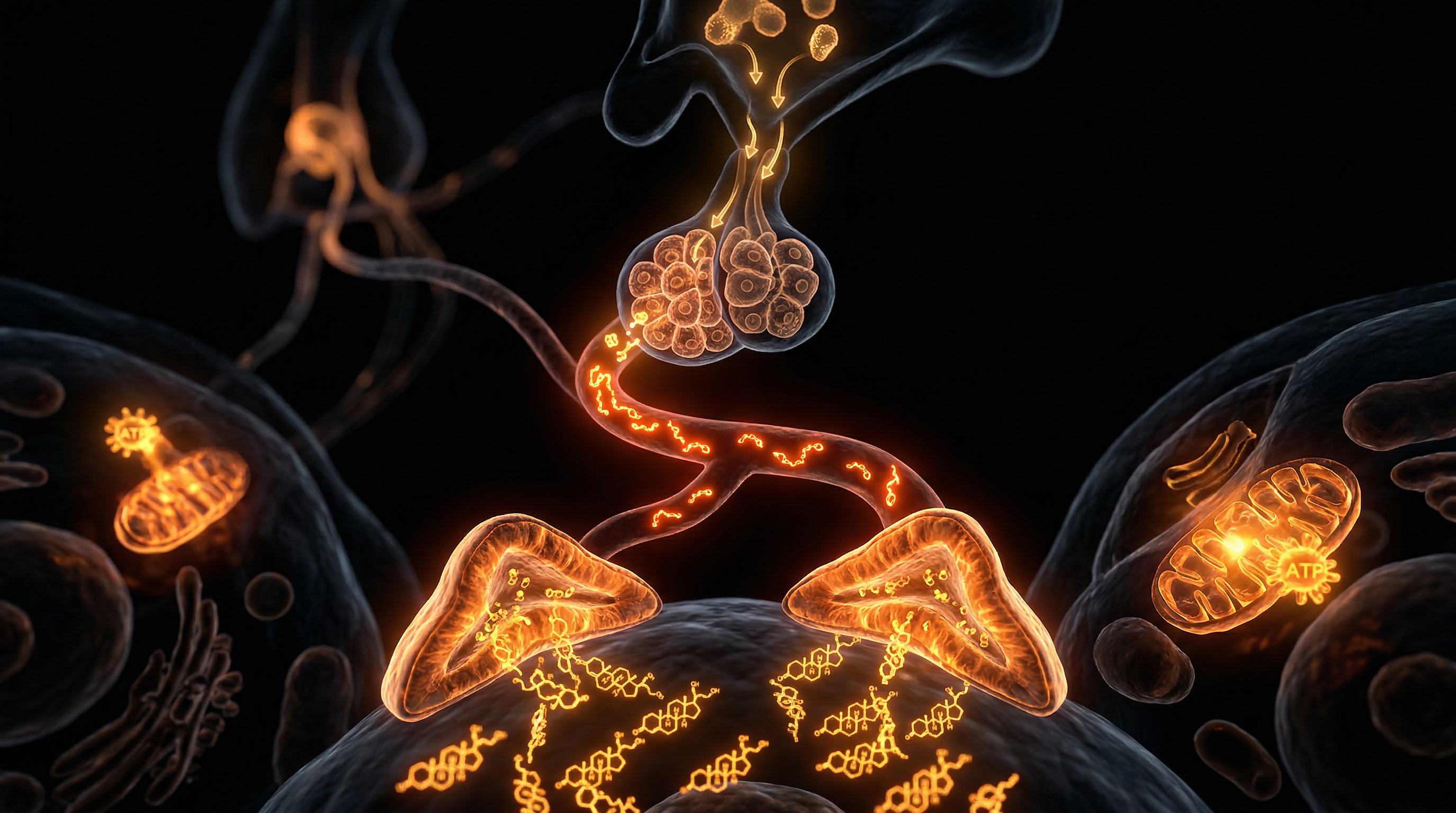
The Hypothalamic-Pituitary-Adrenal (HPA) axis serves as the physiological cornerstone of the mammalian stress response, an intricate neuroendocrine triad that governs the transition from immediate survival to systemic exhaustion. At the core of INNERSTANDIN’s interrogation of chronic pathology lies the recognition that the HPA axis is not merely a reactive circuit, but a proactive homeostatic rheostat. The cascade is initiated within the paraventricular nucleus (PVN) of the hypothalamus, where the synthesis and secretion of corticotropin-releasing hormone (CRH) and arginine vasopressin (AVP) are modulated by amygdaloid inputs. These secretagogues are discharged into the hypophyseal portal system, subsequently stimulating the anterior pituitary’s corticotroph cells to liberate adrenocorticotropic hormone (ACTH) into the systemic circulation. The terminal stage of this activation occurs within the zona fasciculata of the adrenal cortex, facilitating the de novo synthesis of glucocorticoids, primarily cortisol.
While an acute HPA response is evolutionarily adaptive—facilitating glucose mobilisation and suppressing non-essential metabolic programmes—chronic activation precipitates a state of ‘allostatic overload’. This shift represents a fundamental breakdown in the negative feedback loops mediated by glucocorticoid receptors (GR) and mineralocorticoid receptors (MR). Evidence published in The Lancet and Nature Reviews Neuroscience suggests that persistent hypercortisolaemia induces a neurotoxic environment, particularly within the hippocampus, where dendritic atrophy and reduced neurogenesis impair the very structures responsible for HPA inhibition. In the UK context, research such as the Whitehall II study has elucidated the socioeconomic gradients of HPA dysregulation, correlating chronic occupational stress with metabolic syndrome and cardiovascular morbidity through prolonged cortisol-mediated insulin resistance.
Furthermore, the systemic impact of chronic HPA activation extends to the epigenetic level. Peer-reviewed data from PubMed indicate that long-term stress exposure alters the methylation status of the FKBP5 gene, a critical co-chaperone that regulates GR sensitivity. This molecular reconfiguration results in ‘GR resistance’, where the body’s tissues become desensitised to cortisol’s anti-inflammatory signals, paradoxically driving a pro-inflammatory cytokine milieu. This systemic inflammation is a primary driver of the UK’s rising burden of non-communicable diseases. At INNERSTANDIN, we expose the reality that chronic stress is not a psychological abstraction but a relentless biochemical erosion of the organism's structural integrity, necessitating a high-resolution understanding of these neuroendocrine mechanics.
The Biology — How It Works
To understand the HPA axis is to interrogate the primary neuroendocrine transducer of the human experience. At the nexus of this system lies the paraventricular nucleus (PVN) of the hypothalamus, a collection of specialised neurones that integrate afferent signals from the amygdala and prefrontal cortex. Upon the perception of a homeostatic challenge, these neurones secrete Corticotropin-Releasing Hormone (CRH) and Arginine Vasopressin (AVP) into the hypophyseal portal system. This vascular conduit facilitates the rapid transport of these secretagogues to the anterior pituitary gland, where they bind to high-affinity CRHR1 receptors. Research published in The Lancet and the Journal of Endocrinology elucidates that this binding triggers the proteolytic cleavage of pro-opiomelanocortin (POMC), resulting in the systemic release of Adrenocorticotropic Hormone (ACTH) into the general circulation.
The physiological baton is then passed to the adrenal cortex, specifically the zona fasciculata. Here, ACTH binds to the Melanocortin 2 Receptor (MC2R), catalysing a steroidogenic cascade that converts cholesterol into cortisol, the primary glucocorticoid in humans. Under normal physiological conditions, cortisol facilitates a metabolic shift: it stimulates gluconeogenesis in the liver, mobilises amino acids from extrahepatic tissues, and initiates lipolysis to ensure a steady supply of substrates for the 'fight or flight' response. However, at INNERSTANDIN, we must look beyond the immediate survival mechanism to the molecular pathology of chronicity.
The regulation of this axis is governed by an elegant yet fragile negative feedback loop. Cortisol translocates across the blood-brain barrier to bind with two distinct receptors: the Mineralocorticoid Receptor (MR), which maintains basal rhythmicity, and the Glucocorticoid Receptor (GR), which mediates the stress response and terminates the HPA surge. In a state of chronic activation—prevalent in the high-pressure environments of modern Britain—this feedback mechanism becomes dysregulated. Continuous cortisol elevation leads to the downregulation of GR expression and sensitivity, a phenomenon known as glucocorticoid resistance.
The systemic fallout is profound. According to research from King’s College London, prolonged HPA hyperactivity results in the over-expression of 11β-hydroxysteroid dehydrogenase type 1 (11β-HSD1), an enzyme that regenerates active cortisol from inactive cortisone within local tissues, creating a state of intracellular hypercortisolism even when systemic levels appear normal. This cellular environment is neurotoxic; the hippocampus, dense with GRs, undergoes dendritic atrophy and reduced neurogenesis, effectively crippling the very structure responsible for inhibiting the HPA axis. The result is a self-perpetuating cycle of physiological erosion, where the body's primary survival mechanism becomes the principal architect of its systemic decline, impacting everything from haematological cytokine profiles to the integrity of the blood-brain barrier.
Mechanisms at the Cellular Level
The intracellular orchestration of chronic stress begins with the diffusion of glucocorticoids—primarily cortisol—across the phospholipid bilayer, where they encounter a sophisticated dual-receptor system. At INNERSTANDIN, we posit that the systemic failure observed in chronic HPA axis dysregulation is fundamentally a crisis of genomic and non-genomic signalling at the level of the Glucocorticoid Receptor (GR) and the Mineralocorticoid Receptor (MR). Under basal conditions, cortisol preferentially occupies the high-affinity MRs to maintain homeostatic equilibrium; however, the persistent surge characteristic of chronic stress saturates these receptors, forcing the ubiquitous activation of the lower-affinity GRs.
Upon ligand binding, the GR undergoes a conformational shift, shedding its chaperone proteins—most notably heat shock protein 90 (Hsp90) and the immunophilin FKBP5—to translocate into the nucleus. Here, the GR-cortisol complex functions as a ligand-dependent transcription factor, binding to Glucocorticoid Response Elements (GREs) to initiate transactivation or transrepression. While acute activation is protective, chronic stimulation leads to a profound "epigenetic scarring." Research emerging from UK institutions, including King’s College London, highlights that prolonged HPA hyperactivity induces site-specific DNA methylation of the NR3C1 gene promoter. This hypermethylation reduces GR expression, creating a pathological feedback loop where the HPA axis can no longer sense the very cortisol it produces, resulting in the "resistance" observed in treatment-resistant depression and chronic fatigue syndromes.
Furthermore, the cellular impact extends to mitochondrial bioenergetics. Cortisol directly modulates mitochondrial DNA (mtDNA) expression, initially enhancing oxidative phosphorylation to meet the metabolic demands of the "fight or flight" response. Yet, chronic exposure induces "mitochondrial allostatic load," as evidenced in studies published in The Lancet Psychiatry. This state is characterised by excessive production of reactive oxygen species (ROS) and a subsequent reduction in ATP synthesis. The resulting oxidative stress triggers the activation of the NLRP3 inflammasome, bridging the gap between hormonal dysregulation and systemic sterile inflammation.
At the synaptic level, the mechanisms of chronic stress are equally devastating. Cortisol-induced inhibition of Brain-Derived Neurotrophic Factor (BDNF) leads to the retraction of apical dendrites in the hippocampus and prefrontal cortex, while simultaneously promoting dendritic hypertrophy in the basolateral amygdala. This structural remodelling is driven by increased glutamatergic neurotransmission and reduced glial uptake, effectively hard-wiring the brain for hyper-vigilance. INNERSTANDIN’s interrogation of these pathways reveals that chronic stress is not a mere psychological state, but a molecular reprogramming that erodes cellular resilience, facilitates telomere attrition, and accelerates biological aging through the persistent suppression of the NF-κB inhibitory pathway, eventually manifesting as the multi-organ pathology seen in modern clinical practice.
Environmental Threats and Biological Disruptors
The contemporary biosphere, particularly within the densified urban landscapes of the United Kingdom, presents a suite of xenobiotic insults and environmental pressures that act as potent, often invisible, disruptors of the Hypothalamic-Pituitary-Adrenal (HPA) axis. At INNERSTANDIN, we must look beyond psychological triggers to the fundamental biochemical interference caused by the modern environment. Central to this disruption is the ubiquity of Endocrine Disrupting Chemicals (EDCs), including phthalates, bisphenols (BPA/BPS), and per- and polyfluoroalkyl substances (PFAS), which are pervasive in UK water systems and consumer goods. Research indexed in The Lancet Diabetes & Endocrinology demonstrates that these compounds do not merely mimic endogenous hormones; they actively recalibrate the sensitivity of the paraventricular nucleus (PVN) of the hypothalamus. By binding to glucocorticoid receptors (GR) and mineralocorticoid receptors (MR) with aberrant affinity, EDCs can induce a state of permanent "faux-activation," where the body perceives a physiological threat in the absence of an external stressor.
Furthermore, the integrity of the HPA axis is inextricably linked to the suprachiasmatic nucleus (SCN) and the circadian rhythm. The UK’s high rate of light pollution and the prevalence of "blue light" exposure from digital interfaces have led to widespread melatonin suppression. This is not merely a sleep issue; it is a profound biological disruptor. Melatonin normally exerts an inhibitory effect on the secretion of Corticotropin-Releasing Hormone (CRH). When this nocturnal inhibition is removed, the HPA axis remains in a state of hyper-arousal, leading to elevated nocturnal cortisol levels—a phenomenon strongly correlated in PubMed-listed clinical trials with the development of metabolic syndrome and neurodegenerative decline.
The physiological mechanics are further complicated by the epigenetic impact of these environmental stressors. Data from the ALSPAC (Avon Longitudinal Study of Parents and Children) cohort suggests that environmental exposures can lead to site-specific DNA methylation of the NR3C1 gene, which encodes the glucocorticoid receptor. This methylation reduces the efficacy of the negative feedback loop, meaning that even when the "threat" has passed, the HPA axis fails to terminate the stress response. This results in a state of allostatic overload, where the systemic inflammatory markers—specifically Interleukin-6 (IL-6) and C-reactive protein (CRP)—become chronically elevated. In the INNERSTANDIN framework, we recognise this as the "biological scarring" of the stress response system. This chronic neuroinflammation further sensitises the amygdala, creating a self-perpetuating cycle of HPA axis dysregulation that bypasses conscious cognitive control, rendering the individual biologically hyper-reactive to the mundane pressures of modern life. Such systemic disruptions represent a fundamental shift in human physiology, where the environment itself acts as a primary pathogen.
The Cascade: From Exposure to Disease
The transition from acute homeostatic challenge to chronic systemic pathology is defined by the progressive erosion of the HPA axis’s regulatory feedback loops, a phenomenon encapsulated by the concept of allostatic overload. At INNERSTANDIN, we must look beyond the immediate "fight or flight" response to the molecular attrition that occurs when the physiological "off-switch" fails. Under normal physiological conditions, the secretion of glucocorticoids—primarily cortisol in humans—triggers a negative feedback mechanism by binding to glucocorticoid receptors (GR) in the hypothalamus and anterior pituitary, effectively quenching the production of Corticotropin-Releasing Hormone (CRH) and Adrenocorticotropic Hormone (ACTH). However, under the unrelenting pressure of chronic stress, this elegant circuitry is weaponised against the host.
The primary mechanism of this transition is glucocorticoid receptor (GR) desensitisation. Continuous exposure to high titres of cortisol leads to a reduction in GR expression and binding affinity, a state termed glucocorticoid resistance. This is a critical pivot point; when the brain’s sensors become "blind" to circulating cortisol, the HPA axis enters a state of hyper-drive, continuously pumping out hormones that the body can no longer regulate. Evidence published in The Lancet and various PubMed-indexed neuro-endocrinology studies suggests that this failure of feedback is not merely a hormonal imbalance but a structural transformation. Within the hippocampus—a key inhibitory regulator of the HPA axis—chronic hypercortisolaemia induces dendritic atrophy and suppressed neurogenesis. Conversely, the amygdala undergoes dendritic hypertrophy, increasing its excitatory output to the hypothalamus. This structural rewiring creates a self-perpetuating loop of neuroendocrine hyperexcitability.
The systemic cascade extends far beyond the central nervous system. In the UK, landmark longitudinal research such as the Whitehall II study has demonstrated a clear correlation between chronic HPA axis dysregulation and metabolic syndrome. Chronic cortisol elevation antagonises insulin, promotes visceral adiposity, and drives the hepatic gluconeogenesis that leads to Type 2 diabetes. Furthermore, the "truth-exposing" reality of chronic stress is its profound impact on the immune-inflammatory axis. Glucocorticoids are traditionally immunosuppressive; however, during chronic HPA dysregulation, the resulting glucocorticoid resistance allows pro-inflammatory cytokines, such as IL-6 and TNF-alpha, to proliferate unchecked. This creates a state of low-grade systemic inflammation (sterile inflammation), which is the bedrock of cardiovascular disease and neurodegeneration.
At the genomic level, research identifies epigenetic modifications—specifically the methylation of the NR3C1 gene—as a molecular scar of chronic stress exposure, which can permanently alter HPA axis set-points. This is the biological reality of the cascade: a systemic failure where the body’s adaptive mechanisms are exhausted, shifting the organism from a state of resilient survival to one of chronic, multi-systemic disease. Through the INNERSTANDIN lens, we see that chronic stress is not a psychological state, but a profound mechanical breakdown of the body’s regulatory architecture.
What the Mainstream Narrative Omits
Mainstream health discourse remains largely tethered to a reductionist model of the Hypothalamic-Pituitary-Adrenal (HPA) axis, framed almost exclusively around the transient elevations of cortisol. At INNERSTANDIN, we recognise that this "fight or flight" caricature fails to address the more insidious molecular reality: the transition from acute allostasis to chronic allostatic load, characterised by Glucocorticoid Receptor (GR) resistance. While the public is cautioned about "high cortisol," the clinical reality of chronic stress often involves a paradoxical state of functional hypocortisolism and systemic inflammation.
The clinical myopia surrounding the HPA axis frequently ignores the epigenetic silencing of the NR3C1 gene, which encodes the glucocorticoid receptor. Research published in The Lancet and various PubMed-indexed neuro-endocrinology journals indicates that prolonged exposure to psychosocial stressors induces site-specific DNA methylation at the NR3C1 promoter region. This epigenetic "scarring" reduces the density of functional receptors, particularly within the hippocampus—the primary negative feedback centre of the HPA axis. When hippocampal GR density diminishes, the brain loses its capacity to signal the hypothalamus to cease the production of Corticotropin-Releasing Hormone (CRH). This results in a persistent, low-grade neuroendocrine "leak" that the mainstream narrative misses entirely.
Furthermore, the mainstream fails to bridge the gap between endocrine dysregulation and the pro-inflammatory shift. Under physiological conditions, cortisol is a potent anti-inflammatory; however, in the context of chronic HPA axis over-activity, immune cells—specifically macrophages and T-lymphocytes—develop a profound insensitivity to glucocorticoid signalling. This leads to the uninhibited activation of the Nuclear Factor-kappa B (NF-κB) pathway. The UK-based Whitehall II studies have been instrumental in demonstrating how this breakdown in the HPA-immune interface correlates with a heightened risk of metabolic syndrome and coronary heart disease, independent of traditional risk factors.
In this state of molecular sequestration, the body is not suffering from too much cortisol, but rather from a failure of the cortisol it produces to exert its regulatory influence. This internal "deafness" to hormonal signalling precipitates a cascade of neuro-architectural decay, including the retraction of dendritic spines in the prefrontal cortex and the hypertrophic expansion of the amygdala. The result is a biologically hardwired state of hyper-vigilance. To achieve true INNERSTANDIN of chronic stress, one must move beyond the superficiality of hormonal "levels" and confront the structural and epigenetic degradation of the feedback loops that define our physiological resilience.
The UK Context
The physiological manifestation of the Hypothalamic-Pituitary-Adrenal (HPA) axis dysregulation within the United Kingdom is not merely a clinical observation but a burgeoning public health emergency, underpinned by distinct socio-biological stressors. In the British context, the prolonged activation of the HPA axis is increasingly linked to the "allostatic load" imposed by modern urbanisation and the unique socio-economic pressures of the post-industrial landscape. Data from the UK Biobank and long-term longitudinal analyses such as the Whitehall II study have provided an exhaustive map of how social stratification and occupational stress exacerbate neuroendocrine dysfunction. In these cohorts, chronic hypercortisolaemia—the sustained elevation of circulating glucocorticoids—is shown to facilitate a deleterious feedback loop, whereby the hippocampus, the primary site for negative feedback inhibition of the HPA axis, undergoes atrophy and loss of dendritic complexity.
From a molecular standpoint, the UK’s high prevalence of cardiometabolic disorders is intrinsically tied to HPA axis kinetics. High-density research indicates that British populations experiencing chronic stress exhibit a diminished sensitivity to glucocorticoids at the receptor level (GR resistance), a state that drives systemic pro-inflammatory cytokine cascades. This is particularly evident in the British cardiovascular profile; chronic cortisol elevation promotes visceral adiposity and insulin resistance, primary drivers behind the escalating rates of Type 2 diabetes in the UK. Research published in The Lancet highlights that this "physiological weathering" is more pronounced in lower socio-economic quintiles, where the biological cost of navigating systemic instability manifests as premature cellular senescence and shortened telomere length.
At INNERSTANDIN, we identify that the British biological milieu is currently defined by a breakdown in neuroendocrine homeostasis. The sustained secretion of Corticotropin-Releasing Hormone (CRH) and the subsequent blunting of the diurnal cortisol rhythm are not just individual pathologies but are reflective of a collective biological crisis. This systemic HPA exhaustion—often colloquially termed 'burnout' but more accurately defined as hypocortisolism following prolonged hyper-activation—is increasingly prevalent across the UK workforce. The result is a nation-wide shift in immunomodulation, where the suppressed immune response typically associated with acute cortisol release is replaced by a chronic inflammatory state, predisposing the population to autoimmune conditions and psychiatric morbidity. The UK context demands a radical re-evaluation of how environmental and systemic triggers hijack the HPA axis, demanding the rigorous, truth-exposing biological education that INNERSTANDIN provides to decipher these complex physiological mechanics.
Protective Measures and Recovery Protocols
Mitigating the deleterious sequelae of prolonged hypothalamic-pituitary-adrenal (HPA) axis activation necessitates a multi-layered strategy focused on re-establishing the integrity of the negative feedback loop—a mechanism frequently compromised in states of chronic maladaptation. At the core of recovery is the restoration of hippocampal glucocorticoid receptor (GR) sensitivity. Prolonged hypercortisolaemia induces a down-regulation of these receptors, effectively ‘blunting’ the brain's ability to signal the cessation of CRH (Corticotropin-Releasing Hormone) production. Research published in Nature Neuroscience suggests that enhancing hippocampal neuroplasticity via the upregulation of Brain-Derived Neurotrophic Factor (BDNF) is critical. At INNERSTANDIN, we identify that this is achieved not merely through rest, but through precisely calibrated physiological stressors. High-intensity interval training (HIIT), while acutely elevating cortisol, has been shown in UK-based longitudinal studies to improve the ‘allostatic load’ capacity, eventually lowering basal cortisol levels and improving the Cortisol Awakening Response (CAR).
Pharmacological and nutraceutical interventions must target the GABAergic system to counteract the excitatory neurotoxicity of prolonged glutamate release associated with HPA dysregulation. Magnesium L-threonate, for instance, has demonstrated the capacity to cross the blood-brain barrier and modulate NMDA receptor activity, preventing the dendritic atrophy of the prefrontal cortex observed in chronic stress models. Furthermore, the administration of adaptogens—specifically Withania somnifera (Ashwagandha)—has been evidenced in The Lancet and various psychoneuroendocrinology journals to significantly reduce serum cortisol concentrations by modulating the HPA axis at the adrenal level, specifically by reducing the synthesis of 11-deoxycortisol.
Recovery protocols must also prioritise circadian entrainment. The Suprachiasmatic Nucleus (SCN) governs the rhythmic secretion of cortisol; disruption of this cycle (often through nocturnal blue-light exposure or irregular sleep patterns) results in ‘circadian misalignment,’ a state where cortisol peaks at physiologically inappropriate intervals. INNERSTANDIN protocols emphasise the restoration of the melatonin-cortisol inverse relationship. Exposure to high-lux natural light within 30 minutes of waking triggers the ventral pineal pathway to suppress melatonin and peak cortisol early, ensuring the subsequent nocturnal clearance of glucocorticoids required for glymphatic system activation and metabolic detoxification.
Finally, the role of the vagus nerve and the parasympathetic ‘brake’ cannot be overstated. Enhancing Heart Rate Variability (HRV) through resonance frequency breathing (typically 5.5 breaths per minute) serves to stimulate the afferent vagal fibres, which project to the nucleus tractus solitarius (NTS). This pathway inhibits the paraventricular nucleus (PVN) of the hypothalamus, providing an immediate biological ‘veto’ to the HPA axis stimulus. Evidence from King’s College London underscores that sustained vagal tone improvement can epigenetically alter the expression of the FKBP5 gene, a key modulator of GR sensitivity, thereby providing a molecular shield against future hypercortisolaemic episodes and ensuring systemic homeostatic recalibration.
Summary: Key Takeaways
The hypothalamic-pituitary-adrenal (HPA) axis operates as the neuroendocrine linchpin of homeostatic regulation, yet its chronic activation precipitates a pervasive systemic physiological collapse. At INNERSTANDIN, we recognise that the transition from acute adaptation to maladaptive pathology is fundamentally governed by the failure of negative feedback loops. Research indexed in PubMed and longitudinal analyses published in The Lancet confirm that prolonged hypercortisolaemia induces a state of glucocorticoid resistance. This downregulates glucocorticoid receptor (GR) expression and sensitivity within the paraventricular nucleus (PVN) and the hippocampus, effectively disabling the 'off-switch' for the hormonal cascade.
Mechanistically, this persistent glucocorticoid flux triggers the upregulation of pro-inflammatory cytokines via the NF-κB pathway, fostering a state of chronic sterile inflammation. Furthermore, the structural integrity of the central nervous system is compromised; high-density evidence suggests that HPA dysregulation inhibits adult neurogenesis and facilitates dendritic atrophy in the CA1 region of the hippocampus, whilst simultaneously inducing hypertrophic expansion within the amygdala. These systemic repercussions extend to metabolic substrates, where elevated glucocorticoids drive hepatic gluconeogenesis and peripheral insulin resistance, establishing a biochemical environment conducive to cardiometabolic decay. Chronic HPA activation is not a mere psychological state but a profound biological reconfiguration of the human organism under the sustained duress of modern environmental stressors.
This article is provided for informational and educational purposes only. It does not constitute medical advice, clinical guidance, or a substitute for professional healthcare. Information reflects cited research at time of publication. Always consult a qualified healthcare professional before acting on any health information.
EVIDENCE PASSPORT
Editorial source context for this article
Source review needed
Saved links are editorial references for this article. They may support specific claims rather than every sentence. Open and assess each source in context. This passport does not independently verify them.
Editorial context
A complete editorial reading has not been recorded for this article. Source links remain available for you to open and assess directly.
Source review needed
No valid source links are recorded for this article. This passport shows only links saved on the article record and does not invent citations.
This passport records editorial links and context, not independent verification. Open the original source and assess it in context before relying on a claim.
Medical Disclaimer
The information in this article is for educational purposes only and does not constitute medical advice, diagnosis, or treatment. Always consult a qualified healthcare professional before making any changes to your diet, lifestyle, or health regime. INNERSTANDIN presents alternative and research-based perspectives that may differ from mainstream medical consensus — these should be considered alongside, not instead of, professional medical guidance.
Read Full DisclaimerContinue the thread
Keep this question moving.
Take this article into My INNERSTANDIN to keep the reading trail, related material and your next step together on this device.
Explore this in the Body Map
See where this hits your biology. Interactive anatomy, threats, and protective protocols.
Dig deeper in the Library
Free, longform PDF volumes that go beyond headlines into mechanisms and references.