All INNERSTANDIN content is for educational purposes only — not medical advice, diagnosis or treatment. Full Disclaimer →

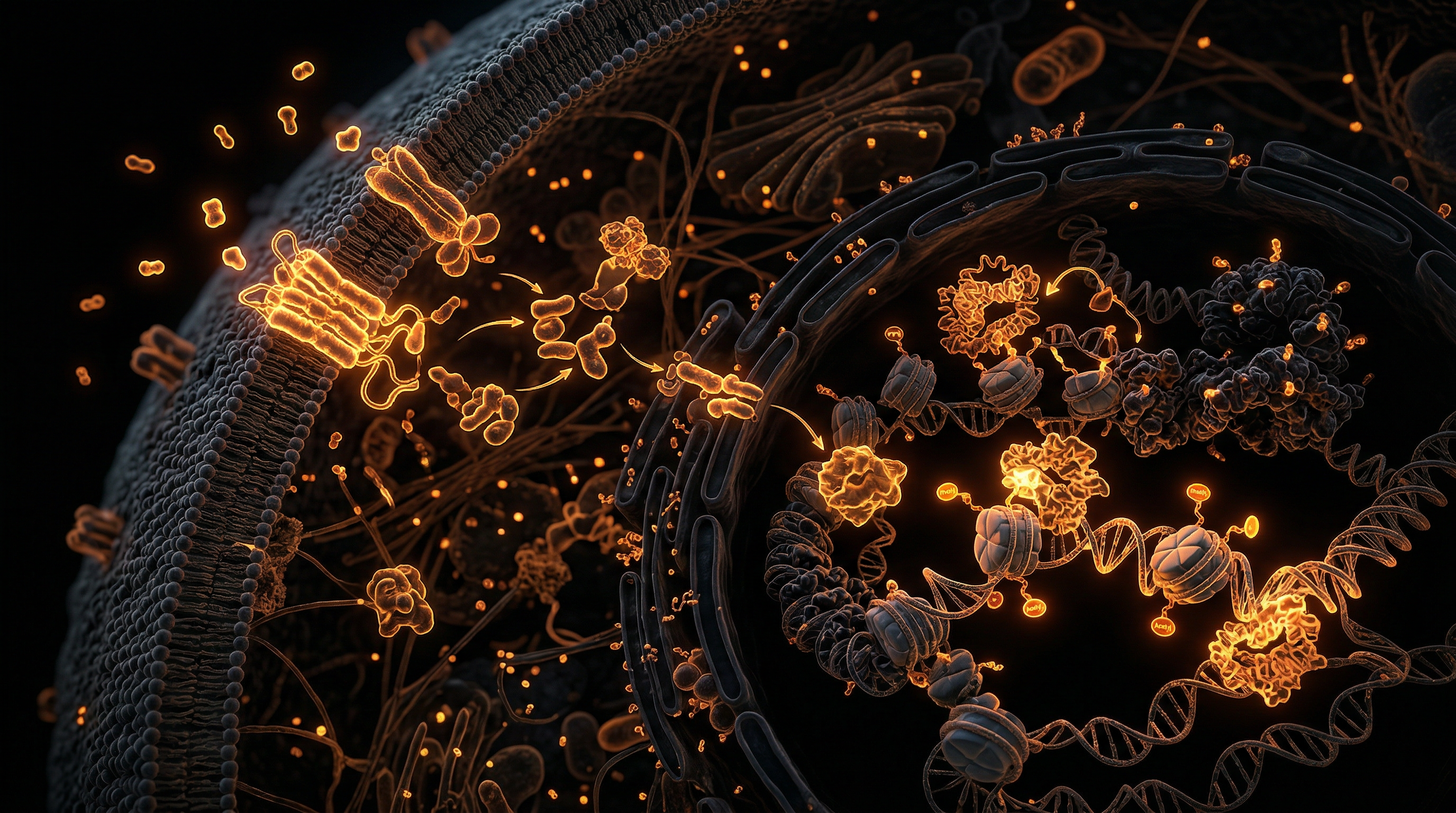
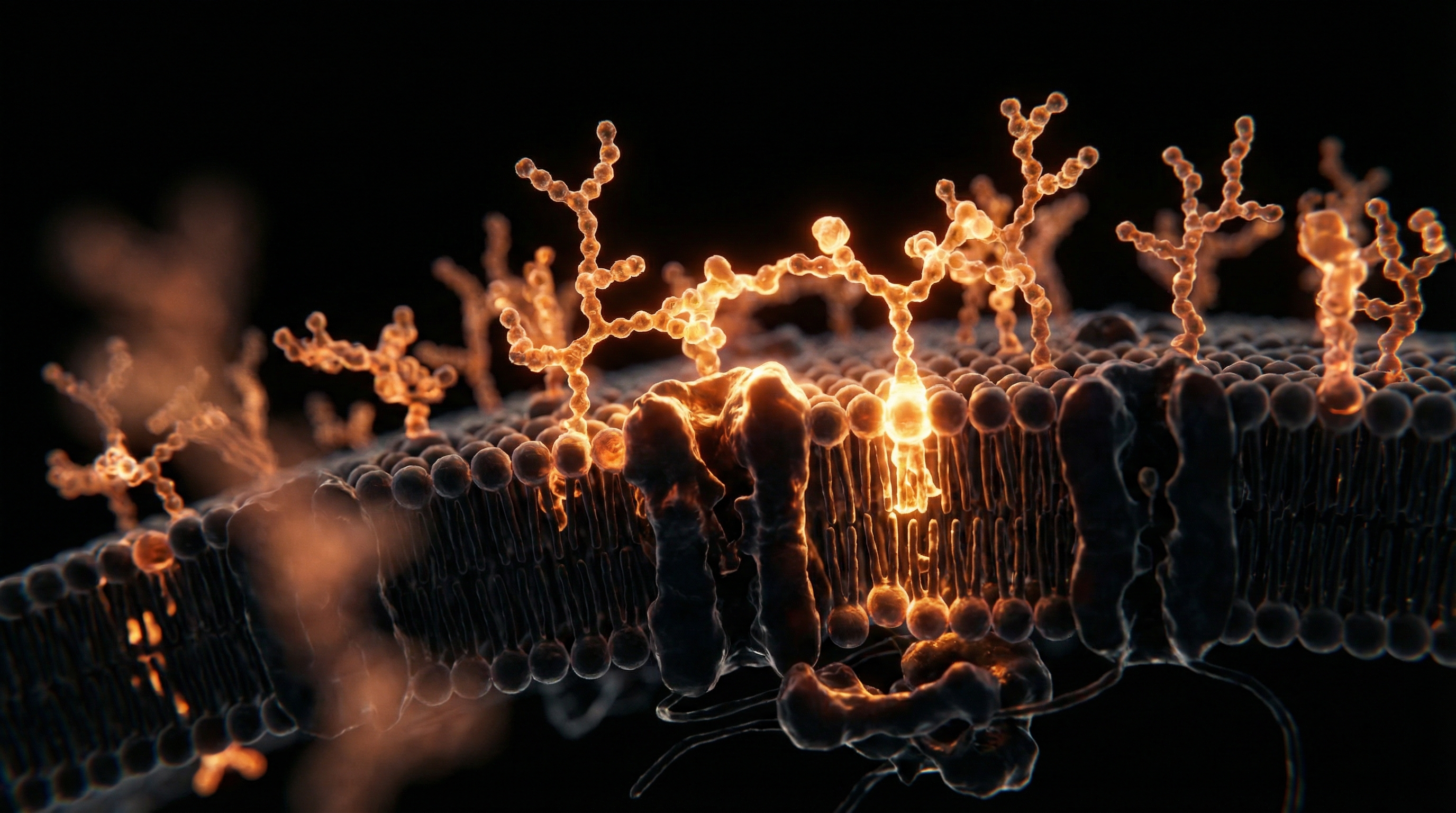
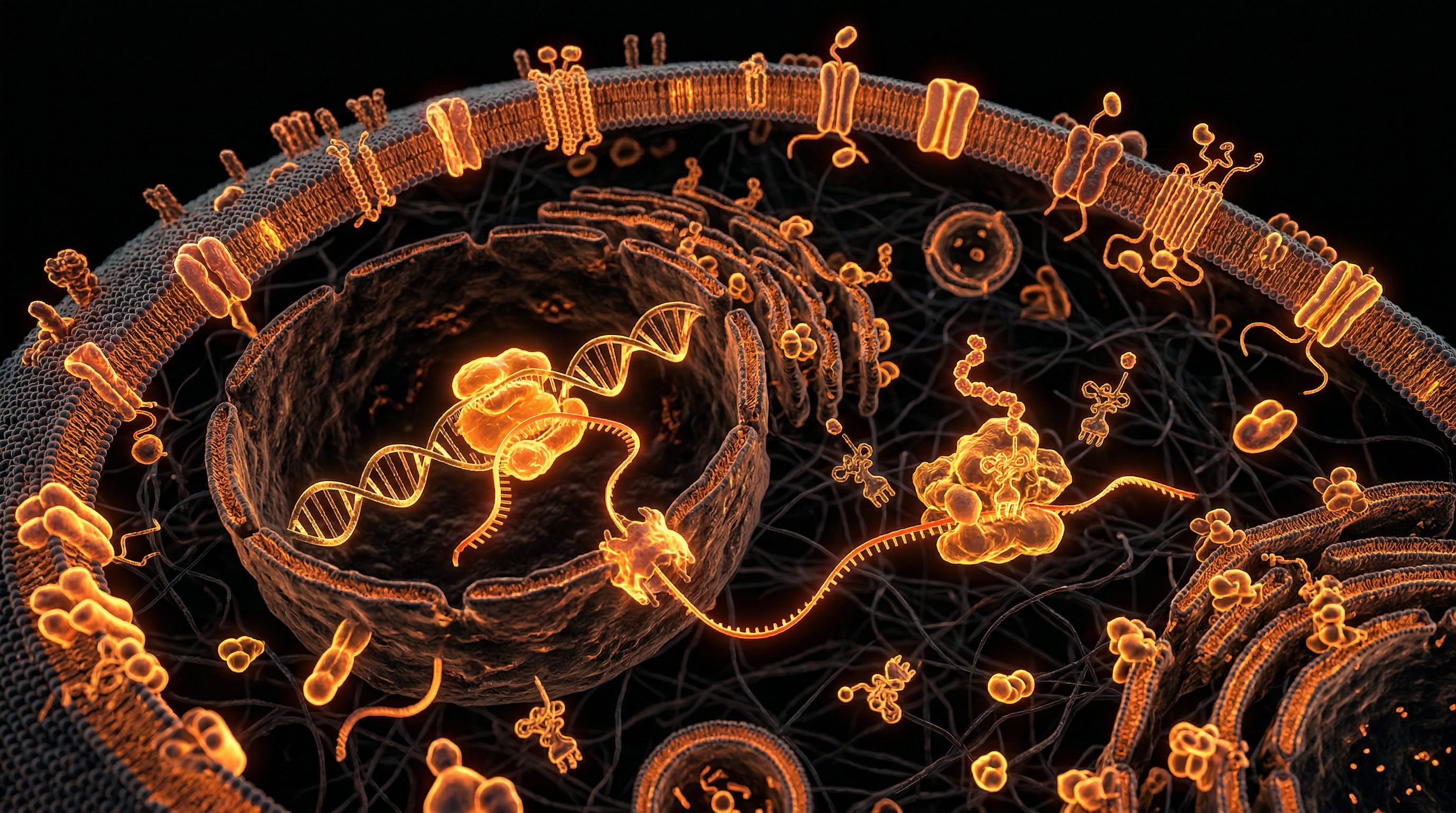
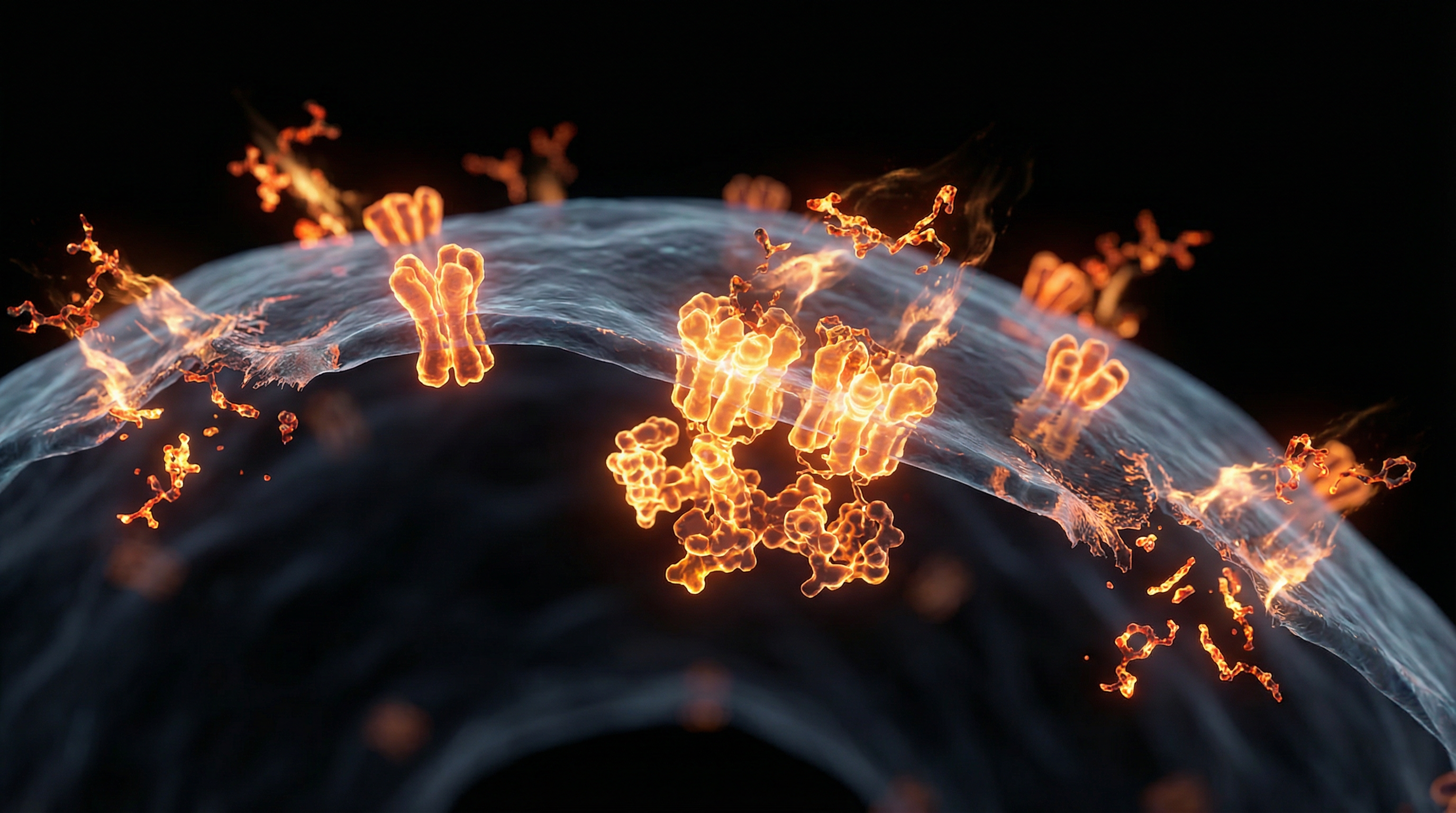
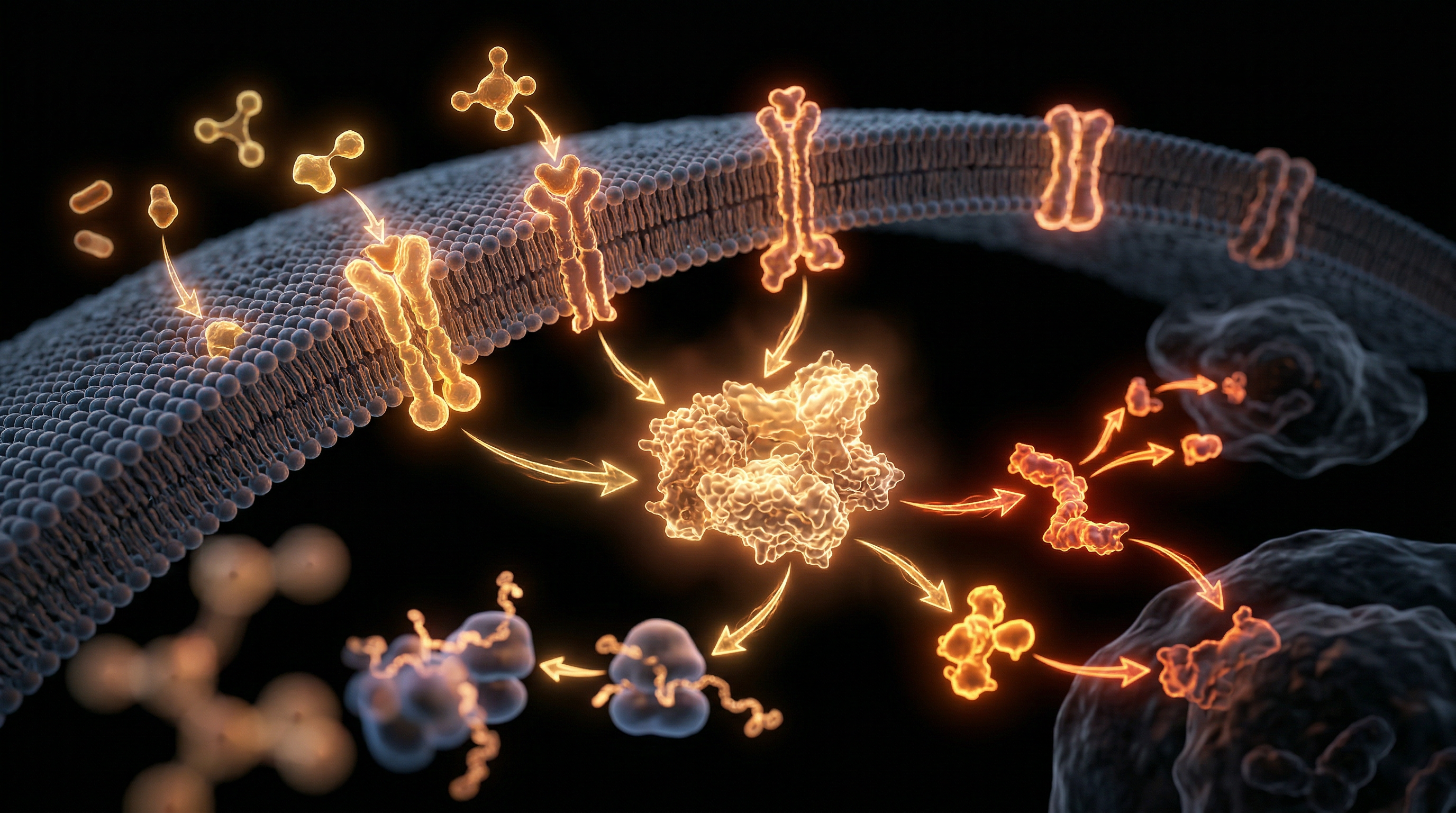
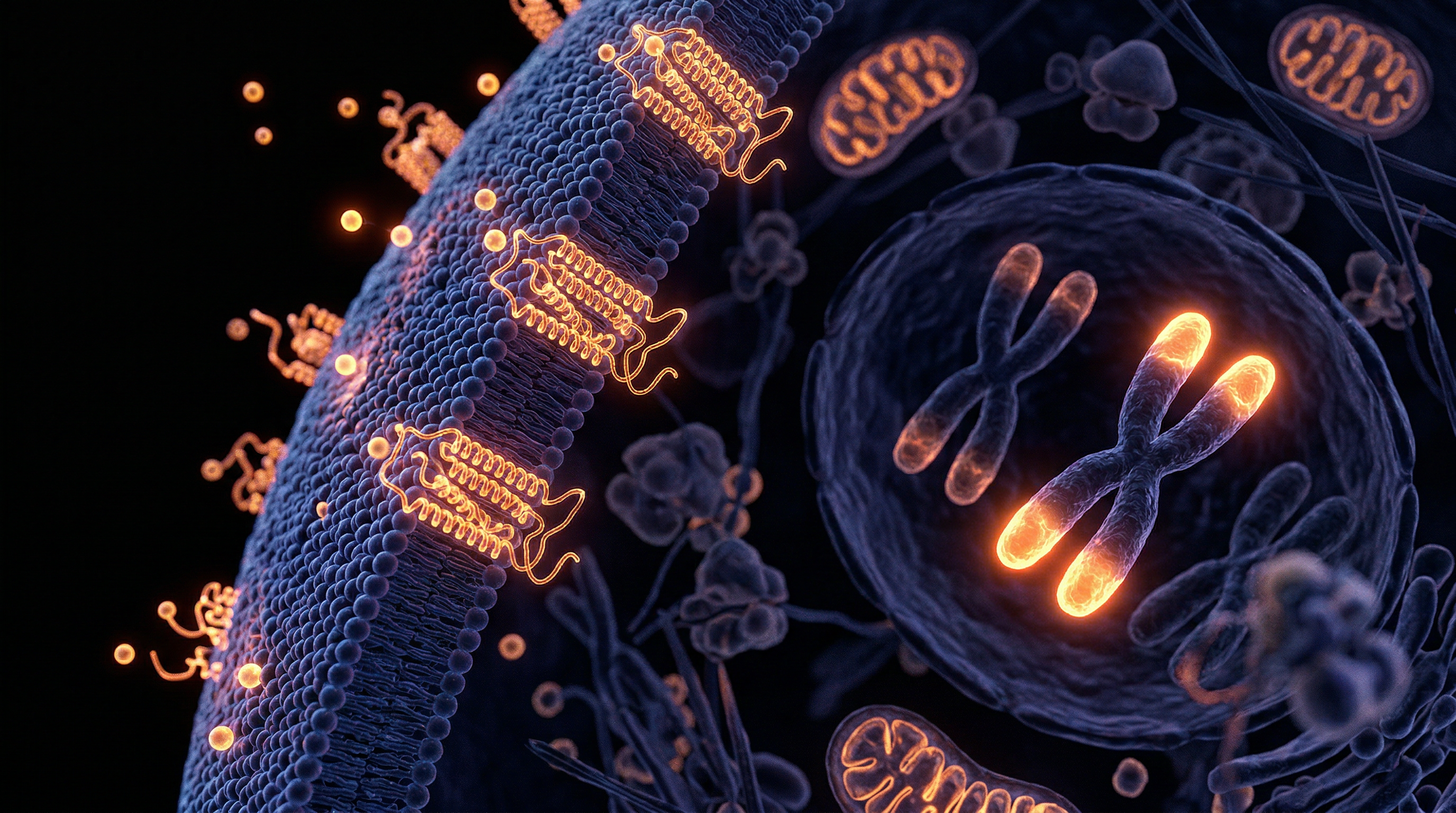
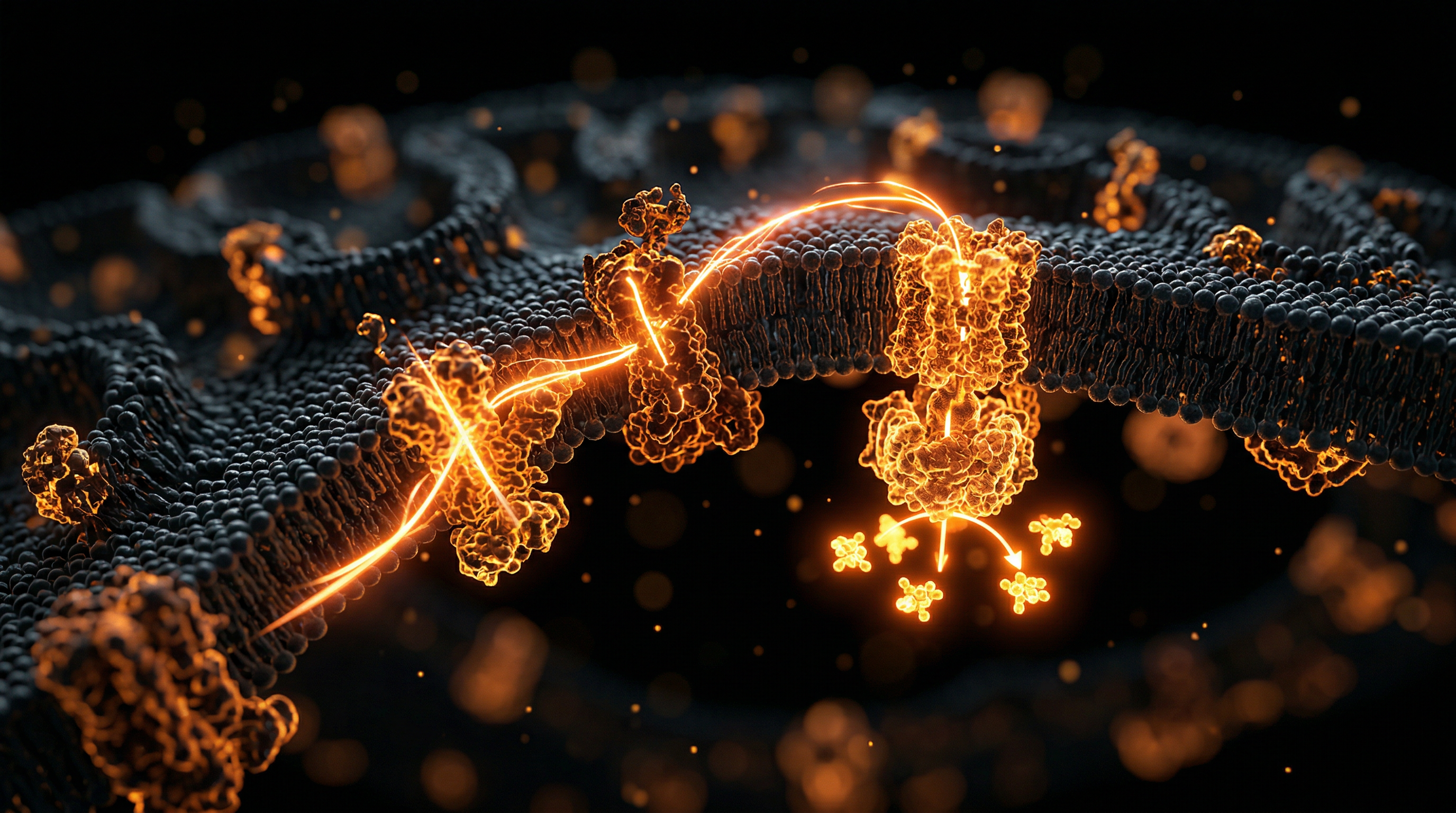
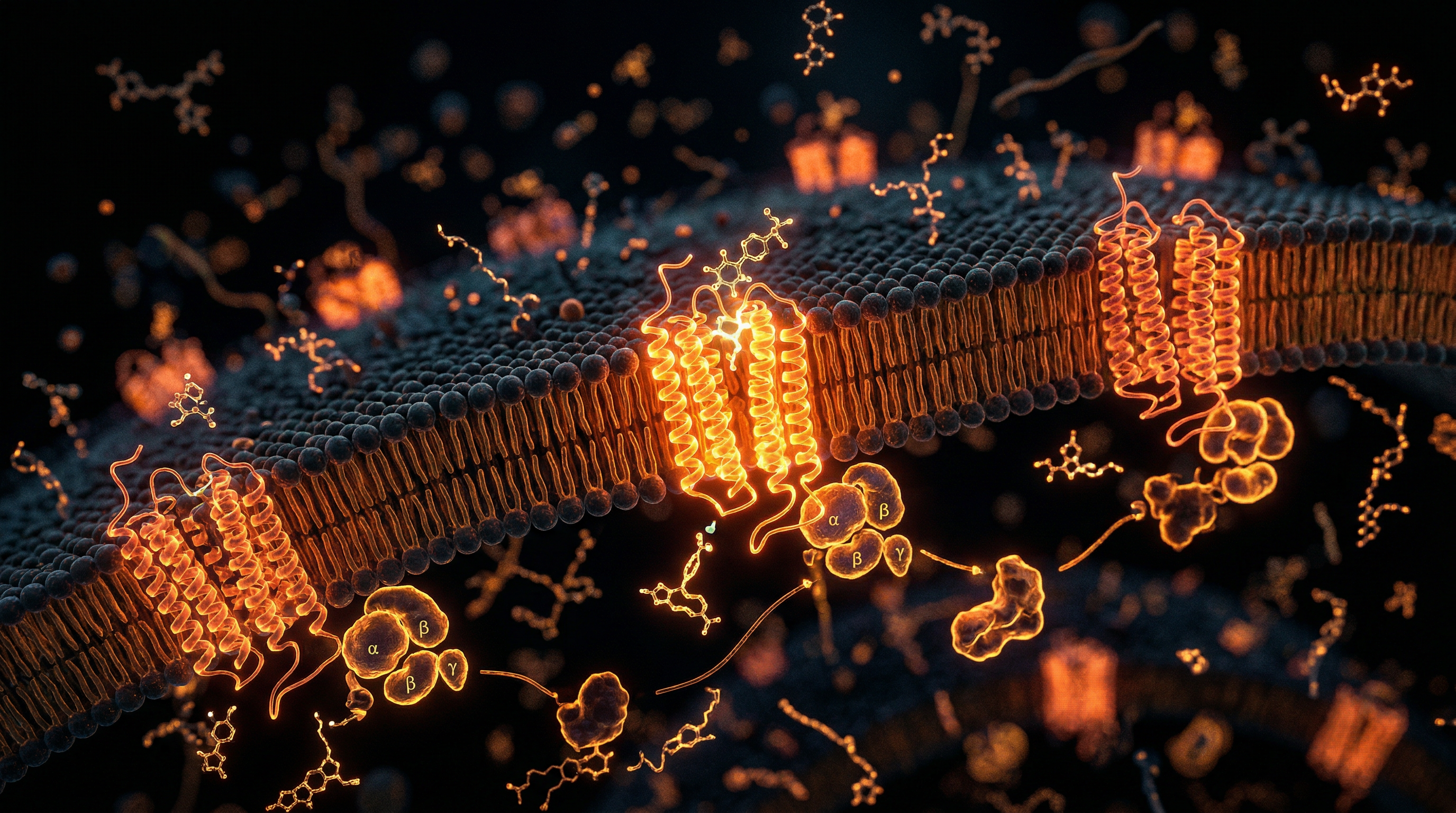
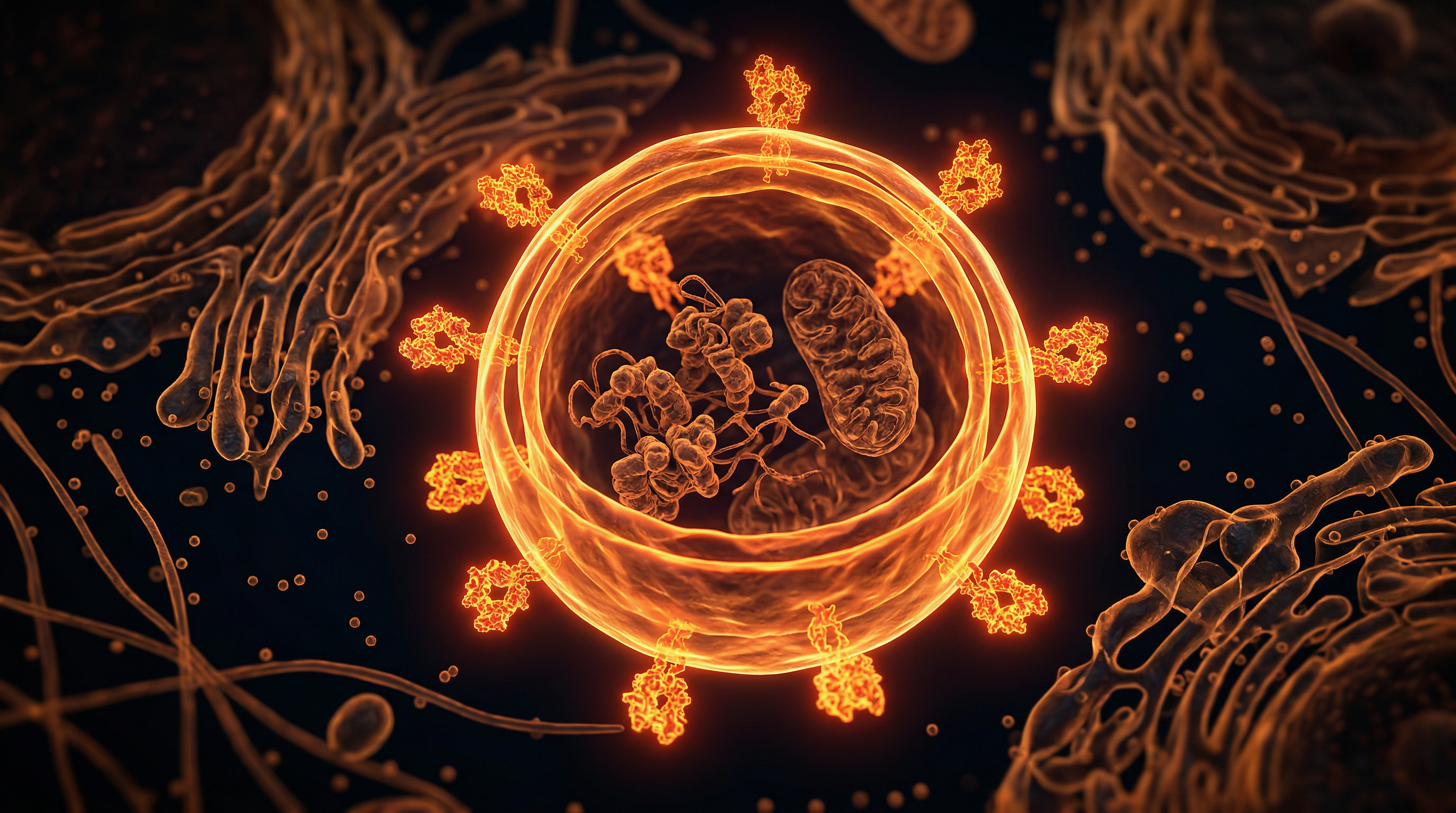
    Biological overview of the Cellular Biology system
    SYSTEM OVERVIEW // Cellular Biology

    CELLULAR BIOLOGY

    Life at its Smallest Scale. Power at its Greatest.

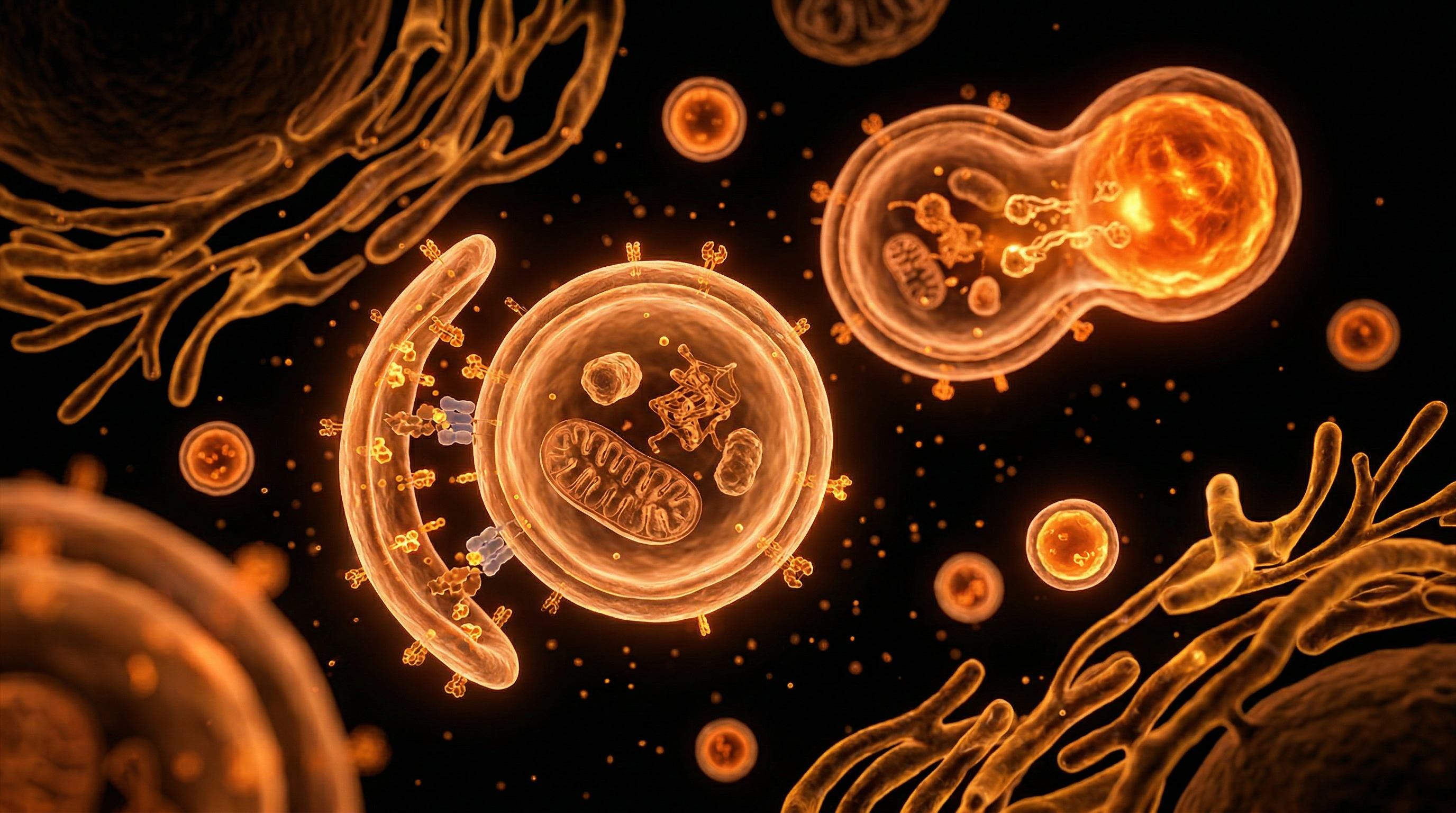
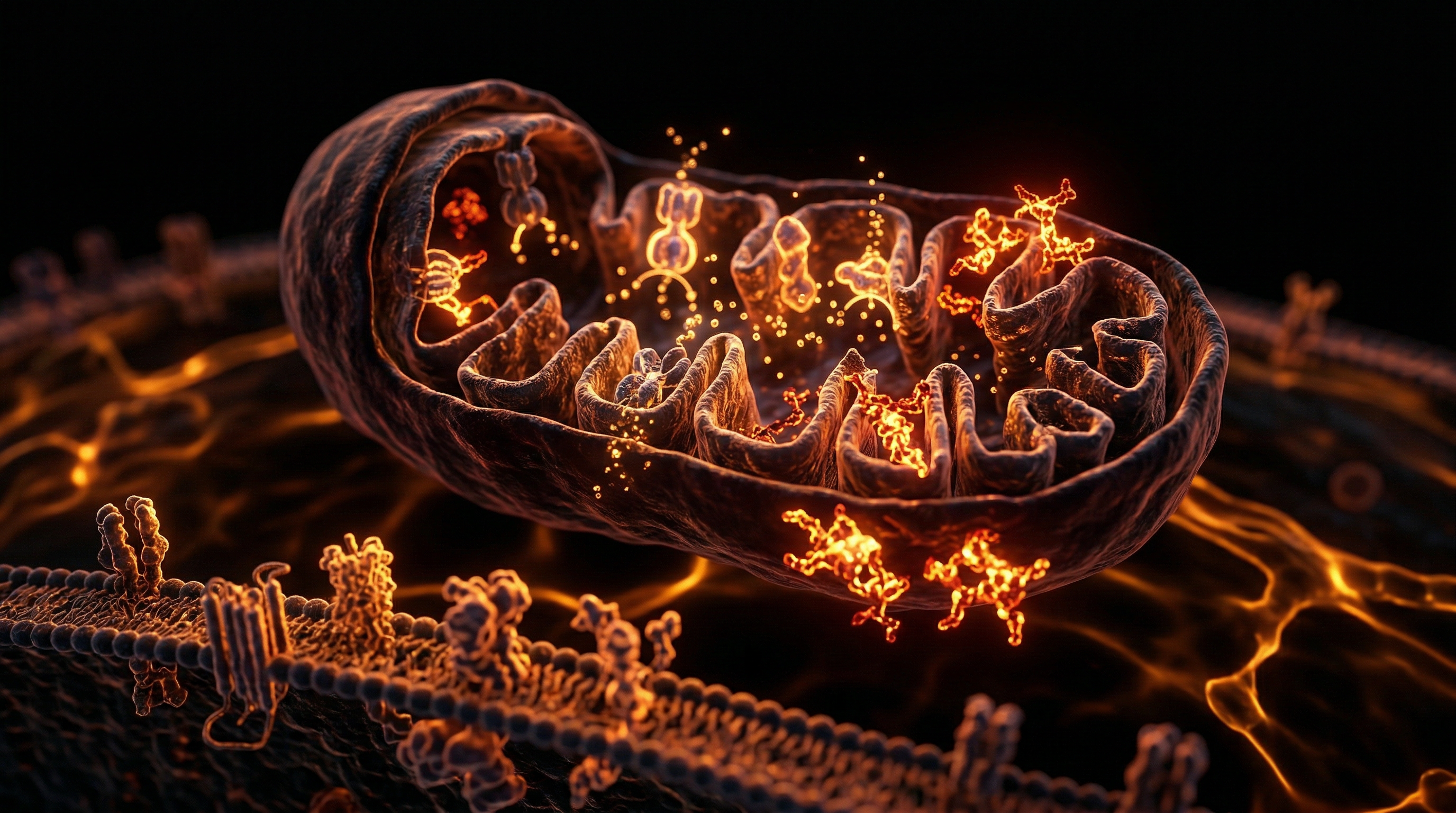
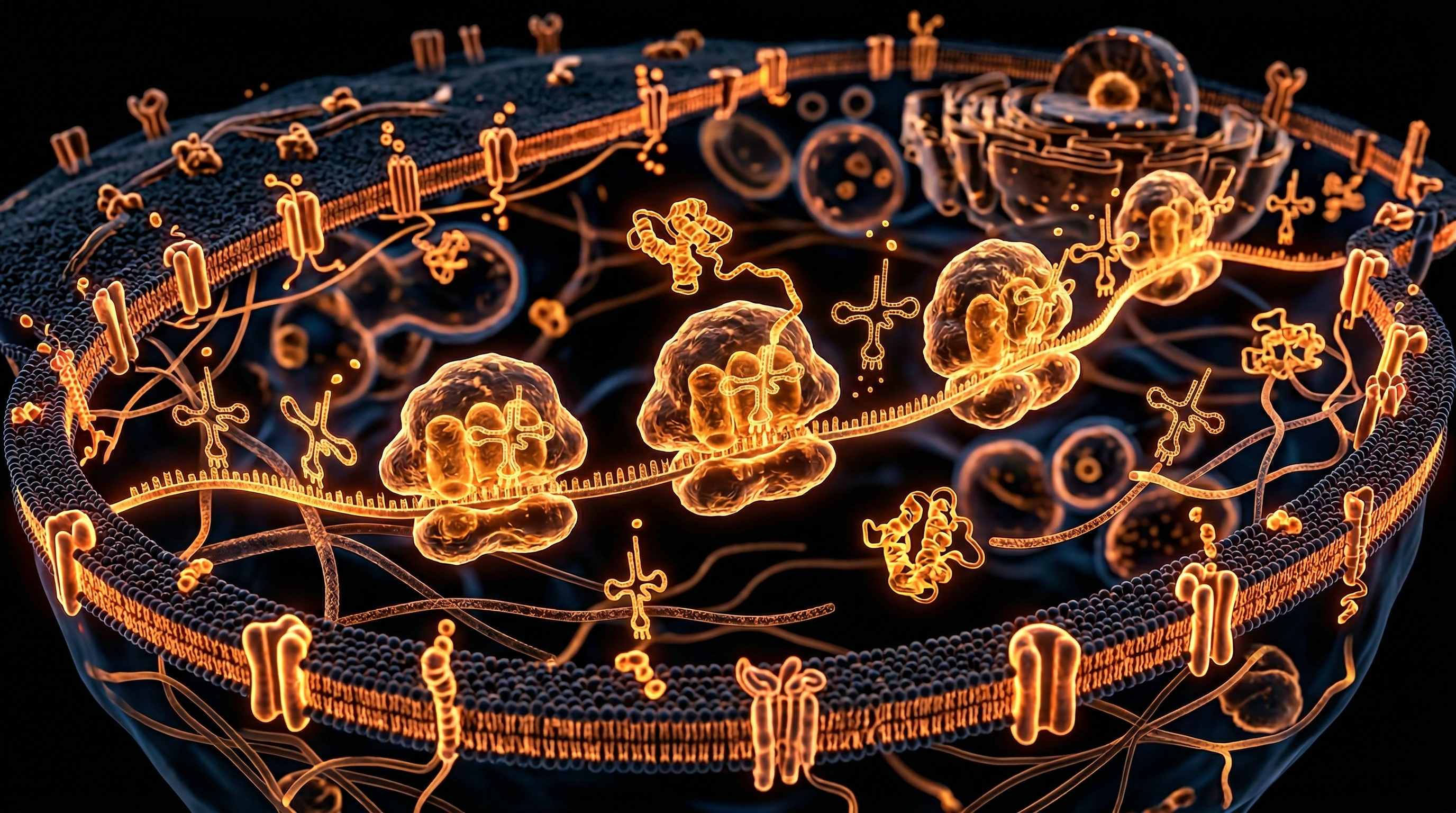
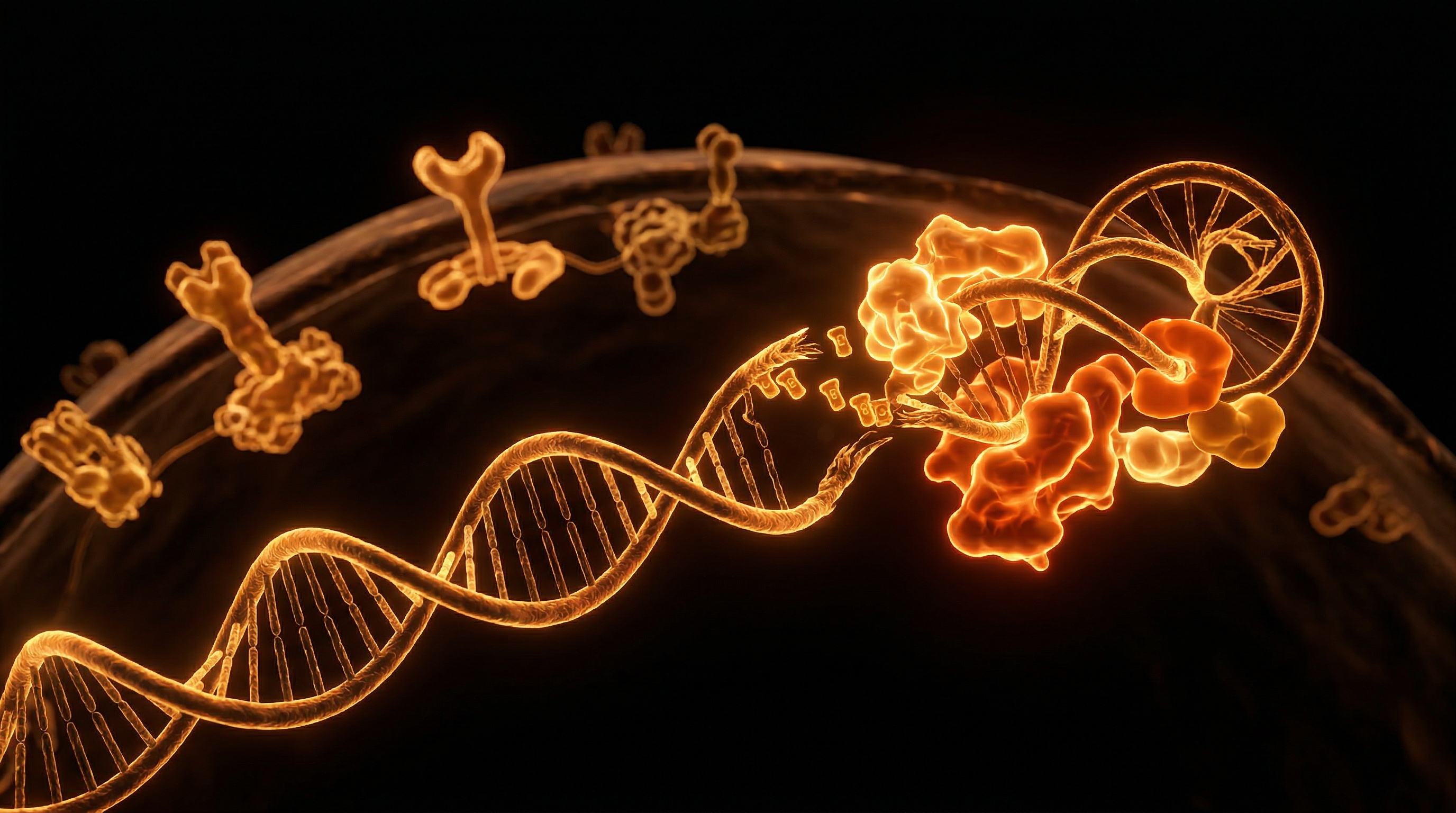
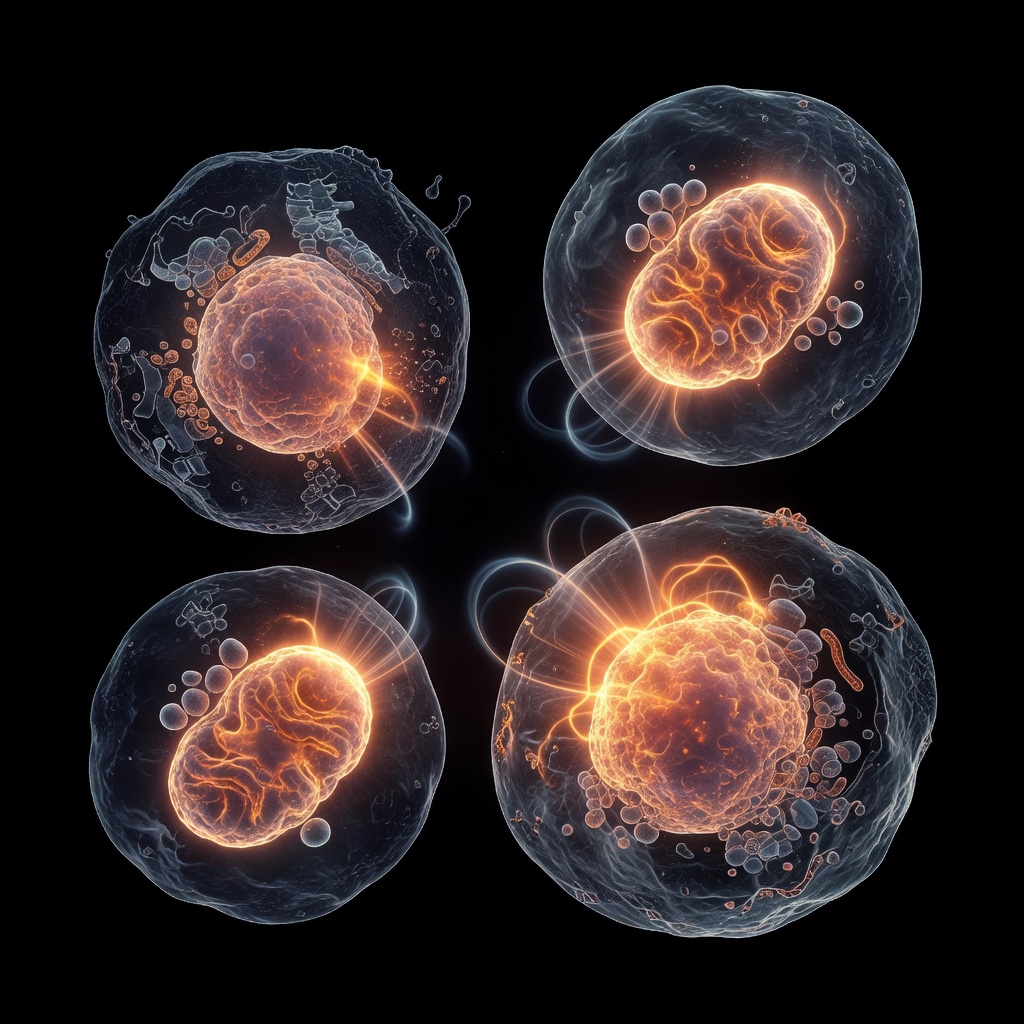
    The cell is the fundamental unit of life. From DNA replication to protein synthesis, from organelle function to cellular signaling — understanding what happens at the microscopic level unlocks the truth about every disease and every health condition.

    37.2TCells in the Human Body
    3 BillionDNA Base Pairs Per Cell
    25,000Protein-Coding Genes
    YOUR PROGRESS:
    0 / 37 TRANSMISSIONS READ
    0%

    LATEST RESEARCH

    In-depth analysis of biological systems and environmental factors.
    Browse Full Archive
    C
    Scientific illustration for Cell Membrane: The Intelligent Gatekeeper Toxins Are Destroying
    Cellular Biology
    18 MIN READ

    Cell Membrane: The Intelligent Gatekeeper Toxins Are Destroying

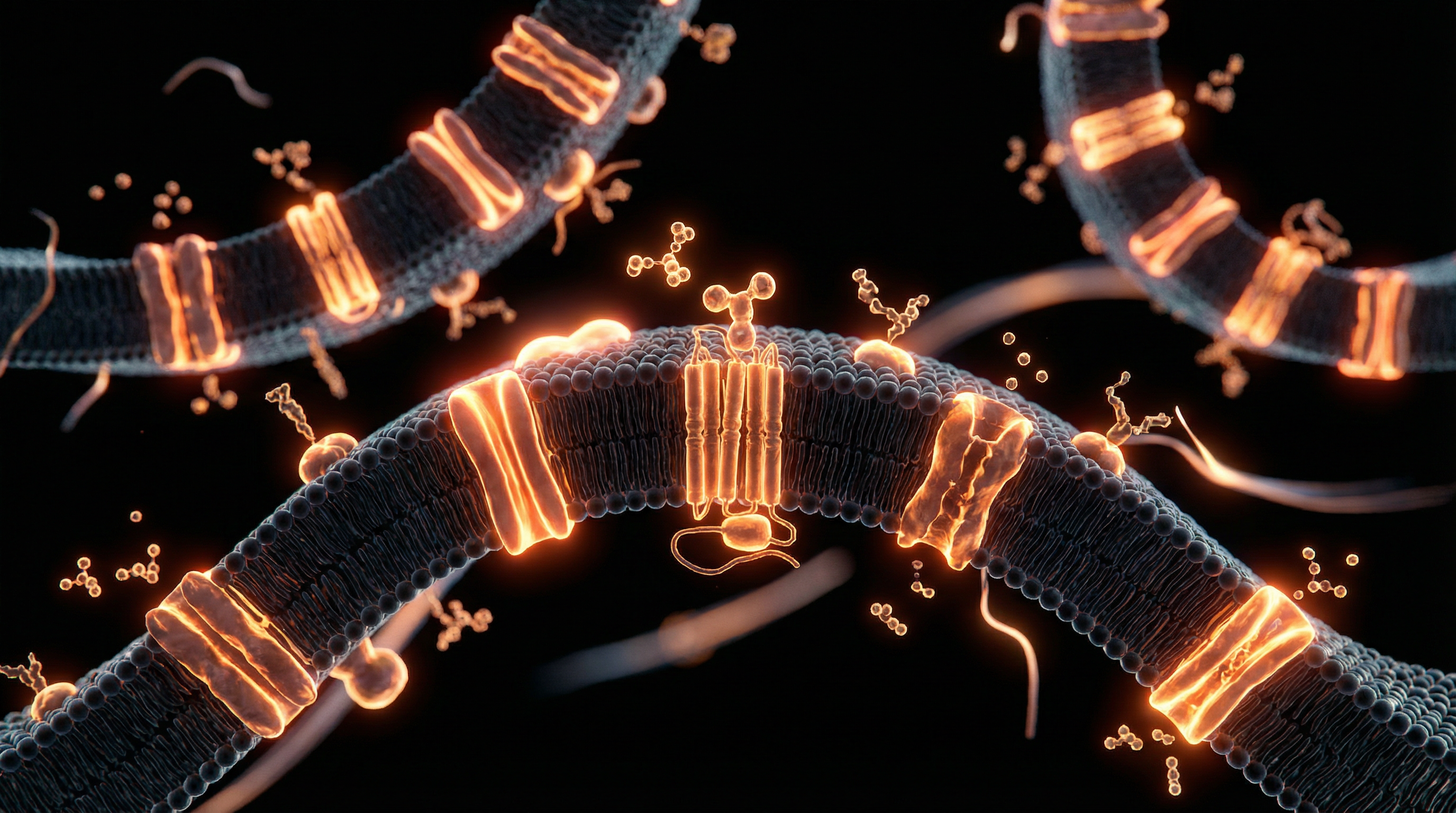
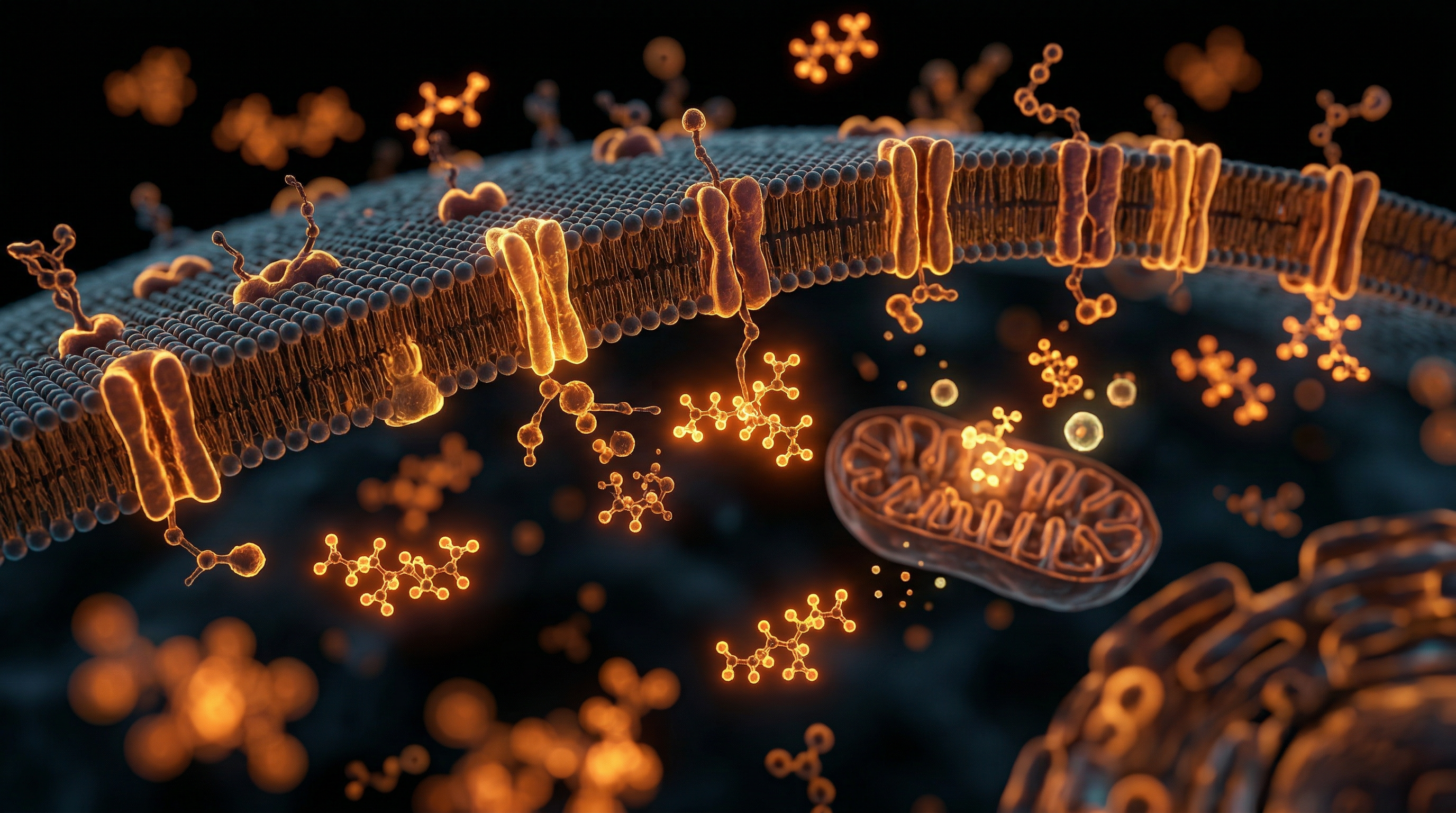
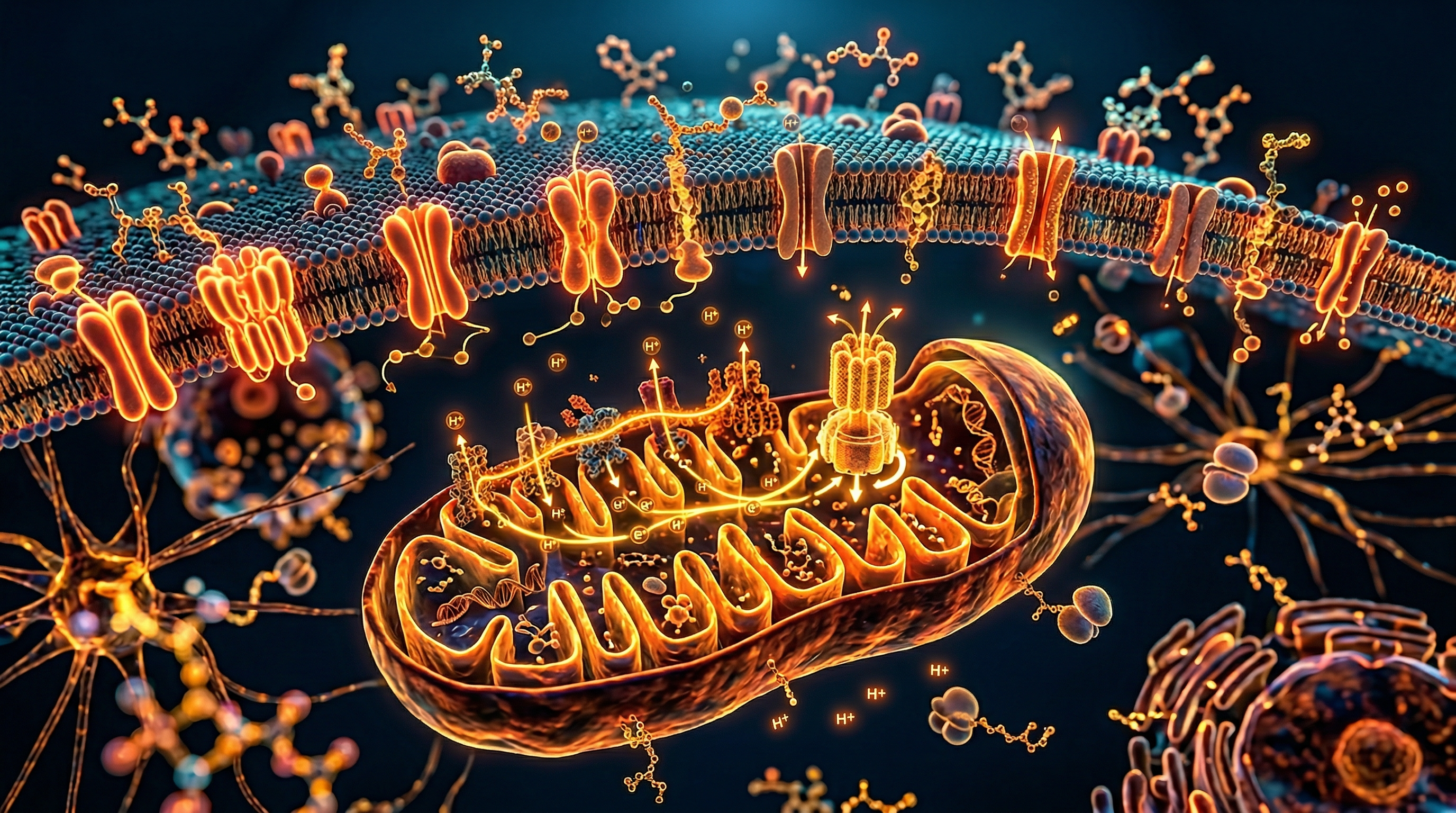
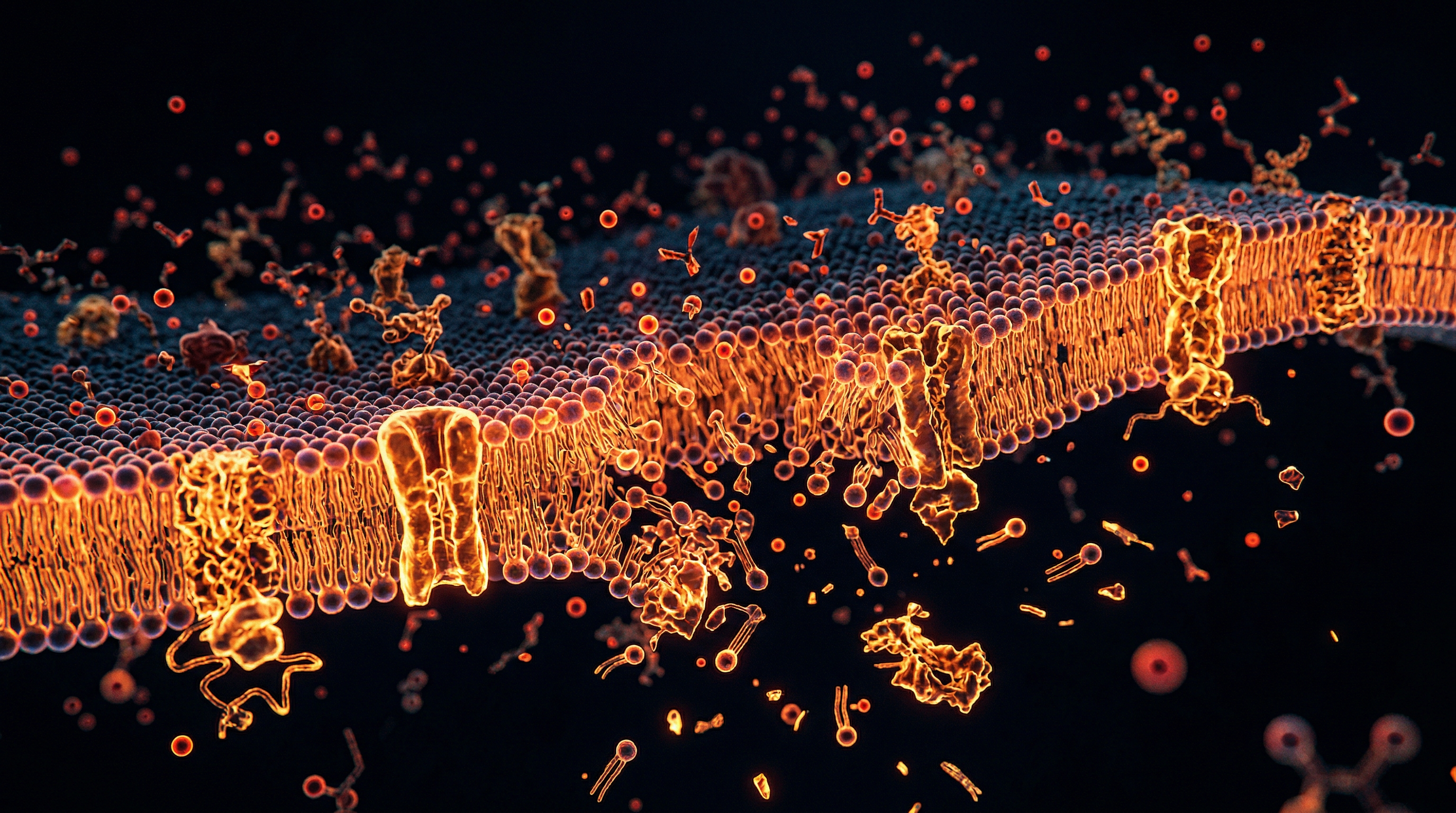
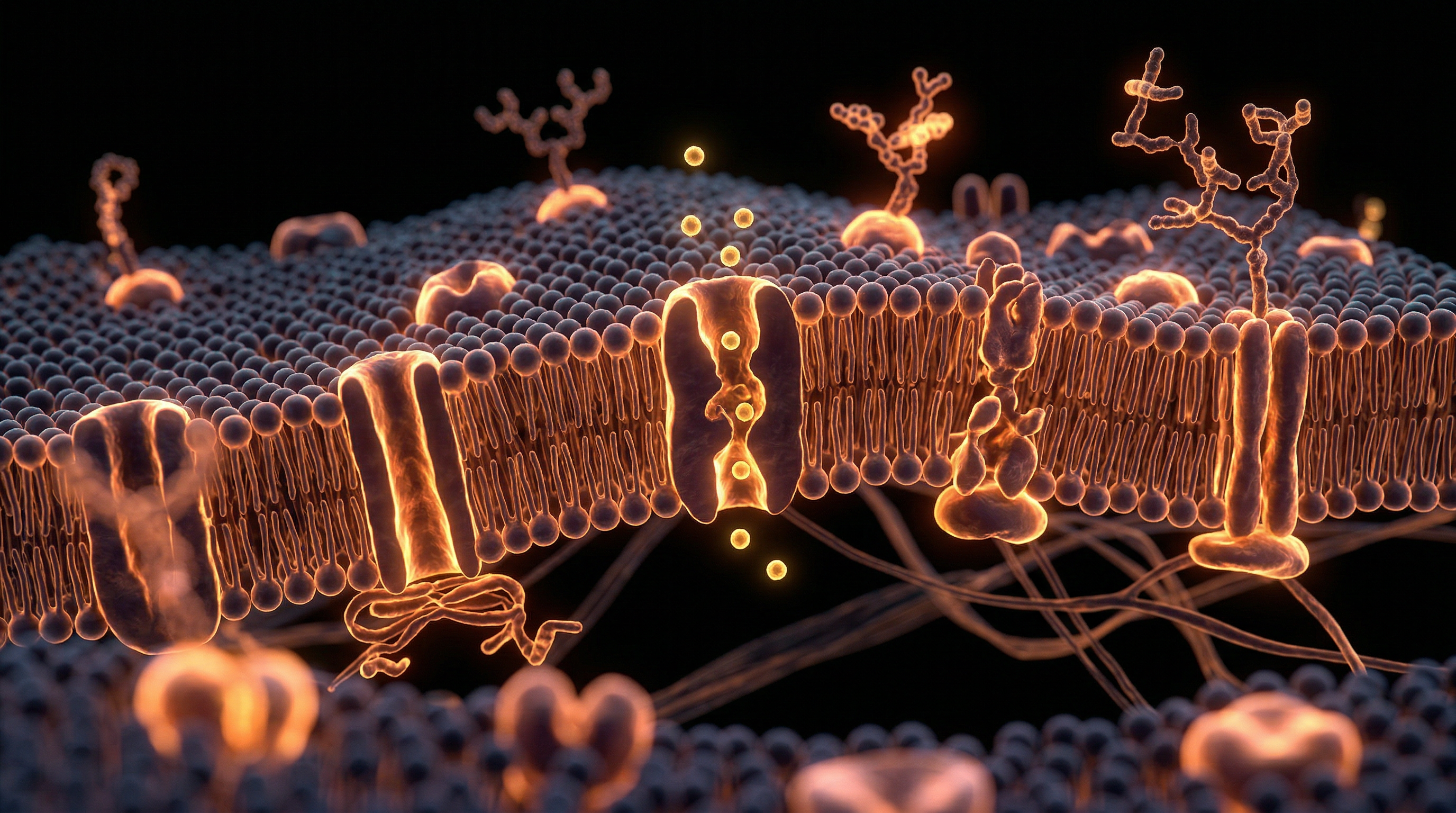
    The cell membrane — a phospholipid bilayer approximately 7 nanometres thick — is not a passive barrier but an extraordinarily sophisticated biological interface hosting thousands of receptor proteins, ion channels, transport proteins, and signalling complexes that regulate every aspect of cellular communication, nutrient intake, waste excretion, and immune identification. The lipid composition of the membrane — ideally rich in omega-3 fatty acids, cholesterol, and phosphatidylcholine — directly determines the fluidity, receptor function, and barrier integrity of the membrane; a diet chronically high in processed seed oils (linoleic acid) and deficient in omega-3s produces structurally abnormal membranes with impaired receptor sensitivity and increased permeability. Xenobiotic compounds including BPA, phthalates, PFAS chemicals, and certain pesticides interact directly with membrane receptor sites, altering signal transduction in ways that can permanently alter cellular behaviour — a mechanism underlying hormone receptor disruption, insulin resistance, and oncogenic transformation.

    #cell membrane#phospholipid
    A
    Scientific illustration for Autophagy: The Cellular Recycling System Fasting Activates
    Cellular Biology
    19 MIN READ

    Autophagy: The Cellular Recycling System Fasting Activates

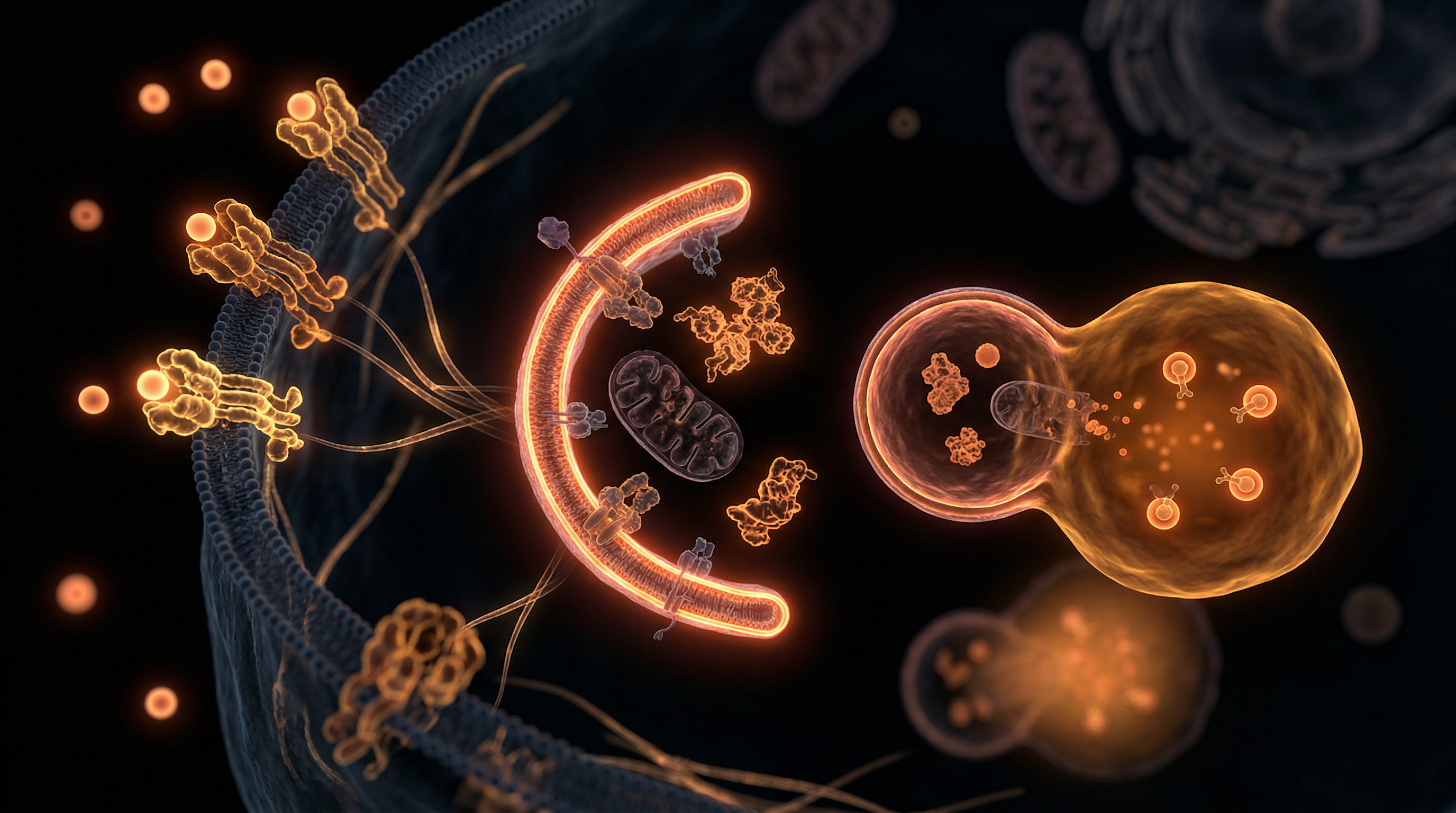
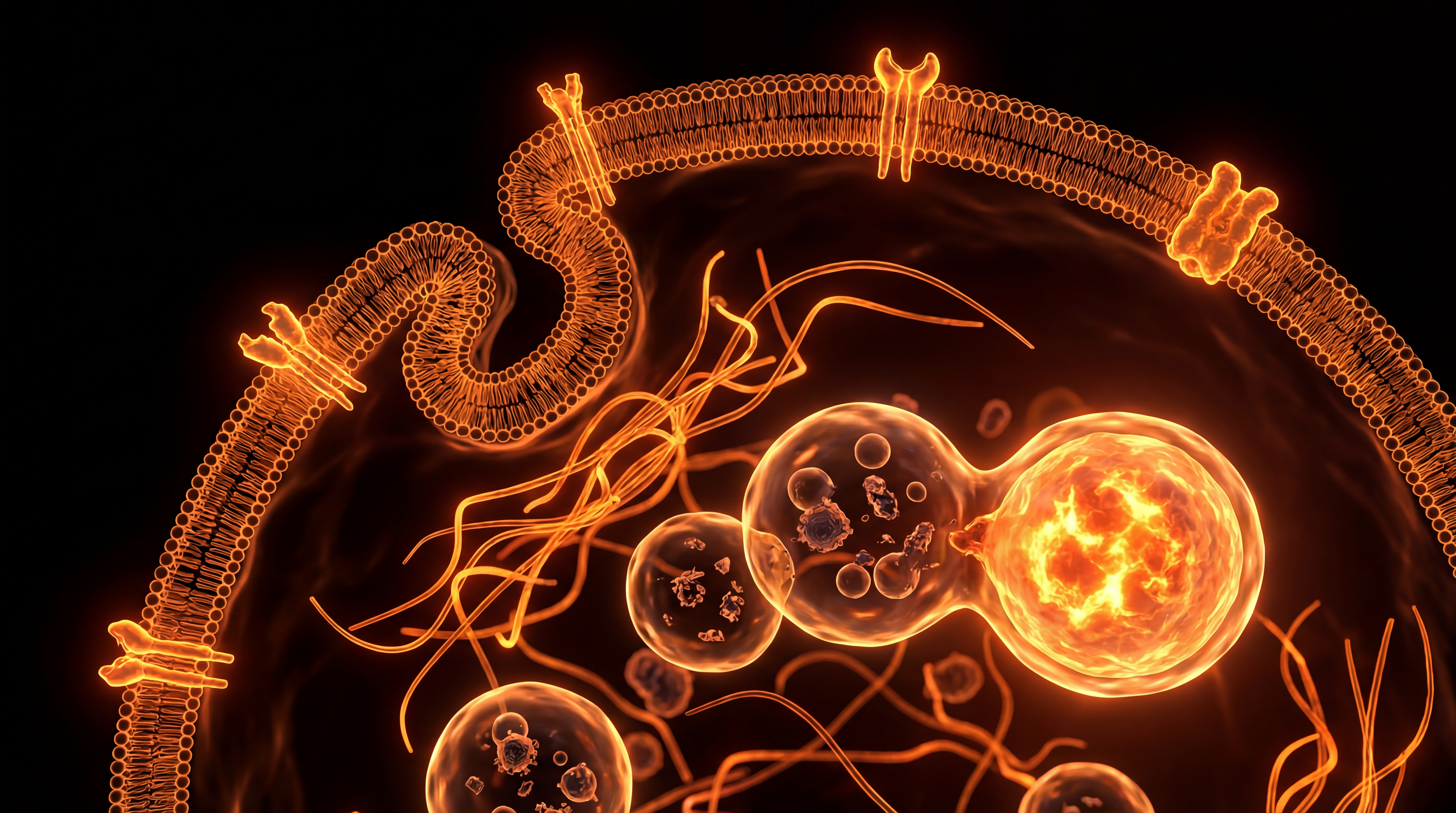
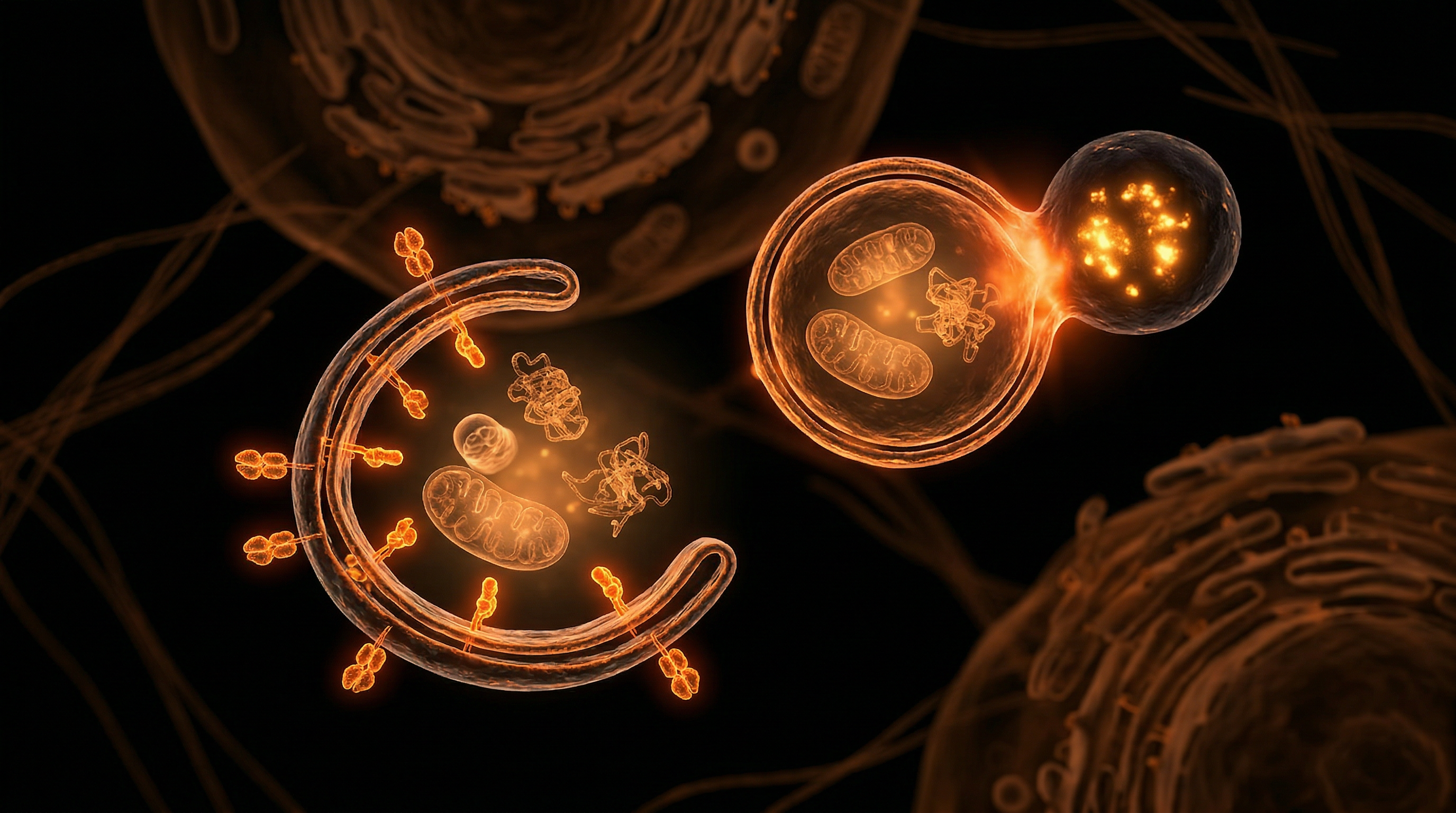
    Autophagy — from the Greek for 'self-eating' — is the cell's intrinsic quality control and recycling mechanism, by which damaged proteins, dysfunctional organelles, and intracellular pathogens are sequestered within double-membraned vesicles called autophagosomes and delivered to lysosomes for enzymatic degradation and component recycling. This process, for which Yoshinori Ohsumi was awarded the 2016 Nobel Prize in Physiology or Medicine, is the primary mechanism by which the cell removes the molecular debris that accumulates with age and toxin exposure — making it a fundamental anti-ageing and anti-disease process. Autophagy is powerfully activated by caloric restriction, intermittent fasting, and specific plant compounds including spermidine, resveratrol, and sulforaphane, whilst being suppressed by chronic nutrient overabundance, mTOR activation, and insulin resistance — the metabolic state now endemic in Western populations consuming ultra-processed food.

    #autophagy#fasting
    G
    Scientific illustration for Glutathione: The Master Antioxidant the Body Cannot Live Without
    Cellular Biology
    15 MIN READ

    Glutathione: The Master Antioxidant the Body Cannot Live Without

    Glutathione — a tripeptide composed of glutamate, cysteine, and glycine — is the most abundant and functionally critical endogenous antioxidant in the human body, present in virtually every cell at millimolar concentrations and performing an irreplaceable role in neutralising reactive oxygen species, regenerating other antioxidants including vitamins C and E, detoxifying xenobiotic compounds in the liver through conjugation reactions, and regulating the cellular redox state that governs inflammatory signalling. The liver is the primary site of glutathione synthesis and the organ most critically dependent on adequate supply — yet it is simultaneously the organ most exposed to dietary and environmental toxins that deplete glutathione through their conjugation and excretion. Modern life systematically depletes glutathione through multiple simultaneous mechanisms: heavy metal binding to the cysteine thiol group, pesticide conjugation consuming the available pool, chronic inflammation driving oxidative demand, nutritional deficiency of precursor amino acids, and genetic variants in the GSTM1 gene affecting synthesis capacity — creating a deficiency state that is simultaneously the consequence and the driver of cumulative biological toxicity.

    #glutathione#antioxidant
    E
    Scientific illustration for Epigenetics: How Your Environment Reprograms Your Genes
    Cellular Biology
    18 MIN READ

    Epigenetics: How Your Environment Reprograms Your Genes

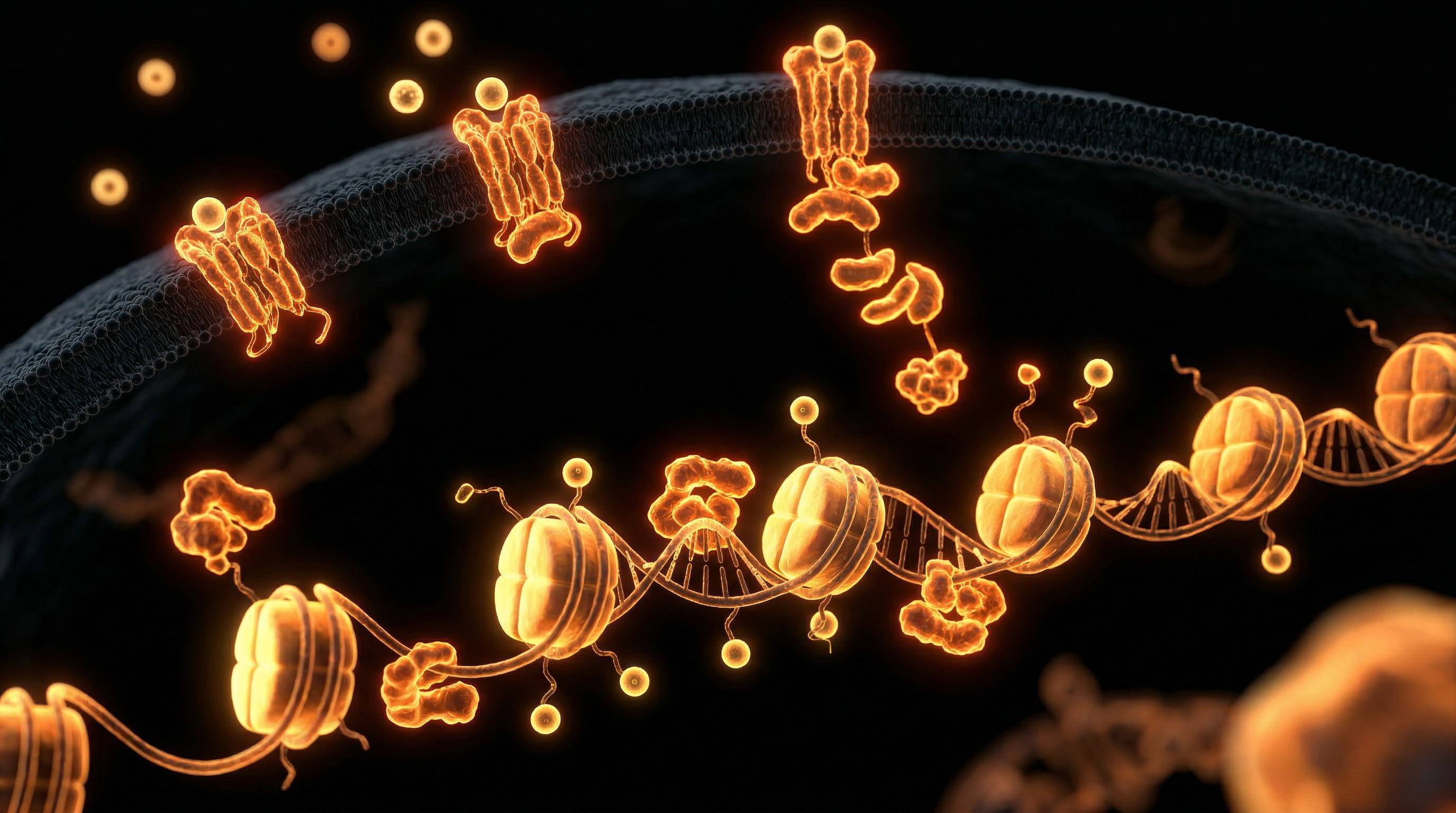
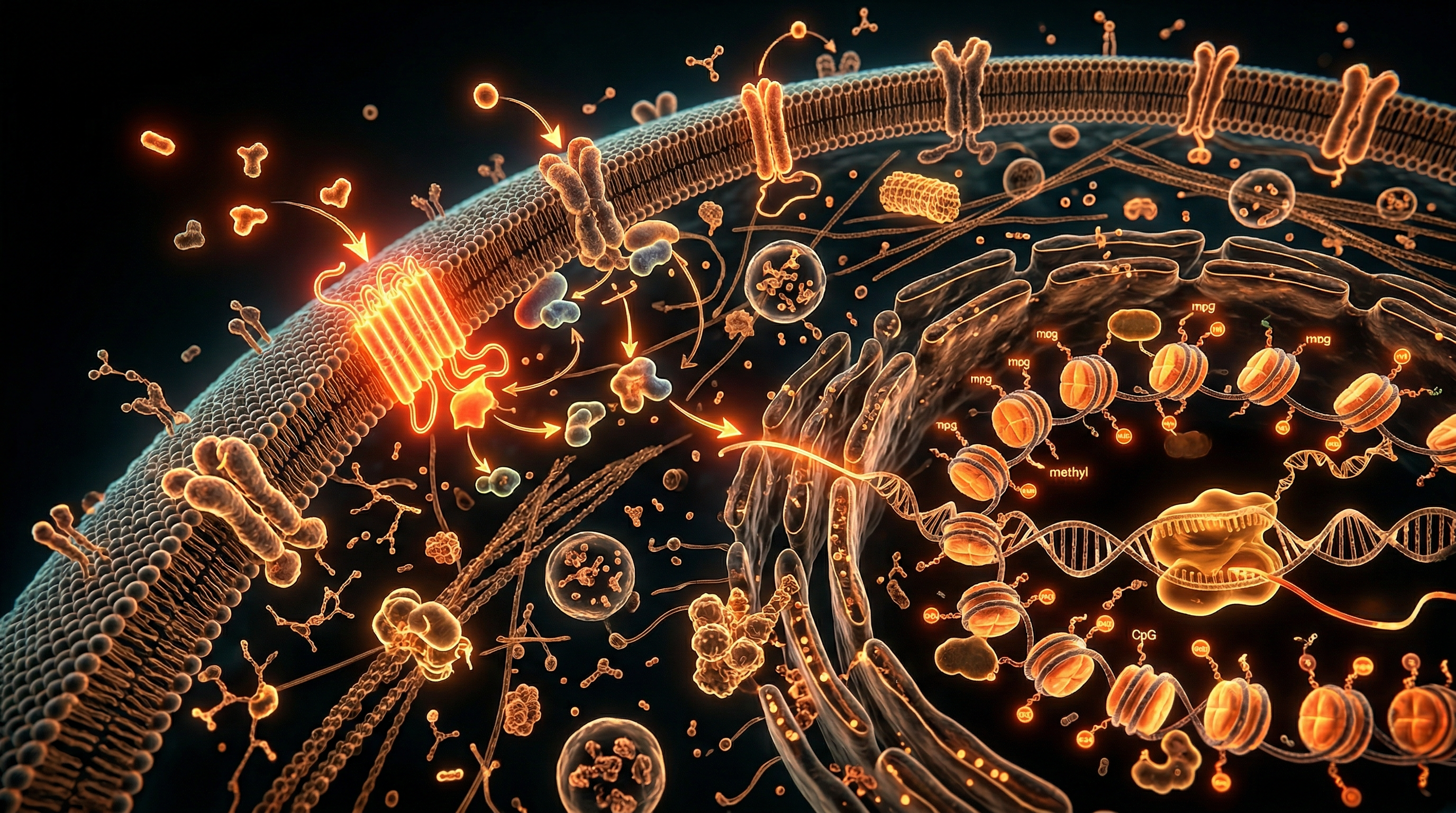
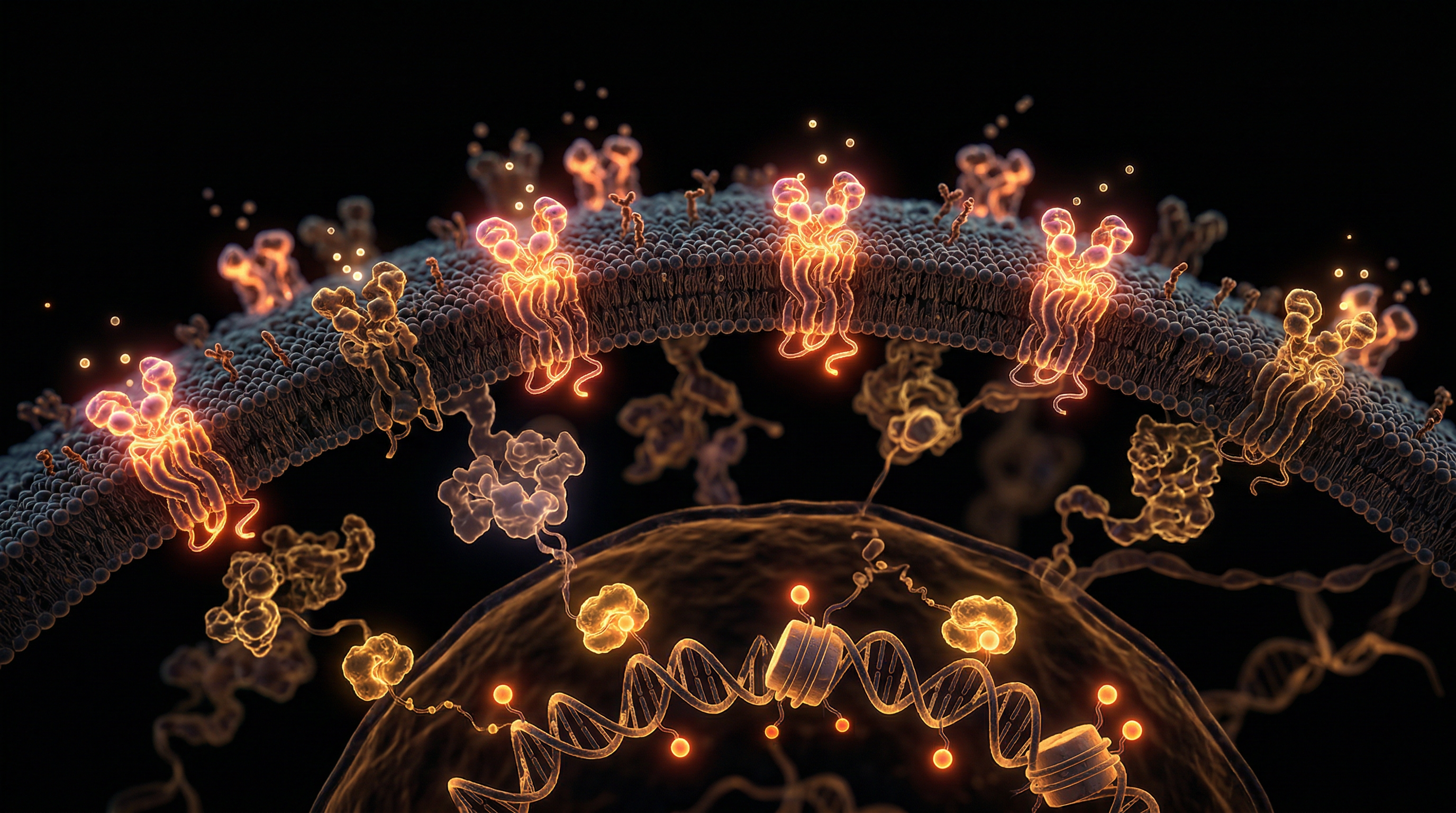
    Epigenetics — the study of heritable changes in gene expression that do not involve alterations to the DNA sequence itself — has fundamentally transformed our understanding of the relationship between genes, environment, and health, demonstrating that our genetic inheritance is not destiny but rather a dynamic landscape continuously sculpted by environmental input. The primary epigenetic mechanisms — DNA methylation, histone modification, and non-coding RNA regulation — act as molecular switches that silence or activate gene expression in response to diet, toxin exposure, psychological experience, social environment, and physical stress, with effects that can persist across multiple generations through a process called transgenerational epigenetic inheritance. This means that the toxic environmental exposures of today — heavy metals, pesticides, endocrine disruptors, and nutritional deficiencies — do not merely harm the individual exposed but may alter the epigenetic programming of their children and grandchildren, creating intergenerational biological consequences that conventional genetics entirely fails to capture.

    #epigenetics#DNA methylation
    M
    Scientific illustration for mTOR: The Master Growth Switch Linking Diet to Cancer
    Cellular Biology
    18 MIN READ

    mTOR: The Master Growth Switch Linking Diet to Cancer

    The mechanistic target of rapamycin (mTOR) — particularly the mTORC1 complex — is a master regulatory kinase that integrates signals from nutrients (especially leucine and glucose), growth factors (particularly insulin and IGF-1), energy status (via AMPK), and oxygen availability to make binary decisions about cellular growth, protein synthesis, and metabolic allocation. When mTOR is active, the cell grows, replicates, and suppresses autophagy; when mTOR is inhibited — as occurs during fasting, caloric restriction, and aerobic exercise — cellular repair, autophagy, and metabolic efficiency are prioritised. Chronic mTOR hyperactivation — driven by the constant nutrient surplus of ultra-processed diets, insulin resistance, and elevated IGF-1 from dairy and animal protein consumption — is a central driver of cancer initiation and progression, Alzheimer's disease pathology, and the accelerated ageing phenotype of the Western lifestyle.

    #mTOR#insulin
    C
    Scientific illustration for Cell Membrane Integrity: The Lipid Bilayer Under Chemical Assault
    Cellular Biology
    14 MIN READ

    Cell Membrane Integrity: The Lipid Bilayer Under Chemical Assault

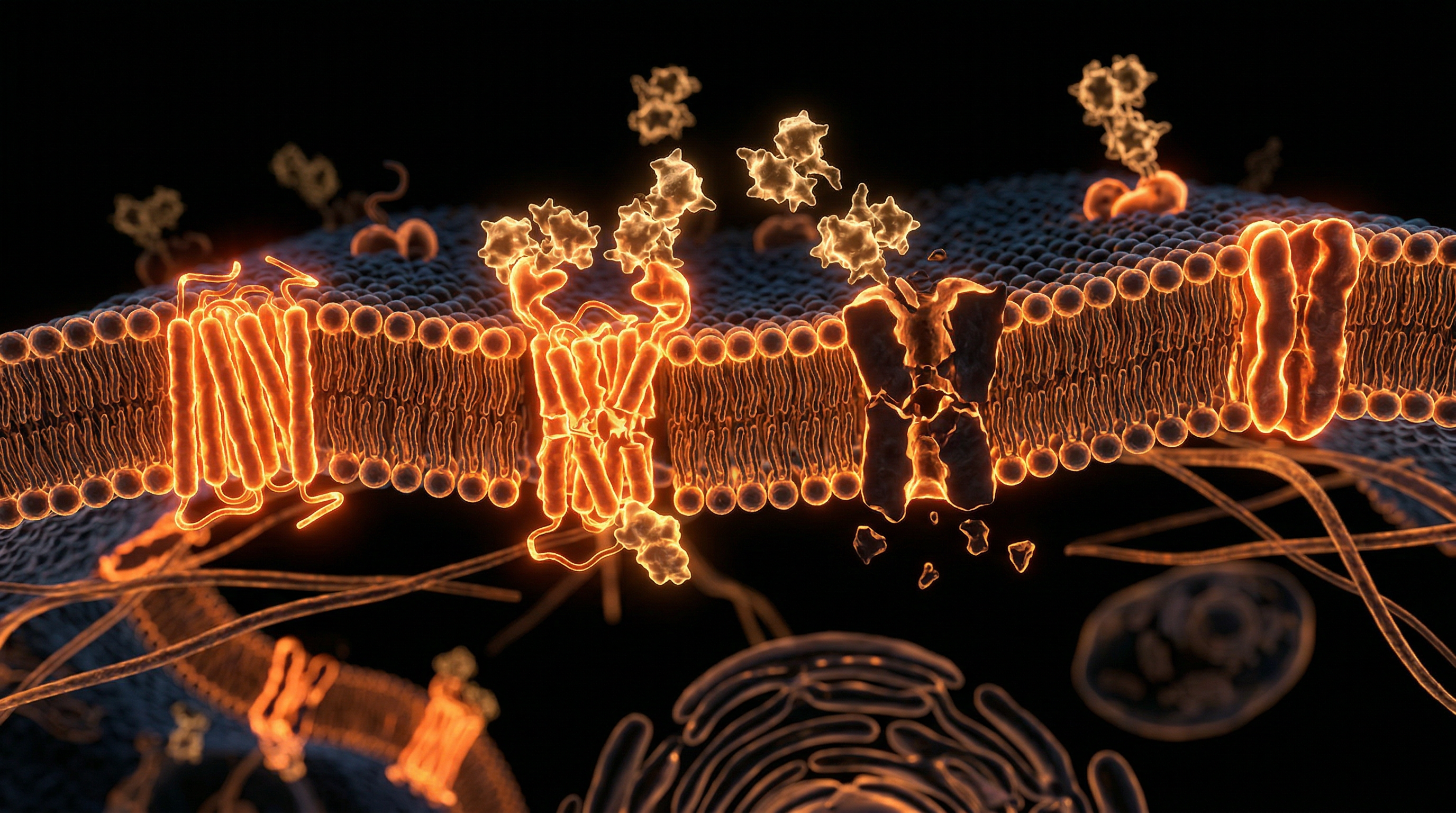
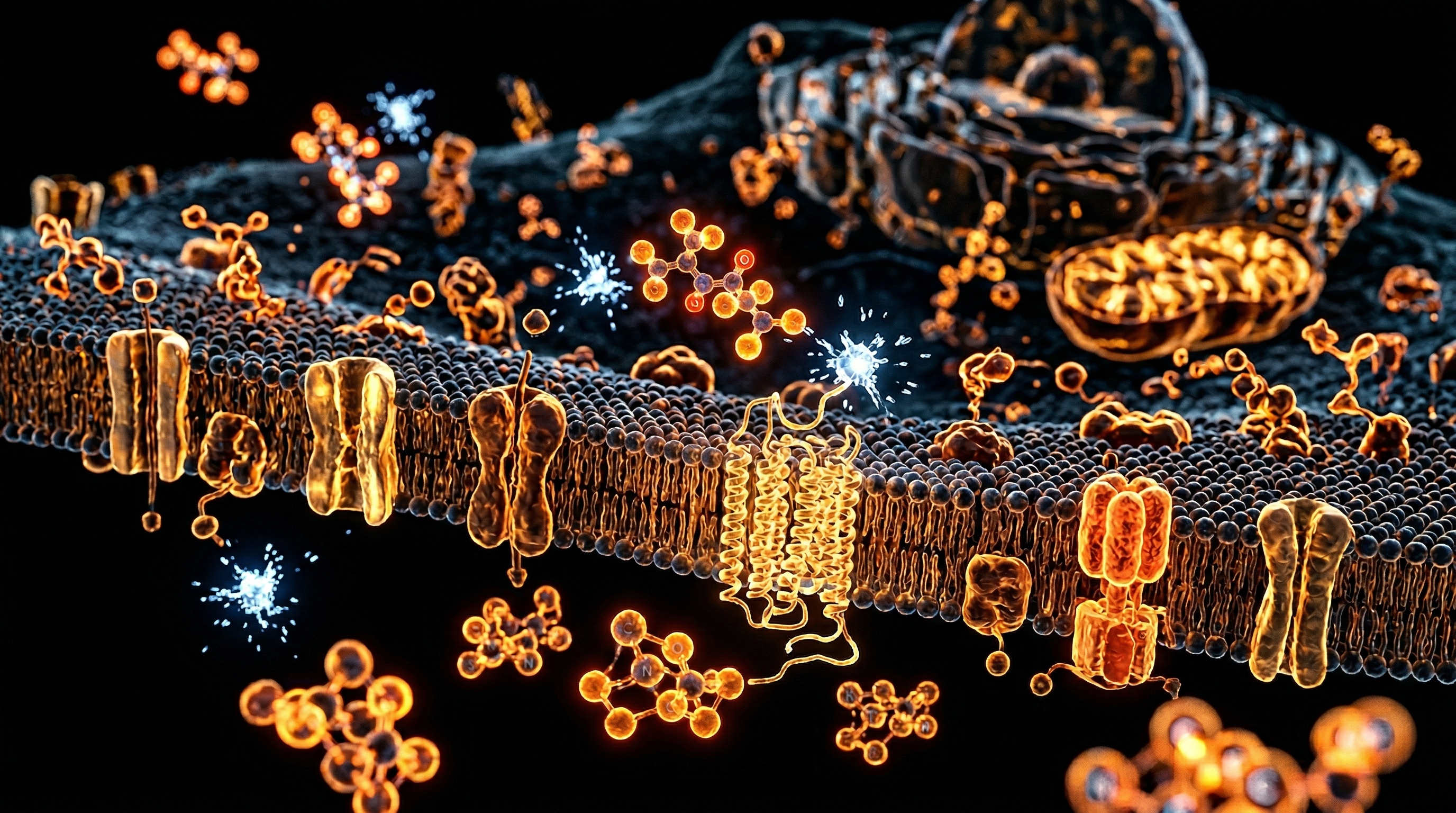
    The cell membrane — a fluid mosaic of phospholipids, cholesterol, glycolipids, and transmembrane proteins — is the cell's interface with the external world, governing the selective permeability of nutrients, the exclusion of toxins, the transduction of hormonal signals, and the function of the voltage-gated channels through which nerve impulses propagate. Industrial seed oils rich in omega-6 linoleic acid incorporate into cell membranes in place of the saturated and monounsaturated fats that create structural stability, producing membranes that are highly susceptible to lipid peroxidation — a oxidative damage process that generates the toxic aldehydes including 4-HNE and malondialdehyde that drive cardiovascular, neurological, and metabolic disease. EMF radiation activates voltage-gated calcium channels directly in the membrane, and environmental toxins disrupt the sphingomyelin signalling pathways that govern cell survival and death.

    #cell membrane#phospholipids
    E
    Scientific illustration for The Endocannabinoid System: Biology's Hidden Regulatory Network
    Cellular Biology
    15 MIN READ

    The Endocannabinoid System: Biology's Hidden Regulatory Network

    The endocannabinoid system — comprising CB1 and CB2 receptors distributed throughout the brain, immune system, peripheral nervous system, gut, and reproductive organs; the endogenous ligands anandamide and 2-arachidonoylglycerol; and the enzymatic machinery for their synthesis and degradation — is a master regulatory network governing pain modulation, immune homeostasis, inflammatory response, gut motility, mood, memory, and appetite that was virtually unknown to medicine until 1988. Chronic stress, nutritional deficiency in omega-3 fatty acids (which provide the building blocks for endocannabinoids), environmental toxins, and modern lifestyle factors systematically deplete endocannabinoid tone, creating a state of clinical endocannabinoid deficiency that may underlie conditions including migraines, fibromyalgia, irritable bowel syndrome, and treatment-resistant depression. Its discovery demands a fundamental reconceptualisation of human biology and pharmacology.

    #endocannabinoid system#CB1
    A
    Scientific illustration for Autophagy: The Body's Cellular Self-Cleaning Protocol
    Cellular Biology
    14 MIN READ

    Autophagy: The Body's Cellular Self-Cleaning Protocol

    Autophagy — literally 'self-eating' — is the cell's essential quality control mechanism by which damaged organelles, misfolded proteins, and dysfunctional mitochondria are sequestered in double-membrane autophagosomes and delivered to lysosomes for recycling, a process that is fundamental to cancer prevention, neurological health, immune function, and the cellular rejuvenation that drives longevity. Modern lifestyle factors systematically suppress autophagy: chronic mTOR activation from hyperinsulinaemia driven by processed carbohydrate consumption, excessive protein intake, and near-continuous feeding eliminates the cellular fasting signal required to initiate autophagic processes. Environmental toxins including heavy metals impair lysosomal function and disrupt autophagic flux, contributing to the accumulation of the dysfunctional cellular debris — amyloid, alpha-synuclein, tau — that characterises Alzheimer's and Parkinson's disease.

    #autophagy#fasting
    G
    Scientific illustration for Glutathione: The Master Antioxidant Modern Medicine Ignores
    Cellular Biology
    14 MIN READ

    Glutathione: The Master Antioxidant Modern Medicine Ignores

    Glutathione — a tripeptide of glutamic acid, cysteine, and glycine — is the body's most abundant and critically important endogenous antioxidant, directly neutralising reactive oxygen species, recycling vitamins C and E, and serving as the essential cofactor for Phase II liver detoxification, selenium-dependent glutathione peroxidase, and the transport of mercury and other heavy metals out of neural tissue. Glutathione depletion — driven by chronic oxidative stress, alcohol consumption, pharmaceutical drug loads, heavy metal burden, nutritional deficiency in sulphur amino acids, and MTHFR genetic polymorphisms — is a universal finding in virtually every chronic degenerative disease, cancer, and autoimmune condition, yet intravenous or liposomal glutathione therapy remains outside NHS practice. Understanding and actively maintaining glutathione status is one of the highest-leverage interventions in preventive biological medicine.

    #glutathione#GSH
    D
    Scientific illustration for DNA Methylation: How Your Environment Rewrites Your Genes
    Cellular Biology
    15 MIN READ

    DNA Methylation: How Your Environment Rewrites Your Genes

    DNA methylation — the addition of a methyl group to cytosine residues in the genome by DNA methyltransferase enzymes — is the primary epigenetic mechanism by which environmental exposures, nutritional status, and psychological stress rewrite gene expression without altering the DNA sequence itself, with consequences that can persist across multiple generations through transgenerational epigenetic inheritance. Heavy metals including arsenic, cadmium, and nickel disrupt methylation patterns, silencing tumour suppressor genes and activating oncogenes; BPA and other xenoestrogens alter oestrogen-responsive gene methylation; and chronic folate or B12 deficiency depletes the methyl donor pool required to maintain appropriate methylation homeostasis. The emerging field of epigenetics fundamentally overturns the genetic determinism that has dominated medicine and absolves the pharmaceutical industry of responsibility for the chemical drivers of modern disease.

    #epigenetics#DNA methylation
    Curated Recommendations

    THE ARSENAL

    Based on Cellular Biology content — products curated by our research team for educational relevance and biological support.
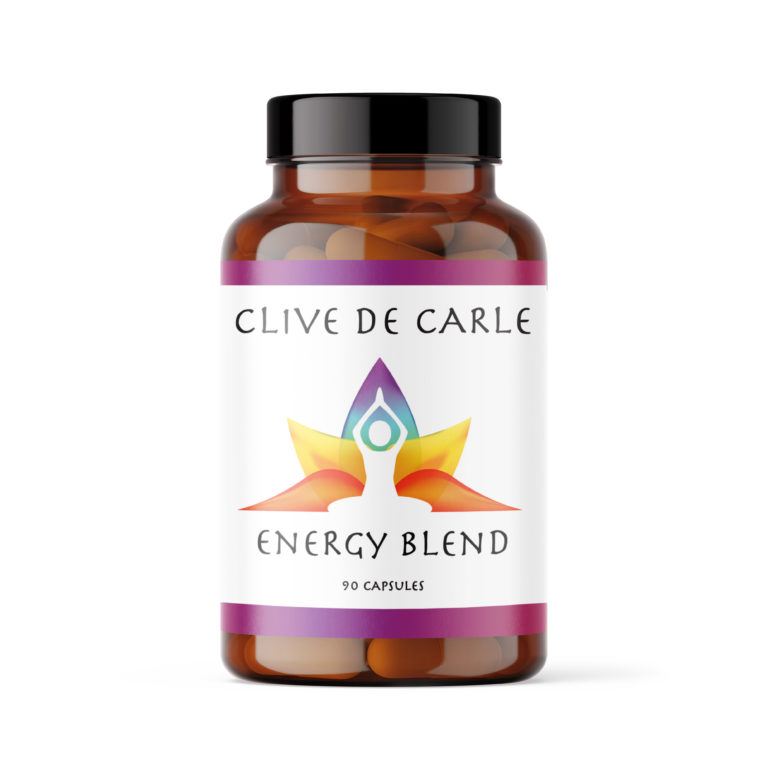
    Energy Blend Supports
    Supplements
    CLIVE DE CARLE

    Energy Blend Supports

    Energy Metabolism Hormones
    Est. Price£45.00
    Peptides, one of the secret Russian military health marvels, now available. 40 years research
    Supplements
    CLIVE DE CARLE

    Peptides, one of the secret Russian military health marvels, now available. 40 years research

    Longevity Cellular Repair Biohacking
    Est. Price£41.99
    Clean Slate – Detoxes thousands of chemicals,heavy metals, pesticides, allergens, mold spores and fungus
    Supplements
    CLIVE DE CARLE

    Clean Slate – Detoxes thousands of chemicals,heavy metals, pesticides, allergens, mold spores and fungus

    Detox Heavy Metals Inflammation
    Est. Price£62.00

    INNERSTANDING may earn a commission on purchases made through these links. All products are selected based on rigorous educational relevance to our biological research.