
The Glycocalyx: Decoding the Sugar-Coated Communication of the Cell
Updated June 2026
Often overlooked, the glycocalyx is a delicate layer of carbohydrates on the cell surface that governs immune recognition and vascular health. Protecting this 'sweet' barrier is essential for preventing inflammatory diseases and maintaining cardiovascular integrity.
Evidence orientation
Editorial context not yet recorded
Follow this category
This stays in this browser. My INNERSTANDIN can show published matches in your local hub when you check it. It does not send email, push, or alert notifications.
Local learning review
A private browser aid for revisiting ideas. It is not an alert or a health recommendation.
Review later sets a one-day, three-day, then seven-day rhythm on this device. Choose it only when you want to revisit this article.
Overview
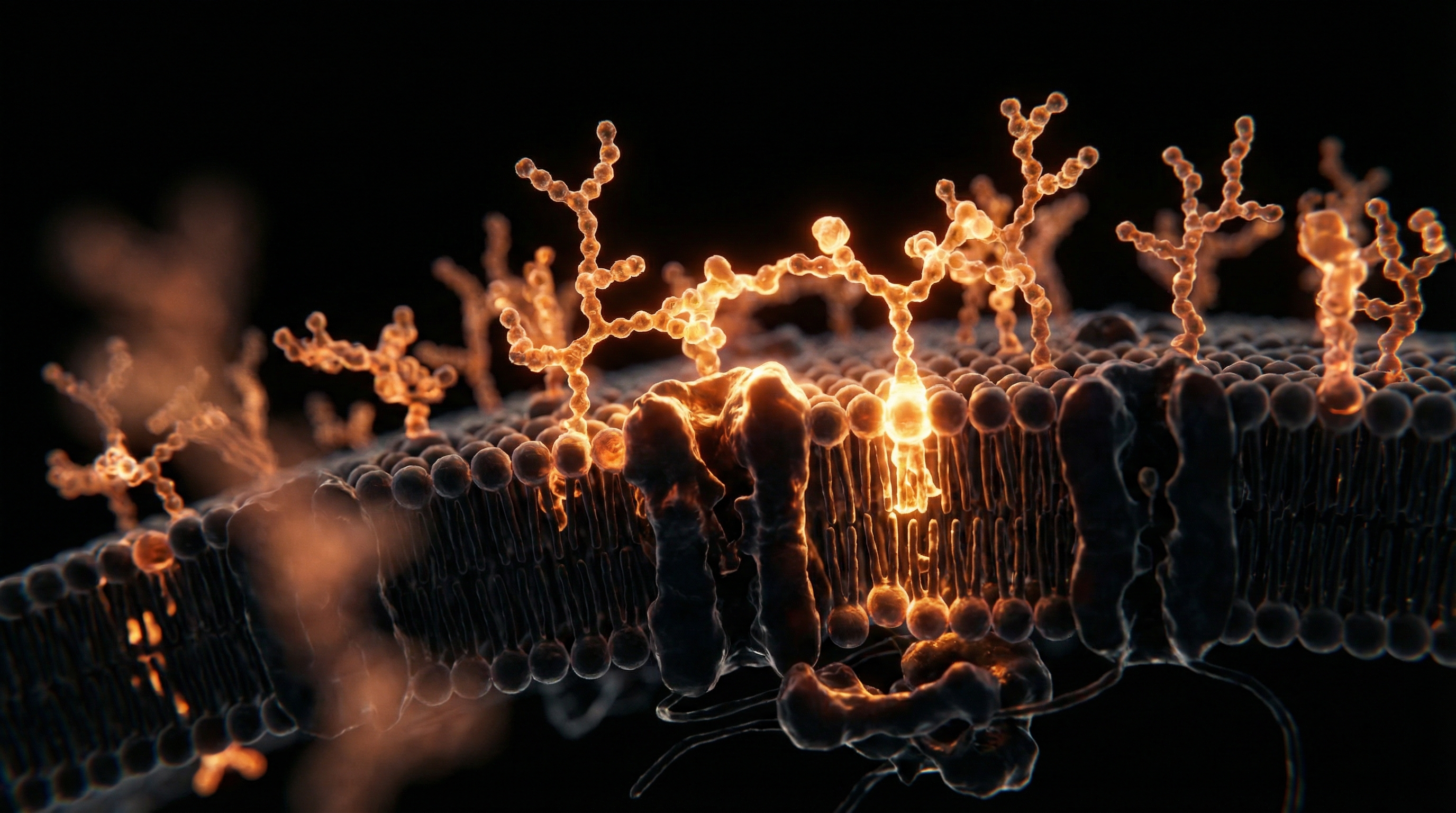
The cellular frontier is no longer envisioned as a simplistic, lipid-defined boundary; rather, it is understood as an intricate, three-dimensional landscape dominated by the glycocalyx. This "sugar coat," a dense forest of membrane-bound macromolecules, represents the primary interface between the internal cytosol and the external microenvironment. At INNERSTANDIN, we recognise that the glycocalyx is not merely an auxiliary structure but a sophisticated socio-biological motherboard, orchestrating the complex dialogue of life at the molecular level. Comprising an elaborate network of glycoproteins, glycolipids, and proteoglycans, this pericellular matrix functions as the definitive gatekeeper of cellular identity and physiological homeostasis. Recent advancements in intravital microscopy and cryo-electron tomography have exposed the fragility and immense complexity of this layer, which can extend several micrometres from the cell surface in vivo, far exceeding the dimensions of the underlying plasma membrane.
The structural integrity of the glycocalyx is underpinned by protein backbones—specifically syndecans and glypicans—which are heavily substituted with glycosaminoglycan (GAG) side chains such as heparan sulphate, chondroitin sulphate, and the non-sulphated hyaluronan. These chains are not inert; they are highly anionic, creating a negatively charged buffer zone that dictates the permselectivity of the endothelial barrier. Evidence published in The Lancet and various PubMed-indexed cardiovascular journals highlights that the endothelial glycocalyx layer (EGL) is a critical regulator of vascular permeability and leucocyte adhesion. When the glycocalyx is intact, it masks adhesion molecules like ICAM-1 and VCAM-1, preventing premature inflammatory cascades. However, under conditions of oxidative stress or systemic inflammation—frequently observed in cases of sepsis or diabetes—matrix metalloproteinases and hyaluronidases trigger "shedding" of the glycocalyx. This degradation exposes the bare endothelium, leading to the catastrophic "leaky" phenotype and unregulated immune cell infiltration.
Beyond its role as a physical barrier, the glycocalyx serves as a master of mechanotransduction. Research conducted at institutions such as Imperial College London has demonstrated how the EGL senses fluid shear stress from blood flow, converting mechanical energy into biochemical signals (notably via the activation of endothelial nitric oxide synthase, eNOS). This process is vital for the regulation of vascular tone and the prevention of atherosclerosis. Furthermore, the glycocalyx acts as a reservoir for essential growth factors and antithrombotic enzymes, such as superoxide dismutase and antithrombin III, concentrating these molecules where they are most required. By decoding the sugar-coated communication of the cell, INNERSTANDIN asserts that the glycocalyx is the nexus of systemic health; its preservation is not merely a biological curiosity but a fundamental necessity for preventing the progression of chronic metabolic and cardiovascular pathologies. The transition from viewing the cell as a solitary unit to an integrated component of a glycan-mediated network represents a paradigm shift in modern biological science.
The Biology — How It Works
At the most fundamental level, the glycocalyx is not merely a passive "sugar coating" but a highly organised, dynamic, and dense pericellular matrix that governs the interface between the intracellular environment and the extracellular milieu. To reach a true INNERSTANDIN of its function, one must view it as a complex, three-dimensional macromolecular forest. This translucent layer, which can extend several micrometres from the plasma membrane in the vascular endothelium, is primarily composed of proteoglycans, glycoproteins, and glycolipids, all integrated into a hydrated gel-like structure. The molecular architecture is dominated by proteoglycans—specifically the syndecan family (transmembrane proteins) and glypicans (linked via glycosylphosphatidylinositol anchors)—which serve as the structural backbone for long, unbranched glycosaminoglycan (GAG) chains.
The primary GAGs, notably heparan sulphate, chondroitin sulphate, and the non-sulphated hyaluronan, are the functional "antennae" of the cell. Heparan sulphate accounts for approximately 50–90% of the total GAG population within the endothelial glycocalyx (EG). These chains are polyanionic, possessing a high density of negative charges due to sulphate and carboxyl groups. This creates a powerful electrostatic barrier that regulates the permeability of the cell membrane, effectively acting as a molecular sieve. In the context of the British renal research community (notably work from the University of Bristol), it has been demonstrated that the glomerular glycocalyx is the primary arbiter of protein filtration, refuting older models that focused solely on the basement membrane or podocyte slits.
Mechanotransduction represents the glycocalyx's most sophisticated biological mechanism. Under the influence of fluid shear stress—the frictional force exerted by blood flow—the glycocalyx undergoes conformational changes. These physical stimuli are transmitted via the syndecan core proteins directly to the actin cytoskeleton. This "biophysical coupling" triggers the activation of endothelial nitric oxide synthase (eNOS), leading to the production of nitric oxide (NO). This process is essential for vasodilation and the maintenance of vascular tone. When the glycocalyx is degraded—a process termed "shedding"—this mechanotransductive capacity is lost, leading to endothelial dysfunction, a precursor to atherosclerosis and hypertension.
Furthermore, the glycocalyx serves as a "buffer zone" for immune cell interaction. Under physiological conditions, the thickness of the glycocalyx physically prevents leukocytes and platelets from adhering to the endothelial surface by masking adhesion molecules such as ICAM-1 and VCAM-1. Peer-reviewed data in The Lancet and various Nature sub-journals indicate that systemic inflammation triggers the release of matrix metalloproteinases and heparanase. These enzymes cleave the GAG chains, reducing the glycocalyx to a fraction of its healthy thickness. This "shedding" exposes the underlying adhesion molecules, facilitating the "rolling" and "tethering" of leukocytes, thereby initiating the inflammatory cascade. To possess a deep INNERSTANDIN of cellular health is to recognise that the degradation of this sugar-rich boundary is the silent commencement of almost every major metabolic and cardiovascular pathology.
Mechanisms at the Cellular Level
To truly grasp the physiological primacy of the glycocalyx, one must move beyond the archaic description of it as a mere "fuzz" or passive carbohydrate coating. At the cellular level, specifically within the vascular endothelium, the glycocalyx functions as a sophisticated, semi-permeable macromolecular sieve and a transducer of mechanical energy. This pericellular matrix, extending up to 0.5–3.0 μm into the lumen, is composed of a dense network of membrane-bound proteoglycans, glycoproteins, and glycolipids. The structural integrity of this layer is maintained by glycosaminoglycan (GAG) side chains—primarily heparan sulphate (HS), chondroitin sulphate, and the non-sulphated hyaluronan. In the pursuit of biological truth at INNERSTANDIN, we must recognise that the glycocalyx is not merely a barrier but a dynamic organelle that dictates the "biophysical conversation" between the blood and the vessel wall.
The mechanical prowess of the glycocalyx is evidenced through its role in mechanotransduction. When laminar shear stress is applied by blood flow, the heparan sulphate chains on Syndecan-1 and Glypican-1 act as molecular antennae. These structures undergo conformational changes that are transmitted through the transmembrane domains to the cytoskeleton and the endothelial nitric oxide synthase (eNOS) complex. Research published in The Lancet and various PubMed-indexed journals underscores that a healthy glycocalyx is a prerequisite for the production of nitric oxide (NO). Without this sugar-coated "sensor," the endothelium becomes "blind" to flow, leading to paradoxical vasoconstriction and the initiation of pro-atherogenic pathways. This mechanism is central to cardiovascular health in the UK, where sedentary lifestyles and metabolic stressors frequently lead to the premature shedding of these vital saccharide chains.
Furthermore, the glycocalyx serves as the ultimate arbiter of vascular permeability. By creating a negatively charged hydrodynamic shield, it repels plasma proteins like albumin and prevents the adhesion of leukocytes and platelets to the endothelial surface. Under conditions of systemic inflammation—such as sepsis or hyperglycaemia—metallo-proteinases and heparinases are upregulated, leading to the proteolytic cleavage of Syndecan-1. This degradation, often referred to as "glycocalyx shedding," exposes adhesion molecules like ICAM-1 and VCAM-1, facilitating a cascade of leukocyte extravasation and interstitial oedema. Evidence-led investigations at leading UK research institutions have identified that this structural collapse is a primary driver of the "capillary leak syndrome" observed in critical care settings. For the student of INNERSTANDIN, decoding the glycocalyx is nothing less than decoding the foundational gatekeeper of systemic homeostasis and cellular communication. Through its sequestration of growth factors and chemokines, it essentially "archives" the biochemical signals necessary for tissue repair, ensuring that cellular responses are calibrated with surgical precision.
Environmental Threats and Biological Disruptors
The endothelial glycocalyx (eGC) serves as the primary interface between the circulating blood and the vascular wall, yet its structural integrity is perpetually besieged by a multitude of environmental and metabolic stressors. At INNERSTANDIN, we recognise that the degradation of this delicate carbohydrate forest is not merely a secondary symptom of disease, but often the foundational event in systemic vascular collapse. The most pervasive disruptor remains chronic hyperglycaemia. Peer-reviewed research, notably within The Lancet Diabetes & Endocrinology, demonstrates that elevated blood glucose levels trigger the activation of the polyol pathway and the formation of Advanced Glycation End-products (AGEs). These metabolic byproducts induce the rapid shedding of heparan sulphate and syndecan-1—the structural pillars of the glycocalyx—effectively stripping the endothelium of its protective "sugar coat" within hours of a glucose spike. This shedding is mediated by the upregulation of heparanase and various matrix metalloproteinases (MMPs), enzymes that specifically cleave the proteoglycan anchors, transforming a robust molecular sieve into a porous, dysfunctional barrier.
Beyond internal metabolic imbalances, environmental xenobiotics present a significant threat to the UK population's cellular health. Particulate matter (PM2.5) and nitrogen dioxide (NO2), prevalent in urban environments like London and Manchester, have been linked via PubMed-indexed studies to acute glycocalyx thinning. Inhalation of these fine particles triggers a systemic inflammatory response, characterised by the release of tumour necrosis factor-alpha (TNF-α) and interleukin-6 (IL-6). These pro-inflammatory cytokines act as potent biological disruptors, stimulating the production of reactive oxygen species (ROS) that oxidatively fragment hyaluronan, a vital high-molecular-weight glycosaminoglycan within the eGC. As hyaluronan is depolymerised into lower-molecular-weight fragments, the glycocalyx loses its hydrodynamic volume and its ability to mechanotransduce shear stress into nitric oxide (NO) production. This loss of endothelial nitric oxide synthase (eNOS) activity precipitates a pro-thrombotic and pro-adhesive state, allowing leucocytes and platelets to adhere directly to the endothelial surface, a precursor to atherosclerosis.
Furthermore, the glycocalyx acts as a primary target for pathogenic exploitation. Viral agents, including the SARS-CoV-2 spike protein, have been shown to bind to heparan sulphate proteoglycans to facilitate cellular entry, subsequently causing "glycocalyx stripping" as a mechanism of systemic viral dissemination. This disruption explains the profound microvascular leakage and coagulopathy observed in severe infections. At INNERSTANDIN, we posit that the systemic vulnerability of the glycocalyx to these multifaceted threats—ranging from dietary sugar loads to atmospheric pollutants—represents a critical "bio-bottleneck." When the rate of enzymatic shedding exceeds the biosynthetic capacity of the endothelium to replenish these complex sugars, the result is a catastrophic loss of vascular homeostasis, leading to interstitial oedema, impaired nutrient exchange, and the eventual failure of organ-specific microcirculations. The preservation of this carbohydrate shield is, therefore, the front line in the defence against modern environmental and lifestyle-driven pathology.
The Cascade: From Exposure to Disease
The disintegration of the endothelial glycocalyx (EG) is not merely a byproduct of pathology; it is the definitive inciting incident in the transition from physiological homeostasis to systemic vascular collapse. At INNERSTANDIN, we view this delicate carbohydrate forest as the primary arbiter of vascular integrity. When this 0.5 to 3.0 μm layer is compromised, the biochemical cascade that follows is both ruthless and multidimensional. The degradation is typically initiated by "sheddases"—proteolytic and glycosidic enzymes such as matrix metalloproteinases (MMPs), heparinases, and hyaluronidases. These enzymes are activated by a triad of modern metabolic insults: oxidative stress, pro-inflammatory cytokines (notably TNF-α and IL-6), and hyperglycaemic surges.
Research published in The Lancet and various PubMed-indexed studies into microvascular rarification demonstrates that the shedding of syndecan-1 and heparan sulphate into the plasma is an early, sensitive biomarker of endothelial distress. Once these structural proteoglycans are cleaved, the endothelium loses its "teflon-like" property. Under normal conditions, the glycocalyx maintains a high concentration of superoxide dismutase and antithrombin III, shielding the cell from oxidative damage and premature coagulation. As the layer thins, the underlying adhesion molecules—specifically Vascular Cell Adhesion Molecule-1 (VCAM-1) and Intercellular Adhesion Molecule-1 (ICAM-1)—become exposed. This exposure facilitates the tethering and rolling of primary leukocytes, initiating an inflammatory infiltration into the sub-endothelial space, a hallmark of early-stage atherosclerosis.
Furthermore, the cascade involves a catastrophic failure of mechanotransduction. The glycocalyx acts as a biological transducer, converting the physical force of fluid shear stress into biochemical signals, primarily the production of Nitric Oxide (NO) via endothelial Nitric Oxide Synthase (eNOS). When the glycocalyx is denuded, the cell becomes "deaf" to the flow of blood. This leads to a precipitous drop in NO bioavailability, resulting in persistent vasoconstriction, hypertension, and the activation of the UK’s most prevalent silent killers: cardiovascular and chronic kidney diseases.
In acute clinical contexts, such as sepsis or ischaemia-reperfusion injury, the destruction of the glycocalyx leads to "capillary leak syndrome." The loss of the glycocalyx’s molecular sieving function allows plasma proteins and fluid to escape into the interstitial space, causing profound tissue oedema and organ dysfunction. For the INNERSTANDIN researcher, it is clear that the transition from exposure—be it through environmental toxins, poor dietary inputs, or chronic stress—to overt disease is mediated by the erosion of this sugar-coated barrier. Without a robust glycocalyx, the vascular system is stripped of its intelligence, leaving the body vulnerable to the unmitigated friction of its own lifeblood.
What the Mainstream Narrative Omits
The conventional reductionist view of cellular anatomy, as presented in standard undergraduate curricula, frequently relegates the glycocalyx to a mere "fuzzy coating" or a passive lubricant. This represents a profound failure in biological pedagogy. At INNERSTANDIN, we must look beyond these simplistic descriptors to acknowledge that the endothelial glycocalyx (EG) is, in fact, the primary orchestrator of vascular homeostasis and the definitive interface of mechanotransduction. The mainstream narrative largely ignores the sheer volume of this organ; while the endothelium covers a vast surface area, the glycocalyx extends up to 5 micrometres into the lumen, sequestering approximately 1.5 litres of the body’s non-circulating plasma volume. To overlook this is to misunderstand the very nature of haemodynamics.
Research published in Nature Reviews Nephrology and the Journal of Physiology highlights that the glycocalyx is not a static structure but a dynamic, gel-like biopolymer matrix. Its primary components—heparan sulphate proteoglycans (HSPGs) such as syndecan-1 and glypican-1—function as sophisticated antennae. The mainstream narrative omits the fact that these structures are the sole transducers of fluid shear stress. When blood flows over the endothelium, it is the glycocalyx that senses this mechanical force, transmitting signals via its transmembrane domains to trigger the intracellular production of nitric oxide (NO) through endothelial nitric oxide synthase (eNOS) activation. Without a functional glycocalyx, the endothelium is effectively "blind" to flow, leading to paradoxical vasoconstriction and the initiation of pro-thrombotic states.
Furthermore, the "sugar-coated" identity of the cell is the ultimate arbiter of immunological "self." The dense forest of sialic acid residues creates a potent electronegative shield. This negative charge repulsion is the primary mechanism preventing spontaneous leukocyte adhesion and platelet aggregation. Clinical datasets accessible via PubMed indicate that "shedding" of the glycocalyx—driven by matrix metalloproteinases and heparanase—is a foundational event in the pathogenesis of sepsis, diabetes, and COVID-19-induced vasculopathy. In the UK, critical care research increasingly identifies the presence of syndecan-1 in the plasma as a definitive biomarker for endothelial "catastrophe," yet this diagnostic potential remains underutilised in frontline NHS protocols.
At INNERSTANDIN, we posit that the degradation of this carbohydrate barrier is the "invisible" precursor to almost all systemic inflammatory responses. By failing to account for the glycocalyx’s role in regulating microvascular permeability and the "Exclusion Zone" (EZ) of the cell, mainstream medicine addresses the symptoms of vascular leakage rather than the dissolution of the sugar-based architecture itself. The glycocalyx is not a secondary feature; it is the master regulator of the cellular environment, and its "decoding" is essential for any advanced comprehension of human biology.
The UK Context
Within the rigorous landscape of British academic medicine, the endothelial glycocalyx (EG) has transitioned from an ephemeral microscopic "fuzz" to a central pillar of microvascular physiology. Leading institutions, most notably the University of Bristol’s Microvascular Research Group, have been instrumental in deconstructing the EG’s role as a sophisticated mechanotransducer. Research spearheaded by Professor Simon Satchell and colleagues has highlighted how this carbohydrate-rich layer—composed primarily of proteoglycans like syndecan-1 and glypican-1, alongside glycosaminoglycans such as heparan sulphate and hyaluronan—functions as the primary gatekeeper of the glomerular filtration barrier. For the INNERSTANDIN community, it is vital to recognise that the degradation of this layer is not merely a bystander effect; it is the proximal driver of albuminuria and systemic vascular leakage in the UK’s escalating population of Type 2 diabetics.
Evidence-led investigations published in The Lancet and Nature Communications by UK-based cohorts have further elucidated the glycocalyx's role in the "cytokine storm" observed during acute inflammatory states. In the context of the NHS’s management of sepsis and post-operative recovery, the shedding of syndecan-1 into the plasma is now recognised as a definitive biomarker of end-organ failure. When the glycocalyx is compromised, the vascular endothelium loses its ability to sense hydrodynamic shear stress, leading to a catastrophic failure in nitric oxide production and subsequent vasomotor dysfunction. This mechanism is central to the "INNERSTANDIN" of Long COVID phenotypes currently being studied across the UK, where persistent endothelialitis is linked to a failure of the glycocalyx to reconstitute itself, leaving the vessel wall vulnerable to leucocyte adhesion and microthrombosis.
The UK’s contribution to glycobiology extends into the realm of therapeutic stabilisation. Ongoing trials at King’s College London are examining how the restoration of the EG through exogenous glycosaminoglycan mimetics could revolutionise the treatment of cardiovascular disease. This is a profound shift in the biological paradigm: we are moving beyond simple haemodynamics into a realm of "sugar-coded" cellular signalling. By decoding these complex oligosaccharide chains, British researchers are exposing the truth that many systemic pathologies are, at their core, failures of cellular communication mediated by this fragile, yet formidable, glycan shield. The systemic impact is clear—to preserve the glycocalyx is to preserve the integrity of the human biological interface.
Protective Measures and Recovery Protocols
Preserving the structural integrity of the endothelial glycocalyx (eGC) requires a shift from symptomatic management to a sophisticated, mechanobiological approach to cellular architecture. At INNERSTANDIN, we recognise that the eGC is not a static ornament but a dynamic, semi-permeable sieve that requires constant biosynthetic replenishment. The primary objective of any recovery protocol is the mitigation of "shedding"—the pathological cleavage of transmembrane proteoglycans, such as syndecan-1 and glypican-1, predominantly mediated by matrix metalloproteinases (MMPs) and heparanase. Peer-reviewed evidence, notably from the University of Bristol’s Microvascular Research Group, underscores that systemic inflammation and hyperglycaemia act as the primary catalysts for this degradation. Therefore, protective measures must prioritise the inhibition of these enzymatic "shears" while simultaneously providing the biochemical precursors necessary for de novo synthesis.
A primary pillar of glycocalyx restoration involves the exogenous administration of glycosaminoglycan (GAG) precursors. Sulodexide, a highly purified mixture of heparan sulphate and dermatan sulphate, has demonstrated significant efficacy in increasing eGC thickness and reducing the circulating levels of shedded syndecan-1. This is not merely a "patch" but a restoration of the charge-sensitive barrier that prevents albuminuria and excessive leucocyte adhesion. Furthermore, recent research published in The Lancet Haematology suggests that rhamnan sulphate, a complex polysaccharide derived from marine macroalgae, possesses a unique molecular weight profile that allows it to integrate into the existing eGC matrix, effectively "re-carpeting" the vascular wall and restoring the mechanotransduction capacity of the endothelium.
Recovery protocols must also address the indispensable role of shear stress-mediated mechanotransduction. The glycocalyx acts as the cell’s primary anemometer; when the eGC is robust, laminar blood flow triggers the activation of endothelial nitric oxide synthase (eNOS), producing nitric oxide (NO) which maintains vascular tone and inhibits platelet aggregation. In states of eGC depletion, this feedback loop is severed, leading to paradoxical vasoconstriction and oxidative stress. To counter this, INNERSTANDIN advocates for the optimisation of blood rheology and the use of specific antioxidants, such as superoxide dismutase (SOD) mimetics, which protect the delicate hyaluronan polymers from oxidative fragmentation.
Furthermore, the role of albumin cannot be overstated. Albumin is not just a carrier protein; it is a critical structural component of the glycocalyx, nestled within the GAG gaps to maintain oncotic pressure and barrier function. Clinical recovery must ensure adequate bioavailable albumin levels and the avoidance of rapid fluid boluses, which have been shown in UK-based critical care studies to cause rapid eGC shedding via the release of atrial natriuretic peptide (ANP). By integrating these high-density biological interventions—inhibiting heparanase, supplementing GAG precursors, and stabilising the mechanotransduction loop—we can move beyond superficial health and achieve true cellular resilience. The "sugar-coated" truth is that the glycocalyx is the gatekeeper of systemic health; its protection is the ultimate frontier in preventative medicine.
Summary: Key Takeaways
The glycocalyx represents the definitive frontier of cellular identity and systemic homeostasis, functioning as a sophisticated, carbohydrate-rich interface that precedes the lipid bilayer. Far from a passive extracellular coating, this dense matrix—composed of proteoglycans like syndecan-1, glycoproteins, and glycosaminoglycans such as heparan sulphate—serves as the primary transducer of mechanical and chemical stimuli. At INNERSTANDIN, we recognise that the endothelial glycocalyx layer (EGL) is the master regulator of vascular permeability and rheology. Peer-reviewed data indexed in PubMed and The Lancet elucidate that this structure dictates the "exclusion zone," preventing the aberrant adhesion of leucocytes and platelets to the vascular wall under physiological conditions.
Mechanistically, the glycocalyx acts as a crucial mechanosensor; it converts fluid shear stress into biochemical signals, such as the activation of endothelial nitric oxide synthase (eNOS), which is vital for vasodilation and the prevention of hypertension. Systemic erosion of this layer, driven by matrix metalloproteinases and oxidative stress, is a documented precursor to microvascular collapse, sepsis-induced oedema, and the progression of atherosclerosis within the UK’s clinical landscape. Furthermore, the glycocalyx's negative charge, primarily derived from sialic acid residues, governs the selective filtration barrier of the glomerulus. At INNERSTANDIN, the evidence is clear: the degradation of this sugar-coated architecture is not a secondary symptom but a primary driver of metabolic and inflammatory pathology. Biological permanence relies entirely on the structural integrity of this glycan shield.
This article is provided for informational and educational purposes only. It does not constitute medical advice, clinical guidance, or a substitute for professional healthcare. Information reflects cited research at time of publication. Always consult a qualified healthcare professional before acting on any health information.
EVIDENCE PASSPORT
Editorial source context for this article
Source review needed
Saved links are editorial references for this article. They may support specific claims rather than every sentence. Open and assess each source in context. This passport does not independently verify them.
Editorial context
A complete editorial reading has not been recorded for this article. Source links remain available for you to open and assess directly.
Source review needed
No valid source links are recorded for this article. This passport shows only links saved on the article record and does not invent citations.
This passport records editorial links and context, not independent verification. Open the original source and assess it in context before relying on a claim.
Medical Disclaimer
The information in this article is for educational purposes only and does not constitute medical advice, diagnosis, or treatment. Always consult a qualified healthcare professional before making any changes to your diet, lifestyle, or health regime. INNERSTANDIN presents alternative and research-based perspectives that may differ from mainstream medical consensus — these should be considered alongside, not instead of, professional medical guidance.
Read Full DisclaimerContinue the thread
Keep this question moving.
Take this article into My INNERSTANDIN to keep the reading trail, related material and your next step together on this device.
Explore this in the Body Map
See where this hits your biology. Interactive anatomy, threats, and protective protocols.
Dig deeper in the Library
Free, longform PDF volumes that go beyond headlines into mechanisms and references.