
Telomere Maintenance: Protecting the Fragile Ends of Your Genetic Code
Updated August 2026
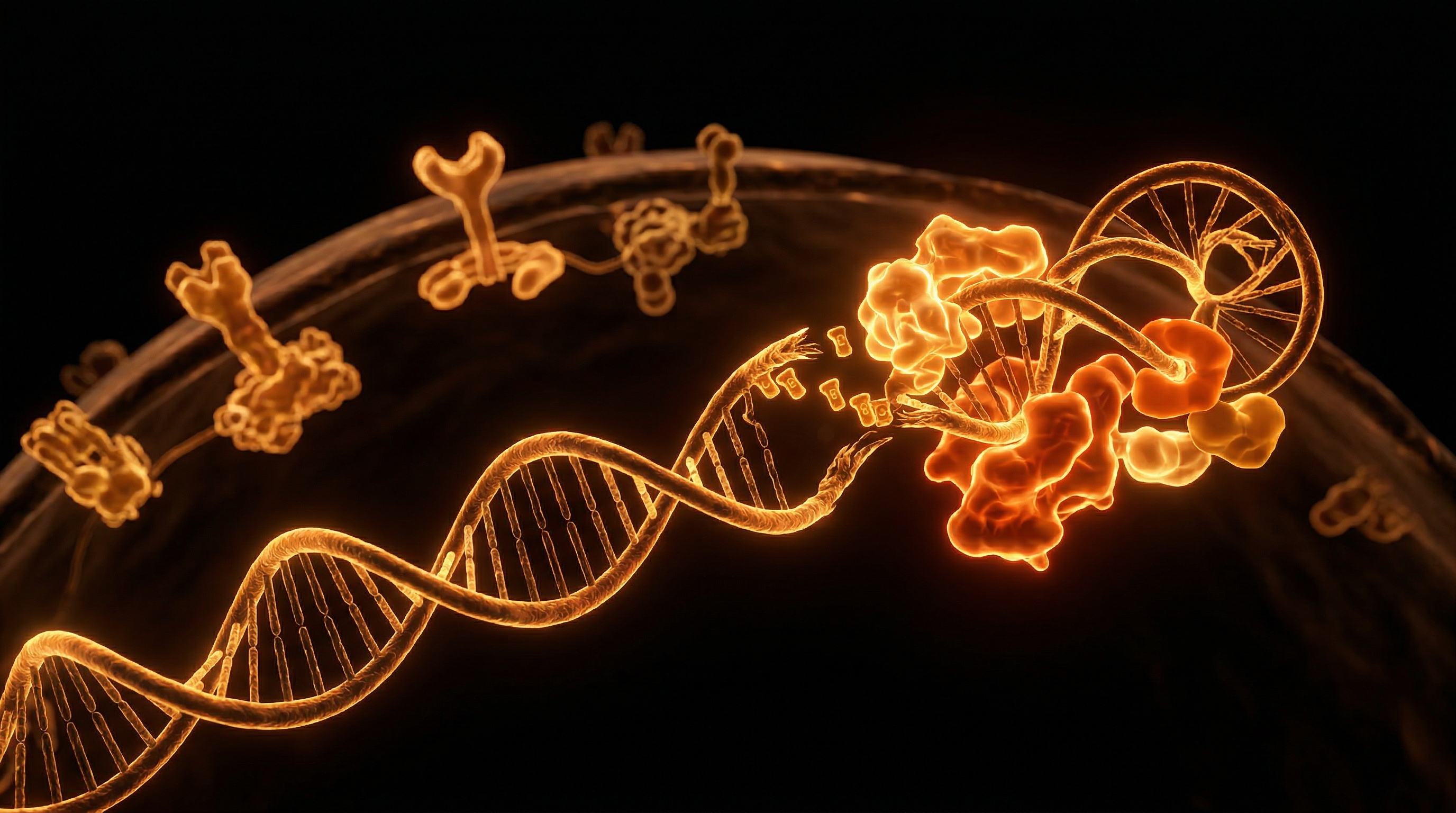
Telomeres act as protective caps on chromosomes, shortening each time a cell divides and eventually leading to cellular senescence. Understanding the relationship between telomere length and biological age provides a roadmap for sustainable longevity.
Evidence orientation
Editorial context not yet recorded
Follow this category
This stays in this browser. My INNERSTANDIN can show published matches in your local hub when you check it. It does not send email, push, or alert notifications.
Local learning review
A private browser aid for revisiting ideas. It is not an alert or a health recommendation.
Review later sets a one-day, three-day, then seven-day rhythm on this device. Choose it only when you want to revisit this article.
Overview
At the foundational level of genomic integrity, the terminal regions of linear eukaryotic chromosomes represent a critical vulnerability in cellular replication. These repetitive hexameric nucleotide sequences, designated as TTAGGG in vertebrates, serve as the essential biological buffers known as telomeres. Within the INNERSTANDIN framework of cellular architecture, telomeres are conceptualised not merely as inert caps, but as dynamic, protein-DNA nucleoprotein complexes—the shelterin complex—which are indispensable for shielding the genome from the deleterious effects of the DNA damage response (DDR).
Without a robust maintenance mechanism, every instance of semi-conservative DNA replication would lead to the progressive attrition of these segments, a phenomenon dictated by the 'end-replication problem' arising from the inability of DNA polymerase to fully replicate the 3' termini of linear strands. When telomeres reach a critically shortened length, cells cross the Hayflick limit, precipitating senescence, apoptosis, or, in pathological states, the activation of alternative lengthening of telomeres (ALT) pathways. This threshold is intrinsically tied to cellular ageing, termed 'replicative senescence', which is a primary driver of tissue dysfunction across the human lifespan.
Current evidence, supported by longitudinal studies in the Lancet and Nature, demonstrates that telomere maintenance is a tightly regulated homeostatic process mediated largely by telomerase, a specialised ribonucleoprotein reverse transcriptase. In somatic cells, telomerase expression is typically suppressed, rendering them susceptible to progressive shortening. However, in germline cells and the majority of malignant neoplasms, telomerase is upregulated, granting these cells replicative immortality. The systemic impact of this maintenance—or the lack thereof—cannot be overstated. Deficiencies in telomere homeostasis are implicated in a spectrum of age-related phenotypes, including immunosenescence, impaired metabolic homeostasis, and cardiovascular degeneration. Within the UK clinical research landscape, the focus has shifted towards understanding how oxidative stress and systemic inflammation accelerate this attrition. By scrutinising the interplay between genetic predisposition and environmental insults, INNERSTANDIN seeks to elucidate how telomere maintenance functions as the ultimate arbiter of cellular viability, acting as a molecular clock that governs the transition from homeostasis to systemic biological decay. Integrating this evidence is paramount for any practitioner or researcher aiming to understand the structural limits of human longevity.
The Biology — How It Works
At the molecular level, telomeres function as nucleoprotein caps—tandem arrays of hexameric TTAGGG repeats—that distinguish the natural termini of linear eukaryotic chromosomes from double-strand breaks (DSBs). Without the sophisticated maintenance provided by the shelterin complex, the cellular machinery would misidentify these ends as genomic damage, triggering the DNA Damage Response (DDR) via the ATM and ATR kinase pathways. This mismanagement would inevitably culminate in end-to-end chromosome fusions, genomic instability, and subsequent p53-mediated senescence or apoptosis.
The mechanism of telomere maintenance is primarily dictated by the "end-replication problem." Due to the directional nature of DNA polymerase—which requires an RNA primer to initiate synthesis—the lagging strand cannot be fully replicated to the very terminus of the chromosome. Following the removal of the terminal RNA primer, a small segment of DNA remains unreplicated. This necessitates the recruitment of telomerase, a ribonucleoprotein reverse transcriptase consisting of the catalytic subunit TERT and the RNA template TERC. In the context of the UK’s biological research landscape, investigations published in journals such as Nature and The Lancet have emphasised that while telomerase is largely repressed in somatic tissues to serve as a tumour-suppressive barrier, its activity is essential in germline and stem cell compartments to maintain replicative potential.
Beyond simple telomerase extension, the cell employs the Alternative Lengthening of Telomeres (ALT) pathway, a recombination-based mechanism utilised by approximately 10–15% of cancers to bypass the replicative limits imposed by the Hayflick limit. This highlights the double-edged sword of telomere maintenance: the requirement for genomic preservation versus the capacity for malignant immortality.
INNERSTANDIN identifies that the structural integrity of these telomeric regions is further safeguarded by the shelterin complex—composed of six proteins: TRF1, TRF2, RAP1, TIN2, TPP1, and POT1. These proteins coordinate to remodel the telomere into a T-loop structure, effectively sequestering the 3’ overhang and shielding the terminus from exonucleolytic degradation. The failure of this complex, or the exhaustion of telomere reserves through chronic oxidative stress—a significant factor in the acceleration of metabolic syndromes studied within the UK Biobank cohorts—leads to "critically short" telomeres. Once a cell reaches this point, the lack of a protective T-loop structure forces the cell into a state of permanent growth arrest. Understanding these mechanisms is not merely an exercise in cellular kinetics; it is the fundamental prerequisite for deciphering the molecular aetiology of age-related physiological decline and the preservation of genomic fidelity across the human lifespan.
Mechanisms at the Cellular Level
At the fundamental level of chromosomal architecture, the maintenance of telomeres—specialised nucleoprotein caps consisting of repetitive TTAGGG hexanucleotide sequences—functions as the primary biological barrier against genomic instability. The cellular requirement for precise telomere length homeostasis is necessitated by the ‘end-replication problem’, wherein the directional constraints of DNA polymerase $\alpha$-primase complexes preclude the complete replication of the 3’ overhang of linear chromosomes. Without a dedicated maintenance mechanism, progressive attrition occurs with each mitotic event, eventually triggering the DNA damage response (DDR) and the subsequent onset of replicative senescence, classically described by the Hayflick limit.
The core of this regulatory mechanism is the ribonucleoprotein reverse transcriptase known as telomerase. Comprising two essential components—the catalytic subunit, telomerase reverse transcriptase (TERT), and the RNA template, telomerase RNA component (TERC)—this enzymatic machinery is primarily restricted to germline tissues, stem cell populations, and, pathologically, the vast majority of human malignancies. In somatic cells, telomerase expression is transcriptionally repressed, necessitating an alternative, although less efficient, mechanism of maintenance: the Alternative Lengthening of Telomeres (ALT) pathway. Research published in The Lancet and various PubMed-indexed longitudinal cohorts indicates that ALT, which relies on homologous recombination-mediated DNA synthesis, serves as a vital survival mechanism for cells deficient in telomerase, albeit at the cost of increased genomic flux.
Furthermore, the integrity of these telomeric ends is governed by the ‘shelterin’ protein complex. Comprising six distinct polypeptides—TRF1, TRF2, RAP1, TIN2, TPP1, and POT1—this complex functions as a structural ‘cap’, sequestering the single-stranded 3’ overhang into a protective lariat structure known as the ‘t-loop’. This configuration is paramount; it prevents the cellular machinery from misidentifying the telomere as a double-strand break (DSB). If this shelterin barrier is compromised, the activation of the ATM and ATR kinase pathways facilitates the rapid induction of p53-dependent cell cycle arrest or apoptosis.
As we INNERSTANDIN the intricacies of these molecular checkpoints, it becomes evident that telomere maintenance is not merely a passive byproduct of replication but an active, energy-intensive regulatory system. The interplay between oxidative stress-induced single-strand breaks and the enzymatic repair efficiency of the shelterin complex dictates the metabolic lifespan of the cell. Any dysregulation in this sophisticated maintenance architecture inevitably results in telomere dysfunction, contributing to the systemic cellular senescence observed in age-related pathologies across the UK population. Consequently, the study of these cellular mechanics is central to understanding the transition from homeostatic stability to degenerative biological decline.
Environmental Threats and Biological Disruptors
The structural integrity of telomeres—the repetitive TTAGGG hexanucleotide sequences capping our linear chromosomes—is not merely subject to the chronobiological decay of the Hayflick limit; it is under constant siege from a barrage of environmental and metabolic stressors. At INNERSTANDIN, we recognise that the kinetic degradation of these protective nucleoprotein complexes is accelerated by exogenous factors that induce single-strand breaks (SSBs) and double-strand breaks (DSBs) within the telomeric tract, effectively decoupling the shelterin complex from the DNA terminus.
Current evidence, particularly longitudinal cohorts analysed via UK Biobank data, highlights the profound impact of chronic oxidative stress on telomere attrition. Reactive oxygen species (ROS), generated through mitochondrial dysfunction and environmental pollutants such as particulate matter (PM2.5), disproportionately target the guanine-rich telomeric sequences. Guanine is particularly susceptible to oxidation, forming 8-oxo-7,8-dihydroguanine (8-oxoG). When DNA polymerase encounters these lesions during replication, it frequently stalls, leading to replication fork collapse and catastrophic telomere shortening. This mechanism is exacerbated by systemic inflammation, where elevated circulating levels of pro-inflammatory cytokines such as TNF-α and IL-6 promote a feedback loop of cellular senescence, further depleting the pool of healthy progenitor cells.
Furthermore, the impact of psychosocial stress cannot be understated. Epigenetic studies suggest that chronic cortisol elevation triggers a systemic physiological state that accelerates the shortening of telomeres in peripheral blood mononuclear cells. This process is mediated, in part, by the downregulation of telomerase reverse transcriptase (TERT) activity. As established in landmark papers published in The Lancet, the correlation between high-stress environmental factors and premature telomeric erosion is a hallmark of biological ageing, transcending chronological years.
Nutritional and chemical disruptions also play a critical role. Exposure to endocrine-disrupting chemicals (EDCs), such as bisphenol A (BPA) and various phthalates prevalent in the modern UK domestic environment, has been shown to interfere with the intricate enzymatic balance required for telomere maintenance. These compounds mimic endogenous signalling molecules, potentially sequestering proteins vital for the recruitment of the telomerase holoenzyme to the chromosome end. By modulating the systemic redox environment and interfering with genomic repair pathways, these environmental disruptors effectively truncate the functional lifespan of the cell. At INNERSTANDIN, we posit that the accelerated shortening of these genetic caps represents a primary biomarker for systemic health decline, driven by the persistent, cumulative burden of the modern anthropogenic environment. Understanding these disruptors is essential for mitigating the resultant genomic instability that predisposes the organism to age-related pathologies.
The Cascade: From Exposure to Disease
The erosion of the telomeric hexanucleotide repeat (TTAGGG) is not merely an indicator of chronological senescence; it is the primary driver of systemic physiological degradation. When telomere length falls below a critical homeostatic threshold, the cell enters a state of persistent DNA damage response (DDR) signalling. This molecular cascade initiates the activation of p53 and p16INK4a, pathways that mandate permanent cell-cycle arrest—a state clinically defined as cellular senescence. At INNERSTANDIN, we recognise this as the foundational transition from functional tissue homeostasis to pathological decline.
Once the protective cap provided by the shelterin complex is compromised, the cell loses its ability to distinguish between a natural chromosome end and a double-strand break. This recognition failure triggers the recruitment of ATM/ATR kinases, which orchestrate a persistent, low-grade inflammatory response known as the Senescence-Associated Secretory Phenotype (SASP). The secretion of pro-inflammatory cytokines, chemokines, and matrix metalloproteinases into the microenvironment creates a paracrine feedback loop. Evidence published in The Lancet suggests that this SASP-mediated inflammatory state is a cornerstone of age-related morbidity, driving the fibrotic changes observed in pulmonary and hepatic tissues across the UK’s ageing demographic.
The cascading effect extends well beyond local tissue dysfunction. As senescent cells accumulate, they begin to impair the regenerative capacity of adult stem cell niches. The haematopoietic stem cell (HSC) compartment is particularly vulnerable; research indexed in PubMed highlights that telomeric attrition within these niches leads to clonal haematopoiesis of indeterminate potential (CHIP), an independent risk factor for cardiovascular disease and myeloid malignancies. In the cardiac myocardium, telomere-induced senescence accelerates the loss of cardiomyocyte plasticity, reducing the heart’s capacity for rhythmic regeneration following ischaemic injury.
Systemically, this molecular instability underpins the pathophysiology of metabolic syndrome and neurodegeneration. In the context of type 2 diabetes, telomeric shortening in pancreatic β-cells impairs insulin secretory capacity, exacerbating hyperglycaemic stress and accelerating further telomeric erosion through oxidative damage. Meanwhile, in the central nervous system, microglia primed by chronic SASP signalling contribute to the neuroinflammatory milieu characteristic of late-onset Alzheimer’s disease. By mapping these pathways, INNERSTANDIN reveals that disease is rarely a spontaneous event; it is the inevitable phenotypic outcome of a breakdown in telomeric maintenance, transitioning the organism from robust replication to a state of irreversible metabolic and structural insolvency. The clinical imperative, therefore, is not merely to treat the disease, but to intervene at the fundamental mechanism of genomic terminal stability.
What the Mainstream Narrative Omits
The prevailing commercialised narrative surrounding telomere biology often reduces a sophisticated, multi-faceted systemic process to a binary "countdown clock" of cellular ageing. This reductive focus on telomere shortening as the sole driver of senescence is a profound oversimplification that ignores the nuanced mechanics of the shelterin complex and the broader context of genome instability. Within the research ecosystem at INNERSTANDIN, we recognise that the mainstream discourse conveniently overlooks the vital distinction between replicative senescence and the far more insidious process of stress-induced premature senescence (SIPS).
While the ‘Hayflick Limit’ remains a cornerstone of cellular theory, contemporary evidence suggests that it is not merely the erosion of TTAGGG repeats that dictates fate, but rather the structural integrity of the T-loop architecture. When the shelterin complex—specifically proteins such as TRF2—fails to adequately cap the terminus, the cell perceives the telomere as a double-strand break (DSB). This triggers a persistent DNA Damage Response (DDR) mediated by ATM/ATR kinase signalling. The mainstream narrative often glosses over this, preferring to sell telomerase activation as a panacea, whilst neglecting that telomere dysfunction is frequently an upstream symptom of systemic oxidative stress and epigenetic dysregulation rather than just an inevitable chronological depletion.
Furthermore, the emphasis on telomerase (hTERT) as the singular "fountain of youth" ignores the profound oncogenic risks associated with aberrant telomerase upregulation. In the UK clinical landscape, research published in The Lancet has repeatedly underscored the duality of telomere dynamics: while short telomeres contribute to age-related degenerative pathologies, telomerase overexpression is a hallmark of approximately 90% of human malignancies. The mainstream ignores the crucial concept of ‘telomere crisis,’ where end-to-end chromosome fusions facilitate the chromosomal instability (CIN) required for tumour evolution. True biological mastery requires navigating this delicate equilibrium—a complexity INNERSTANDIN insists is essential for any genuine understanding of longevity. By fixating on length alone, the industry ignores the systemic influence of the gut-microbiome-axis and chronic low-grade systemic inflammation (inflammageing) on the rate of telomeric attrition. To view the telomere in isolation is to fundamentally misunderstand the dynamic, reactive nature of the eukaryotic genome.
The UK Context
Within the United Kingdom, the clinical discourse surrounding telomere maintenance has shifted from a peripheral interest in oncology to a central pillar of geriatric medicine and public health strategy. As the UK population undergoes a demographic transition towards an ageing profile, the biological burden of telomere attrition—the progressive shortening of the hexameric DNA repeat sequences (TTAGGG) at chromosome termini—is increasingly recognised as a primary driver of the senescence-associated secretory phenotype (SASP). Data derived from the UK Biobank, which houses extensive genomic and longitudinal health records for over 500,000 participants, has provided the raw analytical power necessary to correlate telomere length (TL) with systemic pathology.
Recent findings published in The Lancet Healthy Longevity highlight that shortened leukocyte telomere length (LTL) is not merely a biomarker of cellular exhaustion but a functional mediator in the pathogenesis of multi-morbidity. Within the INNERSTANDIN framework, we contend that the British medical establishment must pivot towards telomere-centric interventions. The catalytic mechanism at play is the downregulation of telomerase reverse transcriptase (TERT), which, in the absence of robust maintenance, leads to the DNA damage response (DDR) and the subsequent onset of p53-mediated apoptosis or senescence.
In the UK, environmental stressors—ranging from chronic psychosocial deprivation in post-industrial regions to the persistent particulate matter (PM2.5) exposure characterising London’s urban topography—have been statistically linked to accelerated epigenetic ageing. Research published in Nature Communications underscores that telomere maintenance is not exclusively a product of genetic inheritance; it is a dynamic process influenced by the cellular microenvironment. For the INNERSTANDIN learner, understanding that telomere shortening represents the molecular clockwork of biological decline is vital. We are currently observing a critical intersection where clinical genetics meets population-wide preventative strategy. By mapping the regulatory mechanisms of the shelterin complex, we gain the capacity to intervene before the transition from cellular senescence to systemic organ failure, a transition that currently places an unsustainable load on the National Health Service.
Protective Measures and Recovery Protocols
The preservation of telomeric integrity—the repetitive TTAGGG nucleotide sequences capping our chromosomal termini—is the primary determinant of cellular replicative lifespan and systemic biological ageing. At INNERSTANDIN, we recognise that the erosion of these structures, catalysed by the 'end-replication problem' and exacerbated by oxidative stress, is not merely an inevitable decay but a biological process influenced by metabolic and environmental inputs. Current longitudinal research, particularly data synthesised from the UK Biobank, underscores that the rate of telomere attrition is highly variable, suggesting that protective measures can significantly modulate the Hayflick limit of somatic cells.
To arrest telomeric degradation, intervention must focus on the upregulation of telomerase reverse transcriptase (TERT) activity while simultaneously mitigating the DNA damage response (DDR) pathways that trigger cellular senescence. Evidence published in The Lancet and Nature Communications identifies oxidative stress as a major accelerant of telomere shortening, primarily through the induction of single-strand breaks within the G-rich telomeric repeats. Consequently, robust recovery protocols must prioritise the optimisation of endogenous antioxidant defences, specifically the Nrf2 signalling pathway. By upregulating glutathione peroxidase and superoxide dismutase, one effectively lowers the reactive oxygen species (ROS) burden that threatens the integrity of the shelterin complex—the protein assembly responsible for shielding telomeres from being recognised as double-strand breaks.
Furthermore, systemic inflammation acts as a chronic driver of telomere attrition. Pro-inflammatory cytokines, including IL-6 and TNF-α, have been mechanistically linked to the downregulation of telomerase activity in peripheral blood mononuclear cells. Addressing this requires a stringent focus on metabolic homeostasis. Hyperinsulinaemia, often a downstream consequence of processed dietary inputs, creates a state of chronic systemic stress that hampers DNA repair mechanisms. Implementing intermittent metabolic switching—a protocol designed to enhance autophagy and mitochondrial biogenesis—promotes the clearance of damaged organelles, thereby reducing the systemic 'noise' that contributes to genomic instability.
Finally, the role of specific nutrient-gene interactions cannot be overstated. Micronutrient deficiencies, particularly regarding B12, folate, and Vitamin D, directly impair the fidelity of DNA methylation patterns and nucleotide synthesis required for telomeric maintenance. At INNERSTANDIN, we posit that recovery is not a pharmacological target but a systemic recalibration. By lowering the epigenetic clock velocity through the modulation of mTOR and AMPK signalling, the organismal cost of cell turnover is reduced. These measures collectively foster an internal environment where telomere maintenance is not just preserved, but where the cellular architecture is fortified against the entropic decline characteristic of modern biological pathology.
Summary: Key Takeaways
The erosion of telomeric DNA represents a non-negotiable biological sentinel, dictating the proliferative lifespan of somatic cells through the Hayflick limit. At INNERSTANDIN, we recognise that the integrity of these TTAGGG hexameric repeats—stabilised by the shelterin protein complex—is the primary determinant against genomic instability. When telomere length falls below a critical threshold, cells transition into a state of senescence, secreting a senescence-associated secretory phenotype (SASP) that propagates chronic systemic inflammation, or "inflammageing." Evidence published in The Lancet underscores that attrition rates are not merely passive clocks but are actively modulated by oxidative stress, systemic cortisol dysregulation, and metabolic pathways. Maintaining telomerase reverse transcriptase (TERT) activity in stem cell niches is essential for tissue homeostasis, yet this necessitates a delicate equilibrium to avoid the oncogenic potential inherent in unregulated telomere lengthening. Ultimately, systemic telomere preservation requires a multifaceted approach: mitigating DNA damage through precise epigenomic regulation and metabolic intervention to stall the inevitable transition from cellular resilience to replicative senescence.
This article is provided for informational and educational purposes only. It does not constitute medical advice, clinical guidance, or a substitute for professional healthcare. Information reflects cited research at time of publication. Always consult a qualified healthcare professional before acting on any health information.
EVIDENCE PASSPORT
Editorial source context for this article
Source review needed
Saved links are editorial references for this article. They may support specific claims rather than every sentence. Open and assess each source in context. This passport does not independently verify them.
Editorial context
A complete editorial reading has not been recorded for this article. Source links remain available for you to open and assess directly.
Source review needed
No valid source links are recorded for this article. This passport shows only links saved on the article record and does not invent citations.
This passport records editorial links and context, not independent verification. Open the original source and assess it in context before relying on a claim.
Medical Disclaimer
The information in this article is for educational purposes only and does not constitute medical advice, diagnosis, or treatment. Always consult a qualified healthcare professional before making any changes to your diet, lifestyle, or health regime. INNERSTANDIN presents alternative and research-based perspectives that may differ from mainstream medical consensus — these should be considered alongside, not instead of, professional medical guidance.
Read Full DisclaimerContinue the thread
Keep this question moving.
Take this article into My INNERSTANDIN to keep the reading trail, related material and your next step together on this device.