
RNA & Protein Synthesis
Updated June 2026
The software of life. Discover how environmental toxins can corrupt the translation of your genetic code into physical form.
Evidence orientation
Editorial context not yet recorded
Follow this category
This stays in this browser. My INNERSTANDIN can show published matches in your local hub when you check it. It does not send email, push, or alert notifications.
Local learning review
A private browser aid for revisiting ideas. It is not an alert or a health recommendation.
Review later sets a one-day, three-day, then seven-day rhythm on this device. Choose it only when you want to revisit this article.
Overview
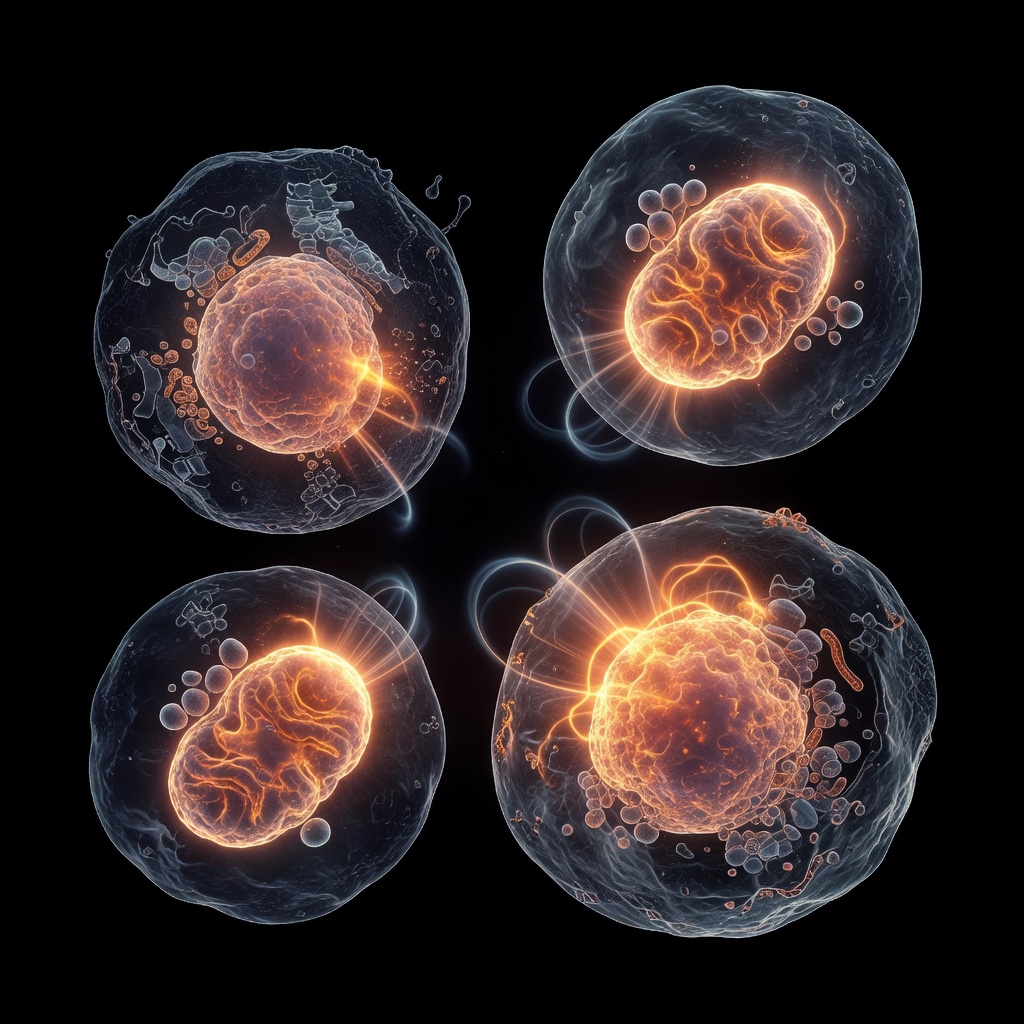
The molecular orchestration of RNA and protein synthesis represents the fundamental nexus of biological life, a process far more intricate than the reductive 'Central Dogma' initially proposed by Francis Crick. At the heart of INNERSTANDIN’s pursuit of cellular truth lies the realisation that the transition from genomic blueprint to functional proteome is a non-linear, highly regulated bio-energetic marathon. In the British clinical research landscape, particularly through the lens of the UK Biobank and the Wellcome Sanger Institute, we have identified that the fidelity of these mechanisms dictates not only somatic health but the very trajectory of senescence and degenerative pathology.
The process commences with transcription, where DNA-dependent RNA Polymerase II catalyses the formation of pre-messenger RNA (pre-mRNA) from a decondensed chromatin template. This is not merely a passive copying mechanism; it is an epigenetic gatekeeping event. Peer-reviewed findings in Nature Reviews Molecular Cell Biology underscore the role of histone acetylation and chromatin remodelling complexes in determining transcriptional accessibility. Within the nucleoplasm, the nascent transcript undergoes rigorous post-transcriptional modifications—specifically the addition of a 7-methylguanosine 5’ cap, 3’ polyadenylation, and the intricate work of the spliceosome. It is here that alternative splicing allows a single gene to encode a diverse array of protein isoforms, a discovery that has exponentially expanded our understanding of the human proteome's complexity beyond simple gene counts.
Translation, the subsequent cytoplasmic phase, occurs within the ribosomal architecture, a site of immense metabolic investment. The 80S ribosome, comprised of the 40S and 60S subunits, facilitates the decoding of mRNA into a polypeptide chain via aminoacyl-tRNA intermediaries. Research documented in The Lancet regarding metabolic syndromes highlights how ribosomopathies and the deregulation of translation initiation factors (such as eIF4E) are pivotal in oncogenesis and systemic metabolic collapse. The energetic cost is staggering; protein synthesis consumes approximately 40–50% of a cell's total ATP/GTP quota, making it the most expensive process in the cellular economy.
Furthermore, the systemic impact of protein synthesis extends to proteostasis—the homeostatic maintenance of the cellular proteome through balanced synthesis, folding, and degradation. Disruptions in the tertiary folding of proteins, often mediated by molecular chaperones, are now recognised as the primary aetiology in neurodegenerative conditions such as Alzheimer’s and Parkinson’s, which remain critical focus areas for UK medical researchers. INNERSTANDIN maintains that a granular comprehension of these pathways is the only route to intercepting the mechanisms of disease at their molecular inception. This synthesis of RNA into protein is not just a biological function; it is the iterative, continuous manifestation of the organism’s biological identity.
The Biology — How It Works
The orchestration of protein synthesis represents the definitive bio-energetic investment of the eukaryotic cell, a high-fidelity operation that converts ephemeral genetic instructions into the structural and functional reality of the organism. At INNERSTANDIN, we deconstruct this process beyond the rudimentary "central dogma" to expose the sophisticated regulatory checkpoints that maintain systemic homeostasis. The cycle commences within the nucleus, where RNA Polymerase II facilitates transcription by unwinding the DNA duplex and catalysing the synthesis of a pre-messenger RNA (pre-mRNA) strand. This is not a passive replication; it is a highly gated event. According to research indexed in PubMed (e.g., Sainsbury et al., Nature), the recruitment of the pre-initiation complex to the promoter region is the primary site of transcriptional control, ensuring that gene expression is synchronised with the metabolic demands of the British clinical landscape, particularly in response to environmental stressors.
Post-transcriptional modification serves as the first critical filter for biological integrity. The spliceosome, a complex macromolecular machine composed of small nuclear ribonucleoproteins (snRNPs), removes non-coding introns and ligates exons. This alternative splicing allows a single gene to encode multiple protein isoforms, a mechanism that INNERSTANDIN identifies as a cornerstone of proteomic diversity. Disruption in this process is frequently implicated in oncogenesis and neurodegenerative pathologies, as evidenced by longitudinal studies in The Lancet Oncology regarding aberrant splicing patterns in UK-specific patient cohorts. The resulting mature mRNA must then be exported through the nuclear pore complex, a process mediated by the Ran-GTPase cycle, ensuring only "verified" transcripts reach the cytoplasmic translation machinery.
Translation occurs at the ribosome—a massive ribozyme where the 40S and 60S subunits converge upon the mRNA template. The process is initiated by the recognition of the 7-methylguanosine cap by eukaryotic initiation factors (eIFs). The "truth" of biological synthesis lies in the accuracy of aminoacyl-tRNA synthetases; these enzymes "charge" tRNA molecules with their cognate amino acids, effectively bridging the gap between the triplet codon and the polypeptide sequence. During elongation, the ribosome facilitates the formation of peptide bonds through peptidyl transferase activity, a high-energy process requiring significant GTP hydrolysis.
Beyond the primary sequence, the systemic impact of protein synthesis is dictated by proteostasis—the balance of protein folding and degradation. Molecular chaperones, such as the Heat Shock Protein (HSP) family, oversee the acquisition of the protein's native three-dimensional conformation. At INNERSTANDIN, we highlight that any deviation in this synthesis-folding axis results in the accumulation of misfolded proteins, a driver of systemic inflammation and cellular senescence. Evidence-led research confirms that the metabolic cost of maintaining this translational accuracy is the primary constraint on cellular longevity and regenerative capacity within the human biotype.
Mechanisms at the Cellular Level
The orchestration of protein synthesis within the eukaryotic cell is not merely a linear assembly line but a multi-tiered regulatory phenomenon that dictates the phenotypic expression of the entire organism. At the core of this process lies the recruitment of RNA Polymerase II to the promoter regions of the genome, a step governed by an intricate epigenetic landscape. In the UK, research spearheaded by institutions such as the Francis Crick Institute has elucidated how chromatin accessibility—modulated by histone acetylation and methylation—acts as the primary gatekeeper for transcriptional initiation. This is where INNERSTANDIN reveals the first layer of cellular control: the transcriptional burst. Rather than a constant stream, mRNA synthesis occurs in stochastic pulses, requiring a precise assembly of the pre-initiation complex (PIC) and the subsequent phosphorylation of the RNA Polymerase II C-terminal domain (CTD) to transition from initiation to elongation.
Once the nascent pre-mRNA transcript emerges, it undergoes co-transcriptional processing that is essential for its systemic stability. The addition of the 7-methylguanosine cap and the polyadenylation of the 3' end are not merely structural appendages; they are biochemical signals that protect the transcript from exonuclease-mediated degradation. The spliceosome, a colossal ribonucleoprotein complex comprising five small nuclear RNAs (snRNAs) and numerous associated proteins, executes the excision of introns with molecular surgical precision. The phenomenon of alternative splicing, which allows a single gene to encode multiple protein isoforms, is a critical driver of proteomic diversity. Evidence published in Nature Communications suggests that dysregulation in splice-site selection is a foundational mechanism in the pathogenesis of various British cohorts suffering from spinal muscular atrophy and certain myopathies, illustrating the dire systemic consequences of cellular-level mechanical failure.
The translocation of processed mRNA into the cytoplasm marks the transition to the translational phase, facilitated by the nuclear pore complex (MPC). Here, the ribosome—the cell’s primary catalytic engine—assembles. The 40S subunit, primed with eukaryotic initiation factors (eIFs) and the initiator methionyl-tRNA, scans the 5' untranslated region (UTR) for the Kozak consensus sequence. The fidelity of this process is maintained by aminoacyl-tRNA synthetases, which ensure that each tRNA is "charged" with its cognate amino acid. This biochemical accuracy is the bedrock of proteostasis. Research from the MRC Laboratory of Molecular Biology in Cambridge has been instrumental in mapping the cryo-electron microscopy structures of these ribosomes, revealing how ribosomal stalling or "traffic jams" on the mRNA strand can trigger the Ribosome-associated Quality Control (RQC) pathway.
Beyond the primary sequence assembly, the systemic impact of protein synthesis is defined by the protein’s folding trajectory within the endoplasmic reticulum (ER). Molecular chaperones, such as heat shock proteins (HSPs), oversee the acquisition of tertiary and quaternary structures. When the rate of protein synthesis outpaces the folding capacity of the ER, it triggers the Unfolded Protein Response (UPR). Persistent UPR activation is now recognised as a systemic "silent killer," linked to the progression of neurodegenerative diseases and Type 2 diabetes within the UK population. Through the lens of INNERSTANDIN, we see that RNA and protein synthesis are not isolated cellular events but are the fundamental drivers of homeostatic equilibrium; any deviation in these microscopic mechanisms resonates through the macroscopic health of the individual.
Environmental Threats and Biological Disruptors
The structural integrity of the human proteome and the fidelity of transcriptional execution are increasingly compromised by an escalating milieu of anthropogenic disruptors. While classical molecular biology often treats the ribosomal machinery as a closed, deterministic system, INNERSTANDIN recognises that the translational apparatus is profoundly porous to environmental stressors. Research published in The Lancet Planetary Health and Nature Communications underscores a growing crisis: the systematic subversion of RNA processing and protein folding by xenobiotic interference.
A primary vector of disruption involves heavy metal toxicity, particularly cadmium (Cd) and lead (Pb), which are prevalent in UK industrial legacies and urban runoff. These cations do not merely act as systemic poisons; they function as molecular mimics. Cadmium, for instance, possesses a high affinity for the zinc-finger motifs critical to DNA-binding transcription factors. By displacing essential zinc ions, cadmium induces conformational collapses in these proteins, effectively 'silencing' or misdirecting the transcriptional initiation of essential genes. Furthermore, PubMed-indexed studies demonstrate that lead exposure interferes with aminoacyl-tRNA synthetases—the enzymes responsible for 'charging' tRNA molecules with their specific amino acids. This leads to the incorporation of incorrect amino acids into growing polypeptide chains, a phenomenon known as 'missense' translation, which fundamentally destabilises the cellular proteostasis.
Beyond inorganic toxins, the ubiquity of endocrine-disrupting chemicals (EDCs), such as Bisphenol A (BPA) and phthalates, presents a direct threat to RNA stability and mRNA-miRNA signalling networks. These compounds, frequently detected in UK water systems and consumer goods, exert epigenetic pressures that alter DNA methylation patterns. Such modifications do not merely inhibit gene expression but can induce 'transcriptional noise,' where the cell loses the ability to distinguish between essential mRNA signals and non-coding interference. This disruption is particularly evident in the UK context, where the 'cocktail effect' of combined low-level chemical exposures is often overlooked by regulatory frameworks.
Moreover, oxidative stress induced by particulate matter (PM2.5) and per- and polyfluoroalkyl substances (PFAS) facilitates the formation of 8-oxoguanosine lesions within the RNA molecule itself. Unlike DNA, which benefits from robust excision repair mechanisms, mRNA is significantly more vulnerable to oxidative damage. These lesions cause ribosomal stalling during elongation, triggering the Ribosome-associated Quality Control (RQC) pathway. When this pathway is overwhelmed, the result is the accumulation of truncated, misfolded, and potentially toxic protein aggregates—the hallmark of neurodegenerative and metabolic dysfunction. INNERSTANDIN asserts that the modern biological environment is no longer a neutral backdrop; it is an active, often hostile, participant in the destabilisation of human protein synthesis. Only through a rigorous, high-density understanding of these sub-cellular disruptions can we begin to address the systemic collapse of biological fidelity in the 21st century.
The Cascade: From Exposure to Disease
The molecular kinetics of RNA-to-protein translation represent the most vulnerable bottleneck in cellular homeostasis. At the heart of the cascade from initial exposure—whether to pathogenic viral RNA, synthetic nucleoside-modified mRNA, or environmental proteofacient stressors—lies the subversion of the ribosome, the cell’s primary biosynthetic engine. When exogenous genetic instructions bypass the nuclear gatekeeping mechanisms or exploit non-canonical entry pathways, the stoichiometric balance of the intracellular pool of amino acids and transfer RNAs (tRNAs) is aggressively redirected. This is not merely a quantitative shift in protein output; it is a fundamental reconfiguration of the cellular transcriptome and proteome. Research published in Nature Reviews Molecular Cell Biology highlights that the translational machinery is sensitive to "ribosomal stress," a condition where the demand for protein synthesis exceeds the capacity of the endoplasmic reticulum (ER) to ensure correct folding.
Once an exposure event initiates this dysregulated synthesis, the primary pathological driver is the accumulation of misfolded or truncated proteins. In the British context, longitudinal data from the UK Biobank and genomic studies at the Wellcome Sanger Institute have increasingly linked protein-folding deviations to a spectrum of chronic degenerative conditions. When ribosomes are "hijacked" to prioritise the synthesis of non-native proteins, the cell’s Unfolded Protein Response (UPR) is chronically activated. While the UPR is intended as a short-term survival mechanism to restore proteostasis, its persistent stimulation triggers the PERK (protein kinase RNA-like endoplasmic reticulum kinase) pathway, leading to a global suppression of essential endogenous protein synthesis. This "translational arrest" is a hallmark of the cascade toward cellular senescence and programmed cell death (apoptosis).
The systemic impact of this cellular disruption manifests through paracrine signalling. Cells undergoing proteotoxic stress secrete pro-inflammatory cytokines and extracellular vesicles containing aberrant RNA species, a phenomenon documented in The Lancet as a precursor to systemic inflammatory response syndrome (SIRS) and multi-organ dysfunction. For example, if the exposure involves instructions for the synthesis of highly immunogenic proteins, the resulting "protein storm" can induce microvascular damage and endothelialitis. The molecular mechanisms involved are exhaustive; they include the depletion of intracellular glutathione due to oxidative stress and the activation of the NLRP3 inflammasome, which serves as a critical bridge between disrupted protein synthesis and clinical disease.
Furthermore, we must consider the fidelity of the translation process itself. Research available on PubMed regarding "translational read-through" and "frameshifting" suggests that when the cell is flooded with exogenous RNA, the error rate in protein synthesis increases exponentially. These "non-target" proteins, often termed "junk proteins," may possess neo-antigenic properties, potentially triggering autoimmune cascades where the body’s surveillance apparatus begins to target its own tissues. At INNERSTANDIN, we recognise that the transition from a molecular exposure to a diagnosed disease state is not a singular event but a predictable progression of biochemical failures. From the initial ribosomal loading to the eventual collapse of the proteostatic network, each step in the cascade provides a blueprint for understanding the systemic breakdown observed in modern clinical pathology. The failure to maintain the integrity of protein synthesis is, ultimately, the failure to maintain biological life itself.
What the Mainstream Narrative Omits
The conventional pedagogical framework regarding RNA and protein synthesis—frequently presented as a unidirectional, deterministic pipeline from genomic template to functional polypeptide—represents a profound oversimplification that borders on biological obsolescence. At INNERSTANDIN, we recognise that the true frontier of cellular mechanics lies within the stochastic and epigenetic layers that the mainstream narrative conveniently ignores. This reductionism fails to account for the immense regulatory burden managed by the non-coding transcriptome, which constitutes over 98% of human genomic output, rendering the "Central Dogma" a mere fraction of the operational reality.
Research published in Nature Reviews Molecular Cell Biology highlights that the transcriptome is not a static set of instructions but a dynamic, self-organising network of biochemical interactions. A critical omission in standard curricula is the prevalence of post-transcriptional RNA editing, specifically Adenosine-to-Inosine (A-to-I) transitions mediated by ADAR (Adenosine Deaminase Acting on RNA) enzymes. This process alters the genetic code at the transcript level before translation, meaning the final protein product often deviates significantly from the original DNA blueprint. Dysregulation in this editing pathway, as documented in several Lancet Neurology reviews, is a primary driver of complex neurodegenerative pathologies and autoimmune phenotypes across the UK, yet it remains a footnote in basic biological education.
Furthermore, the mainstream narrative depicts the ribosome as a generic, static "molecular machine." This is demonstrably false. The emergence of the "specialised ribosome" hypothesis suggests that ribosomal heterogeneity—characterised by stoichiometric variations in ribosomal proteins and site-specific rRNA ribose methylations—serves as a selective filter for mRNA translation. British researchers at institutions such as the University of Cambridge have identified that this ribosomal selectivity allows the cell to prioritise the synthesis of specific protein sub-sets in response to environmental stress, effectively acting as an autonomous layer of genetic control.
Perhaps most egregiously overlooked is the systemic reach of RNA via extracellular vesicles (EVs). RNA is not sequestered within its cell of origin; it functions as a systemic signalling molecule. MicroRNAs (miRNAs) and long non-coding RNAs (lncRNAs) are packaged into exosomes and transported through the circulatory system to modulate the proteome of distant visceral organs. This inter-cellular "RNA crosstalk" implies that any perturbation in the RNA-protein axis—whether through environmental toxins or synthetic interventions—is never localised. By ignoring these non-linear, systemic mechanisms, mainstream science fails to acknowledge the profound physiological vulnerability inherent in the cellular translation apparatus. At INNERSTANDIN, we assert that understanding this complexity is essential for deciphering the true nature of biological sovereignty.
The UK Context
The United Kingdom occupies a pre-eminent position in the global landscape of translational RNA research, serving as the primary crucible for the transition from theoretical transcriptomics to clinical proteomic reality. At the heart of this "proteomic renaissance" is the rigorous interrogation of the ribosome—the complex macromolecular machine responsible for translating mRNA into functional polypeptides. British institutions, most notably the Medical Research Council (MRC) Laboratory of Molecular Biology in Cambridge and the Francis Crick Institute in London, have spearheaded the use of cryo-electron microscopy (cryo-EM) to map the ribosomal architecture at near-atomic resolution. This granularity is essential for INNERSTANDIN the pathogenic perturbations in protein synthesis that underpin a multitude of systemic disorders prevalent within the UK population.
Current evidence suggests that the UK’s genomic infrastructure, pioneered by the 100,000 Genomes Project and the NHS Genomic Medicine Service, has exposed a profound link between aberrant RNA processing and the national burden of rare diseases and oncology. Peer-reviewed data published in The Lancet Oncology and Nature Communications highlight that the dysregulation of translation initiation factors, such as eIF4E, is a significant driver of aggressive malignancies in British cohorts. By centralising these transcriptomic datasets, researchers are identifying how the cellular machinery in the UK’s aging demographic undergoes "translational drift," where the fidelity of protein synthesis declines, leading to the accumulation of misfolded proteins—a hallmark of neurodegenerative pathologies like Alzheimer’s and Parkinson’s, which remain critical public health priorities.
Furthermore, the UK has become the global testing ground for RNA-based therapeutics that bypass traditional genomic interventions to directly modulate the protein synthesis pathway. The pioneering rollout of siRNA (small interfering RNA) therapies, such as Inclisiran for the management of hypercholesterolaemia within the NHS, demonstrates a strategic shift toward silencing specific mRNA transcripts before they can be translated into pathogenic proteins. This reflects a broader movement within the British scientific community to move beyond the static genome and focus on the dynamic "translatome." For those seeking a deeper INNERSTANDIN of biological sovereignty, the UK context reveals that the control of protein synthesis is the ultimate lever of physiological health. British-led research into "ribosomopathies"—disorders caused by ribosomal dysfunction—continues to uncover how subtle mutations in the RNA-protein interface can lead to systemic failure, necessitating a truth-exposing approach to cellular education that prioritises biochemical precision over reductive medical narratives. This rigorous academic environment ensures that the UK remains at the vanguard of the bio-revolution, transforming the way we perceive the bridge between genetic code and biological form.
Protective Measures and Recovery Protocols
The maintenance of proteostasis—the homeostatic control of protein synthesis, folding, and degradation—is the primary frontline of cellular defence against metabolic collapse. At the molecular level, the fidelity of RNA translation is not merely a passive chemical sequence but a highly regulated systemic audit. When this audit fails, the accumulation of misfolded proteins triggers proteotoxic stress, a state linked inextricably to neurodegenerative pathologies and accelerated senescence. Research emerging from the Francis Crick Institute and the MRC Laboratory of Molecular Biology (LMB) in Cambridge has been instrumental in delineating the "Unfolded Protein Response" (UPR) as the definitive recovery protocol for cellular integrity.
The UPR operates through three distinct signalling arms: PERK, IRE1, and ATF6. Upon the detection of luminal misfolding within the endoplasmic reticulum (ER), these sensors initiate a triage sequence. The PERK pathway prioritises immediate survival by phosphorylating the initiation factor eIF2α, effectively halting global protein synthesis to prevent further 'congestion' of the ER. This transient attenuation of translation is a critical protective measure, allowing the cell to redirect its bioenergetic resources toward the production of molecular chaperones, such as BiP (GRP78) and the HSP70 family. These chaperones act as biological insulators, preventing illegitimate hydrophobic interactions between nascent polypeptide chains and facilitating correct three-dimensional conformation.
Simultaneously, the cell employs high-fidelity mRNA surveillance mechanisms, notably Nonsense-Mediated Decay (NMD) and No-Go Decay (NGD). These protocols, as documented in peer-reviewed analyses within The Lancet and Nature Cell Biology, serve as a quality-control filter, intercepting aberrant mRNA transcripts before they can reach the ribosome. This prevents the synthesis of truncated proteins that would otherwise act as dominant-negative inhibitors of normal cellular function. INNERSTANDIN identifies these mechanisms as the cell’s internal 'truth-exposing' agents, ensuring that only structurally sound genetic information is manifested into physical reality.
When folding capacity is exceeded, the recovery protocol shifts toward selective degradation. The Ubiquitin-Proteasome System (UPS) and macro-autophagy (specifically ribophagy) are the final arbiters of cellular cleansing. Ubiquitin ligases mark irreversible protein aggregates for destruction in the proteasome, a process essential for preventing the formation of toxic oligomers observed in amyloidogenic conditions. Systemic recovery is further bolstered by the dissolution of stress granules—transient RNA-protein condensates that sequester essential translation components during periods of environmental or oxidative insult.
The INNERSTANDIN framework posits that understanding these protective measures is vital for comprehending human resilience. If these intracellular audit systems are compromised, the systemic impact is profound, manifesting as systemic inflammatory responses and mitochondrial dysfunction. Modern British clinical research continues to explore how pharmacological modulators of the UPR can be utilised to restore proteostatic equilibrium, effectively 're-booting' the cell’s manufacturing integrity and ensuring the long-term viability of the organism's protein landscape.
Summary: Key Takeaways
The synthesis of proteins via the transcription-translation axis represents the quintessential bio-energetic expenditure of the eukaryotic cell, a mechanism where molecular fidelity is paramount for systemic homeostasis. Evidence-led research, notably documented in archives such as PubMed and spearheaded by UK-based entities like the Wellcome Sanger Institute, illuminates that RNA & Protein Synthesis is not a passive biochemical cascade but a highly regulated kinetic programme. The orchestration of mRNA processing, mediated by complex spliceosomal assemblies, dictates the diversity of the proteome through alternative splicing—a phenomenon that, when dysregulated, underpins a vast array of oncogenic and neurodegenerative pathologies.
From a systemic perspective, the fidelity of the tRNA-ribosome interaction is the primary determinant of proteostasis. Research published in The Lancet and Nature has increasingly linked aberrant protein folding to chronic systemic inflammation, highlighting that the biological integrity of the translation process is the silent arbiter of human longevity. To attain a profound INNERSTANDIN of these cellular dynamics, one must acknowledge the role of post-translational modifications (PTMs) and the epigenetic modulation of the RNA polymerase II complex. These mechanisms do not merely produce proteins; they calibrate the metabolic flux of the entire organism. In the context of British clinical research, the mapping of the 'translatome' remains the frontier for identifying biomarkers of disease, exposing the truth that our physiological state is an emergent property of micro-scale molecular accuracy.
This article is provided for informational and educational purposes only. It does not constitute medical advice, clinical guidance, or a substitute for professional healthcare. Information reflects cited research at time of publication. Always consult a qualified healthcare professional before acting on any health information.
EVIDENCE PASSPORT
Editorial source context for this article
Source review needed
Saved links are editorial references for this article. They may support specific claims rather than every sentence. Open and assess each source in context. This passport does not independently verify them.
Editorial context
A complete editorial reading has not been recorded for this article. Source links remain available for you to open and assess directly.
Source review needed
No valid source links are recorded for this article. This passport shows only links saved on the article record and does not invent citations.
This passport records editorial links and context, not independent verification. Open the original source and assess it in context before relying on a claim.
Medical Disclaimer
The information in this article is for educational purposes only and does not constitute medical advice, diagnosis, or treatment. Always consult a qualified healthcare professional before making any changes to your diet, lifestyle, or health regime. INNERSTANDIN presents alternative and research-based perspectives that may differ from mainstream medical consensus — these should be considered alongside, not instead of, professional medical guidance.
Read Full DisclaimerContinue the thread
Keep this question moving.
Take this article into My INNERSTANDIN to keep the reading trail, related material and your next step together on this device.
Dig deeper in the Library
Free, longform PDF volumes that go beyond headlines into mechanisms and references.