All INNERSTANDIN content is for educational purposes only — not medical advice, diagnosis or treatment. Full Disclaimer →

    Biological overview of the Environmental Threats system
    SYSTEM OVERVIEW // Environmental Threats

    ENVIRONMENTAL THREATS

    Identify the Invisible. Protect Your Biology.

    The modern environment is saturated with biological disruptors. From the air you breathe to the water you drink and the products you apply to your skin — understand what is attacking your body and why chronic disease is at epidemic levels.

    80,000+Synthetic Chemicals in Use
    93%Americans Have Detectable Phthalates
    500+Contaminants Found in Tap Water
    YOUR PROGRESS:
    0 / 34 TRANSMISSIONS READ
    0%

    LATEST RESEARCH

    In-depth analysis of biological systems and environmental factors.
    Browse Full Archive
    F
    Scientific illustration for Fluoride: The Neurotoxin in Britain's Water Supply
    Environmental Threats
    19 MIN READ

    Fluoride: The Neurotoxin in Britain's Water Supply

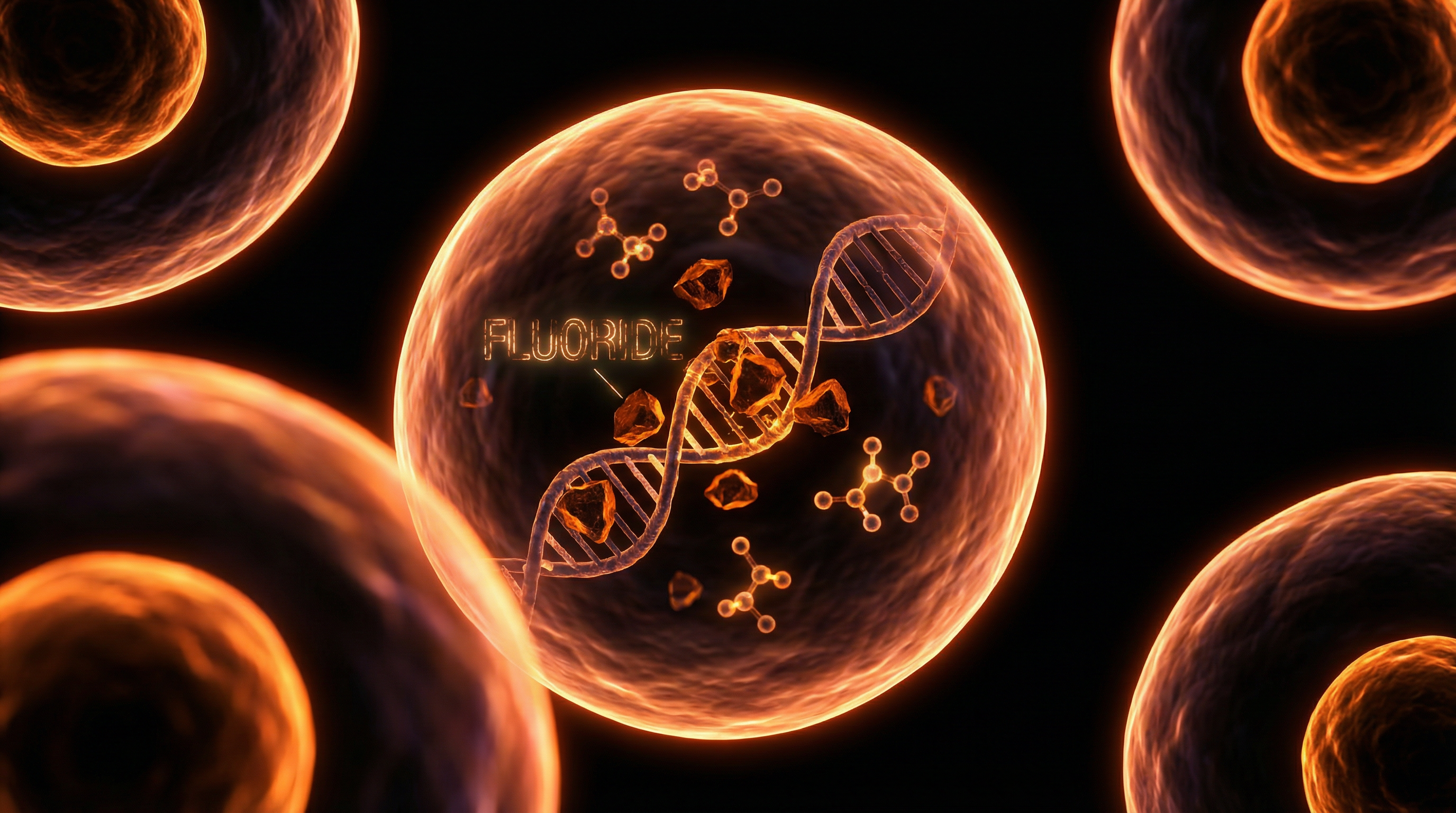
    Water fluoridation — the addition of sodium fluorosilicic acid to public water supplies — has been policy in parts of England since the 1960s, based on the premise that it reduces dental caries, yet the biological evidence for its safety is far more contested than official bodies acknowledge. Fluoride is classified as a neurotoxin in a landmark 2012 Harvard meta-analysis of 27 studies, which found a consistent association between childhood fluoride exposure and reduced IQ — a finding corroborated by subsequent NTP reviews in the United States. Beyond cognitive impacts, fluoride accumulates preferentially in the fluorapatite-rich tissues of the pineal gland and bone, with the UK's own Public Health England admitting that pineal fluoride concentrations can exceed those in skeletal tissue by a factor of three — mechanistically disrupting melatonin production, thyroid function, and long-term bone integrity.

    #fluoride#water fluoridation
    C
    Scientific illustration for Chemtrails and Geoengineering: The Aerosol Evidence
    Environmental Threats
    18 MIN READ

    Chemtrails and Geoengineering: The Aerosol Evidence

    Stratospheric aerosol injection — the deliberate dispersal of reflective particles into the upper atmosphere — has transitioned from fringe theory to acknowledged climate intervention strategy, with geoengineering programmes openly discussed in academic, governmental, and military literature. Independent analysis of precipitation, soil, and air samples collected near flight paths has repeatedly detected elevated concentrations of aluminium, barium, strontium, and titanium — compounds not present in aircraft fuel combustion but consistent with proposed aerosol formulations. The biological consequences of chronic inhalation and dietary ingestion of these nanoparticulate heavy metals are profound: aluminium is a documented neurotoxin, barium suppresses immune function, and strontium displaces calcium in bone tissue — collectively representing a population-level toxic exposure operating largely below the threshold of regulatory acknowledgement.

    #chemtrails#geoengineering
    M
    Scientific illustration for Microplastics: Synthetic Particles Now Inside Every Human Body
    Environmental Threats
    15 MIN READ

    Microplastics: Synthetic Particles Now Inside Every Human Body

    Microplastics — plastic fragments smaller than 5mm — and nanoplastics (sub-micron particles) have permeated every ecosystem on Earth and are now detectable in human blood, breast milk, placentae, lung tissue, liver, kidney, and testes, with a 2022 study published in Environment International providing the first direct evidence of microplastics circulating in human blood. These particles carry a complex chemical payload: not only the polymer base (including polypropylene, polyethylene, and polystyrene) but also the plasticisers, flame retardants, UV stabilisers, and heavy metal catalysts incorporated during manufacturing — compounds including phthalates, BPA, PFAS, cadmium, and lead that leach continuously from the plastic matrix into surrounding tissue. The biological consequences of this unprecedented internal contamination — including endocrine disruption, oxidative stress, inflammatory activation, gut barrier disruption, and reproductive toxicity — are only beginning to be characterised, yet the exposure continues to increase with every passing year of plastic production.

    #microplastics#nanoplastics
    E
    Scientific illustration for EMF and 5G: The Non-Thermal Biological Effects
    Environmental Threats
    19 MIN READ

    EMF and 5G: The Non-Thermal Biological Effects

    Electromagnetic fields (EMF) — including radiofrequency radiation from mobile phones, WiFi routers, smart meters, and the rapidly expanding 5G millimetre-wave infrastructure — interact with biological tissues through mechanisms that the current UK regulatory framework (based on ICNIRP guidelines focused on thermal effects) wholly fails to account for. The non-thermal biological effects of EMF exposure — including voltage-gated calcium channel activation, blood-brain barrier disruption, mitochondrial membrane potential collapse, ROS generation, and DNA strand breaks — have been documented in hundreds of peer-reviewed studies at exposure levels well below current safety thresholds. The rapid, uncharacterised mass deployment of 5G technology — operating at millimetre-wave frequencies that interact with skin and eye tissues in ways never studied in long-term human trials — represents one of the most consequential uncontrolled biological experiments in human history.

    #EMF#5G
    G
    Scientific illustration for Glyphosate: The World's Most Dangerous Chemical in Your Food
    Environmental Threats
    19 MIN READ

    Glyphosate: The World's Most Dangerous Chemical in Your Food

    Glyphosate — the active ingredient in Monsanto's Roundup herbicide — is the most extensively used agricultural chemical in human history, with over 10 billion kilograms applied globally since its commercial introduction in 1974. Its classification as 'probably carcinogenic to humans' by the WHO's International Agency for Research on Cancer (IARC) in 2015 stands in stark contrast to the continuing regulatory approvals it receives from bodies including the UK's Health and Safety Executive — approvals critics argue are based heavily on industry-funded studies. Beyond its carcinogenicity, glyphosate's patented mechanism as a broad-spectrum antibiotic, its direct disruption of the shikimate pathway in gut bacteria, its capacity to chelate essential minerals from food and the gut, and its ability to disrupt the tight junctions of the intestinal epithelium collectively make it the single most consequential dietary toxin in the modern food supply.

    #glyphosate#Roundup
    H
    Scientific illustration for Heavy Metals: The Invisible Accumulation Driving Chronic Disease
    Environmental Threats
    19 MIN READ

    Heavy Metals: The Invisible Accumulation Driving Chronic Disease

    Heavy metals — including mercury, lead, cadmium, arsenic, aluminium, and nickel — are dense metallic elements that accumulate in biological tissues because they lack metabolic pathways for excretion and have a high affinity for the sulphur-containing compounds found on essential enzymes and structural proteins throughout the body. Exposure routes are ubiquitous in modern Britain: mercury from dental amalgam fillings and contaminated fish, lead from old water pipes and contaminated soils in urban areas, cadmium from cigarette smoke and non-organic vegetables grown on phosphate-fertilised soils, arsenic from contaminated water and rice, and aluminium from cookware, antiperspirants, food additives (E173, E554), and atmospheric aerosols. Individually toxic, heavy metals interact synergistically — producing biological harm at combined exposures far below levels considered individually dangerous — and accumulate progressively over decades in the brain, bone, kidney, and liver, where they displace essential minerals, inhibit enzymes, generate oxidative stress, and drive the chronic disease conditions that now dominate NHS waiting lists.

    #heavy metals#mercury
    P
    Scientific illustration for Parasites: The Hidden Epidemic Nobody Talks About
    Environmental Threats
    19 MIN READ

    Parasites: The Hidden Epidemic Nobody Talks About

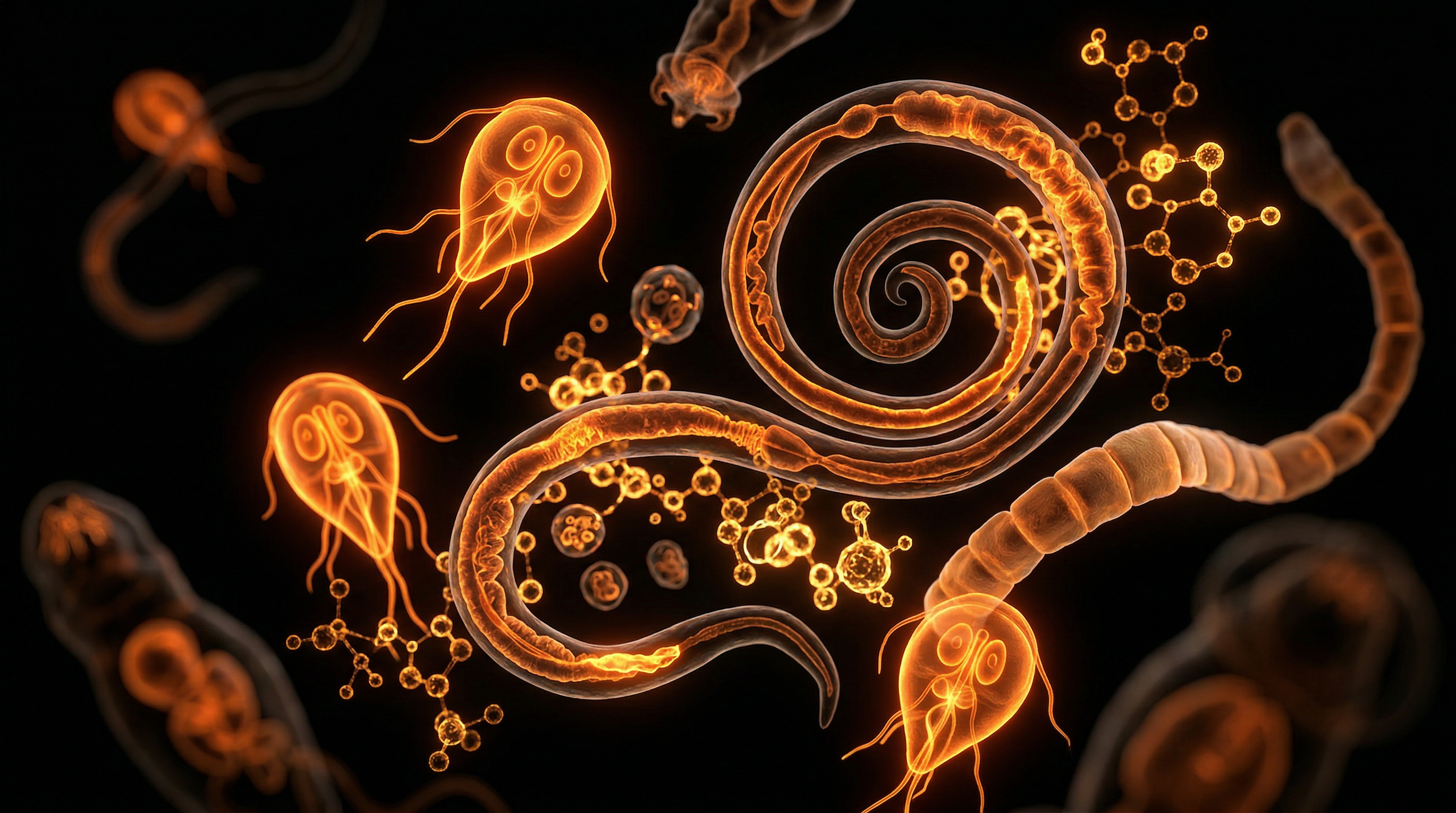
    Intestinal and systemic parasites — including protozoa such as Giardia and Toxoplasma, helminths including roundworm, tapeworm, and Blastocystis hominis, and ectoparasites — are far more prevalent in the UK population than official public health messaging acknowledges, with estimates suggesting that up to one third of the global population carries a helminth infection at any given time. Parasites are not merely a developing-world concern: Toxoplasma gondii — the parasite transmitted by undercooked meat and cat faeces — is estimated to infect up to one third of the UK population, with documented effects on behaviour, dopamine levels, and risk tolerance. Beyond direct tissue damage, parasites consume nutrients including B12, iron, and zinc; suppress immune surveillance; produce toxic metabolites that drive systemic inflammation; and create the gut permeability that enables secondary toxin absorption — making parasite burden a frequently overlooked root cause of chronic fatigue, anaemia, mental health disorders, and autoimmune conditions.

    #parasites#Toxoplasma
    W
    Scientific illustration for Contaminated Water: What's Really in Your UK Water Supply
    Environmental Threats
    20 MIN READ

    Contaminated Water: What's Really in Your UK Water Supply

    Tap water in the United Kingdom is routinely described as 'safe to drink' by regulators and water companies, yet independent analysis consistently reveals a complex cocktail of compounds beyond the simple minerals and trace elements of natural groundwater. Fluorosilicic acid and chlorine are deliberately added as water treatment agents; pharmaceutical residues including synthetic oestrogens from the contraceptive pill, antidepressants, antibiotics, and chemotherapy agents pass incompletely through sewage treatment and re-enter the water cycle; agricultural runoff introduces nitrates, pesticide metabolites, and veterinary medicine residues; and lead, copper, and legacy pipe infrastructure contribute heavy metal contamination that disproportionately affects pre-1970 housing stock across the UK. The cumulative daily exposure to this biochemical mixture — consumed at 2+ litres per day, absorbed through skin during bathing, and inhaled as vapour during showering — represents a continuous, largely unacknowledged toxin burden that standard water testing panels are neither designed nor required to fully detect.

    #water contamination#fluoride
    A
    Scientific illustration for Air Pollution: PM2.5 and the Invisible Killer Over UK Cities
    Environmental Threats
    17 MIN READ

    Air Pollution: PM2.5 and the Invisible Killer Over UK Cities

    Particulate matter with an aerodynamic diameter of 2.5 micrometres or less (PM2.5) — generated by traffic emissions, industrial combustion, agricultural burning, and secondary atmospheric chemical reactions — is the most thoroughly characterised environmental health threat in existence, responsible for an estimated 40,000 premature deaths in the UK annually according to the Royal College of Physicians. Unlike larger particles filtered by nasal mucosa, PM2.5 penetrates deep into the alveolar spaces of the lungs and crosses the alveolar-capillary membrane to enter systemic circulation, where it triggers endothelial dysfunction, systemic inflammation, and oxidative stress in organs far removed from the respiratory system. Most critically, ultrafine particles (PM0.1 and smaller) have been shown to cross the blood-brain barrier via the olfactory nerve, depositing directly in brain tissue and triggering the neuroinflammatory cascade that is now linked to dementia, stroke, and psychiatric conditions — with WHO air quality guidelines routinely exceeded in London and other major UK cities.

    #air pollution#PM2.5
    M
    Scientific illustration for Mycotoxins: The Toxic Mould Crisis in UK Homes
    Environmental Threats
    18 MIN READ

    Mycotoxins: The Toxic Mould Crisis in UK Homes

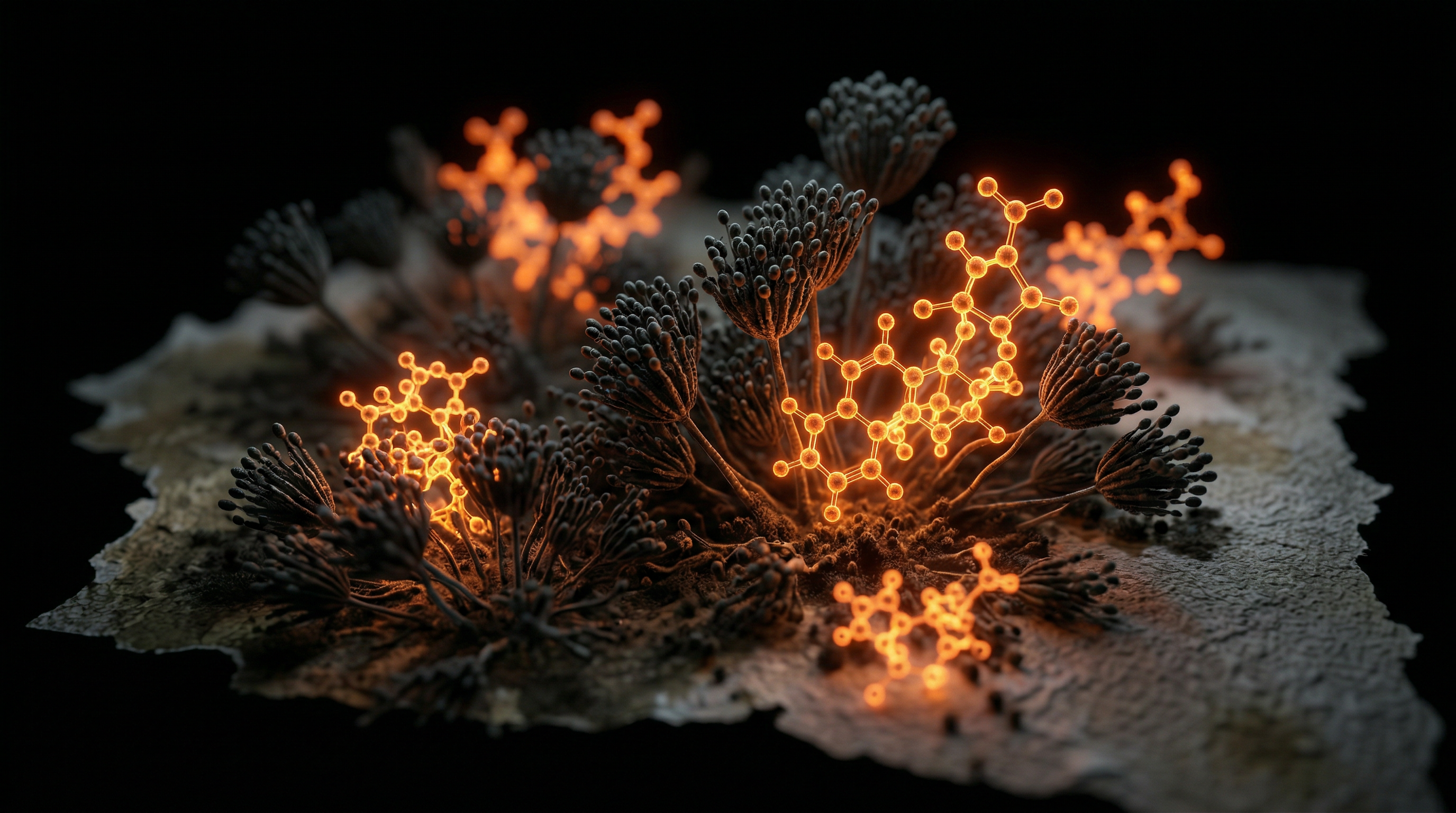
    Mycotoxins — potent secondary metabolites produced by toxigenic moulds including Aspergillus, Penicillium, Fusarium, and the notorious black mould Stachybotrys chartarum — are among the most biologically active and pathogenic compounds on Earth, with documented capacity to suppress immunity, damage the liver and kidneys, disrupt the endocrine system, cause neurotoxicity, and act as carcinogens at extremely low concentrations. The UK's predominantly old, damp, and poorly ventilated housing stock — exacerbated by energy-efficiency retrofits that reduce air exchange — creates ideal conditions for mould colonisation, with an estimated 14% of English homes affected by visible damp according to the English Housing Survey. Critically, mycotoxins are invisible, odourless at pathological concentrations, not eliminated by cleaning visible mould growth, and not screened for by NHS diagnostic protocols despite being a documented cause of the fatigue, cognitive dysfunction, respiratory disease, and immune dysregulation that millions of UK residents attribute to unexplained 'mystery illnesses'.

    #mycotoxins#mould
    W
    Scientific illustration for What's Really in UK Tap Water: Fluoride, Chlorine & Pharmaceutical Residues
    Environmental Threats
    14 MIN READ

    What's Really in UK Tap Water: Fluoride, Chlorine & Pharmaceutical Residues

    UK tap water contains a complex cocktail of treatment chemicals, agricultural runoff, industrial pollutants, and pharmaceutical residues that pass through standard water treatment intact. Chlorine and its disinfection byproducts (trihalomethanes) are linked to bladder cancer; fluoride accumulates in calcifying tissues; lead leaches from pre-1970 pipe infrastructure in millions of UK homes; and over 600 pharmaceutical compounds — including antidepressants, hormonal contraceptives, and antibiotics — have been detected in UK waterways at concentrations that affect aquatic biology and reach human consumers through the water cycle. The Drinking Water Inspectorate's standards reflect what is technically achievable, not what is biologically safe.

    #tap water#fluoride
    E
    Scientific illustration for EMF Radiation: The Non-Thermal Threat to Your Brain
    Environmental Threats
    15 MIN READ

    EMF Radiation: The Non-Thermal Threat to Your Brain

    Non-ionising electromagnetic radiation emitted by 5G infrastructure, WiFi routers, smart meters, and mobile devices activates voltage-gated calcium channels in cell membranes, triggering oxidative stress cascades, mitochondrial dysfunction, and blood-brain barrier breakdown through mechanisms entirely unaddressed by UK regulatory safety limits — which are based exclusively on thermal (heating) effects. Research by Professor Martin Pall and others has demonstrated measurable biological damage at exposures far below current ICNIRP guidelines, including DNA strand breaks, neurological impairment, reproductive harm, and calcium dysregulation. As 5G densification accelerates across UK cities, the gap between regulatory assurances and independent biological research grows increasingly alarming.

    #EMF#5G
    M
    Scientific illustration for Mercury Poisoning & Mitochondrial Damage: The ME/CFS Connection
    Environmental Threats
    15 MIN READ

    Mercury Poisoning & Mitochondrial Damage: The ME/CFS Connection

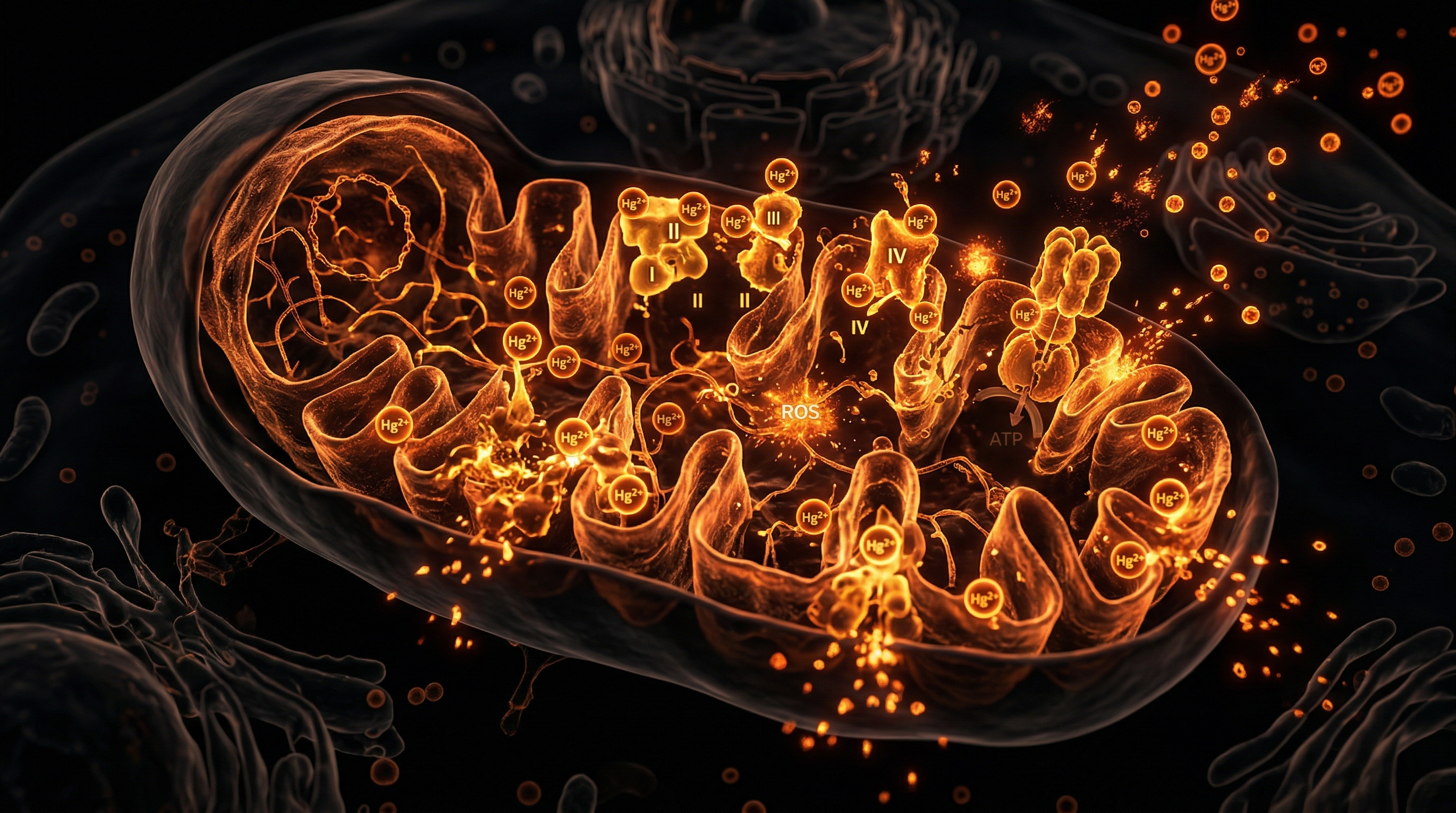
    Mercury from NHS-fitted amalgam dental fillings, predatory fish consumption, and thimerosal-containing pharmaceutical products is one of the most potent mitochondrial toxins known, with a specific affinity for the thiol groups of the electron transport chain enzymes responsible for ATP generation. By crippling cellular energy production, mercury creates the bioenergetic collapse that underlies ME/Chronic Fatigue Syndrome, progressive neurological decline, cardiac dysfunction, and immune dysregulation — conditions the NHS frequently misdiagnoses as psychiatric illness. The European Union's 2024 phase-down of dental amalgam, long resisted by UK dental bodies, represents a partial but belated acknowledgement of what independent toxicologists have been demonstrating for decades.

    #mercury#amalgam
    C
    Scientific illustration for Chemtrails & Aerial Aerosol Injection: What's in UK Skies?
    Environmental Threats
    15 MIN READ

    Chemtrails & Aerial Aerosol Injection: What's in UK Skies?

    Geoengineering programmes involving stratospheric aerosol injection — documented in scientific literature, government proposals, and independent atmospheric sampling — release microscopic particles of aluminium oxide, barium sulphate, and strontium into breathable air, where they settle into water supplies, agricultural soil, and the human respiratory tract. UK independent researchers have detected anomalous concentrations of these metals in rainwater, soil, and blood samples that correlate with persistent atmospheric trails observed on calm weather days. The intersection of aluminium inhalation, soil contamination, and water supply contamination creates a multi-route exposure burden with profound implications for neurological, immune, and respiratory health.

    #chemtrails#geoengineering
    T
    Scientific illustration for Toxic Beauty: The Chemical Burden of Personal Care Products
    Environmental Threats
    14 MIN READ

    Toxic Beauty: The Chemical Burden of Personal Care Products

    The average UK woman applies over 500 synthetic chemicals to her skin and body daily through deodorants, shampoos, moisturisers, cosmetics, and fragrances — many of which are known endocrine disruptors, carcinogens, or neurotoxins that are absorbed transdermally and accumulate in fatty tissue, breast milk, and blood. Aluminium-based antiperspirants deliver concentrated aluminium directly into lymphatic tissue adjacent to breast tissue; parabens mimic oestrogen and have been found intact in breast tumour biopsies; and synthetic fragrances — protected as trade secrets — contain undisclosed phthalates and musks. The MHRA and EU cosmetic regulations permit many of these compounds at levels industry lobbying has kept from public scrutiny.

    #cosmetics#parabens
    M
    Scientific illustration for Mould & Mycotoxins: The Hidden Epidemic in UK Homes
    Environmental Threats
    16 MIN READ

    Mould & Mycotoxins: The Hidden Epidemic in UK Homes

    Mycotoxins — toxic secondary metabolites produced by mould species including Aspergillus, Fusarium, Stachybotrys, and Penicillium — are amongst the most immunosuppressive compounds encountered in domestic environments, and are particularly prevalent in the UK's damp, poorly-ventilated housing stock. These compounds are highly lipophilic, cross the blood-brain barrier with ease, suppress T-regulatory cell function, trigger mast cell activation, and accumulate in fatty tissue where they drive chronic inflammatory responses that mimic autoimmune disease, neurological dysfunction, and chronic fatigue. NHS mycotoxin testing is almost non-existent, and mould illness is routinely dismissed as anxiety, depression, or medically unexplained symptoms.

    #mould#mycotoxins
    P
    Scientific illustration for Pesticides in the UK Food Supply: What DEFRA Won't Tell You
    Environmental Threats
    13 MIN READ

    Pesticides in the UK Food Supply: What DEFRA Won't Tell You

    The UK's Committee on Pesticide Residues routinely finds detectable pesticide residues in over 45% of UK food products tested annually, with multiple residues (the 'cocktail effect') found simultaneously in a significant proportion of samples — yet regulatory assessment of pesticide safety is conducted on individual compounds in isolation, systematically ignoring the synergistic toxicity of real-world combination exposure. Organophosphate insecticides, neonicotinoids, fungicides, and herbicides including glyphosate are detected in non-organic wheat, oats, soft fruits, leafy vegetables, and imported produce across the UK market. These compounds are documented neurotoxins, endocrine disruptors, gut microbiome destroyers, and immunosuppressants — whose cumulative biological impact on a population eating conventional produce daily represents an uncontrolled public health experiment with increasingly alarming epidemiological correlates.

    #pesticides#organophosphates