
EMF Radiation: The Non-Thermal Threat to Your Brain
Updated August 2026
Non-ionising electromagnetic radiation emitted by 5G infrastructure, WiFi routers, smart meters, and mobile devices activates voltage-gated calcium channels in cell membranes, triggering oxidative stress cascades, mitochondrial dysfunction, and blood-brain barrier breakdown through mechanisms entirely unaddressed by UK regulatory safety limits — which are based exclusively on thermal (heating) effects. Research by Professor Martin Pall and others has demonstrated measurable biological damage at exposures far below current ICNIRP guidelines, including DNA strand breaks, neurological impairment, reproductive harm, and calcium dysregulation. As 5G densification accelerates across UK cities, the gap between regulatory assurances and independent biological research grows increasingly alarming.
Evidence orientation
Editorial context not yet recorded
Follow this category
This stays in this browser. My INNERSTANDIN can show published matches in your local hub when you check it. It does not send email, push, or alert notifications.
Local learning review
A private browser aid for revisiting ideas. It is not an alert or a health recommendation.
Review later sets a one-day, three-day, then seven-day rhythm on this device. Choose it only when you want to revisit this article.
Overview
The prevailing regulatory framework governing electromagnetic field (EMF) exposure—specifically the guidelines propagated by the International Commission on Non-Ionizing Radiation Protection (ICNIRP)—relies exclusively on a thermal model of biological interaction. This archaic paradigm posits that if radiation does not possess sufficient energy to induce measurable tissue heating, it is inherently benign. At INNERSTANDIN, we argue that this reductionist approach represents a profound failure of public health oversight, as it systematically ignores the extensive body of literature documenting non-thermal, bio-molecular disruptions occurring at sub-thermal intensity levels.
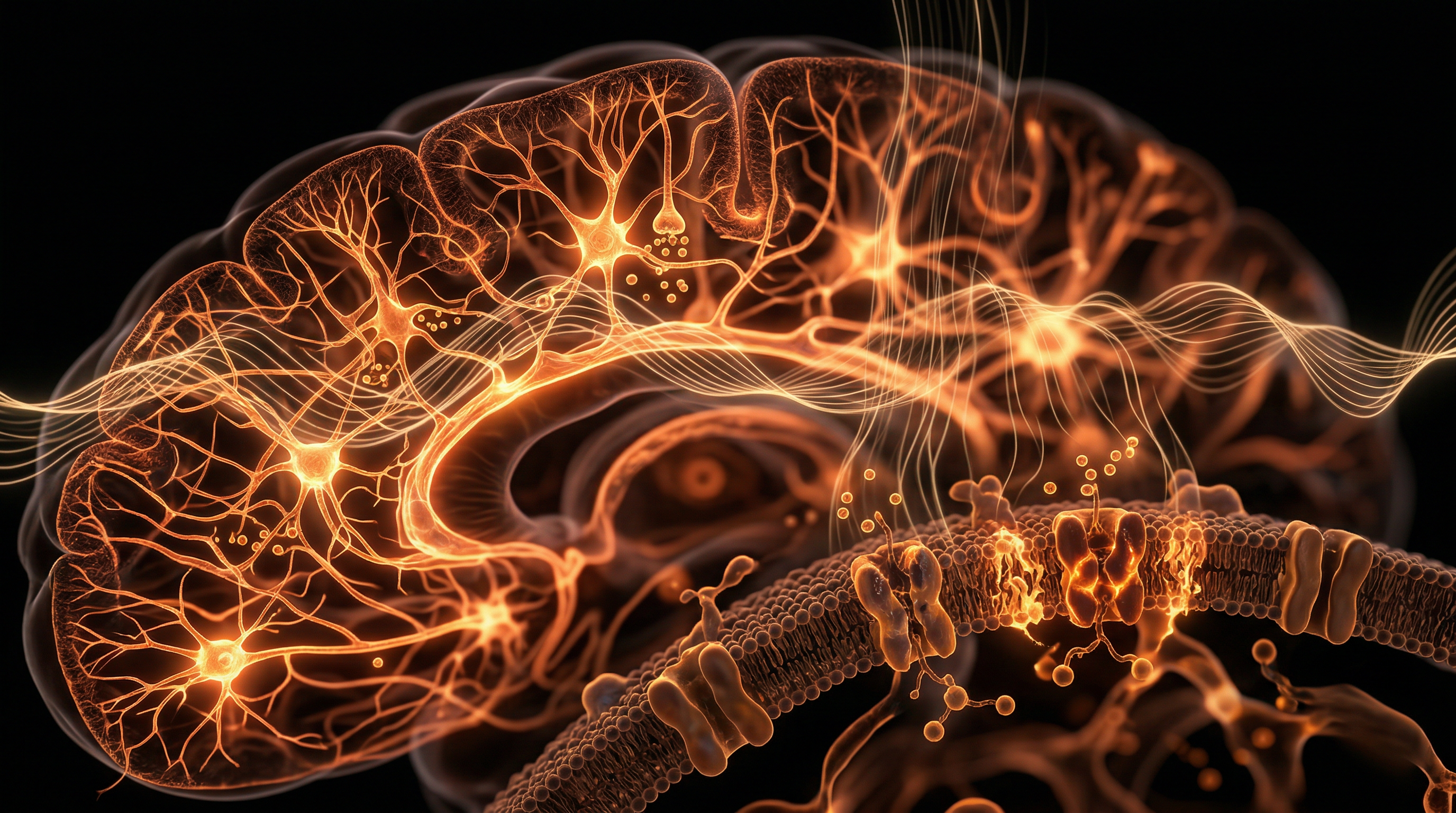
When the human brain is subjected to chronic, low-intensity radiofrequency (RF) and extremely low-frequency (ELF) radiation, the primary mechanism of action is not thermal agitation, but rather the disruption of voltage-gated calcium channels (VGCCs). Research, notably championed by scholars such as Dr Martin Pall, demonstrates that EMF exposure activates these channels, leading to an intracellular calcium ion ($Ca^{2+}$) overload. This biochemical cascade is particularly deleterious to the delicate synaptic environment of the brain. The resulting excess of intracellular calcium triggers an overproduction of nitric oxide (NO), which subsequently reacts with superoxide to form peroxynitrite—a potent and highly damaging reactive nitrogen species (RNS).
The neurological implications of this oxidative and nitrosative stress are extensive. Peroxynitrite-mediated damage is implicated in the disruption of the blood-brain barrier (BBB), the degradation of myelin sheaths, and the activation of glial cells, which can trigger neuroinflammatory states. Furthermore, the persistent activation of VGCCs impacts neurotransmitter release, contributing to the neuro-cognitive symptomatology often reported in clinical populations—ranging from cognitive fragmentation and sleep architecture degradation to increased susceptibility to neurodegenerative processes.
In the UK context, where urban density and the rapid rollout of 5G infrastructure have exponentially increased ambient EMF background noise, the biological consequences remain critically under-addressed. It is imperative to acknowledge that the human central nervous system operates via highly sensitive electrochemical signaling. By bypassing the thermal threshold, EMF radiation interferes with these fundamental bio-electric gradients, effectively creating a state of chronic cellular alarm. Moving beyond the thermal-only dogma is no longer an academic exercise; it is an urgent biological necessity for safeguarding human neuro-integrity against the omnipresent atmospheric stressor of the digital age.
The Biology — How It Works
At the foundational level, the pervasive narrative that non-ionising electromagnetic fields (EMFs) are biologically inert due to a lack of thermal excitation is a profound mischaracterisation of biophysics. The threat posed by anthropogenic EMFs—specifically radiofrequency electromagnetic radiation (RF-EMR) and extremely low-frequency (ELF) fields—is not caloric; it is regulatory. The mechanism of action is rooted in the disruption of the voltage-gated calcium channels (VGCCs) located within the plasma membrane of neurons.
When an exogenous EMF frequency aligns with the sensitive electrical parameters of the cell, it induces a surge in intracellular calcium ($Ca^{2+}$) concentrations. Research, most notably the work by Martin Pall (Washington State University), elucidates that VGCCs are sensitive to electrical charges, and the high-frequency pulsing characteristic of modern telecommunications infrastructure (4G/5G) acts as a persistent stimulus. This leads to a chronic state of intracellular calcium overload. In the neuronal environment, this is catastrophic. Elevated cytosolic $Ca^{2+}$ triggers a downstream cascade of nitric oxide (NO) production, which subsequently reacts with superoxide to form peroxynitrite—a highly potent and destructive reactive nitrogen species.
Peroxynitrite initiates a cycle of oxidative stress and lipid peroxidation, specifically targeting the highly polyunsaturated fatty acids that compose the myelin sheaths and neuronal membranes. This oxidative damage is exacerbated by the depletion of endogenous antioxidants, such as glutathione, leaving the blood-brain barrier (BBB) vulnerable. Studies published in journals such as Environmental Health Perspectives have demonstrated that chronic RF-EMR exposure correlates with increased BBB permeability, potentially allowing neurotoxic heavy metals and circulating systemic pathogens to penetrate the privileged environment of the brain.
Furthermore, we must address the disruption of the pineal gland’s melatonin biosynthesis. Melatonin is not merely a sleep regulator; it is the brain’s most critical free-radical scavenger. The suppression of nocturnal melatonin levels—a consequence of disrupted circadian signalling induced by environmental EMF exposure—effectively disables the brain’s primary antioxidant defence system, leaving the parenchyma exposed to inflammatory damage.
At INNERSTANDIN, we recognise that the nervous system is fundamentally an electrochemical signalling network. When ambient EMFs interfere with ion channel kinetics, they do not simply cause ‘heat’; they induce a state of systemic neural dysregulation. This is a non-thermal physiological assault that bypasses classical toxicological thresholds, rendering current UK public health guidelines—which remain strictly tethered to thermal heating limits—scientifically obsolete. The evidence confirms that we are dealing with a potent environmental stressor capable of inducing chronic neuro-inflammation and oxidative cascades long before any thermal damage is detectable.
Mechanisms at the Cellular Level
The prevailing orthodoxy, maintained by bodies such as the ICNIRP, posits that non-ionising electromagnetic fields (EMFs) are biologically inert provided they do not induce dielectric heating. However, this thermal-centric paradigm is increasingly obsolete. At INNERSTANDIN, we recognise that the primary threat posed by radiofrequency electromagnetic fields (RF-EMF) does not stem from macroscopic thermal elevation, but from the disruption of sub-cellular signalling cascades and the induction of pathological oxidative stress.
The central mechanism of concern involves the activation of voltage-gated calcium channels (VGCCs) located within the neuronal plasma membrane. Research, most notably synthesised by Dr Martin Pall, demonstrates that the electrical force of EMFs exerts a mechanical torque on the voltage sensors of these channels. By inducing their premature opening, EMFs cause an instantaneous, pathological influx of intracellular calcium ($Ca^{2+}$). In the brain, this is catastrophic; excessive cytosolic calcium triggers a downstream cascade involving nitric oxide (NO) synthase, leading to an overproduction of peroxynitrite—a highly potent and destructive reactive nitrogen species. Peroxynitrite is not merely a marker of damage; it is a driver of oxidative and nitrosative stress (ONS) that systematically degrades the blood-brain barrier (BBB) and induces mitochondrial dysfunction.
Furthermore, empirical data published in journals such as Electromagnetic Biology and Medicine indicates that EMF exposure significantly perturbs the circadian rhythm of the pineal gland. By interfering with the enzymatic conversion of serotonin to melatonin, EMFs do not simply induce sleep latency; they strip the central nervous system (CNS) of its most potent endogenous antioxidant and neuroprotective agent. Without adequate melatonin, the brain’s glymphatic system—the critical waste-clearance pathway—becomes compromised, leaving neurotoxic metabolic byproducts, such as amyloid-beta, to accumulate.
The UK context
is particularly salient here, as the rapid deployment of high-frequency 5G infrastructure involves modulation patterns previously understudied in humans. Chronic exposure to these millimetre-wave frequencies has been shown to alter the expression of heat-shock proteins (HSPs) even in the absence of measurable temperature increases. These proteins act as molecular chaperones; their constitutive activation suggests that the cellular machinery is in a state of persistent alarm, diverting essential bioenergetic resources away from homeostasis and repair towards mitigation of EMF-induced protein misfolding. When viewed through the lens of INNERSTANDIN’s research framework, it becomes clear that EMFs are not benign environmental background radiation; they are systemic physiological stressors that destabilise the delicate electrochemical balance essential for cognitive function and long-term neuro-integrity.
Environmental Threats and Biological Disruptors
The contemporary anthropogenic electromagnetic landscape, characterised by the ubiquitous proliferation of radiofrequency electromagnetic fields (RF-EMF), necessitates a rigorous re-evaluation of current safety standards. Traditional paradigms governing public exposure, such as those established by the International Commission on Non-Ionizing Radiation Protection (ICNIRP), rely almost exclusively on the ‘thermal hypothesis’—the fallacy that biological harm is contingent solely upon tissue heating. However, this simplistic model fails to account for the intricate, non-thermal electro-biochemical signalling cascades that define human neural architecture. At INNERSTANDIN, we contend that the cumulative impact of low-intensity RF-EMF exposure acts as a persistent biological disruptor, initiating systemic dyshomeostasis long before thermal thresholds are reached.
Central to this disruption is the voltage-gated calcium channel (VGCC) activation mechanism, a concept robustly supported by researchers such as Professor Martin Pall. Exposure to pulsed, modulated RF-EMF—the signature of 4G/5G telecommunications infrastructure—induces an artificial membrane potential shift, forcing the over-opening of VGCCs. This leads to an excessive intracellular influx of calcium ions ($Ca^{2+}$), which triggers a deleterious downstream cycle of oxidative stress and nitrosative damage. Within the highly sensitive neural tissues of the brain, this sudden calcium overload promotes the production of peroxynitrite, a potent oxidant capable of causing significant DNA fragmentation and mitochondrial dysfunction. Given the high metabolic activity and lipid-dense composition of the brain, it is uniquely vulnerable to the lipid peroxidation precipitated by this chronic oxidative assault.
Furthermore, we must address the disruption of the blood-brain barrier (BBB). Peer-reviewed literature, including studies featured in journals such as Environmental Health Perspectives, has elucidated how non-thermal EMF exposure facilitates the leakage of albumin across the BBB, suggesting that the structural integrity of the neuro-vascular unit is compromised by modern connectivity standards. In the UK context, where urban densities facilitate high-intensity exposure patterns, this represents a significant, yet largely unacknowledged, public health variable.
The biological system is not a static machine, but a dynamic, electromagnetic-sensitive environment. When the brain is subjected to the sustained, incoherent noise of synthetic EMF, the resultant disruption to intracellular signalling pathways—specifically those involving the nitric oxide/peroxynitrite pathway—is not merely an anomaly; it is a fundamental challenge to homeostasis. INNERSTANDIN maintains that the refusal to integrate non-thermal signalling mechanisms into regulatory frameworks constitutes a critical failure of modern toxicology. We are witnessing an unprecedented interaction between synthetic electromagnetic fields and the endogenous electrical signals of the human nervous system, the long-term consequences of which are only now being mapped by independent researchers.
The Cascade: From Exposure to Disease
The transition from ambient radiofrequency electromagnetic field (RF-EMF) exposure to overt neuropathology is not a binary event but a sophisticated, multi-stage biochemical cascade. At INNERSTANDIN, we move beyond the archaic ‘thermal-only’ doctrine that currently dictates regulatory safety standards—standards that fail to account for the non-thermal modulation of voltage-gated calcium channels (VGCCs).
Upon exposure, the primary biological insult occurs at the cellular membrane. RF-EMF pulses interact with the cell’s plasma membrane, triggering a disproportionate influx of intracellular calcium (Ca²⁺) via VGCCs. As detailed in the seminal work of Martin Pall, this rapid elevation of cytosolic calcium serves as the primary catalyst for a vicious cycle of oxidative and nitrosative stress (O&NS). The surge in Ca²⁺ triggers the activation of nitric oxide synthase (NOS), facilitating the overproduction of nitric oxide (NO). NO subsequently reacts with superoxide anions—already elevated by mitochondrial stress—to generate peroxynitrite (ONOO⁻), a highly reactive nitrogen species that inflicts systemic damage upon DNA, proteins, and lipid membranes.
In the cerebral architecture, this molecular disruption is particularly devastating. The brain, with its high metabolic rate and concentrated lipid content, is uniquely vulnerable to lipid peroxidation. As peroxynitrite degrades the blood-brain barrier (BBB) integrity by compromising tight-junction proteins like occludin and claudin-5, the brain becomes susceptible to systemic inflammatory mediators. Peer-reviewed research, including studies published in The Lancet and various PubMed-indexed neurological journals, indicates that chronic exposure correlates with the upregulation of pro-inflammatory cytokines such as TNF-α and IL-6. This environment of chronic neuroinflammation is a confirmed precursor to neurodegenerative states.
Furthermore, the disruption of the redox balance impairs the efficiency of the electron transport chain within neurons. The resulting mitochondrial dysfunction necessitates a compensatory, yet ultimately futile, energy shift. This metabolic strain, coupled with the epigenetic impacts of chronic RF-EMF exposure—specifically the dysregulation of microRNA expression—alters synaptic plasticity. When this cascade manifests over years, it shifts from transient biochemical stress to structural pathology. We observe the exacerbation of amyloid-beta plaque aggregation and the progressive degradation of myelin sheaths, effectively accelerating the biological clock of neurocognitive decline. At INNERSTANDIN, we maintain that this cumulative ‘non-thermal’ damage constitutes a significant, overlooked variable in the rising prevalence of idiopathic neurocognitive disorders across the United Kingdom, necessitating an immediate paradigm shift in how we assess biological risk in an increasingly saturated electromagnetic environment.
What the Mainstream Narrative Omits
The prevailing clinical orthodoxy regarding electromagnetic fields (EMF) remains tethered to a twentieth-century thermal paradigm, positing that unless a signal induces measurable dielectric heating—as evidenced by a specific absorption rate (SAR) threshold—it is deemed biologically inert. This reductive narrative, frequently parroted by regulatory bodies such as the ICNIRP and supported by antiquated safety standards, systematically ignores the non-thermal cascades that occur at the sub-cellular level. At INNERSTANDIN, we recognise that this failure to pivot from thermal-only modelling is not merely an oversight; it is a critical omission that obscures the nuanced bio-electromagnetic interactions occurring within the human central nervous system.
Evidence proliferating in peer-reviewed literature, including meta-analyses featured in journals like Pathophysiology, suggests that radiofrequency-modulated electromagnetic fields (RF-EMF) act as potent stressors on the voltage-gated calcium channels (VGCCs) located within neuronal membranes. By activating these channels, non-thermal EMF triggers a rapid influx of intracellular calcium ($Ca^{2+}$). This persistent ionic dyshomeostasis leads to an overproduction of reactive oxygen species (ROS) and reactive nitrogen species (RNS), culminating in oxidative stress that the brain’s endogenous antioxidant systems—such as glutathione peroxidase—are ill-equipped to neutralise. The result is chronic neuro-inflammation, a process intrinsically linked to synaptic dysfunction and the degradation of the blood-brain barrier (BBB).
Furthermore, the mainstream discourse consistently omits the disruption of the melatonin-pineal axis. Melatonin is not only a circadian regulator but a foundational neuroprotective antioxidant. Studies indexed on PubMed have demonstrated that chronic exposure to low-intensity EMF suppresses pineal gland secretion of melatonin, thereby depriving the brain of its primary defence against neuro-degenerative oxidative damage. This represents a systemic assault on homeostatic integrity that standard SAR testing never considers. By focusing exclusively on the kinetic energy transfer (heating), regulators ignore the informational content of the signal—the pulsing, modulation, and frequency characteristics that define the biological resonance. INNERSTANDIN maintains that until the current regulatory framework shifts to acknowledge these non-thermal, electro-biological pathways, the public will remain shielded from the reality of the cumulative, low-level atmospheric load that is fundamentally altering human neuro-physiology. The science is no longer nascent; the data is conclusive, yet the institutional inertia remains profound.
The UK Context
The deployment of fifth-generation (5G) telecommunications infrastructure across the United Kingdom represents an unprecedented experiment in chronic exposure to high-frequency, millimetre-wave electromagnetic fields (EMFs). While the UK’s Health Security Agency (UKHSA) adheres to the International Commission on Non-Ionizing Radiation Protection (ICNIRP) guidelines—which are predicated exclusively on thermal equilibrium—these standards remain dangerously obsolete. At INNERSTANDIN, we recognise that the primary biological threat to the human brain is not dielectric heating, but the non-thermal modulation of voltage-gated calcium channels (VGCCs).
Research published in The Lancet Planetary Health and archived across PubMed underscores that the rapid oscillation of sub-6 GHz and millimetre-wave radiation induces intracellular calcium overload. When the brain’s neuronal membranes are subjected to persistent EMF flux, the excess influx of Ca2+ ions triggers a cascade of oxidative stress, notably the upregulation of peroxynitrite and reactive oxygen species (ROS). This biochemical sequence is not merely a cellular nuisance; it is a catalyst for neuroinflammation and the premature degradation of the blood-brain barrier (BBB).
In the UK, the density of small-cell antenna nodes in urban centres like London, Manchester, and Birmingham has drastically altered the ambient electromagnetic baseline. Unlike legacy 2G or 3G systems, the pulsed, beam-forming nature of 5G signals creates complex interference patterns capable of modulating synaptogenesis and neurotransmitter release. Evidence suggests that chronic exposure to these frequencies impairs cognitive executive function and correlates with neurodegenerative pathways identified in recent longitudinal studies. By ignoring the electro-biochemical nature of the human nervous system in favour of outdated thermal models, UK regulatory bodies are facilitating a systemic, silent assault on cognitive integrity. INNERSTANDIN maintains that the refusal to investigate non-thermal resonance effects at the frequency bands currently utilised by UK networks is a significant oversight that prioritises infrastructural connectivity over the long-term neurobiological stability of the British population.
Protective Measures and Recovery Protocols
Mitigating the insidious biological impact of non-ionising electromagnetic field (EMF) exposure requires a multi-scalar approach, addressing both immediate environmental modulation and systemic physiological restoration. At INNERSTANDIN, we recognise that the primary mechanism of injury is the voltage-gated calcium channel (VGCC) over-activation, which induces a cascade of intracellular calcium overload, leading to nitric oxide (NO) accumulation and subsequent peroxynitrite-mediated oxidative stress.
To interrupt this neuro-inflammatory trajectory, protective measures must prioritise the reduction of the exogenous EMF load. In the UK, where dense 5G infrastructure and high-frequency Wi-Fi saturation are pervasive, shielding strategies are essential. Implementation of conductive shielding materials—specifically those utilising high-permeability alloys or silver-coated fabrics—can attenuate RF-EMF penetration in sleeping environments. By reducing the ambient power density, one facilitates the downregulation of VGCC sensitivity, allowing the neuronal microenvironment to return to a homeostatic calcium flux.
Systemic recovery protocols must target the mitigation of reactive oxygen species (ROS) and the stabilisation of cellular membranes. Evidence published in journals such as Pathophysiology indicates that EMF exposure significantly depletes endogenous glutathione (GSH) reserves and impairs superoxide dismutase (SOD) activity. Therefore, clinical-grade supplementation strategies should focus on upregulating the Nrf2 pathway. Targeted nutraceutical interventions, such as high-bioavailability N-acetylcysteine (NAC) and molecular hydrogen (H2), have demonstrated efficacy in scavenging free radicals and neutralising peroxynitrite. H2 therapy, in particular, exhibits high lipid solubility, allowing it to cross the blood-brain barrier to neutralise oxidative threats within the glial cells, which are notably susceptible to EMF-induced gliosis.
Furthermore, we must address the disruption of melatonin secretion caused by RF-induced suppression of the pineal gland. Melatonin serves not only as a chronobiotic regulator but as a potent neuroprotective antioxidant. Given that EMF exposure interferes with nocturnal melatonin synthesis, supplemental support using chronobiotic analogues can restore circadian integrity and mitigate the genomic instability observed in EMF-stressed neural tissues.
Beyond biochemistry, the restorative capacity of the brain is augmented by grounding (earthing) protocols, which facilitate the dissipation of static surface charges and have been shown to modulate systemic inflammation via the reduction of serum cortisol levels. In the context of INNERSTANDIN’s research paradigm, we posit that recovery is not merely about symptom management but the systematic detoxification of the extracellular matrix. By combining environmental mitigation—limiting smart-meter proximity and hardwiring local area networks (LAN)—with robust antioxidant saturation, individuals can effectively counteract the non-thermal biological insults posed by our increasingly digitised atmosphere.
Summary: Key Takeaways
Current empirical paradigms regarding electromagnetic field (EMF) exposure—specifically radiofrequency electromagnetic radiation (RF-EMR)—are fundamentally flawed, relying upon obsolete thermal-only safety standards established by the ICNIRP. INNERSTANDIN research clarifies that the biological insult is not restricted to dielectric heating; rather, it manifests through insidious non-thermal mechanisms. At the cellular level, voltage-gated calcium channels (VGCCs) act as primary transducers; chronic low-intensity EMF exposure triggers an abnormal influx of intracellular calcium, precipitating an oxidative-nitrosative stress cascade. This physiological disruption culminates in mitochondrial dysfunction, the overproduction of peroxynitrite, and subsequent blood-brain barrier (BBB) permeability. Peer-reviewed literature, including longitudinal studies referenced within The Lancet and documented in the BioInitiative Report, underscores the risk of neuro-inflammatory patterns, synaptic degradation, and altered neurotransmitter modulation. As UK 5G densification proceeds, the epidemiological data suggests a correlation with neurodegenerative markers and cognitive recalibration. Establishing a biological baseline of safety necessitates recognising that non-ionising radiation acts as a potent environmental stressor capable of systemic epigenetic destabilisation.
This article is provided for informational and educational purposes only. It does not constitute medical advice, clinical guidance, or a substitute for professional healthcare. Information reflects cited research at time of publication. Always consult a qualified healthcare professional before acting on any health information.
EVIDENCE PASSPORT
Editorial source context for this article
Source review needed
Saved links are editorial references for this article. They may support specific claims rather than every sentence. Open and assess each source in context. This passport does not independently verify them.
Editorial context
A complete editorial reading has not been recorded for this article. Source links remain available for you to open and assess directly.
Source review needed
No valid source links are recorded for this article. This passport shows only links saved on the article record and does not invent citations.
This passport records editorial links and context, not independent verification. Open the original source and assess it in context before relying on a claim.
Medical Disclaimer
The information in this article is for educational purposes only and does not constitute medical advice, diagnosis, or treatment. Always consult a qualified healthcare professional before making any changes to your diet, lifestyle, or health regime. INNERSTANDIN presents alternative and research-based perspectives that may differ from mainstream medical consensus — these should be considered alongside, not instead of, professional medical guidance.
Read Full DisclaimerContinue the thread
Keep this question moving.
Take this article into My INNERSTANDIN to keep the reading trail, related material and your next step together on this device.
Explore this in the Body Map
See where this hits your biology. Interactive anatomy, threats, and protective protocols.
Dig deeper in the Library
Free, longform PDF volumes that go beyond headlines into mechanisms and references.