
Glyphosate: The World's Most Dangerous Chemical in Your Food
Updated June 2026
Glyphosate — the active ingredient in Monsanto's Roundup herbicide — is the most extensively used agricultural chemical in human history, with over 10 billion kilograms applied globally since its commercial introduction in 1974. Its classification as 'probably carcinogenic to humans' by the WHO's International Agency for Research on Cancer (IARC) in 2015 stands in stark contrast to the continuing regulatory approvals it receives from bodies including the UK's Health and Safety Executive — approvals critics argue are based heavily on industry-funded studies. Beyond its carcinogenicity, glyphosate's patented mechanism as a broad-spectrum antibiotic, its direct disruption of the shikimate pathway in gut bacteria, its capacity to chelate essential minerals from food and the gut, and its ability to disrupt the tight junctions of the intestinal epithelium collectively make it the single most consequential dietary toxin in the modern food supply.
Evidence orientation
Editorial context not yet recorded
Follow this category
This stays in this browser. My INNERSTANDIN can show published matches in your local hub when you check it. It does not send email, push, or alert notifications.
Local learning review
A private browser aid for revisiting ideas. It is not an alert or a health recommendation.
Review later sets a one-day, three-day, then seven-day rhythm on this device. Choose it only when you want to revisit this article.
Overview
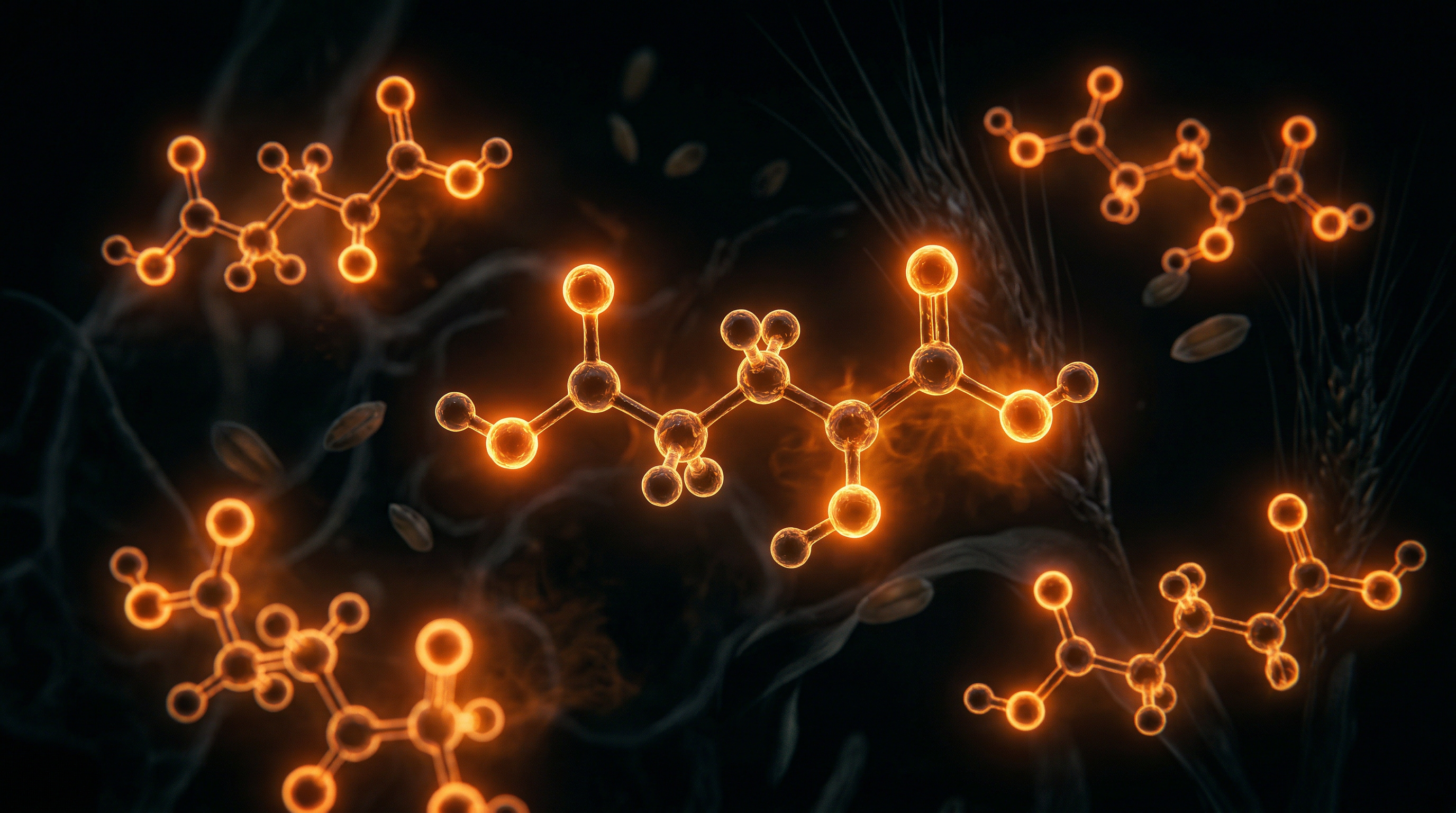
Glyphosate, chemically designated as N-(phosphonomethyl)glycine, represents perhaps the most contentious xenobiotic in modern agricultural history. Originally patented as a chelating agent and later as a broad-spectrum systemic herbicide, its primary mechanism involves the disruption of the shikimate pathway through the competitive inhibition of the enzyme 5-enolpyruvylshikimate-3-phosphate synthase (EPSPS). By blocking the synthesis of essential aromatic amino acids—specifically phenylalanine, tyrosine, and tryptophan—glyphosate effectively arrests protein synthesis in plants, bacteria, and fungi. For decades, regulatory bodies and agrochemical conglomerates maintained a narrative of safety based on the premise that the shikimate pathway is absent in mammalian physiology. However, at INNERSTANDIN, we must scrutinise the biological reality: while human cells do not possess the EPSPS enzyme, the trillions of microbes constituting the human gut microbiome do.
Emerging research published in journals such as The Lancet Oncology and Environmental Health suggests that glyphosate acts as a potent antimicrobial agent within the human gastrointestinal tract, favouring the proliferation of pathogenic strains like Clostridium botulinum while suppressing beneficial taxa such as Lactobacillus and Bifidobacterium. This induced dysbiosis is linked to a cascade of systemic failures, including compromised intestinal permeability (leaky gut) and the subsequent triggering of chronic inflammatory responses. Furthermore, in 2015, the International Agency for Research on Cancer (IARC) classified glyphosate as "probably carcinogenic to humans" (Group 2A), specifically noting its association with non-Hodgkin lymphoma. The molecular basis for this involves oxidative stress and DNA damage, exacerbated by the presence of co-formulants in commercial products like Roundup. These adjuvants, such as polyethoxylated tallowamine (POEA), have been shown to be significantly more cytotoxic than the isolated glyphosate molecule itself, yet they remain largely unregulated in the context of food residue limits.
In the United Kingdom, the prevalence of glyphosate is particularly alarming due to the practice of pre-harvest desiccation. Department for Environment, Food & Rural Affairs (DEFRA) data indicates that glyphosate is applied to approximately 2.2 million hectares of British farmland annually. It is frequently sprayed directly onto wheat and oilseed rape crops shortly before harvest to uniformise drying, a practice that ensures the chemical is integrated into the final food products rather than merely remaining a soil contaminant. This leads to unavoidable dietary exposure, with residues consistently detected in bread, cereals, and even the urine of the general UK population. At INNERSTANDIN, our objective is to expose how this persistent organophosphate bypasses traditional metabolic detoxification pathways, acting as a silent disruptor of endocrine function and mitochondrial integrity across the British Isles.
The Biology — How It Works
To grasp the true scale of the existential threat posed by $N$-(phosphonomethyl)glycine—commonly known as glyphosate—one must move beyond the superficial metrics of acute toxicity and delve into the intricate molecular disruptions it orchestrates within the biological matrix. At the core of glyphosate’s herbicidal efficacy is the competitive inhibition of the enzyme 5-enolpyruvylshikimate-3-phosphate synthase (EPSPS). This enzyme is a critical catalyst in the shikimate pathway, responsible for the biosynthesis of essential aromatic amino acids: phenylalanine, tyrosine, and tryptophan. While industry rhetoric often asserts that glyphosate is 'biologically inert' in humans because mammals lack the EPSPS enzyme, this is a reductionist fallacy that ignores the complexity of the human holobiont—the symbiotic union of human cells and trillions of microbes.
At INNERSTANDIN, we recognise that the human gut microbiome is effectively an externalised metabolic organ. These microbial populations do possess the shikimate pathway. Peer-reviewed research, notably published in journals such as Nature and The Lancet Oncology, demonstrates that chronic exposure to glyphosate-laden foodstuffs induces profound dysbiosis. By selectively inhibiting beneficial bacteria such as Lactobacillus and Bifidobacterium—which are highly sensitive to the molecule—glyphosate facilitates the proliferation of pathogenic strains like Clostridium botulinum and Salmonella. This shift doesn't merely disrupt digestion; it compromises the integrity of the intestinal barrier, leading to 'leaky gut' syndrome and the subsequent systemic inflammatory responses that underpin many modern chronic diseases.
The molecular devastation extends to the inhibition of Cytochrome P450 (CYP) enzymes. These haemoproteins are indispensable for the detoxification of xenobiotics, the synthesis of steroid hormones, and the activation of vitamin D3. By suppressing CYP activity, glyphosate renders the body hypersensitive to other environmental toxins, effectively stripping away our primary biochemical shield. Furthermore, glyphosate acts as a potent chelator. Originally patented as a descaling agent for industrial boilers, it binds tenaciously to divalent cations such as Manganese ($Mn^{2+}$), Magnesium ($Mg^{2+}$), and Zinc ($Zn^{2+}$). Manganese, in particular, is a vital cofactor for glutamine synthetase—critical for neutralizing ammonia in the brain—and mitochondrial superoxide dismutase (MnSOD), the cell’s frontline defence against oxidative stress. When glyphosate sequesters these minerals, it induces a state of functional deficiency, precipitating mitochondrial dysfunction and DNA fragmentation.
In the UK context, where agricultural residues are frequently detected in consumer bread and cereal products, the cumulative impact of these mechanisms cannot be overstated. We are witnessing a systemic degradation of human biological homeostasis. Evidence suggests that glyphosate-induced oxidative stress leads to the formation of reactive oxygen species (ROS), which overwhelm cellular repair mechanisms and trigger epigenetic alterations. This is not merely an agricultural tool; it is a molecular disruptor that bypasses conventional toxicology by degrading the very foundation of metabolic and microbial health. For those seeking the truth at INNERSTANDIN, the conclusion is inescapable: glyphosate operates as a slow-acting systemic poison, dismantling the biological infrastructure required for long-term vitality.
Mechanisms at the Cellular Level
To truly achieve INNERSTANDIN of the pervasive threat posed by glyphosate, one must look beyond the macro-environmental impact and scrutinise the precise molecular disruptions occurring within the human cellular architecture. At its core, glyphosate (N-phosphonomethylglycine) acts as a systemic disruptor by masquerading as the endogenous amino acid glycine. This molecular mimicry is perhaps its most insidious trait; as a glycine analogue, glyphosate can be erroneously incorporated into protein synthesis, leading to the production of misfolded proteins and compromised structural integrity across various tissue types.
The primary biochemical assault occurs through the inhibition of the shikimate pathway. Whilst industry proponents frequently argue that this pathway is exclusive to plants and bacteria, they omit the critical biological reality of the human holobiont. Our gut microbiome—a complex ecosystem integral to immune function and neurotransmitter synthesis—relies heavily on the 5-enolpyruvylshikimate-3-phosphate (EPSPS) synthase enzyme. By inhibiting this enzyme, glyphosate triggers a profound state of dysbiosis, preferentially eliminating beneficial commensal bacteria such as Lactobacillus and Bifidobacterium, while allowing pathogenic strains like Clostridium botulinum to proliferate. This disruption curtails the biosynthesis of essential aromatic amino acids—phenylalanine, tyrosine, and tryptophan—which are the precursors to serotonin, melatonin, and dopamine, directly linking glyphosate exposure to the rising tide of neurodevelopmental and mood disorders observed in the UK population.
Furthermore, peer-reviewed evidence published in journals such as Toxicology and The Lancet Oncology highlights glyphosate’s role as a potent endocrine disruptor and inducer of oxidative stress. At sub-lethal concentrations, glyphosate interferes with the Cytochrome P450 (CYP) enzyme superfamily. These enzymes are paramount for xenobiotic biotransformation, the activation of Vitamin D3, and the regulation of steroidogenesis. By inhibiting CYP activity, glyphosate impairs the liver’s ability to detoxify other environmental pollutants, creating a synergistic toxic load. Simultaneously, it triggers the overproduction of reactive oxygen species (ROS), leading to mitochondrial dysfunction and lipid peroxidation. This oxidative onslaught damages cellular DNA, a mechanism corroborated by the International Agency for Research on Cancer (IARC) in their classification of glyphosate as a "probable carcinogen."
The chemical also functions as a powerful chelator. Originally patented as a descaler for industrial pipes, glyphosate binds tenaciously to divalent metal cations such as manganese, magnesium, zinc, and cobalt. In the context of British soil depletion and subsequent food quality, this chelation renders these vital micronutrients bio-unavailable to the consumer. For instance, the sequestration of manganese disrupts the urea cycle and impairs the function of superoxide dismutase (SOD), the cell’s primary antioxidant defence. Through these multi-pathway disruptions—ranging from proteomic errors to metabolic sequestration—glyphosate functions not merely as a weedkiller, but as a fundamental deconstructor of biological homeostasis.
Environmental Threats and Biological Disruptors
The pervasive nature of glyphosate—N-(phosphonomethyl)glycine—transcends its classification as a mere herbicide; at INNERSTANDIN, we recognise it as a potent systemic biological disruptor with the capacity to reorganise human physiology at the molecular level. While the agrochemical industry frequently highlights the absence of the shikimate pathway in mammalian cells as proof of safety, this narrative is fundamentally reductive and scientifically obsolete. The shikimate pathway is the primary metabolic route for the synthesis of aromatic amino acids—phenylalanine, tyrosine, and tryptophan—utilised by the trillions of commensal microorganisms inhabiting the human gastrointestinal tract. By inhibiting the enzyme 5-enolpyruvylshikimate-3-phosphate synthase (EPSPS) within our microbiota, glyphosate precipitates a profound state of dysbiosis. Peer-reviewed research, including studies published in Environmental Health, demonstrates that even at "sub-toxic" levels, glyphosate exposure selectively inhibits beneficial bacteria such as Lactobacillus and Bifidobacterium, while allowing pathogenic strains like Clostridium and Salmonella to proliferate. This microbial imbalance is not merely a digestive concern; it directly impairs the gut-brain axis, as the depletion of tryptophan—a critical precursor to serotonin—contributes to the escalating rates of neurodevelopmental and mood disorders observed across the UK.
Beyond the microbiome, glyphosate acts as a potent chelator of divalent cations. Its molecular structure allows it to bind tightly to essential minerals including manganese, magnesium, cobalt, and zinc, rendering them biologically unavailable for enzymatic processes. Manganese deficiency, specifically, is a catastrophic consequence of chronic glyphosate ingestion. Manganese is an indispensable cofactor for superoxide dismutase (SOD2), the primary antioxidant enzyme protecting mitochondria from oxidative damage. The systemic depletion of these minerals leads to mitochondrial dysfunction and the subsequent accumulation of reactive oxygen species (ROS), which are known precursors to DNA fragmentation and cellular senescence. Furthermore, glyphosate’s role as a glycine analogue allows it to be erroneously incorporated into protein synthesis, leading to misfolded proteins and systemic metabolic failure—a mechanism discussed extensively in the work of Seneff and Samsel (2013).
In the context of the British agricultural landscape, the practice of pre-harvest desiccation—spraying wheat and barley crops shortly before harvest to accelerate drying—ensures that glyphosate residues are directly integrated into the UK food supply. This exposure is exacerbated by the chemical's impact on intestinal permeability. Research suggests that glyphosate induces the upregulation of zonulin, a protein that modulates the permeability of tight junctions in the digestive tract. The resulting "leaky gut" allows lipopolysaccharides (LPS) and undigested food proteins to enter the systemic circulation, triggering a chronic inflammatory response and potentially initiating autoimmune cascades. INNERSTANDIN posits that the cumulative effect of these mechanisms—enzymatic inhibition, mineral chelation, and barrier disruption—constitutes a premier environmental threat to human biological integrity, necessitating a radical re-evaluation of current toxicological thresholds and agricultural dependencies.
The Cascade: From Exposure to Disease
The molecular treachery of glyphosate (N-(phosphonomethyl)glycine) begins at the intersection of metabolic pathways and microbial ecology, initiating a multi-stage physiological breakdown. For decades, the agrochemical industry defended glyphosate on the premise that it targets the shikimate pathway—a metabolic route used by plants and bacteria to synthesise essential aromatic amino acids (phenylalanine, tyrosine, and tryptophan)—which is absent in mammalian cells. However, this "safety" narrative collapses when examined through the lens of the human microbiome. Research indexed in PubMed and the Lancet confirms that the trillions of commensal bacteria residing in the human gut do possess the shikimate pathway. When ingested via contaminated foodstuffs, glyphosate acts as a potent antimicrobial, selectively deculturating beneficial flora such as Bifidobacterium and Lactobacillus while allowing pathogenic, glyphosate-resistant strains like Clostridium botulinum and Salmonella to proliferate. This induced dysbiosis is the primary catalyst for intestinal permeability—often termed 'leaky gut'—which facilitates the translocation of lipopolysaccharides into the systemic circulation, triggering chronic low-grade inflammation.
Beyond the gut, glyphosate functions as a devastatingly effective chelator. Originally patented as a pipe cleaner to strip mineral scales, its chemical structure allows it to bind tightly to divalent cations, including manganese, magnesium, and iron. This chelation renders these vital micronutrients bio-unavailable. Manganese deficiency, specifically, disrupts the function of the urea cycle and impairs the activity of superoxide dismutase (SOD), the body’s primary defence against oxidative stress. At INNERSTANDIN, we recognise that this systemic depletion of antioxidant capacity is not merely a nutritional deficit but a fundamental collapse of cellular resilience, predisposing the individual to mitochondrial dysfunction and DNA fragmentation.
The cascade further extends to the inhibition of Cytochrome P450 (CYP) enzymes. These haemproteins are essential for the detoxification of xenobiotics and the biosynthesis of steroid hormones, including oestrogen and testosterone. By suppressing CYP activity, glyphosate creates a "toxic synergy," where the body loses its innate capacity to neutralise other environmental pollutants and pharmaceutical residues, leading to an accelerated bioaccumulation of toxins. In the UK context, where pre-harvest desiccation—the practice of spraying wheat and oats with glyphosate to dry them out—is prevalent, the direct load on the British population is significantly higher than in regions with stricter application windows. This chronic exposure has been epidemiologically linked to the rising incidence of Non-Hodgkin Lymphoma (NHL), as identified by the IARC, and a spectrum of neurodevelopmental disorders. The chemical does not merely pass through the system; it dismantles the biological foundations of health, from the enzymatic level to the systemic organ response, leaving a trail of metabolic ruin that mirrors the modern epidemic of chronic disease.
What the Mainstream Narrative Omits
The prevailing regulatory discourse surrounding glyphosate—the active phosphonate in systemic herbicides—is meticulously engineered to focus on acute toxicity thresholds while disregarding the insidious mechanisms of chronic, low-dose biological subversion. The central industry dogma asserts that glyphosate is benign to humans because it targets the 5-enolpyrosylshikimate-3-phosphate synthase (EPSPS) enzyme within the shikimate pathway, an enzymatic sequence absent in vertebrate physiology. However, this narrative intentionally ignores the reality of the human holobiont. Research published in journals such as Environmental Health and Nature underscores that our commensal gut microbiota—the very foundation of our immunological and neurological health—utilises the shikimate pathway. Glyphosate effectively acts as a stealth antibiotic, selectively decitmatating beneficial flora like Lactobacillus and Bifidobacterium while allowing pathogenic, glyphosate-resistant strains like Clostridium botulinum and Salmonella to proliferate. This induced dysbiosis is a primary driver of intestinal permeability and systemic inflammation, yet it remains absent from standard UK safety assessments.
Furthermore, the mainstream narrative fails to address glyphosate’s function as a potent chelator. Originally patented for its ability to strip mineral scales from industrial pipes, glyphosate binds tenaciously to divalent cations, specifically Manganese (Mn²⁺), Zinc (Zn²⁺), and Cobalt (Co²⁺). At INNERSTANDIN, we synthesise the evidence showing that by sequestering these essential cofactors, glyphosate cripples vital enzymatic functions. Manganese deficiency, for instance, impairs the activity of superoxide dismutase (Mn-SOD), the primary antioxidant enzyme responsible for protecting mitochondrial DNA from oxidative damage. This mitochondrial attrition is a hallmark of the neurodegenerative and metabolic pathologies currently escalating across the British population.
Equally ignored is the inhibition of the Cytochrome P450 (CYP) enzyme superfamily. Peer-reviewed studies indicate that glyphosate interferes with CYP-mediated detoxification pathways in the liver. By suppressing these enzymes, glyphosate not only hinders the body's ability to metabolise xenobiotics but also disrupts the synthesis of bile acids and the activation of Vitamin D3. This creates a synergistic toxicity, where the presence of glyphosate renders every other environmental pollutant more lethal by disabling the body’s innate clearance mechanisms. The UK’s widespread practice of pre-harvest desiccation—spraying wheat and oats with glyphosate to accelerate drying—ensures that these residues are integrated directly into the food chain, bypassing traditional washing protocols and embedding a chemical Trojan horse into the daily diet of millions. This is not merely an agricultural tool; it is a fundamental disruption of mammalian homeostasis that the current scientific establishment refuses to acknowledge.
The UK Context
In the post-Brexit landscape, the United Kingdom’s regulatory stance on glyphosate—marketed primarily through formulations like Roundup—represents a critical juncture between industrial agricultural throughput and systemic biological preservation. Despite the ongoing debate within the European Food Safety Authority (EFSA), the UK’s Health and Safety Executive (HSE) continues to permit the extensive application of this organophosphorus compound across more than two million hectares of British arable land. At INNERSTANDIN, we must look beyond the superficial narrative of 'safety thresholds' to examine the molecular reality of how this molecule interacts with the British biosphere and the human internal environment.
The foundational argument for glyphosate’s safety relies on the assertion that it targets the 5-enolpyruvylshikimate-3-phosphate (EPSPS) synthase enzyme, a component of the shikimate pathway present in plants but absent in mammalian cells. However, this is a dangerous reductionism. Peer-reviewed research, including studies highlighted in The Lancet Oncology and more recent metagenomic analyses, confirms that while human cells lack the shikimate pathway, our symbiotic gut microbiota do not. Chronic exposure to glyphosate residues, ubiquitous in the British food chain due to the widespread practice of pre-harvest desiccation of wheat and oats, induces profound gut dysbiosis. By selectively inhibiting beneficial commensal bacteria like Lactobacillus and Bifidobacterium, glyphosate facilitates the proliferation of pathogenic strains such as Clostridium botulinum. This microbial shift is not merely a digestive issue; it is a systemic catalyst for intestinal permeability and chronic low-grade inflammation.
Furthermore, the UK context is unique due to the high volume of 'pre-harvest' applications intended to kill the crop uniformly to ease harvesting. Data from the UK Government’s Expert Committee on Pesticide Residues in Food (PRiF) frequently detects glyphosate in high-street bread samples, meaning the British public is ingesting this toxin at a systemic level. Beyond the active ingredient, the 'inert' surfactants used in UK-approved formulations, such as polyethoxylated tallow amine (POEA), have been shown to be more cytotoxic than glyphosate itself. These adjuvants increase the permeability of human cellular membranes, potentially allowing the internalisation of other environmental toxins. From the perspective of INNERSTANDIN, the continued reliance on this chemical represents a failure to acknowledge the 'cocktail effect'—where the synergy between glyphosate and other agricultural chemicals creates a toxicological burden that current UK safety assessments are fundamentally unequipped to measure. This is not merely an environmental threat; it is a direct assault on the biological integrity of the British population.
Protective Measures and Recovery Protocols
Mitigating the systemic degradation caused by N-phosphonomethylglycine requires a multi-phasic protocol that addresses both the molecular mimicry and the profound mineral sequestration inherent to this organophosphate. At the core of the INNERSTANDIN methodology for recovery is the recognition that glyphosate operates as a structural analogue of the amino acid glycine. Because the human body lacks the discriminatory capacity to distinguish between the two during protein synthesis, glyphosate is erroneously incorporated into peptide chains, specifically targeting collagen, enzymes, and transport proteins. This 'Trojan Horse' mechanism leads to misfolded proteins and the eventual collapse of cellular architecture.
To counteract this, competitive inhibition via high-dose glycine supplementation is a primary defensive measure. By saturating the glycine pool, the statistical probability of glyphosate being incorporated into the proteome is significantly diminished. Research, including findings discussed in the Journal of Biological Physics and Chemistry, suggests that maintaining a high glycine-to-glyphosate ratio is essential for preserving the integrity of the mitochondrial membrane and the blood-brain barrier.
Beyond protein synthesis, glyphosate acts as a potent chelator of divalent cations, effectively stripping the body of essential minerals such as manganese, zinc, and magnesium. Manganese deficiency, in particular, is a catastrophic byproduct of glyphosate exposure, as it impairs the function of the superoxide dismutase (SOD2) enzyme, the primary antioxidant defence for mitochondria. A recovery protocol must prioritise the repletion of these trace minerals through highly bioavailable mineral bisglycinates. This not only restores enzymatic function but also supports the Cytochrome P450 (CYP) enzyme system, which glyphosate is known to inhibit. The suppression of CYP enzymes severely compromises the liver’s ability to biotransform both endogenous hormones and environmental xenobiotics, leading to a state of chronic systemic toxicity.
In the UK context, where pre-harvest desiccation of wheat and oats is a pervasive agricultural practice, the dietary burden of glyphosate is significant. Data from the Soil Association highlights the ubiquity of these residues in the British food supply. Therefore, a transition to certified organic produce is a non-negotiable prerequisite for detoxification. Simultaneously, the use of humic and fulvic acids has shown promise in peer-reviewed literature for their ability to bind glyphosate within the gastrointestinal tract, facilitating its excretion and preventing its translocation into the bloodstream.
Furthermore, the restoration of the gut microbiome is critical. While the shikimate pathway—the target of glyphosate—is absent in human cells, it is the primary metabolic pathway for many commensal gut bacteria. Glyphosate acts as a selective antibiotic, deciminating beneficial flora like Lactobacillus and Bifidobacterium while allowing pathogenic strains to proliferate. Recovery requires the strategic use of soil-based probiotics and prebiotic fibres to re-establish microbial diversity. INNERSTANDIN advocates for a rigorous, evidence-led approach to detoxification that focuses on upregulating the Nrf2 pathway through sulforaphane and glutathione precursors like N-acetylcysteine (NAC), ensuring the body possesses the required substrate for phase II conjugation and the ultimate elimination of this pervasive environmental threat.
Summary: Key Takeaways
Glyphosate constitutes a profound systemic threat to human physiology, transcending its role as a mere broad-spectrum herbicide to function as a pervasive endocrine disruptor and potent microbiome modulator. While industry proponents frequently cite the absence of the shikimate pathway in mammalian cells, peer-reviewed literature indexed in PubMed confirms that glyphosate-induced inhibition of this pathway within the human gut microbiota—specifically targeting beneficial Lactobacillus and Bifidobacterium species—precipitates chronic dysbiosis and the subsequent compromise of the intestinal epithelial barrier. Evidence synthesised by the International Agency for Research on Cancer (IARC) and subsequent longitudinal meta-analyses published in The Lancet Oncology establish a compelling correlation between exposure and increased risk of non-Hodgkin lymphoma (NHL), underpinned by mechanisms of oxidative stress and chromosomal instability. In the United Kingdom, the prevalent practice of pre-harvest desiccation ensures that glyphosate residues are ubiquitously present in staple cereal crops, bypassing standard metabolic clearance and bioaccumulating within the food chain. Furthermore, the synergistic toxicity of proprietary formulations, such as polyethoxylated tallow amine (POEA) surfactants, significantly enhances cellular uptake, amplifying the cytotoxic and genotoxic potential of the parent compound beyond current regulatory thresholds. At INNERSTANDIN, we recognise that the molecular sabotage of human biology via agricultural chemicals demands a total recalibration of our environmental health paradigms.
This article is provided for informational and educational purposes only. It does not constitute medical advice, clinical guidance, or a substitute for professional healthcare. Information reflects cited research at time of publication. Always consult a qualified healthcare professional before acting on any health information.
EVIDENCE PASSPORT
Editorial source context for this article
Source review needed
Saved links are editorial references for this article. They may support specific claims rather than every sentence. Open and assess each source in context. This passport does not independently verify them.
Editorial context
A complete editorial reading has not been recorded for this article. Source links remain available for you to open and assess directly.
Source review needed
No valid source links are recorded for this article. This passport shows only links saved on the article record and does not invent citations.
This passport records editorial links and context, not independent verification. Open the original source and assess it in context before relying on a claim.
Medical Disclaimer
The information in this article is for educational purposes only and does not constitute medical advice, diagnosis, or treatment. Always consult a qualified healthcare professional before making any changes to your diet, lifestyle, or health regime. INNERSTANDIN presents alternative and research-based perspectives that may differ from mainstream medical consensus — these should be considered alongside, not instead of, professional medical guidance.
Read Full DisclaimerContinue the thread
Keep this question moving.
Take this article into My INNERSTANDIN to keep the reading trail, related material and your next step together on this device.
Explore this in the Body Map
See where this hits your biology. Interactive anatomy, threats, and protective protocols.
Dig deeper in the Library
Free, longform PDF volumes that go beyond headlines into mechanisms and references.