All INNERSTANDIN content is for educational purposes only — not medical advice, diagnosis or treatment. Full Disclaimer →

    BACK TO DATABASE
    TAGGED RESEARCH

    #glyphosate

    37TRANSMISSIONS FOUND
    G
    Scientific illustration for Glyphosate: The World's Most Dangerous Chemical in Your Food
    Environmental Threats
    14 MIN READ

    Glyphosate: The World's Most Dangerous Chemical in Your Food

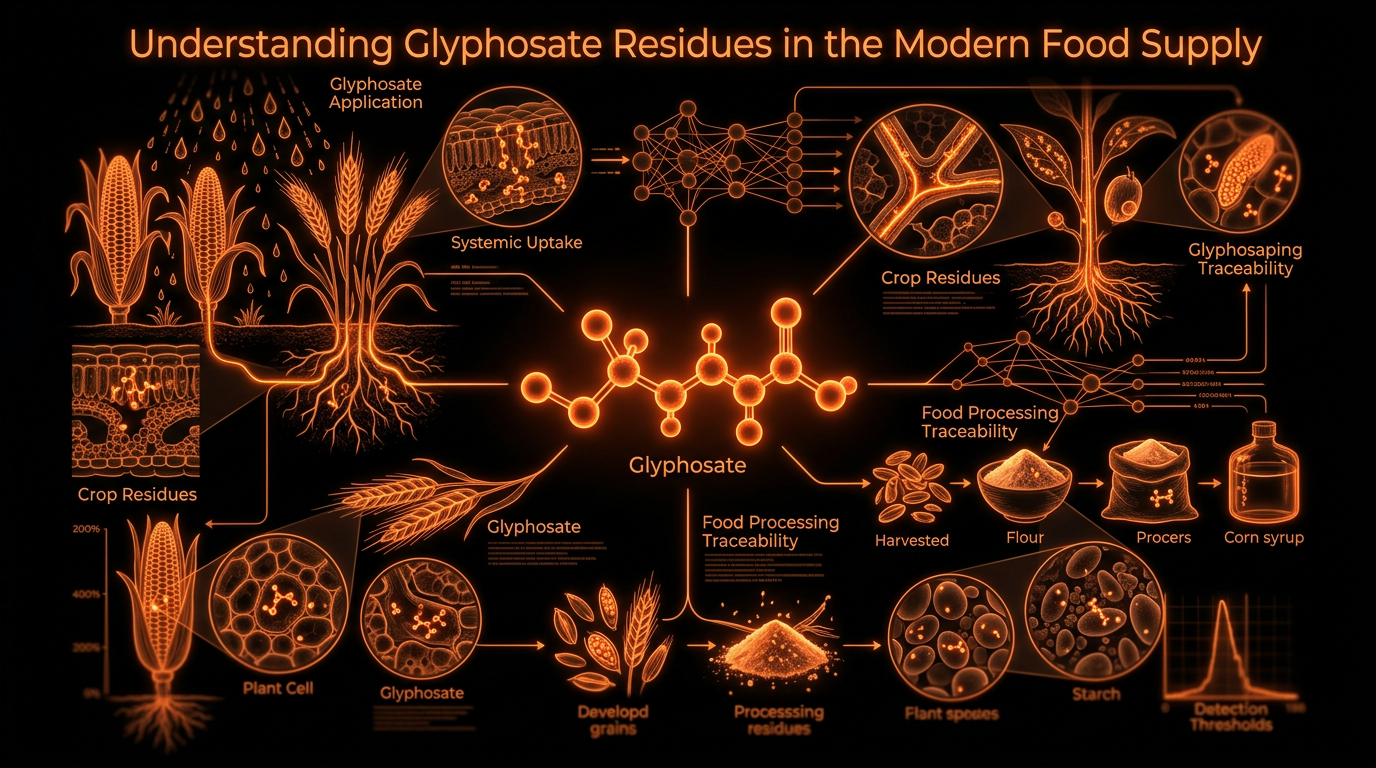
    Glyphosate — the active ingredient in Monsanto's Roundup herbicide — is the most extensively used agricultural chemical in human history, with over 10 billion kilograms applied globally since its commercial introduction in 1974. Its classification as 'probably carcinogenic to humans' by the WHO's International Agency for Research on Cancer (IARC) in 2015 stands in stark contrast to the continuing regulatory approvals it receives from bodies including the UK's Health and Safety Executive — approvals critics argue are based heavily on industry-funded studies. Beyond its carcinogenicity, glyphosate's patented mechanism as a broad-spectrum antibiotic, its direct disruption of the shikimate pathway in gut bacteria, its capacity to chelate essential minerals from food and the gut, and its ability to disrupt the tight junctions of the intestinal epithelium collectively make it the single most consequential dietary toxin in the modern food supply.

    #glyphosate#Roundup
    E
    Scientific illustration for The Electron Transport Chain: Where Energy Becomes Life
    Mitochondria
    15 MIN READ

    The Electron Transport Chain: Where Energy Becomes Life

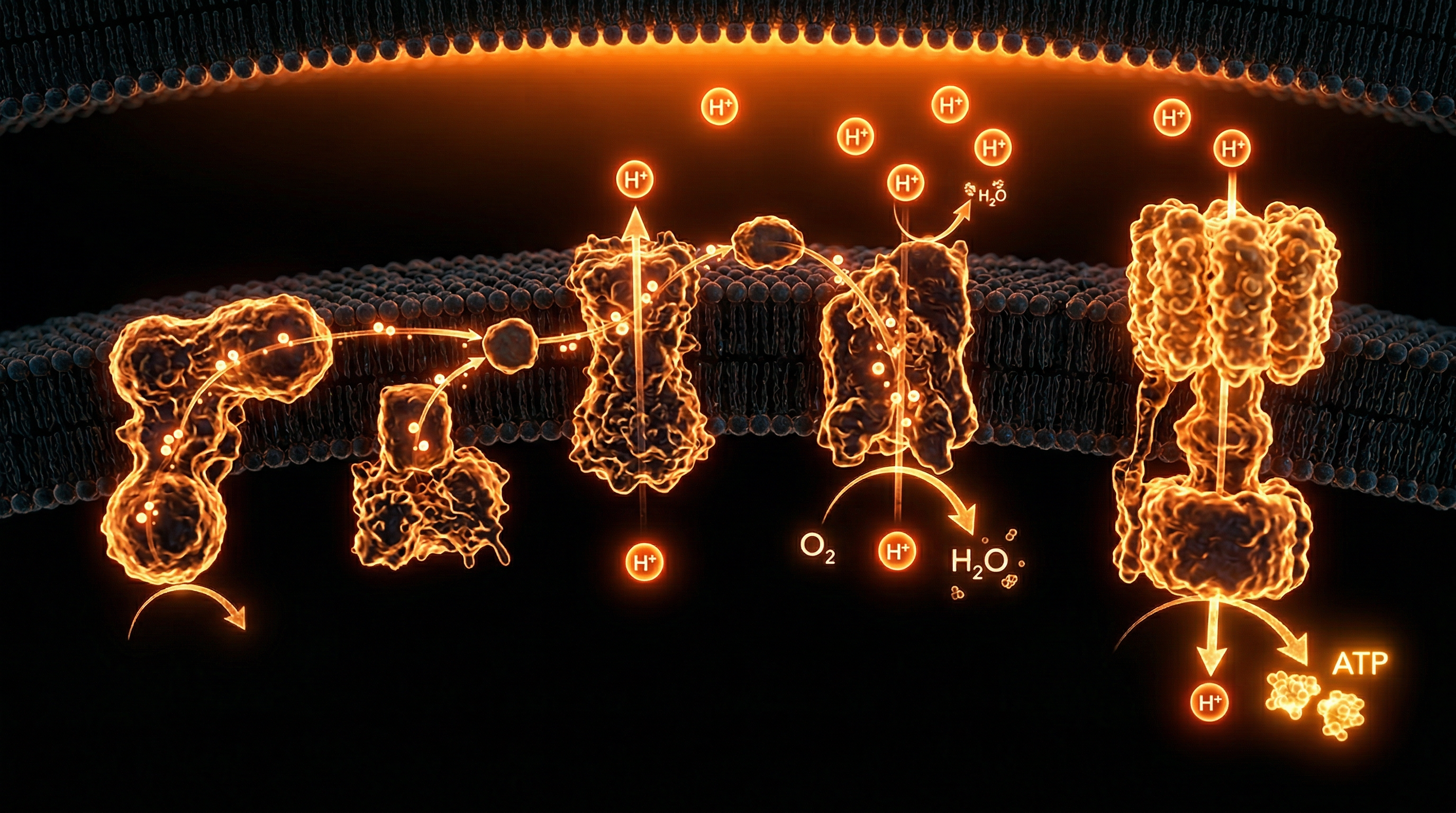
    The mitochondrial electron transport chain — five protein complexes (I through V) embedded in the inner mitochondrial membrane — is the molecular machinery that extracts energy from glucose, fats, and amino acids to drive the synthesis of ATP, the universal energy currency of all biological life. Heavy metals, particularly mercury and lead, have a specific affinity for the thiol groups of Complex I and Complex II, inhibiting electron flow and causing the uncoupled production of superoxide — one of the most damaging reactive oxygen species. Glyphosate, rotenone, and a range of pharmaceutical agents including statins and metformin are documented Complex I inhibitors, creating a bioenergetic deficit that manifests as the fatigue, cognitive decline, and muscle weakness characteristic of modern chronic illness.

    #electron transport chain#ATP
    L
    Scientific illustration for Leaky Gut & Autoimmunity: The Connection Medicine Won't Make
    Immune System
    13 MIN READ

    Leaky Gut & Autoimmunity: The Connection Medicine Won't Make

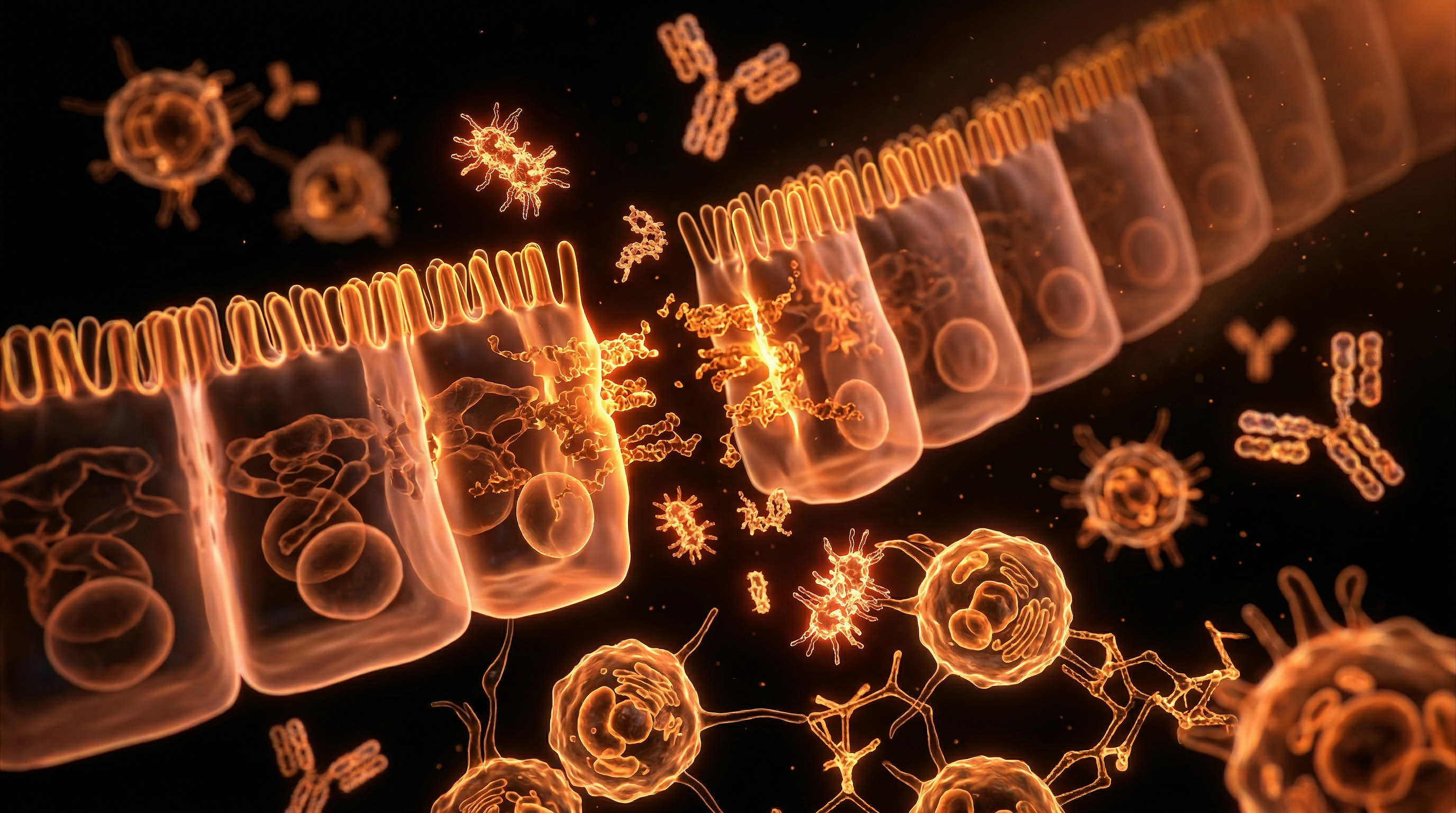
    Intestinal hyperpermeability — the pathological opening of the tight junction proteins claudin, occludin, and zonulin that seal the gaps between intestinal epithelial cells — allows partially digested dietary proteins, bacterial endotoxins (particularly lipopolysaccharide), and environmental chemicals to enter the systemic circulation and trigger the immune dysregulation that drives every autoimmune condition from multiple sclerosis to rheumatoid arthritis, Hashimoto's thyroiditis, and type 1 diabetes. The mechanisms of leaky gut are now well-established in the scientific literature — triggered primarily by glyphosate, dietary emulsifiers, non-steroidal anti-inflammatory drugs, alcohol, and chronic psychological stress — yet gastroenterology continues to diagnose and treat the downstream autoimmune consequences in isolation whilst ignoring the upstream intestinal lesion. Resolving intestinal permeability is the non-negotiable foundation of genuine autoimmune recovery.

    #leaky gut#intestinal permeability
    G
    Scientific illustration for The Gut Microbiome: 39 Trillion Allies Under Assault
    Nervous System
    15 MIN READ

    The Gut Microbiome: 39 Trillion Allies Under Assault

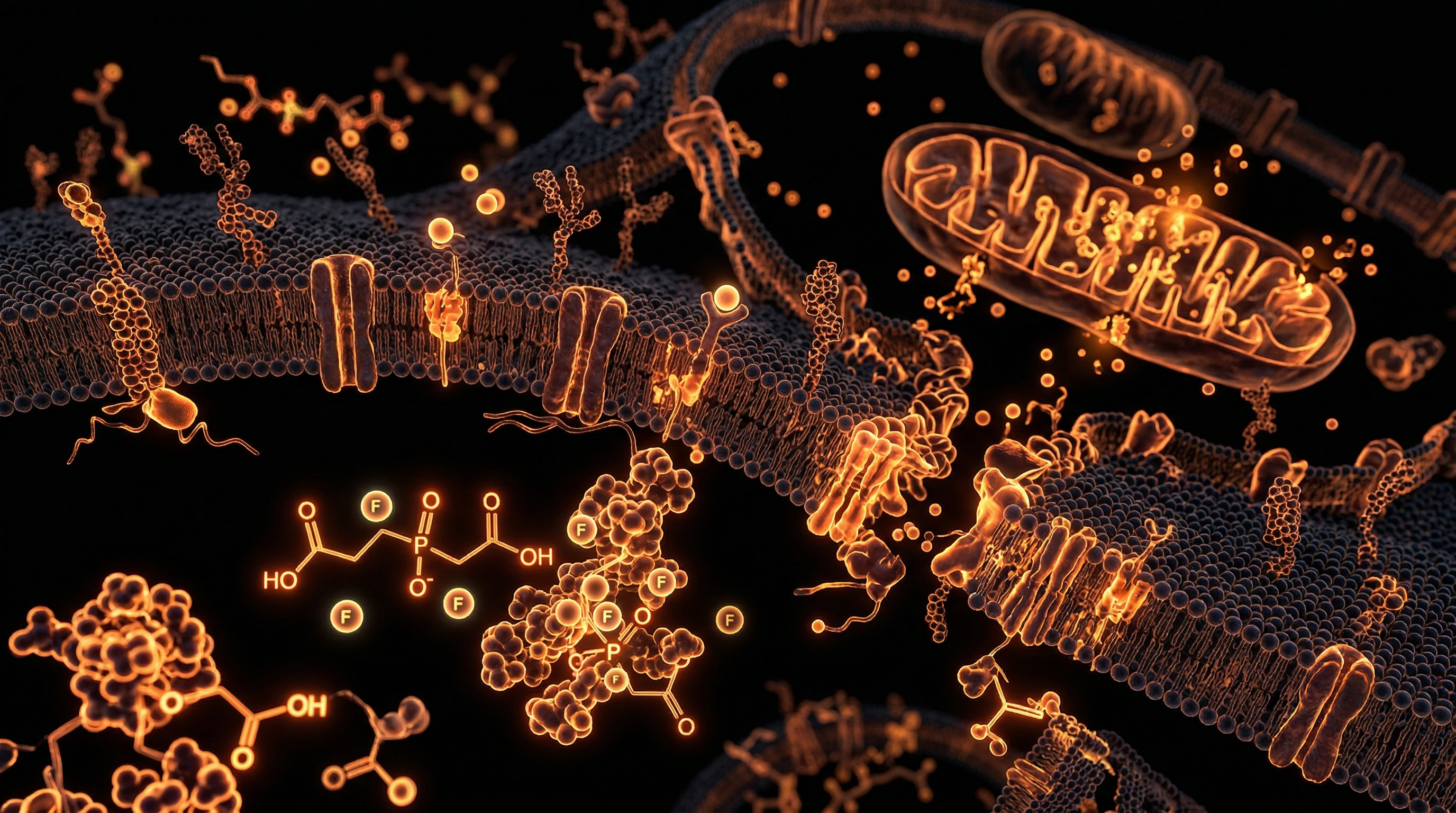
    The human gut microbiome — the collective genome of approximately 39 trillion bacterial, archaeal, viral, and fungal organisms inhabiting the gastrointestinal tract — encodes 150 times more genes than the human genome and performs metabolic functions indispensable to human health including the synthesis of essential vitamins, the production of short-chain fatty acids that fuel colonocytes and modulate systemic immunity, the metabolism of pharmaceutical drugs and dietary phytochemicals, and the education of the mucosal immune system in distinguishing self from pathogen. Broad-spectrum antibiotics, glyphosate (a patented antibiotic), ultra-processed food emulsifiers, fluoridated water, chronic stress, and pharmaceutical acid suppressants collectively devastate microbiome diversity and allow pathobiont overgrowth — creating the dysbiotic terrain that underlies the IBS, Crohn's disease, systemic autoimmunity, mental illness, obesity, and neurodegenerative disease epidemic of the 21st century.

    #microbiome#gut bacteria
    P
    Scientific illustration for Pesticides in the UK Food Supply: What DEFRA Won't Tell You
    Environmental Threats
    13 MIN READ

    Pesticides in the UK Food Supply: What DEFRA Won't Tell You

    The UK's Committee on Pesticide Residues routinely finds detectable pesticide residues in over 45% of UK food products tested annually, with multiple residues (the 'cocktail effect') found simultaneously in a significant proportion of samples — yet regulatory assessment of pesticide safety is conducted on individual compounds in isolation, systematically ignoring the synergistic toxicity of real-world combination exposure. Organophosphate insecticides, neonicotinoids, fungicides, and herbicides including glyphosate are detected in non-organic wheat, oats, soft fruits, leafy vegetables, and imported produce across the UK market. These compounds are documented neurotoxins, endocrine disruptors, gut microbiome destroyers, and immunosuppressants — whose cumulative biological impact on a population eating conventional produce daily represents an uncontrolled public health experiment with increasingly alarming epidemiological correlates.

    #pesticides#organophosphates