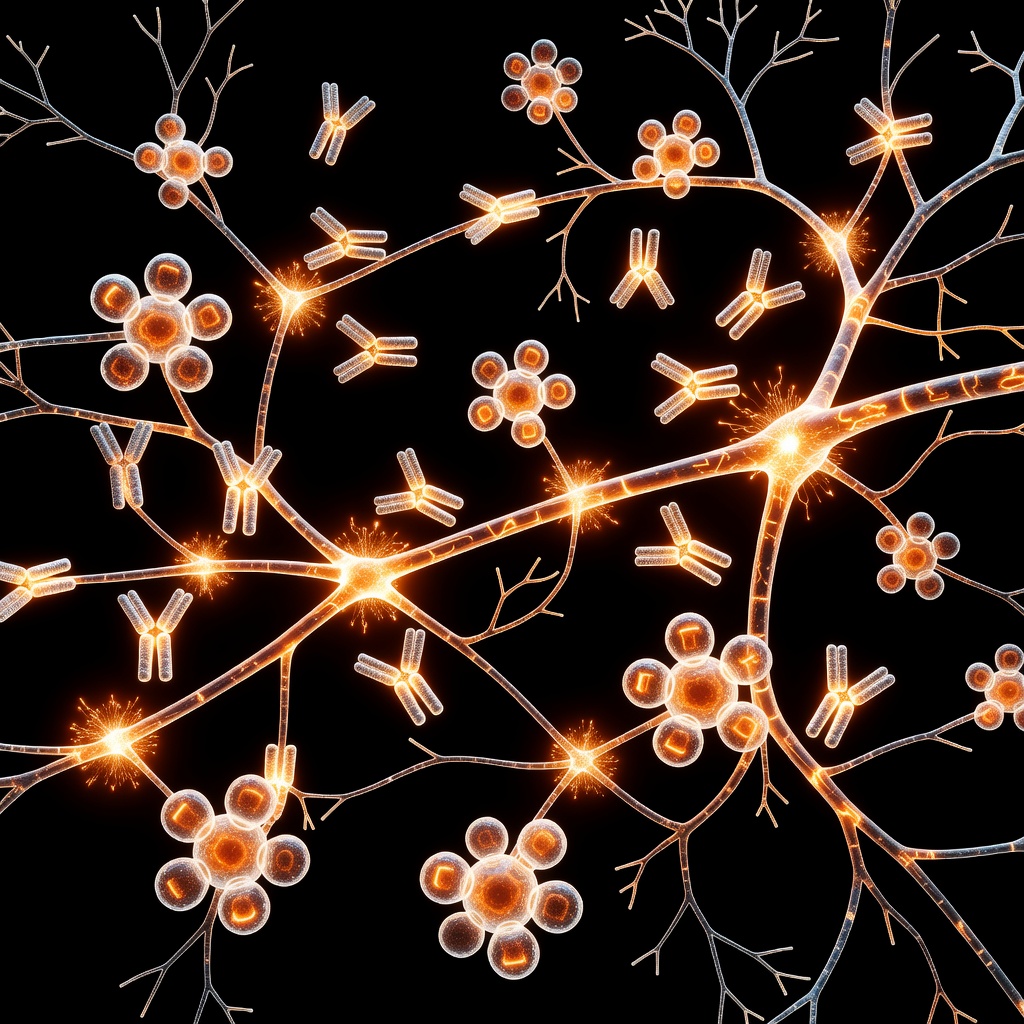
Glyphosate-Induced Disruptions of the Intestinal Mucosal Barrier: A Mechanistic Analysis of Tight Junction Integrity
A comprehensive scientific exploration of how glyphosate, the world's most prevalent herbicide, compromises the intestinal mucosal barrier by triggering zonulin release, disrupting the microbiome via the shikimate pathway, and inducing oxidative stress within the gut epithelium.

# Glyphosate and the Intestinal Mucosal Barrier\n\nAt the intersection of modern industrial agriculture and human pathology lies a molecule of increasing concern: glyphosate [N-(phosphonomethyl)glycine]. Originally patented as a chelator and later as a broad-spectrum herbicide, glyphosate has become a ubiquitous presence in the global food supply. While regulatory bodies have long focused on its potential carcinogenicity, a burgeoning body of research highlights a more insidious impact: the systematic disruption of the intestinal mucosal barrier, a phenomenon commonly referred to as \"leaky gut.\" For INNERSTANDING, addressing the root causes of chronic illness requires a granular understanding of how this herbicide interacts with the delicate architecture of our digestive lining.\n\n## The Architecture of Defense: Tight Junction Integrity\n\nThe intestinal barrier is not a static wall but a dynamic, semi-permeable gatekeeper. It consists of a single layer of epithelial cells (enterocytes) held together by a sophisticated protein complex known as the Tight Junction (TJ). These junctions, composed of proteins such as occludin, claudins, and junctional adhesion molecules, regulate the paracellular pathway—the space between cells.
In a healthy state, TJs permit the absorption of water and micronutrients while preventing the entry of pathogens, undigested food proteins, and environmental toxins into the bloodstream.\n\nGlyphosate’s primary threat to this architecture is its ability to trigger the overexpression of zonulin. Zonulin is the only known physiological modulator of intercellular tight junctions. When glyphosate makes contact with the intestinal epithelium, it stimulates the release of zonulin, which subsequently binds to the cell surface receptors, initiating a signaling cascade that disassembles the tight junction proteins. This \"opening of the gates\" results in increased intestinal permeability, allowing pro-inflammatory substances to bypass the epithelial defense and enter systemic circulation.\n\n## The Shikimate Pathway and Microbial Dysbiosis\n\nOne of the primary arguments for glyphosate’s safety in humans was the assertion that it targets the shikimate pathway—a metabolic route used by plants and bacteria to synthesize essential aromatic amino acids (phenylalanine, tyrosine, and tryptophan)—which is absent in mammalian cells. However, this logic overlooked a critical component of human health: our gut microbiome. \n\nThe trillions of bacteria residing in the human gut *do* possess the shikimate pathway.
Glyphosate acts as an antimicrobial agent, selectively inhibiting beneficial bacteria such as *Bifidobacterium* and *Lactobacillus* species while allowing pathogenic strains like *Clostridium difficile* and *Salmonella*—which are often more resistant—to flourish. This state of dysbiosis is a root-cause driver of intestinal permeability. Pathogenic overgrowth leads to the release of Lipopolysaccharides (LPS), also known as endotoxins. LPS further damages the mucosal lining and maintains a state of chronic, low-grade inflammation that prevents the gut from repairing its tight junctions.\n\n## Oxidative Stress and Mitochondrial Dysfunction\n\nBeyond its impact on zonulin and the microbiome, glyphosate induces significant oxidative stress within the enterocytes themselves. Research indicates that glyphosate exposure leads to the depletion of glutathione, the body’s master antioxidant, and increases the production of Reactive Oxygen Species (ROS).
The resulting oxidative damage targets the mitochondria, the energy-producing organelles of the cell. \n\nSince the maintenance and constant turnover of the intestinal lining (which regenerates every 3–5 days) is an energy-intensive process, mitochondrial impairment directly hinders the gut's ability to heal. When enterocytes are under oxidative stress, their ability to synthesize new TJ proteins is compromised, leading to a structural weakening of the barrier that persists even after the initial insult has passed. Furthermore, glyphosate acts as a potent chelator, binding to essential minerals like manganese, zinc, and magnesium. These minerals are crucial co-factors for the enzymes involved in DNA repair and the maintenance of the extracellular matrix.\n\n## Systemic Implications: From Gut to Brain\n\nThe disruption of the intestinal mucosal barrier by glyphosate is rarely a localized event. Once the barrier is breached, the resulting systemic inflammation can manifest in diverse ways.
The \"Gut-Brain Axis\" is particularly vulnerable; as the intestinal barrier fails, the blood-brain barrier often follows suit due to shared structural protein similarities. This leads to neuroinflammation, which is increasingly linked to neurodegenerative conditions and mood disorders.\n\nAdditionally, the translocation of undigested proteins into the bloodstream can trigger molecular mimicry, where the immune system begins to attack human tissues that resemble these foreign proteins. This is a primary mechanism behind the development of autoimmune diseases such as Celiac disease, Hashimoto’s thyroiditis, and Rheumatoid Arthritis. By weakening the primary gatekeeper of the body, glyphosate serves as a silent catalyst for a modern epidemic of multi-systemic chronic illness.\n\n## Addressing the Root Cause: Resilience and Remediation\n\nFrom an educational standpoint, the focus must shift from simple symptom management to the mitigation of environmental triggers. While glyphosate is difficult to avoid entirely, certain strategies can bolster the resilience of the intestinal barrier:\n\n1. Dietary Sourcing: Prioritizing certified organic produce remains the most effective way to reduce direct glyphosate load, particularly in high-risk crops like wheat, soy, corn, and oats.\n2. Microbiome Restoration: Utilizing diverse fermented foods and targeted spore-based probiotics can help re-establish a microbial environment that supports tight junction integrity.\n3. Humic and Fulvic Acids: Emerging research suggests that certain soil-based compounds may help sequester glyphosate and prevent its interaction with the zonulin receptors.\n4. Nutritional Support: High-quality amino acids like L-glutamine, along with zinc carnosine and collagen-rich foods, provide the raw materials necessary for the enterocytes to rebuild the mucosal architecture.\n\nIn conclusion, the mechanistic impact of glyphosate on tight junction integrity represents a fundamental challenge to modern health.
By understanding the pathways of zonulin activation, microbial disruption, and oxidative stress, we can better navigate a world where this herbicide is prevalent, focusing on the restoration of our biological barriers as a cornerstone of long-term wellness.","tags":["Glyphosate","Leaky Gut","Tight Junctions","Intestinal Permeability","Microbiome Health","Zonulin","Chronic Inflammation"],"reading_time":6}
This article is provided for informational and educational purposes only. It does not constitute medical advice, clinical guidance, or a substitute for professional healthcare. Information reflects cited research at time of publication. Always consult a qualified healthcare professional before acting on any health information.
RESEARCH FOUNDATIONS
Biological Credibility Archive
Citations provided for educational reference. Verify via PubMed or institutional databases.
Medical Disclaimer
The information in this article is for educational purposes only and does not constitute medical advice, diagnosis, or treatment. Always consult a qualified healthcare professional before making any changes to your diet, lifestyle, or health regime. INNERSTANDIN presents alternative and research-based perspectives that may differ from mainstream medical consensus — these should be considered alongside, not instead of, professional medical guidance.
Read Full DisclaimerReady to learn more?
Continue your journey through our classified biological research.
DISCUSSION ROOM
Members of THE COLLECTIVE discussing "Glyphosate-Induced Disruptions of the Intestinal Mucosal Barrier: A Mechanistic Analysis of Tight Junction Integrity"
SILENT CHANNEL
Be the first to discuss this article. Your insight could help others understand these biological concepts deeper.
THE ARSENAL
Based on Leaky Gut & Intestinal Permeability — products curated by our research team for educational relevance and biological support.
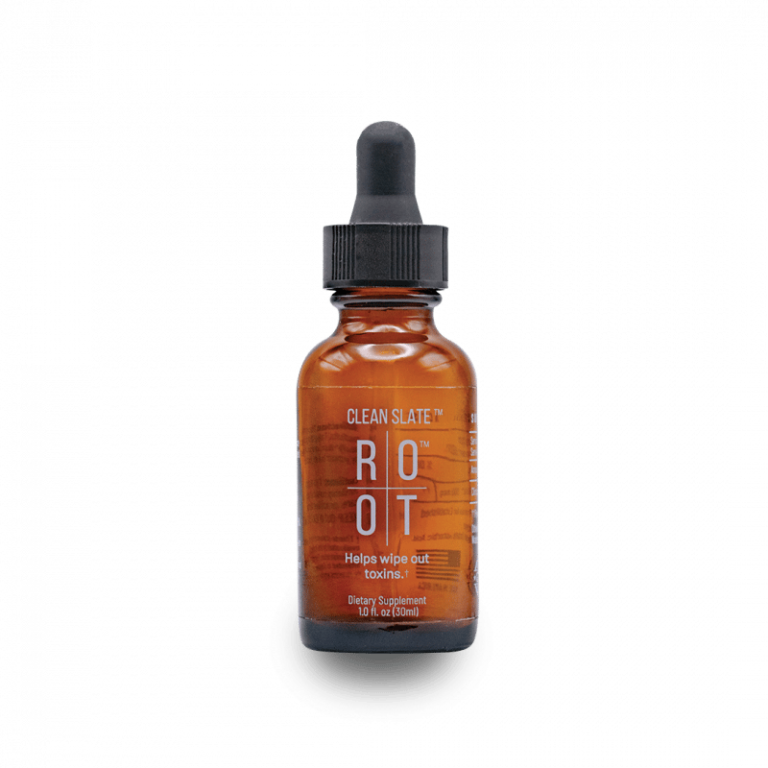
Clean Slate – Detoxes thousands of chemicals,heavy metals, pesticides, allergens, mold spores and fungus
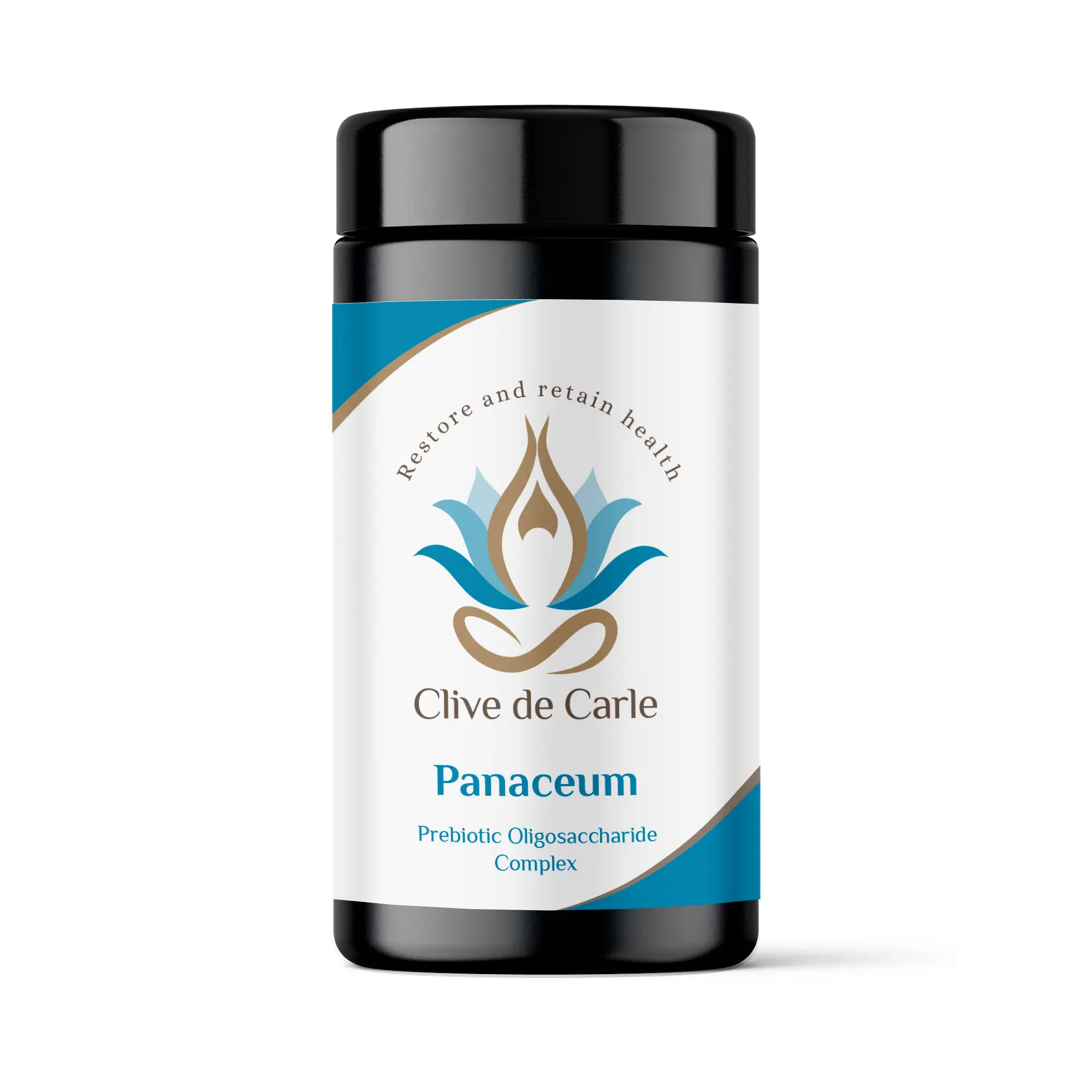
Panaceum – Prebiotic Oligosaccharide Complex
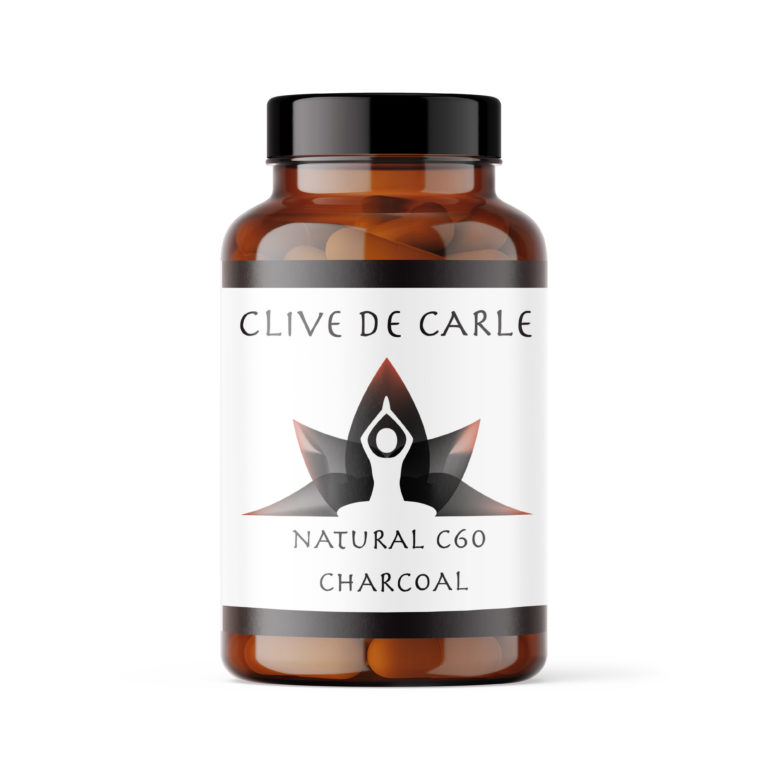
C60 Charcoal – Supports Healthy Digestion and Detoxification.
INNERSTANDING may earn a commission on purchases made through these links. All products are selected based on rigorous educational relevance to our biological research.
RABBIT HOLE
Follow the biological thread deeper