
Genetic Polymorphisms in the Haptoglobin Gene and Their Correlation with Elevated Serum Zonulin Levels
An in-depth exploration of how HP1 and HP2 genetic variants dictate intestinal permeability through the modulation of zonulin, the precursor to haptoglobin-2, and the subsequent impact on systemic autoimmune health.

# Genetic Polymorphisms in the Haptoglobin Gene and Their Correlation with Elevated Serum Zonulin Levels The integrity of the intestinal barrier is a fundamental pillar of human health, acting as the primary interface between the internal environment and a vast array of external stimuli. In recent decades, the discovery of the zonulin pathway has revolutionized our understanding of intestinal permeability. Zonulin, a protein that modulates the 'gates' between epithelial cells, is not merely a marker of gut health but a key player in the pathogenesis of numerous chronic conditions. At the heart of this pathway lies a fascinating genetic component: the haptoglobin (HP) gene. Research has revealed that zonulin is identical to pre-haptoglobin-2, meaning that an individual's genetic haptoglobin polymorphism directly dictates their baseline zonulin levels and their susceptibility to a 'leaky gut.' ## The Genetic Architecture of Haptoglobin Haptoglobin is an acute-phase protein primarily synthesized in the liver, known for its role in binding free hemoglobin to prevent oxidative damage.
In humans, the HP gene located on chromosome 16 (16q22) exhibits a unique polymorphism not found in other mammals. It exists in two common alleles: HP1 and HP2. The HP2 allele is the result of an ancient intragenic duplication of exons 3 and 4 of the HP1 allele, an event estimated to have occurred approximately 2 million years ago in the human lineage. This polymorphism gives rise to three distinct genotypes: HP1-1, HP2-1, and HP2-2. While HP1-1 individuals produce a functional haptoglobin dimer, those with the HP2 allele produce larger, multimeric forms of the protein.
Beyond its role in hemoglobin clearance, the HP2 allele holds the blueprint for a specific precursor molecule: pre-haptoglobin-2. It was through the pioneering work of Dr. Alessio Fasano and his team that this precursor was identified as zonulin, the only known physiological modulator of intercellular tight junctions. ## The Discovery of Zonulin as Pre-Haptoglobin-2 The discovery of zonulin was serendipitous, arising from research into *Vibrio cholerae* and its toxin, ZOT (Zonula Occludens Toxin). Researchers sought a human analogue to this toxin and identified a protein that could reversibly open the tight junctions between cells. Proteomic analysis eventually confirmed that this protein was the immature form of haptoglobin-2.
This was a landmark finding because it linked a well-known genetic polymorphism (HP2) to a specific functional mechanism of gut permeability. In individuals with the HP1-1 genotype, the HP1 gene does not produce zonulin in the same manner. Consequently, these individuals typically exhibit lower levels of serum zonulin and more stable intestinal barriers. In contrast, those carrying at least one HP2 allele (HP2-1 or HP2-2) possess the molecular machinery to produce and release zonulin in response to environmental triggers. ## The Mechanism of Action: Opening the Floodgates When zonulin is released from the intestinal mucosa, it initiates a complex signaling cascade that results in the disassembly of the tight junctions (TJ). The primary triggers for zonulin release are twofold: exposure to gluten (specifically gliadin) and small intestinal bacterial overgrowth (dysbiosis).
Once released, zonulin binds to the chemokine receptor CXCR3 on the luminal surface of the intestinal epithelium. This binding requires a co-receptor, protease-activated receptor 2 (PAR2). The activation of this receptor complex triggers a signaling pathway involving MyD88, an adapter protein typically associated with innate immune responses. This leads to the phosphorylation of zonula occludens-1 (ZO-1) and occludin, the structural proteins that 'staple' cells together. As these proteins are phosphorylated, the actin cytoskeleton contracts, physically pulling the tight junctions apart and increasing paracellular permeability.
This allows dietary antigens, microbial toxins (such as lipopolysaccharides), and environmental chemicals to enter the systemic circulation, a phenomenon colloquially referred to as 'leaky gut.' ## Correlation with Elevated Serum Zonulin Levels The correlation between HP genotypes and serum zonulin levels is highly significant. Clinical studies consistently demonstrate that individuals with the HP2-2 genotype have the highest circulating levels of zonulin. These individuals are effectively 'primed' for increased intestinal permeability. The HP2-1 heterozygous genotype shows intermediate levels, while the HP1-1 genotype represents the lowest risk for zonulin-mediated barrier disruption. From a clinical perspective, measuring serum zonulin provides a window into the activity of this pathway.
However, interpreting these levels requires an understanding of the patient's genetic background. A 'normal' zonulin level in an HP2-2 individual may still be higher than the peak levels of an HP1-1 individual. Elevated zonulin is now recognized as a precursor to several pathological states, most notably Celiac Disease and Type 1 Diabetes, where the loss of intestinal barrier function allows for the initiation of an autoimmune attack. ## Evolutionary Context: The HP2 Paradox If the HP2 allele promotes intestinal permeability and increases the risk of autoimmunity, why has it persisted and even become dominant in certain populations? The answer lies in evolutionary selection. The HP2 allele appears to have provided a survival advantage against certain enteric infections.
Increased gut permeability allows for a 'flush out' effect during acute infections like cholera, potentially lowering the pathogen load. Additionally, HP2 has been linked to increased resistance to malaria. However, in the modern environment—characterized by chronic exposure to processed gluten, environmental toxins, and a sedentary lifestyle—this ancient survival mechanism has become a liability, predisposing modern humans to chronic inflammatory diseases. ## Clinical Implications for Root-Cause Healing At INNERSTANDING, we emphasize the importance of identifying root causes rather than merely suppressing symptoms. For patients with elevated zonulin and a suspected HP2 genotype, the therapeutic approach must be multi-faceted: 1. Trigger Removal: For HP2 carriers, the removal of gluten is often non-negotiable, as gliadin is a direct trigger for zonulin release regardless of whether the patient has Celiac Disease. 2. Microbiome Modulation: Addressing dysbiosis is critical, as certain bacterial strains can stimulate or inhibit zonulin production. 3. Nutritional Support: Compounds such as zinc carnosine, quercetin, and polyphenols have been shown to stabilize tight junctions and may help mitigate the effects of zonulin. 4. Future Therapies: Research into zonulin antagonists, such as larazotide acetate, offers hope for a targeted pharmacological intervention to 'close the gates' in those with high genetic susceptibility. ## Conclusion The link between genetic polymorphisms in the haptoglobin gene and serum zonulin levels represents a masterclass in how our evolutionary history interacts with modern environmental stressors. By understanding the HP2-zonulin axis, we can better appreciate why some individuals are more susceptible to intestinal permeability than others.
This genetic insight empowers both clinicians and patients to move beyond generalized advice and toward a personalized, precision-medicine approach to gut health and systemic wellness.
This article is provided for informational and educational purposes only. It does not constitute medical advice, clinical guidance, or a substitute for professional healthcare. Information reflects cited research at time of publication. Always consult a qualified healthcare professional before acting on any health information.
RESEARCH FOUNDATIONS
Biological Credibility Archive
Citations provided for educational reference. Verify via PubMed or institutional databases.
Medical Disclaimer
The information in this article is for educational purposes only and does not constitute medical advice, diagnosis, or treatment. Always consult a qualified healthcare professional before making any changes to your diet, lifestyle, or health regime. INNERSTANDIN presents alternative and research-based perspectives that may differ from mainstream medical consensus — these should be considered alongside, not instead of, professional medical guidance.
Read Full DisclaimerReady to learn more?
Continue your journey through our classified biological research.
DISCUSSION ROOM
Members of THE COLLECTIVE discussing "Genetic Polymorphisms in the Haptoglobin Gene and Their Correlation with Elevated Serum Zonulin Levels"
SILENT CHANNEL
Be the first to discuss this article. Your insight could help others understand these biological concepts deeper.
THE ARSENAL
Based on Leaky Gut & Intestinal Permeability — products curated by our research team for educational relevance and biological support.
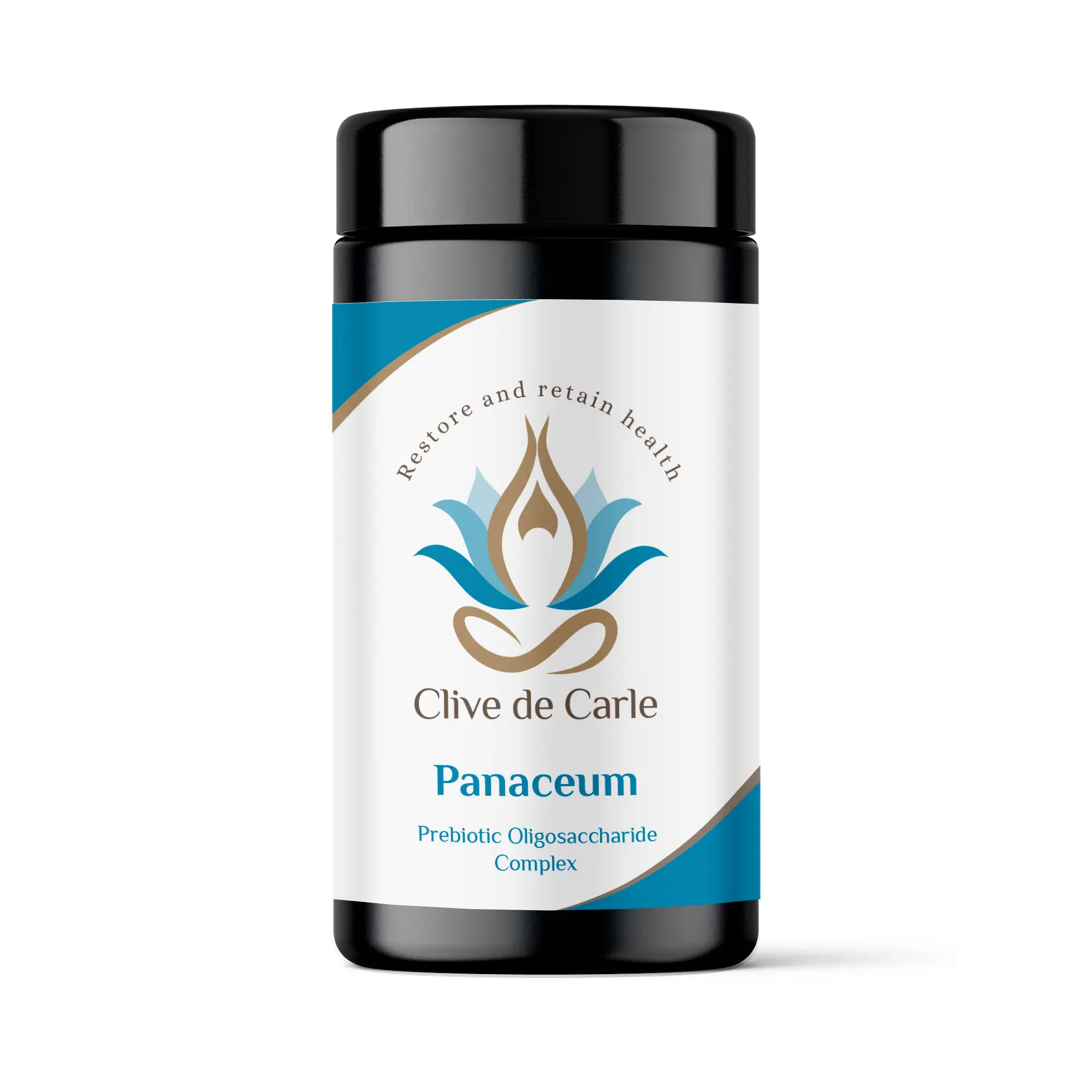
Panaceum – Prebiotic Oligosaccharide Complex
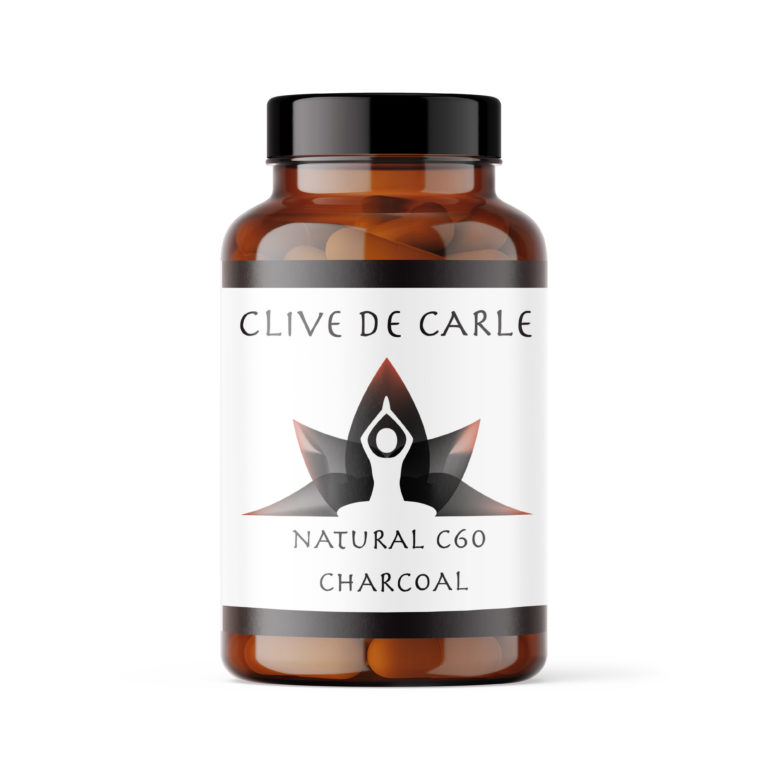
C60 Charcoal – Supports Healthy Digestion and Detoxification.
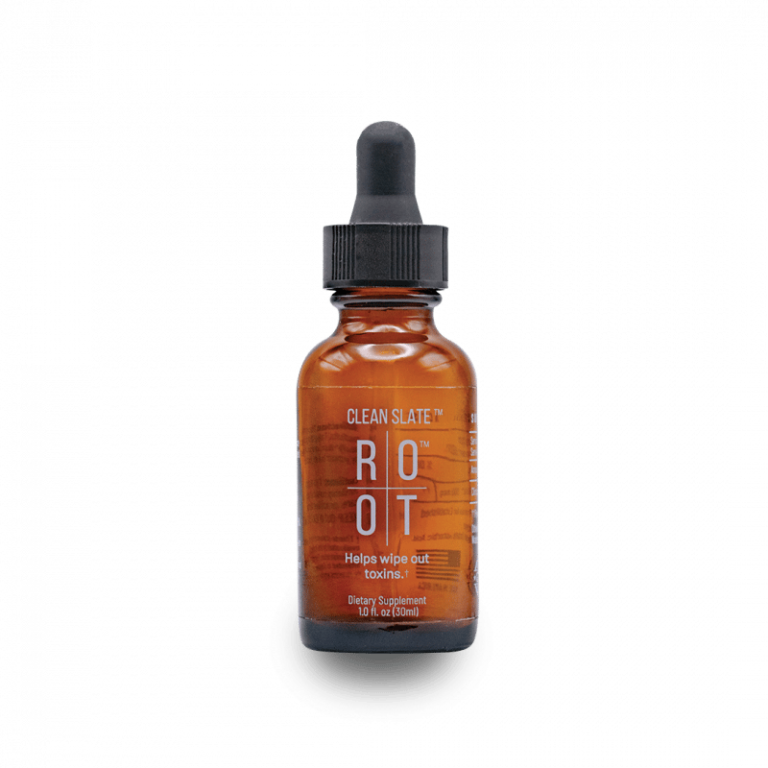
Clean Slate – Detoxes thousands of chemicals,heavy metals, pesticides, allergens, mold spores and fungus
INNERSTANDING may earn a commission on purchases made through these links. All products are selected based on rigorous educational relevance to our biological research.
RABBIT HOLE
Follow the biological thread deeper