All INNERSTANDIN content is for educational purposes only — not medical advice, diagnosis or treatment. Full Disclaimer →

    BACK TO DATABASE
    TAGGED RESEARCH

    #Autoimmunity

    53TRANSMISSIONS FOUND
    A
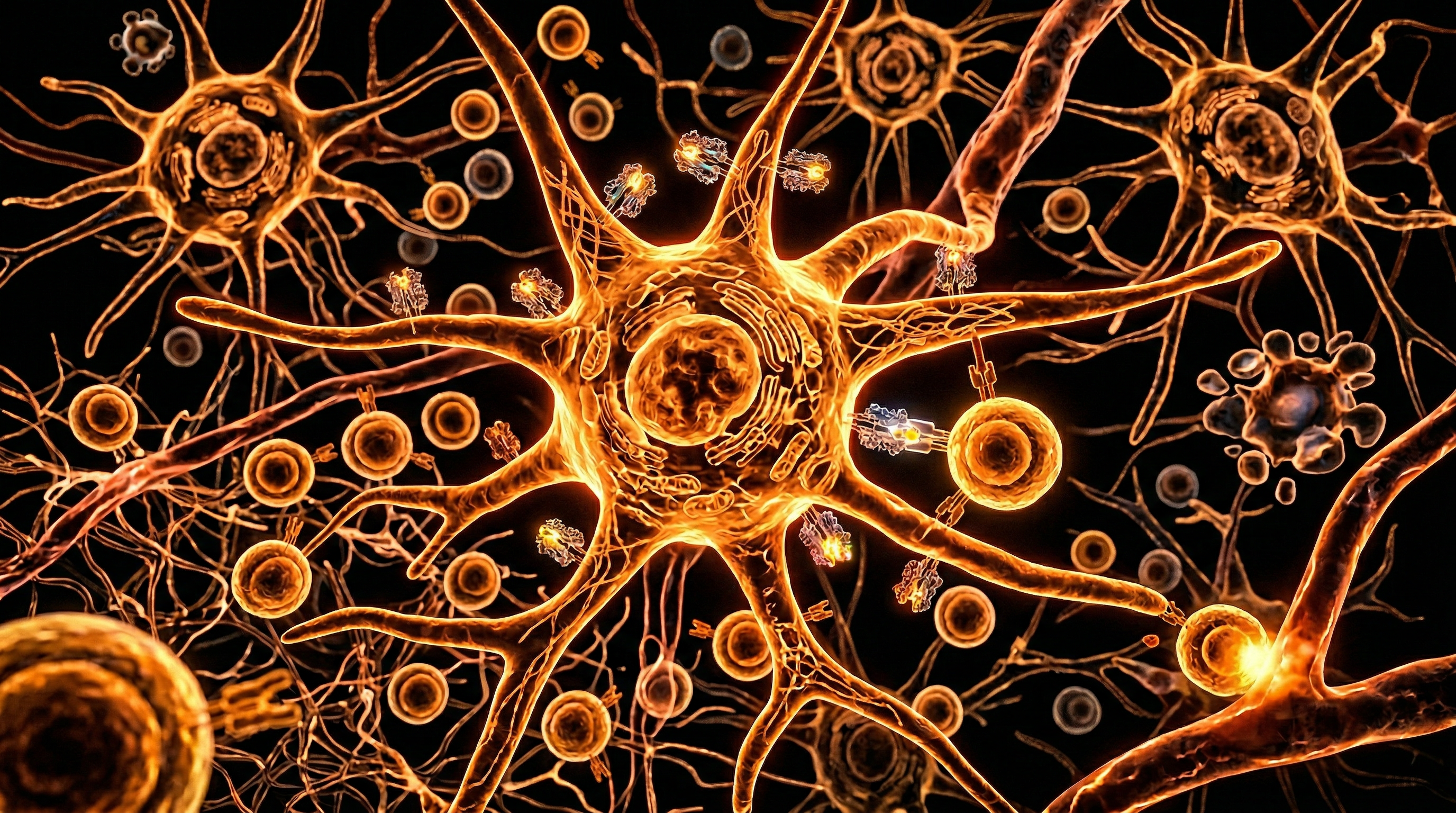
    Scientific illustration for Autoimmunity: When the Immune System Attacks the Body It Was Built to Protect
    Immune System
    14 MIN READ

    Autoimmunity: When the Immune System Attacks the Body It Was Built to Protect

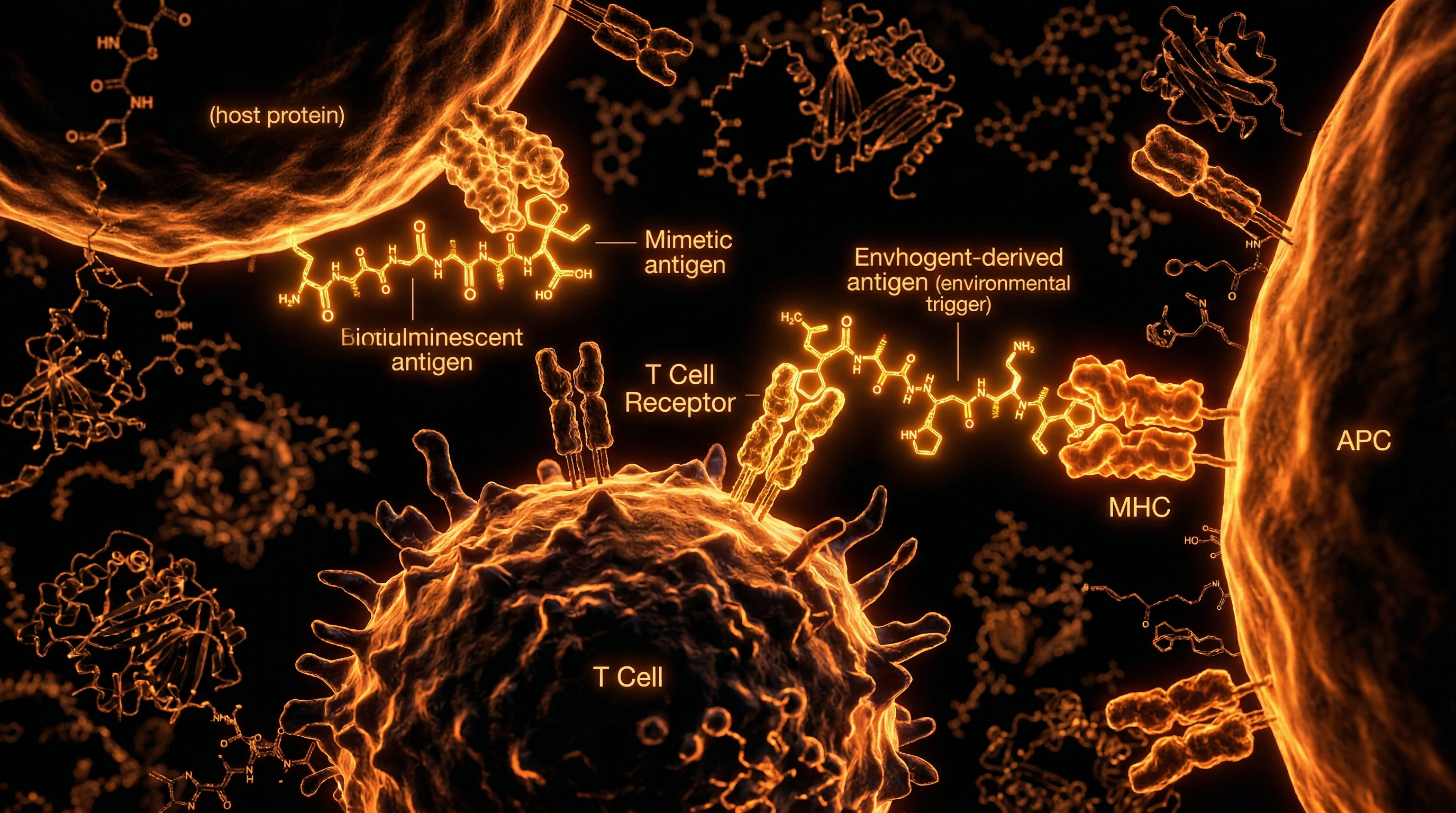
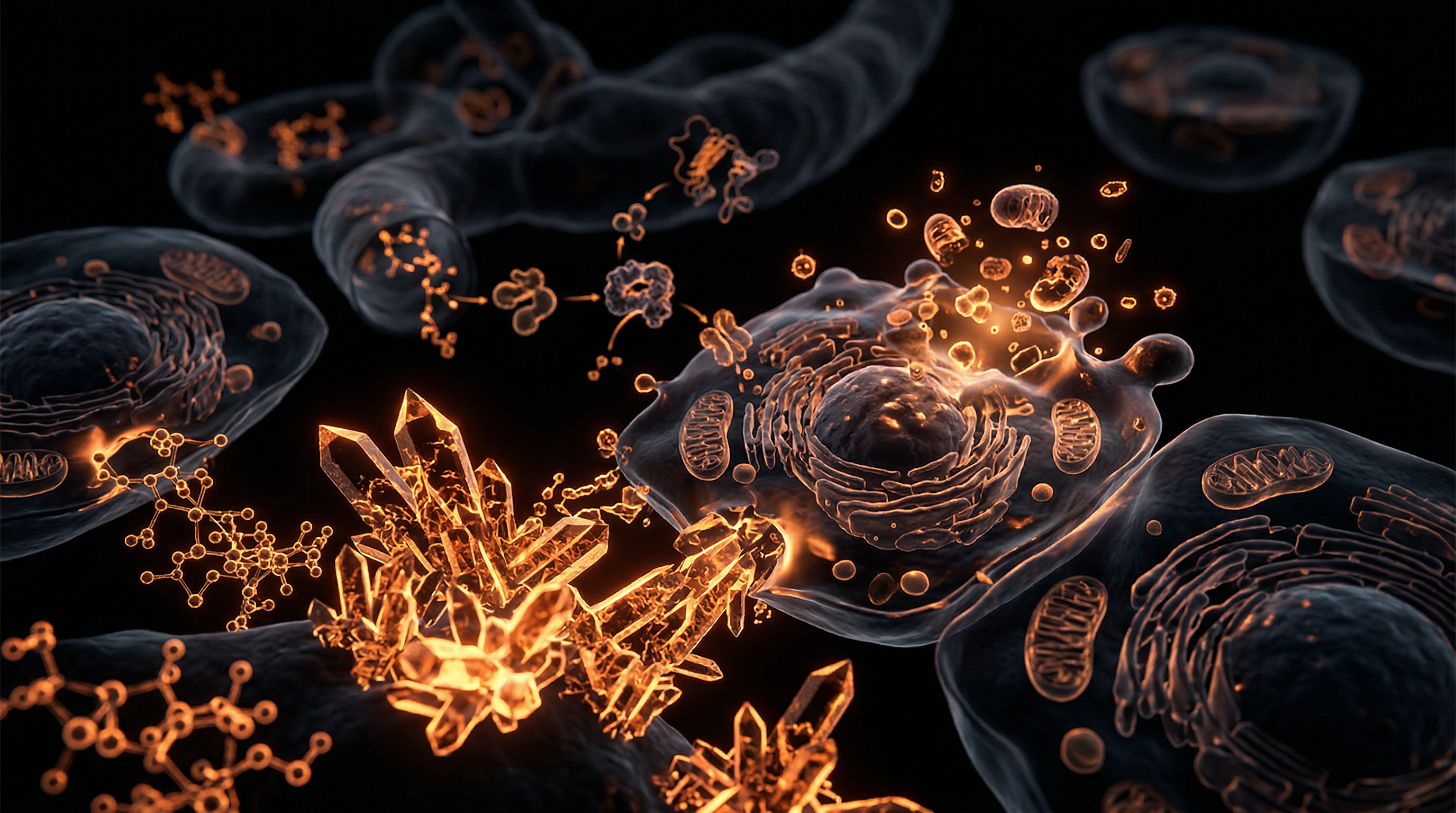
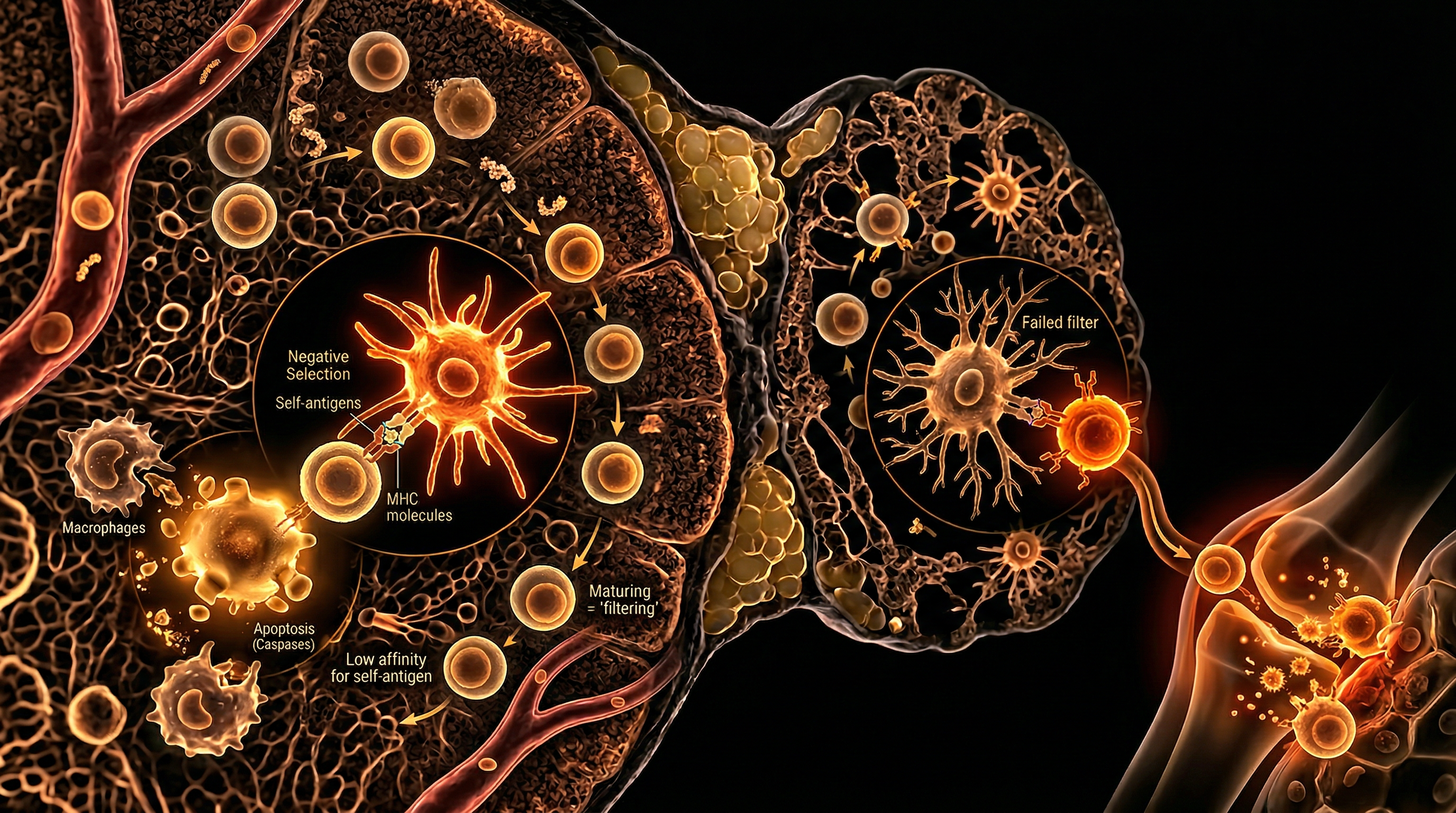
    Autoimmune disease — a category encompassing over 80 distinct conditions in which the immune system generates antibodies and T-cell responses directed against the body's own tissues — now affects an estimated 4 million people in the UK, with incidence increasing at a rate that cannot be explained by genetic factors alone and demands an environmental explanation. The primary mechanisms by which environmental triggers convert a healthy immune system to an autoimmune one include molecular mimicry (where immune responses to microbial antigens cross-react with structurally similar self-proteins), bystander activation (where inflammation in one tissue non-specifically activates autoreactive lymphocytes), and epitope spreading (where tissue damage releases novel self-antigens that prime new autoreactive responses) — all of which are initiated and perpetuated by environmental toxins, chronic infections, gut permeability, and the adjuvant-like effects of heavy metals and other xenobiotics. The three-hit hypothesis — requiring genetic susceptibility, environmental trigger, and loss of tolerance — explains why autoimmunity cannot be reduced to genetics and why the environmental piece is both the cause and the therapeutic target.

    #autoimmunity#molecular mimicry
    L
    Scientific illustration for Leaky Gut & Autoimmunity: The Connection Medicine Won't Make
    Immune System
    13 MIN READ

    Leaky Gut & Autoimmunity: The Connection Medicine Won't Make

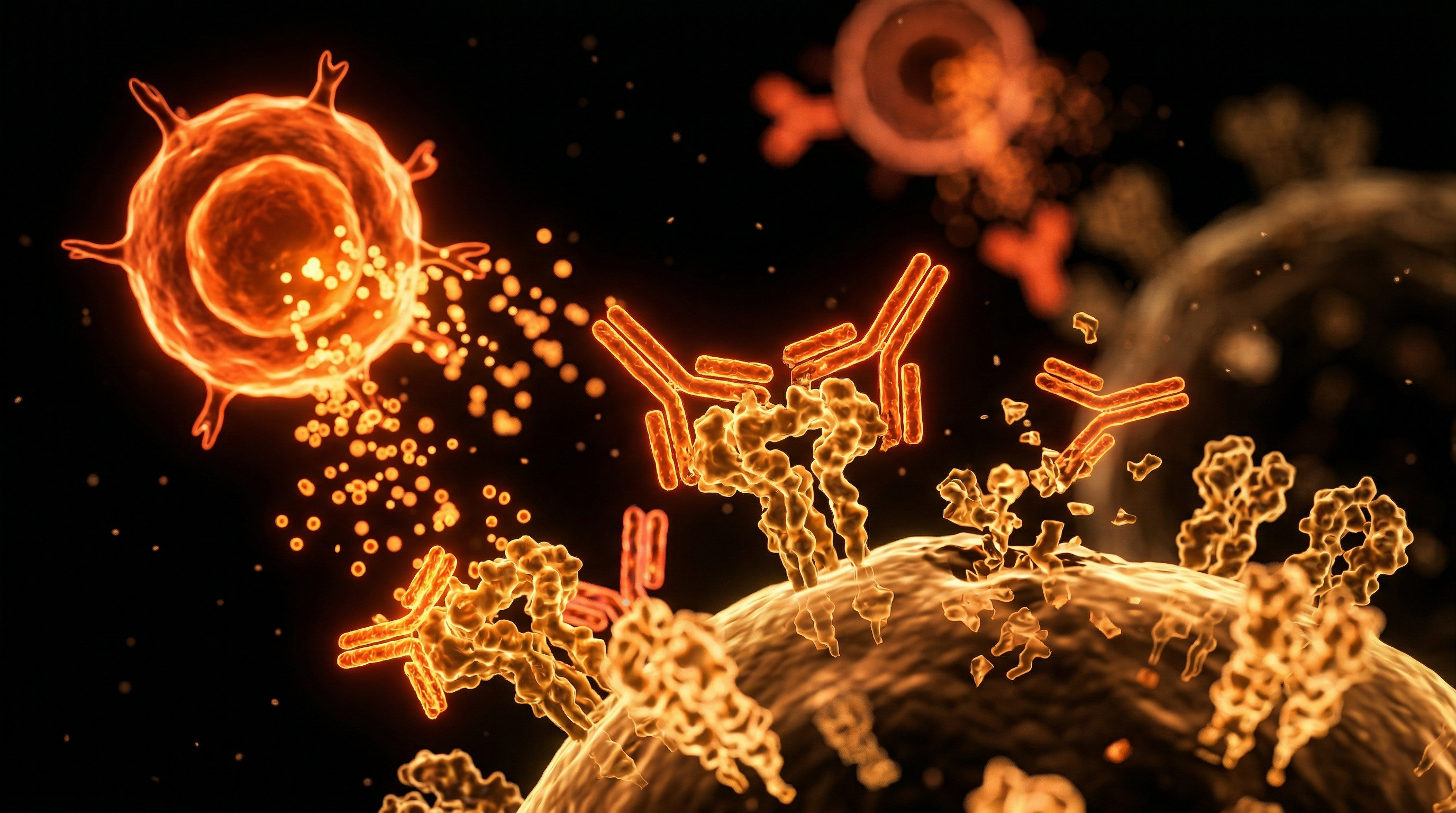
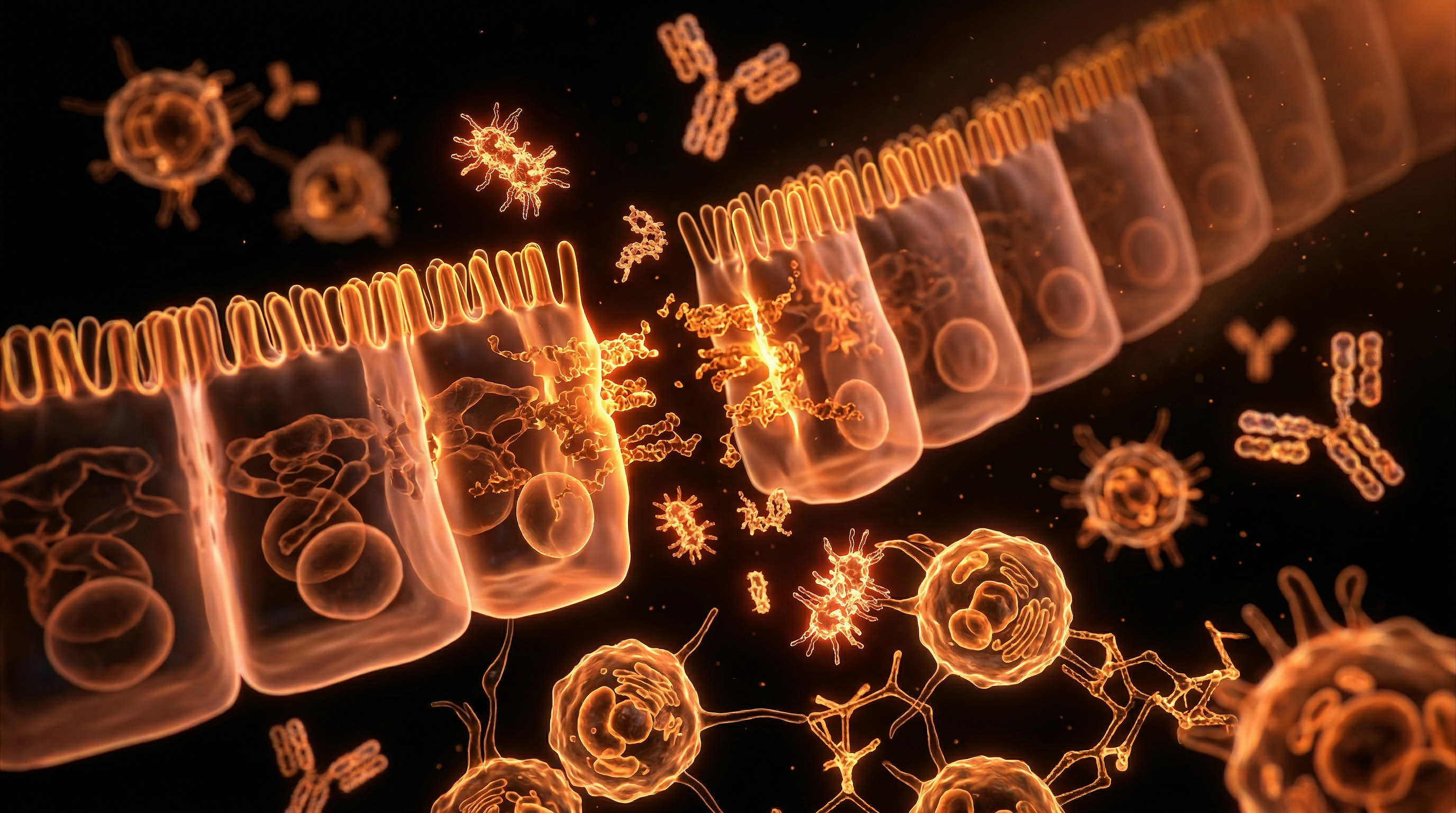
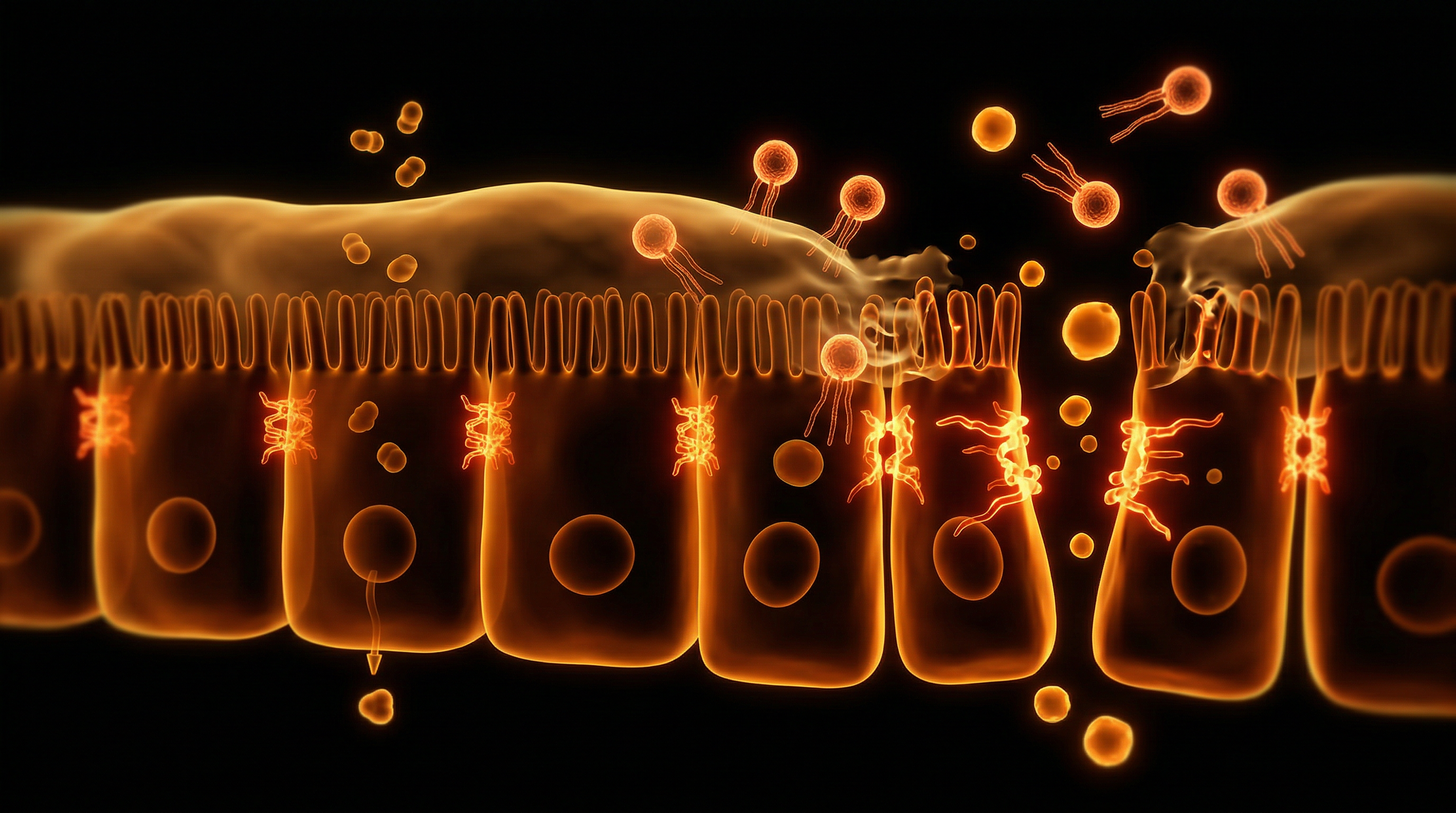
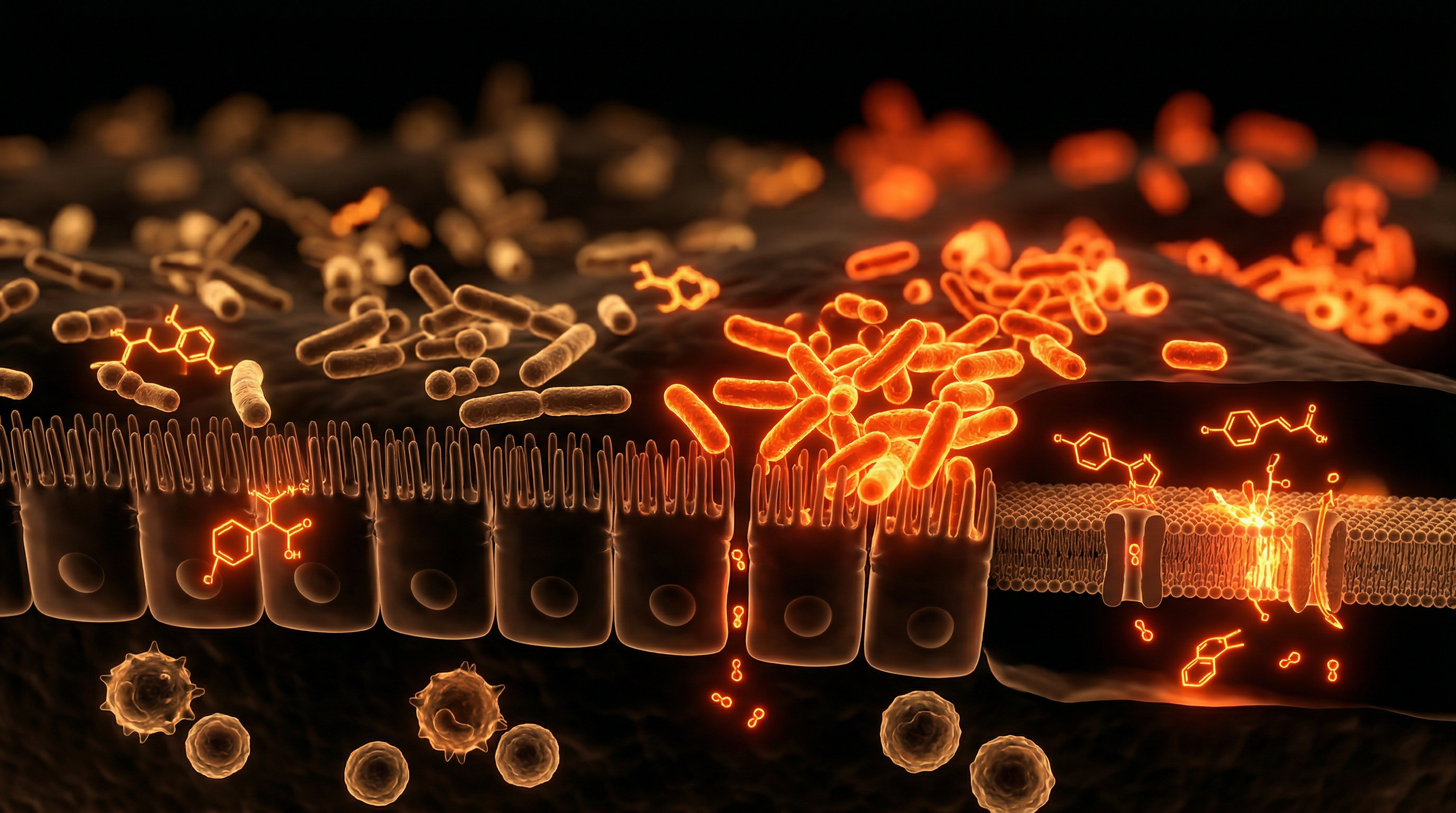
    Intestinal hyperpermeability — the pathological opening of the tight junction proteins claudin, occludin, and zonulin that seal the gaps between intestinal epithelial cells — allows partially digested dietary proteins, bacterial endotoxins (particularly lipopolysaccharide), and environmental chemicals to enter the systemic circulation and trigger the immune dysregulation that drives every autoimmune condition from multiple sclerosis to rheumatoid arthritis, Hashimoto's thyroiditis, and type 1 diabetes. The mechanisms of leaky gut are now well-established in the scientific literature — triggered primarily by glyphosate, dietary emulsifiers, non-steroidal anti-inflammatory drugs, alcohol, and chronic psychological stress — yet gastroenterology continues to diagnose and treat the downstream autoimmune consequences in isolation whilst ignoring the upstream intestinal lesion. Resolving intestinal permeability is the non-negotiable foundation of genuine autoimmune recovery.

    #leaky gut#intestinal permeability
    V
    Scientific illustration for Vitamin D: The Immune Regulator Britain Is Chronically Deficient In
    Immune System
    14 MIN READ

    Vitamin D: The Immune Regulator Britain Is Chronically Deficient In

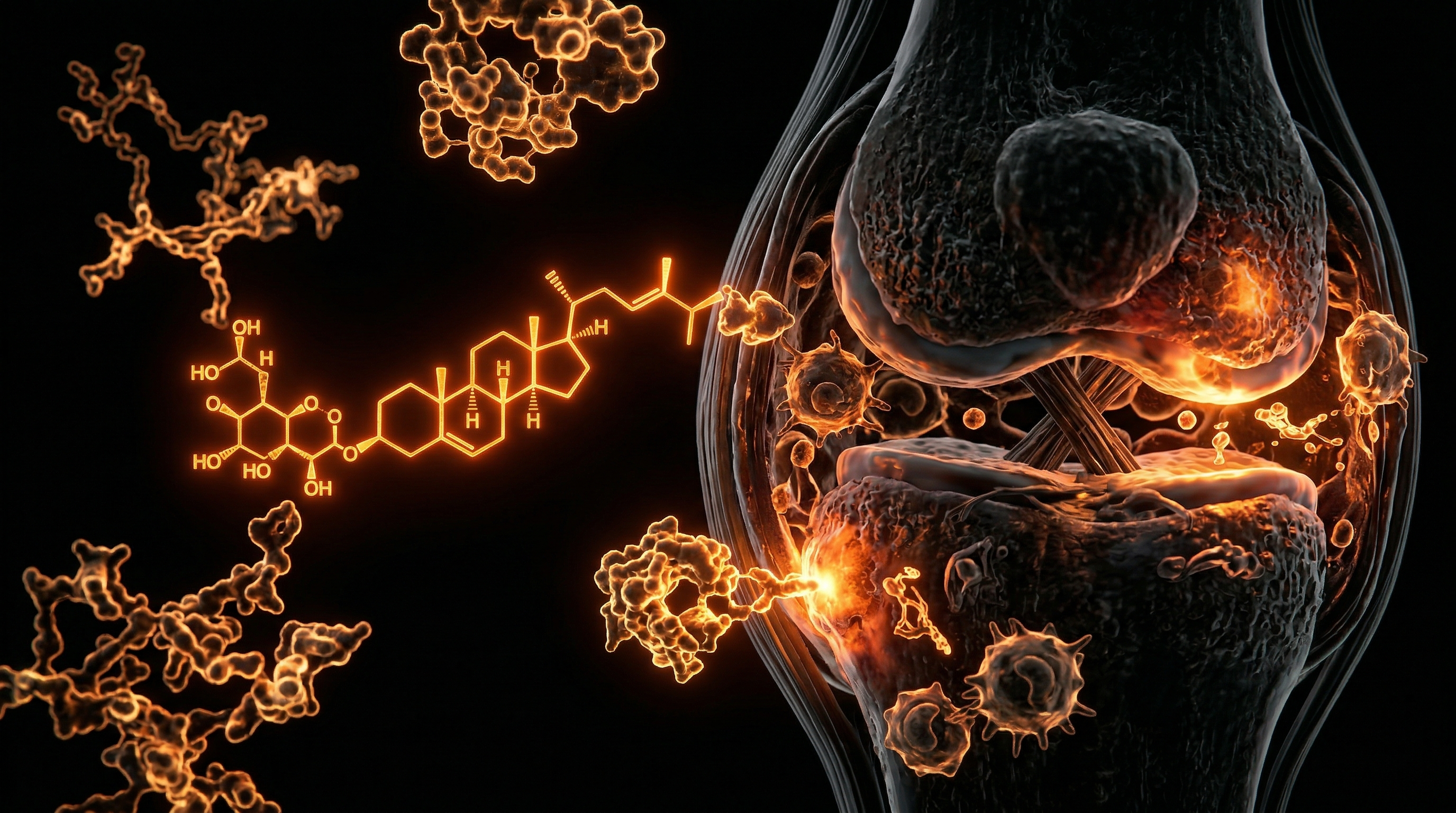
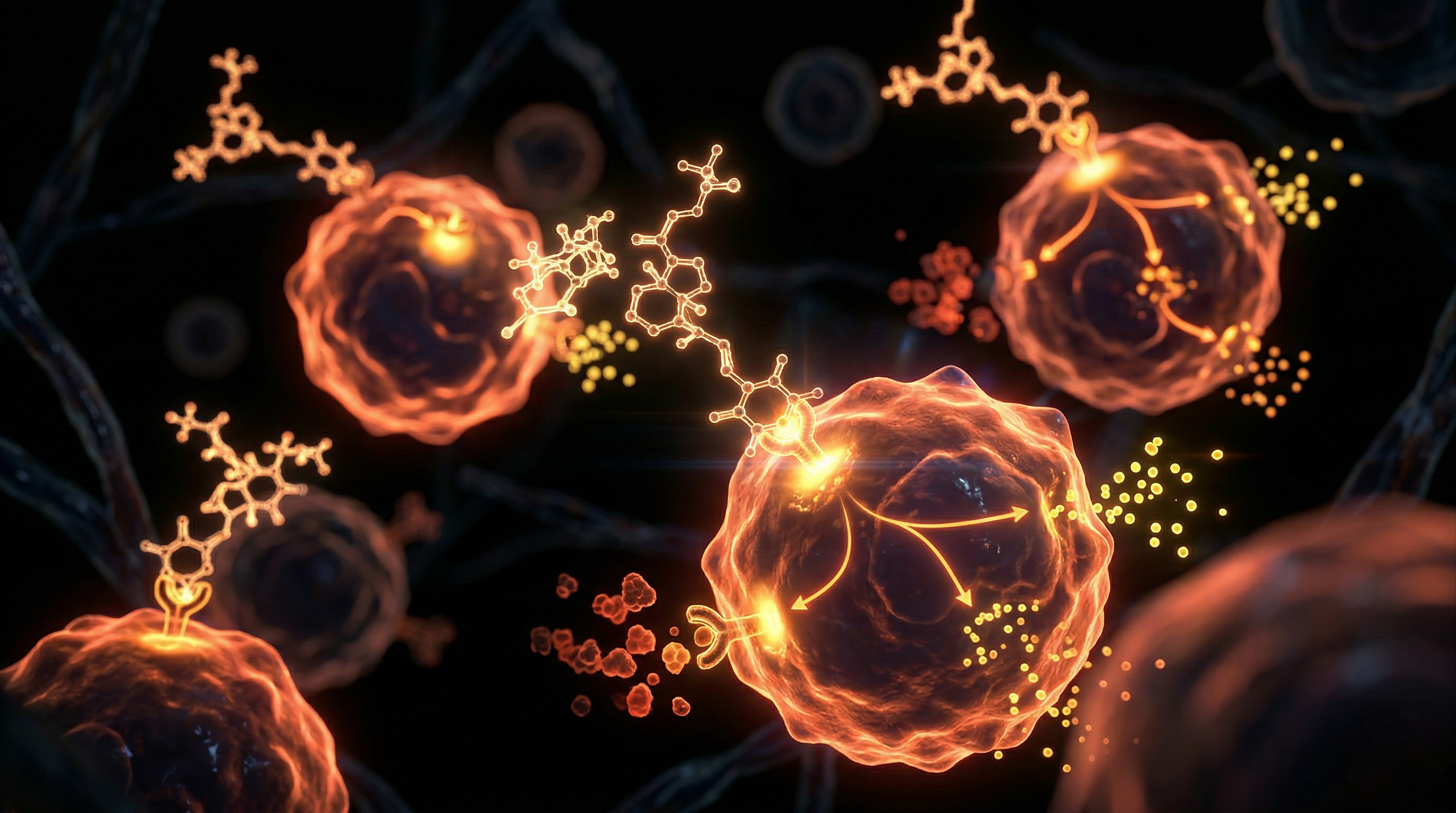
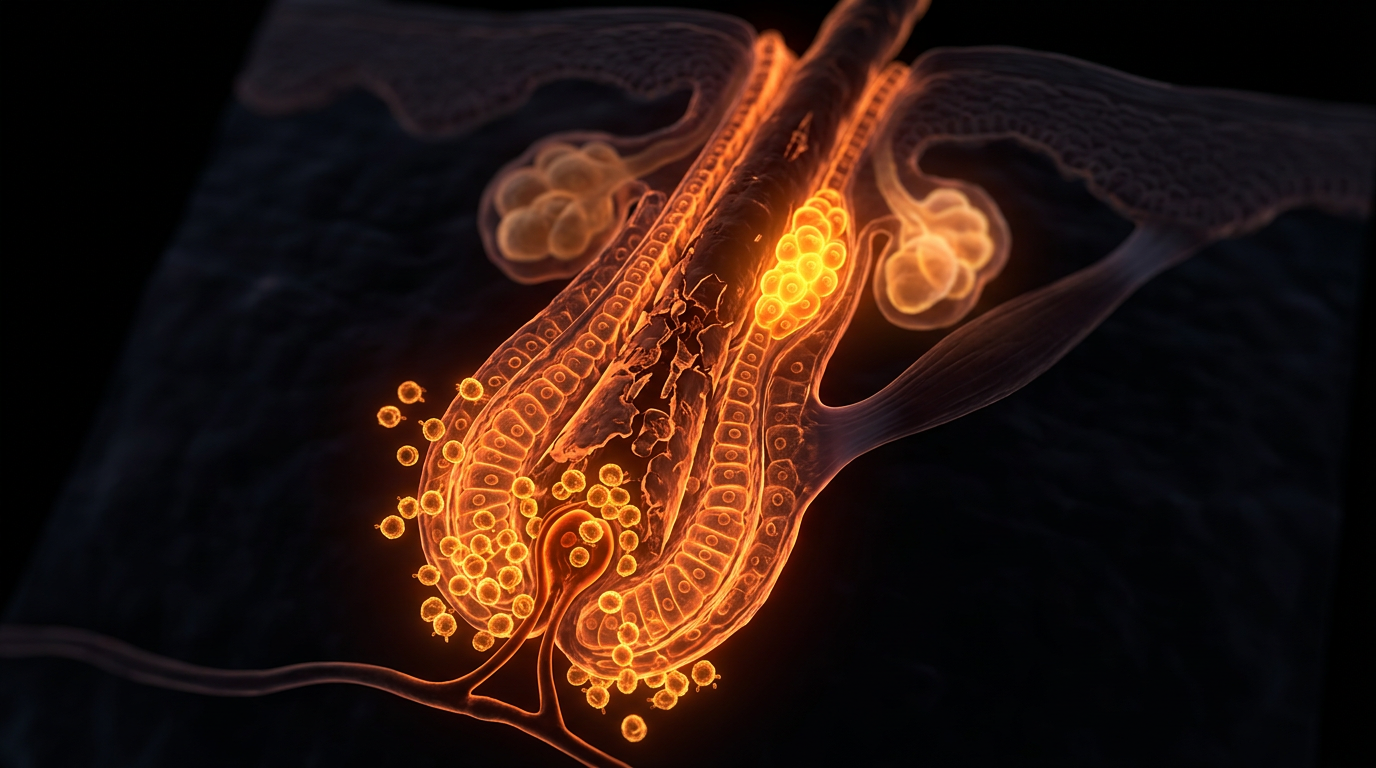
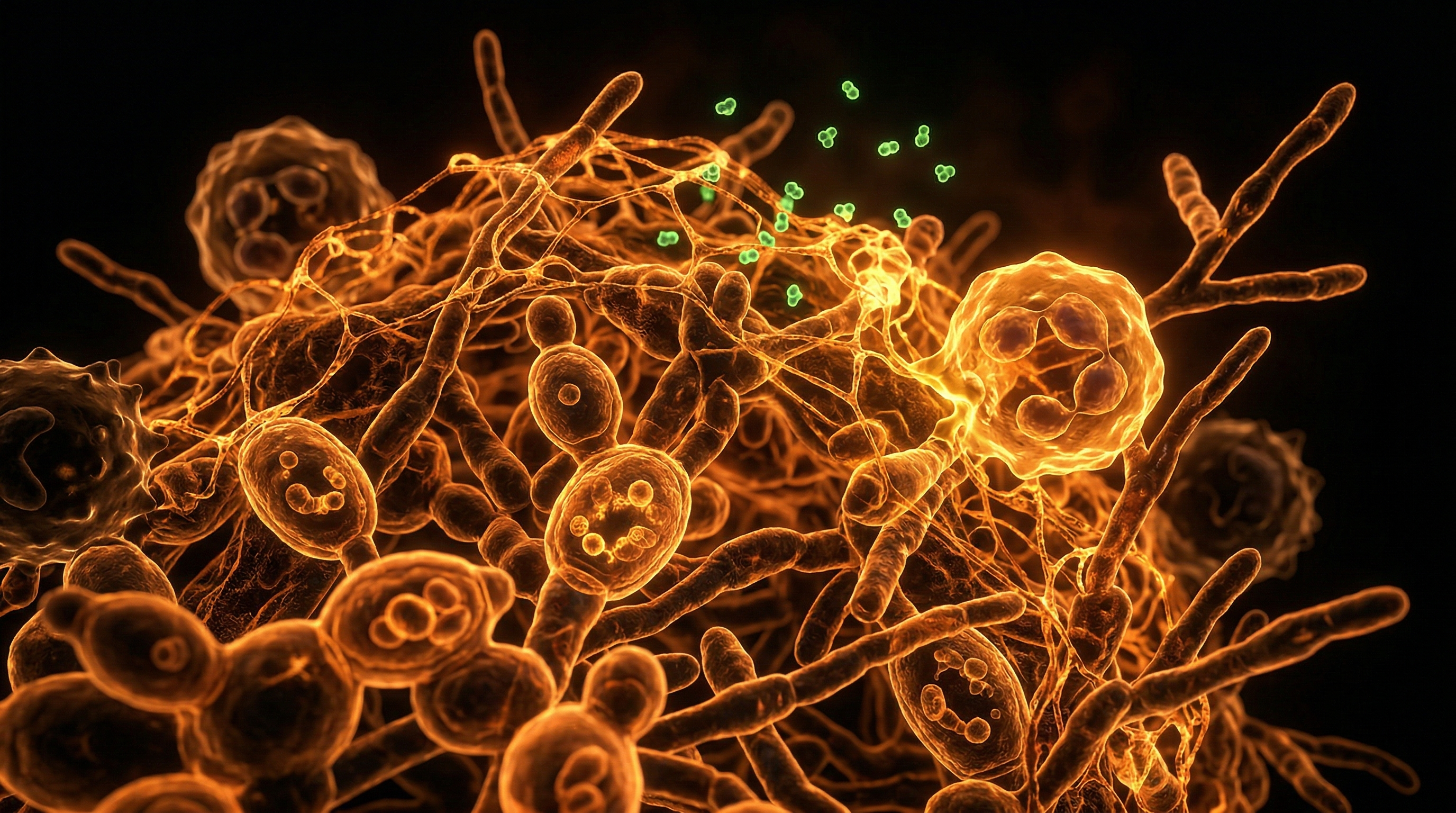
    Vitamin D3 — technically a secosteroid hormone rather than a vitamin — is synthesised in the skin from 7-dehydrocholesterol upon UVB radiation exposure, converted to 25-hydroxyvitamin D in the liver, and then to the active 1,25-dihydroxyvitamin D (calcitriol) in the kidney and immune tissues, where it regulates the expression of over 2,000 genes involved in immune modulation, antimicrobial peptide production, calcium homeostasis, cancer suppression, and cardiovascular protection. An estimated 1 in 5 UK adults are deficient in vitamin D — a figure that rises dramatically in winter months and among darker-skinned individuals due to the UK's northern latitude and insufficient sunlight — creating widespread immune dysregulation, increased susceptibility to infection, elevated cancer risk, and the autoimmune conditions that optimal vitamin D status is documented to prevent. The UK government's recommendation of 400 IU daily is orders of magnitude below the therapeutic levels demonstrated in clinical research.

    #vitamin D#immune function
    I
    Scientific illustration for The Immune-Gut Barrier: 70% of Your Defences Begin in the Intestine
    Immune System
    14 MIN READ

    The Immune-Gut Barrier: 70% of Your Defences Begin in the Intestine

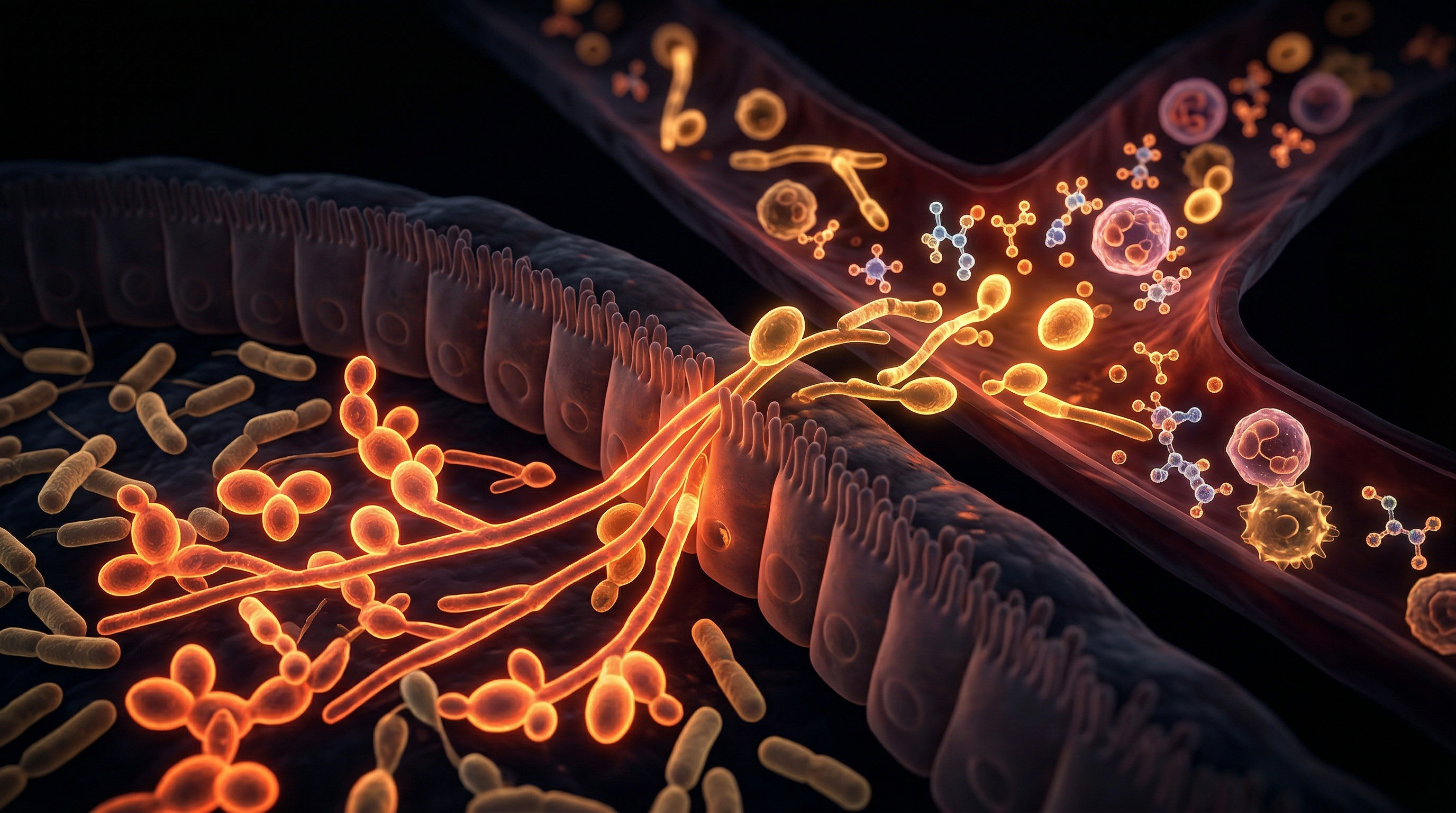
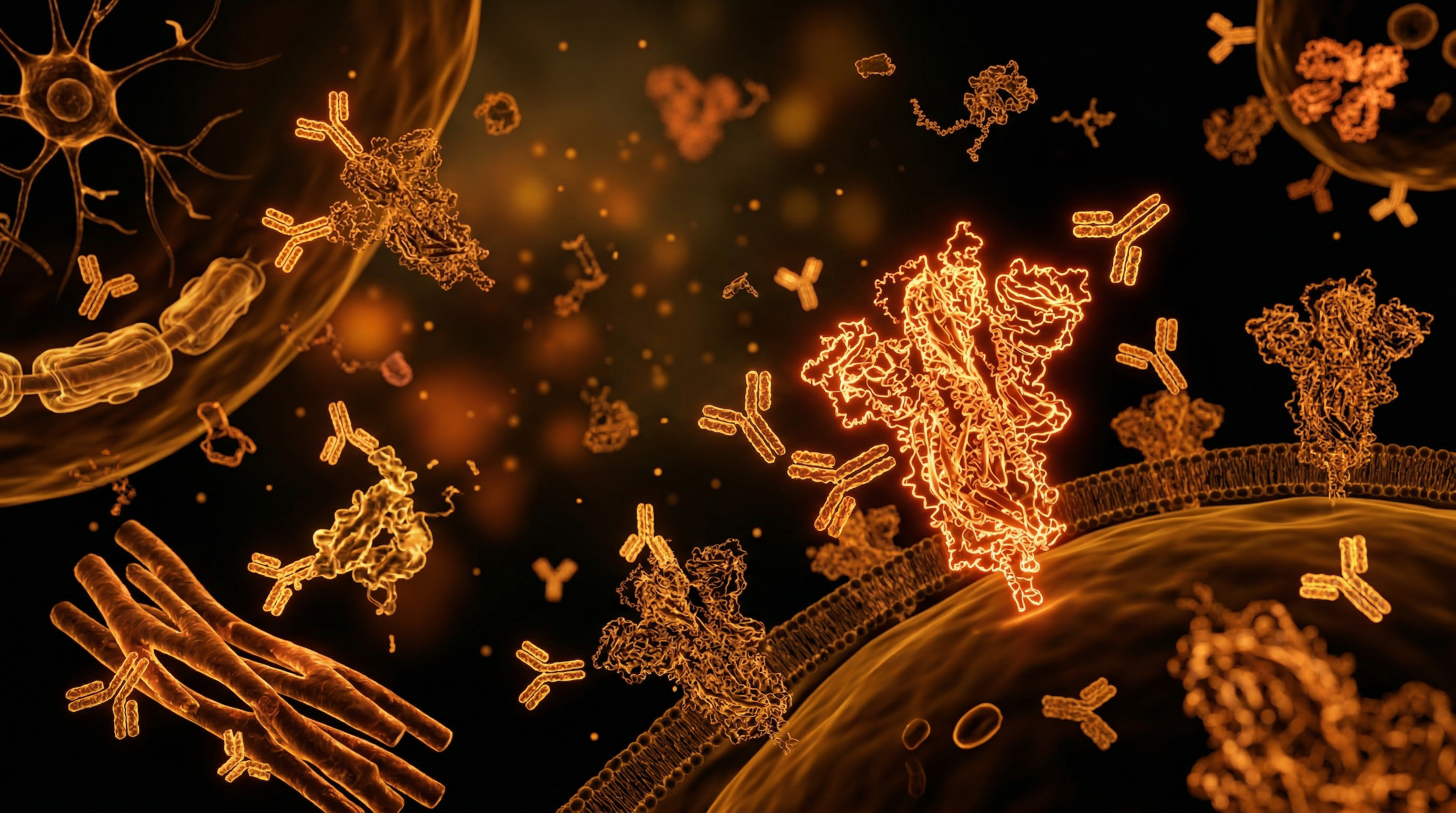
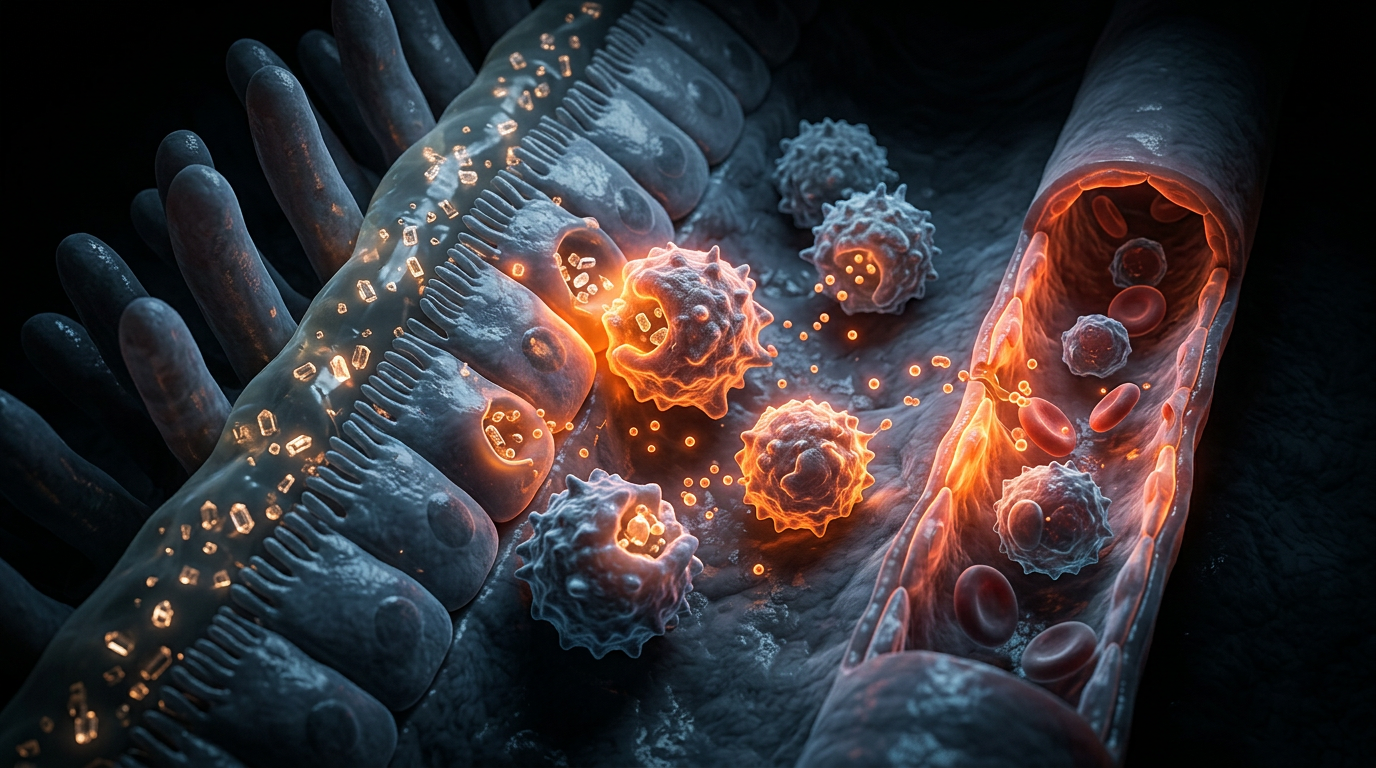
    Approximately 70% of the body's immune cells — including intestinal intraepithelial lymphocytes, lamina propria B and T cells, Peyer's patches, and mesenteric lymph nodes collectively termed gut-associated lymphoid tissue (GALT) — reside in or adjacent to the intestinal wall, making the gut the body's primary site of immune education, tolerance induction, and pathogen surveillance. The integrity of this immune barrier is entirely dependent on the health of the intestinal epithelium, the diversity of the microbiome that trains mucosal immunity, and the production of secretory IgA — the first-line antibody defence against luminal antigens. Environmental perturbations including glyphosate-driven dysbiosis, NSAID-induced mucosal damage, and stress-mediated cortisol suppression of secretory IgA production all conspire to undermine the gut immune barrier, creating the systemic immune dysfunction that is the biological foundation of the modern allergy, autoimmunity, and infection susceptibility epidemic.

    #gut immunity#GALT