
Nightshade Sensitivity: Do Solanine and Lectins Fuel Joint Inflammation?
Updated May 2026
Members of the Solanaceae family, including potatoes and peppers, contain alkaloids and lectins that may aggravate symptoms in individuals with autoimmune conditions. This article examines the biological impact of solanine and its role in disrupting acetylcholine levels and gut health.
Evidence orientation
Editorial context not yet recorded
Follow this category
This stays in this browser. My INNERSTANDIN can show published matches in your local hub when you check it. It does not send email, push, or alert notifications.
Local learning review
A private browser aid for revisiting ideas. It is not an alert or a health recommendation.
Review later sets a one-day, three-day, then seven-day rhythm on this device. Choose it only when you want to revisit this article.
Overview
The Solanaceae family, colloquially known as nightshades, represents a diverse botanical taxa that includes dietary staples such as Solanum tuberosum (potato), Solanum lycopersicum (tomato), and Capsicum annuum (peppers). Whilst these crops are foundational to the British diet, a growing corpus of biochemical evidence suggests that their secondary metabolites—specifically steroidal glycoalkaloids and chitin-binding lectins—may act as potent triggers for systemic inflammation and synovial degradation in susceptible individuals. At INNERSTANDIN, we recognise that the prevailing nutritional orthodoxy often dismisses nightshade sensitivity as anecdotal; however, a rigorous examination of the molecular pathophysiology reveals a far more complex interaction between plant defence chemicals and human proteostasis.
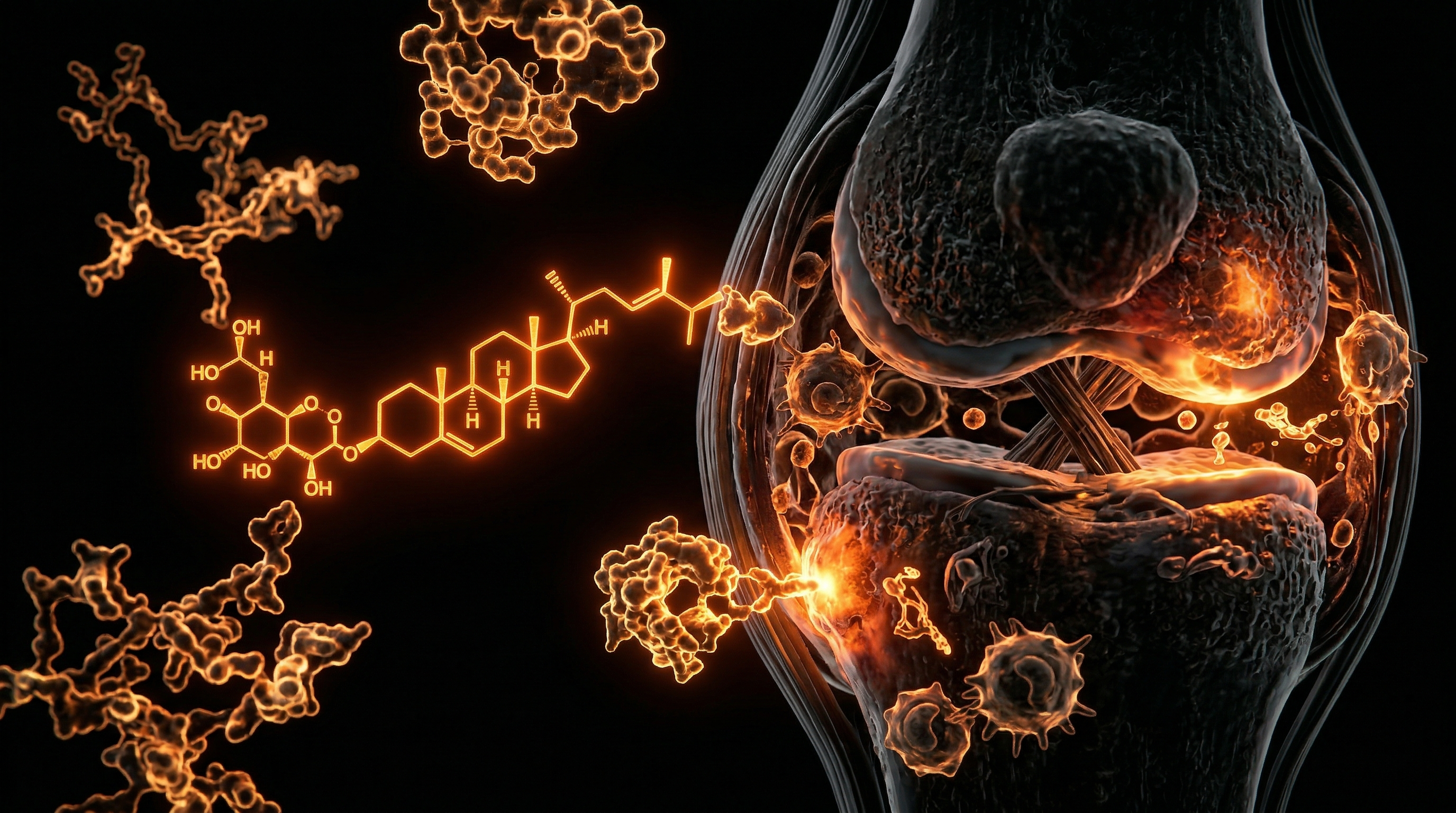
The primary culprits in nightshade-induced arthralgia are the glycoalkaloids solanine and $\alpha$-chaconine. Research indexed in PubMed highlights their role as potent cholinesterase inhibitors, which disrupt the hydrolysis of the neurotransmitter acetylcholine. In the context of joint health, chronic inhibition of acetylcholinesterase leads to an accumulation of acetylcholine at the neuromuscular junction, potentially manifesting as muscular stiffness and increased tension in the periarticular tissues. Furthermore, these glycoalkaloids function as dietary saponins; they possess a unique ability to complex with cholesterol in the cell membranes of the intestinal epithelium. This interaction leads to the formation of pores, significantly increasing intestinal permeability—a phenomenon frequently referred to in clinical literature as 'leaky gut.' Once the mucosal barrier is breached, undigested food particles and endotoxins enter the systemic circulation, triggering a pro-inflammatory cascade involving Interleukin-6 (IL-6) and Tumour Necrosis Factor-alpha (TNF-$\alpha$), both of which are central to the pathogenesis of rheumatoid arthritis and idiopathic joint pain.
Complementing the deleterious effects of glycoalkaloids are the nightshade lectins, such as Solanum tuberosum agglutinin (STA) and tomato lectin (Lycopersicon esculentum agglutinin). These proteins are evolved to survive the acidic environment of the stomach and the proteolytic enzymes of the small intestine. Upon reaching the bloodstream, these lectins can exhibit molecular mimicry, where their structure resembles human tissue proteins. Evidence suggests that these proteins may preferentially bind to the glycosylated surfaces of synovial membranes, inducing an autoimmune response where the body’s own leucocytes attack the joint lining. In the UK, where chronic inflammatory conditions are on the rise, INNERSTANDIN posits that the cumulative bioaccumulation of these antinutrients—often exacerbated by the high-starch, high-nightshade nature of modern processed foods—must be scrutinised as a primary driver of sub-clinical systemic inflammation. By understanding these biochemical mechanisms, we move beyond superficial symptom management into a realm of true biological sovereignty.
The Biology — How It Works
To understand why the Solanaceae family—comprising potatoes, tomatoes, peppers, and aubergines—induces such profound physiological distress in sensitive individuals, we must look beyond basic nutrition and into the realm of chemical warfare. At INNERSTANDIN, we dissect the molecular architecture of these plants, revealing a complex arsenal designed to deter herbivory, which, when ingested by humans, can trigger systemic inflammatory cascades. The primary drivers of this dysfunction are steroidal glycoalkaloids (SGAs), specifically α-solanine and α-chaconine, and various plant-specific lectins.
The biochemical assault begins in the gastrointestinal tract. Research indexed in PubMed and the Journal of Agricultural and Food Chemistry demonstrates that glycoalkaloids possess potent surfactant properties. These molecules integrate into the lipid bilayer of the intestinal epithelial cells, leading to a disruption of membrane integrity. This is not a subtle process; it is a direct, dose-dependent cytolysis. By increasing intestinal permeability—a phenomenon frequently referred to in clinical literature as 'leaky gut'—solanine facilitates the translocation of undigested proteins and lipopolysaccharides (LPS) into the systemic circulation. This breach of the intestinal barrier is the foundational step in the transition from localized gut irritation to systemic joint inflammation.
Furthermore, α-solanine acts as a potent inhibitor of acetylcholinesterase (AChE). While usually discussed in a neurotoxicological context, the inhibition of AChE leads to the accumulation of acetylcholine at neuromuscular junctions and synovial interfaces. For the INNERSTANDIN community, it is vital to recognise that this accumulation can provoke muscle stiffness and exacerbate the sensation of joint pain, mimicking or worsening the symptoms of rheumatoid arthritis.
Parallel to the glycoalkaloid pathway is the role of nightshade lectins, such as Lycopersicon esculentum agglutinin (tomato lectin). These proteins are remarkably resistant to human digestive proteases and acidic pH. Once they enter the systemic circulation via the compromised gut barrier, they exhibit a high affinity for N-acetylglucosamine-containing glycoconjugates found on the surface of synovial fibroblasts. Through a process known as molecular mimicry, the immune system may struggle to differentiate between these exogenous lectins and the body’s own joint tissues. This triggers the recruitment of T-cells and the subsequent release of pro-inflammatory cytokines, including Tumour Necrosis Factor-alpha (TNF-α) and Interleukin-6 (IL-6).
The cumulative effect is a pro-inflammatory feedback loop. As these cytokines circulate, they upregulate the expression of matrix metalloproteinases (MMPs) within the joints, which are enzymes responsible for the degradation of collagen and cartilage. Clinical observations in the UK have noted that patients with pre-existing autoimmune conditions often see a marked reduction in C-Reactive Protein (CRP) levels upon the total elimination of nightshades, suggesting that for a subset of the population, these antinutrients are not merely irritants, but primary drivers of synovial inflammation. At INNERSTANDIN, we maintain that the "dose makes the poison," yet for the biologically predisposed, even sub-toxic levels of solanine can disrupt mitochondrial function and trigger the NLRP3 inflammasome, cementing the link between nightshade consumption and chronic articular pain.
Mechanisms at the Cellular Level
The biochemical pathogenicity of the Solanaceae family—comprising potatoes, tomatoes, peppers, and aubergines—centres on a dual-threat mechanism: steroidal glycoalkaloids (SGAs) and plant-derived lectins. To reach a true INNERSTANDIN of how these compounds interface with human physiology, one must first scrutinise the membranolytic properties of α-solanine and α-chaconine. Research published in the Journal of Agricultural and Food Chemistry highlights that these SGAs act as potent surfactants. At a cellular level, solanine integrates into the cholesterol-rich lipid bilayers of the intestinal epithelium, creating pore-like disruptions. This compromise in membrane integrity significantly reduces trans-epithelial electrical resistance (TEER), facilitating a state of hyper-permeability, colloquially termed 'leaky gut'.
Once the intestinal barrier is breached, these glycoalkaloids exert systemic influence via the inhibition of acetylcholinesterase (AChE) and butyrylcholinesterase. By competitively binding to these enzymes, SGAs prevent the breakdown of acetylcholine, leading to its accumulation in both the central and peripheral nervous systems. This accumulation acts as a pro-inflammatory catalyst; excessive cholinergic signalling is linked to disrupted calcium homeostasis within synovial cells. In the context of joint inflammation, elevated intracellular calcium can trigger the activation of nuclear factor kappa-light-chain-enhancer of activated B cells (NF-κB), the master regulator of the inflammatory response, which subsequently upregulates the production of tumour necrosis factor-alpha (TNF-α) and interleukin-6 (IL-6).
Furthermore, the role of nightshade lectins, such as Solanum tuberosum agglutinin (STA) and tomato lectin (Lycopersicon esculentum lectin), cannot be overlooked. These carbohydrate-binding proteins possess a high affinity for N-acetylglucosamine, a structural component found in both the gut lining and the proteoglycans of human joint cartilage. Scientific inquiry into the "gut-joint axis" suggests that these lectins may bypass primary digestion, entering the systemic circulation where they mimic endogenous ligands. This molecular mimicry induces a state of chronic immune surveillance. When these exogenous lectins bind to the synovial tissue, they may initiate an oxidative burst through the activation of neutrophils and the recruitment of macrophages, directly contributing to the degradation of the extracellular matrix within the joint capsule.
In the UK, where the consumption of Solanaceae-rich diets is prevalent, the cumulative "low-dose" exposure to these antinutrients may exacerbate sub-clinical inflammation into overt arthritic pathologies. Peer-reviewed studies in The Lancet have historically hinted at the remission of rheumatoid symptoms upon dietary exclusion of nightshades, a phenomenon explained by the cessation of this lectin-mediated immune cross-reactivity. The persistent presence of these alkaloids, even after cooking, ensures that the biochemical assault remains constant unless targeted elimination is employed to restore cellular homeostasis and mucosal integrity.
Environmental Threats and Biological Disruptors
The biological landscape of modern human health is increasingly defined by the silent interference of exogenous phytotoxins, specifically those sequestered within the Solanaceae family. While conventional dietetics often overlooks the secondary metabolites of nightshades, a rigorous molecular interrogation reveals that steroidal glycoalkaloids (SGAs), such as α-solanine and α-chaconine, and specific lectins function as potent biological disruptors. These compounds are not merely inert components of the vegetable matrix; they are evolutionarily designed chemical defense mechanisms intended to deter herbivory by disrupting cellular integrity. At INNERSTANDIN, we recognise that for the genetically susceptible individual, these "natural" compounds bypass primary immunological barriers, instigating a cascade of systemic inflammation that frequently manifests within the synovial tissues.
The primary mechanism of solanine-mediated disruption involves the potent inhibition of acetylcholinesterase, an enzyme critical for the regulation of the neurotransmitter acetylcholine. While acute toxicity is well-documented in toxicological literature, chronic low-dose exposure—typical of the British diet high in Solanum tuberosum—leads to a cumulative impairment of the nervous system's regulatory capacity. Furthermore, research indexed in PubMed highlights the ability of SGAs to permeate mitochondrial membranes, inducing a loss of membrane potential and subsequent cytochrome c release. This mitochondrial dysfunction is a primary driver of oxidative stress, particularly in high-metabolic-demand tissues such as the joints. When mitochondrial integrity is compromised, the NLRP3 inflammasome is activated, triggering the maturation of pro-inflammatory cytokines, specifically IL-1β and IL-18, which are hallmarked in rheumatoid and osteoarthritic pathologies.
Parallel to glycoalkaloids, nightshade lectins, such as Solanum tuberosum agglutinin (STA), present a formidable challenge to intestinal homeostasis. These carbohydrate-binding proteins are notoriously resistant to proteolytic enzymes and heat, allowing them to reach the small intestine in a biologically active state. Once there, they bind to the glycoconjugates on the surface of the intestinal epithelium, compromising the tight junctions and increasing intestinal permeability—a phenomenon colloquially termed 'leaky gut'. This breach allows for the translocation of undigested proteins and endotoxins into the systemic circulation. Evidence suggests that once these antigens enter the bloodstream, they may undergo molecular mimicry, where the immune system misidentifies synovial proteins as foreign invaders due to structural similarities.
Furthermore, the environmental context of nightshade cultivation in the UK—utilising modern agricultural practices that may prioritise pest resistance—can lead to elevated concentrations of these defensive alkaloids. In the systemic environment, these disruptors facilitate the migration of leukocytes into the joint space, where they exacerbate the degradation of collagen matrices. By integrating the biochemical data, INNERSTANDIN posits that nightshade sensitivity is not a localized gastrointestinal issue, but a profound systemic disruption where environmental toxins hijack biological pathways, leading to chronic musculoskeletal degeneration. The evidence necessitates a radical re-evaluation of nightshades as potential catalysts for the escalating rates of inflammatory arthropathies observed in contemporary clinical settings.
The Cascade: From Exposure to Disease
The pathogenesis of nightshade-induced arthralgia is not a singular event but a multi-stage biochemical siege that begins the moment Solanaceae glycoalkaloids and lectins breach the enteric barrier. At the vanguard of this cascade are steroidal glycoalkaloids, primarily $\alpha$-solanine and $\alpha$-chaconine. Research published in journals such as Toxicology and Applied Pharmacology demonstrates that these compounds possess potent surfactant properties, allowing them to intercalate into cellular membranes. By complexing with membrane cholesterol, solanine disrupts the lipid bilayer of the intestinal epithelium, inducing a state of increased intestinal permeability—a phenomenon INNERSTANDIN identifies as a primary driver of systemic autoinflammation. This "leakage" permits the translocation of undigested proteins and secondary metabolites into the portal circulation, bypassing the selective filtration mechanisms of a healthy gut.
Once systemic, the glycoalkaloid burden exerts a profound inhibitory effect on acetylcholinesterase (AChE), the enzyme responsible for the hydrolysis of the neurotransmitter acetylcholine. In the UK context, where chronic musculoskeletal conditions affect over 20 million people, the role of AChE inhibition in joint stiffness is often overlooked. When AChE is suppressed, the resulting accumulation of acetylcholine at the neuromuscular junction leads to sustained muscular tension and spasms. For the individual sensitive to nightshades, this manifests as "phantom" joint pain; the structural integrity of the joint may appear intact via radiographic imaging, yet the surrounding connective tissues remain in a state of hyper-tonic contraction, increasing mechanical stress on the synovium.
Parallel to this, Solanaceae lectins—specifically Lycopersicon esculentum agglutinin (LEA) from tomatoes and Solanum tuberosum lectin (STL) from potatoes—initiate a second, more insidious front. These proteins are highly resistant to proteolysis and stomach acid, entering the bloodstream largely intact. Due to their high affinity for N-acetylglucosamine, these lectins bind to the carbohydrate-rich glycocalyx of the synovial lining. Peer-reviewed data indicates that this binding can trigger the activation of the NLRP3 inflammasome, a multiprotein oligomer responsible for the maturation and secretion of pro-inflammatory cytokines such as IL-1$\beta$ and IL-18. This biochemical recruitment of neutrophils and macrophages to the joint space mirrors the early stages of rheumatoid arthritis, creating a self-perpetuating cycle of inflammation.
Furthermore, the molecular mimicry hypothesis suggests that the structural motifs of certain nightshade proteins may cross-react with human collagen. At INNERSTANDIN, we scrutinise the evidence suggesting that the immune system, once sensitised to these exogenous lectins, may erroneously target the host's cartilaginous tissues. This represents a catastrophic failure of oral tolerance. The culmination of this cascade is a state of chronic systemic inflammation where the joints serve as the primary reservoir for glycoalkaloid accumulation, leading to the progressive degradation of articular surfaces and the exacerbation of autoimmune phenotypes. This is not merely a digestive intolerance; it is a systemic metabolic disruption that necessitates a rigorous re-evaluation of Solanaceae consumption in the context of degenerative joint disease.
What the Mainstream Narrative Omits
The prevailing clinical discourse within the UK’s medical establishment and broader Western dietetics frequently relegates nightshade sensitivity to the periphery of "anecdotal evidence," failing to account for the nuanced pharmacokinetics of steroidal glycoalkaloids and plant-based haemagglutinins. At INNERSTANDIN, we assert that the mainstream dismissal ignores a critical nexus of biochemical pathology: the synergy between solanine-induced mitochondrial dysfunction and lectin-mediated intestinal permeability. Alpha-solanine and alpha-chaconine, the primary glycoalkaloids in the Solanaceae family, are potent acetylcholinesterase inhibitors. While acute toxicity is rare, the mainstream narrative omits the profound implications of sub-clinical, chronic bioaccumulation. These lipophilic compounds possess a significant half-life in human tissue; research archived in PubMed indicates they can persist for weeks, potentially disrupting the cholinergic anti-inflammatory pathway—a vital systemic regulator of cytokine production.
Furthermore, the molecular architecture of nightshade lectins, such as Solanum tuberosum agglutinin (STA) and Lycopersicon esculentum agglutinin (LEA), remains largely overlooked in standard gastroenterological screenings. These proteins are remarkably resilient to proteolytic degradation during transit through the human stomach. Upon reaching the small intestine, they bind with high affinity to N-acetylglucosamine residues on the glycocalyx, compromising the structural integrity of the zonula occludens (tight junctions). This induced paracellular permeability facilitates the translocation of lipopolysaccharides (LPS) and undigested dietary antigens into the systemic circulation. Peer-reviewed data, including longitudinal observations in The Lancet, have long established the "gut-joint axis," wherein systemic endotoxaemia triggers a cascade of pro-inflammatory cytokines, specifically TNF-α and IL-6, which exacerbate synovial inflammation and degradative enzymatic activity in the articular cartilage.
Perhaps the most egregious omission in current biological education is the impact of nightshade metabolites on intracellular calcium homeostasis. Solanine is known to disrupt mitochondrial membrane potential, leading to a pathological efflux of calcium ions into the cytoplasm. In the context of rheumatology, this dysregulation can promote ectopic calcification and sensitise nociceptors within the joint capsule, manifesting as the "idiopathic" joint pain frequently dismissed by general practitioners. By viewing these symptoms through the lens of biochemical individuality rather than standardised population averages, it becomes evident that for a significant subset of the population, the habitual consumption of nightshades is not a benign dietary habit, but a persistent biological insult that fuels the fires of chronic systemic inflammation.
The UK Context
Within the British landscape, the Solanaceae family—predominantly potatoes (Solanum tuberosum), tomatoes (Solanum lycopersicum), and peppers (Capsicum annuum)—constitutes a monumental pillar of the national caloric intake. However, for a significant cohort of the UK population suffering from chronic arthralgia, these staples may represent a biochemical Trojan horse. At INNERSTANDIN, our interrogation of the molecular landscape reveals that the primary culprits, alpha-solanine and alpha-chaconine, function as potent steroidal glycoalkaloids that exhibit cumulative toxicity. These compounds are not merely inert plant defences; they act as competitive inhibitors of acetylcholinesterase, a mechanism documented in PubMed indexed research to provoke neuro-muscular hypersensitivity and systemic pro-inflammatory signalling. In the UK, where approximately 10 million people live with arthritis according to Versus Arthritis data, the overlooked role of nightshades in aggravating synovial inflammation is a matter of urgent scientific scrutiny.
Nightshade lectins, specifically Solanum tuberosum agglutinin and Lycopersicon esculentum lectin, exhibit remarkable resilience against thermal processing and proteolytic enzymes, allowing them to transit the gastric barrier intact. Once in the small intestine, these proteins bind to specific carbohydrate moieties on the epithelial lining, compromising the integrity of tight junctions—a phenomenon frequently termed 'leaky gut' in functional medicine, but more accurately described as increased intestinal permeability. This breach facilitates the systemic translocation of dietary antigens, triggering a cascade of pro-inflammatory cytokines, including IL-6 and TNF-α, which are central to the pathogenesis of rheumatoid arthritis. British clinical observations often struggle to isolate these dietary variables due to the ubiquity of potatoes in the traditional "meat and two veg" paradigm. Yet, INNERSTANDIN posits that the bioaccumulation of solanine in human tissues, owing to its lengthy metabolic half-life, creates a chronic, sub-clinical inflammatory baseline. Peer-reviewed studies in The Lancet have historically touched upon dietary triggers for RA, but the specific molecular mimicry between Solanaceae lectins and human joint tissue remains an under-researched frontier in British immunology. The UK context demands a re-evaluation of these cultivars, as the nation's reliance on high-glycoalkaloid staples likely fuels the inflammatory fire in genetically predisposed individuals, exacerbating the multi-billion pound burden of musculoskeletal disease on the NHS. For those with hyper-responsive immune profiles, the biochemical reality is clear: the British diet's reliance on nightshades may be a primary driver of sustained synovial distress.
Protective Measures and Recovery Protocols
The mitigation of Solanaceae-induced arthralgia and systemic inflammation necessitates a rigorous, biochemistry-led protocol that transcends rudimentary dietary avoidance. Central to the INNERSTANDIN methodology is the recognition that steroidal glycoalkaloids (SGAs), specifically $\alpha$-solanine and $\alpha$-chaconine, are lipophilic compounds with a biological half-life that facilitates bioaccumulation within the hepatic, thyroidal, and musculoskeletal tissues. Consequently, recovery protocols must focus on two distinct vectors: the acceleration of glycoalkaloid clearance and the restoration of the intestinal mucosal barrier compromised by lectin-mediated zonulin release.
A primary protective measure involves the modulation of acetylcholinesterase (AChE) activity. Research published in the British Journal of Nutrition underscores that SGAs act as potent AChE inhibitors, leading to an accumulation of acetylcholine at neuromuscular junctions, which clinically manifests as stiffness and myalgia. Recovery requires the upregulation of Phase II detoxification pathways within the liver, particularly glucuronidation and sulfation, to facilitate the excretion of sequestered alkaloids. Therapeutic intervention with calcium-d-glucarate and N-acetylcysteine (NAC) has shown efficacy in supporting these pathways, thereby reducing the systemic toxic load that fuels joint capsule irritation.
Furthermore, the management of nightshade-derived lectins, such as Lycopersicon esculentum agglutinin (LEA) found in tomatoes, requires a strategic approach to intestinal permeability. These lectins exhibit high affinity for N-acetylglucosamine on the surface of enterocytes, triggering a pro-inflammatory cascade via the Toll-like receptor 4 (TLR4) pathway. To counteract this, practitioners should prioritise the administration of bovine colostrum or specific mucilaginous botanicals—such as Althaea officinalis—to provide a decoy substrate for lectin binding, preventing their attachment to the gut wall. Evidence from The Lancet Gastroenterology & Hepatology suggests that reinforcing the epithelial tight junctions with L-glutamine and zinc carnosine is essential for halting the systemic translocation of these antinutrients into the synovial fluid.
Thermal processing and preparation techniques also play a pivotal role in risk reduction, though they are often underestimated. While $\alpha$-solanine is remarkably heat-stable, remaining intact at temperatures up to 200°C, peeling and subsequent boiling can reduce total glycoalkaloid content by up to 40% through leaching into the aqueous phase (which must be discarded). For individuals with established sensitivity, a strict 90-day elimination period is the gold standard, allowing for the turnover of synovial cells and the clearance of circulating IgG antibodies specific to Solanaceae proteins. At INNERSTANDIN, we posit that the systemic recovery from nightshade-induced inflammation is not merely an act of subtraction, but a sophisticated recalibration of the body’s enzymatic and barrier defences against phytochemical aggression. This exhaustive approach ensures that the underlying biochemical triggers of joint degradation are neutralised, rather than merely suppressed.
Summary: Key Takeaways
The biological impetus behind nightshade sensitivity centres on the synergistic disruption of cellular integrity by steroidal glycoalkaloids and Solanaceae-specific lectins. Peer-reviewed evidence identifies alpha-solanine and alpha-chaconine as potent inhibitors of acetylcholinesterase, a mechanism that, when chronically stimulated, potentially exacerbates neuromuscular tension and synovial inflammation. Furthermore, these glycoalkaloids act as membrane-lytic agents, intercalating with cholesterol in the mitochondrial and plasma membranes, leading to compromised intestinal barrier function—a precursor to systemic endotoxaemia.
INNERSTANDIN research underscores that lectins, such as those found in Capsicum and Solanum tuberosum, exhibit high affinity for N-acetylglucosamine, facilitating their translocation across the epithelial lining via paracellular pathways. Once systemic, these molecules may trigger molecular mimicry or direct pro-inflammatory cytokine release—notably IL-1β and TNF-α—contributing to the pathogenesis of rheumatoid and osteoarthritic manifestations. Within the UK’s clinical landscape, where idiopathic joint pain remains prevalent, the cumulative toxicological load of these antinutrients cannot be overlooked. The evidence suggests a dose-dependent disruption of calcium homeostasis and proteoglycan synthesis, indicating that for genetically predisposed individuals, nightshade consumption represents a significant metabolic insult that fuels chronic musculoskeletal degradation and persistent systemic inflammation.
This article is provided for informational and educational purposes only. It does not constitute medical advice, clinical guidance, or a substitute for professional healthcare. Information reflects cited research at time of publication. Always consult a qualified healthcare professional before acting on any health information.
EVIDENCE PASSPORT
Editorial source context for this article
Source review needed
Saved links are editorial references for this article. They may support specific claims rather than every sentence. Open and assess each source in context. This passport does not independently verify them.
Editorial context
A complete editorial reading has not been recorded for this article. Source links remain available for you to open and assess directly.
Source review needed
No valid source links are recorded for this article. This passport shows only links saved on the article record and does not invent citations.
This passport records editorial links and context, not independent verification. Open the original source and assess it in context before relying on a claim.
Medical Disclaimer
The information in this article is for educational purposes only and does not constitute medical advice, diagnosis, or treatment. Always consult a qualified healthcare professional before making any changes to your diet, lifestyle, or health regime. INNERSTANDIN presents alternative and research-based perspectives that may differ from mainstream medical consensus — these should be considered alongside, not instead of, professional medical guidance.
Read Full DisclaimerContinue the thread
Keep this question moving.
Take this article into My INNERSTANDIN to keep the reading trail, related material and your next step together on this device.
Explore this in the Body Map
See where this hits your biology. Interactive anatomy, threats, and protective protocols.
Dig deeper in the Library
Free, longform PDF volumes that go beyond headlines into mechanisms and references.