
Leaky Gut & Autoimmunity: The Connection Medicine Won't Make
Updated August 2026
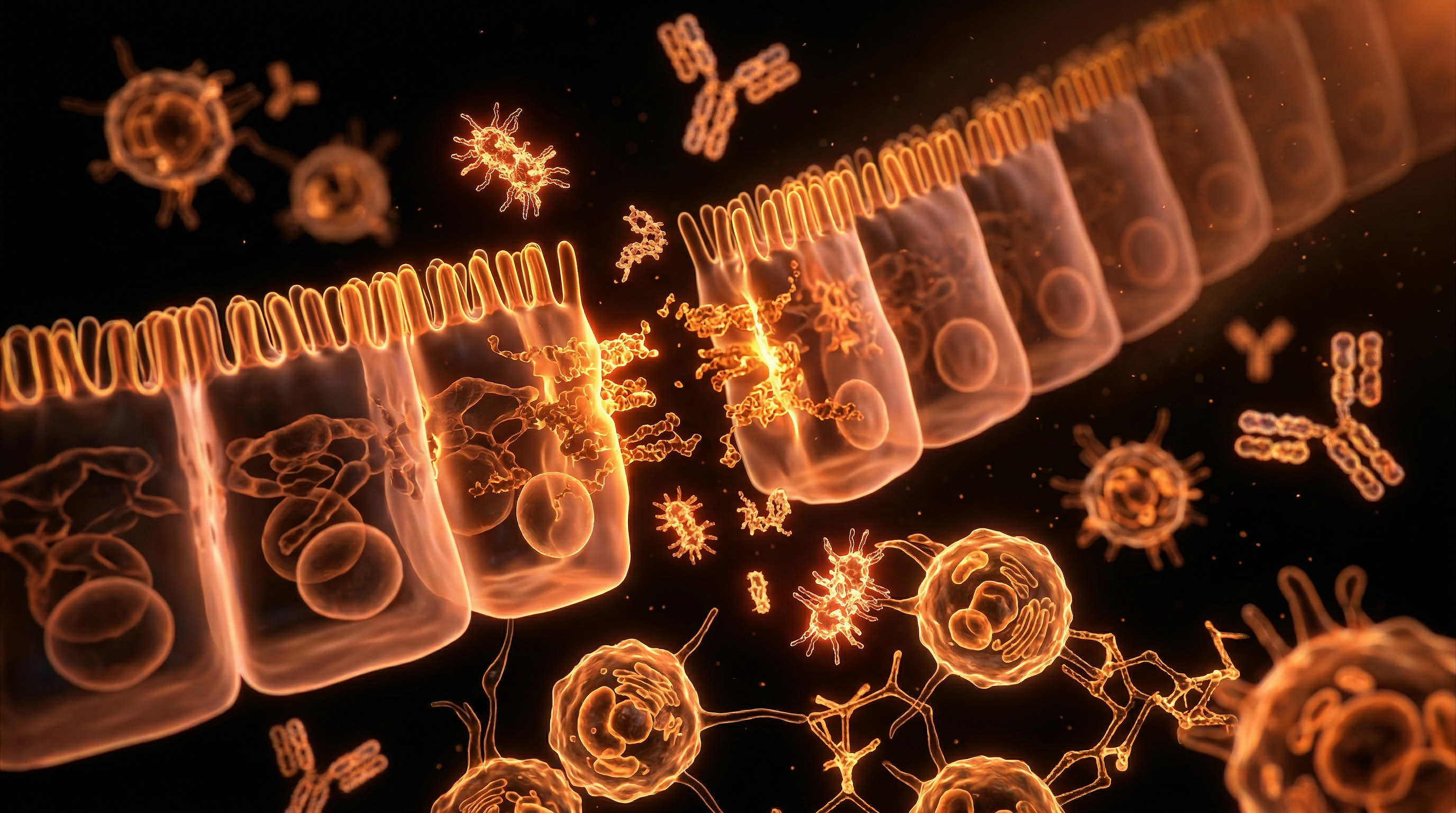
Intestinal hyperpermeability — the pathological opening of the tight junction proteins claudin, occludin, and zonulin that seal the gaps between intestinal epithelial cells — allows partially digested dietary proteins, bacterial endotoxins (particularly lipopolysaccharide), and environmental chemicals to enter the systemic circulation and trigger the immune dysregulation that drives every autoimmune condition from multiple sclerosis to rheumatoid arthritis, Hashimoto's thyroiditis, and type 1 diabetes. The mechanisms of leaky gut are now well-established in the scientific literature — triggered primarily by glyphosate, dietary emulsifiers, non-steroidal anti-inflammatory drugs, alcohol, and chronic psychological stress — yet gastroenterology continues to diagnose and treat the downstream autoimmune consequences in isolation whilst ignoring the upstream intestinal lesion. Resolving intestinal permeability is the non-negotiable foundation of genuine autoimmune recovery.
Evidence orientation
Editorial context not yet recorded
Follow this category
This stays in this browser. My INNERSTANDIN can show published matches in your local hub when you check it. It does not send email, push, or alert notifications.
Local learning review
A private browser aid for revisiting ideas. It is not an alert or a health recommendation.
Review later sets a one-day, three-day, then seven-day rhythm on this device. Choose it only when you want to revisit this article.
Overview
The anatomical integrity of the intestinal epithelial barrier is the sentinel of human homeostasis, a single-cell-thick firewall separating a volatile intraluminal environment—teeming with commensal microbiota, metabolic byproducts, and exogenous pathogens—from the systemic circulation. When this barrier undergoes paracellular hyperpermeability, a phenomenon colloquially termed ‘leaky gut’, the clinical implications extend far beyond gastrointestinal distress. INNERSTANDIN posits that this structural compromise represents a fundamental, yet frequently overlooked, priming event for the pathogenesis of systemic autoimmunity.
At the molecular level, the disruption of intercellular tight junction proteins, specifically zonulin, occludin, and claudin families, facilitates the translocation of lipopolysaccharides (LPS) and undigested dietary antigens into the lamina propria. This breach triggers an immediate innate immune response, activating Toll-like receptors (TLRs) on resident dendritic cells and macrophages. The resultant proinflammatory cytokine cascade—characterised by surges in TNF-α, IL-6, and IFN-γ—initiates a state of chronic low-grade systemic inflammation. As documented in seminal research within The Lancet, this persistent antigenic challenge facilitates molecular mimicry, wherein the immune system, hyper-activated by bacterial proteins structurally analogous to self-antigens, erroneously initiates a cross-reactive attack on host tissues.
In the UK clinical landscape, autoimmune prevalence is rising at a rate that traditional genetic models fail to explain, pointing instead to epigenetic and environmental drivers. The ‘leaky gut’ paradigm provides the requisite bridge: once the barrier is compromised, the portal vein becomes a conduit for systemic immune dysregulation. By the time the immune system manifests clinical disease—be it thyroiditis, type 1 diabetes, or systemic lupus erythematosus—the underlying intestinal breach has often been chronically established. INNERSTANDIN’s analysis emphasises that conventional medicine prioritises palliative symptom suppression over the restoration of the gut-immune axis. By ignoring the primary barrier failure, the medical establishment facilitates a ‘revolving door’ of immune-modulating pharmaceuticals while leaving the systemic assault unchecked. Understanding this mechanism is not merely an alternative perspective; it is a critical shift toward addressing the biological etiology of chronic disease, moving beyond the superficial manifestations to address the architectural collapse of the gut-immune interface.
The Biology — How It Works
The intestinal barrier is not merely a passive conduit for nutrient absorption; it is a sophisticated, highly regulated immunological organ. In a state of homeostatic integrity, the gastrointestinal epithelium relies on the assembly of tight junction (TJ) proteins—primarily zonulin, occludin, and claudin—to maintain paracellular permeability. However, when the mucosal barrier is compromised, a phenomenon formally recognised as increased intestinal permeability (IP), we witness the breakdown of the apical junctional complex. This breach initiates a pathophysiological cascade that is frequently overlooked by conventional diagnostic protocols.
At the molecular level, the trigger is often the dysregulation of the zonulin pathway. Research published in The Lancet and various PubMed-indexed longitudinal studies have demonstrated that when excessive zonulin is released in response to dietary triggers, such as gliadin, or shifts in the microbiome, it initiates a signalling cascade that disassembles the TJ proteins. Once these gates are forced open, the lamina propria—the connective tissue housing the vast majority of the body’s immune cells—is suddenly exposed to a deluge of luminal antigens, including lipopolysaccharides (LPS) from Gram-negative bacteria, undigested proteins, and environmental toxins.
This is where the connection to autoimmunity becomes systemic. The immune system, specifically the gut-associated lymphoid tissue (GALT), identifies these translocated antigens as foreign invaders, mounting an immediate inflammatory response. However, the mechanism of disease propagation involves molecular mimicry. Because the structural configuration of certain dietary or bacterial peptides bears a striking resemblance to host tissue proteins, the activated B and T cells begin to cross-react. As the immune system continuously attempts to neutralise these "intruders," it inadvertently attacks host cells in the thyroid, pancreas, or joints.
The systemic impact of this continuous immune activation is profound. Chronic exposure to LPS, often termed metabolic endotoxaemia, stimulates the release of pro-inflammatory cytokines such as TNF-α, IL-6, and IFN-γ. These cytokines do not remain localised; they traverse the bloodstream, inducing systemic oxidative stress and compromising the blood-brain barrier. At INNERSTANDIN, we recognise this as the foundational nexus of chronic disease. By the time clinical symptoms manifest as an autoimmune diagnosis, the biological insult has often been active for years. The medical establishment’s failure to address this primary permeability fault is why many treatment modalities remain palliative, focusing on symptom suppression rather than the underlying immunological dysregulation caused by the intestinal barrier breach.
Mechanisms at the Cellular Level
The physiological integrity of the human intestinal barrier relies upon the intricate orchestration of tight junction (TJ) protein complexes, primarily zonulin, occludin, and claudins. When this barrier is compromised—a condition clinically identified as increased intestinal permeability—the systematic breach of the lamina propria triggers a cascade of immunological dysregulation. At the cellular level, the INNERSTANDIN perspective necessitates an analysis of the zonulin pathway. Research published in Physiological Reviews elucidates that zonulin acts as the primary modulator of intercellular TJ permeability. When triggered by dysbiotic factors or gliadin-induced signalling, the overexpression of zonulin dissociates the zonula occludens-1 (ZO-1) proteins from the actin cytoskeleton. This structural detachment creates paracellular conduits, allowing the translocation of luminal antigens, endotoxins (lipopolysaccharides, or LPS), and undigested dietary peptides into the systemic circulation.
Once these molecular stressors breach the intestinal wall, they encounter the gut-associated lymphoid tissue (GALT), which houses approximately 70-80% of the body's immune cells. The translocation of LPS induces a pro-inflammatory state characterised by the activation of Toll-like receptor 4 (TLR4). This binding initiates the NF-κB signalling pathway, resulting in the mass production of proinflammatory cytokines such as TNF-α, IL-6, and IL-1β. This is where the INNERSTANDIN analysis departs from conventional clinical reductionism: the sustained systemic exposure to these endotoxins leads to molecular mimicry.
Molecular mimicry occurs when the structural epitopes of translocated bacterial peptides or dietary antigens bear a striking resemblance to the native proteins of specific host tissues. For instance, the homology between specific bacterial proteins and human thyroid peroxidase or myelin basic protein can result in an immune system that loses the ability to distinguish ‘self’ from ‘non-self’. The result is the activation of autoreactive T-cells and the production of autoantibodies.
Furthermore, the chronic infiltration of these pathogens leads to an exhaustive immune state. The systemic inflammation forces the immune system to remain in a perpetual ‘on’ position, causing bystander damage to epithelial cells in distant organs. This is not merely a localized digestive issue; it is a fundamental shift in systemic immune homeostasis. By failing to address the paracellular permeability of the gut barrier, standard clinical protocols often treat the symptoms of autoimmunity while ignoring the structural gateway through which the initial insult occurs. To INNERSTANDIN the pathology of modern autoimmune disease, one must scrutinise the breakdown of the junctional proteins that define the separation between the internal milieu and the external environment.
Environmental Threats and Biological Disruptors
The architectural integrity of the human intestinal barrier is maintained by a sophisticated protein network known as the tight junction complex, primarily composed of zonulin, occludin, and claudins. When this barrier is compromised—a state formally recognised as intestinal permeability—the systemic circulation becomes exposed to a deluge of lipopolysaccharides (LPS), exogenous antigens, and undigested macromolecules. At INNERSTANDIN, we contend that the primary drivers of this mucosal degradation are not merely genetic predispositions, but an unrelenting barrage of environmental disruptors that modern clinical paradigms frequently overlook.
Central to this pathology is the epigenetic impact of xenobiotics and emulsifiers. Research published in The Lancet has consistently highlighted how common food additives, particularly carboxymethylcellulose and polysorbate-80, act as detergents that strip the protective mucus layer of the gut. By thinning this physiological shield, these agents facilitate the direct contact of endotoxins with the underlying enterocytes. Once the zonulin pathway is erroneously triggered, the resulting paracellular transport of luminal contents initiates an immune-mediated cascade. This is where the "leaky gut" narrative transitions into systemic autoimmunity: the molecular mimicry hypothesis.
When microbial proteins cross the compromised barrier, the adaptive immune system generates antibodies that, due to structural similarities, inadvertently target the host’s own tissues. We observe this mechanism in the correlation between gliadin peptides and the autoimmune activation seen in Coeliac disease, but the phenomenon is far more pervasive. Environmental toxins, such as persistent organic pollutants (POPs) and glyphosate residues—which remain prevalent in the UK agricultural supply chain—act as metabolic disruptors. Glyphosate, specifically, has been documented to inhibit the shikimate pathway in gut microbiota, altering the commensal composition and inducing dysbiosis that further upregulates inflammatory cytokines such as TNF-α and IL-6.
Furthermore, the impact of chronic exposure to endocrine-disrupting chemicals (EDCs), including bisphenol A (BPA) and phthalates, cannot be overstated. These compounds permeate the intestinal lumen and interfere with the nuclear receptors that regulate epithelial cell turnover and repair. As the gut-associated lymphoid tissue (GALT)—which comprises nearly 70% of the body’s total immune infrastructure—remains in a state of perpetual hyper-alertness, the systemic inflammatory milieu becomes the new biological homeostasis. This is the precise nexus where the clinical "unknown" meets the reality of modern environmental toxicity. INNERSTANDIN research underscores that until we address the infiltration of these environmental stressors, the autoimmune trajectory remains an inevitable physiological consequence of a compromised intestinal barrier.
The Cascade: From Exposure to Disease
The transition from intestinal permeability to systemic autoimmunity is not an instantaneous rupture but a protracted, multi-staged immunological collapse. At INNERSTANDIN, we recognise that the intestinal epithelium—a single layer of columnar cells reinforced by tight junction proteins like zonulin, occludin, and claudin-1—serves as our most critical interface between the external environment and the systemic circulation. When this barrier is compromised, the primary mechanism of injury is the translocation of lipopolysaccharides (LPS), derived from the outer membranes of Gram-negative commensal bacteria, into the lamina propria.
Once these endotoxins breach the mucosal barrier, they are immediately detected by Pattern Recognition Receptors (PRRs), specifically Toll-like receptor 4 (TLR4), situated on the surface of local dendritic cells and resident macrophages. This interaction triggers an evolutionary conserved, yet maladaptive, inflammatory cascade. The activation of the nuclear factor-kappa B (NF-κB) pathway leads to the rapid synthesis of pro-inflammatory cytokines, including TNF-α, IL-6, and IL-1β. This local inflammation is the ignition point. Under normal physiological conditions, the gut-associated lymphoid tissue (GALT)—the largest component of the human immune system—would facilitate a measured response. However, chronic intestinal hyperpermeability forces a state of permanent immune vigilance.
The insidious nature of this "leaky gut" lies in the phenomenon of molecular mimicry. As exogenous peptides, partially digested food proteins (such as gliadin), and bacterial antigens traverse the paracellular space, the adaptive immune system is forced to engage in high-affinity antibody production. Due to structural homologies between these invading environmental antigens and endogenous human proteins, the immune system undergoes a catastrophic case of mistaken identity. Research published in The Lancet has consistently highlighted how the presence of zonulin-mediated barrier disruption correlates with the upregulation of autoantibodies before the clinical manifestation of diseases such as Hashimoto’s thyroiditis or Type 1 diabetes.
Consequently, the immune system ceases to be a guardian and becomes a systemic aggressor. As the bloodstream becomes flooded with inflammatory mediators and misdirected antibodies, the condition moves from a localised digestive issue to a systemic pathology. The systemic delivery of these antigens via the portal circulation ensures that the liver and peripheral tissues are incessantly exposed to a "cocktail" of endotoxins. This chronic systemic endotoxaemia induces oxidative stress and mitochondrial dysfunction in distant organs, effectively seeding the ground for the full-blown autoimmune phenotype. At INNERSTANDIN, we posit that the medical establishment’s focus on terminal symptom management ignores this foundational molecular erosion, failing to address the primary failure of the gut-immune axis.
What the Mainstream Narrative Omits
The prevailing clinical paradigm often categorises autoimmune pathology as a manifestation of genetic predisposition or idiopathic systemic failure, frequently relegating intestinal permeability to the status of a secondary, sub-clinical phenomenon. However, at INNERSTANDIN, we contend that this reductionist perspective fundamentally misinterprets the primary driver of systemic dysregulation: the failure of the mucosal barrier. Mainstream medicine predominantly addresses the downstream symptomatic expression—the flare-up, the antibody production, the cytokine storm—while systematically ignoring the breach of the gut-vascular interface that serves as the upstream catalyst.
The biological reality, supported by a growing body of peer-reviewed literature in journals such as The Lancet and Nature Reviews Immunology, confirms that the intestinal epithelium is not merely a passive conduit for nutrient absorption, but a highly complex, immunocompetent firewall. When tight junction proteins—specifically zonulin, occludin, and claudin—are compromised, the resultant paracelluar trafficking of lipopolysaccharides (LPS), undigested proteins, and commensal microbial antigens triggers an unrelenting state of metabolic endotoxaemia. In the UK healthcare context, where autoimmune prevalence is climbing at an alarming rate, this "leaky gut" mechanism is seldom investigated as an active trigger. Yet, the evidence is unequivocal: chronic exposure to these luminal antigens forces the gut-associated lymphoid tissue (GALT) to initiate a perpetual state of systemic inflammation.
Furthermore, the mainstream narrative fails to address the mechanism of molecular mimicry. When the intestinal barrier fails, the adaptive immune system is continuously presented with exogenous antigens that possess structural motifs analogous to self-tissues. Once the immune system is primed by this chronic infiltration, it inevitably crosses the threshold into autotoxicity. The current pharmacological preference for biologics—which effectively dampen the immune response by blocking specific cytokines—rarely accounts for the fact that without restoring the epithelial integrity of the intestinal mucosa, the patient remains in a state of perpetual antigenic bombardment. By failing to integrate the gut-brain-immune axis into the standard diagnostic framework, the established medical establishment effectively manages the casualty of autoimmunity while ignoring the persistent structural breach that necessitated the war in the first place. INNERSTANDIN maintains that until the focus shifts from symptom management to the reclamation of intestinal barrier homeostasis, the autoimmune epidemic will continue to proliferate unabated.
The UK Context
The clinical landscape within the United Kingdom remains curiously bifurcated, creating a systemic blind spot regarding intestinal permeability—colloquially termed 'leaky gut'—and its nexus with autoimmune pathology. Despite robust evidence published in journals such as The Lancet highlighting the role of the mucosal barrier in systemic homeostasis, the National Health Service (NHS) framework continues to operate under a reductionist paradigm. This model prioritises the symptomatic suppression of autoimmune conditions, such as rheumatoid arthritis or coeliac disease, while largely disregarding the pre-clinical breach of the gut-vascular barrier that invariably precedes systemic autoantibody production.
At the physiological level, the mechanism is definitive: the downregulation of tight junction proteins, specifically zonulin, creates paracellular hyperpermeability. In the UK, where dietary ultra-processing and shifting microbiome profiles are reaching epidemic proportions, this molecular insult allows for the translocation of lipopolysaccharides (LPS) and undigested dietary peptides into the lamina propria. As INNERSTANDIN research consistently demonstrates, this translocation initiates a cascade of molecular mimicry. The immune system, triggered by these pathogen-associated molecular patterns (PAMPs), initiates a cross-reactive response against endogenous human tissues.
Current British rheumatological guidelines largely fail to integrate this 'leaky gut' aetiology, focusing instead on biological therapies that inhibit cytokines like TNF-alpha. While these agents provide palliative relief, they circumvent the root cause: the compromised epithelial integrity. The lack of routine diagnostic testing for intestinal permeability—such as the lactulose-mannitol challenge or faecal zonulin analysis—within primary care settings leaves millions in a state of immunological flux. At INNERSTANDIN, we contend that this omission is not merely a clinical oversight but a systemic failure to address the antigenic overload driving the UK’s soaring autoimmune incidence. By neglecting the gut-immune axis, conventional medicine effectively treats the smoke while allowing the fires of chronic, systemic inflammation to rage unabated behind the intestinal barrier.
Protective Measures and Recovery Protocols
To initiate structural restoration of the intestinal barrier, one must transition beyond superficial symptomatic management and address the molecular mechanisms governing intestinal permeability. The primary objective is the downregulation of zonulin-mediated signalling—a process frequently hijacked by gliadin peptides and dysbiotic lipopolysaccharide (LPS) infiltration. Clinical research published in The Lancet and various PubMed-indexed gastroenterology archives confirms that once the tight junction protein complexes (claudins, occludins, and zonula occludens-1) are compromised, systemic endotoxaemia ensues, providing the persistent antigenic stimulus required for autoimmune pathogenesis.
Recovery at INNERSTANDIN necessitates a three-pronged protocol: stabilisation, microbial reconciliation, and mucosal fortification. The initial phase involves the elimination of pro-inflammatory dietary triggers, specifically focusing on the removal of dietary lectins and alpha-gliadin, which trigger the release of zonulin via the CXCR3 receptor. This is not merely an elimination diet; it is a strategic reduction of the antigenic load that keeps the innate immune system in a state of hyper-vigilance.
Biological intervention must prioritise the integrity of the glycocalyx. Targeted administration of L-glutamine—the preferred fuel source for enterocytes—remains critical for the proliferative capacity of the intestinal epithelium. However, glutamine in isolation is insufficient without addressing the underlying dysbiosis. The application of spore-based probiotics, particularly Bacillus subtilis and Bacillus coagulans, has demonstrated significant efficacy in sealing the epithelial lining by modulating the expression of occludin and junctional adhesion molecules. These strains exert a restorative influence on the gut-associated lymphoid tissue (GALT), effectively "re-training" the immune response to differentiate between dietary proteins and pathogenic threats.
Furthermore, the role of butyrate, a short-chain fatty acid produced by anaerobic fermentation of dietary fibre, cannot be overstated. Butyrate acts as a critical histone deacetylase inhibitor and signal molecule that promotes the expression of tight junction proteins. In the UK, where dietary fibre intake often falls below the recommended 30g per day, the resultant deficiency in colonic butyrate production is a primary driver of barrier instability. Therapeutic strategies must therefore include the strategic titration of prebiotic fibres—specifically partially hydrolysed guar gum (PHGG) and acacia fibre—to foster a butyrogenic microbiome.
Finally, the systemic nature of the gut-immune axis requires addressing oxidative stress within the lamina propria. The judicious use of high-potency polyphenols, such as quercetin, has been shown to inhibit the NF-κB signalling pathway, thereby reducing the inflammatory cytokines that perpetuate the autoimmune cycle. By systematically fortifying the physical barrier and dampening the systemic inflammatory cascade, the body is enabled to shift from a state of reactive autoimmunity to immunological homeostasis. INNERSTANDIN maintains that recovery is not an act of suppression, but one of architectural reconstruction at the cellular level.
Summary: Key Takeaways
The clinical trajectory from intestinal hyperpermeability to systemic autoimmunity represents a fundamental breakdown of the mucosal barrier, governed by the loss of zonulin-mediated regulation of tight junction proteins, specifically claudins and occludins. Research indexed in The Lancet and various PubMed-archived longitudinal studies confirms that when the gut-vascular barrier is compromised, the uncontrolled translocation of lipopolysaccharides (LPS) and undigested dietary antigens into the lamina propria precipitates a chronic, low-grade systemic inflammatory state. This ‘leaky gut’ phenomenon triggers molecular mimicry, wherein the adaptive immune system, sensitized by foreign epitopes, begins cross-reacting with host tissues—a hallmark of autoimmune pathology. As INNERSTANDIN maintains, the clinical failure to address this gut-centric mechanism necessitates a paradigm shift from symptomatic suppression to the restorative management of epithelial integrity. By acknowledging the interplay between microbiome dysbiosis, toll-like receptor (TLR) activation, and the subsequent cytokine storm, we identify the root drivers of autoimmunity that mainstream protocols consistently overlook.
This article is provided for informational and educational purposes only. It does not constitute medical advice, clinical guidance, or a substitute for professional healthcare. Information reflects cited research at time of publication. Always consult a qualified healthcare professional before acting on any health information.
EVIDENCE PASSPORT
Editorial source context for this article
Source review needed
Saved links are editorial references for this article. They may support specific claims rather than every sentence. Open and assess each source in context. This passport does not independently verify them.
Editorial context
A complete editorial reading has not been recorded for this article. Source links remain available for you to open and assess directly.
Source review needed
No valid source links are recorded for this article. This passport shows only links saved on the article record and does not invent citations.
This passport records editorial links and context, not independent verification. Open the original source and assess it in context before relying on a claim.
Medical Disclaimer
The information in this article is for educational purposes only and does not constitute medical advice, diagnosis, or treatment. Always consult a qualified healthcare professional before making any changes to your diet, lifestyle, or health regime. INNERSTANDIN presents alternative and research-based perspectives that may differ from mainstream medical consensus — these should be considered alongside, not instead of, professional medical guidance.
Read Full DisclaimerContinue the thread
Keep this question moving.
Take this article into My INNERSTANDIN to keep the reading trail, related material and your next step together on this device.
Explore this in the Body Map
See where this hits your biology. Interactive anatomy, threats, and protective protocols.
Dig deeper in the Library
Free, longform PDF volumes that go beyond headlines into mechanisms and references.