Immune Checkpoint Restoration: Faecal Microbiota and the Resolution of Colitis
Inflammatory Bowel Disease (IBD) is characterized by an overactive immune response against the gut's own residents, yet FMT seeks to resolve this conflict by introducing more 'enemies.' This article explains the biological irony of using FMT for Ulcerative Colitis, focusing on the induction of Regulatory T-cells (Tregs) and the restoration of the mucus layer. We critique the overuse of immunosuppressants and advocate for a strategy that addresses the microbial triggers of autoimmunity.

In the context of Ulcerative Colitis (UC) and Crohn's disease, the immune system is in a state of perpetual war. Traditional gastroenterology treats this by deploying immunosuppressants—biologics that block specific inflammatory cytokines like TNF-alpha. While these can induce remission, they do nothing to address why the immune system is attacking in the first place. The 'Hygiene Hypothesis' and its modern successor, the 'Old Friends' theory, suggest that our immune systems have evolved to expect a certain level of microbial diversity and interaction. When this diversity is lost, the immune system becomes uncalibrated, leading to the chronic inflammation seen in IBD.
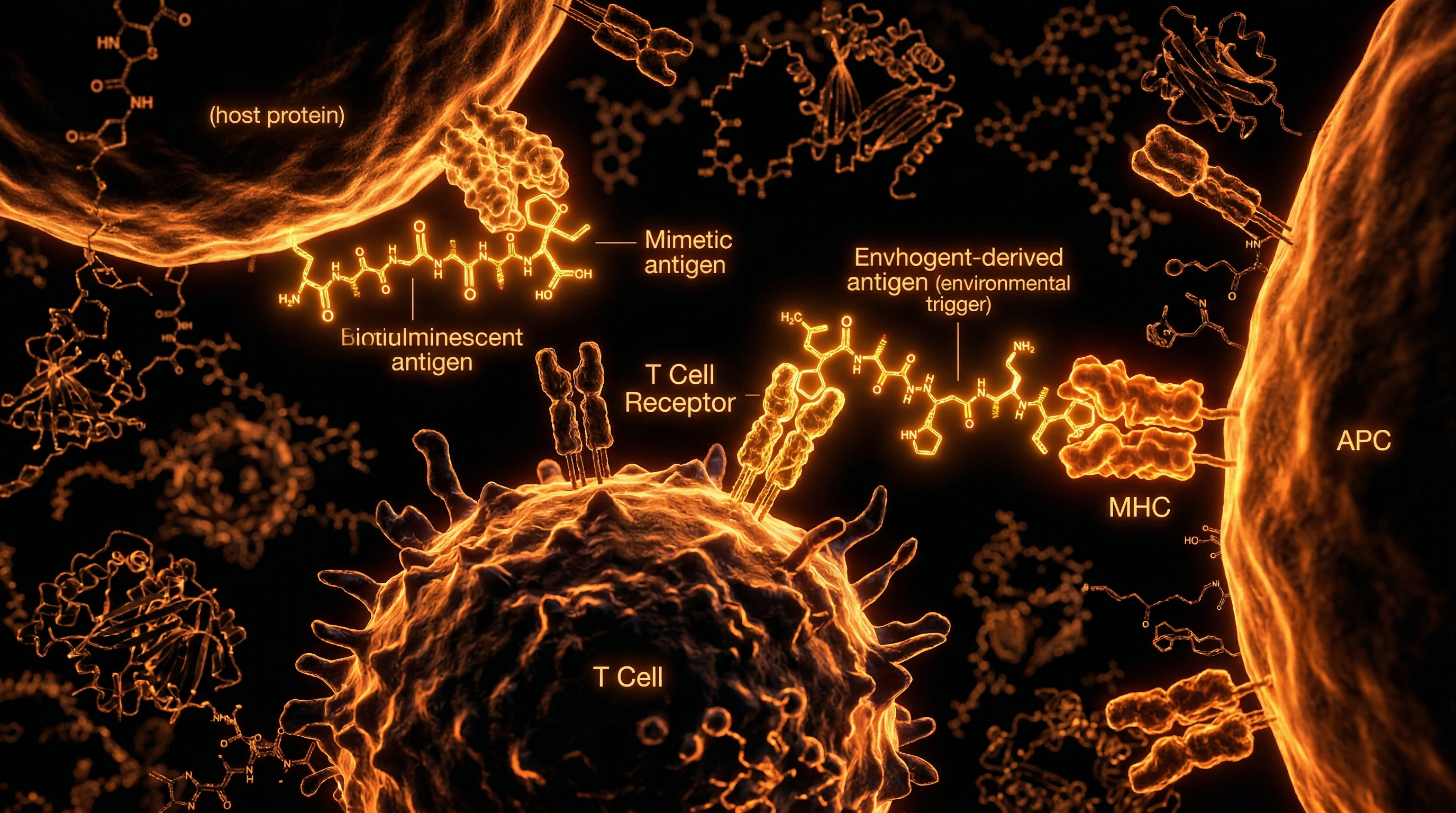
Faecal Microbiota Transplant (FMT) serves as a biological recalibration. The introduction of a diverse donor microbiome promotes the differentiation of naïve T-cells into Regulatory T-cells (Tregs). Tregs are the 'peacekeepers' of the immune system; they secrete anti-inflammatory cytokines like IL-10 that dampen the activity of pro-inflammatory cells. Specifically, bacteria from the Clostridia class (groups IV and XIVa) are known to be potent inducers of Tregs. Many patients with UC are severely deficient in these specific clostridial clusters.
Beyond immune signaling, FMT addresses the physical integrity of the gut. The colon is protected by a thick layer of mucus, which prevents bacteria from coming into direct contact with the epithelial cells. In UC, this mucus layer is thin or absent. Certain bacteria introduced via FMT, such as Akkermansia muciniphila, play a dual role: they consume mucus to survive, but their presence stimulates the host's goblet cells to produce even more mucus, resulting in a thicker, more resilient barrier. Research, including randomized controlled trials in Australia and Canada, has shown that FMT can induce clinical remission in UC patients at rates comparable to or better than some biologics, but with a significantly better safety profile.
The missing link in mainstream care is the acknowledgement that IBD is not a disease of 'too much immune system,' but a disease of 'too little microbial guidance.' To achieve long-term remission, the goal should not be to suppress the body’s defenses, but to provide the microbial environment that allows those defenses to function correctly. FMT represents the most advanced biological tool we have for achieving this goal, moving us beyond the era of lifelong immunosuppression toward the era of ecological restoration.
This article is provided for informational and educational purposes only. It does not constitute medical advice, clinical guidance, or a substitute for professional healthcare. Information reflects cited research at time of publication. Always consult a qualified healthcare professional before acting on any health information.
RESEARCH FOUNDATIONS
Biological Credibility Archive
Citations provided for educational reference. Verify via PubMed or institutional databases.
Medical Disclaimer
The information in this article is for educational purposes only and does not constitute medical advice, diagnosis, or treatment. Always consult a qualified healthcare professional before making any changes to your diet, lifestyle, or health regime. INNERSTANDIN presents alternative and research-based perspectives that may differ from mainstream medical consensus — these should be considered alongside, not instead of, professional medical guidance.
Read Full DisclaimerReady to learn more?
Continue your journey through our classified biological research.
DISCUSSION ROOM
Members of THE COLLECTIVE discussing "Immune Checkpoint Restoration: Faecal Microbiota and the Resolution of Colitis"
SILENT CHANNEL
Be the first to discuss this article. Your insight could help others understand these biological concepts deeper.
THE ARSENAL
Based on Faecal Microbiota Transplant — products curated by our research team for educational relevance and biological support.
Panaceum – Prebiotic Oligosaccharide Complex
INNERSTANDING may earn a commission on purchases made through these links. All products are selected based on rigorous educational relevance to our biological research.
RABBIT HOLE
Follow the biological thread deeper