Environmental Silicosis and the Pathogenesis of Systemic Sclerosis: Understanding Fibrotic Triggers
A comprehensive examination of how environmental and occupational silica exposure acts as a primary catalyst for Systemic Sclerosis (Scleroderma), detailing the biochemical pathways from alveolar macrophage activation to systemic autoimmune fibrosis.

# Environmental Silicosis and the Pathogenesis of Systemic Sclerosis: Understanding Fibrotic Triggers ## Introduction Systemic Sclerosis (SSc), or scleroderma, is a chronic multi-system autoimmune disease characterized by a triad of microvascular damage, dysregulated immunity, and extensive tissue fibrosis. While the exact etiology of SSc remains a subject of intense clinical study, the role of environmental triggers—specifically crystalline silica—has emerged as a critical factor in the pathogenesis of the disease. In the United Kingdom, where industrial history and modern construction practices intersect, understanding the link between silica exposure and connective tissue mineralisation is paramount for both prevention and root-cause diagnosis. This article explores the mechanistic bridge between environmental silicosis and the systemic fibrotic response. ## The Historical Context: Erasmus Syndrome The association between silica inhalation and SSc was first formally documented by Erasmus in 1955, who observed a high prevalence of scleroderma among gold miners in South Africa. This clinical triad of silicosis, pulmonary involvement, and systemic sclerosis is now often referred to as Erasmus Syndrome.
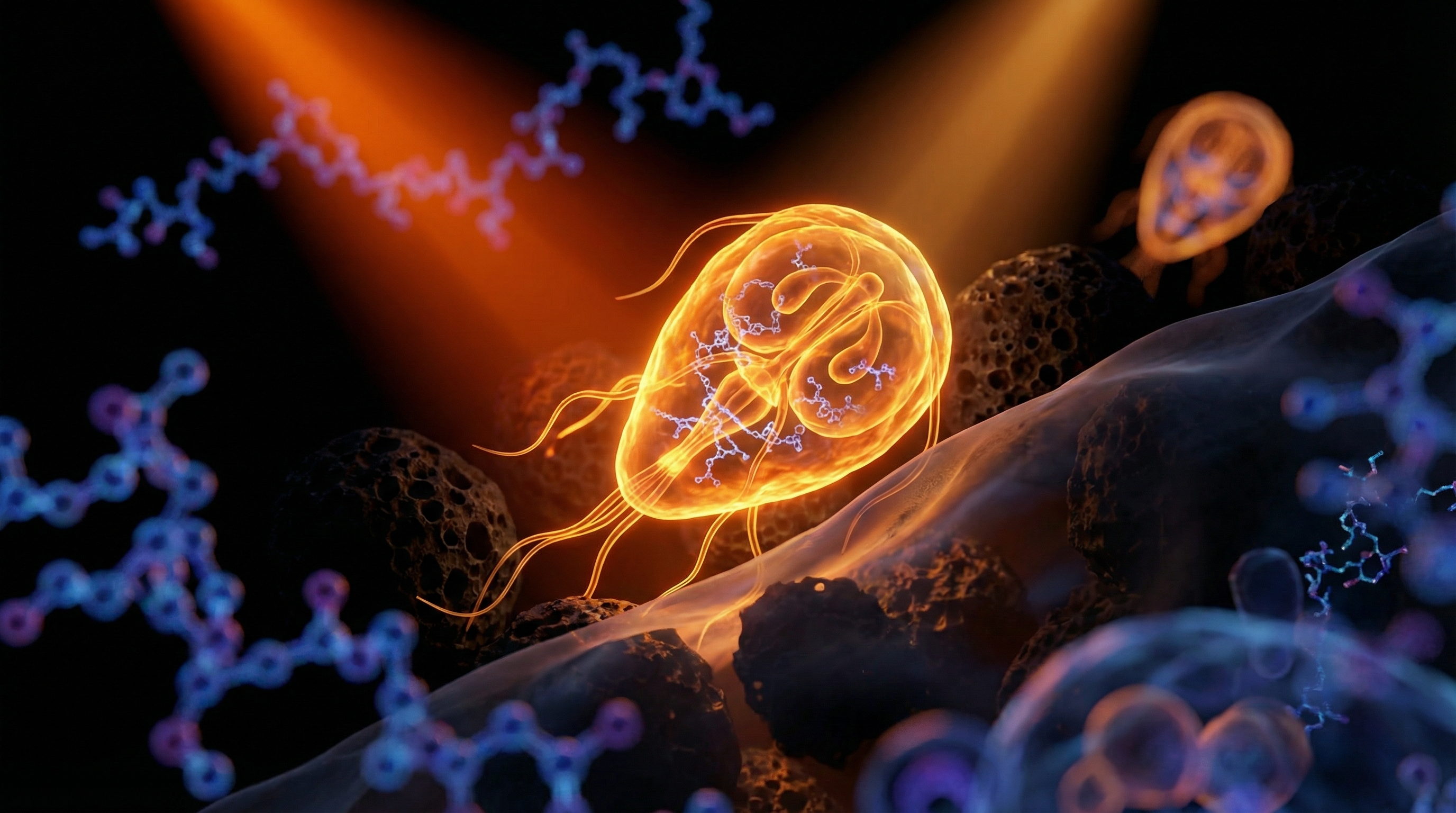
Historically, this highlighted that the lungs act as the primary gateway for environmental toxins that eventually trigger a systemic immune collapse. In the UK, although coal mining has declined, the rise in quartz-surfaced worktop fabrication and high-intensity construction work has renewed concerns regarding Respirable Crystalline Silica (RCS). ## The Molecular Gateway: From Inhalation to Inflammation The pathogenesis begins with the inhalation of microscopic particles of crystalline silica (SiO2). Due to their aerodynamic diameter (typically <5 micrometers), these particles bypass the upper respiratory defenses and settle in the distal alveoli. Once deposited, the body’s primary defense mechanism, the alveolar macrophage, attempts to clear the inorganic matter through phagocytosis. However, silica is inherently cytotoxic.
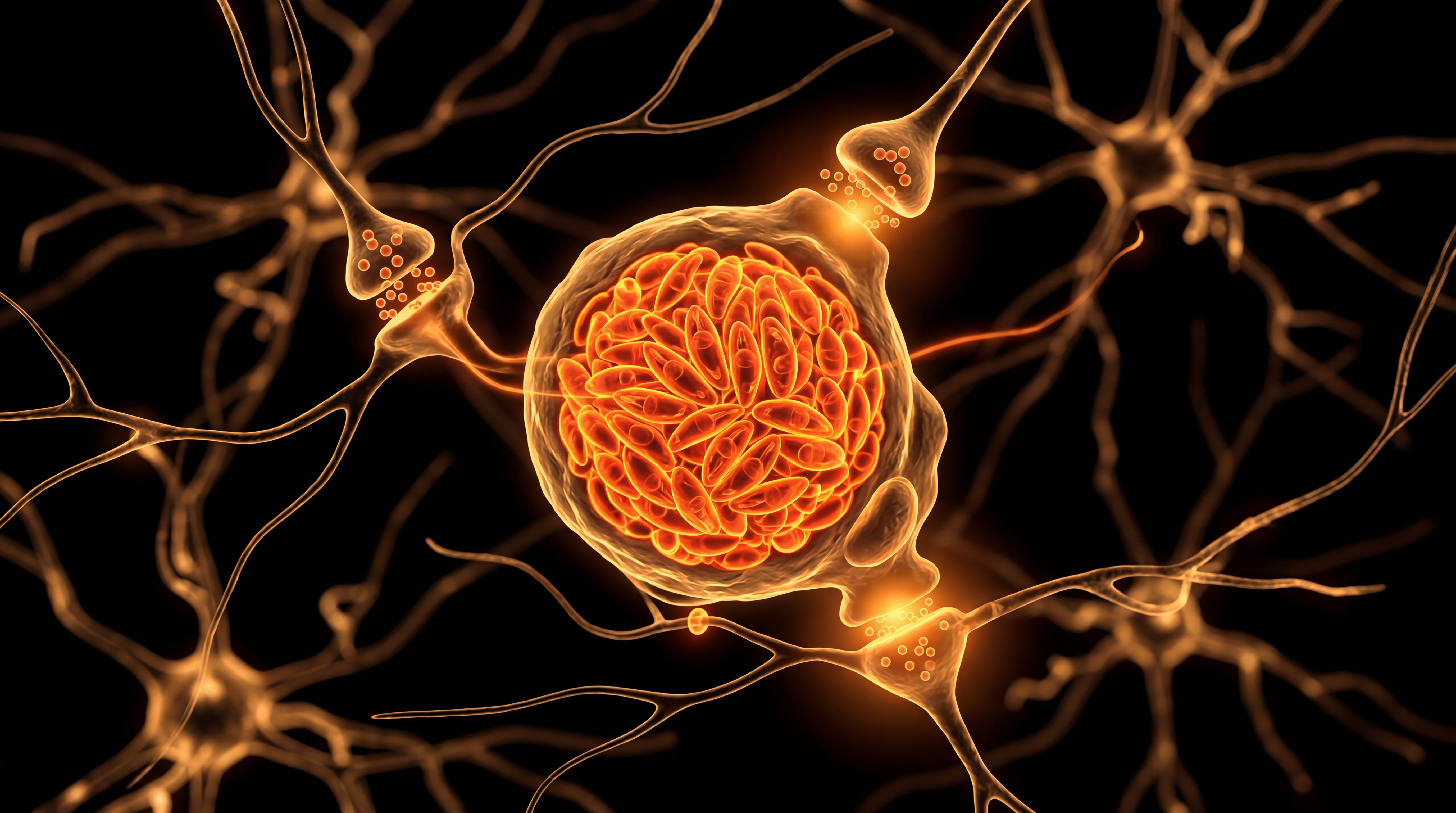
Unlike organic pathogens, silica cannot be broken down by lysosomal enzymes. ### The NLRP3 Inflammasome and Frustrated Phagocytosis Inside the macrophage, silica particles cause lysosomal membrane rupture, leading to the release of cathepsins into the cytosol. This event triggers the activation of the NLRP3 (nucleotide-binding domain, leucine-rich-repeat-containing family, pyrin domain-containing 3) inflammasome. The activation of this protein complex leads to the maturation and secretion of pro-inflammatory cytokines, most notably Interleukin-1 beta (IL-1β) and Interleukin-18. This 'frustrated phagocytosis' cycle results in a persistent state of chronic inflammation, as the death of the macrophage releases the silica back into the extracellular space to be re-ingested by new macrophages, creating a self-sustaining loop of tissue injury. ## From Localized Damage to Systemic Autoimmunity The transition from a localized pulmonary response (silicosis) to a systemic autoimmune disease (SSc) involves the loss of immune tolerance. Crystalline silica is not just an irritant; it is an adjuvant.
It enhances the immune response to self-antigens. As macrophages undergo apoptosis and necrosis due to silica toxicity, they release large amounts of cellular debris and modified self-proteins. ### Molecular Mimicry and Neo-antigens It is hypothesized that the high-energy surface of silica particles can bind to host proteins, altering their conformation and creating 'neo-antigens' that the immune system no longer recognizes as 'self.' Furthermore, the chronic oxidative stress generated by silica-induced Reactive Oxygen Species (ROS) leads to DNA damage and further protein modification. This environment promotes the activation of B-cells and the production of Auto-Nuclear Antibodies (ANA), particularly anti-topoisomerase I (Scl-70) and anti-centromere antibodies, which are hallmarks of SSc. ## The Fibrotic Cascade: The Role of TGF-Beta The hallmark of SSc is the excessive deposition of extracellular matrix (ECM) components, primarily Type I and Type III collagen. Silica exposure accelerates this through the stimulation of Transforming Growth Factor-beta (TGF-β), the master regulator of fibrosis. Chronic inflammation in the lungs signals for the recruitment of fibroblasts.
Under the influence of TGF-β and IL-13, these fibroblasts differentiate into myofibroblasts. Myofibroblasts are 'activated' cells that possess contractile properties and a high capacity for collagen synthesis. In SSc, this process is not confined to the lungs; the systemic circulation of pro-fibrotic cytokines and activated immune cells leads to similar fibrotic changes in the skin, gastrointestinal tract, and internal organs like the heart and kidneys. ## Environmental vs. Occupational Exposure: A UK Perspective In the UK, the Health and Safety Executive (HSE) sets a Workplace Exposure Limit (WEL) for respirable crystalline silica at 0.1 mg/m3 (8-hour time-weighted average). However, emerging evidence suggests that even low-level environmental exposure—living near quarries, construction sites, or in high-traffic urban areas—may contribute to the 'allostatic load' that triggers SSc in genetically susceptible individuals (those with specific HLA-DRB1 alleles). ## Conclusion: A Root-Cause Approach to Scleroderma Understanding SSc through the lens of environmental silicosis shifts the clinical focus from mere symptom management to a deeper understanding of environmental mineralisation.
By identifying silica as a primary fibrotic trigger, practitioners and patients can focus on reducing further environmental insults and supporting the body's detoxification and antioxidant pathways. As we continue to uncover the intricate links between our environment and our connective tissue health, the importance of 'Innerstanding' our external world becomes undeniably clear. The prevention of silica-induced autoimmunity is a vital frontier in modern rheumatology and environmental medicine.
This article is provided for informational and educational purposes only. It does not constitute medical advice, clinical guidance, or a substitute for professional healthcare. Information reflects cited research at time of publication. Always consult a qualified healthcare professional before acting on any health information.
RESEARCH FOUNDATIONS
Biological Credibility Archive
Citations provided for educational reference. Verify via PubMed or institutional databases.
Medical Disclaimer
The information in this article is for educational purposes only and does not constitute medical advice, diagnosis, or treatment. Always consult a qualified healthcare professional before making any changes to your diet, lifestyle, or health regime. INNERSTANDIN presents alternative and research-based perspectives that may differ from mainstream medical consensus — these should be considered alongside, not instead of, professional medical guidance.
Read Full DisclaimerReady to learn more?
Continue your journey through our classified biological research.
DISCUSSION ROOM
Members of THE COLLECTIVE discussing "Environmental Silicosis and the Pathogenesis of Systemic Sclerosis: Understanding Fibrotic Triggers"
SILENT CHANNEL
Be the first to discuss this article. Your insight could help others understand these biological concepts deeper.
THE ARSENAL
Based on Silica & Connective Tissue Mineralisation — products curated by our research team for educational relevance and biological support.
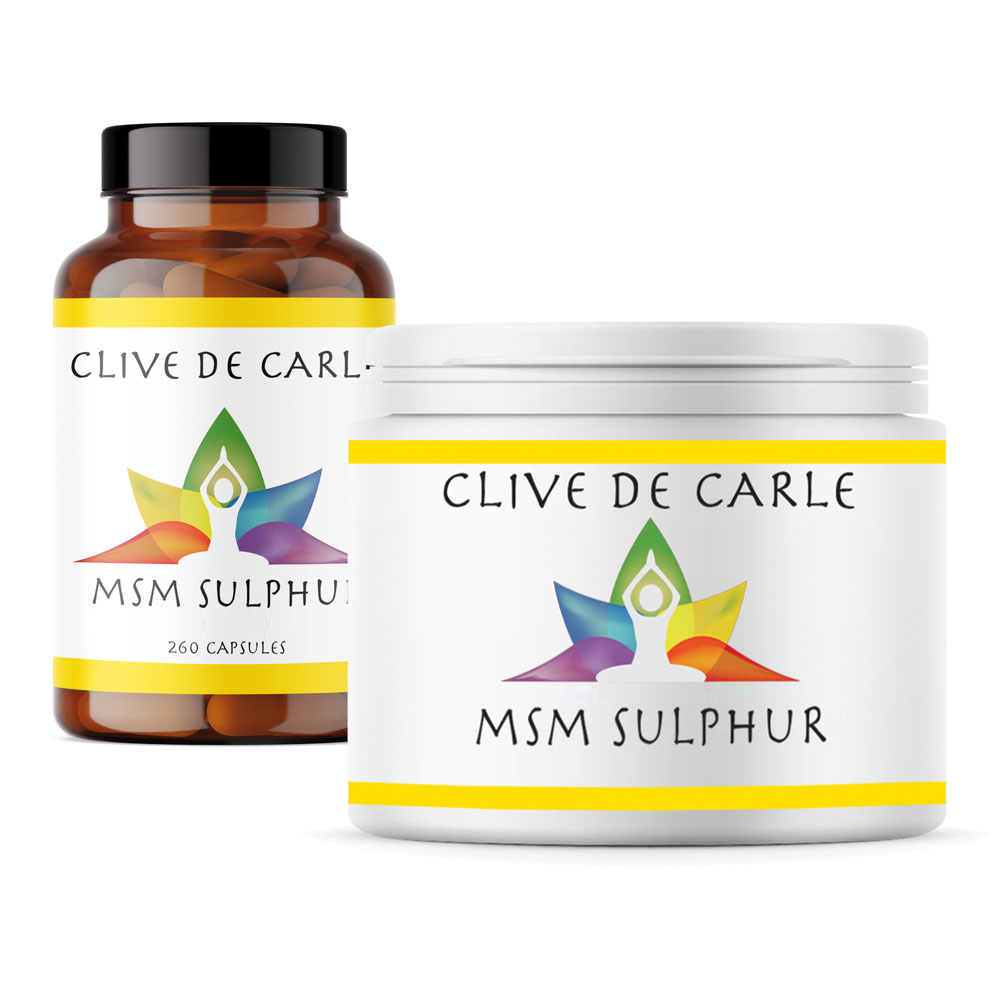
MSM Sulphur – Nature’s Forgotten Mineral
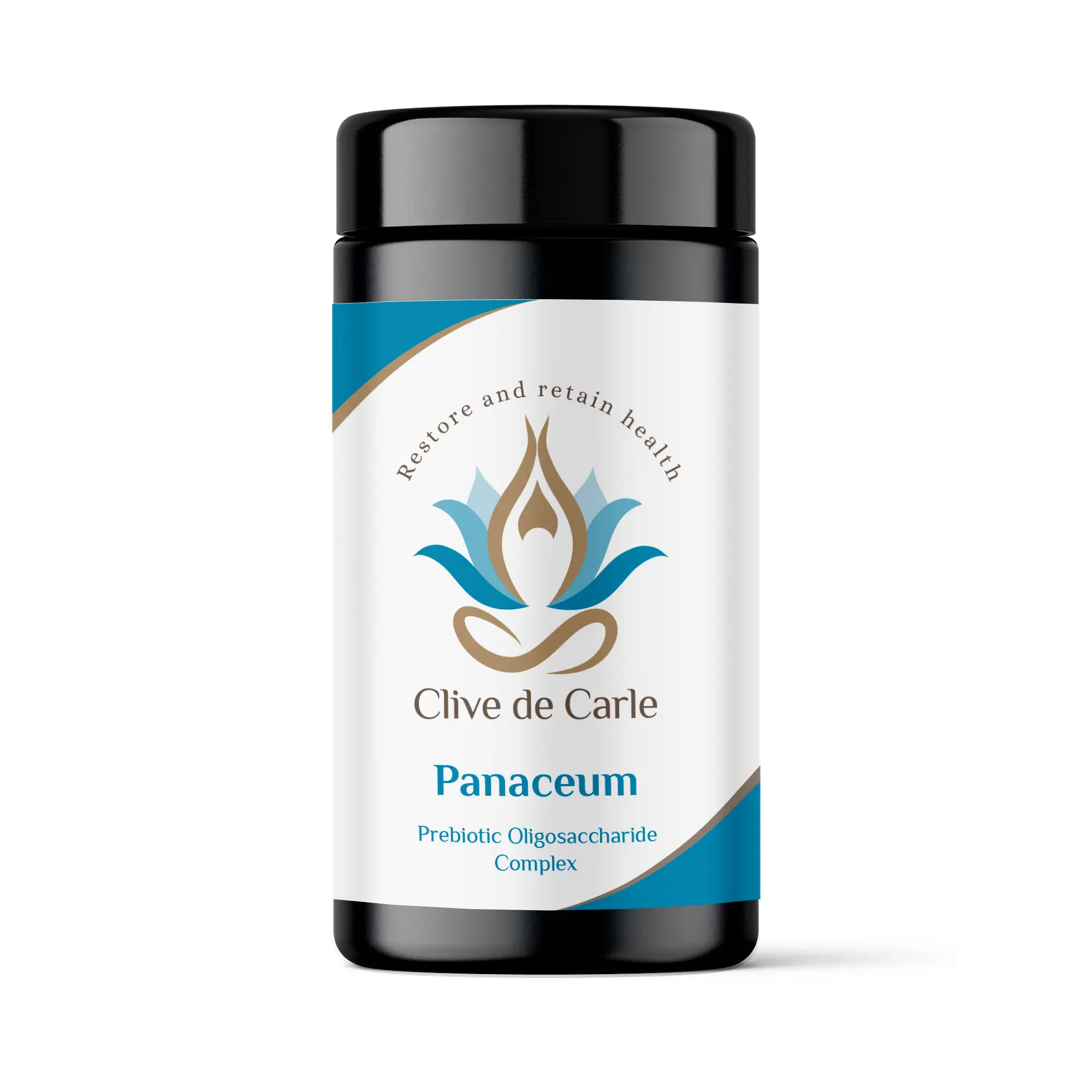
Panaceum – Prebiotic Oligosaccharide Complex
INNERSTANDING may earn a commission on purchases made through these links. All products are selected based on rigorous educational relevance to our biological research.
RABBIT HOLE
Follow the biological thread deeper