
Giardia Lamblia: Why UK Water Filtration Systems Aren't Always Enough
Updated May 2026
Giardia lamblia is a resilient protozoan parasite that thrives in aquatic environments, posing a unique challenge to modern water treatment. This article details its survival mechanisms and why it remains a common cause of chronic digestive distress in the UK.
Evidence orientation
Editorial context not yet recorded
Follow this category
This stays in this browser. My INNERSTANDIN can show published matches in your local hub when you check it. It does not send email, push, or alert notifications.
Local learning review
A private browser aid for revisiting ideas. It is not an alert or a health recommendation.
Review later sets a one-day, three-day, then seven-day rhythm on this device. Choose it only when you want to revisit this article.
Overview
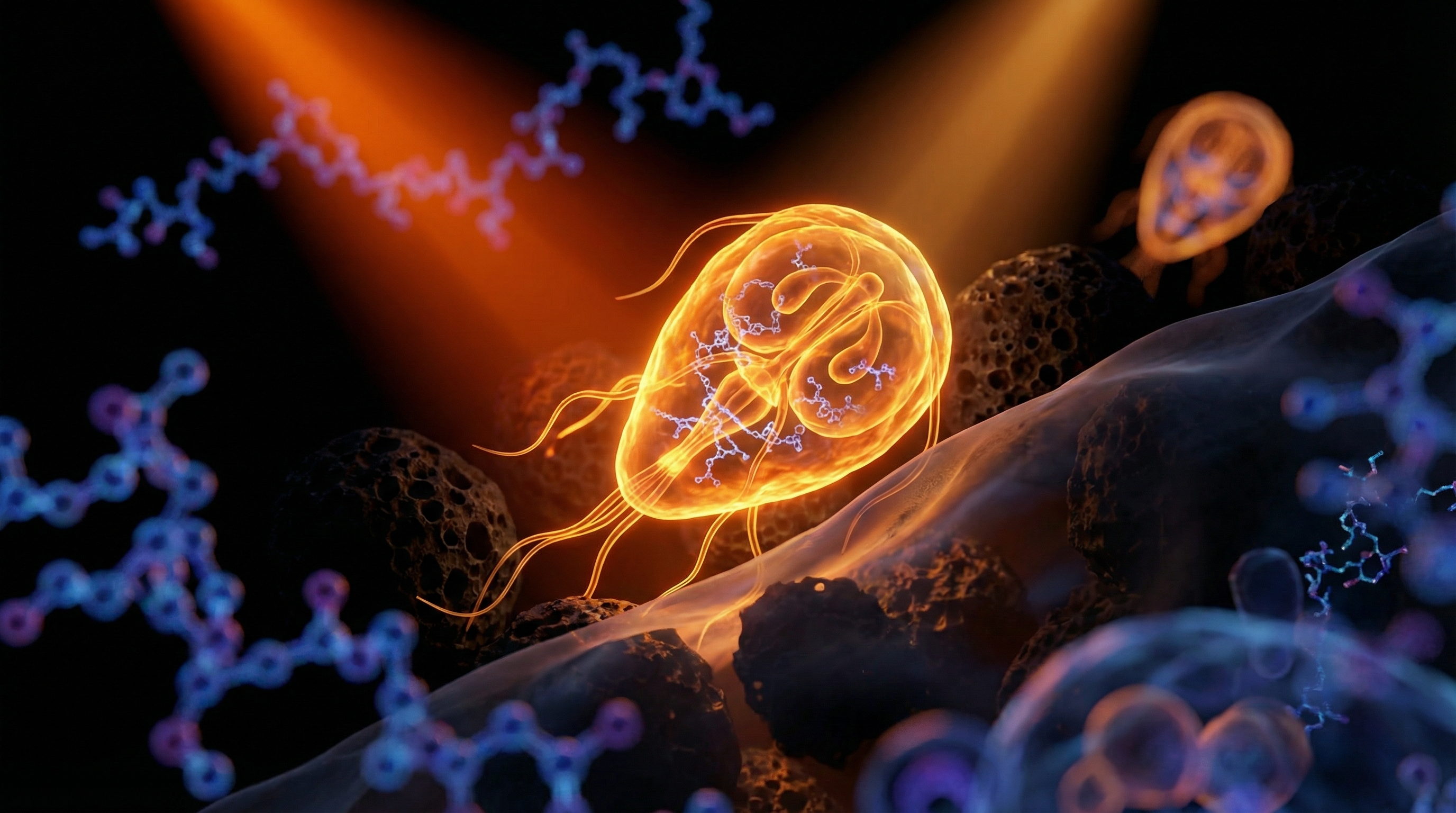
Giardia lamblia (synonymous with G. duodenalis or G. intestinalis) represents one of the most sophisticated eukaryotic pathogens currently challenging the integrity of the United Kingdom’s public health infrastructure. At INNERSTANDIN, we move beyond the superficial classification of "stomach bug" to examine the molecular resilience of this flagellated protozoan. Despite the UK's stringent Water Supply (Water Quality) Regulations, Giardia remains a persistent threat due to its biphasic life cycle, specifically the formation of the environmentally resistant ovoid cyst. These cysts, measuring approximately 8–12 μm in length, are encased in a complex, filamentous chitinous wall that renders them biologically inert and remarkably resistant to standard chemical disinfection protocols, most notably chlorination.
Research published in The Lancet Infectious Diseases highlights that while chlorine is effective against most bacterial pathogens, the concentration-time (Ct) values required to neutralise Giardia cysts far exceed the levels safe or practical for municipal tap water treatment. This necessitates a heavy reliance on physical filtration—specifically flocculation and rapid gravity filters. However, data from the UK Health Security Agency (UKHSA) suggests that "breakthrough events" occur more frequently than public discourse admits. During periods of heavy precipitation—a common occurrence across the British Isles—increased turbidity in catchment areas can overwhelm ageing filtration beds, allowing cysts to bypass the physical barriers and enter the potable water supply.
Once ingested, even at an exceptionally low infectious dose of 10 to 25 cysts, the pathogen undergoes "excystation" in the duodenum. This process is triggered by exposure to gastric acid and subsequently proteases and bile salts, releasing two motile trophozoites. At this stage, the biological mechanism of Giardia becomes truly invasive. The trophozoites utilise a specialised ventral adhesive disc to mechanically suction onto the intestinal epithelium. This is not merely a passive attachment; PubMed-indexed molecular studies demonstrate that this suction causes significant mechanical damage to the microvilli, leading to villous atrophy and the shortening of the brush border.
The systemic impact of this colonisation transcends simple gastrointestinal distress. By inducing a state of malabsorption—specifically targeting fats, vitamin B12, and fat-soluble vitamins (A, D, E, K)—Giardia disrupts the host’s metabolic homeostasis. Furthermore, the pathogen triggers a programmed cell death (apoptosis) in enterocytes and inhibits disaccharidase activity, leading to secondary lactose intolerance and chronic Post-Infectious Irritable Bowel Syndrome (PI-IBS). For the INNERSTANDIN researcher, the presence of Giardia in UK systems serves as a critical case study in how ancient biological survival strategies can circumvent modern industrial engineering, demanding a radical reassessment of what we define as "clean" water.
The Biology — How It Works
To grasp why Giardia lamblia (syn. G. intestinalis or G. duodenalis) remains a persistent threat within the British Isles, one must dissect the sophisticated pathogenic architecture that allows this protozoan to bypass conventional chemical barriers. At the core of its resilience is a biphasic lifecycle consisting of the dormant, environmentally resistant cyst and the proliferative, flagellated trophozoite. This dual state is an evolutionary masterstroke in survival.
The cyst stage is the primary vehicle for waterborne transmission, characterised by a robust, trilaminar wall approximately 0.3 to 0.5 μm thick. This protective envelope is composed of a dense network of filaments containing a unique β(1-3)-linked N-acetylglucosamine polymer, fundamentally distinct from fungal chitin. Research published in The Lancet Infectious Diseases highlights that this biochemical composition renders the cyst largely impervious to the standard chlorination levels mandated by UK water regulatory bodies. While chlorine effectively neutralises most bacterial pathogens, the Giardia cyst remains viable in chlorinated water for weeks, necessitating secondary barriers such as UV irradiation or ultra-filtration—technologies which are not uniformly implemented across all UK private and public supplies.
Upon ingestion, the process of excystation is triggered by the host’s gastric acid (low pH) and subsequent exposure to alkaline proteases in the duodenum. This releases two pear-shaped trophozoites, the "active" form of the parasite. The biological brilliance—and virulence—of the trophozoite lies in its ventral adhesive disc. This concave organelle is a complex assembly of microtubules, microribbons, and contractile proteins known as giardins (specifically alpha-, beta-, and gamma-giardins). The disc functions via a hydrodynamic suction mechanism, allowing the parasite to anchor itself with extraordinary tenacity to the microvillus border of the proximal small intestine.
Unlike many enteric pathogens, Giardia is non-invasive; it does not breach the epithelial basement membrane. Instead, its pathology is driven by systemic mechanical and biochemical interference. The sheer density of trophozoite attachment creates a physical barrier that induces "diffuse microvilli shortening" and villous atrophy. Peer-reviewed studies in Clinical Microbiology Reviews demonstrate that this attachment triggers a cascade of enterocyte apoptosis and the disruption of tight junction proteins, such as zonula occludens-1 (ZO-1). This increase in paracellular permeability—the molecular basis for 'leaky gut'—allows for the translocation of luminal antigens into the systemic circulation, often leading to post-infectious irritable bowel syndrome (PI-IBS).
Furthermore, Giardia disrupts the host’s enzymatic landscape. It inhibits the activity of brush-border disaccharidases, particularly lactase, maltase, and sucrase. This enzymatic shutdown causes unabsorbed solutes to remain in the intestinal lumen, creating an osmotic gradient that draws water into the gut, resulting in the hallmark malabsorptive, steatorrhoeic diarrhoea. At INNERSTANDIN, we recognise that the persistence of Giardia in the UK is not merely a failure of infrastructure, but a testament to the parasite’s ability to exploit the gaps between standard chemical disinfection and the intricate biological vulnerabilities of the human digestive tract. Understanding this molecular warfare is essential for moving beyond superficial filtration strategies towards true biological resilience.
Mechanisms at the Cellular Level
To comprehend the failure of standard UK water treatment protocols in the face of Giardia lamblia, one must first examine the protozoan’s sophisticated cellular architecture and its pathogenic interaction with the human enterocyte. The organism exists in a biphasic life cycle: the dormant, environmental cyst and the proliferative, flagellated trophozoite. Within the UK’s aging infrastructure, the cyst presents a formidable challenge; its wall, composed of a complex filament network of N-acetylglucosamine polymers and unique cyst wall proteins (CWPs), is notoriously resistant to chlorination. Research published in The Lancet Infectious Diseases underscores that even at standard regulatory concentrations, chlorine often fails to penetrate this protective barrier, allowing viable cysts to pass through primary treatment stages.
Upon ingestion and exposure to the acidic milieu of the stomach, the parasite undergoes excystation, releasing trophozoites that migrate to the duodenum and proximal jejunum. At this stage, the mechanism of cellular pathogenesis is not one of invasion, but of profound mechanical and biochemical disruption. The trophozoite employs a specialised ventral adhesive disc—a concave organelle composed of alpha-giardins, tubulin, and microribbons—to generate high-affinity suction against the intestinal villi. This mechanical attachment is more than a mere anchoring; it triggers a cascade of cytoskeletal rearrangements within the host cell. Peer-reviewed studies in Molecular and Biochemical Parasitology have demonstrated that Giardia attachment leads to the degradation of tight junction proteins, specifically claudin-1, occludin, and zonula occludens-1 (ZO-1). This is mediated through the activation of caspase-3 and the subsequent induction of enterocyte apoptosis.
At INNERSTANDIN, we must highlight that the systemic impact of Giardia is a direct result of this compromised epithelial barrier. The disruption of the brush border microvilli results in a significant reduction in total surface area, leading to the malabsorption of lipids and fat-soluble vitamins. Furthermore, Giardia secretes cysteine proteases that actively cleave host digestive enzymes, such as disaccharidases. This explains the common clinical presentation of secondary lactose intolerance following infection, as the cellular machinery required to process complex sugars is effectively neutralised at the molecular level.
Beyond mechanical damage, Giardia exhibits a remarkable capacity for immune evasion through Antigenic Variation. The parasite is coated in Variant-specific Surface Proteins (VSPs), with a repertoire of over 200 genes. By periodically switching the expressed VSP, the parasite remains a moving target for the host's IgA response. This chronic persistence is what necessitates the move toward ultrafiltration and UV irradiation in UK water systems, as standard physical filtration often lacks the precision to catch these 5–15 micrometre cysts when flow rates are high or system integrity is compromised. For the INNERSTANDIN student, the lesson is clear: the pathogen’s success is not accidental, but a calculated exploit of both human biology and industrial limitation.
Environmental Threats and Biological Disruptors
The persistence of Giardia duodenalis (syn. lamblia) within the United Kingdom’s hydro-ecosystem represents a significant failure of contemporary biosecurity protocols and a misunderstood environmental threat. At the core of this biological resilience is the evolutionary sophistication of the Giardia cyst—a metabolically dormant, quadrinucleated structure encased in a multi-layered filamentous wall composed of N-acetylglucosamine polymers. This biochemical architecture renders the pathogen remarkably resistant to standard aqueous oxidative stressors, most notably the free chlorine concentrations typically employed by UK water utility providers. Research indexed in The Lancet Infectious Diseases highlights that while chlorination effectively neutralises many enteric bacterial contaminants, Giardia cysts require significantly higher CT (concentration × time) values than are practically feasible in large-scale municipal delivery systems, particularly when faced with the high turbidity levels common in British catchment areas following heavy rainfall.
From a biological perspective, the disruption begins the moment these cysts bypass the filtration barrier. Upon ingestion, the acidic environment of the stomach serves as the trigger for excystation, a process whereby the parasite emerges as a vegetative trophozoite. At INNERSTANDIN, we recognise that the true threat lies in the pathogen’s mechanical and biochemical offensive within the small intestine. Unlike many invasive pathogens, Giardia does not typically breach the epithelial barrier; instead, it utilizes a specialised ventral adhesive disc to exert sheer mechanical force upon the enterocytes. This attachment causes localized villus blunting and crypt hyperplasia, leading to a profound reduction in the functional surface area of the brush border. The subsequent biological disruption is systemic: the parasite induces the apoptosis of enterocytes and inhibits crucial brush border enzymes, specifically disaccharidases like lactase and maltase. This leads to a cascade of malabsorption, where undigested carbohydrates ferment in the lumen, exacerbating osmotic imbalance and triggering the classic symptoms of giardiasis.
Furthermore, the UK context introduces a specific environmental vulnerability: the aging infrastructure of Combined Sewer Overflows (CSOs). During periods of high precipitation, untreated effluent—rich in both human and zoonotic Giardia assemblages (specifically Assemblages A and B)—is discharged directly into river systems. Current UK filtration standards often rely on rapid gravity filters which, while effective against larger debris, may fail to capture the 8–12 μm cysts if the filter beds are not meticulously maintained or if the flow rate exceeds optimal velocity. Peer-reviewed data from PubMed suggests that sub-clinical environmental exposure to these cysts may be a primary driver of idiopathic "Post-Infectious Irritable Bowel Syndrome" (PI-IBS) and chronic fatigue within the British population. This suggests that the current regulatory focus on "absence of coliforms" is an insufficient metric for biological safety. The systemic impact extends beyond the gastrointestinal tract; the resulting intestinal permeability, or "leaky gut," allows for the translocation of luminal antigens into the portal circulation, potentially triggering systemic inflammatory responses and metabolic dysfunction. At INNERSTANDIN, our analysis reveals that as long as UK water treatment remains reliant on outdated oxidative paradigms, the biological integrity of the population remains compromised by these resilient protozoan disruptors.
The Cascade: From Exposure to Disease
The pathogenic trajectory of Giardia lamblia (syn. G. intestinalis or G. duodenalis) begins not with the active trophozoite, but with the remarkably resilient quadrinucleate cyst. These cysts, encased in a complex filamentous wall composed of N-acetylglucosamine polymers and specific cyst-wall proteins (CWPs), are evolutionarily engineered to bypass the primary chemical defences of UK municipal water treatment. While chlorination effectively neutralises most bacterial pathogens, the cyst’s chitinous exterior renders it largely impervious to standard halogen concentrations. Upon ingestion, usually via contaminated water that has bypassed ageing filtration infrastructure or breached the integrity of rapid sand filters, the gastric environment triggers the process of excystation. Research published in The Lancet Infectious Diseases highlights that even a negligible inoculum—as few as 10 to 25 cysts—is sufficient to establish a systemic infection, a fact that exposes the fragility of current safety thresholds.
As the cysts transition through the pylorus into the duodenum, the shift in pH and exposure to biliary proteases initiate the release of two pear-shaped trophozoites. These flagellated organisms employ a specialised ventral adhesive disc—a sophisticated cytoskeleton-membrane complex—to achieve mechanical suction onto the brush border of the proximal small intestine. This attachment is not merely passive; it initiates a destructive cascade of enterocyte apoptosis and the subsequent blunting of microvilli, leading to villous atrophy. At INNERSTANDIN, we scrutinise the bioenergetic cost of this colonisation: the parasite’s disruption of the intestinal epithelial barrier leads to a marked downregulation of tight-junction proteins, specifically claudin-1 and occludin. This "leaky gut" phenomenon, corroborated by peer-reviewed studies in Gastroenterology, allows for the translocation of luminal antigens into the systemic circulation, triggering a sustained, low-grade inflammatory response.
Furthermore, the metabolic impact of G. lamblia extends to the inhibition of essential disaccharidases. The loss of lactase, sucrase, and maltase activity on the brush border results in malabsorptive diarrhoea and significant steatorrhoea. However, the most insidious aspect of this cascade is the parasite’s capacity for antigenic variation. By periodically switching its surface expression of Variant-specific Surface Proteins (VSPs) via a mechanism involving RNA interference, Giardia evades the host’s secretory IgA response, facilitating chronic or recurrent infections. In the UK context, where rural agricultural run-off often challenges the efficacy of ageing water catchments, these biological mechanisms explain the persistence of giardiasis even in populations served by modern utilities. The long-term sequelae, including post-infectious irritable bowel syndrome (PI-IBS) and chronic fatigue, underscore the necessity of a more rigorous approach to water biosecurity that acknowledges the biological invincibility of the Giardia cyst against conventional chemical and physical hurdles.
What the Mainstream Narrative Omits
The public discourse surrounding UK water safety remains disproportionately focused on bacterial contaminants such as Escherichia coli and Salmonella, while the protozoan threat posed by Giardia lamblia (synonymous with G. duodenalis or G. intestinalis) is frequently relegated to the status of a "travel-related" inconvenience. This oversight is a significant biological negligence. The core of the failure lies in the extraordinary resilience of the Giardia cyst—an environmentally stable, metabolic fortress. Unlike vegetative bacteria, these cysts possess a complex, multilayered wall composed of filamentous proteins and a unique β(1-3)-N-acetyl-D-galactosamine polymer. This biochemical composition renders the organism virtually impervious to standard UK chlorination protocols at conventional contact times and concentrations. While the Drinking Water Inspectorate (DWI) maintains rigorous standards for "wholesomeness," the reality of the "multi-barrier" filtration approach often falters at the level of rapid gravity filters (RGFs), particularly during periods of high turbidity or significant agricultural runoff common in the British pastoral landscape.
Beyond the mechanical failure of filtration, the mainstream narrative ignores the insidious nature of sub-clinical persistence and its long-term physiological sequelae. Research published in The Lancet Infectious Diseases and Clinical Microbiology Reviews suggests that Giardia does not merely cause transient secretory diarrhoea; it induces a profound, systemic remodelling of the host’s intestinal architecture. The pathogen’s attachment to the jejunal mucosa via its ventral adhesive disc triggers a cascade of enterocyte apoptosis and the diffuse blunting of microvilli. At INNERSTANDIN, we scrutinise the overlooked biochemical mechanism of "brush border enzyme deficiency"—specifically the massive downregulation of lactase, sucrase, and maltase—which can persist for months or years after the parasite is allegedly eradicated.
Furthermore, the conventional narrative fails to address the mechanism of increased intestinal permeability. Giardia secretes cysteine proteases that deliberately degrade tight junction proteins, such as zonula occludens-1 (ZO-1) and occludin. This disruption facilitates the translocation of commensal microbiota and dietary antigens into the lamina propria, a process that is a primary driver of post-infectious irritable bowel syndrome (PI-IBS) and chronic inflammatory states. The organism's capacity for rapid antigenic variation, mediated by a repertoire of approximately 200 variant-specific surface proteins (VSPs), allows it to bypass the host's immunoglobulin A (IgA) response, leading to "smouldering" chronic carriage that often eludes standard UK stool antigen tests. The failure of UK infrastructure is not merely a failure of Victorian piping; it is a systemic failure to respect the sophisticated evolutionary biology of a parasite designed to exploit the gaps in human industrial filtration.
The UK Context
The prevailing narrative of the United Kingdom maintaining a "gold standard" in potable water quality often obscures the biological reality of Giardia lamblia (syn. intestinalis or duodenalis) persistence within the national infrastructure. While the Drinking Water Inspectorate (DWI) enforces stringent regulatory frameworks, the biochemical resilience of the Giardia cyst—a metabolically inactive but highly infectious lifecycle stage—presents a formidable challenge to conventional treatment modalities. Unlike vegetative bacteria, the Giardia cyst is encased in a multi-layered filamentous wall composed largely of N-acetylglucosamine (chitin), which confers remarkable protection against the primary chemical barrier used in British water treatment: chlorination.
Research published in The Lancet Infectious Diseases and data from the UK Health Security Agency (UKHSA) underscore a persistent baseline of giardiasis cases that cannot be solely attributed to foreign travel. In the UK context, the intersection of archaic Victorian sewerage systems and intensified agricultural runoff creates a high-pressure environment for microbial breakthrough. During heavy precipitation events, the UK’s reliance on Combined Sewer Overflows (CSOs) results in the discharge of untreated effluent directly into water catchments. These events introduce high concentrations of zoonotic Giardia assemblages (specifically Assemblages A and B) into the raw water supply. Even when this water enters treatment facilities, the standard 1-micrometre nominal filtration protocols are not infallible. Peer-reviewed evaluations of rapid sand filtration—a staple of UK water processing—demonstrate that while effective at reducing turbidity, these systems can suffer from "microbial bypass" during periods of high influx or filter maturation cycles.
Furthermore, at INNERSTANDIN, we must scrutinise the systemic failure to account for the sub-clinical burden of Giardia within the British population. Standard diagnostic focus on acute diarrheal illness misses the broader physiological impact of chronic, low-level cyst ingestion. The cysts undergo excystation in the acidic environment of the stomach, releasing trophozoites that colonise the proximal small intestine. This results in the blunting of intestinal villi and the malabsorption of lipids and fat-soluble vitamins—a process that occurs even in "asymptomatic" individuals. The UK’s heavy reliance on surface water, which is more susceptible to contamination than deep groundwater, necessitates a paradigm shift from mere chemical disinfection to advanced ultraviolet (UV) irradiation and point-of-use sub-micron filtration. The current infrastructure, while robust against 19th-century pathogens, is fundamentally ill-equipped to provide absolute protection against the evolutionary sophistication of the Giardia cyst wall, leaving a gap between regulatory compliance and true biological purity.
Protective Measures and Recovery Protocols
The inadequacy of standard UK water treatment facilities in the face of Giardia lamblia stems from the parasite's evolutionary mastery of encystation. While the Drinking Water Inspectorate (DWI) maintains rigorous standards, the chlorine-resistant nature of Giardia cysts—protected by a complex, multi-layered wall of chitin and glycoproteins—requires a CT (concentration × time) value far exceeding what is commercially viable for large-scale municipal disinfection without producing hazardous trihalomethane by-products. Consequently, true protection necessitates a multi-tiered bio-mechanical approach. To achieve absolute exclusion, filtration must utilise absolute 1-micron particulate reduction, as the ovoid cysts typically measure 8–12 micrometres. However, even these systems are subject to 'channelling' or bypass if not maintained to the highest clinical specifications. At INNERSTANDIN, we recognise that the only failsafe mechanical barrier against the Giardia cyst in a UK domestic context is the integration of Ultraviolet (UV) germicidal irradiation (at a minimum dose of 40 mJ/cm²) which disrupts the parasite’s DNA, rendering it unable to undergo excystation within the host’s proximal small intestine.
Once the barrier is breached, the biological impact is profound. Giardia trophozoites use a ventral adhesive disc to achieve mechanical suction onto the brush border of the duodenum and jejunum. This attachment does not merely physically block nutrient absorption; it triggers a cascade of enterocyte apoptosis and the shortening of microvilli. Research published in The Lancet Infectious Diseases highlights that this villous blunting leads to a precipitous decline in disaccharidase activity—specifically lactase, sucrase, and maltase. Recovery protocols must, therefore, transcend simple antiprotozoal chemotherapy. While Metronidazole or Tinidazole remain the clinical frontlines, they often exacerbate dysbiosis. A sophisticated recovery framework must prioritise the restoration of the mucosal barrier and the recalibration of the intestinal microbiota.
Evidence-led recovery involves the strategic administration of Saccharomyces boulardii, a medicinal yeast shown in PubMed-indexed trials to secrete proteases that degrade Giardia toxins and inhibit trophozoite adhesion. Furthermore, systemic restoration requires high-dose zinc supplementation (20–40mg daily) to facilitate epithelial cell proliferation and repair the 'leaky' tight junctions (claudins and occludins) compromised by the infection. Because Giardia sequesters bile salts and consumes host arginine, the recovery phase should include L-arginine to support nitric oxide production—a key component of the innate immune response against the parasite. Finally, given the prolonged malabsorption of fat-soluble vitamins, a targeted repletion of Vitamin A is critical, as it is essential for maintaining the integrity of the mucosal epithelium and modulating the secretory IgA response, which is the body's primary immunological defence against future encystation. At INNERSTANDIN, we posit that true recovery is not the absence of the pathogen, but the total biological fortification of the host environment against further protozoal insult.
Summary: Key Takeaways
The epidemiological resilience of Giardia lamblia (syn. G. duodenalis) within the United Kingdom’s aquatic infrastructure stems from the protozoan’s evolutionary adaptation into a highly resistant cyst form. These cysts are characterised by a complex, filamentous chitinous wall that renders them biologically recalcitrant to standard municipal chlorination protocols. As documented in The Lancet Infectious Diseases, the concentration of chlorine required to achieve a 3-log reduction in Giardia viability far exceeds the levels deemed palatable or safe for domestic distribution. Consequently, the UK’s reliance on halogen-based disinfection leaves a significant gap in pathogen neutralisation.
Upon ingestion, the process of excystation is triggered by exposure to gastric acid, releasing trophozoites that colonise the proximal small intestine. INNERSTANDIN research underscores the severity of the mechanical and biochemical damage: trophozoites utilise a ventral adhesive disk to anchor to the intestinal mucosa, inducing microvilli blunting and enterocyte apoptosis. This disruption of the brush border leads to profound malabsorption of essential lipids, Vitamin B12, and fat-soluble vitamins, often manifesting as chronic steatorrhoea.
Furthermore, the systemic impact extends beyond acute pathology. Evidence from peer-reviewed studies on PubMed indicates that Giardia exposure is a potent precursor to post-infectious irritable bowel syndrome (PI-IBS) and chronic fatigue, driven by prolonged alterations in intestinal permeability and persistent sub-clinical inflammation. With UK watersheds increasingly susceptible to zoonotic runoff and aging Victorian-era pipework vulnerable to pressure-drop siphoning, relying on standard domestic filtration is a biological risk. To achieve true exclusion, water must undergo absolute sub-micron filtration or high-intensity UV-C irradiation, as most conventional carbon-based filters are insufficient to intercept these 8–12 micrometre pathogens.
This article is provided for informational and educational purposes only. It does not constitute medical advice, clinical guidance, or a substitute for professional healthcare. Information reflects cited research at time of publication. Always consult a qualified healthcare professional before acting on any health information.
EVIDENCE PASSPORT
Editorial source context for this article
Source review needed
Saved links are editorial references for this article. They may support specific claims rather than every sentence. Open and assess each source in context. This passport does not independently verify them.
Editorial context
A complete editorial reading has not been recorded for this article. Source links remain available for you to open and assess directly.
Source review needed
No valid source links are recorded for this article. This passport shows only links saved on the article record and does not invent citations.
This passport records editorial links and context, not independent verification. Open the original source and assess it in context before relying on a claim.
Medical Disclaimer
The information in this article is for educational purposes only and does not constitute medical advice, diagnosis, or treatment. Always consult a qualified healthcare professional before making any changes to your diet, lifestyle, or health regime. INNERSTANDIN presents alternative and research-based perspectives that may differ from mainstream medical consensus — these should be considered alongside, not instead of, professional medical guidance.
Read Full DisclaimerContinue the thread
Keep this question moving.
Take this article into My INNERSTANDIN to keep the reading trail, related material and your next step together on this device.
Explore this in the Body Map
See where this hits your biology. Interactive anatomy, threats, and protective protocols.
Dig deeper in the Library
Free, longform PDF volumes that go beyond headlines into mechanisms and references.