The Impact of Crystalline Silica Exposure on Myofibroblast Activation and Aberrant Connective Tissue Repair
An in-depth exploration of how crystalline silica particles trigger pathological myofibroblast activity, leading to chronic fibrosis and the mineralisation of connective tissues.

# The Impact of Crystalline Silica Exposure on Myofibroblast Activation and Aberrant Connective Tissue Repair\n\nIn the landscape of environmental health and root-cause medicine, few inorganic stressors possess the destructive potential of crystalline silica (CS). While traditionally viewed through the narrow lens of occupational lung disease (silicosis), modern research reveals a far more systemic and insidious impact. At the heart of this pathology lies a fundamental disruption of the body's repair mechanisms: the persistent activation of myofibroblasts and the subsequent mineralisation of connective tissue.\n\n## The Cellular Encounter: Frustrated Phagocytosis\n\nCrystalline silica particles, typically measuring less than 10 micrometres, are small enough to reach the deepest recesses of the alveolar sacs and, increasingly, enter systemic circulation through compromised barriers. When these crystalline structures encounter alveolar macrophages—the frontline immune sentinels—they trigger a process known as 'frustrated phagocytosis'.\n\nUnlike organic pathogens, the crystalline structure of silica is chemically and physically resistant to lysosomal digestion. As macrophages attempt to neutralise the particles, the sharp crystalline edges damage the lysosomal membranes, causing the release of hydrolytic enzymes and reactive oxygen species (ROS) into the intracellular space.
This leads to macrophage apoptosis and the release of the silica particles back into the tissue, creating a self-perpetuating cycle of inflammation and cell death. This chronic inflammatory milieu provides the initial signal for the activation of fibroblasts.\n\n## The Myofibroblast: From Repair to Ruin\n\nMyofibroblasts are a specialised, hybrid cell type, possessing the characteristics of both fibroblasts and smooth muscle cells. In a healthy state, myofibroblasts are the 'first responders' to injury. They migrate to the site of damage, secreting alpha-smooth muscle actin (̑-SMA) to provide contractile force to pull wound edges together, and depositing extracellular matrix (ECM) components like collagen to bridge the gap. Once the repair is complete, these cells typically undergo apoptosis (programmed cell death) to prevent excessive scarring.\n\nIn the presence of crystalline silica, however, this regulatory 'off-switch' is fundamentally broken.
The persistent release of pro-inflammatory cytokines, specifically Transforming Growth Factor-beta 1 (TGF-̒1), ensures that myofibroblasts remain in a state of permanent activation. This results in an uncontrolled deposition of collagen and other ECM proteins, transforming flexible, functional connective tissue into rigid, non-compliant scar tissue.\n\n## TGF-̒1: The Master Regulator of Silica-Induced Fibrosis\n\nTGF-̒1 is the primary biochemical driver of silica-induced myofibroblast differentiation. Silica particles stimulate the production of TGF-̒1 not only from macrophages but also from the epithelial cells themselves. This cytokine binds to its receptors on the surface of quiescent fibroblasts, triggering the Smad signalling pathway. This pathway upregulates the transcription of genes responsible for collagen synthesis and ̑-SMA expression.\n\nFurthermore, silica exposure induces oxidative stress, which activates latent TGF-̒1 stored within the ECM, creating a feedback loop where the presence of silica constantly 'primes' the tissue for further fibrogenesis.
This is why silica-related damage often continues to progress even after the external exposure has ceased.\n\n## Aberrant Connective Tissue Repair and Mineralisation\n\nA critical, yet often overlooked, consequence of silica-induced myofibroblast activation is the pathological mineralisation of the connective tissue. Myofibroblasts do not just secrete collagen; they alter the entire microenvironment of the ECM. Under the influence of silica and chronic inflammation, these cells can take on an osteoblast-like phenotype (cells responsible for bone formation).\n\nThis 'aberrant repair' leads to the deposition of calcium and phosphate salts within the soft connective tissues, a process known as ectopic calcification. In the lungs, this manifests as the characteristic silicotic nodules, but systemically, this can result in the stiffening of the vasculature, tendons, and fascia. The silica particles themselves may act as nucleating agents, providing a physical surface upon which mineral crystals can begin to grow, effectively petrifying the connective tissue network from the inside out.\n\n## Systemic Implications: Beyond the Respiratory System\n\nWhile the lungs are the primary site of silica entry, the systemic implications are profound.
Research increasingly links silica exposure to systemic autoimmune diseases, most notably Systemic Sclerosis (Scleroderma). Scleroderma is characterised by widespread fibrosis and vascular abnormalities, mirroring the cellular events seen in localised silica exposure. The activation of myofibroblasts on a systemic scale leads to the thickening of the skin and the fibrosis of internal organs such as the heart and kidneys.\n\nThe 'adjuvant effect' of silica is also a key factor. By constantly stimulating the innate immune system, silica can lower the threshold for the development of autoantibodies. When combined with the altered proteins produced during aberrant connective tissue repair, the immune system may begin to misidentify 'self' tissue as 'foreign', leading to a chronic autoimmune state.\n\n## Root-Cause Perspectives: Addressing the Silica Burden\n\nFrom an educational health perspective at INNERSTANDING, addressing silica-induced damage requires more than just symptom management; it requires a focus on cellular resilience and detoxification support.
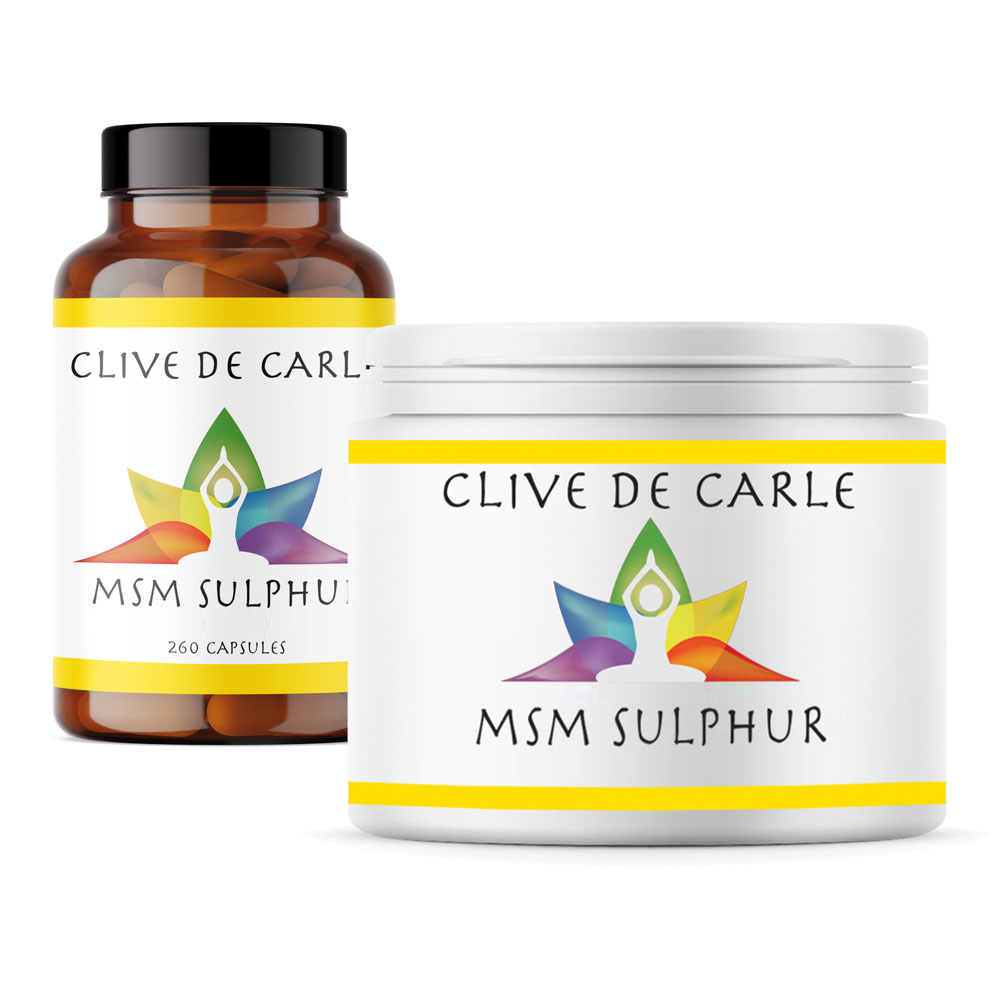
MSM Sulphur – Nature’s Forgotten Mineral
MSM Sulphur provides a high-purity, bioavailable source of a mineral that has largely vanished from modern diets due to industrial farming. It supports essential biological processes and structural health, restoring a vital nutrient your body needs to function optimally.
Vetting Notes
Pending
Key areas of focus include:\n\n1. Barrier Integrity: Strengthening the mucosal barriers of the gut and lungs to prevent the systemic translocation of environmental particulates.\n2. Antioxidant Support: Upregulating the glutathione system to neutralise the reactive oxygen species generated during 'frustrated phagocytosis'.\n3. TGF-̒ Modulation: Exploring natural compounds that may assist in modulating the TGF-̒ signalling pathway to discourage persistent myofibroblast activation.\n4. ECM Support: Utilising systemic enzymes and specific nutrients that support the healthy turnover of the extracellular matrix and discourage mineralisation.\n\n## Conclusion\n\nCrystalline silica is a potent catalyst for myofibroblast-driven connective tissue dysfunction. By bypassing the body's natural regulatory mechanisms for wound healing, silica induces a state of permanent repair that leads to fibrosis and mineralisation. Understanding the cellular interplay between silica, macrophages, and myofibroblasts is essential for anyone looking to understand the root causes of systemic fibrotic disorders and connective tissue mineralisation. As we move forward, the goal must be to mitigate this inorganic burden and restore the body's capacity for true, healthy regeneration.", "tags": ["Silica", "Myofibroblasts", "Connective Tissue", "Fibrosis", "Mineralisation", "TGF-beta1", "Environmental Health"], "reading_time": 8}
This article is provided for informational and educational purposes only. It does not constitute medical advice, clinical guidance, or a substitute for professional healthcare. Information reflects cited research at time of publication. Always consult a qualified healthcare professional before acting on any health information.
RESEARCH FOUNDATIONS
Biological Credibility Archive
Citations provided for educational reference. Verify via PubMed or institutional databases.
Medical Disclaimer
The information in this article is for educational purposes only and does not constitute medical advice, diagnosis, or treatment. Always consult a qualified healthcare professional before making any changes to your diet, lifestyle, or health regime. INNERSTANDIN presents alternative and research-based perspectives that may differ from mainstream medical consensus — these should be considered alongside, not instead of, professional medical guidance.
Read Full DisclaimerReady to learn more?
Continue your journey through our classified biological research.
DISCUSSION ROOM
Members of THE COLLECTIVE discussing "The Impact of Crystalline Silica Exposure on Myofibroblast Activation and Aberrant Connective Tissue Repair"
SILENT CHANNEL
Be the first to discuss this article. Your insight could help others understand these biological concepts deeper.
THE ARSENAL
Based on Silica & Connective Tissue Mineralisation — products curated by our research team for educational relevance and biological support.
MSM Sulphur – Nature’s Forgotten Mineral
INNERSTANDING may earn a commission on purchases made through these links. All products are selected based on rigorous educational relevance to our biological research.
RABBIT HOLE
Follow the biological thread deeper