Mechanisms of Nanoparticulate Silica-Induced Calcification in the Extracellular Matrix
A comprehensive analysis of how nanoparticulate silica triggers pathological mineralisation within connective tissues by acting as a nucleation template and altering cellular phenotypes.
# Mechanisms of Nanoparticulate Silica-Induced Calcification in the Extracellular Matrix ## Introduction: The Dual Nature of Silica In the landscape of modern health education, understanding the intersection of environmental elements and biological structures is paramount. At INNERSTANDING, we focus on the root causes of physiological dysfunction. One such emerging area of concern involves nanoparticulate silica (nSiO2) and its role in the calcification of the extracellular matrix (ECM). While silica is an essential trace element for bone health and connective tissue integrity, its presence in nanoparticulate form—whether through industrial exposure, processed foods, or certain environmental factors—presents a complex biochemical challenge. This article explores the mechanisms by which these sub-microscopic particles drive ectopic mineralisation, turning flexible connective tissues into rigid, dysfunctional structures. ## The Bio-chemical Interface: Silanol Groups and Surface Charge To understand how silica induces calcification, we must first examine the surface chemistry of silica nanoparticles.
The surface of nSiO2 is populated with silanol (Si-OH) groups. These groups are highly reactive and possess a negative charge at physiological pH. When these nanoparticles enter the interstitial fluid, they interact with calcium and phosphate ions. The high surface-area-to-volume ratio of nanoparticles provides a massive number of sites for ion adsorption. Calcium ions (Ca2+), being positively charged, are attracted to the silanol groups.
This initial attraction creates a localized concentration of calcium that exceeds the solubility product of calcium phosphate, leading to the formation of amorphous calcium phosphate clusters. This electrostatic attraction is the primary event in what is known as the bio-nano interface, where inorganic matter begins to dictate organic response. ## The Nucleation Mechanism: From Nano-particle to Hydroxyapatite This process is known as heterogeneous nucleation. In a healthy ECM, mineralisation is strictly regulated by proteins like matrix Gla protein (MGP) and pyrophosphate, which inhibit crystal growth. However, nanoparticulate silica acts as a scaffold or template that bypasses these inhibitory systems. Once the amorphous calcium phosphate clusters reach a critical size on the silica surface, they undergo a phase transition into crystalline hydroxyapatite—the same mineral found in bone.
This ectopic crystal growth is not easily reversed by the body's natural defense mechanisms because the silica core remains embedded within the crystal, shielding it from resorptive cells like osteoclasts. Unlike biological mineralisation, which is enzymatically controlled, silica-induced nucleation is a thermodynamically driven process that occurs spontaneously once a threshold of silica concentration is reached in the tissue. ## The Role of the ECM Scaffold The ECM consists of a complex network of collagen fibers, elastin, and proteoglycans. Collagen, specifically Type I, has a hierarchical structure with distinct gap zones where mineralisation naturally begins in bone. Nanoparticulate silica has a high affinity for collagenous structures. When these particles lodge themselves within the collagen matrix, they serve as focal points for mineral deposition along the fibers.
This interaction stiffens the matrix, reducing elasticity and impairing the mechanical signaling of the tissue. As the ECM becomes more rigid, it signals to resident cells that the tissue environment has changed, often mimicking the environment of bone. This altered mechanotransduction is a key root cause of progressive tissue stiffening, as the cells respond to the rigid matrix by producing even more collagen, which in turn provides more sites for silica-induced mineralisation. ## Cellular Transdifferentiation: Fibroblast to Osteoblast-like Phenotype One of the most profound mechanisms of silica-induced calcification is the influence on cellular behavior. Fibroblasts and vascular smooth muscle cells, which are responsible for maintaining tissue elasticity, can undergo a process called osteoblast-like transdifferentiation when exposed to silica nanoparticles. The uptake of nSiO2 by these cells, often via endocytosis, triggers the activation of the Runx2 signaling pathway—a master regulator of bone formation.
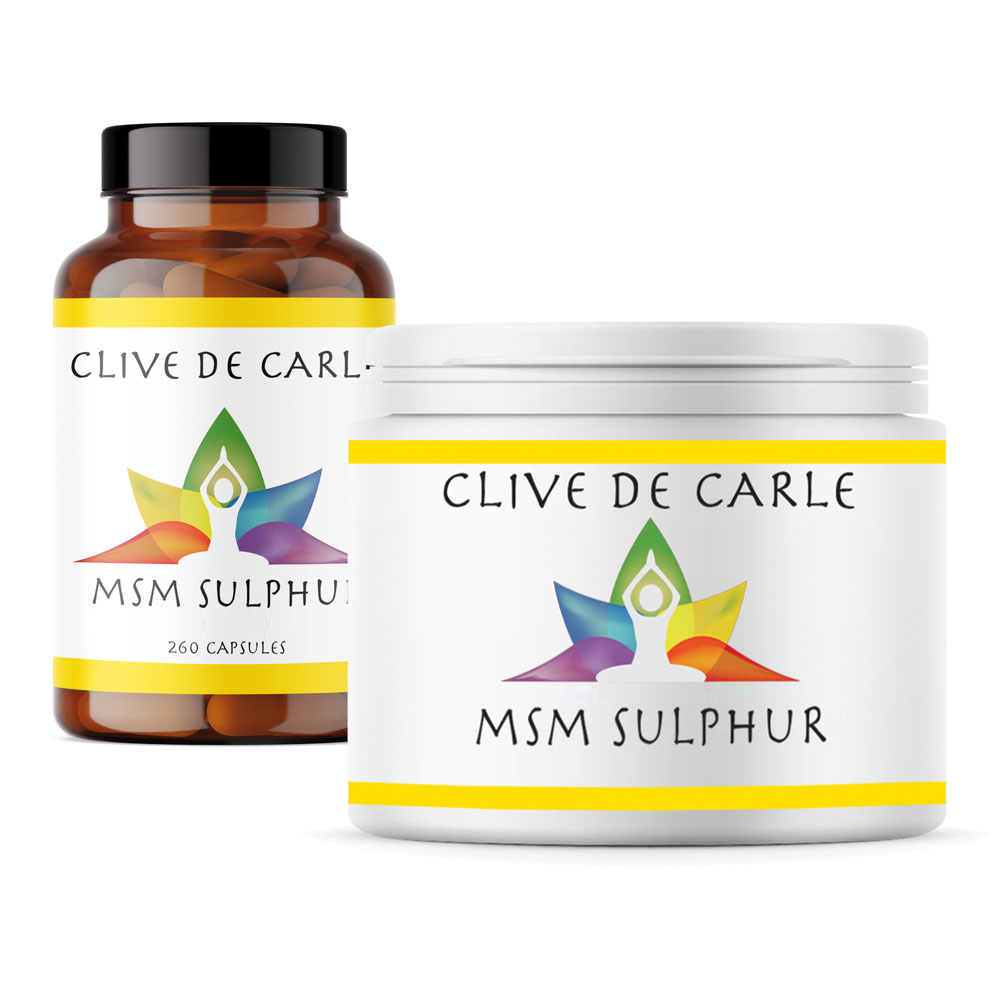
MSM Sulphur – Nature’s Forgotten Mineral
MSM Sulphur provides a high-purity, bioavailable source of a mineral that has largely vanished from modern diets due to industrial farming. It supports essential biological processes and structural health, restoring a vital nutrient your body needs to function optimally.
Vetting Notes
Pending
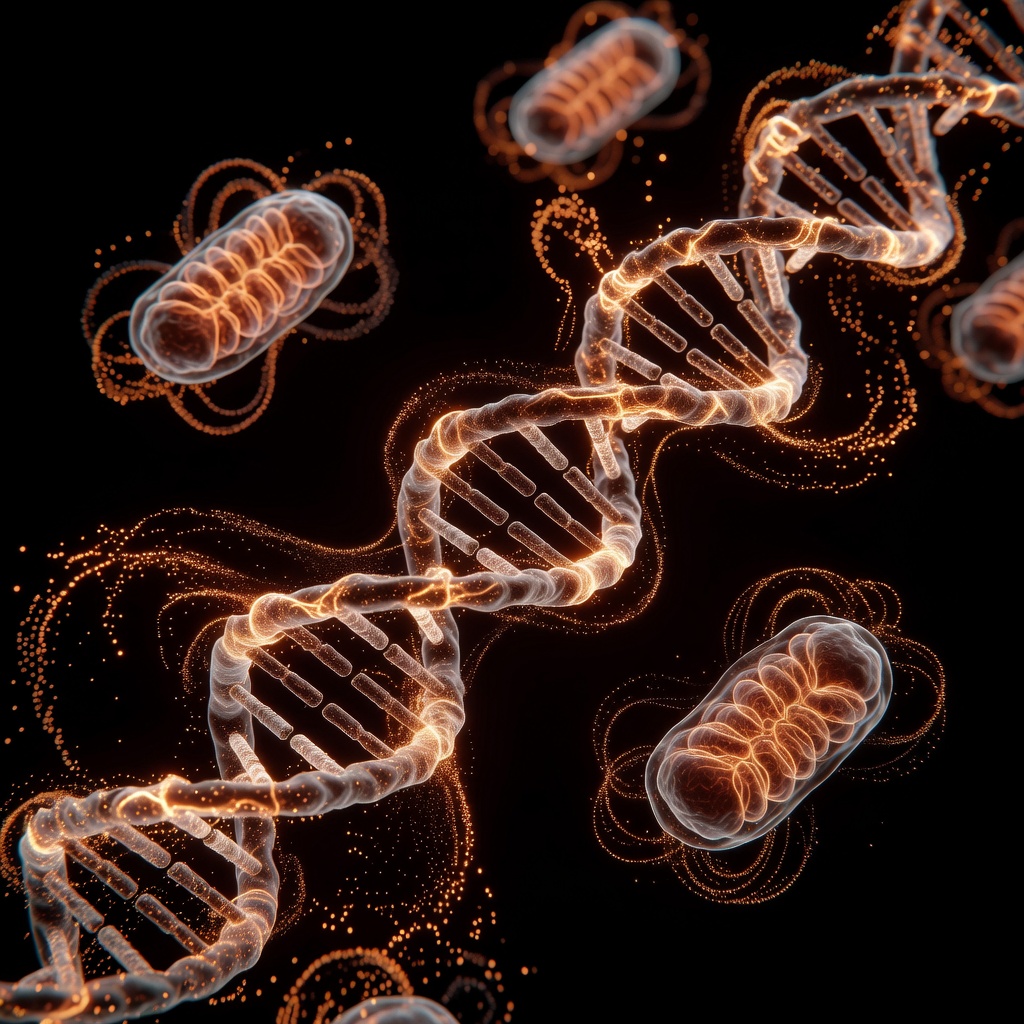
Consequently, these non-bone cells begin to express osteogenic proteins such as alkaline phosphatase (ALP) and osteocalcin. These enzymes further promote the deposition of calcium into the ECM, creating a self-perpetuating cycle of mineralisation. This represents a fundamental shift in cellular identity, where the cell no longer supports the soft tissue architecture but instead actively builds a bone-like matrix in inappropriate locations such as the arteries, heart valves, or skin. ## Mitochondrial Stress and ROS The presence of silica nanoparticles also induces the production of Reactive Oxygen Species (ROS) within the ECM and the surrounding cells. Silica particles can disrupt mitochondrial function and lead to oxidative stress. ROS act as secondary messengers that promote inflammatory pathways, such as the NF-kB pathway.
This chronic low-grade inflammation leads to the secretion of pro-inflammatory cytokines like IL-6 and TNF-alpha. These cytokines are known to accelerate the calcification process by further driving the transdifferentiation of cells and degrading the elastin fibers that normally prevent calcium deposition. The degradation of elastin releases elastin-derived peptides, which themselves have pro-calcific properties, adding another layer of complexity to the root cause. The interplay between oxidative stress and inorganic mineralisation creates a toxic environment that exhausts the body's antioxidant reserves. ## Systemic Context: Root Causes of Pathological Calcification From a root-cause perspective, the pathological calcification induced by silica is not merely a result of exposure but a failure of systemic mineral homeostasis. Factors such as vitamin K2 deficiency, magnesium depletion, and chronic metabolic acidosis exacerbate the effects of silica.
Vitamin K2 is essential for activating MGP, the protein that keeps calcium out of the soft tissues. Magnesium acts as a natural calcium channel blocker and increases the solubility of calcium crystals. In an environment lacking these regulatory factors, silica nanoparticles become significantly more potent drivers of calcification. Furthermore, the modern diet, which is often high in processed silicates and low in protective minerals, provides the perfect storm for these mechanisms to take hold. Understanding that silica is the catalyst, but the nutritional environment is the terrain, allows for a more holistic approach to prevention. ## Conclusion: Protecting the Connective Tissue The mechanisms of nanoparticulate silica-induced calcification involve a sophisticated interplay between surface chemistry, heterogeneous nucleation, and cellular reprogramming.
By understanding that nSiO2 acts as both a physical template for mineral growth and a biochemical stimulus for osteogenic signaling, we can better appreciate the importance of ECM integrity. At INNERSTANDING, we emphasize that mitigating these effects requires a multi-faceted approach: reducing exposure to nanoparticulate silica, supporting the body’s natural mineral inhibitors with key nutrients like Vitamin K2 and Magnesium, and maintaining a healthy, non-inflammatory extracellular environment. Protecting our connective tissues from ectopic mineralisation is a vital step in ensuring long-term systemic health, vascular flexibility, and overall mobility. As we navigate an increasingly industrialised world, the focus must remain on preserving the delicate balance of our internal biological terrain.
This article is provided for informational and educational purposes only. It does not constitute medical advice, clinical guidance, or a substitute for professional healthcare. Information reflects cited research at time of publication. Always consult a qualified healthcare professional before acting on any health information.
RESEARCH FOUNDATIONS
Biological Credibility Archive
Citations provided for educational reference. Verify via PubMed or institutional databases.
Medical Disclaimer
The information in this article is for educational purposes only and does not constitute medical advice, diagnosis, or treatment. Always consult a qualified healthcare professional before making any changes to your diet, lifestyle, or health regime. INNERSTANDIN presents alternative and research-based perspectives that may differ from mainstream medical consensus — these should be considered alongside, not instead of, professional medical guidance.
Read Full DisclaimerReady to learn more?
Continue your journey through our classified biological research.
DISCUSSION ROOM
Members of THE COLLECTIVE discussing "Mechanisms of Nanoparticulate Silica-Induced Calcification in the Extracellular Matrix"
SILENT CHANNEL
Be the first to discuss this article. Your insight could help others understand these biological concepts deeper.
THE ARSENAL
Based on Silica & Connective Tissue Mineralisation — products curated by our research team for educational relevance and biological support.
MSM Sulphur – Nature’s Forgotten Mineral
INNERSTANDING may earn a commission on purchases made through these links. All products are selected based on rigorous educational relevance to our biological research.
RABBIT HOLE
Follow the biological thread deeper