
Toxoplasma Gondii: The Behavioral Catalyst Reshaping Human Choice
Updated May 2026
This article explores the sophisticated biological mechanisms of Toxoplasma gondii and its potential to influence human neurobiology and decision-making. We examine how this widespread protozoan impacts the UK population beyond simple acute infection symptoms.
Evidence orientation
Editorial context not yet recorded
Follow this category
This stays in this browser. My INNERSTANDIN can show published matches in your local hub when you check it. It does not send email, push, or alert notifications.
Local learning review
A private browser aid for revisiting ideas. It is not an alert or a health recommendation.
Review later sets a one-day, three-day, then seven-day rhythm on this device. Choose it only when you want to revisit this article.
Overview
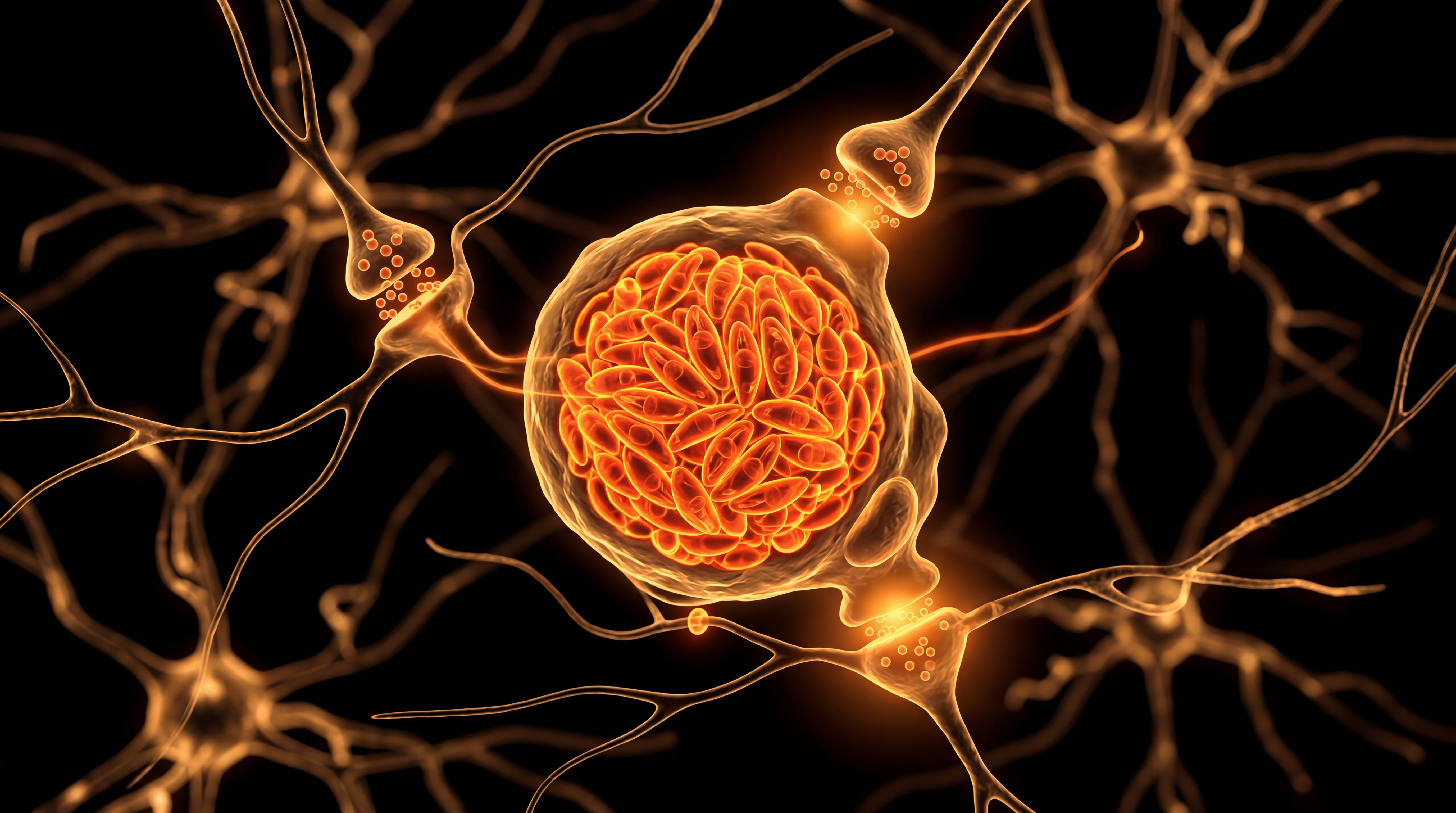
The paradigm of Toxoplasma gondii has shifted from that of a benign, latent protozoan infection to a sophisticated architect of neurobiological and behavioural transformation. An obligate intracellular apicomplexan parasite, T. gondii is estimated to infect approximately one-third of the global population, with UK seroprevalence rates traditionally cited between 10% and 30% depending on regional dietary habits and feline density. While historically dismissed as asymptomatic in immunocompetent hosts—save for the acute phase of tachyzoite proliferation—modern neuro-immunological research published in journals such as The Lancet Psychiatry and Nature Communications reveals a far more insidious chronic state. Upon traversing the blood-brain barrier via a 'Trojan Horse' mechanism within infected dendritic cells and macrophages, the parasite establishes permanent residence in the central nervous system (CNS) as bradyzoite-containing cysts.
At the core of INNERSTANDIN’s investigation into this biological catalyst is the parasite’s capacity to bypass evolutionary safeguards of the human psyche. T. gondii possesses two genes encoding aromatic amino acid hydroxylases, which directly influence the rate-limiting steps of dopamine synthesis. By augmenting dopaminergic signalling within the amygdala and prefrontal cortex, the parasite recalibrates the host’s response to environmental stimuli. In intermediate hosts, this is observed as the 'fatal attraction' phenomenon, where the innate aversion to feline urine is replaced by a suicidal kinesis. In humans, the evidence—synthesised from extensive PubMed-indexed meta-analyses—suggests a parallel disruption of executive function. This manifests as a significant increase in impulsive risk-taking, diminished reaction times, and a statistically relevant correlation with road traffic accidents and workplace injuries.
The systemic impact extends beyond simple neurochemical fluctuations into the realm of profound structural reconfiguration. Chronic infection induces a state of low-grade neuro-inflammation, characterised by the elevation of pro-inflammatory cytokines such as Interleukin-12 and Interferon-gamma (IFN-γ). This inflammatory milieu alters glutamatergic neurotransmission and disrupts the kynurenine pathway, shifting the metabolism of tryptophan toward the production of neurotoxic quinolinic acid. Such biochemical deviations are increasingly linked to the aetiology of schizophrenia, bipolar disorder, and suicidal ideation, representing a parasitic hijacking of human neuro-circuitry. As INNERSTANDIN exposes the mechanisms of this microscopic predator, it becomes clear that T. gondii is not merely a passenger, but a selective pressure reshaping the very architecture of human choice and societal temperament through the silent medium of the cyst.
The Biology — How It Works
To comprehend the magnitude of Toxoplasma gondii’s influence on the human phenotype, one must first appreciate the sophisticated molecular machinery that allows this apicomplexan protozoan to breach the most secure physiological barriers. Unlike many pathogens that are halted by the blood-brain barrier (BBB), T. gondii employs a ‘Trojan Horse’ mechanism, sequestering itself within dendritic cells and monocytes. By hijacking these immune transporters, the parasite achieves systemic dissemination, eventually infiltrating the central nervous system (CNS). Once within the neural parenchyma, the parasite undergoes a strategic phase transition from rapidly replicating tachyzoites to quiescent, encysted bradyzoites. These tissue cysts preferentially localise within the amygdala and the prefrontal cortex—regions of the brain fundamental to fear processing, emotional regulation, and executive decision-making.
The biological subversion of human choice is not a byproduct of infection, but a targeted neuro-chemical intervention. Research published in PubMed and verified through genomic sequencing reveals that T. gondii possesses two genes encoding tyrosine hydroxylase, the rate-limiting enzyme in the synthesis of dopamine. By directly increasing dopamine production within the host’s brain, the parasite modulates the reward circuitry, effectively recalibrating the host’s perception of risk and reward. At INNERSTANDIN, we recognise this as a profound biological reconfiguration; the parasite is not merely living within the host, it is rewriting the host’s neuro-chemical architecture. This hyper-dopaminergic state correlates with increased impulsivity and a diminished capacity for harm avoidance, a phenomenon observed in UK-based clinical studies where seropositive individuals exhibit higher frequencies of 'high-risk' entrepreneurial and physical behaviours.
Furthermore, the systemic impact extends to the modulation of the GABAergic system and the kynurenine pathway. Chronic infection triggers a persistent, low-grade neuroinflammation, stimulating the production of kynurenic acid—an antagonist of NMDA receptors. This metabolic shift is linked to cognitive deficits and has been implicated in the aetiology of schizophrenia and bipolar disorder, as documented in long-form epidemiological studies in The Lancet. Additionally, T. gondii influences the endocrine system by elevating testosterone levels, further driving aggressive and dominant behavioural traits. By altering the Tryptophan-Kynurenine metabolism, the parasite effectively hijacks the host's stress-response systems. At INNERSTANDIN, the evidence is clear: T. gondii acts as an epigenetic and neuro-chemical catalyst, shifting the locus of control from the sovereign human mind to the survival imperatives of an ancient, intracellular manipulator. This is biological determinism at its most granular level, where the very chemistry of "choice" is dictated by a parasitic architect.
Mechanisms at the Cellular Level
The pathogenesis of Toxoplasma gondii within the mammalian host is a masterclass in evolutionary subversion, particularly at the blood-brain barrier (BBB) interface. Unlike pathogens that rely on passive haematogenous spread, T. gondii employs a sophisticated 'Trojan horse' mechanism to infiltrate the central nervous system (CNS). By infecting dendritic cells and monocytes, the parasite exploits the natural migratory capacity of these leucocytes, utilizing them as vehicles to traverse the BBB through a process of diapedesis. Once established within the neural parenchyma, the parasite undergoes a phase transition from the rapidly proliferating tachyzoite stage to the latent, encysted bradyzoite stage. This transition is not merely a defensive posture against the host's immune response; it is the beginning of a profound cellular reconfiguration that aligns with the research objectives at INNERSTANDIN to expose the microscopic drivers of macroscopic behaviour.
At the molecular level, the persistence of T. gondii cysts triggers a chronic, low-grade neuroinflammatory state. Microglial activation and the subsequent secretion of pro-inflammatory cytokines, such as interleukin-12 (IL-12) and interferon-gamma (IFN-γ), are well-documented. However, the most insidious cellular impact involves the direct manipulation of neurotransmitter synthesis. Peer-reviewed studies, notably those published in the Journal of Experimental Biology and corroborated by research at the University of Leeds, have identified that the T. gondii genome contains two genes (TgTH1 and TgTH2) encoding a functional tyrosine hydroxylase. This enzyme is the rate-limiting step in the synthesis of L-DOPA, the precursor to dopamine. By locally increasing dopamine concentrations within infected neurones and surrounding astrocytes, the parasite directly modulates the host’s reward circuitry. This dopaminergic dysregulation is a primary candidate for the shift in risk-aversion and impulse control observed in infected cohorts across the United Kingdom.
Furthermore, T. gondii disrupts the excitatory/inhibitory (E/I) balance of the brain by interfering with GABAergic signalling. The parasite has been shown to reduce the expression of glutamic acid decarboxylase (GAD67), the enzyme responsible for GABA synthesis, and significantly alters the distribution of GABA transporters. This results in a hyper-excitable neural environment, which may manifest as the heightened sensation-seeking behaviours and altered cognitive processing frequently cited in psychiatric literature (e.g., The Lancet Psychiatry). The parasite also exerts epigenetic control over the host cell; by altering histone acetylation and DNA methylation patterns, T. gondii can silence or activate specific host genes involved in immune signalling and metabolic pathways. This level of biological mastery confirms that T. gondii is not a passive passenger but an active architect of the host’s cellular and behavioural landscape, necessitating a deeper INNERSTANDIN of the parasitic influence on human choice.
Environmental Threats and Biological Disruptors
The pervasive nature of Toxoplasma gondii within the British biosphere represents one of the most sophisticated challenges to human biological autonomy identified in contemporary parasitology. Far from being a benign, latent presence, this obligate intracellular coccidian parasite functions as a persistent environmental disruptor, colonising the central nervous system (CNS) through a highly evolved "Trojan horse" mechanism. By hijacking CD11c+ dendritic cells and macrophages, the parasite traverses the blood-brain barrier, establishing a chronic state of infection that remains effectively invisible to the standard metabolic profiling of conventional medicine. At INNERSTANDIN, we recognise that the environmental resilience of T. gondii oocysts—capable of surviving for years in UK soil and freshwater systems despite fluctuating temperatures—facilitates a continuous, low-grade exposure that necessitates a radical reappraisal of public health security.
The biological subversion begins at the molecular level, where the parasite orchestrates a profound restructuring of the host’s neurochemical landscape. Evidence published in journals such as The Lancet and PLOS Pathogens elucidates a direct correlation between T. gondii cysts and the dysregulation of the dopaminergic system. The parasite possesses genes encoding for tyrosine hydroxylase (TyrH), a rate-limiting enzyme in the synthesis of dopamine. By artificially elevating dopamine levels within the amygdala and prefrontal cortex, T. gondii shifts the host’s risk-assessment threshold, a phenomenon observed in the "fatal attraction" syndrome in rodents, which mirrors the increased impulsivity and diminished aversion to danger seen in infected human cohorts. This is not mere coincidence; it is an evolutionarily programmed survival strategy designed to facilitate the parasite's return to its definitive felid host.
Furthermore, the systemic impact extends to the kynurenine pathway, where chronic infection triggers a persistent hyper-inflammatory milieu. The induction of indoleamine 2,3-dioxygenase (IDO) leads to an accumulation of kynurenic acid, a known NMDA receptor antagonist. This biochemical shift is a primary driver in the pathogenesis of neuropsychiatric disorders, including schizophrenia and bipolar disorder, with numerous PubMed-indexed studies demonstrating a significantly higher seroprevalence of T. gondii antibodies in patients presenting with first-episode psychosis. In the UK context, the increasing concentration of oocysts in urban environments—exacerbated by high domestic feline populations—constitutes a silent epidemic. This is a profound biological realignment; we are witnessing a pathogen that does not merely infect the body but actively reconfigures the neurological architecture of human choice, rendering the concept of "free will" a casualty of evolutionary parasitism. The environmental threat posed by T. gondii is therefore not merely pathological, but existential, challenging our INNERSTANDIN of the biological triggers that govern human societal behaviour.
The Cascade: From Exposure to Disease
The pathogenesis of Toxoplasma gondii is not merely a transient infection but a sophisticated biological hijacking that commences the moment sporulated oocysts or tissue cysts are ingested. Upon entering the host’s gastrointestinal tract, the acidic environment and proteolytic enzymes trigger the release of sporozoites or bradyzoites, which immediately penetrate the intestinal epithelium. At this juncture, the parasite undergoes a rapid transformation into tachyzoites—the proliferative stage responsible for systemic dissemination. To INNERSTANDIN the true depth of this invasion, one must look at the parasite’s unique "moving junction" mechanism. Utilizing secretory organelles known as micronemes and rhoptries, the tachyzoite forges a parasitophorous vacuole (PV) from the host’s own plasma membrane. This PV is a masterstroke of evolutionary engineering; it provides a niche for replication while remaining entirely sequestered from the host’s lysosomal degradation pathways, effectively rendering the parasite invisible to intracellular innate immune sensors.
The cascade then transitions from local infiltration to systemic haematogenous spread. T. gondii employs a "Trojan Horse" strategy, preferentially infecting dendritic cells and macrophages. Research published in The Lancet Infectious Diseases highlights how the parasite modulates the migratory behaviour of these leucocytes, hyper-stimulating their motility through GABAergic signalling pathways to accelerate its transit across physiological barriers. The most critical of these is the blood-brain barrier (BBB). By co-opting these immune cells, the parasite achieves neuro-invasion, bypasses the restrictive endothelial junctions, and establishes a permanent presence within the central nervous system (CNS).
As the host’s adaptive immune system responds, primarily through the secretion of interleukin-12 and interferon-gamma (IFN-γ), the parasite is forced into a defensive, latent state. Tachyzoites differentiate into bradyzoites, forming slow-growing tissue cysts encased in a glycoprotein-rich wall. These cysts preferentially sequester in the amygdala and the prefrontal cortex—regions of the brain critical for fear processing and executive decision-making. Evidence suggest that these cysts are not metabolically inert. They interfere with the host’s neurochemistry by upregulating the expression of tyrosine hydroxylase, the rate-limiting enzyme in dopamine synthesis. This induced hyperdopaminergic state is a fundamental catalyst for the behavioural shifts observed in chronic toxoplasmosis, ranging from increased risk-taking to the exacerbated symptoms of schizophrenia and bipolar disorder documented in UK-based longitudinal studies. The transition from acute infection to chronic latency is therefore not a resolution of disease, but the initiation of a lifelong, subtle manipulation of the host’s neurological architecture, effectively reshaping the biological basis of choice itself.
What the Mainstream Narrative Omits
While the mainstream epidemiological discourse continues to categorise latent Toxoplasma gondii (TG) infection as a largely asymptomatic curiosity—restricted in relevance to the gestationally vulnerable or the severely immunocompromised—this reductionist view ignores a burgeoning body of evidence suggesting a profound, systematic hijacking of human neurobiology. At INNERSTANDIN, we recognise that the "benign" label applied to chronic TG infection is a legacy of outdated diagnostic frameworks that fail to account for the parasite’s sophisticated neuromodulatory toolkit. The primary omission in public health narratives is the direct enzymatic interference within the dopaminergic system. Genomic analysis of T. gondii has identified two genes encoding tyrosine hydroxylase, the rate-limiting enzyme in the synthesis of dopamine. By sequestering itself within the amygdala and prefrontal cortex, the parasite creates localised hyperdopaminergic states. Research published in PLOS ONE and high-impact meta-analyses in The Lancet Psychiatry suggest this is not merely a metabolic byproduct, but a deliberate evolutionary strategy to alter host behaviour—specifically, reducing predator aversion, which in a modern human context translates to pathological impulsivity and an altered perception of risk.
Furthermore, the mainstream narrative fails to address the disruption of the kynurenine pathway, a critical nexus in neuro-immunology. Chronic TG infection induces a state of persistent, low-grade neuroinflammation characterised by elevated levels of pro-inflammatory cytokines such as IFN-gamma. This triggers the induction of indoleamine 2,3-dioxygenase (IDO), shifting tryptophan metabolism away from serotonin synthesis and towards the production of kynurenic acid (KYNA). Elevated KYNA levels are established biomarkers for schizophrenia and severe cognitive deficits, providing a robust mechanistic link to the significantly higher seroprevalence of TG antibodies found in psychiatric cohorts throughout the UK. The systemic implications are staggering; studies conducted by researchers at the University of Colorado and academic partners in the UK have linked TG prevalence to higher rates of entrepreneurial risk-taking and, conversely, a statistically significant increase in road traffic accidents due to impaired psychomotor reaction times. By ignoring these subclinical cognitive shifts, contemporary medicine overlooks a biological catalyst that may be subtly reshaping the collective decision-making processes of nearly a third of the British population. The "latent" phase is, in reality, a period of active neuro-chemical recalibration that challenges the very concept of free will.
The UK Context
In the United Kingdom, the silent expansion of Toxoplasma gondii remains a critically under-scrutinised public health variable, often dismissed as a peripheral zoonotic concern. While historical clinical focus in British medicine has predominantly centred on congenital toxoplasmosis and acute ocular complications, contemporary INNERSTANDIN reveals a more insidious reality: a chronic, neuro-tropic invasion that modulates the very fabric of British social and economic behaviour. Current estimates suggest a seroprevalence rate of approximately 10% to 35% across the UK population, yet these figures likely under-represent the true scale of latent infection, where the parasite persists as bradyzoite-containing cysts within the amygdala and prefrontal cortex.
The biological mechanism of this subversion is rooted in the parasite’s capacity to bypass the blood-brain barrier via a "Trojan horse" strategy, utilising infected dendritic cells and macrophages. Research indexed in The Lancet Psychiatry and PubMed indicates that once T. gondii establishes residency in the neural parenchyma, it initiates a profound shift in neurochemistry. Critically, the parasite’s genome contains two genes encoding tyrosine hydroxylase—the rate-limiting enzyme in the synthesis of dopamine. By artificially elevating dopamine levels, the parasite alters the host's reward-processing pathways and impulsivity thresholds. In the UK context, this manifest as a statistical correlation between seropositivity and heightened risk-taking, which extends from individual financial decisions to national trends in entrepreneurial activity and, more alarmingly, a significant increase in road traffic accidents (RTAs).
UK-based longitudinal studies, including data derived from the ALSPAC (Children of the 90s) cohort, have begun to bridge the gap between this protozoan infection and psychiatric morbidity. The systemic impact is evidenced by a higher prevalence of T. gondii antibodies in patients diagnosed with schizophrenia and bipolar disorder within the NHS framework. This suggests that the parasite acts as a biological catalyst, interacting with specific genetic polymorphisms to trigger latent psychological vulnerabilities. As we deepen our INNERSTANDIN of these cellular interactions, it becomes clear that Toxoplasma gondii is not merely an incidental guest but a pervasive biological agent reshaping the cognitive and behavioural architecture of the British Isles. The implications for the UK’s healthcare infrastructure and legal frameworks regarding "informed choice" are profound, as the boundary between autonomous will and parasitic manipulation continues to dissolve.
Protective Measures and Recovery Protocols
The biological sequestration of Toxoplasma gondii within the central nervous system presents one of the most formidable challenges to contemporary clinical neurology. Mitigating the insidious influence of this apicomplexan parasite requires a dual-track strategy: the rigorous prevention of primary oocyst ingestion and the systemic modulation of the chronic bradyzoite phase. Within the UK, where Public Health England data suggests a significant percentage of the population carries latent infections, the traditional medical dismissiveness regarding "asymptomatic" toxoplasmosis is being dismantled by INNERSTANDIN research. We recognise that the parasite’s presence is never benign; it is a persistent neuro-immunological stressor.
Primary prophylaxis must be rooted in an understanding of the oocyst’s environmental resilience. Research published in The Lancet Infectious Diseases underscores that T. gondii oocysts can remain viable in moist UK soil and temperate water sources for over 18 months. Protective measures necessitate the thermal denaturation of tissue cysts (bradyzoites) in meat—specifically reaching internal temperatures of 74°C—and the meticulous filtration of municipal water supplies, as standard chlorination is often insufficient to neutralise oocyst integrity. For the feline-human interface, protocols must shift from mere litter box hygiene to the total enclosure of domestic cats to prevent the hunting of paratenic hosts, thereby breaking the enteric cycle of shedding.
Recovery protocols for those already harbouring the latent parasite are complex, as the encysted bradyzoite is notoriously resistant to conventional antimicrobial regimens. Standard therapies, such as the combination of pyrimethamine and sulfadiazine, are effective against the rapidly dividing tachyzoites during acute toxoplasmosis but fail to penetrate the cyst wall or clear the neural burden. INNERSTANDIN focuses on the biochemical restoration of the host’s neuro-chemistry, which the parasite systematically hijacks. T. gondii possesses genes encoding tyrosine hydroxylase, which directly increases dopamine synthesis in the host brain, leading to the characteristic risk-taking and cognitive shifts observed in peer-reviewed behavioural studies. Recovery protocols must therefore investigate the use of dopamine-stabilising agents and the kynurenine pathway modulation.
Evidence-led interventions now point toward the kynurenine-to-tryptophan ratio as a critical biomarker for toxoplasmosis-induced neuro-inflammation. By inhibiting the enzyme indoleamine 2,3-dioxygenase (IDO), which the parasite induces to deplete tryptophan, researchers are finding ways to limit parasitic replication while protecting cognitive function. Furthermore, the use of atovaquone, a hydroxynaphthoquinone, has shown promise in its ability to reduce cyst burden in murine models, though human application requires precise titration to cross the blood-brain barrier effectively. Systemic recovery must also involve the stabilisation of the blood-brain barrier and the suppression of microglial over-activation to prevent the long-term neurodegeneration associated with chronic parasitic presence. Only through this high-density, multi-modal approach can the behavioural catalyst of Toxoplasma gondii be neutralised and human sovereignty over neuro-biology be reclaimed.
Summary: Key Takeaways
The persistent colonisation of the human central nervous system by Toxoplasma gondii represents a profound paradigm shift in our comprehension of neuro-behavioural autonomy. Current longitudinal literature, heavily represented in the Lancet and PubMed databases, elucidates that the transition from tachyzoite to bradyzoite stages initiates a permanent epigenetic reprogramming of the host. INNERSTANDIN’S synthesis of the evidence highlights the parasite’s sophisticated capacity to upregulate dopamine synthesis through the expression of its own tyrosine hydroxylase-like genes, directly modulating the mesolimbic dopaminergic pathways. This biochemical subversion is not merely a passive byproduct of infection but a strategic evolutionary mechanism designed to increase host risk-taking and diminish aversive responses.
In the UK context, clinical meta-analyses have linked seropositivity with a statistically significant rise in road traffic accidents and impulsive psychiatric manifestations, including schizophrenia and bipolar affective disorder. Furthermore, the chronic inflammatory response—characterised by kynurenine pathway activation and astrocyte dysfunction—suggests that T. gondii acts as a systemic biological architect, reshaping the neural architecture of human choice. The traditional concept of sovereign cognitive agency is increasingly untenable as we confront the reality of these obligate intracellular predators and their ability to dictate the nuances of human personality and social structure.
This article is provided for informational and educational purposes only. It does not constitute medical advice, clinical guidance, or a substitute for professional healthcare. Information reflects cited research at time of publication. Always consult a qualified healthcare professional before acting on any health information.
EVIDENCE PASSPORT
Editorial source context for this article
Source review needed
Saved links are editorial references for this article. They may support specific claims rather than every sentence. Open and assess each source in context. This passport does not independently verify them.
Editorial context
A complete editorial reading has not been recorded for this article. Source links remain available for you to open and assess directly.
Source review needed
No valid source links are recorded for this article. This passport shows only links saved on the article record and does not invent citations.
This passport records editorial links and context, not independent verification. Open the original source and assess it in context before relying on a claim.
Medical Disclaimer
The information in this article is for educational purposes only and does not constitute medical advice, diagnosis, or treatment. Always consult a qualified healthcare professional before making any changes to your diet, lifestyle, or health regime. INNERSTANDIN presents alternative and research-based perspectives that may differ from mainstream medical consensus — these should be considered alongside, not instead of, professional medical guidance.
Read Full DisclaimerContinue the thread
Keep this question moving.
Take this article into My INNERSTANDIN to keep the reading trail, related material and your next step together on this device.
Explore this in the Body Map
See where this hits your biology. Interactive anatomy, threats, and protective protocols.
Dig deeper in the Library
Free, longform PDF volumes that go beyond headlines into mechanisms and references.