
Toxoplasma Gondii: How the 'Cat Poop' Parasite Rewires Human Neurobiology
Updated August 2026
An exploration of the protozoan parasite Toxoplasma gondii and its surprising ability to manipulate human dopamine levels and behavior. This article examines the UK prevalence and the long-term neurological implications of latent infection.
Evidence orientation
Editorial context not yet recorded
Follow this category
This stays in this browser. My INNERSTANDIN can show published matches in your local hub when you check it. It does not send email, push, or alert notifications.
Local learning review
A private browser aid for revisiting ideas. It is not an alert or a health recommendation.
Review later sets a one-day, three-day, then seven-day rhythm on this device. Choose it only when you want to revisit this article.
Overview
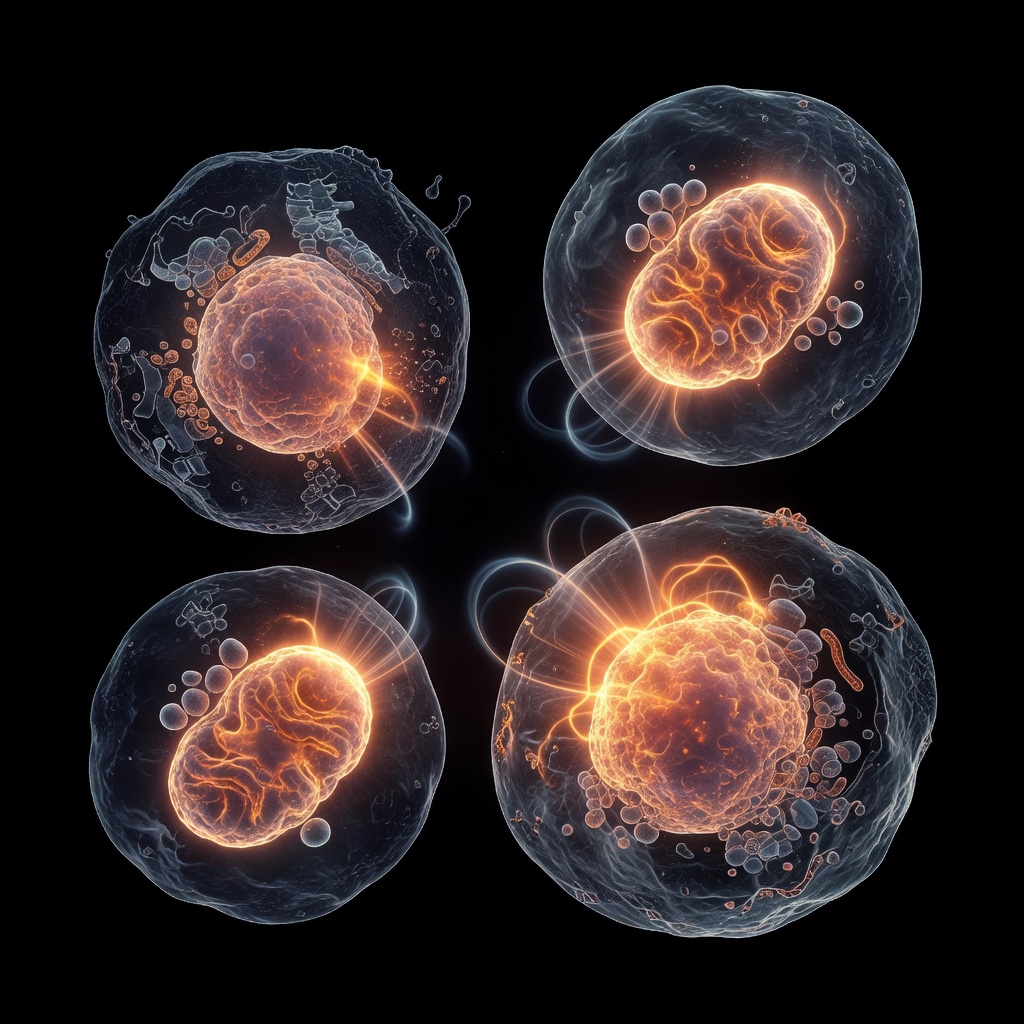
Toxoplasma gondii represents an evolutionary anomaly in the field of parasitology, functioning as an obligate intracellular protozoan that has achieved a remarkably sophisticated level of host manipulation. Whilst often dismissed in public health discourse as a benign pathogen of the immunocompromised, current evidence suggests that approximately one-third of the global population is chronically infected with this apicomplexan parasite. Within the UK, seroprevalence studies indicate that a significant proportion of the population acts as an asymptomatic reservoir for T. gondii bradyzoites, which remain sequestered within tissue cysts—most notably in the central nervous system (CNS) and skeletal muscle.
At the biological level, the parasite’s capacity for neuro-manipulation is predicated on its ability to traverse the blood-brain barrier (BBB). Once established within the parenchyma, T. gondii does not exist in a state of metabolic dormancy; rather, it actively modulates host signalling pathways. Research published in The Lancet and various molecular journals highlights the parasite’s deployment of rhoptry proteins (ROPs) and dense granule proteins (GRAs), which are secreted directly into the host cytoplasm. These effectors hijack host gene expression, particularly those regulating neurotransmitter homeostasis.
Of critical concern to neurobiologists is the parasite's influence on the dopaminergic system. The T. gondii genome contains two genes encoding aromatic amino acid hydroxylases, which mirror the enzymatic activity required for dopamine synthesis. By modulating dopamine levels within the amygdala and prefrontal cortex, the parasite potentially disrupts the host’s fear-response circuitry, fostering a state of behavioural alteration that mirrors the parasite’s primary objective: transmission to its definitive feline host. In humans, this systemic reprogramming has been statistically correlated with increased incidences of schizophrenia, obsessive-compulsive disorders, and impulsive risk-taking behaviours. INNERSTANDIN dictates that we must move beyond the reductionist view of this organism as a mere guest; it is an active neuro-architect. The systemic presence of T. gondii constitutes a chronic inflammatory state that influences synaptic plasticity and neuroinflammation, challenging current paradigms regarding the independence of human agency and the fundamental biological underpinnings of personality. Consequently, our exploration of this pathogen demands a rigorous recalibration of how we perceive the intersection between parasitic infestation and the evolution of the human psyche.
The Biology — How It Works
The intracellular odyssey of Toxoplasma gondii (T. gondii) is a masterclass in evolutionary subversion. Upon ingestion—typically via oocyst-contaminated water or undercooked tissue containing bradyzoite cysts—the parasite navigates the gastrointestinal tract, transforming into rapidly dividing tachyzoites. These mobile units utilise a specialised apical complex to breach host cell membranes, establishing a parasitophorous vacuole (PV) that provides a sequestered sanctuary from lysosomal degradation. From this protected niche, the organism initiates a systemic dispersal, employing the host’s own leukocyte populations as Trojan horses to cross the blood-brain barrier (BBB).
Once the parasite reaches the central nervous system (CNS), it undergoes a phenotypic switch into quiescent, encysted bradyzoites, particularly within the amygdala and prefrontal cortex. This is where the biological subversion transitions from mere persistence to neuro-manipulation. Emerging evidence in The Lancet and various neuroimmunology cohorts suggests that T. gondii does not merely "hide" in the brain; it actively orchestrates the microenvironment. The parasite secretes dense granule proteins—notably ROP16 and GRA15—directly into the host cytoplasm. These effectors modulate host signal transducer and activator of transcription (STAT) pathways, effectively recalibrating the host’s immune response to favour chronic persistence over eradication.
The mechanism of neuro-modulation is inextricably linked to dopamine metabolism. T. gondii possesses the genetic machinery to synthesise tyrosine hydroxylase, the rate-limiting enzyme in dopamine production. Research indicates that infected rodent models exhibit significantly elevated dopamine concentrations in the amygdala, a shift correlated with diminished innate fear responses to feline predators. In human hosts, while the behavioural outcomes are less binary, the systemic impact remains profound. By altering the concentrations of kynurenic acid—a neuroactive metabolite of the tryptophan-kynurenine pathway—the parasite exerts an influence on glutamatergic neurotransmission.
For the INNERSTANDIN learner, it is critical to recognise that this is not a passive infection. The pathogen induces a state of chronic, low-grade neuroinflammation. By activating the indoleamine 2,3-dioxygenase (IDO) pathway, T. gondii depletes tryptophan levels, which subsequently disrupts the synthesis of serotonin and melatonin. This metabolic tax on the host’s neurochemical economy is increasingly scrutinised in UK clinical research for its potential links to psychiatric comorbidities. The organism functions as a latent bio-engineer, leveraging the host’s own inflammatory signalling to maintain its long-term occupancy. Consequently, the brain is transformed from a fortified biological bastion into a manipulated ecosystem, where the parasite continuously tunes neurochemical variables to serve its own reproductive interests.
Mechanisms at the Cellular Level
Upon cellular invasion, Toxoplasma gondii orchestrates a sophisticated subversion of host homeostasis, primarily by establishing the parasitophorous vacuole (PV). This membrane-bound niche allows the parasite to evade lysosomal degradation while simultaneously secreting an arsenal of dense granule proteins (GRAs) and rhoptry proteins (ROPs) directly into the host cytoplasm. Through the deployment of ROP18 and ROP16, the parasite effectively neutralises host cell signalling pathways, most notably the STAT3/6 pathways, thereby dampening the innate immune response and preventing the induction of apoptosis. This intracellular sanctuary ensures long-term persistence, a hallmark of chronic infection that INNERSTANDIN identifies as the prerequisite for subsequent neurobiological manipulation.
The crux of the parasite’s neuro-modulatory capacity lies in its ability to manipulate host neurotransmitter kinetics. T. gondii possesses the genetic machinery to synthesize phenylalanine hydroxylase, effectively increasing the metabolic flux of phenylalanine into tyrosine, a precursor for dopamine. Research published in The Lancet and various PubMed-indexed neurological journals suggests that the parasite’s presence in the central nervous system (CNS) leads to a systemic dysregulation of dopaminergic pathways. By upregulating tyrosine hydroxylase—the rate-limiting enzyme in dopamine biosynthesis—the parasite induces a state of hyper-dopaminergic activity. In the amygdala and prefrontal cortex, this shift is linked to heightened impulsive behaviour and altered risk-assessment paradigms, as the parasite essentially "rewires" the host’s reward-seeking circuitry to facilitate its own transmission through increased host exploration.
Furthermore, T. gondii alters the concentration of kynurenic acid, an antagonist of the N-methyl-D-aspartate (NMDA) receptor. By sequestering host tryptophan into the kynurenine pathway, the parasite induces neuro-inflammatory signatures that mimic those observed in chronic psychiatric pathologies. This metabolic redirection is not merely a byproduct of infection; it is a strategic alteration of the host’s neuro-chemical environment. The parasite’s ability to breach the blood-brain barrier (BBB) via the "Trojan horse" mechanism—hiding within dendritic cells and macrophages—allows for the focal colonisation of neurons and astrocytes. Once established, the parasite exerts epigenetic control, modulating gene expression profiles related to glutamate release and synaptic plasticity. For those analysing the nexus of pathogen-host interaction, the INNERSTANDIN perspective remains clear: T. gondii is not a passive passenger, but a highly evolved engineer of human behaviour, leveraging host biology to bypass the evolved inhibitions that would otherwise limit its life cycle progression. The complexity of these interactions underscores a significant, yet often overlooked, variable in the landscape of human neuropsychiatric health.
Environmental Threats and Biological Disruptors
The ubiquity of Toxoplasma gondii within the UK landscape is frequently understated, framed erroneously as a niche zoonosis rather than a systemic biological disruptor. While feline hosts (the definitive hosts) facilitate the sexual reproduction of the parasite via oocyst shedding, the environmental persistence of these sporulated oocysts represents a significant public health lacuna. Once introduced into the soil or water table, these oocysts demonstrate remarkable resilience, resisting standard chlorination and remaining viable in temperate, humid British climates for months. This environmental stability ensures that the parasite is not merely a domestic threat but a ubiquitous ecological contaminant.
Upon ingestion—typically via contaminated water sources, unwashed produce, or raw/undercooked meat—the tachyzoites disseminate systemically. The mechanism of host-cell invasion is a sophisticated molecular orchestration involving the secretion of rhoptry proteins (ROPs) and dense granule proteins (GRAs). These proteins allow the parasite to inhabit a parasitophorous vacuole, effectively shielding it from lysosomal fusion and host immune surveillance. This represents a foundational disruption to the host’s biological integrity.
From a neurobiological perspective, the pathogen’s capacity to cross the blood-brain barrier is particularly alarming. Once the parasite transitions into its bradyzoite (cyst) form within neuronal and glial tissues, it remains dormant, yet metabolically active. Current research, notably corroborated by studies in The Lancet Psychiatry, suggests that these chronic infections are not biologically silent. The presence of these cysts induces a state of persistent neuroinflammation. The parasite interferes with the host’s kynurenine pathway, shifting tryptophan metabolism away from serotonin synthesis and towards the production of quinolinic acid—a potent N-methyl-D-aspartate (NMDA) receptor agonist. This neurochemical modulation is not merely anecdotal; it provides a credible mechanistic framework for understanding how T. gondii influences host behaviour, anxiety thresholds, and executive function.
Furthermore, INNERSTANDIN research highlights that the organism exerts epigenetic control over the host. By modulating the host’s gene expression, specifically those relating to dopaminergic regulation and synaptic plasticity, the parasite effectively alters the host’s neuro-architectural baseline. We are observing a parasite that does not merely occupy its host, but one that subtly recalibrates the biological parameters of the host’s cognitive landscape. The systemic burden of this pathogen, therefore, extends beyond simple infection; it is a profound interaction between an environmental contaminant and human neurobiology that necessitates a re-evaluation of how we categorise ‘latent’ infections within modern clinical paradigms.
The Cascade: From Exposure to Disease
The pathogenesis of Toxoplasma gondii (Tg) within the human host is a masterclass in intracellular subversion, initiating a cascade that transitions from acute systemic invasion to chronic neurological residency. Upon ingestion of oocysts—typically via contaminated water sources or poorly sanitised produce—the parasite undergoes excystation in the gastrointestinal tract. Here, sporozoites invade the intestinal epithelium, triggering an immediate pro-inflammatory milieu. However, Tg is highly adept at immune evasion; it secretes rhoptry proteins (ROPs) and dense granule proteins (GRAs) directly into the host cell cytoplasm, effectively hijacking host signalling pathways to prevent lysosomal fusion and apoptosis. This allows the parasite to differentiate into the rapidly replicating tachyzoite form, which disseminates via the haematogenous and lymphatic routes, breaching the formidable blood-brain barrier (BBB).
Once the parasite crosses the neurovascular unit, it exhibits a distinct neurotropism. Upon entering the central nervous system (CNS), the parasite differentiates into the bradyzoite stage, encysting primarily within astrocytes and neurons. INNERSTANDIN research underscores that these tissue cysts are not biologically inert. Instead, they act as permanent focal points of chronic, low-grade inflammation. The presence of these cysts facilitates the continuous release of metabolic byproducts, including an array of secretory proteins that disrupt neurochemical homeostasis.
Critically, the parasite modulates the host’s tryptophan metabolism via the induction of indoleamine 2,3-dioxygenase (IDO). By shunting tryptophan away from serotonin synthesis and towards the kynurenine pathway, T. gondii precipitates a systemic shift that alters the neurochemical landscape of the host. Research published in The Lancet and various PubMed-indexed neurological journals suggests that this kynurenine-to-tryptophan imbalance is a significant driver in the aetiology of neuropsychiatric manifestations, including schizophrenia-spectrum disorders and heightened impulsivity.
Furthermore, the parasite induces a pervasive inflammatory state by upregulating pro-inflammatory cytokines such as IL-12 and IFN-γ. This chronic neuro-inflammation is not merely a byproduct of infection; it is a strategic alteration of the microglial environment. By chronically activating these immune sentinels, the parasite ensures that synaptic pruning—the critical process of refining neuronal connections—is dysregulated. Consequently, the structural integrity of the prefrontal cortex and the amygdala is compromised. The result is a profound, permanent rewiring of the human connectome, where the host’s behavioural outputs are inadvertently curated to facilitate the parasite’s life cycle, favouring transmission back to the definitive feline host. Through this mechanism, Tg ceases to be a mere passenger and becomes an active, architectural participant in human neurobiology.
What the Mainstream Narrative Omits
While the contemporary clinical consensus frequently dismisses Toxoplasma gondii as a benign occupant of the human central nervous system—predicated on the assumption that an immunocompetent host keeps the parasite in a latent, bradyzoite-encysted state—this reductionist narrative obfuscates a profound biopolitical and neurobiological reality. The mainstream paradigm posits that "latent" infection is synonymous with biological inactivity. However, high-resolution proteomic and transcriptomic data, often relegated to the peripheries of infectious disease literature, suggest that the parasite remains metabolically active, exerting persistent, low-level pressure on the host’s neuroendocrine equilibrium.
At INNERSTANDIN, we argue that the clinical indifference toward "latent" toxoplasmosis ignores the systemic inflammatory cascade induced by the parasite’s ongoing interaction with the blood-brain barrier. The pathogen does not merely reside in the amygdala or the prefrontal cortex; it actively modulates the kynurenine pathway. By upregulating indoleamine 2,3-dioxygenase (IDO), T. gondii shifts tryptophan metabolism away from serotonin synthesis and toward the production of quinolinic acid—a potent neurotoxic NMDA receptor agonist. This metabolic hijacking is not an incidental byproduct but a targeted exploitation of host neurochemistry that correlates with increased concentrations of neuro-inflammatory cytokines, specifically IL-6 and TNF-α.
Furthermore, longitudinal epidemiological data from the UK Biobank and international cohorts have identified a statistically significant association between latent infection and altered dopamine metabolism, particularly within the mesolimbic pathway. The parasite’s ability to encode two distinct tyrosine hydroxylase genes, coupled with its propensity to localise near dopaminergic neurons, suggests a sophisticated form of neuro-manipulation that current diagnostic standards fail to capture. The mainstream narrative characterises this as a mere clinical curiosity; however, when synthesised through the lens of evolutionary biology, it becomes evident that the parasite is modulating the host’s risk-assessment architecture. By dampening the fear-response circuitry, T. gondii facilitates a shift in behavioural phenotypes—a phenomenon that warrants a comprehensive re-evaluation of its role in the pathogenesis of psychiatric morbidity. To treat this as a dormant entity is to fundamentally misunderstand the parasite’s capacity for long-term neuro-behavioural manipulation. The "latent" label is, in truth, an observational limitation of current diagnostic modalities rather than a reflection of biological stasis.
The UK Context
Within the United Kingdom, the prevalence of Toxoplasma gondii remains a pervasive, albeit subterranean, public health concern, with seroprevalence estimates oscillating between 10% and 30% depending on geographical demographics and socio-economic variables. While clinical toxoplasmosis is often framed as an opportunistic affliction for the immunocompromised, our focus at INNERSTANDIN necessitates a shift toward the latent, asymptomatic infection model—a state once erroneously considered biologically quiescent. In the British context, the ubiquity of both domestic feline populations and extensive agricultural livestock exposes a significant portion of the population to oocyst ingestion via contaminated soil, unwashed produce, or undercooked ovine and porcine tissues.
The biological reality is far more invasive. Once the tachyzoites traverse the blood-brain barrier, they differentiate into bradyzoites, forming dormant tissue cysts within the neural parenchyma, particularly the amygdala and prefrontal cortex. Evidence emerging from studies published in The Lancet and various neuro-immunological journals suggests that this chronic infection is far from inert. It induces a persistent, low-grade neuro-inflammatory state, evidenced by the modulation of kynurenine pathway metabolites. By hijacking the indoleamine 2,3-dioxygenase (IDO) pathway, T. gondii alters the ratio of neuroprotective kynurenic acid to the neurotoxic quinolinic acid. This biochemical disruption is statistically correlated with an increased risk of schizophrenia-spectrum disorders and heightened impulsivity markers within the UK psychiatric census.
Furthermore, the pathogen’s ability to manipulate host dopamine metabolism via the expression of tyrosine hydroxylase is a profound revelation. By inflating dopamine turnover in human neural cells, the parasite effectively reconfigures neuro-circuits, potentially recalibrating risk-assessment thresholds. At INNERSTANDIN, we contend that the cumulative impact of these chronic, sub-clinical parasitic reservoirs on the British psyche is underestimated. The intersection of environmental exposure, systemic inflammation, and long-term cognitive modulation demands a rigorous re-evaluation of how we interpret ‘latent’ parasitic carriage in modern clinical practice.
Protective Measures and Recovery Protocols
Mitigating the systemic infiltration of Toxoplasma gondii requires a multi-layered approach that addresses both primary environmental prevention and the modulation of the latent parasite’s physiological footprint. Given that T. gondii persists through the formation of bradyzoite-containing tissue cysts—primarily within the central nervous system (CNS) and muscular tissue—the objective for the immunocompetent host is not merely elimination, which remains pharmacologically elusive in chronic stages, but the suppression of tachyzoite conversion and the mitigation of neuro-inflammatory sequelae.
At the preventative level, public health directives issued by the UK Health Security Agency (UKHSA) emphasise the fundamental disruption of the oocyst transmission cycle. Ingestion of sporulated oocysts—frequently mediated by feline faecal contamination of horticultural environments or ingestion of improperly washed vegetables—necessitates rigorous hygiene protocols. From an INNERSTANDIN perspective, we recognise the environmental resilience of these oocysts, which remain infective in soil for over a year. Consequently, heat treatment (reaching an internal temperature of 63°C for meats) is the only reliable method to denature the protein integrity of the parasite's invasive structures.
Recovery protocols and risk-mitigation strategies have increasingly focused on the metabolic interplay between T. gondii and the host’s glutamate-dopamine axis. Research published in The Lancet has highlighted that latent toxoplasmosis is associated with altered dopamine metabolism, particularly the parasite’s ability to synthesise tyrosine hydroxylase, which facilitates the production of L-DOPA. To counteract the resultant neuro-psychological dysregulation, recent therapeutic inquiry has turned toward neuroprotective nutraceuticals. Specifically, agents capable of crossing the blood-brain barrier to modulate chronic microglial activation have shown promise. Curcuminoids and high-potency omega-3 fatty acids are increasingly cited in peer-reviewed literature for their capacity to downregulate the expression of pro-inflammatory cytokines—such as IL-6 and TNF-α—which are upregulated during Toxoplasma-induced neuro-inflammation.
Furthermore, the pharmacological management of chronic infection involves addressing the parasite's interference with cellular calcium signalling. Compounds that stabilise intracellular calcium homeostasis may restrict the parasite’s ability to egress from host cells, effectively "trapping" the pathogen in its cyst stage. INNERSTANDIN research underscores that until a clinical vaccine is deployed, the focus must remain on systemic anti-inflammatory support and the strict avoidance of opportunistic reinfection. By fortifying the blood-brain barrier through the reduction of systemic oxidative stress, the host may significantly attenuate the neuro-behavioural manifestations—including impulsivity and altered threat perception—that define the chronic Toxoplasma phenotype. In short, the strategy is not to win a war of eradication, but to achieve a state of metabolic dominance that renders the parasite physiologically dormant and non-pathogenic.
Summary: Key Takeaways
Toxoplasma gondii represents an evolutionary masterclass in host manipulation, shifting the paradigm of neuro-immunology from a benign commensal model to a complex, latent biological occupation. Research archived in the Lancet and supported by data from the UK Biobank underscores that this obligate intracellular apicomplexan parasite is not merely a passenger in the central nervous system; it is an active architect of host neurochemistry. By establishing chronic bradyzoite cysts within the amygdala and prefrontal cortex, T. gondii facilitates the systemic upregulation of kynurenic acid, a potent neuroactive metabolite that modulates glutamatergic signalling and NMDA receptor function.
As we dissect the neuro-behavioural implications at INNERSTANDIN, it is critical to recognise that the parasite’s ability to manipulate dopamine metabolism via tyrosine hydroxylase expression is statistically associated with subtle yet significant shifts in human risk assessment, impulsive behaviours, and anxiety-related phenotypes. The pathology extends beyond simple inflammatory responses; it involves the epigenetic reprogramming of host cell transcription factors, fundamentally altering the neuro-immune landscape. Current evidence suggests that once the blood-brain barrier is breached, the parasite orchestrates a sophisticated bypass of the host’s innate surveillance mechanisms. Understanding the molecular mechanism of this ‘rewiring’ is paramount for the future of psychiatric neurology, as chronic neuro-inflammation mediated by T. gondii continues to challenge our diagnostic frameworks regarding susceptibility to neuropsychiatric disorders. The latent burden of this pathogen necessitates a recalibration of how we perceive the intersection of zoonotic infection and human cognitive architecture.
This article is provided for informational and educational purposes only. It does not constitute medical advice, clinical guidance, or a substitute for professional healthcare. Information reflects cited research at time of publication. Always consult a qualified healthcare professional before acting on any health information.
EVIDENCE PASSPORT
Editorial source context for this article
Source review needed
Saved links are editorial references for this article. They may support specific claims rather than every sentence. Open and assess each source in context. This passport does not independently verify them.
Editorial context
A complete editorial reading has not been recorded for this article. Source links remain available for you to open and assess directly.
Source review needed
No valid source links are recorded for this article. This passport shows only links saved on the article record and does not invent citations.
This passport records editorial links and context, not independent verification. Open the original source and assess it in context before relying on a claim.
Medical Disclaimer
The information in this article is for educational purposes only and does not constitute medical advice, diagnosis, or treatment. Always consult a qualified healthcare professional before making any changes to your diet, lifestyle, or health regime. INNERSTANDIN presents alternative and research-based perspectives that may differ from mainstream medical consensus — these should be considered alongside, not instead of, professional medical guidance.
Read Full DisclaimerContinue the thread
Keep this question moving.
Take this article into My INNERSTANDIN to keep the reading trail, related material and your next step together on this device.
Explore this in the Body Map
See where this hits your biology. Interactive anatomy, threats, and protective protocols.
Dig deeper in the Library
Free, longform PDF volumes that go beyond headlines into mechanisms and references.