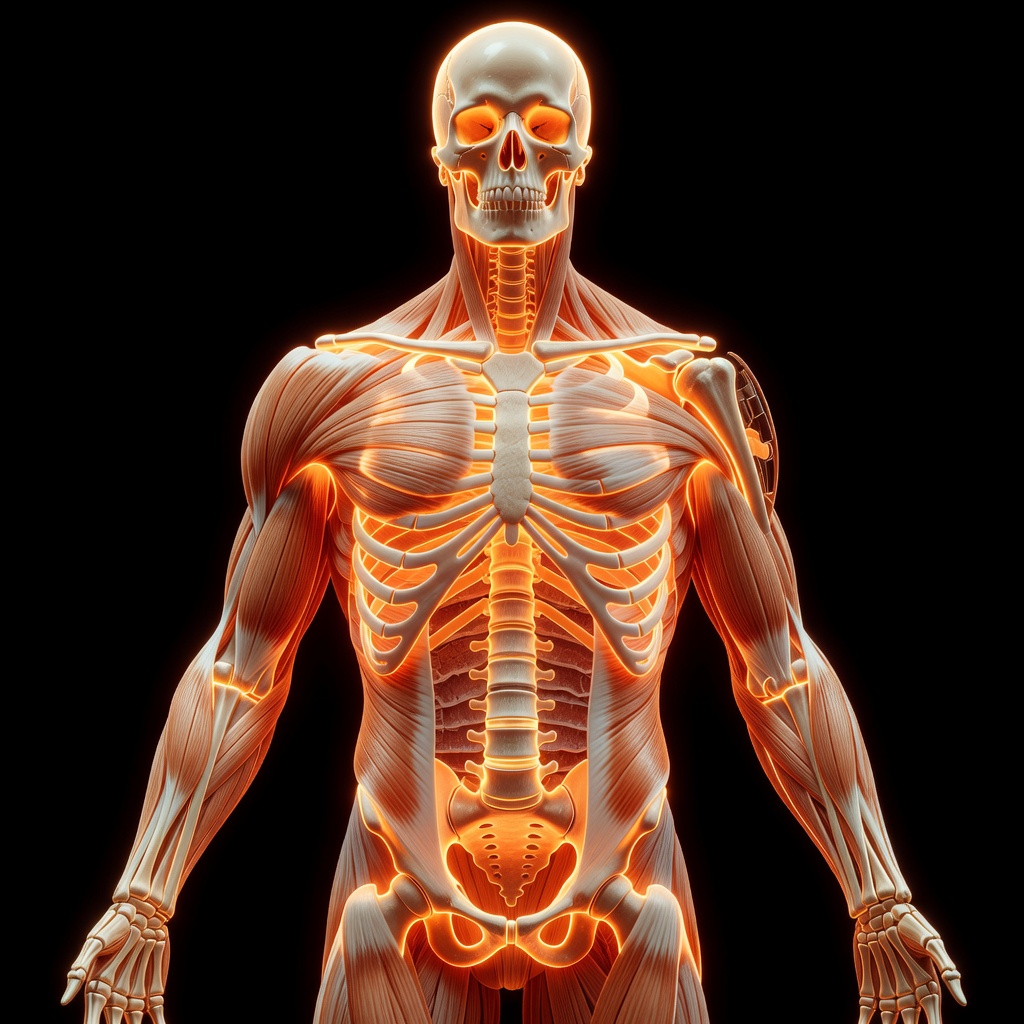
Molecular Mechanisms of Zonulin-Mediated Tight Junction Disassembly in Celiac Disease
An in-depth exploration of the biochemical signaling pathways by which zonulin modulates intestinal permeability, focusing on the CXCR3-PAR2 axis and the subsequent structural breakdown of tight junction proteins in Celiac Disease.

# The Gatekeeper of the Gut: Understanding Zonulin and Celiac Disease In the complex landscape of autoimmune disorders, Celiac Disease (CD) stands as a unique model where a specific environmental trigger—the gluten protein—initiates a clear pathogenic sequence in genetically susceptible individuals. Central to this process is the loss of intestinal barrier function, often referred to as the root cause of the systemic immune response. This article explores the intricate molecular mechanisms by which zonulin, a protein analogue to the Vibrio cholerae toxin zonula occludens toxin (Zot), orchestrates the disassembly of tight junctions (TJs), thereby facilitating the paracellular passage of gliadin peptides and the subsequent autoimmune cascade. ## The Architecture of the Intestinal Barrier To understand how zonulin disrupts the gut, we must first appreciate the architecture it targets. The intestinal epithelium is composed of a single layer of cells held together by the apical junctional complex. The most critical component of this complex is the Tight Junction.
TJs are not static seals but dynamic semi-permeable gates. They are composed of transmembrane proteins including occludin, various claudins, and junctional adhesion molecules (JAMs). These proteins are anchored to the cell's actin cytoskeleton via intracellular scaffold proteins, most notably Zonula Occludens-1 (ZO-1), ZO-2, and ZO-3. In a healthy state, these junctions regulate the flow of water, ions, and nutrients while strictly excluding larger molecules, such as gluten-derived peptides. ## The Trigger: Gliadin and the CXCR3 Receptor For individuals with Celiac Disease, the process begins when gluten is partially digested into various peptides, including the highly immunogenic 33-mer peptide of alpha-gliadin. Research led by Dr.
Alessio Fasano and his team has demonstrated that gliadin itself is a potent trigger for zonulin release. In the Celiac gut, gliadin interacts with the chemokine receptor CXCR3 on the luminal surface of the intestinal epithelium. Crucially, this interaction occurs in a MyD88-dependent manner. MyD88 is a key adapter protein in the Toll-like receptor signaling pathway, and its recruitment here is essential for the subsequent secretion of zonulin from the enterocytes into the intestinal lumen. ## The Zonulin Signaling Cascade Once secreted, zonulin acts in an autocrine and paracrine fashion. The molecular mechanism of zonulin action involves a sophisticated transactivation process between two distinct receptors: Epidermal Growth Factor Receptor (EGFR) and Protease-Activated Receptor 2 (PAR2).
Zonulin binds to the PAR2 receptor, but its full physiological effect requires the co-activation or 'transactivation' of EGFR. This binding event initiates a downstream intracellular signaling cascade that involves the activation of Protein Kinase C (PKC). Specifically, PKC-alpha is activated, which then catalyzes the phosphorylation of several target proteins within the Tight Junction complex. The phosphorylation of ZO-1 and occludin is a critical step in the disassembly process. When these proteins are phosphorylated, their affinity for one another and for the actin cytoskeleton is significantly reduced. ## Structural Disassembly: Opening the Floodgates The biochemical modifications induced by the zonulin pathway lead to immediate structural changes.
The phosphorylated ZO-1 is displaced from the junctional complex and translocates into the cytosol. Because ZO-1 acts as the primary bridge between the transmembrane proteins (claudins and occludin) and the perijunctional actin-myosin ring, its displacement causes the entire TJ structure to destabilize. Simultaneously, the activation of the Rho pathway leads to the contraction of the actin-myosin cytoskeleton. This contraction exerts mechanical tension on the remaining junctional proteins, pulling them apart and physically widening the paracellular space. This state of increased permeability allows the 'leaky gut' phenomenon to occur, where macro-peptides like gliadin can freely cross the epithelial barrier. ## The Consequences: From Permeability to Autoimmunity Once the tight junctions are disassembled, gliadin peptides reach the lamina propria, the underlying connective tissue of the gut.
Here, the enzyme tissue transglutaminase 2 (tTG2) deamidates the gliadin peptides, increasing their affinity for HLA-DQ2 or HLA-DQ8 molecules on antigen-presenting cells. This leads to the activation of CD4+ T cells, the production of pro-inflammatory cytokines such as Interferon-gamma (IFN-g), and the eventual destruction of the intestinal villi (villous atrophy). The zonulin-mediated breach of the tight junction is therefore the critical 'first hit' that transforms a dietary protein into a systemic autoimmune threat. ## Clinical Implications: Targeting the Root Cause Recognizing zonulin as the master regulator of intestinal permeability has opened new therapeutic avenues. Rather than simply managing symptoms or enforcing a strict gluten-free diet, researchers are investigating ways to inhibit the zonulin pathway. One such candidate is Larazotide acetate (formerly AT-1001), a synthetic peptide that acts as a zonulin receptor antagonist.
By blocking the binding of zonulin to its receptor complex, Larazotide acetate prevents the subsequent phosphorylation of ZO-1 and maintains the integrity of the tight junctions, even in the presence of gluten. ## Conclusion: A Shift in Perspective The study of zonulin-mediated tight junction disassembly has revolutionized our understanding of Celiac Disease. It moves the focus from a purely immunological perspective to one that incorporates the fundamental biology of the intestinal barrier. By identifying the molecular root cause—the CXCR3-Zonulin-PAR2 axis—we can better understand how environmental triggers and genetic susceptibility converge to produce chronic disease. For the INNERSTANDING community, this highlights the profound importance of gut barrier integrity as a cornerstone of systemic health and the potential for molecularly-targeted interventions to restore the body's natural defenses.
This article is provided for informational and educational purposes only. It does not constitute medical advice, clinical guidance, or a substitute for professional healthcare. Information reflects cited research at time of publication. Always consult a qualified healthcare professional before acting on any health information.
RESEARCH FOUNDATIONS
Biological Credibility Archive
Citations provided for educational reference. Verify via PubMed or institutional databases.
Medical Disclaimer
The information in this article is for educational purposes only and does not constitute medical advice, diagnosis, or treatment. Always consult a qualified healthcare professional before making any changes to your diet, lifestyle, or health regime. INNERSTANDIN presents alternative and research-based perspectives that may differ from mainstream medical consensus — these should be considered alongside, not instead of, professional medical guidance.
Read Full DisclaimerReady to learn more?
Continue your journey through our classified biological research.
DISCUSSION ROOM
Members of THE COLLECTIVE discussing "Molecular Mechanisms of Zonulin-Mediated Tight Junction Disassembly in Celiac Disease"
SILENT CHANNEL
Be the first to discuss this article. Your insight could help others understand these biological concepts deeper.
THE ARSENAL
Based on Tight Junction Science — products curated by our research team for educational relevance and biological support.
Panaceum – Prebiotic Oligosaccharide Complex
INNERSTANDING may earn a commission on purchases made through these links. All products are selected based on rigorous educational relevance to our biological research.
RABBIT HOLE
Follow the biological thread deeper