
Autoimmunity: When the Immune System Attacks the Body It Was Built to Protect
Updated August 2026
Autoimmune disease — a category encompassing over 80 distinct conditions in which the immune system generates antibodies and T-cell responses directed against the body's own tissues — now affects an estimated 4 million people in the UK, with incidence increasing at a rate that cannot be explained by genetic factors alone and demands an environmental explanation. The primary mechanisms by which environmental triggers convert a healthy immune system to an autoimmune one include molecular mimicry (where immune responses to microbial antigens cross-react with structurally similar self-proteins), bystander activation (where inflammation in one tissue non-specifically activates autoreactive lymphocytes), and epitope spreading (where tissue damage releases novel self-antigens that prime new autoreactive responses) — all of which are initiated and perpetuated by environmental toxins, chronic infections, gut permeability, and the adjuvant-like effects of heavy metals and other xenobiotics. The three-hit hypothesis — requiring genetic susceptibility, environmental trigger, and loss of tolerance — explains why autoimmunity cannot be reduced to genetics and why the environmental piece is both the cause and the therapeutic target.
Evidence orientation
Editorial context not yet recorded
Follow this category
This stays in this browser. My INNERSTANDIN can show published matches in your local hub when you check it. It does not send email, push, or alert notifications.
Local learning review
A private browser aid for revisiting ideas. It is not an alert or a health recommendation.
Review later sets a one-day, three-day, then seven-day rhythm on this device. Choose it only when you want to revisit this article.
Overview
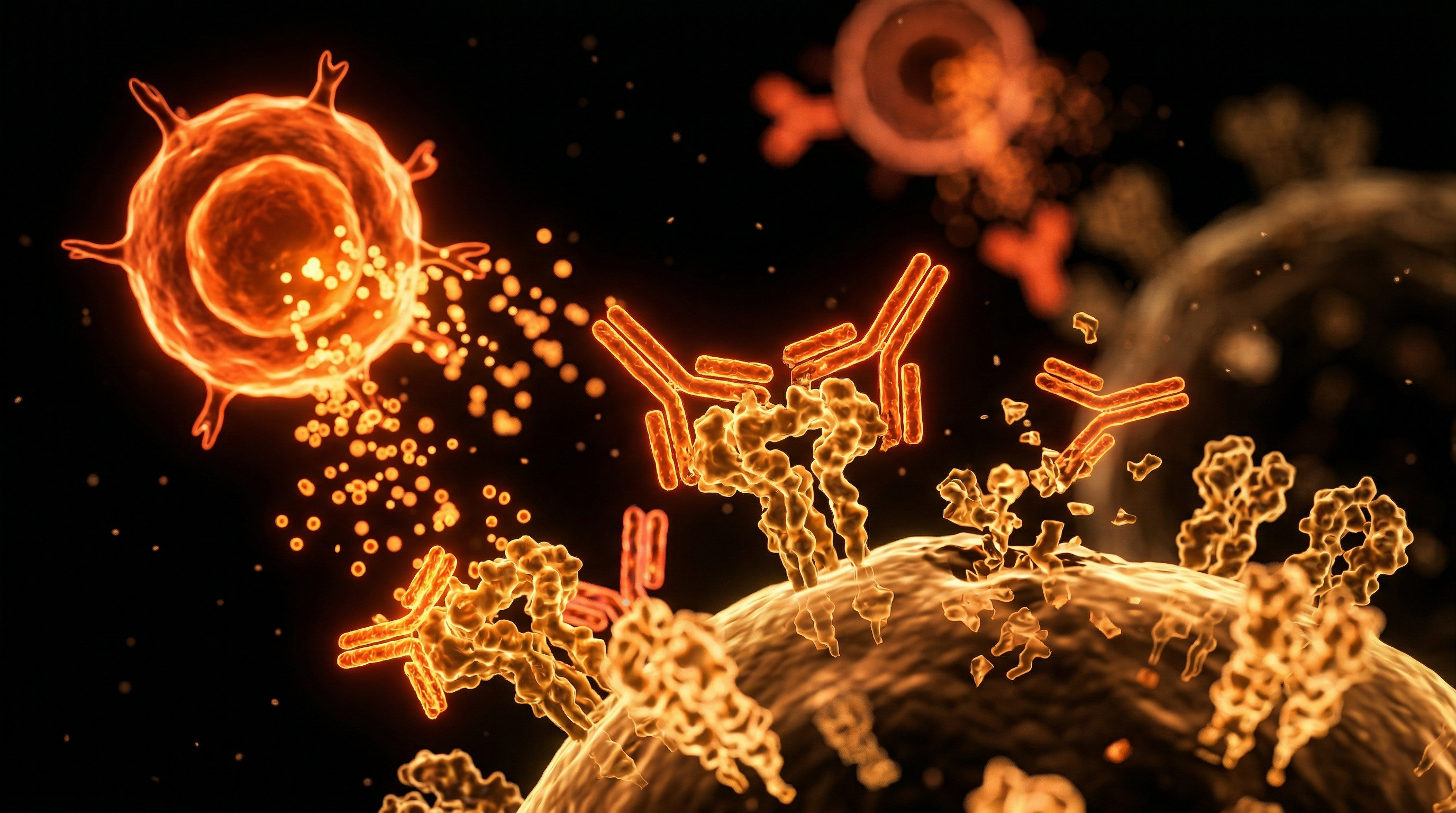
The biological architecture of the human immune system is predicated upon a foundational capacity for self-nonself discrimination, a process governed by complex immunological tolerance. Under homeostatic conditions, central and peripheral tolerance mechanisms—mediated primarily by thymic negative selection and the activation of regulatory T-cell (Treg) populations—ensure the deletion or anergy of autoreactive lymphocyte clones. However, autoimmunity represents a catastrophic collapse of these regulatory checkpoints. When the systemic machinery built to preserve physiological integrity turns its effector functions against the host, the result is chronic, systemic, and often debilitating inflammatory pathology.
From a molecular standpoint, the genesis of autoimmune disease is rarely mono-causal. It is the result of a convergence between genetic susceptibility, specifically within the Human Leukocyte Antigen (HLA) complex, and environmental triggers that induce post-translational modifications. Evidence published in journals such as The Lancet highlights that molecular mimicry—a process whereby pathogen-derived epitopes share structural homology with endogenous antigens—can activate quiescent autoreactive B and T cells. Once activated, these cells bypass peripheral tolerance, initiating a cascade of cytokine storms and the production of autoantibodies that deposit in target tissues, facilitating complement-mediated cell lysis and irreversible organ damage.
In the UK context, the prevalence of autoimmune conditions has seen a demonstrable uptick, necessitating a shift in clinical focus from symptomatic management to the interrogation of systemic triggers. As INNERSTANDIN maintains, the immune system does not "malfunction" in a vacuum; it responds to complex, often cumulative, stressors including epigenetics, dysbiosis of the gut microbiome, and persistent oxidative stress. The systemic impact is profound; autoimmune disorders, whether organ-specific like Type 1 Diabetes or systemic like Systemic Lupus Erythematosus (SLE), manifest as a constant state of hyper-inflammation. This state compromises the extracellular matrix and exhausts the regenerative capacity of somatic tissues. Understanding these phenomena requires moving beyond surface-level pathology to investigate the bioenergetics of immune exhaustion and the breakdown of homeostatic feedback loops. To truly grasp the scope of this crisis, one must recognise that autoimmunity is not merely a disease state, but a fundamental subversion of the biological mandate to sustain life, demanding rigorous, evidence-led inquiry into the core of human immunobiology.
The Biology — How It Works
At the crux of immunopathology lies the failure of self-tolerance, a complex physiological safeguard designed to distinguish between endogenous proteins and pathogenic antigens. Under homeostatic conditions, the human immune system orchestrates a sophisticated multi-layered surveillance programme. Central to this is the negative selection process occurring within the thymic medulla, where T-cells that exhibit high-affinity binding to self-peptides presented by major histocompatibility complex (MHC) molecules are purged via clonal deletion. This process, governed by the Autoimmune Regulator (AIRE) protein, is the primary gatekeeper against autoimmunity. However, when the structural integrity of this selection process is compromised—or when peripheral tolerance mechanisms, such as the activity of CD4+CD25+ regulatory T-cells (Tregs), falter—the system descends into pathological auto-reactivity.
Current research published in The Lancet and various Nature Immunology archives highlights that the transition to autoimmunity is rarely a singular event. Rather, it is a multi-factorial collapse. Molecular mimicry serves as a critical biological trigger; if a viral or bacterial epitope shares sufficient structural homology with a self-antigen, the cross-reactive immune response can bypass tolerance checkpoints, leading to the recruitment of effector T-cells and the production of autoantibodies by B-cell lineages. Once the innate barrier of ‘self-recognition’ is breached, the inflammatory cascade is amplified through the secretion of pro-inflammatory cytokines such as TNF-α, IL-6, and IL-17, which further propagate tissue degradation.
At INNERSTANDIN, we recognise that the systemic impact of this failure is not merely localised inflammation, but a cascading degradation of organ-specific function. In the UK, the rising prevalence of autoimmune conditions like Type 1 Diabetes and Rheumatoid Arthritis suggests that modern environmental triggers—ranging from epigenetic dysregulation to the modulation of the gut microbiome—are altering the threshold for immune activation. When B-cells undergo somatic hypermutation in the presence of chronic inflammation, they may develop specificity for native tissues, essentially turning the body’s defensive infrastructure into an internal insurgent force.
The mechanistic breakdown is essentially a failure of ‘self-discrimination’. Once the adaptive immune system identifies endogenous cellular components as ‘non-self’, the resultant damage is often compounded by the recruitment of neutrophils and macrophages, leading to chronic oxidative stress and the release of further neo-antigens. This creates a feed-forward loop of epitope spreading, where the immune system, in its misguided pursuit of ‘protection’, continues to expand its repertoire of targets until the systemic homeostasis is irrevocably compromised. Understanding this biological trajectory is the first step toward recalibrating our therapeutic approach to immunomodulation.
Mechanisms at the Cellular Level
At the molecular architecture of the immune system, the breakdown of self-tolerance—the fundamental physiological state where the host distinguishes ‘self’ from ‘non-self’—represents a catastrophic failure of evolutionary checkpoints. To INNERSTANDIN the pathogenesis of autoimmunity, one must first examine the thymic selection process. During T-cell ontogeny, the presentation of self-antigens by the autoimmune regulator (AIRE) protein within the medullary thymic epithelial cells is designed to induce apoptosis in autoreactive T-cells (negative selection). When this central tolerance mechanism is circumvented—often due to genetic polymorphisms in the AIRE or FOXP3 loci—autoreactive T-cells enter the peripheral circulation.
Once in the periphery, these rogue lymphocytes rely on the failure of peripheral tolerance mechanisms, specifically the exhaustion or dysfunction of regulatory T-cells (Tregs). In a healthy systemic environment, Tregs modulate the immune response via the secretion of IL-10 and TGF-β. However, research published in The Lancet highlights that in systemic lupus erythematosus (SLE) and rheumatoid arthritis, these inhibitory circuits are frequently bypassed through chronic inflammatory signalling. This environment promotes the activation of Th1 and Th17 cell subsets, which secrete potent pro-inflammatory cytokines such as IFN-γ and IL-17, orchestrating a cascade of tissue destruction.
Furthermore, the mechanism of molecular mimicry remains a critical point of focus for clinical researchers. This phenomenon occurs when exogenous pathogens express epitopes structurally analogous to host proteins. The immune system, having primed its adaptive response against a pathogen, cross-reacts with healthy tissues. This is evidenced by the clear link between Streptococcus pyogenes infections and rheumatic fever, where antibodies cross-react with cardiac myosin. Simultaneously, the role of epigenetic dysregulation cannot be understated; environmental triggers—common in the industrialised, high-stress, and microplastic-saturated environments of the UK—induce DNA methylation changes in CD4+ T-cells, effectively stripping away the ‘off-switches’ that prevent excessive immune activation.
At the cellular level, the systemic impact is compounded by the aberrant activation of B-cells, leading to the production of high-affinity autoantibodies. These proteins do not merely circulate; they deposit within microvascular beds, triggering the complement cascade and recruitment of neutrophils, culminating in chronic necrotic damage. For the INNERSTANDIN student, it is essential to recognise that autoimmunity is rarely a singular event but a multi-phasic collapse of surveillance. When the homeostatic equilibrium between effector cell proliferation and Treg-mediated suppression is permanently inverted, the body initiates a self-directed cytotoxic programme that is as aggressive as it is relentless.
Environmental Threats and Biological Disruptors
The paradigm shift in modern immunology necessitates a move away from the reductive view of autoimmunity as purely polygenic. While HLA (Human Leukocyte Antigen) class II alleles provide the genetic predisposition, the dramatic rise in autoimmune prevalence across the United Kingdom—now affecting approximately 4 million individuals—points to the potent role of the exposome. INNERSTANDIN posits that systemic self-reactivity is frequently triggered by the convergence of environmental xenobiotics and epigenetic dysregulation, which collectively erode immunological tolerance.
Central to this disruption is the concept of molecular mimicry. A myriad of environmental pathogens, specifically Epstein-Barr Virus (EBV) and Porphyromonas gingivalis, possess peptide sequences structurally analogous to human self-antigens. When the immune system mounts a humoral response against these invaders, it frequently cross-reacts with host proteins. Research published in The Lancet has increasingly corroborated the link between systemic EBV reactivation and the pathogenesis of Multiple Sclerosis, wherein misdirected CD8+ T-cell responses infiltrate the central nervous system, targeting myelin basic protein under the guise of an anti-viral offensive.
Furthermore, we must address the "leaky gut" or intestinal permeability hypothesis, mediated by the exogenous modulation of zonulin. Diets high in processed additives, such as microbial transglutaminase and emulsifiers (e.g., carboxymethylcellulose), have been shown in animal models to disrupt the tight junction protein complexes of the intestinal epithelium. This breach allows for the translocation of lipopolysaccharides (LPS) into the systemic circulation. This metabolic endotoxaemia triggers a chronic, low-grade inflammatory state characterized by the activation of the NLRP3 inflammasome. Once this threshold is crossed, the innate immune system remains in a state of heightened readiness, lowering the activation energy required for the adaptive immune system to break peripheral tolerance.
The endocrine-disrupting capacity of pervasive industrial chemicals, specifically Bisphenol A (BPA) and per- and polyfluoroalkyl substances (PFAS), further complicates this landscape. These compounds act as biological disruptors that modulate the hypothalamic-pituitary-adrenal (HPA) axis, inducing a state of glucocorticoid resistance. By blunting the body’s endogenous anti-inflammatory feedback loop, these pollutants perpetuate the pro-inflammatory cytokine milieu—specifically IL-6 and TNF-α—which is the hallmark of persistent autoimmune flare-ups. INNERSTANDIN research highlights that the cumulative burden of these environmental insults acts as a "second hit" in genetically susceptible individuals, precipitating a loss of self-nonself discrimination and driving the clinical manifestation of chronic systemic autoimmunity. Understanding these external drivers is not merely a public health imperative; it is the fundamental precursor to reversing the current epidemiological trajectory.
The Cascade: From Exposure to Disease
The transition from immune homeostasis to systemic pathology is not an instantaneous event, but a protracted kinetic cascade triggered by a breach in self-tolerance. At INNERSTANDIN, we identify this as the ‘pathogenic threshold’. The process typically initiates through a combination of genetic susceptibility—often linked to specific Human Leukocyte Antigen (HLA) polymorphisms—and exogenous environmental stressors, such as molecular mimicry, gut dysbiosis, or epigenetic modifications.
When an exogenous antigen shares structural similarities with endogenous proteins, the immune system may commit a critical error of cross-reactivity. This phenomenon, frequently cited in The Lancet regarding post-viral autoimmune sequelae, sees memory B-cells and T-cells activating against ‘self’ tissues. The cascade begins with the presentation of these self-antigens by professional antigen-presenting cells (APCs) to naive T-cells within the secondary lymphoid organs. Under normal conditions, peripheral tolerance mechanisms—specifically T-regulatory (Treg) cell suppression—would induce anergy or apoptosis in these autoreactive clones. In an autoimmune state, however, these checkpoints are bypassed.
Once this threshold is breached, the amplification phase commences. Autoreactive T-helper 1 (Th1) and Th17 cells migrate to target tissues, secreting potent pro-inflammatory cytokines such as IFN-γ, IL-17, and TNF-α. This cytokine storm orchestrates the recruitment of neutrophils and macrophages, inciting chronic localised inflammation. Simultaneously, B-cell activation leads to the synthesis of high-affinity autoantibodies. These antibodies deposit as immune complexes in the basement membranes of vasculature, joints, or organs—most notably in systemic lupus erythematosus (SLE) or rheumatoid arthritis—triggering the classical complement pathway.
This leads to the deposition of membrane attack complexes (MACs), resulting in irreversible cell lysis and necrotic tissue damage. The systemic impact is compounded by the release of ‘damage-associated molecular patterns’ (DAMPs) from dying cells. These DAMPs act as endogenous danger signals, stimulating Toll-like receptors (TLRs) and further inflaming the innate immune response. This creates a self-perpetuating, feed-forward loop of epitope spreading, where the immune system continuously recruits new specificities against previously healthy proteins. By the time clinical symptoms manifest, the underlying biological architecture of the patient has often been fundamentally rewired. INNERSTANDIN research underscores that by the time of diagnosis, the humoral and cellular components of the adaptive immune system are firmly locked into an aberrant state, necessitating precise therapeutic intervention that targets the root of these epigenetic and molecular triggers, rather than merely dampening the resultant symptomatic inflammation.
What the Mainstream Narrative Omits
The prevailing biomedical consensus frequently frames autoimmunity as a binary failure—a stochastic ‘glitch’ in immunological self-tolerance where lymphocytes inexplicably target host epitopes. However, this reductionist narrative consistently overlooks the sophisticated biophysical stressors that precipitate these pathologies. At INNERSTANDIN, we argue that the clinical focus on immunosuppressive modulation is often a reactionary suppression of symptoms rather than a comprehensive resolution of systemic inflammatory cascades.
A critical omission in the standard clinical dialogue is the role of molecular mimicry modulated by the human virome and environmental epigenetics. Research published in The Lancet underscores that viral persistent infections—notably Epstein-Barr Virus (EBV)—do not merely exist in a latent state; they initiate chronic cross-reactivity where host-derived molecular patterns are flagged as pathogenic due to structural homologies. Mainstream protocols often ignore this persistence, treating the resulting systemic inflammation as idiopathic. Furthermore, the role of intestinal permeability, or ‘leaky gut’, is frequently relegated to the fringes of gastroenterology, despite robust evidence in PubMed-indexed literature linking zonulin-mediated disruption of tight junctions to the systemic translocation of lipopolysaccharides (LPS). Once these endotoxins enter the systemic circulation, they trigger a state of chronic low-grade endotoxemia, acting as a perpetual primer for Toll-like receptor 4 (TLR4) activation, thereby maintaining the immune system in a hyper-vigilant, pro-inflammatory state.
Additionally, the mainstream narrative fails to adequately account for the metabolic exhaustion of the adaptive immune system. We observe that mitochondrial dysfunction in T-cell subsets often precedes clinical manifestation. In the UK, where environmental pollutants and endocrine-disrupting chemicals (EDCs) are pervasive, the cumulative bioaccumulation of xenobiotics alters the redox homeostasis of the cellular environment. This oxidative stress doesn’t just cause damage; it acts as a signalling pathway that promotes the conversion of regulatory T cells (Tregs) into effector T cells, effectively dismantling the brakes on the immune response. By treating autoimmunity as a purely endogenous malfunction, conventional medicine neglects the extrinsic drivers—the cumulative epigenetic load—that force the immune system into an adversarial posture. At INNERSTANDIN, we identify these omissions as the primary barrier to shifting from palliative management to mechanistic resolution.
The UK Context
The epidemiological landscape of autoimmune disease within the United Kingdom is undergoing a profound shift, characterised by an escalating incidence of systemic inflammatory conditions that suggests a multifaceted interplay between environmental epigenetics and modern anthropogenic exposures. Current data derived from the Clinical Practice Research Datalink (CPRD) indicates a statistically significant uptick in the prevalence of complex autoimmune pathologies, ranging from Type 1 Diabetes Mellitus to systemic lupus erythematosus (SLE) and multiple sclerosis. At INNERSTANDIN, we contend that this surge is not merely a consequence of improved diagnostic sensitivity, but a fundamental dysregulation of immunological homeostasis exacerbated by the "hygiene hypothesis" and the subsequent loss of microbial diversity within the British population.
Mechanistically, the loss of self-tolerance—the hallmark of autoimmune pathology—is increasingly being mapped to the disruption of the gut-immune axis. The UK’s reliance on processed diets, high in emulsifiers and ultra-processed constituents, has been implicated in the degradation of the mucosal barrier and the subsequent translocation of commensal microbial products into systemic circulation. This process triggers chronic activation of the innate immune system via Pattern Recognition Receptors (PRRs), leading to a state of persistent low-grade inflammation. This environment lowers the threshold for the activation of autoreactive T-cells that have escaped thymic selection.
Furthermore, the British Isles present a unique longitudinal study in the impact of Vitamin D insufficiency—a direct consequence of our geographical latitude—on the modulation of Regulatory T-cell (Treg) function. Peer-reviewed literature, particularly studies published in The Lancet, underscores that suboptimal serum 25(OH)D levels impair the suppression of proinflammatory cytokines, thereby facilitating the aberrant targeting of endogenous tissues. As we scrutinise the systemic impact of these mechanisms, it becomes clear that the UK’s autoimmune crisis is an indicator of a biological discordance between our Neolithic immune architecture and the rapid, industrialised evolution of our contemporary environment. At INNERSTANDIN, our research maintains that identifying these biochemical triggers is the critical first step toward reversing the tide of chronic immune-mediated morbidity.
Protective Measures and Recovery Protocols
The remediation of autoimmune pathology necessitates a departure from symptomatic suppression towards the modulation of immunometabolic signalling and the re-establishment of homeostatic tolerance. At the INNERSTANDIN research nexus, we categorise recovery protocols into three distinct biological pillars: structural integrity of the epithelial barriers, systemic cytokine modulation, and the re-education of regulatory T-cell (Treg) populations.
The primary frontier in halting self-directed immunological aggression is the mitigation of intestinal permeability, frequently described as 'leaky gut'. According to research published in The Lancet, the translocation of lipopolysaccharides (LPS) from the microbiome into the systemic circulation acts as a potent adjuvant for chronic inflammatory cascades. When tight junction proteins—specifically zonulin—are dysregulated, the resultant molecular mimicry facilitates the presentation of self-antigens to immature T-cells. Clinical interventions prioritising L-glutamine supplementation and the restoration of microbial diversity via butyrate-producing commensals are essential for closing these paracellular pathways. Without this barrier reinforcement, the immune system remains in a perpetual state of hyper-vigilance, driven by continuous endotoxin exposure.
Simultaneously, the protocol must address the systemic inflammatory milieu. High-sensitivity C-reactive protein (hs-CRP) and erythrocyte sedimentation rates (ESR) serve as proxy markers for the underlying oxidative stress that keeps the innate immune system in a state of 'primed' activation. The therapeutic deployment of nutraceuticals such as high-bioavailability curcumin and omega-3 polyunsaturated fatty acids (EPA/DHA) is supported by meta-analyses in PubMed demonstrating their efficacy in inhibiting the NF-κB signalling pathway. By silencing this master regulator of inflammation, we effectively downregulate the expression of proinflammatory cytokines, including TNF-α and IL-6, which are synonymous with autoimmune progression.
Finally, the recovery of systemic equilibrium hinges on the induction of peripheral tolerance. Emerging data indicates that Vitamin D receptor (VDR) modulation is paramount; as a seco-steroid hormone, Vitamin D operates as an epigenetic switch, promoting the differentiation of naïve CD4+ T-cells into FOXP3+ regulatory T-cells. These cells are the ‘peacekeepers’ of the immune architecture, tasked with suppressing excessive effector responses and preventing the autoreactive cascade. INNERSTANDIN data highlights that restoring serum 25(OH)D levels to an optimal range (100–150 nmol/L) is not merely a supplementary measure, but a prerequisite for restoring immunological self-recognition. Through the synergistic application of barrier repair, cytokine attenuation, and epigenetic fine-tuning, the objective is to transition the immune system from a state of destructive autoimmunity back to one of physiological surveillance. Recovery is not merely the absence of flares, but the active restoration of the regulatory mechanisms that safeguard self-identity.
Summary: Key Takeaways
The pathogenesis of autoimmunity represents a catastrophic breakdown in immunological self-tolerance, wherein the sophisticated discrimination between 'self' and 'non-self'—primarily governed by the thymus-derived central tolerance and peripheral regulatory mechanisms—is fundamentally compromised. As evidenced by clinical data from the Lancet and high-impact immunological journals, this aberrant response is multifactorial, arising from a synergistic convergence of genetic susceptibility (notably HLA class II polymorphisms), epigenetic dysregulation, and environmental triggers, such as molecular mimicry and dysbiosis of the gut microbiome.
At the cellular level, the loss of FOXP3+ regulatory T-cell suppressive capacity and the hyper-activation of autoreactive B-cells lead to the systemic production of autoantibodies and chronic inflammation. This results in progressive tissue damage, organ-specific dysfunction, and a heightened risk of chronic morbidity within the UK population. INNERSTANDIN the biological architecture of this breach is essential for advancing precision medicine. Ultimately, reversing these pathologies requires moving beyond transient symptom management to therapeutic strategies that re-establish immune homeostasis and restore the integrity of the tolerogenic environment.
This article is provided for informational and educational purposes only. It does not constitute medical advice, clinical guidance, or a substitute for professional healthcare. Information reflects cited research at time of publication. Always consult a qualified healthcare professional before acting on any health information.
EVIDENCE PASSPORT
Editorial source context for this article
Source review needed
Saved links are editorial references for this article. They may support specific claims rather than every sentence. Open and assess each source in context. This passport does not independently verify them.
Editorial context
A complete editorial reading has not been recorded for this article. Source links remain available for you to open and assess directly.
Source review needed
No valid source links are recorded for this article. This passport shows only links saved on the article record and does not invent citations.
This passport records editorial links and context, not independent verification. Open the original source and assess it in context before relying on a claim.
Medical Disclaimer
The information in this article is for educational purposes only and does not constitute medical advice, diagnosis, or treatment. Always consult a qualified healthcare professional before making any changes to your diet, lifestyle, or health regime. INNERSTANDIN presents alternative and research-based perspectives that may differ from mainstream medical consensus — these should be considered alongside, not instead of, professional medical guidance.
Read Full DisclaimerContinue the thread
Keep this question moving.
Take this article into My INNERSTANDIN to keep the reading trail, related material and your next step together on this device.
Explore this in the Body Map
See where this hits your biology. Interactive anatomy, threats, and protective protocols.
Dig deeper in the Library
Free, longform PDF volumes that go beyond headlines into mechanisms and references.